Missile Defense
▼Cooling 40 recent stories · 151 total mentions · Following ↗
-
The US has proposed a missile defense system, referred to as a Golden Dome, which has been attempted before. The proposal is backed by Donald Trump, but details about the system are scarce.
-

UK Defense Secretary Wes Streeting visited Kyiv to discuss missile defense and joint arms production with President Volodymyr Zelensky. The meeting followed a deadly Russian strike that killed at least 17 people. The two leaders aimed to strengthen their defense cooperation.
-
HENSOLDT's CEO reports that the Freyja project is gaining political momentum as Europe seeks to provide Ukraine with a Patriot-like missile defense capability starting from 2027. The project is a collaboration between HENSOLDT and Ukrainian company Fire Point. HENSOLDT aims to play a larger role in Ukraine's air and missile defense through this project.
-
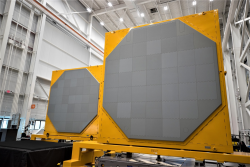
Raytheon is rolling out new generation air and missile defense radars, SPY-6, onto US Navy ships, differing from the existing SPY-1 radars. The SPY-6 radars are part of the US Navy's efforts to modernize its defense systems. This upgrade aims to enhance the navy's air and missile defense capabilities.
-

Ukraine's Fire Point is integrating European technology into its Freyja missile defense system. The company has secured agreements with European defense companies for the project. This development aims to enhance Ukraine's missile defense capabilities.
-

Northrop Grumman has been awarded a potential $607M task order by the Missile Defense Agency to supply simulation and threat-modeling tools. The two-year base period is worth $68.8 million, with options to reach $606.5 million. The order was placed through the Air Force's Enterprise-Wide Agile Acquisition Contract.
-

The Space Force will conduct tests of satellite-to-satellite communications via optical laser-light links at K2, a key component of its future missile warning and tracking architecture. This technology is part of the Trump administration's Golden Dome missile defense shield.
-
HENSOLDT CEO Oliver Dörre reports increasing demand for radar systems across various programs, including NATO air defense, combat aircraft, and space-based intelligence. This growth is driven by modernization efforts in Ukraine, NATO missile defense, Eurofighter, naval modernization, and space programs. The demand for radar systems is broadening across these sectors.
-
Northrop Grumman anticipates an increase in contract activity for the Golden Dome homeland missile defense initiative through 2026 and into 2027. This acceleration is expected as US funding for homeland missile defense moves into the procurement phase.
-

A Russian ballistic missile attack killed nine in Kyiv, amidst struggles with US air defense support. President Trump is reconsidering a promised boost to Ukraine's missile defense systems.
-

Senior enlisted leaders from U.S. Army Central and Third Army attended the Sergeants Major Course graduation at Fort Bliss and discussed air defense readiness with the 32nd Army Air & Missile Defense Command. The visit aimed to address air defense capabilities. The leaders' discussion focused on enhancing air defense readiness.
-
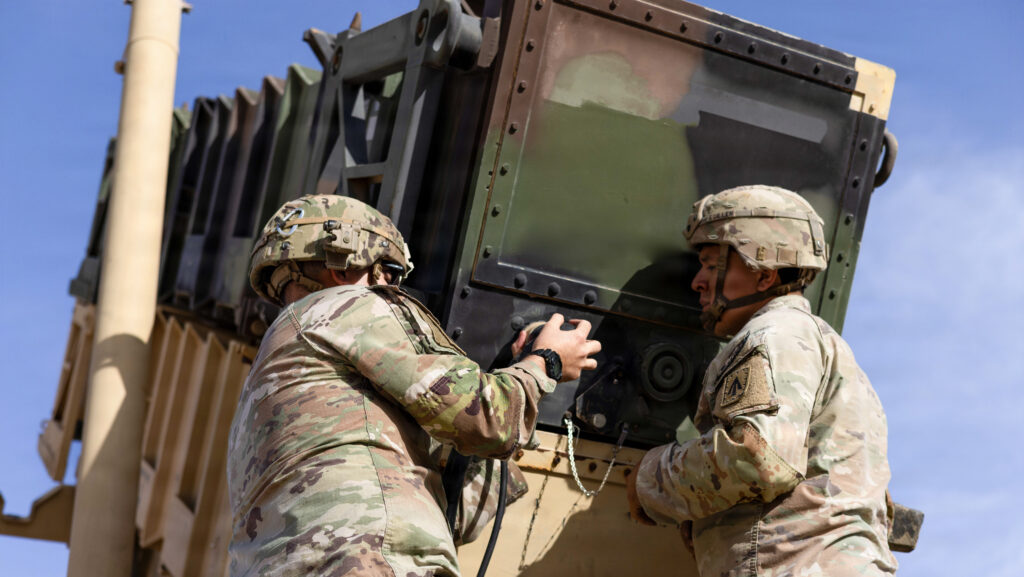
The current air-and-missile defense system has a weakness in its solid rocket motor resupply chain, which could take years to replenish during a high-tempo engagement. Procurement changes are needed to address this issue. The problem is highlighted in the context of a potential conflict with Iran.
-
A Russian missile has breached NATO airspace in Poland, raising concerns about the escalation of the war in Ukraine. The missile, identified as a Kh-101 cruise missile, flew for six minutes in Polish airspace before crashing. Poland's leader, Donald Tusk, confirmed the incident and summoned the Russian ambassador.
-
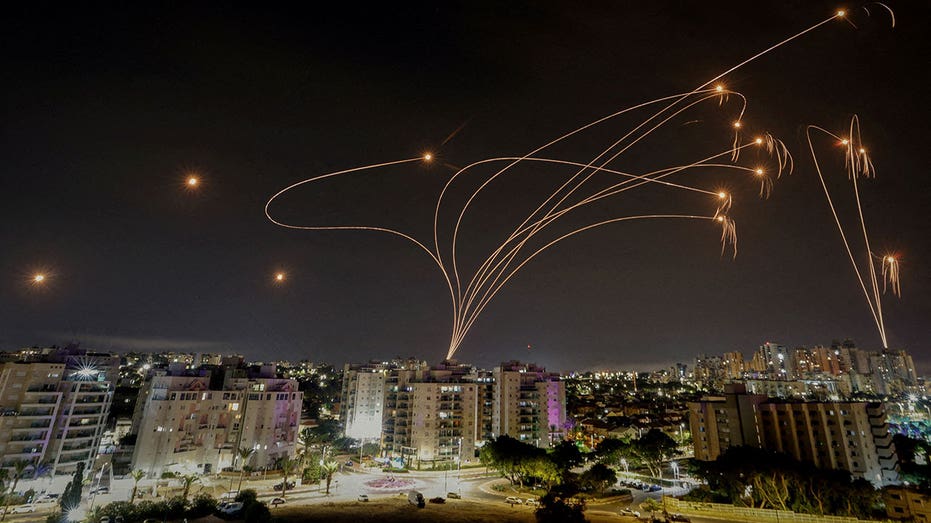
A report warns that the Golden Dome's focus on space-based missile defense may leave US cities vulnerable to drone attacks. The report suggests that Israeli systems could help mitigate this vulnerability. This potential weakness in US defense could have significant consequences for national security.
-
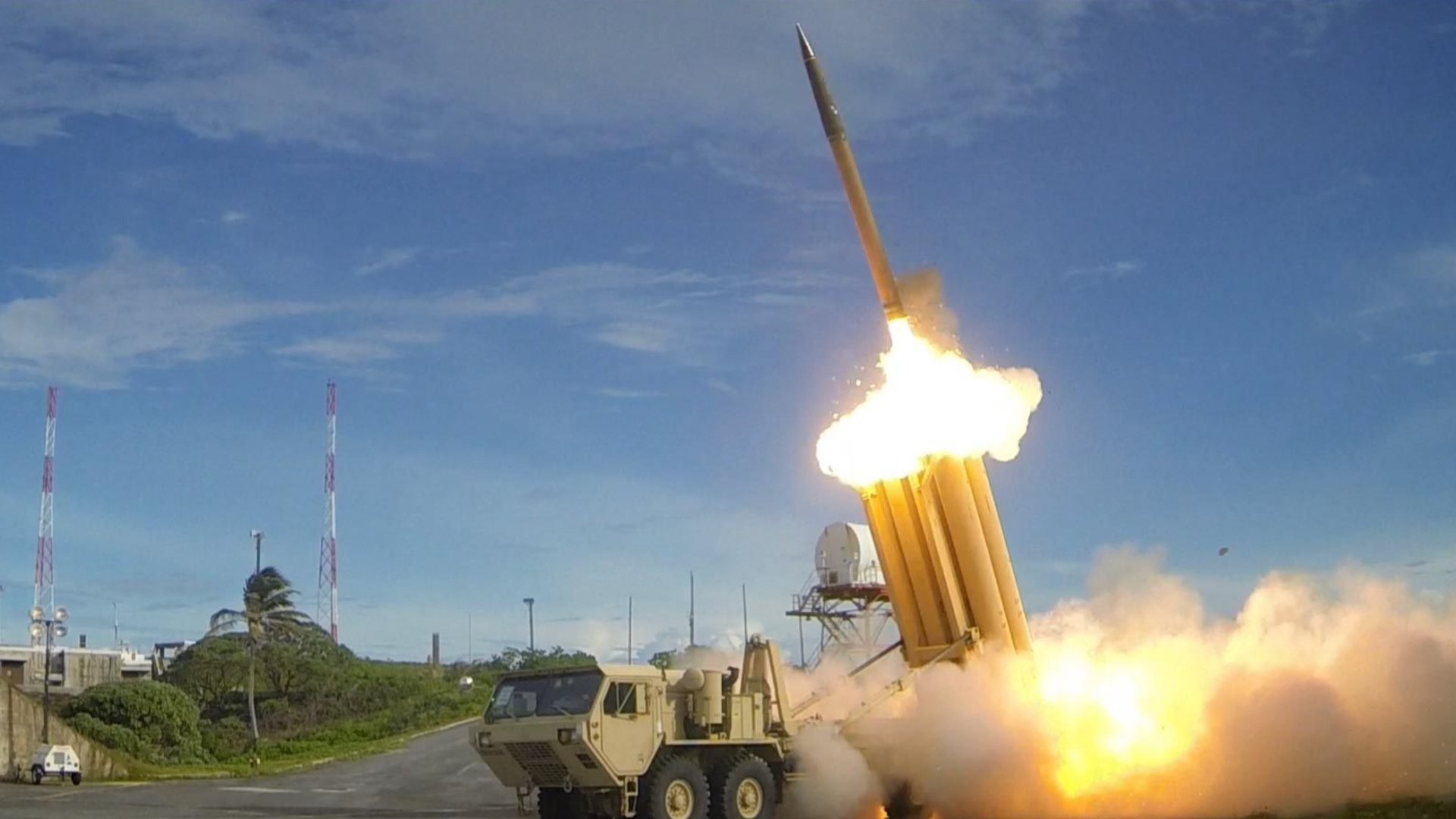
The US is strengthening its missile defenses by expanding production of propulsion systems for the Terminal High Altitude Area Defense (THAAD) and Patriot Advanced Capability-3 (PAC-3) MSE interceptor missiles. L3Harris has been awarded a framework agreement to quadruple THAAD propulsion production. The expansion aims to nearly triple PAC-3 MSE missile production and quadruple THAAD output.
-
Ukrainian President Zelenskyy and Britain's new leader have discussed potential collaborations on drone projects and missile defense systems for Kyiv. The talks aim to enhance Ukraine's defense capabilities. The discussion highlights the importance of advanced defense technologies in supporting Ukraine's security needs.
-
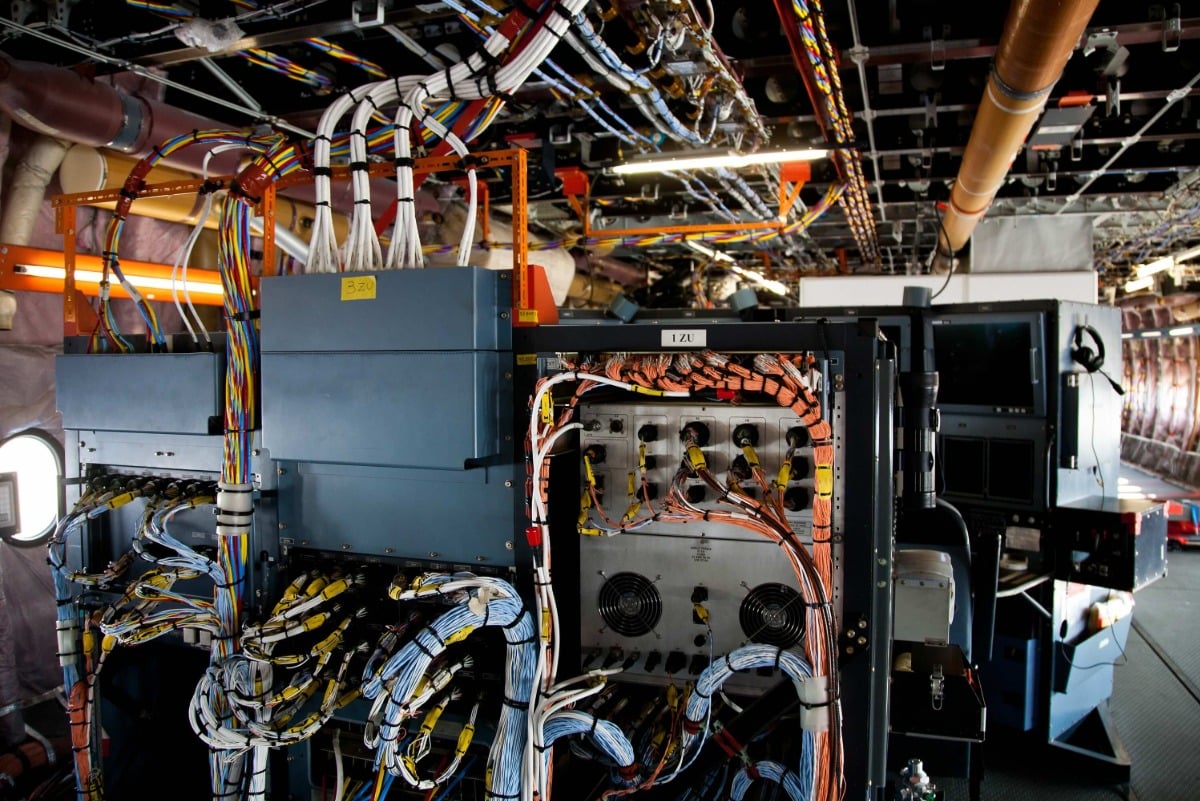
NATO leaders announced over $50 billion in new defense procurement deals, covering precision strike weapons and air and missile defense systems. Member states also committed to a five-year, $40 billion investment. The investments aim to enhance NATO's military capabilities.
-
Lockheed Martin's laser weapon successfully passed its first Golden Dome missile-defense test, leading to a new Pentagon contract. The test was followed by a contract award just two weeks later. This development marks a significant milestone in the advancement of laser weapon technology for missile defense.
-
The UK has selected Tekever AR5 surveillance drones to replace the British Army's Watchkeeper fleet. The acquisition is expected to see up to 24 aircraft delivered by 2029. This decision comes as the UK seeks to upgrade its surveillance capabilities, with the Tekever AR5 having proven itself in Ukraine.
-

Rocket Lab has been awarded a $266 million contract by the US Space Force for up to 18 suborbital launches to support missile defense development. The launches will take place from a new facility in Alaska, with the majority of the missions occurring over the next three years. This contract marks the largest single launch agreement secured by Rocket Lab to date.
-
Ukraine aims to have a prototype of a European missile defense system by mid-2027, according to an official. This development is part of Ukraine's efforts to enhance its defense capabilities. The prototype is expected to be a significant step towards strengthening European missile defense.
-
The UK Ministry of Defence has awarded Lockheed Martin UK a £20 million contract to develop a hypersonic target for missile-defense testing. This project is part of the AUKUS cooperation, a trilateral security pact between Australia, the UK, and the US. The development of hypersonic targets will enhance missile defense testing capabilities.
-

The US has paused its attacks on Iran for a second straight day due to dwindling missile stockpiles. President Trump is weighing his options, considering both diplomatic and military actions. The pause in attacks is seen as an effort to bring the countries back to negotiations on an interim ceasefire.
-
RTX and Northrop Grumman have reported significant increases in their backlogs, driven by demand for defense programs such as Patriot, AMRAAM, Sentinel, and IBCS. RTX's backlog reached $119 billion, while Northrop Grumman's reached $104.7 billion. Both companies saw increased sales, with RTX posting $24.7 billion in second-quarter sales and Northrop Grumman reporting $20.0 billion in net awards.
-
Defense companies are developing lower-cost solutions to defeat missiles, addressing the demands of Ukraine, the US, and other Western militaries. The industry is responding to the need for more affordable missile defense interceptors. This development could enhance the military's ability to counter missile threats.
-
The US and Republic of Korea concluded the 7th Annual Integrated Air & Missile Defense Academy, focusing on strengthening bilateral partnership for IAMD in the Indo-Pacific. The event aimed to enhance cooperation and defense capabilities. The academy is a key component of the US-Korea defense partnership.
-

The U.S. Army Redstone Test Center successfully completed the Pacific Shadow Mission, a maritime operation in the Pacific. The mission demonstrated a new system for collecting long-range missile test data and established a data-sharing pathway with the Missile Defense Agency. This showcases the future of agile test instrumentation.
-

Hanwha Philly Shipyard has been awarded a $2 billion contract to build two missile-tracking vessels for the US Navy, replacing the aging Pacific Tracker and Pacific Collector. The new vessels will support the US missile defense program. The contract is part of a larger effort to revitalize US shipbuilding and enhance national security capabilities.
-
US Army Space and Missile Defense Command warrant officers play a crucial role in bridging the gap between enlisted and commissioned officers. They comprise a small cohort within the 100th Missile Defense Brigade and 1st Space Brigade. Their position allows them to serve as 'honest brokers' in the evolving space and missile defense tech landscape.
-
European defence firms have formed the Bliksem EXO consortium to develop a sovereign upper-layer interceptor for NATO-compatible missile defence. The consortium aims to defeat ballistic threats, including Russia's intermediate-range Oreshnik missile. A test of the exo-atmospheric interceptor is planned for 2027.
-

The Space Development Agency has awarded L3Harris and Sierra Space $1.75 billion to build 36 satellites for the Golden Dome missile defense shield. The satellites will provide missile warning, tracking, and targeting capabilities. The contract is part of an accelerated schedule to meet the Pentagon's 2028 plans for demonstrating the Golden Dome system.
-
Ukraine and nine European countries have formed a coalition to develop a defense system against ballistic missiles, with the goal of protecting Europe from future threats. The coalition will focus on developing and implementing a shared defensive capability, including the production of anti-missile interceptors. Ukraine has also received licenses to produce Aster 30 anti-missile interceptors and will receive Rafale aircraft and SAMP/T batteries.
-
Reditus is preparing to launch its re-entry vehicle/hypersonic target, with the Missile Defense Agency evaluating its ENOS spacecraft as a hypersonic target/testbed under the SHIELD contract. The company's CEO, Stef Crum, announced the development. This launch marks a significant step in the development of hypersonic technology.
-
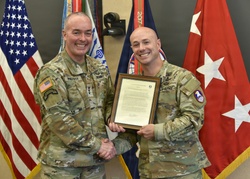
Col. Joseph H. Mroszczyk takes over as director of the Transformation Integration Directorate – Space Superiority at the US Army Space and Missile Defense Command. The change of charter occurred at the Redstone Arsenal headquarters on July 10. Col. Princeton D. Wright previously held the position.
-
Lieutenant General Frank Lozano discusses the Army's acquisition modernization and its impact on landpower. The conversation also explores long-range precision-strike and integrated air and missile defense. Additionally, the dialogue covers Joint Force and coalition interoperability
-
The US Army's Delta Battery conducted Patriot site establishment training to enhance field readiness for air and missile defense missions. The training took place on July 9, 2026, and involved soldiers from the 1st Battalion, 62nd Air Defense Artillery Regiment. This exercise aims to strengthen the unit's capabilities in rapid site establishment.
-
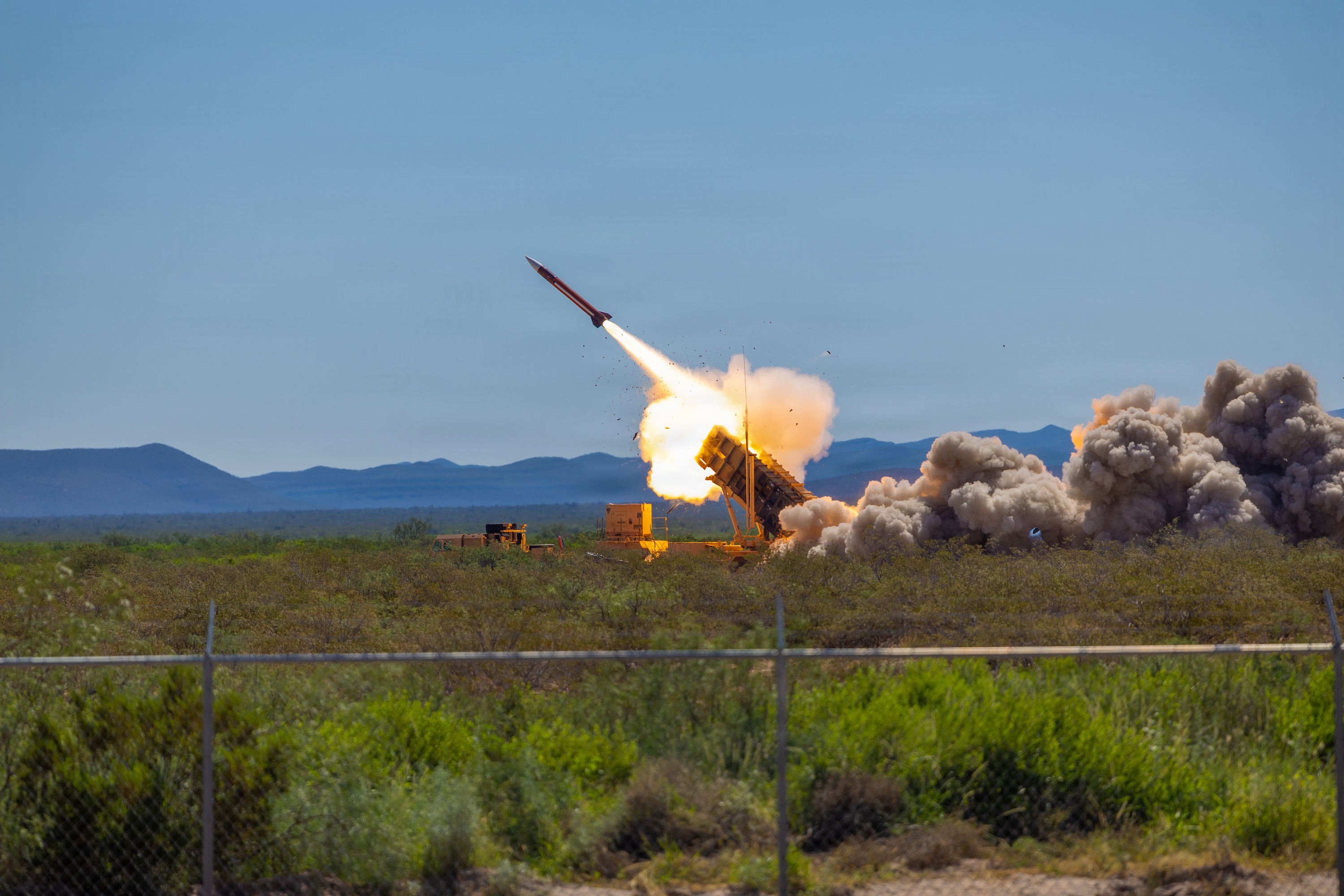
Ukraine is developing a homegrown ballistic missile defense system called Freya, a cheaper alternative to the Patriot system, to counter Russia's ballistic missiles. The first coalition meeting will be held in France to discuss the project. The system aims to provide a cost-effective solution to Ukraine's missile defense needs.
-
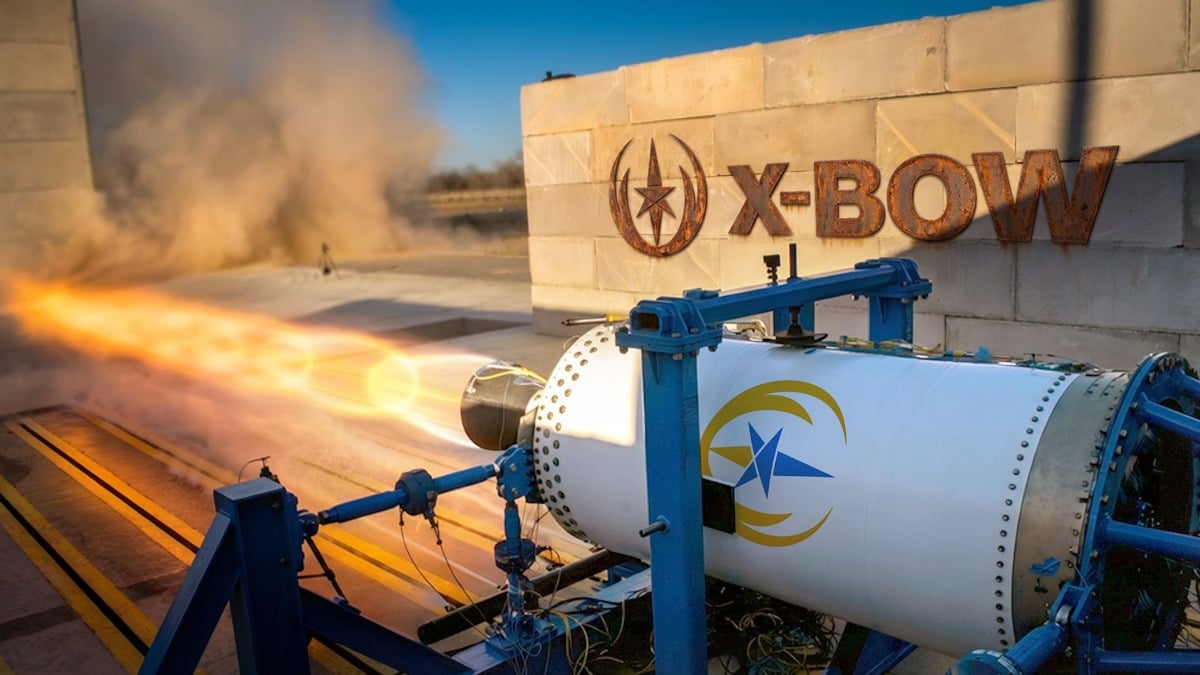
X-Bow Launch Systems has been awarded a nearly $11 million contract by the Missile Defense Agency to build the Pentagon's next rocket motor, aiming to break the monopoly of two American companies that have dominated the production of solid rocket motors for decades. The contract is a significant step towards increasing competition in the industry.
-

The US Department of Defense has selected nLIGHT to help develop a 500-kW laser system for cruise missile defense. This technology aims to enhance the military's capabilities in defending against cruise missiles. The development of high-energy lasers is a significant step forward in modernizing the nation's defense systems.
-
The Pentagon has awarded contracts to develop laser weapons that can shoot down drone swarms and cruise missiles. The contracts are part of the Department of Defense's efforts to develop directed energy systems. Companies such as Lockheed, nLIGHT, MBDA, and Rheinmetall have been selected to work on the project.