Drones
▬Steady 40 recent stories · 2989 total mentions · Following ↗
-

Anduril Industries' founder, Palmer Luckey, has publicly accused The Wall Street Journal of running a false story about a drone boat factory. The dispute is playing out on social media, with Luckey claiming the newspaper knew the story was untrue. Anduril is a defense technology company that specializes in autonomous systems, including drones.
-

Ukrainian drones attacked a major Russian oil refinery, causing a fire and deepening fuel shortages. This is the seventh such attack this year, targeting Russia's energy infrastructure and disrupting oil refining capacity.
-

The Navy's portfolio acquisition executive for robotics and autonomous systems has been removed from the position after 8 months. Chris Miller, the head of PAE Maritime, will take over the role. The position was created as part of a broader acquisition overhaul last year.
-

A patented machine vision technology enables autonomous drones to recognize objects with increasing accuracy, even without GPS. This innovation enhances the capabilities of drones in various applications. The technology allows drones to confirm the identity of objects they are looking at, improving their autonomy and decision-making abilities.
-
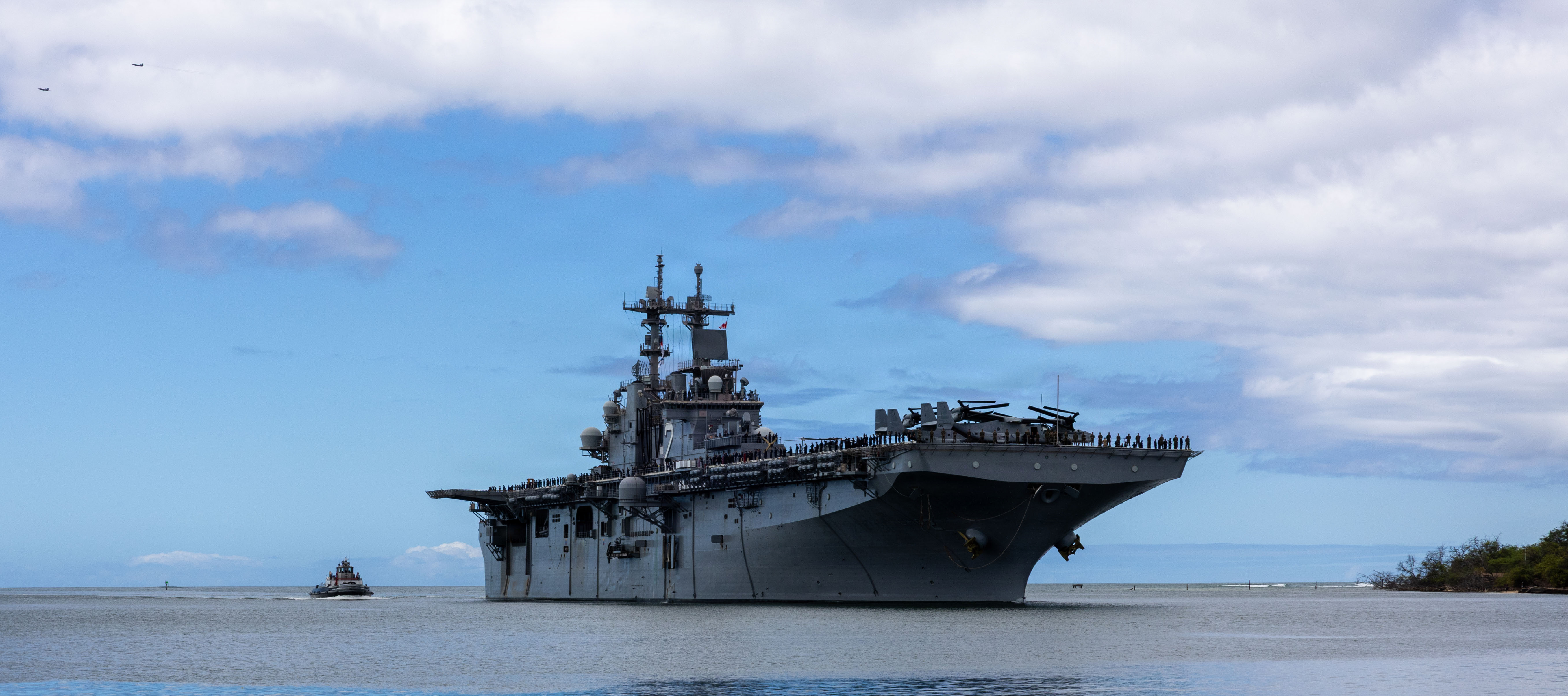
The USS Essex has successfully 3D-printed 12 drones using a containerized microfactory, demonstrating the ability to build drones at sea without shore resupply. This capability was made possible by Firestorm Labs. The drones are first-person view models, which can be used for various military applications.
-
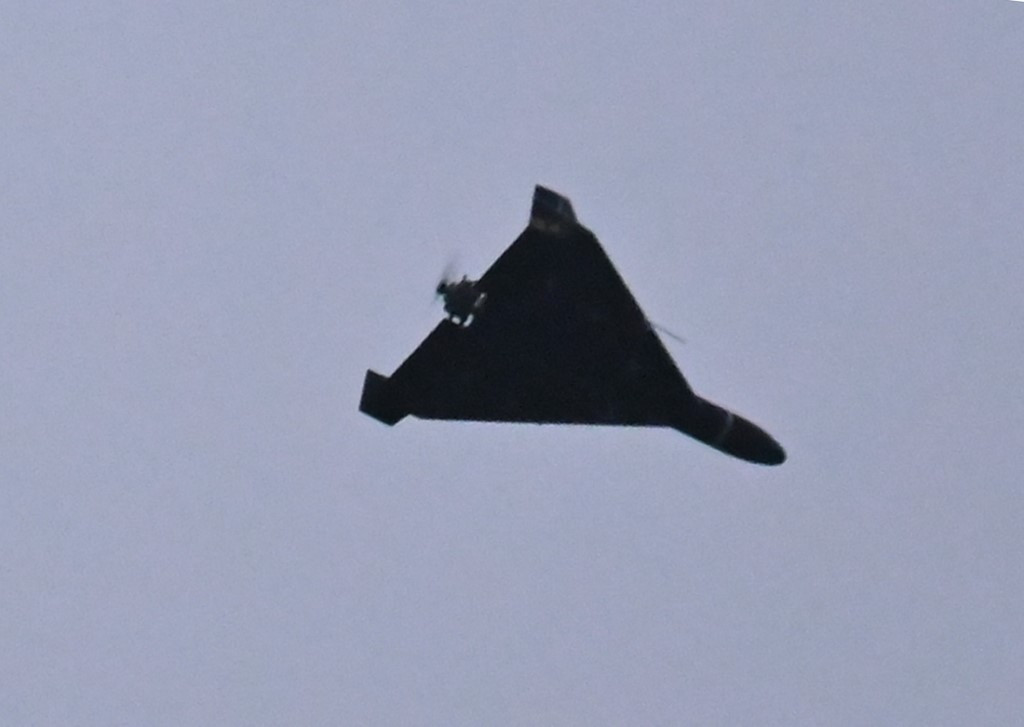
Fragments of a Russian Geran-2 attack drone were found in southern Moldova near the Ukrainian border. A forensic investigation has been launched to determine how the drone entered Moldovan territory.
-
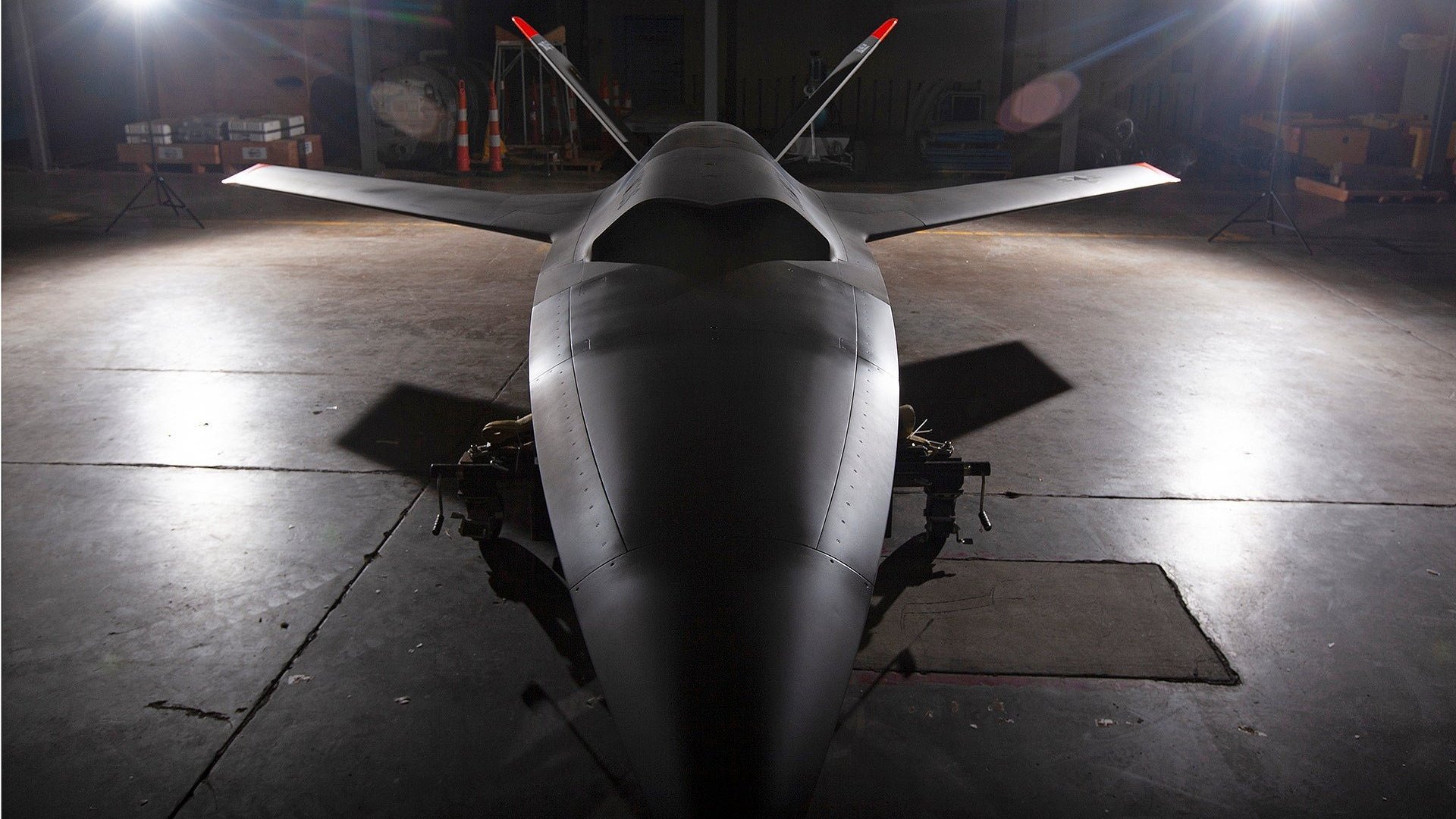
The XQ-58 Valkyrie drone, a stealthy autonomous drone, crashed at Dugway Proving Ground in Utah during a test. The manufacturer, Kratos, reported the incident occurred upon takeoff while in a test configuration.
-

The Indonesian Navy deployed a kamikaze unmanned surface vessel for the first time during a major exercise, also launching a loitering munition and firing anti-ship missiles. The exercise showcased the navy's new capabilities, including the use of unmanned systems. The kamikaze USV features an angular grey hull and is designed for one-way attack missions.
-
Lockheed Martin's CEO has directed the company to build 1,000 Grizzly and 1,000 MORFIUS counter-drone systems. The company is seeking to supply these systems to the U.S. and export markets. The move is part of the company's efforts to develop counter-drone capabilities.
-
The P-8A Poseidon and MQ-4C Triton were designed to work together, and now direct in-flight control of Tritons by P-8A crews is becoming a reality. This will open new tactical possibilities and extend the Poseidon's reach. The integration of these systems will enhance their combined capabilities.
-
The DCMA-sponsored 'Game of Drones' event showcased Edwards Air Force Base's capabilities in supporting drone dominance. The event highlighted the base's role in advancing drone technology. It demonstrated the base's support for drone operations and development.
-

A new lithium-oxygen battery composite could enable electric vehicles to travel cross-country and drones to fly all day. This breakthrough in battery technology has the potential to revolutionize energy storage. The development of more efficient batteries is crucial for meeting the world's energy needs.
-
The lessons being learned from Ukraine's drone war are incorrect, according to an article on Breaking Defense. The article discusses the implications of this misunderstanding.
-

Japan plans to transform its military capabilities with drones and strengthen its domestic defense industry. The goal is to reduce dependence on foreign manufacturers and mitigate defense equipment costs. Japan's defense industry currently produces high-end items like ships, aircraft, and missiles.
-
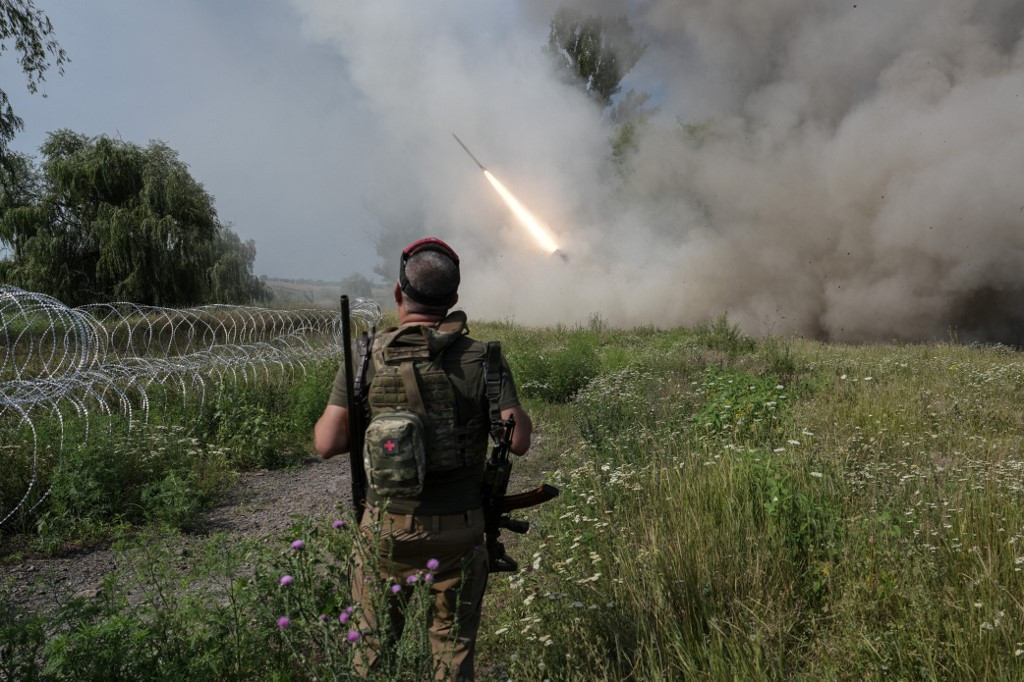
Ukraine's 40-day drone campaign targeted Russian logistics, hitting bases, warehouses, and supply routes, causing disruption and damage. The campaign failed to force a ceasefire but had a significant impact on Russian operations. Hundreds of drones were used to target Crimea links and fuel networks.
-

Fire Point, a Kyiv-based missile and drone maker, has exhibited its entire declared missile family at Eurosatory 2026, including the FP-1/FP-2 strike drones and the previously unseen FP-7 and FP-9 ballistic systems. The company has also announced an agreement with 12 nations to co-develop FREYJA, a European ground-based interceptor system. This marks a significant step for Fire Point, which has been operating largely under the radar until now.
-
CSG has acquired a strategic stake in North Vector Dynamics, a Canadian company that develops air-defence, counter-drone, and hypersonic technologies. This investment adds counter-drone missiles and hypersonic technology to CSG's defence portfolio. The move is expected to enhance CSG's capabilities in these areas.
-
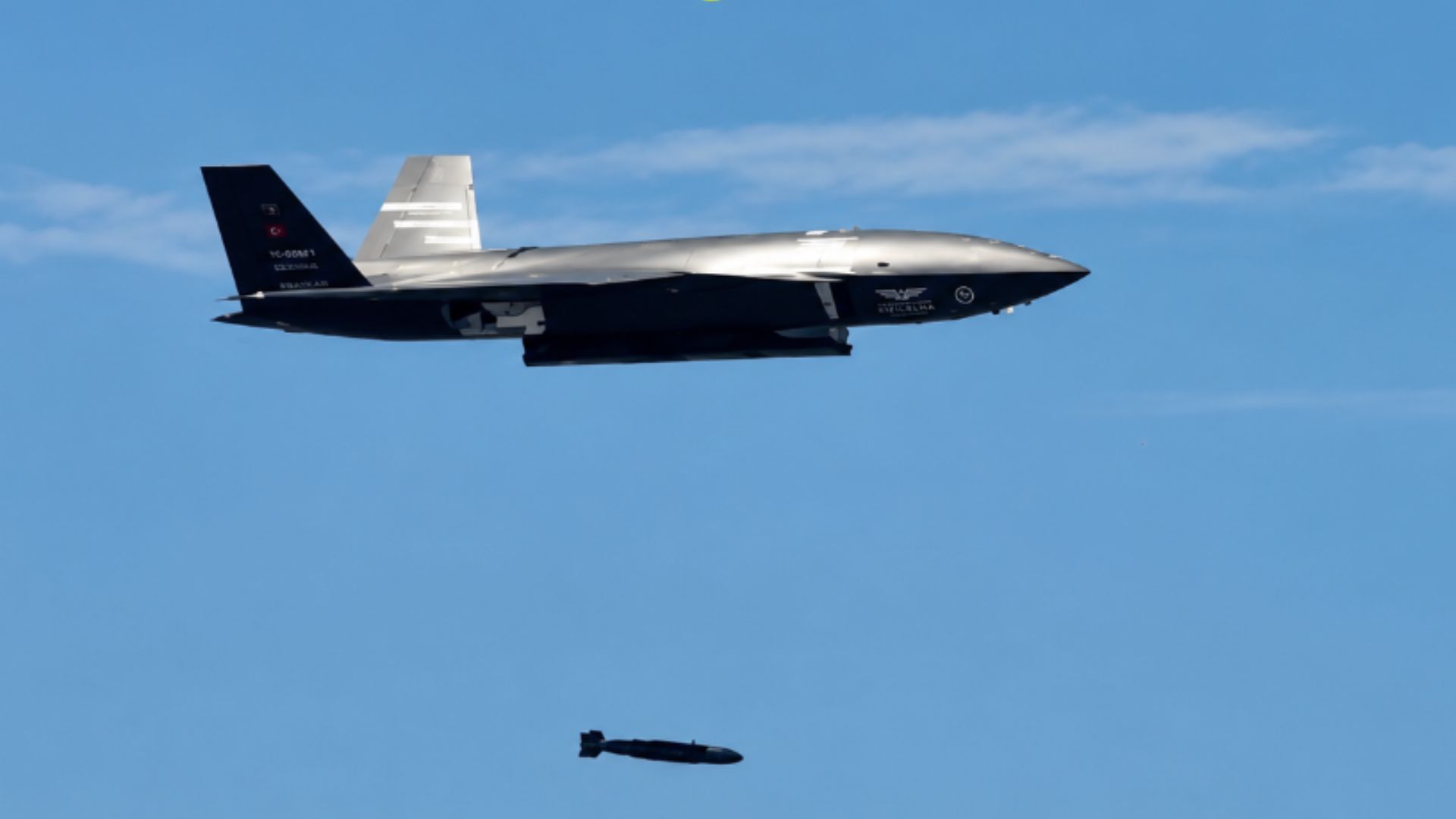
Türkiye's Bayraktar KIZILELMA unmanned fighter aircraft has completed live-fire tests using its internal weapons bay. The drone's successful testing marks a significant development milestone. The KIZILELMA is a jet-powered combat drone designed for various military operations.
-
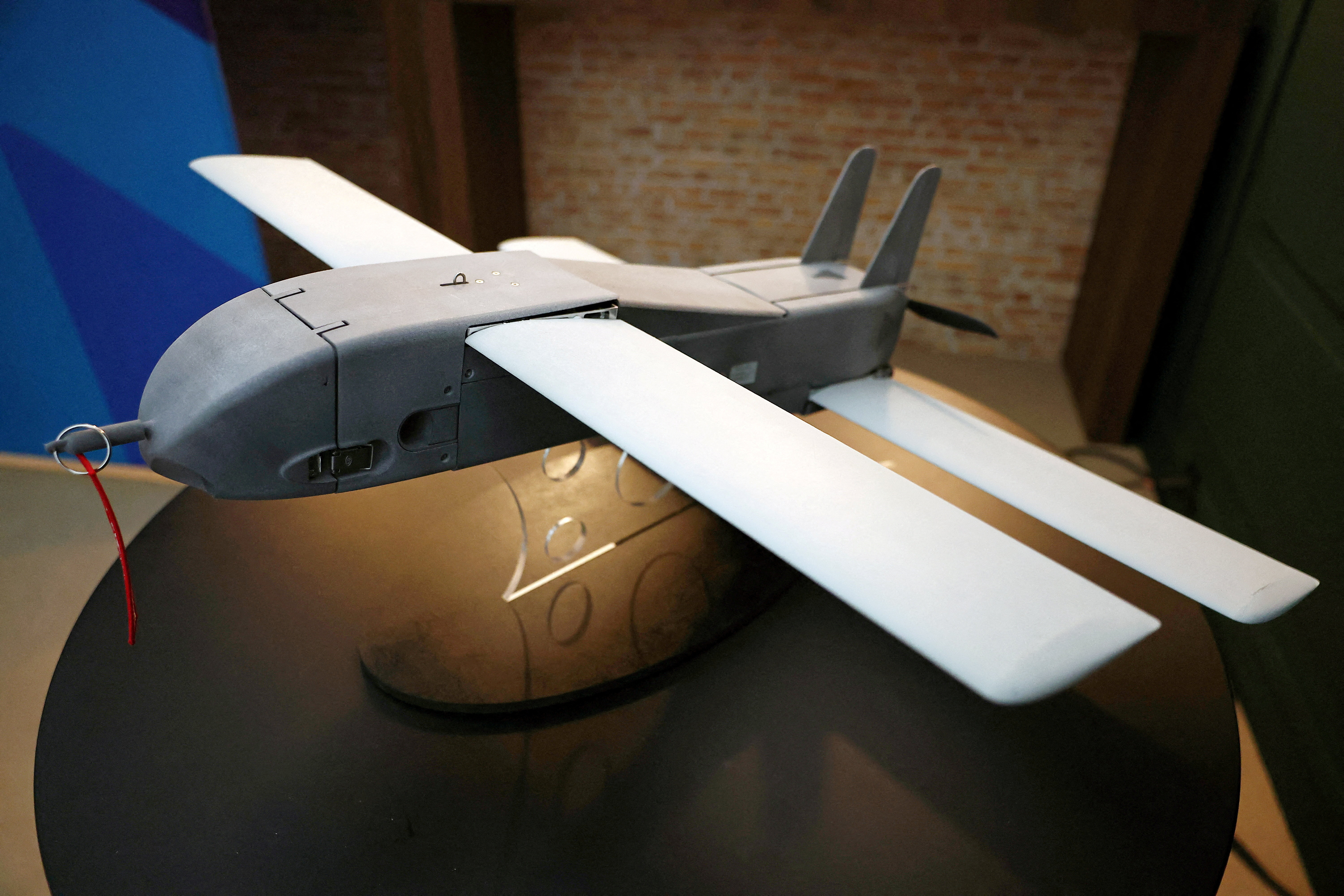
France is transitioning its drone production from a policy ambition to actual industrial implementation, leveraging its car industry to manufacture military drones. This move marks a significant step in France's efforts to develop its military drone capabilities. The implementation phase will focus on producing drones on the factory floor.
-

Group 2 drones, utilizing fuel cell technology, can handle tasks previously reserved for larger drones due to their smaller and more versatile VTOL design. This makes them suitable for various combat operations. They offer a right-sized solution for the fight, enhancing military capabilities.
-

Vladimir Tkachuk, developer of the Upyr FPV attack drone, was critically injured in a car bombing near Yekaterinburg. Tkachuk's company, Uraldronzavod, produces drones used by Russian forces in Ukraine. He has previously showcased his drones to President Vladimir Putin.
-
The US and its allies are helping Taiwan acquire sensors and drones quickly, but the key to success lies in trusted decision-making capabilities, particularly in a potential blockade scenario. This involves developing a robust decision layer to support Taiwan's defense. The acquisition of military technology is only the first step, and the real challenge lies in integrating these systems effectively.
-
China has revealed the GJ-3A, a large armed reconnaissance drone and competitor to the MQ-9B Skyguardian. The GJ-3A is the Chinese PLA's biggest UAV to date. This development marks a significant advancement in China's drone technology capabilities.
-

A drone carrying explosives was found near a Ukrainian cargo plane at Leipzig/Halle Airport in Germany, prompting a bomb-disposal operation and flight diversions. The incident has raised concerns about a new level of threat, with authorities investigating how the drone reached the airport. A second cargo aircraft was also damaged after colliding with an unidentified flying object nearby.
-
The 4th Marine Regiment made history with the first-ever US Marine Corps attack drone live-fire series in South Korea, demonstrating the Marine Corps' ability to rapidly field emerging technologies. The training series featured two distinct events, showcasing the use of first-person view (FPV) attack drones. This marks a significant milestone in force modernization for the Marine Corps.
-
BAE Systems CEO discusses the role of autonomous combat aircraft and low-cost drones in future military forces. These systems are expected to complement major platforms, supporting long-term growth. Drones and autonomous systems will become a larger part of military forces without displacing high-end platforms.
-

The UAE-based defense company EDGE Group has developed a drone built from a kit plane, designed to continuously monitor the sky. The drone's airframe is shared with a hobbyist plane sold to private pilots. EDGE Group is a state-owned Emirati defense conglomerate that produces various military equipment, including missiles and unmanned ground vehicles.
-

The US Army has awarded a contract to Xtremis Inc. to research the use of artificial intelligence to detect drones that existing radar systems often miss. The goal is to close the gap in detecting small, cheap, and fast drones buzzing over US military bases. The contract is a multimillion-dollar investment in AI technology.
-

Jetoptera, an aerospace startup, has withdrawn from DARPA's Lift Challenge, a competition for heavy-lift drone technology, just days before the final test. The company cited reasons unrelated to funding for its decision. Jetoptera's 'Project Pegasus' aircraft was a participant in the nationwide contest.
-
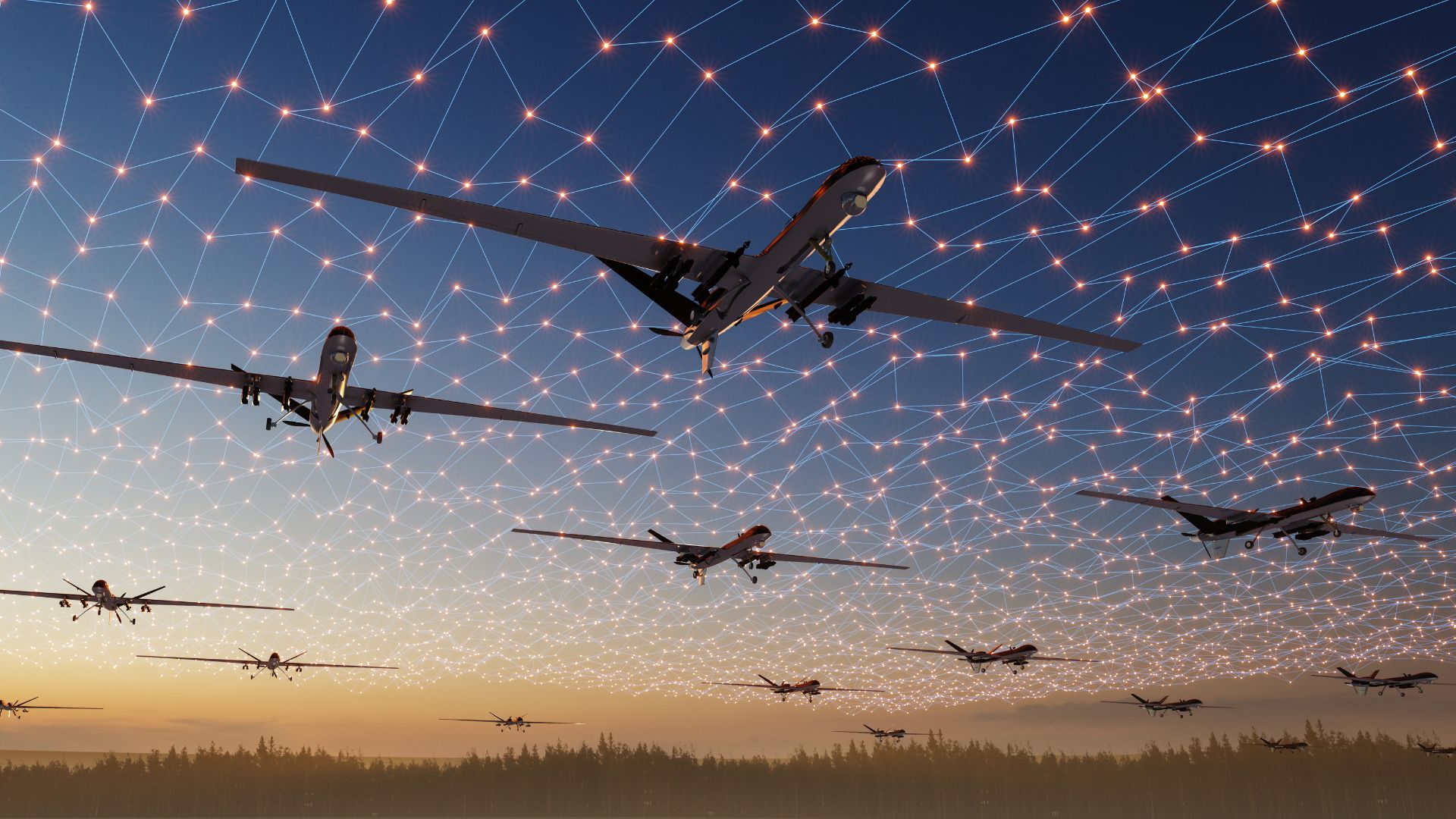
Wireless power beaming technology may help extend the flight time of military drones, reducing the need for battery swaps. This innovation could potentially increase the operational efficiency of drones in various military applications. The technology aims to address the limitation of battery power in small drones.
-
L3Harris Technologies aims to secure $500 million in new orders for its VAMPIRE counter-UAS system, following a $100 million contract with the US Army. The company is expanding its portfolio of low-cost cruise missiles and interceptors for US forces and allies. This expansion is expected to enhance the capabilities of US and allied forces in countering unmanned aerial systems.
-
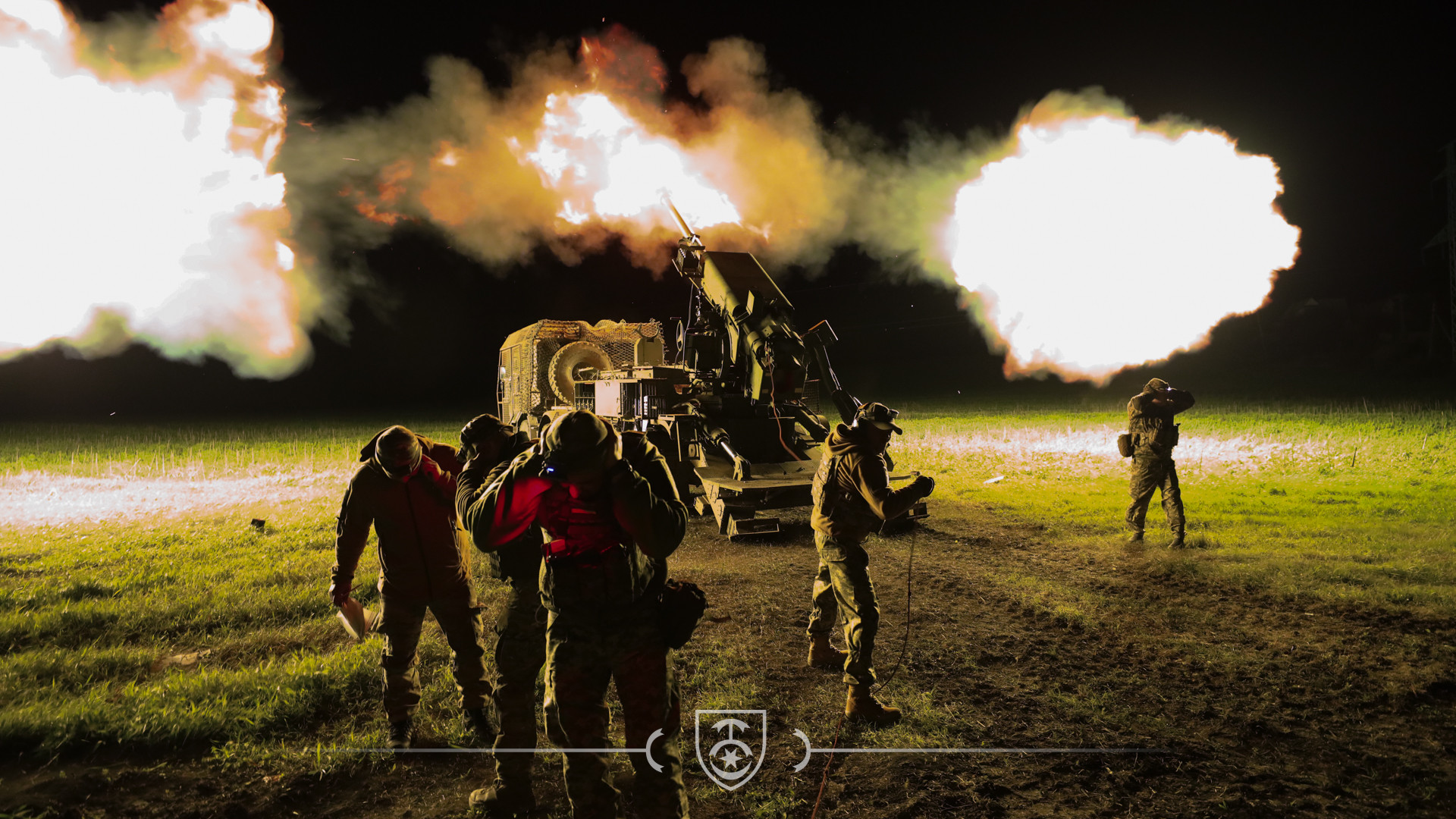
Ukraine's Armed Forces repelled Russian attacks across 12 frontline axes, with multiple combat clashes and drone deployments. Russian forces fired 6,428 kamikaze drones and dropped 213 guided bombs.
-
The US Army is seeking a next-generation missile capable of shooting down small drones at a cost of less than $150,000 per unit. The service has issued a Request for Information (RFI) to support this initiative. This effort aims to develop an effective and affordable counter-drone capability.
-
The USAF is developing future CCA drones that can autonomously use onboard sensor data to engage aerial threats. The X-62A drone has successfully used its AI brain and infrared search and track pod to intercept an enemy T-38. This technology enables the drone to make decisions without human intervention, enhancing its combat capabilities.
-
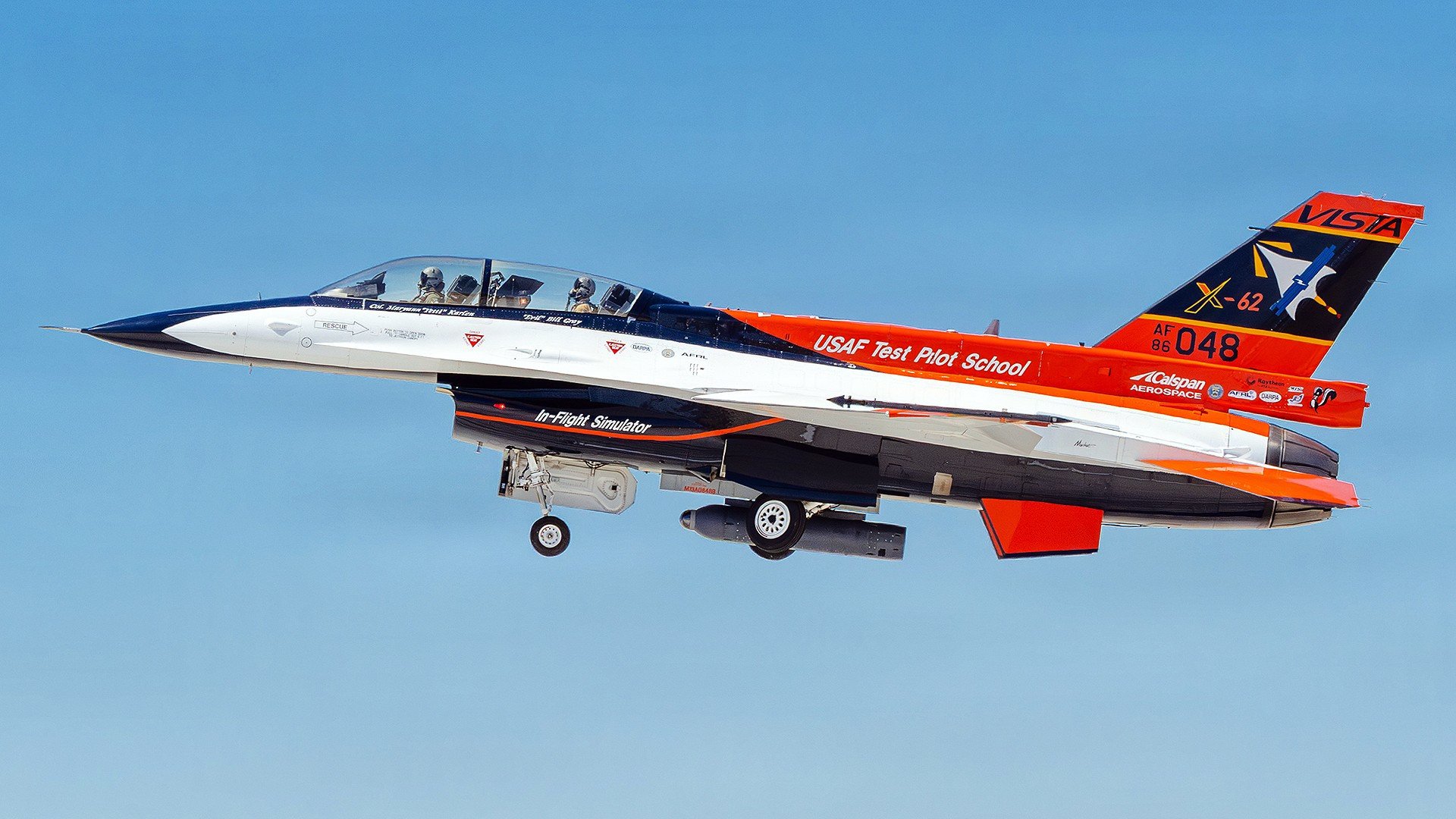
The X-62A, equipped with an infrared search and track pod, used its AI capabilities to autonomously intercept a T-38. This technology is being developed for future USAF CCA drones, which will use onboard sensor data to engage aerial threats.
-

A near-miss drone incident occurred between South Korea and the US, where a US Marine Corps UAV was mistaken for a North Korean one. The incident highlights operational coordination issues between the two countries. The mistake was made by South Korea's army, which thought they had locked on to a North Korean UAV.
-
A drone was seen following a man in southern Ukraine before exploding, and the incident has been recounted by the man who was being stalked. The drone is suspected to be of Russian origin.
-

US Army scouts are learning to fight alongside drones, which can perform reconnaissance work in minutes that used to take an hour. The training is part of the Army's efforts to integrate drones into its operations.
-

A Lithuanian drone maker has upgraded its reconnaissance aircraft with a built-in early warning system to counter interceptors. The system is designed to detect and warn against threats that have been shooting down surveillance drones in Eastern Europe. Every unit produced now comes with this upgrade.
-

The modern battlefield is changing with the introduction of drones, electronic warfare, and sensor networks, requiring tactical vehicles to adapt. Two companies are working on the next generation of tactical vehicles to fight in a hybrid battlespace. These vehicles will need to counter emerging threats and integrate with new technologies.