Collaborative Combat Aircraft
▼Cooling 40 recent stories · 159 total mentions · Following ↗
-
Rolls-Royce anticipates growth in the market for autonomous propulsion due to government investment in unmanned military aircraft. The company sees opportunities in UK spending and projects like the MQ-25A and German CCA engine. Autonomous propulsion is expected to expand in the unmanned military aircraft market.
-
The USAF is developing future CCA drones that can autonomously use onboard sensor data to engage aerial threats. The X-62A drone has successfully used its AI brain and infrared search and track pod to intercept an enemy T-38. This technology enables the drone to make decisions without human intervention, enhancing its combat capabilities.
-
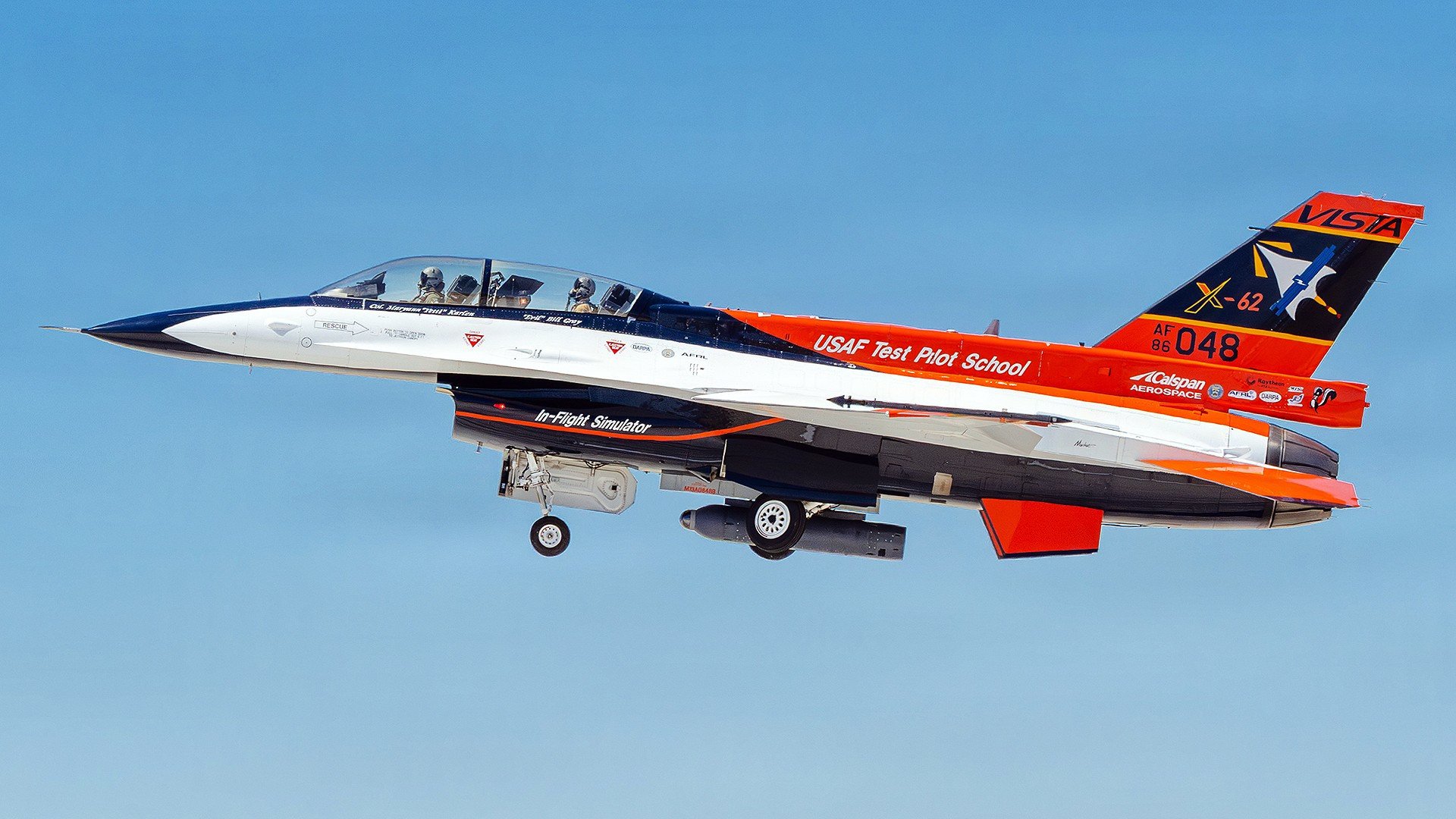
The X-62A, equipped with an infrared search and track pod, used its AI capabilities to autonomously intercept a T-38. This technology is being developed for future USAF CCA drones, which will use onboard sensor data to engage aerial threats.
-
Rolls-Royce is preparing its Orpheus engine to be a part of the CCA engine family and has been contracted for a CCA engine design concept. Meanwhile, the European Aviation Safety Agency (EASA) has certified the Arriel 2K engine for the Leonardo AW09. Additionally, Rolls-Royce is experiencing lucrative shop visits, and the MTU and Safran partnership for the FCAS engine may be ending.
-
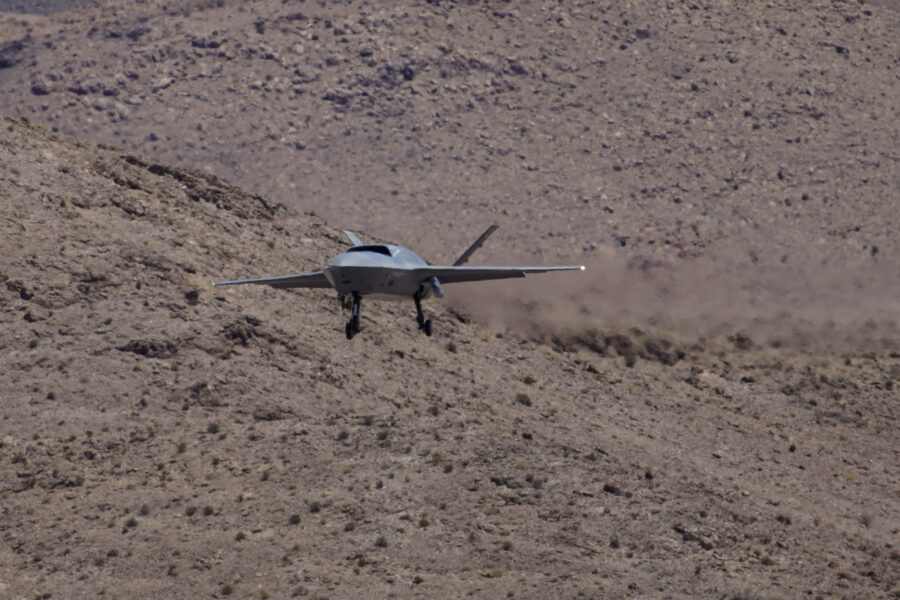
The Air Force's Collaborative Combat Aircraft (CCAs) will have a flexible design, allowing them to be used for multiple missions or sacrificed if necessary. A top official described this approach as 'optionally attritable', indicating a middle ground between durability and expendability.
-
The Air Force is considering up to 6 vendors for the second increment of its CCA drone program, with concept refinement and prototyping work expected to continue over the next 10 months. The program aims to develop a robotic wingman capability. Multiple vendors are expected to be involved in the early prototyping phase next year.
-
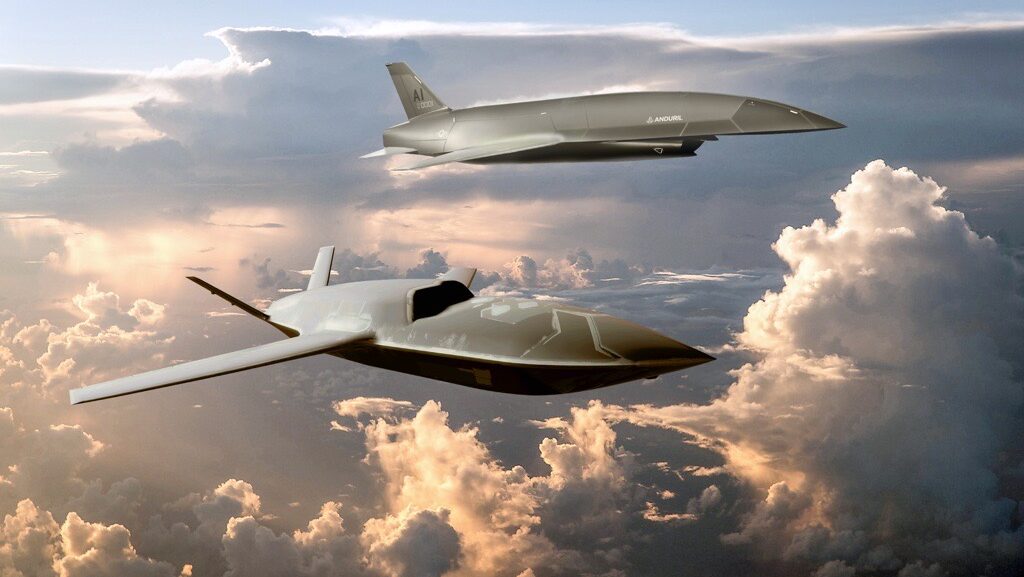
The Air Force plans to downselect for the second batch of its Combat Control Team's (CCT) Close Combat Aviation (CCA) effort next year. A separate competition to replace the MQ-9A Reaper is expected to start a concept refinement stage early in the next fiscal year.
-

The US Air Force's Collaborative Combat Aircraft program has made significant progress with GA-ASI and Anduril announcing the serial production of their respective aircraft, the FQ-42A and FQ-44A CCAs. This development comes a month after contracts were awarded, marking a major milestone in the program. The CCAs are expected to play a crucial role in enhancing the Air Force's combat capabilities.
-

The US Air Force conducted an Agile Combat Employment exercise with Collaborative Combat Aircraft at Creech Air Force Base in Nevada. The exercise tested the uncrewed aircraft in realistic operational environments. The goal is to move the CCAs closer to operational use.
-

Leonardo UK's CEO, Clive Higgins, expressed interest in a potential CCA role, leveraging the company's experience in sensors and electronic warfare. The firm may also pitch drones developed with a Turkish partner. Funding concerns remain a challenge.
-

The UK's BAE Systems has unveiled its Brontanax collaborative combat aircraft, a new class of CCA. The unveiling propels the UK to the top table of the CCA market. The US Air Force has also ordered its first operational examples of a CCA.
-
The US and Australia may be able to share Collaborative Combat Aircraft, enhancing their airpower even in intense battles. This could involve US pilots commanding Australian MQ-28 Ghost Bat fighter drones.
-
The Australian MQ-28 Ghost Bat fighter drones could potentially be commanded by US pilots, enhancing US and Australian airpower collaboration. This capability would allow for shared control of Collaborative Combat Aircraft, even in intense combat situations. The development highlights the growing importance of drone technology in modern warfare.
-
DARPA and the US Air Force have begun flight testing an F-16 controlled by an artificial intelligence agent, advancing autonomous combat capabilities. The tests aim to move autonomous combat technology onto a standard fighter platform.
-
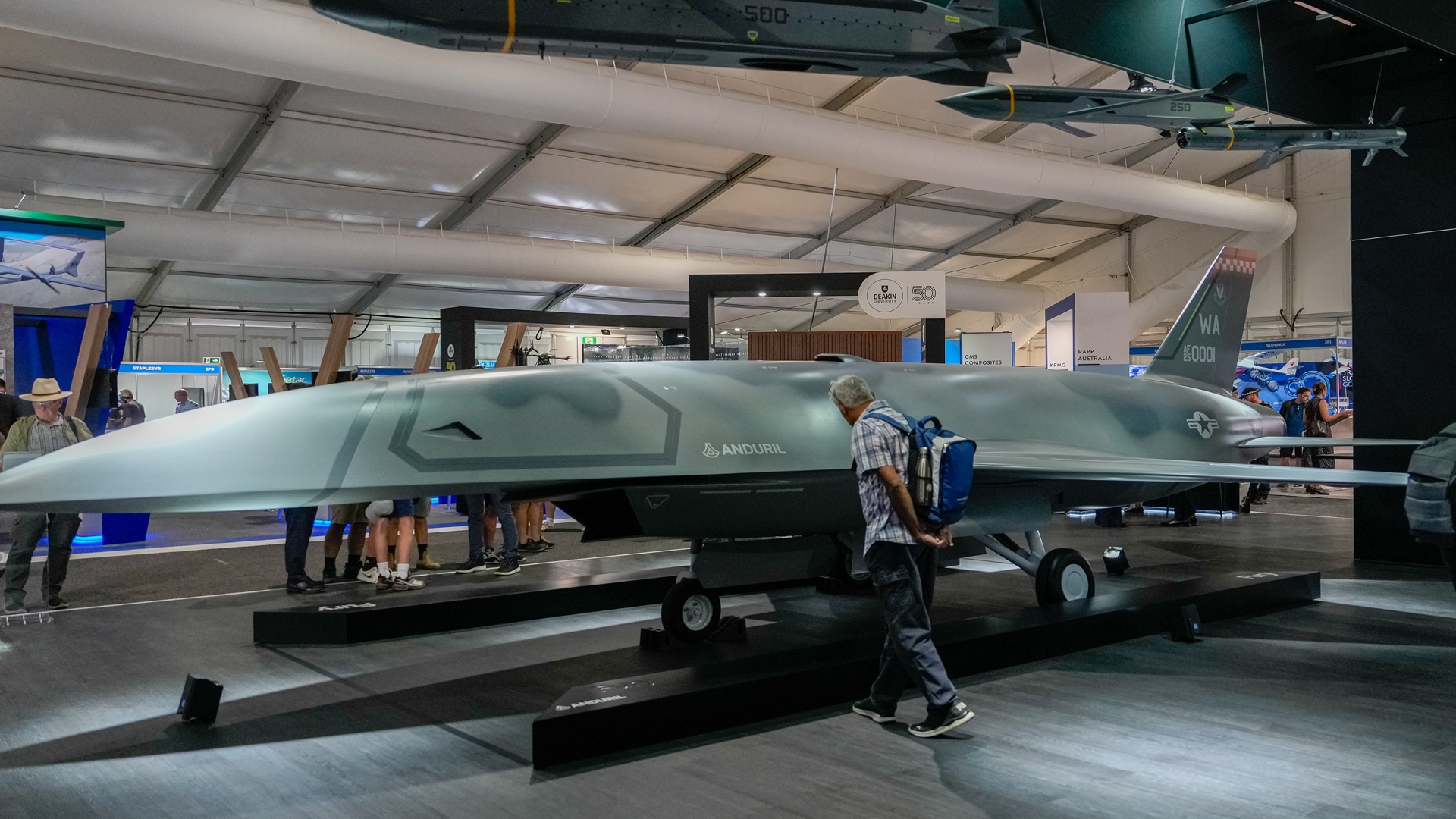
Anduril Industries has completed its first Ohio-built Fury fighter, an unmanned, semi-autonomous aircraft, at its Arsenal-1 factory. The production milestone was achieved 557 days after the factory's launch. The Fury fighter is part of the US CCA program.
-
HENSOLDT will supply its CAIRAS missile warning system for Helsing's CA-1 Europa autonomous combat aircraft. This marks the technology's first deployment on the platform, bringing missile warning capabilities to autonomous combat aircraft. The system will enhance the aircraft's survivability and effectiveness in combat scenarios.
-
MGI Engineering has revealed its Storm Fighter CCA proposal, a new combat aircraft design. The proposal is part of the Global Combat Air Program, a joint effort between several countries to develop a next-generation combat aircraft.
-
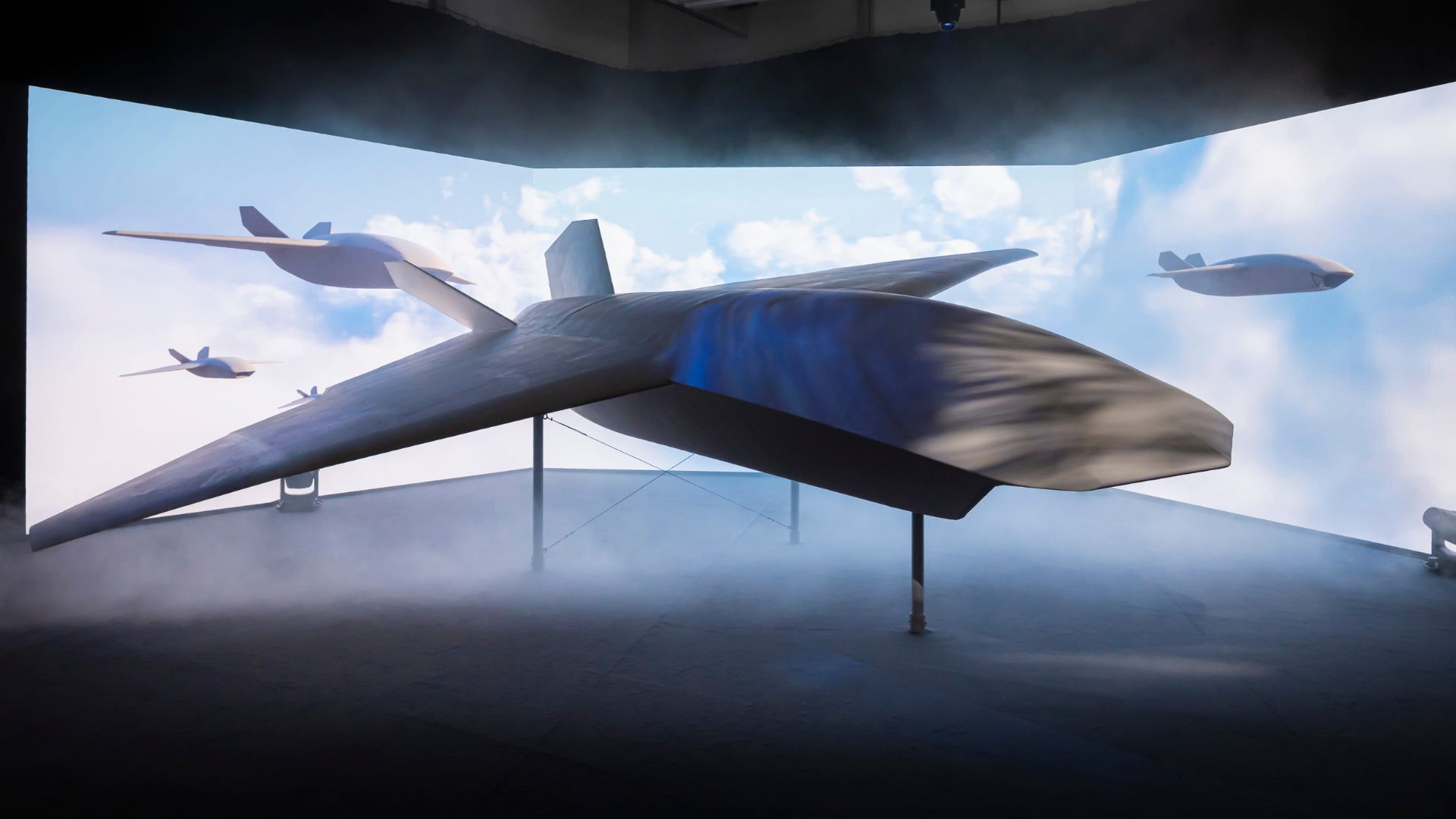
The UK has introduced its first autonomous Collaborative Combat Aircraft, built to fly alongside Typhoon fighters. The drone is a result of BAE Systems' efforts. This autonomous system marks a significant development in the UK's combat capabilities.
-
BAE has unveiled Brontanax, a UK-designed CCA drone. The drone is a new development in unmanned aerial vehicles.
-
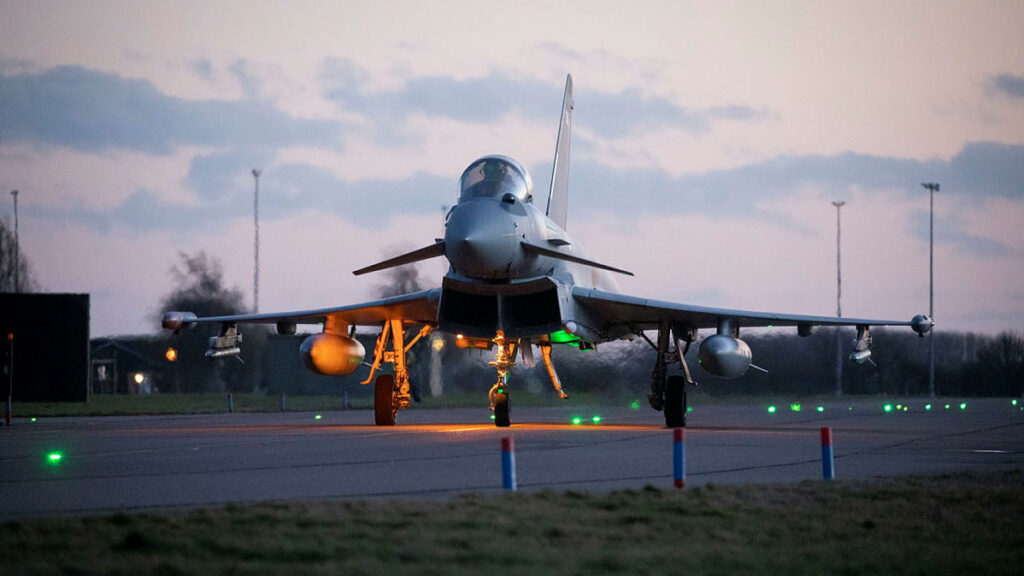
The UK is exploring the concept of pairing Typhoon jets with loyal wingman drones, armed with Meteor missiles, utilizing new radar and next-gen cockpits. This emerging concept aims to enhance combat capabilities. The drones would be commanded by the Typhoon, potentially revolutionizing air combat tactics.
-
USAF Chief Wilsbach discusses lessons from Iran, T-7 flight, and F-35 delays. The F-35 program has faced significant delays and cost overruns.
-
The UK has announced a new drone program, Storm Fighter, which includes the development of two new drones: Storm Chrome, an electronic warfare drone, and Storm Fire, a long-range attack drone. The program aims to create loyal wingman drones that can fly alongside existing aircraft such as the Typhoon, F-35, and future Tempest.
-
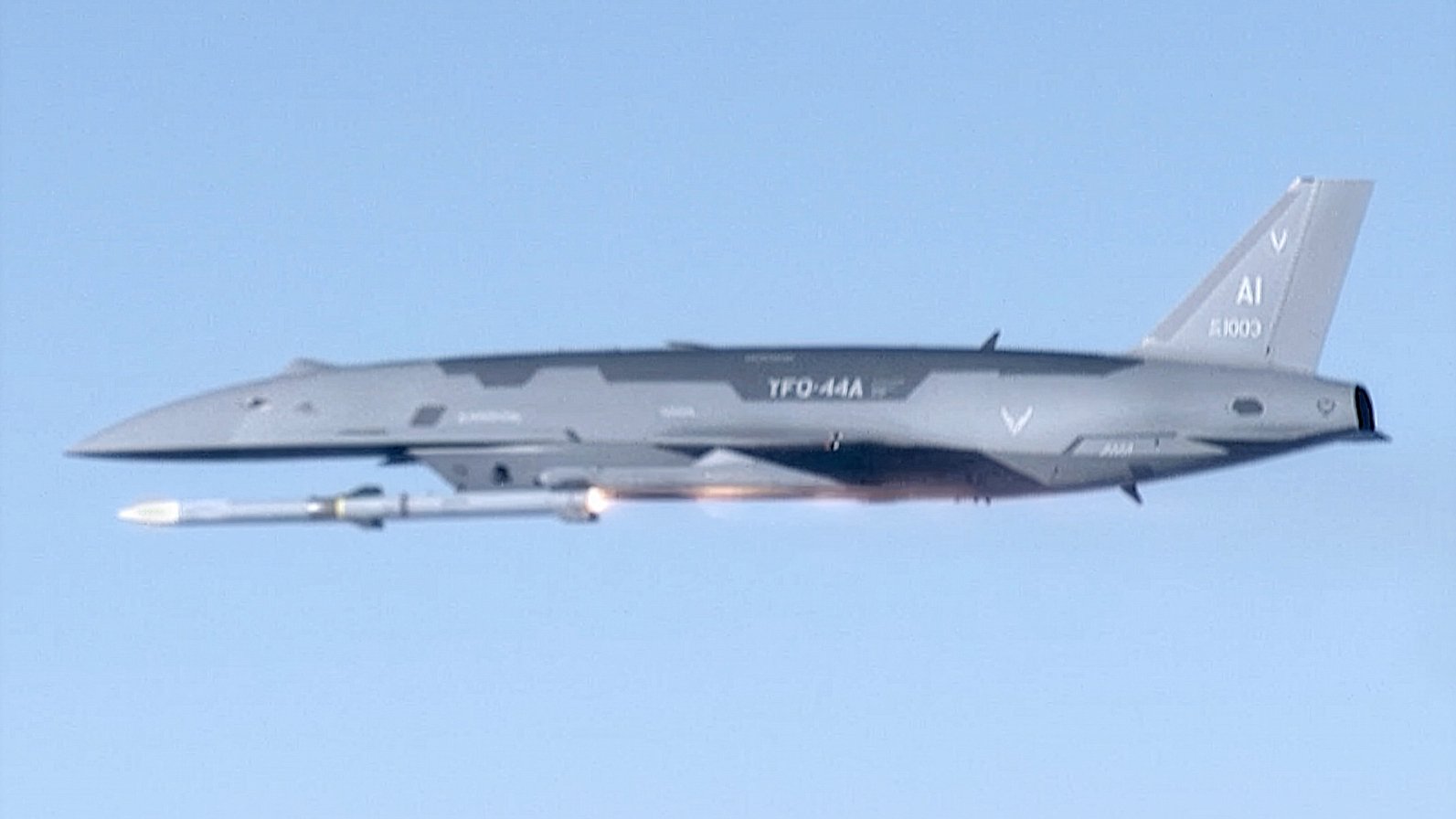
The YFQ-44A Fury 'Fighter Drone' has successfully fired its first AIM-120 AMRAAM missile, marking a milestone in the development of Collaborative Combat Aircraft drones. This is the first time a US CCA drone has fired a live air-to-air missile.
-
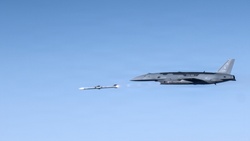
The US Air Force has conducted a live-fire test of its Collaborative Combat Aircraft (CCA) program, featuring an Anduril YFQ-44A unmanned fighter jet firing an AIM-120 missile at a digital target. The test marks a significant milestone in the development of semi-autonomous fighter drone technology. The UK has also unveiled its Storm Fighter Loyal Wingman Program, aiming to fly alongside Typhoon, F-35, and future Tempest aircraft.
-
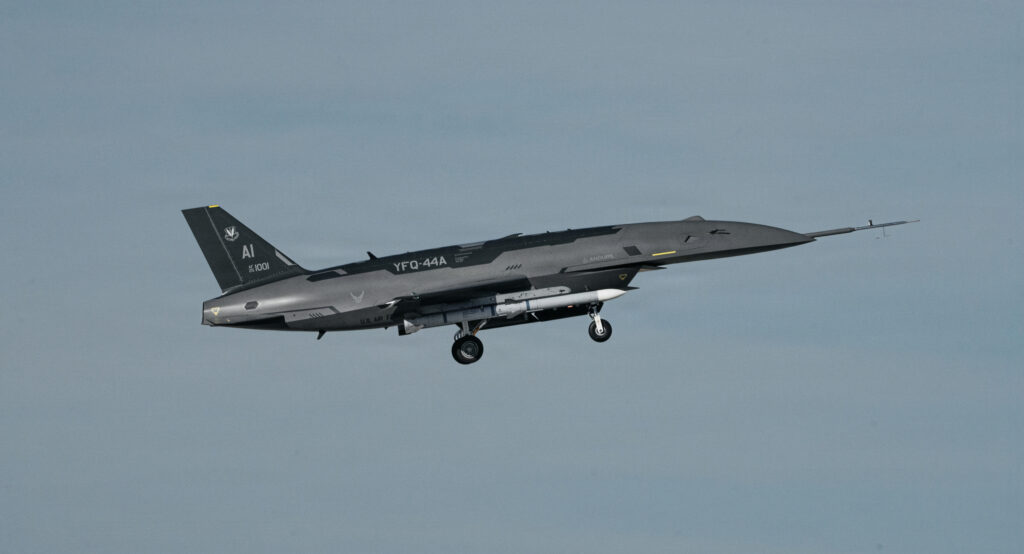
The US Air Force has successfully fired a live shot from a semi-autonomous loyal wingman drone, marking a significant milestone in the development of Collaborative Combat Aircraft (CCA) technology. The test demonstrated the drone's ability to track and engage a target. This achievement showcases the potential of autonomous systems in enhancing air combat capabilities.
-
Raytheon's Next Generation Short Range Interceptor (NGSRI) missile has successfully demonstrated its capabilities in a series of tests, marking a key step in the US Army's effort to replace the Stinger air defense system. The NGSRI uses a Command Launch Assembly, precision-optics seeker, and solid rocket motor to engage airborne threats. The missile has shown promising results, scoring direct hits in long-range aerial threat tests.
-
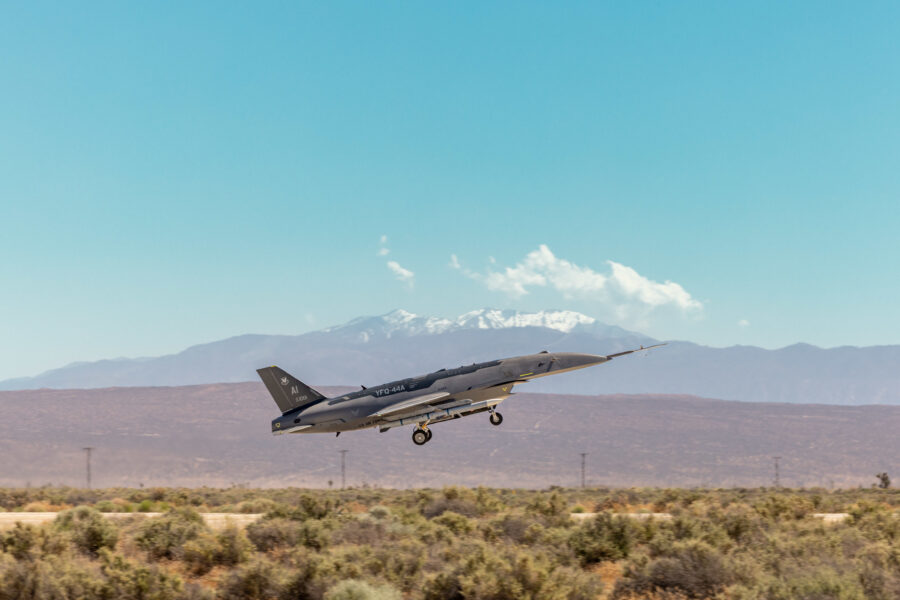
The Air Force plans to buy autonomy software separately from the physical air vehicle for its Collaborative Combat Aircraft fleet, allowing for quicker evolution and avoiding vendor lock-in. This approach could foster competition and enable more flexible updates. Experts and service officials see this as a positive development for the drone program.
-
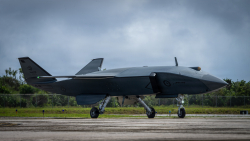
Boeing's MQ-28 Collaborative Combat Aircraft participated in a Pacific exercise, flying with multiple F-35 variants and battle management aircraft. This exercise demonstrates the potential for collaborative combat operations between different aircraft types. The MQ-28's involvement highlights its capability for integration with existing military assets.
-
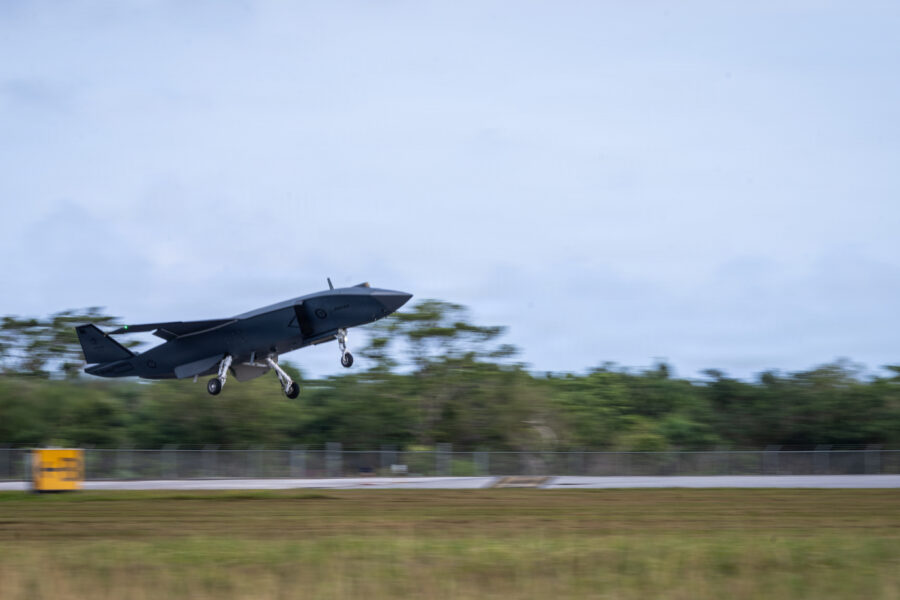
Boeing's MQ-28 Collaborative Combat Aircraft, also known as the Ghost Bat Drone, participated in a major Pacific exercise with multiple F-35 variants and battle management aircraft. The exercise demonstrated the drone's ability to work with other aircraft. The Ghost Bat Drone is a significant development in collaborative combat technology.
-
BAE Systems is exploring new control concepts for the Typhoon aircraft and the Common Control Architecture (CCA). The company is investigating innovative control systems for these platforms. The development of advanced control concepts could enhance the capabilities of the Typhoon and CCA.
-
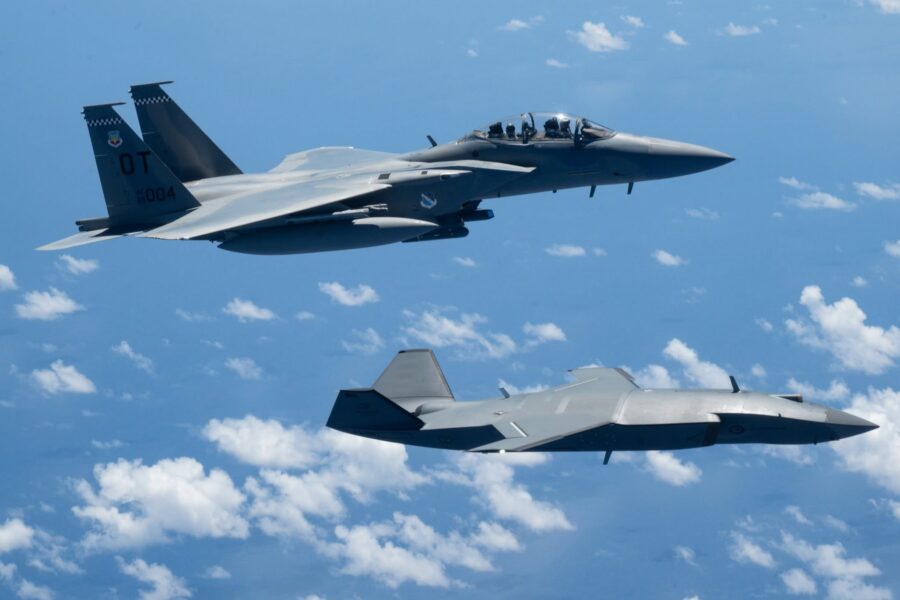
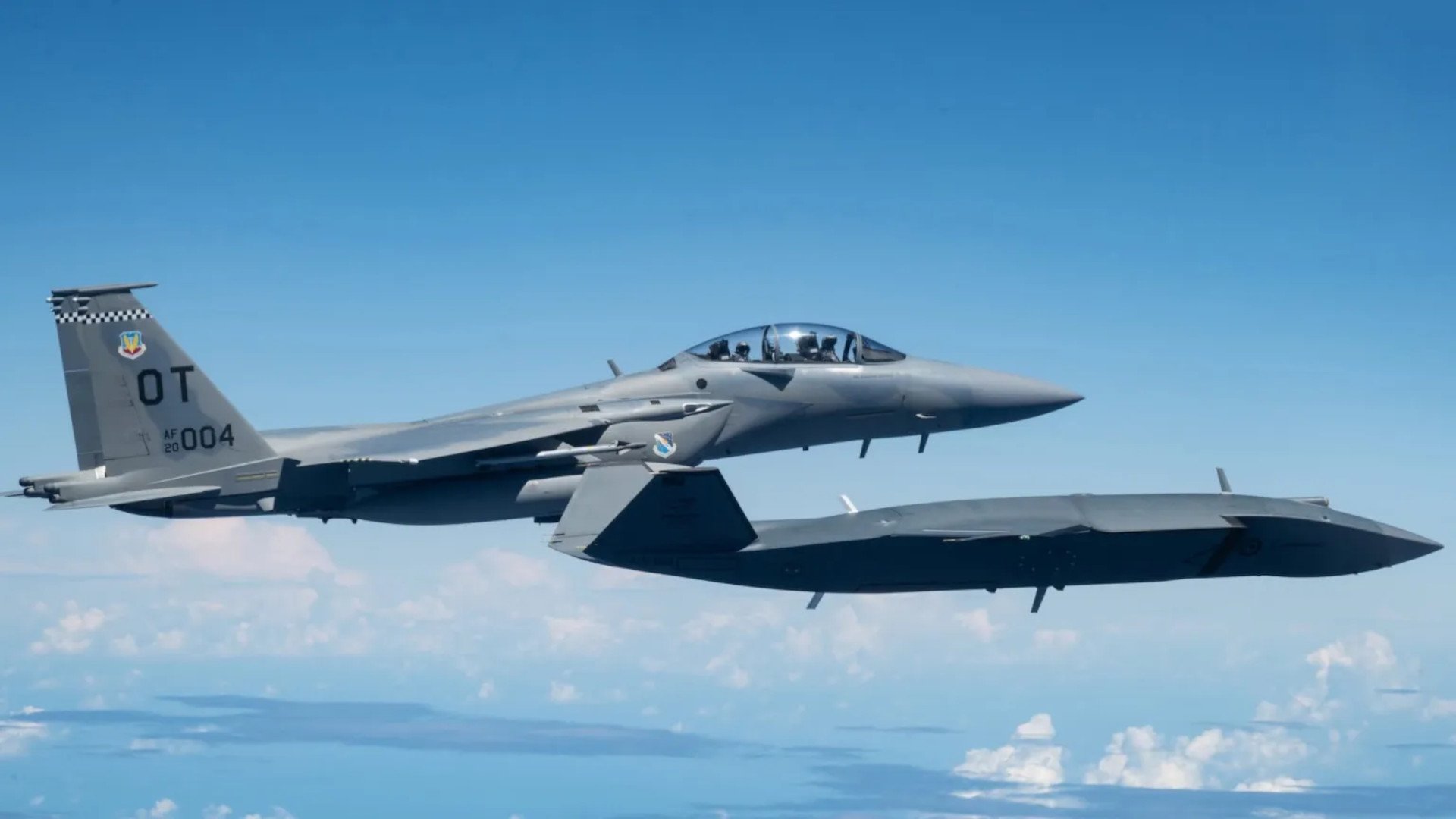
The Air Force conducted an exercise in the Pacific where an F-15EX fighter flew alongside a Collaborative Combat Aircraft (CCA) drone. This test showcased the potential future of Air Force operations, highlighting the integration of manned and unmanned aircraft. The exercise demonstrated the capabilities of the F-15EX and CCA drone in a joint operation.
-
The UK has prioritized GCAP and drones in its defense spending plans, according to recent reports. This move is expected to boost the country's military capabilities. GCAP is a significant program for the UK's air power.
-

Anduril is contributing to the development of the US Marine Corps' Collaborative Combat Aircraft, a significant project for the branch. Meanwhile, the Marine Corps University is exploring innovative training methods, including the use of the video game Call of Duty to enhance cognitive performance and decision-making skills. The CCA development and training initiatives demonstrate the Marine Corps' efforts to modernize and improve its capabilities.
-

BAE Systems is poised to advance its work on an autonomous collaborative platform, with further development anticipated around the 'Concept 2' vehicle design. The company's FalconWorks unit is maturing its concept work and is at an advanced stage. BAE Systems appears to be making progress on its autonomous fixed-wing jet capability, with more information expected to be released soon.
-
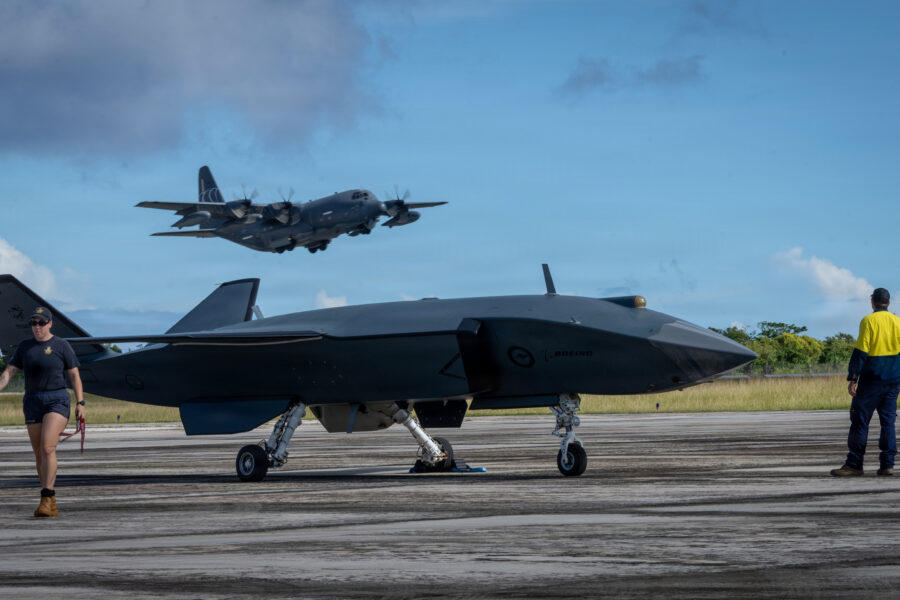
The US Air Force is testing Boeing's Collaborative Combat Aircraft (CCA) in a Pacific exercise, alongside US aircraft. The CCA being tested is not one of the two the service has committed to buying. The exercise involves Boeing's MQ-28
-
The architect of the Next Generation Air Dominance (NGAD) program has raised concerns about the collaborative combat aircraft. The program aims to develop a new generation of air dominance capabilities.
-
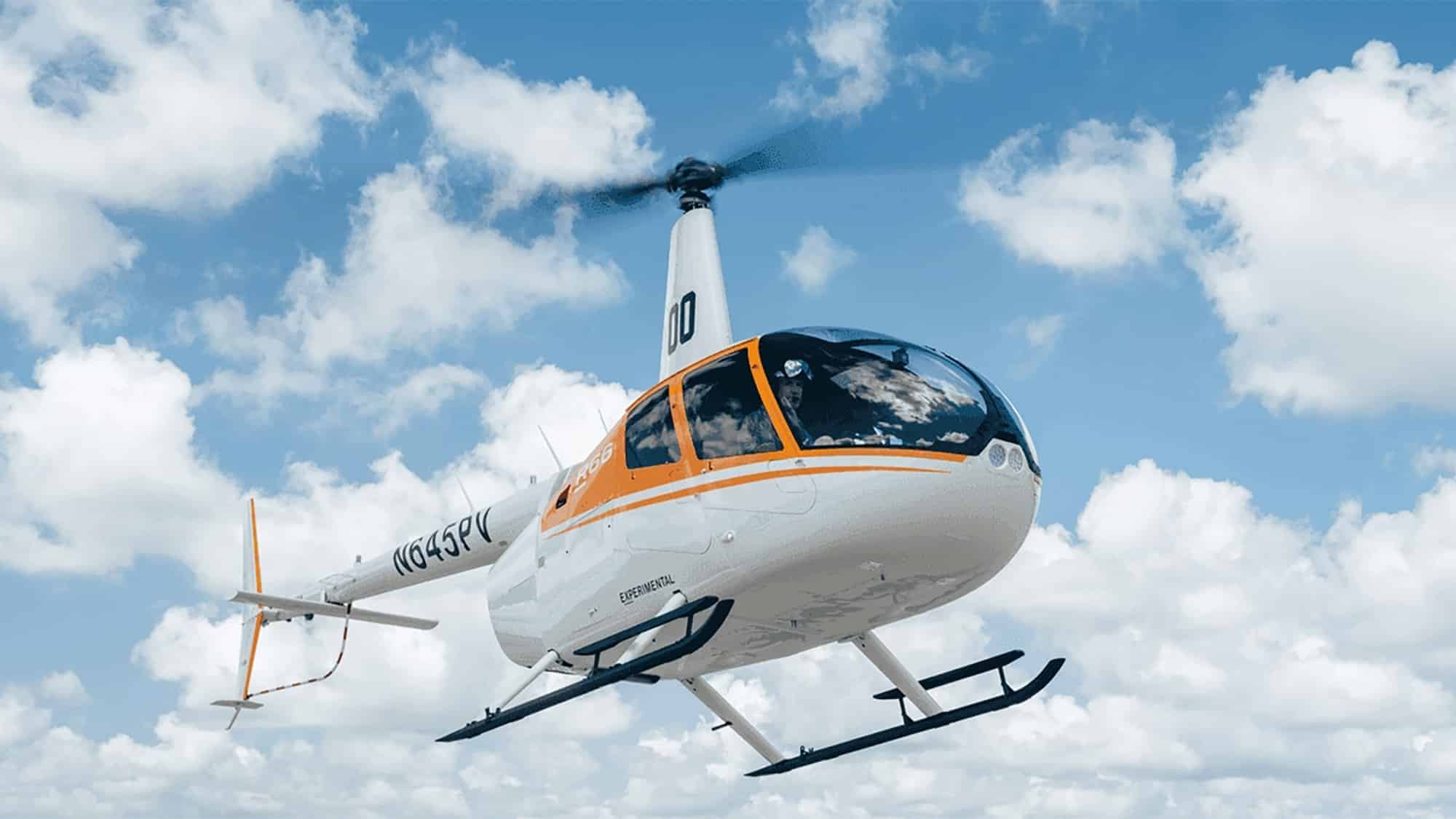
Robinson Helicopter and Skyryse are partnering to develop an uncrewed R66 helicopter for the defense market, integrating Skyryse's SkyOS software for autonomous ISR, MUM-T, and ALE missions. The partnership aims to deliver a SkyOS-powered R66-based unmanned aircraft system. The collaboration between the two Southern California-based companies was announced on June 24, 2026.
-
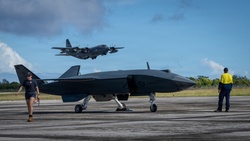
The Boeing MQ-28 Ghost Bat, a Collaborative Combat Aircraft, will participate in Exercise Valiant Shield 2026, a large-force combat exercise in the Pacific. This marks a significant milestone in the operational development of CCA and human-machine teaming. The exercise will refine tactics and evaluate the MQ-28's contribution as a force multiplier.
-

The US Air Force is seeking $1 billion in funding for its Collaborative Combat Aircraft program, a key acquisition effort that leverages autonomous aircraft and novel acquisition strategies. The program aims to provide rapidly upgradable capabilities by decoupling hardware and software procurement. This initiative presents business opportunities with the USAF.
-
SecDef Hegseth is reviewing the American troop posture in Europe, and there's an update on the CCA program, which involves developing a drone wingman for military pilots. The review and program update are significant for US military strategy and technology development.