Munitions
▲Rising 40 recent stories · 104 total mentions · Following ↗
-
US officials are disputing reports of dangerously low munitions supplies, amid warnings from experts that low stockpiles of air defense interceptors due to the war on Iran leave the US vulnerable. The situation has sparked concerns about the country's ability to defend itself. Experts emphasize the need for replenishing stockpiles to ensure national security.
-
The US has required high-end munitions at unprecedented levels in recent wars, depleting its stockpiles. Experts Mark Cancian and Chris Park identify six reasons for this shortage.
-
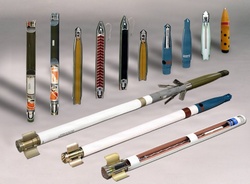
The US Army has diversified its Hydra-70 rocket supply chain through innovative Other Transaction Authority agreements. The Army's Aviation Rocket and Small Guided Munitions Product Office awarded contracts to four defense contractors: Firehawk, iRocket, Nammo Perry, and Albers. This strategy allows the Army to engage multiple industry partners.
-
Mistral and Uvision have completed the first Lot Acceptance Tests for the HERO 120 loitering munitions, supporting the U.S. Army's precision strike program. The tests mark a significant milestone in the development of the loitering munition system. The HERO 120 is designed to provide precision strike capabilities to the U.S. Army.
-
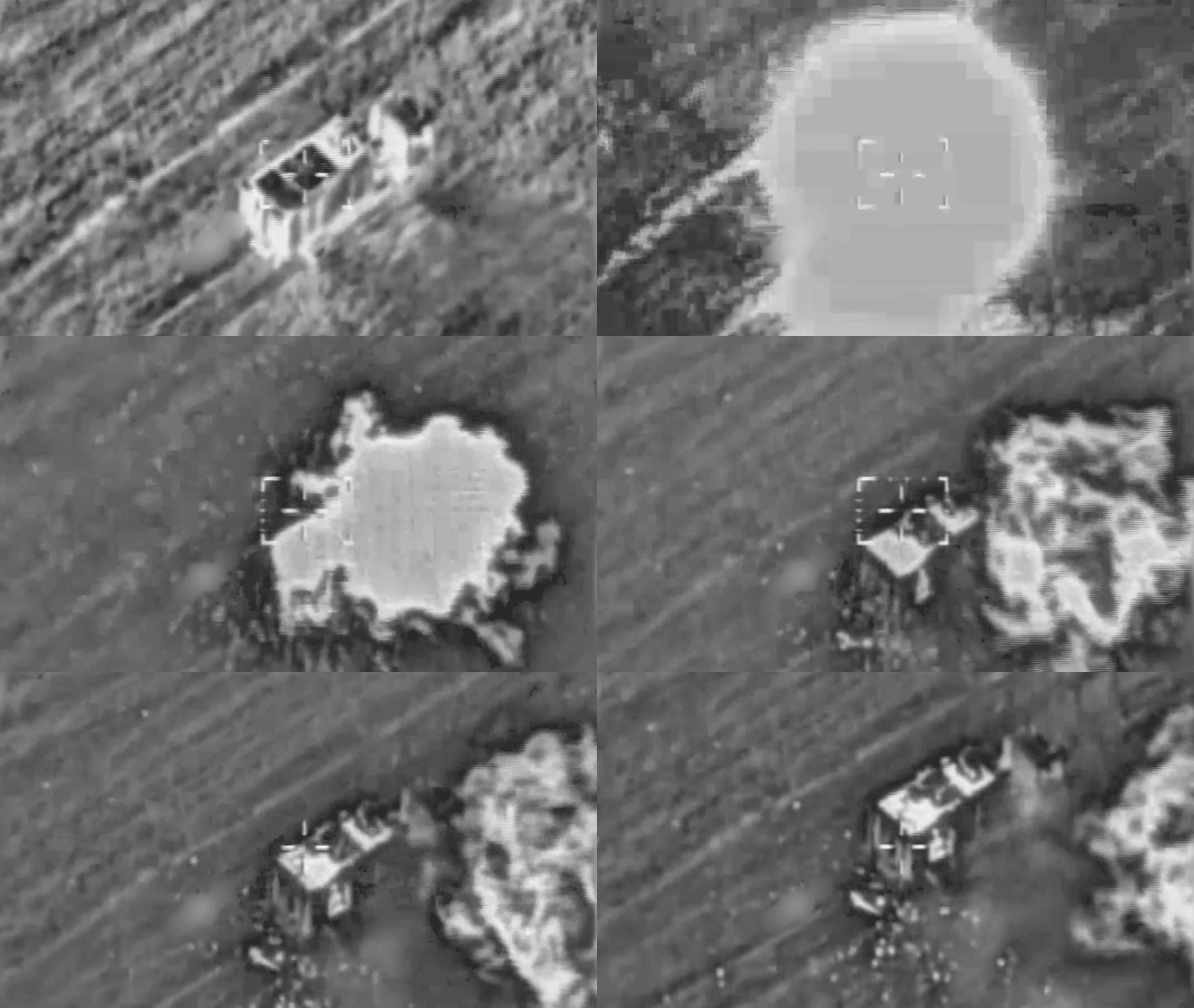
The Center for Strategic and International Studies warns that depleted US weapons stockpiles from the Iran war could embolden China. President Xi is watching munitions levels amid Taiwan tensions. This depletion raises concerns about the US's ability to respond to a potential China threat.
-
The US is increasing production of key munitions, but sustained commitment is necessary to fully build inventories and establish surge capacity for future conflicts. Experts Mark Cancian and Chris Park discuss the importance of continued investment in munitions production.
-
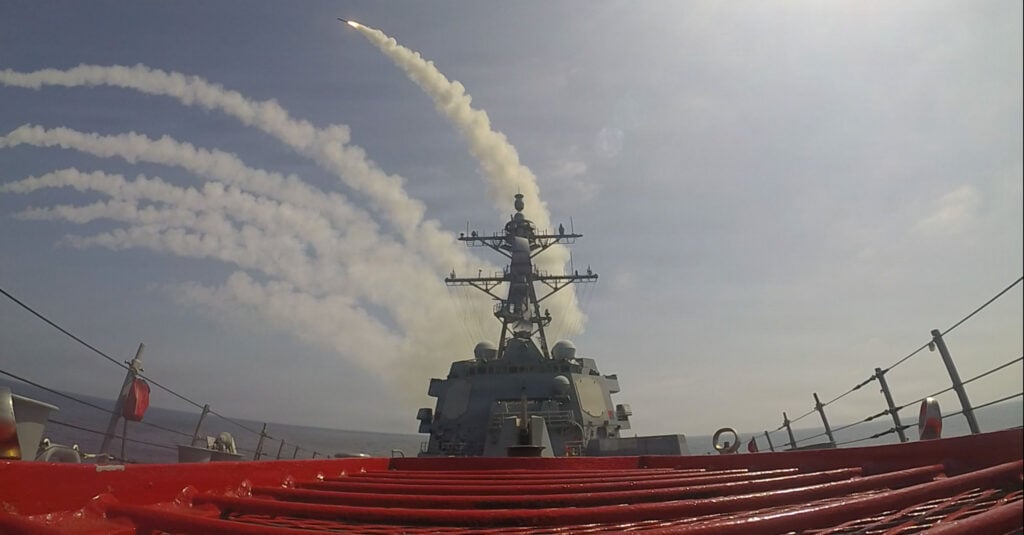
Defense executives are optimistic about Pentagon spending despite uncertainty over the FY27 budget, citing bipartisan support for increased munitions. RTX CEO Chris Calio expressed confidence in Congress' backing for munitions spending during a recent earnings call.
-
The Iran war has worsened the US shortage of key munitions, but longstanding strategic, operational, and institutional reasons also contribute to the issue. Experts Mark Cancian and Chris Park discuss the multiple causes of the shortage.
-
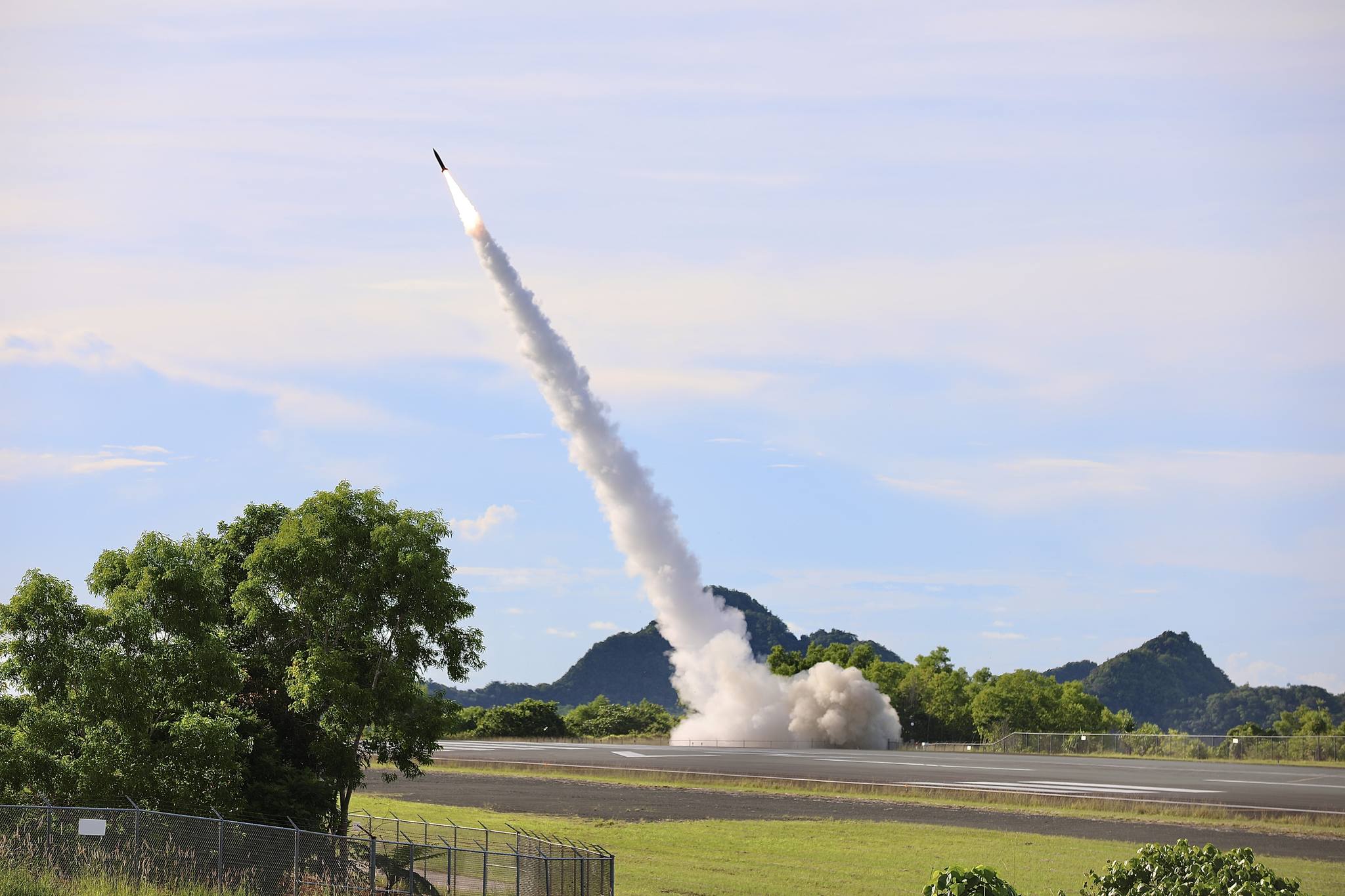
The US has reportedly used nearly all of its stockpile of long-range precision missiles during the war with Iran, sparking concerns over the country's dwindling munitions stockpile. Sources confirm that the US Army has used up much of its stockpile of highly accurate long-range missiles. This depletion has raised concerns over the US' ability to sustain military operations.
-
Under Secretary of Defense for Acquisition and Sustainment Michael P. Duffey discusses the Pentagon's ongoing acquisition transformation, including recent munitions agreements and industry investments. The conversation also covers the shift to portfolio acquisition executives and allied coproduction.
-
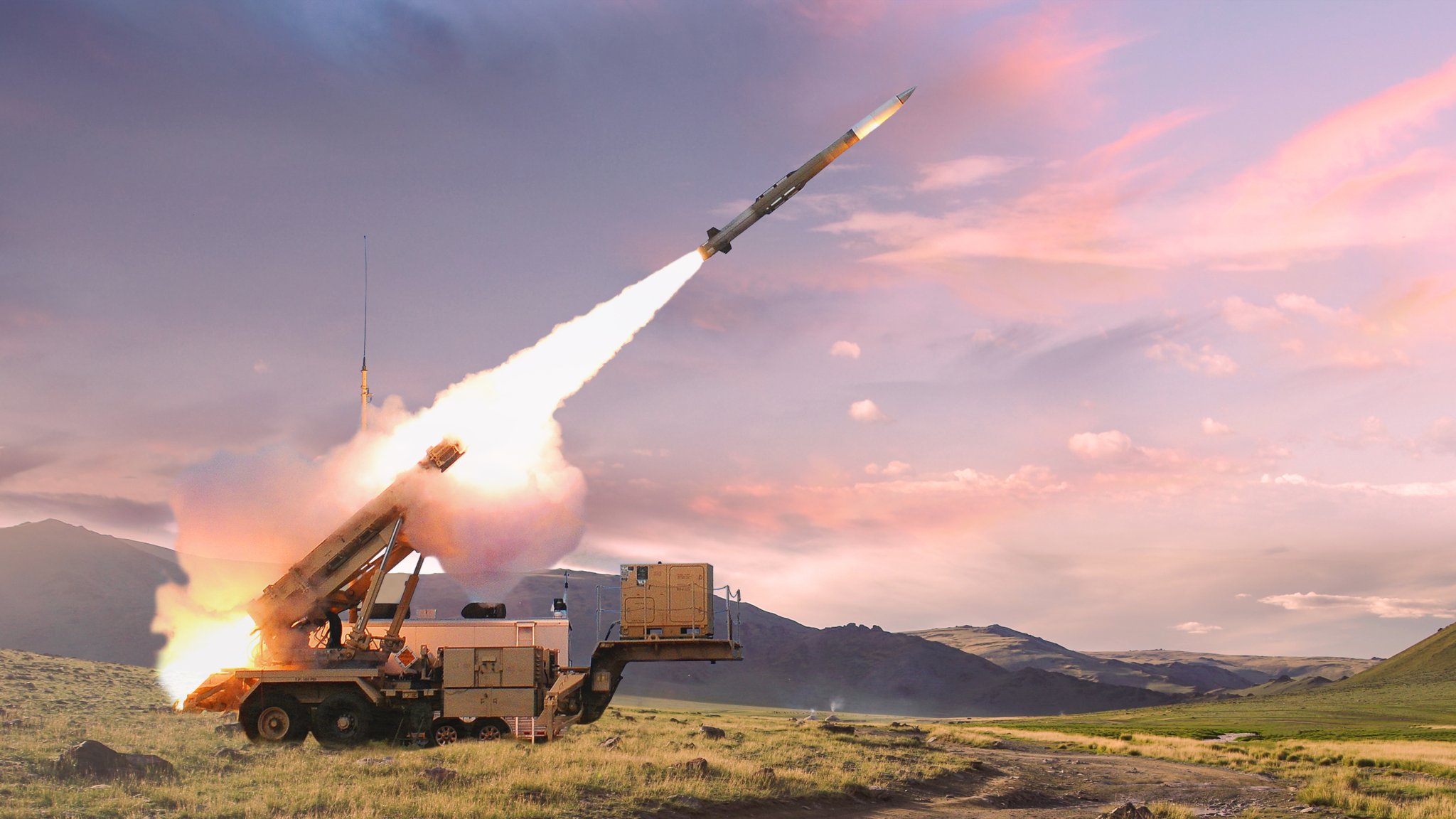
Lockheed Martin has a plan to increase missile production to meet growing demand and adapt to the Pentagon's new business approach. The company is taking a holistic approach to ramp up production. This effort aims to address the exploding demand for munitions.
-
The Senate's stopgap funding bill does not include special requests for a Trump battleship and munitions. The bill would extend federal funding until December 11 if passed by both the Senate and House.
-
Recent US wars have required high levels of advanced munitions, exceeding needs during earlier counterterrorism campaigns. Experts cite the war in Iran as one factor contributing to reduced munitions levels, but note it's not the sole driver.
-
Northrop Grumman aims to double its international sales to $10 billion by 2031, driven by demand for unmanned surveillance aircraft and missile-defense systems. The company is also eyeing a potential sale of up to five Tritons for High North surveillance. This goal is supported by rising demand for various defense products, including munitions and manned platforms.
-

Russia launched 1,900 drones, 1,600 bombs, and 144 missiles against Ukraine in a week, targeting 16 regions and damaging over 1,500 objects. The attacks included hundreds of residential buildings, prompting President Zelensky to call for increased sanctions. The Russian defense industry continues to produce munitions despite existing restrictions.
-

The UAE's EDGE Group has upgraded the Mirage 2000 fighter jet with a new precision-guided munition, the Thunder P-32 variant. The upgrade showcases the potential of modern guided weapons on an aging airframe. The company has published photos of the upgraded jet.
-
BAE Systems has raised its full-year guidance after experiencing a 9% increase in first-half sales, reaching £15.77 billion. This growth is driven by its £84 billion backlog and expansion in U.S. munitions. The company's earnings growth is a significant indicator of its financial performance.
-
Lockheed Martin is doubling the size of its Archbald manufacturing facility in Pennsylvania and adding 700 jobs to increase US munitions and missile production capacity. The expansion aims to boost the company's manufacturing capabilities. This move is expected to enhance the production of critical defense systems.
-
US forces have fired multiple air defense munitions during Operation Epic Fury, depleting inventories. Combat operations have resumed, with Iranian launches being lower than before the ceasefire.
-
The US produces advanced weapons, but its munitions supply is insufficient for future conflicts. The military must rebuild its stockpile to deter and win wars.
-
The European Defence Agency has selected five developers for operational trials of loitering munitions in Portugal. Recent conflicts have driven the development and use of this technology on the battlefield. The trials aim to test the readiness of loitering munition systems for combat.
-
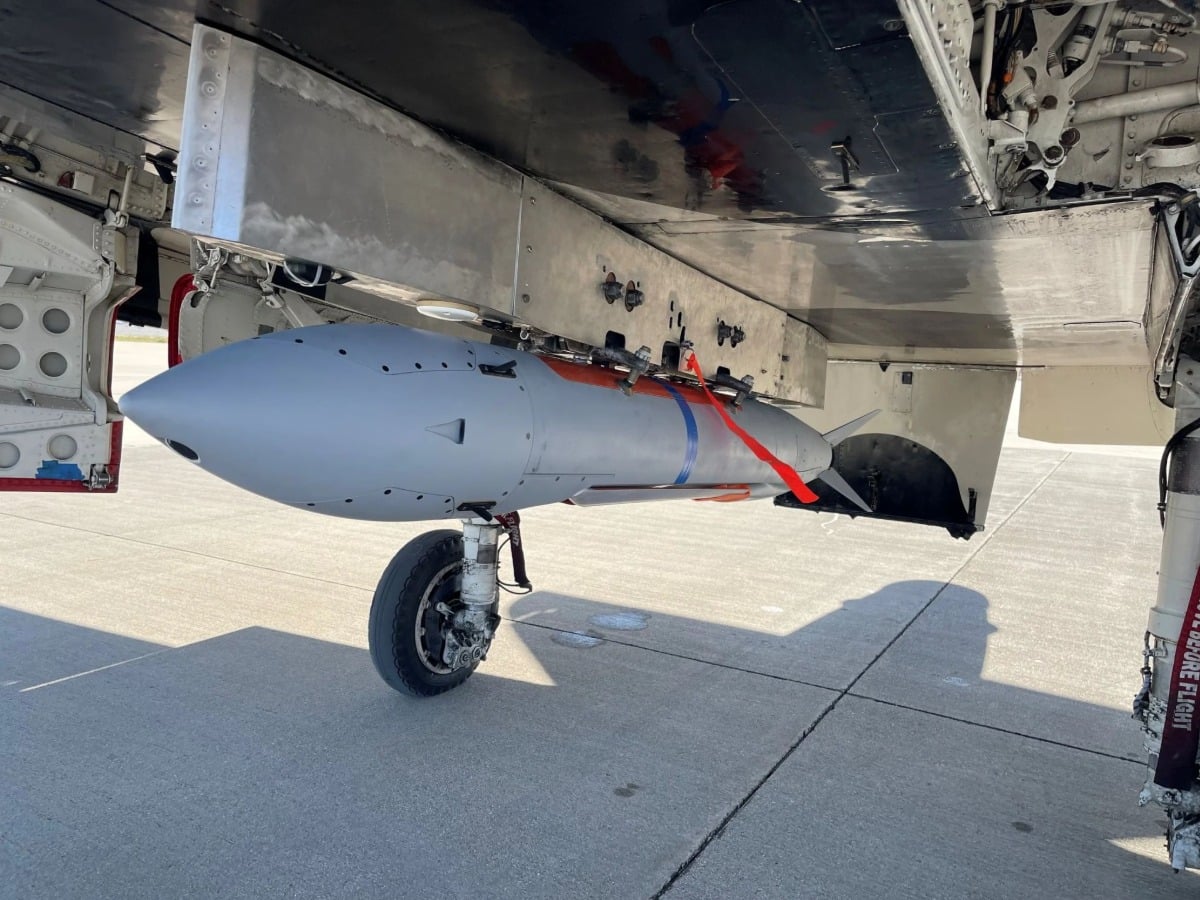
The US Navy has awarded a $70 million contract to CoAspire, a new missile maker, to develop a low-cost cruise missile. This is the first move in the Navy's precision-strike acquisition efforts. The contract was awarded by PAE Munitions, the Navy's precision-strike acquisition arm.
-

US Ambassador to the United Nations Mike Waltz dismissed concerns over depleted US weapons stockpiles amid potential military operations against Iran. He stated that the US has everything it needs for military operations, despite reports of depleted stockpiles.
-

The US has paused its attacks on Iran for a second straight day due to dwindling missile stockpiles. President Trump is weighing his options, considering both diplomatic and military actions. The pause in attacks is seen as an effort to bring the countries back to negotiations on an interim ceasefire.
-
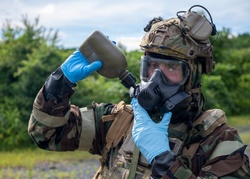
Airmen from five Air National Guard units completed Exercise Serow Samurai, a training exercise at Misawa Air Base, Japan, focused on chemical, biological, radiological and nuclear response capabilities. The exercise included command and control, field reconnaissance, munitions sampling, and decontamination operations. Airmen from various units participated in the seven-day deployment for training.
-
The US Army is moving its Launched Effects portfolio closer to operational use, with production-line Long-Range Precision Munitions validated during Project Convergence-Capstone 6. This advancement is part of the Army's efforts to enhance longer-range surveillance and strike missions. The system is expected to be fielded by 2027.
-

The U.S. Navy is procuring a low-cost cruise missile to expand its long-range precision strike capabilities and provide allies with affordable maritime strike munitions. The Navy's Coalition Heterogenous Affordable Offensive Strike (CHAOS) program has awarded a contract to CoAspire. The contract is worth $70 million.
-
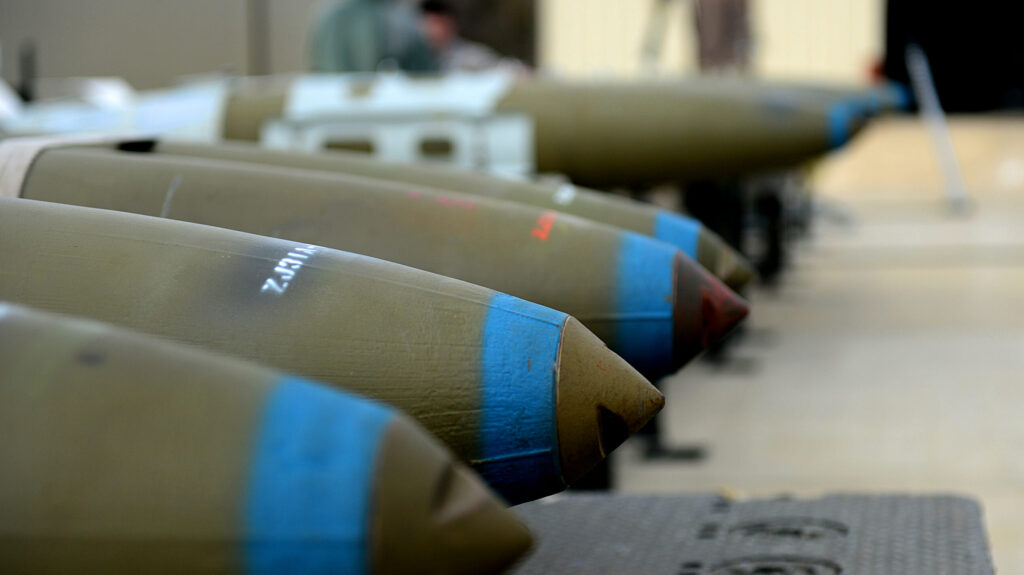
The US military may be undervaluing improved energetics by only considering the price tag, according to CSBA's Tyler Hacker. Hacker argues that the costs of new energetics should be reassessed. This could lead to a reevaluation of munition development and procurement strategies.
-
The US defense industrial base is struggling to keep up with the rapid use of interceptor and precision-guided weapons, raising concerns about replenishing munitions. This shortage is particularly worrying in the context of the war with Iran and transfers to Central Command. The Trump administration is aware of the issue and its potential implications.
-
The future of lethality will depend on software-driven munitions that can adapt and scale, earning commanders' trust. Adaptive weapons and trusted autonomy are key to this development. This shift will change the nature of fires in military operations.
-
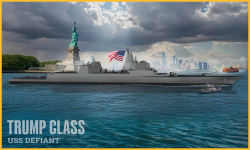
The Office of Management and Budget is requesting Congress to approve funding anomalies for the Navy, including the Trump-class battleship program and aircraft carrier long lead materials. The request also includes purchasing more critical munitions. This move is part of the latest Continuing Resolution (CR) efforts.
-
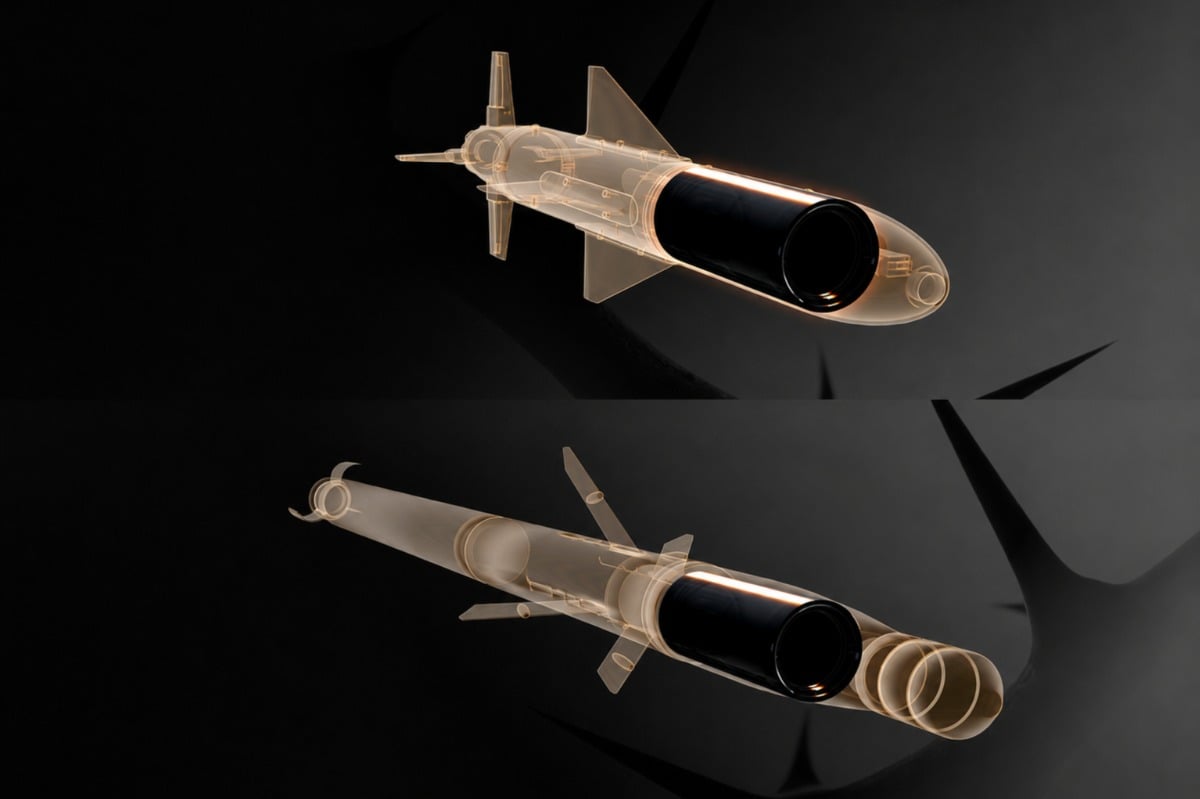
BAE Systems has introduced BlackThorn, a new family of modular warheads designed for modern warfare. The warheads are built for use in various platforms, including drones, missiles, and unmanned ground vehicles. The modular design allows the same core technology to be used across different applications.
-
The Pentagon is requesting $21 billion to replace weapons already used, amid concerns about sustaining the conflict with current munitions. A Senate hearing highlighted the issue of munitions expenditures.
-

Northrop Grumman has taken another charge for the solid rocket boosters it provides for the Vulcan Centaur, suggesting updated motors may not be ready until the end of the year. This development affects the Vulcan Centaur program. The charge indicates potential delays or issues with the program.
-

Anduril has developed an unmanned attack helicopter called Thunder, designed to operate with crewed attack helicopter platforms and absorb risks from drones and surveillance systems. The autonomous attack rotorcraft can serve as a loyal wingman platform for the Army's helicopter fleet. Thunder is a jointly-developed autonomous VTOL platform for commercial and defense applications.
-
Russia has launched a major ballistic missile attack on Kyiv, Ukraine, resulting in casualties and damage. The attack is one of the largest since the start of the war. Ukraine has also been using drones to attack Russian tankers in the Sea of Azov.
-

The US Air Force is expanding its procurement of stealthy air-launched cruise and anti-ship missiles, with two contracts for Lockheed Martin-designed missiles seeing production runs increased to 23,095. The missiles include the AGM-158 Joint Air-to-Surface Standoff Missiles and AGM-158C Long-Range Anti-Ship Missiles. This expansion indicates a significant investment in long-range strike capabilities.
-
The US military has launched a series of strikes against Iran's coastal defense systems and cruise missile sites. The attacks involved precision munitions and were carried out on Wednesday.
-
Raytheon's Next Generation Short Range Interceptor (NGSRI) missile has successfully demonstrated its capabilities in a series of tests, marking a key step in the US Army's effort to replace the Stinger air defense system. The NGSRI uses a Command Launch Assembly, precision-optics seeker, and solid rocket motor to engage airborne threats. The missile has shown promising results, scoring direct hits in long-range aerial threat tests.
-
The US has used a significant number of munitions since the war with Iran began in February, raising concerns about its weapons stockpile. The depletion of munitions could impact the US's ability to sustain military operations. The US may need to replenish its stockpile or adjust its military strategy.


