THAAD
▬Steady 13 recent stories · 55 total mentions · Following ↗
-
The US has not agreed to grant Ukraine licenses to produce Patriot missiles, according to recent statements from Trump and US Ambassador to NATO Matthew Whitaker. The decision is reportedly due to concerns over American weapons stockpiles. Meanwhile, the US has signed a deal to boost production of Patriot and THAAD missile parts.
-
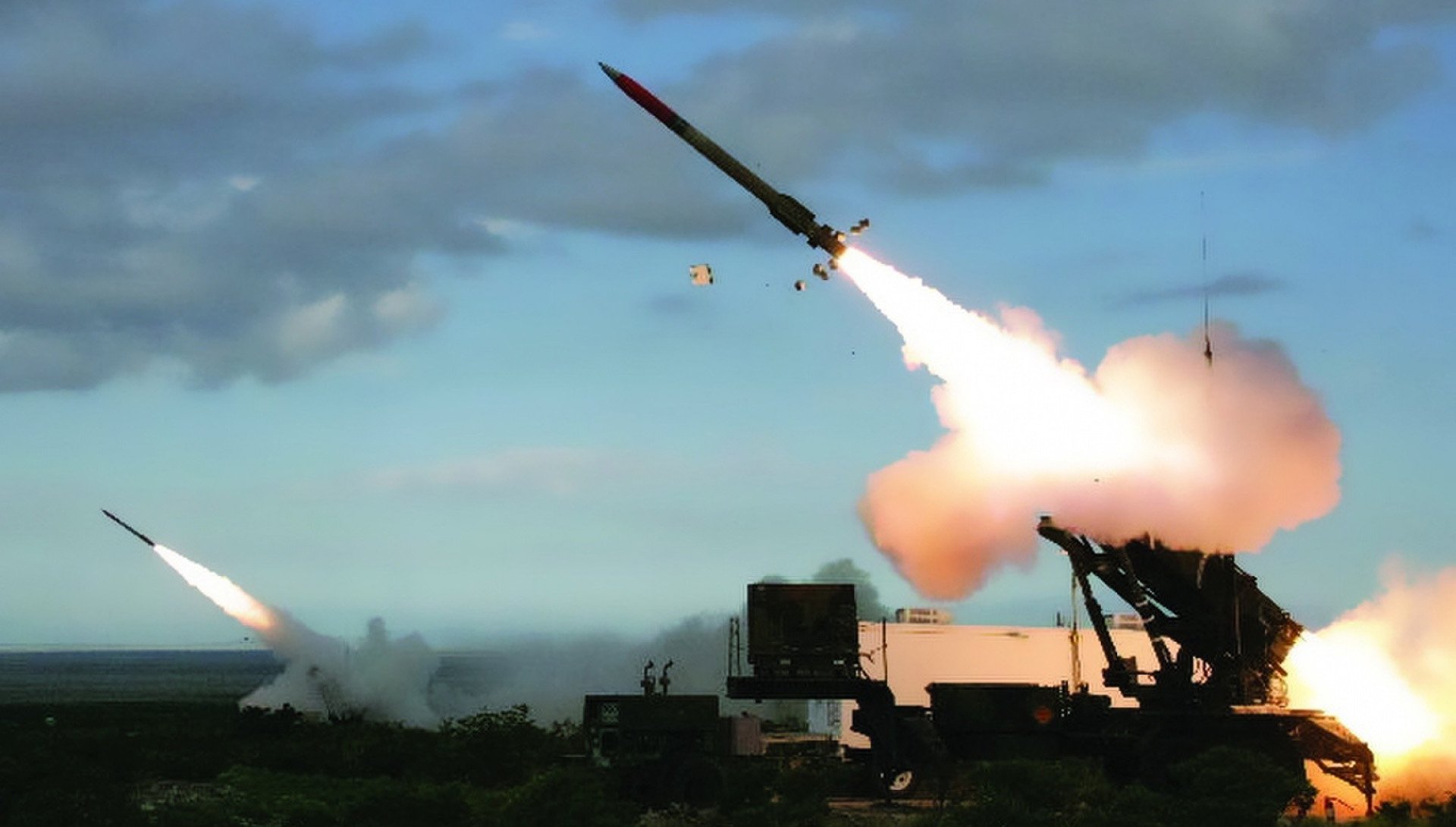
The US military may need up to 3 years to replenish its Patriot and THAAD missile defenses after using them in the Iran war. Experts warn of a significant delay in restocking these critical defense systems. This shortage could impact the military's ability to respond to future threats.
-
Everforth ECS has secured a $115m contract for US Army AI integration. The contract aims to accelerate AI capabilities for the US Army.
-
The Pentagon has announced new agreements with key companies to expand production of Patriot and THAAD munitions. This move aims to increase the supply of these critical defense systems. The agreements are part of a broader effort to enhance the US military's capabilities.
-
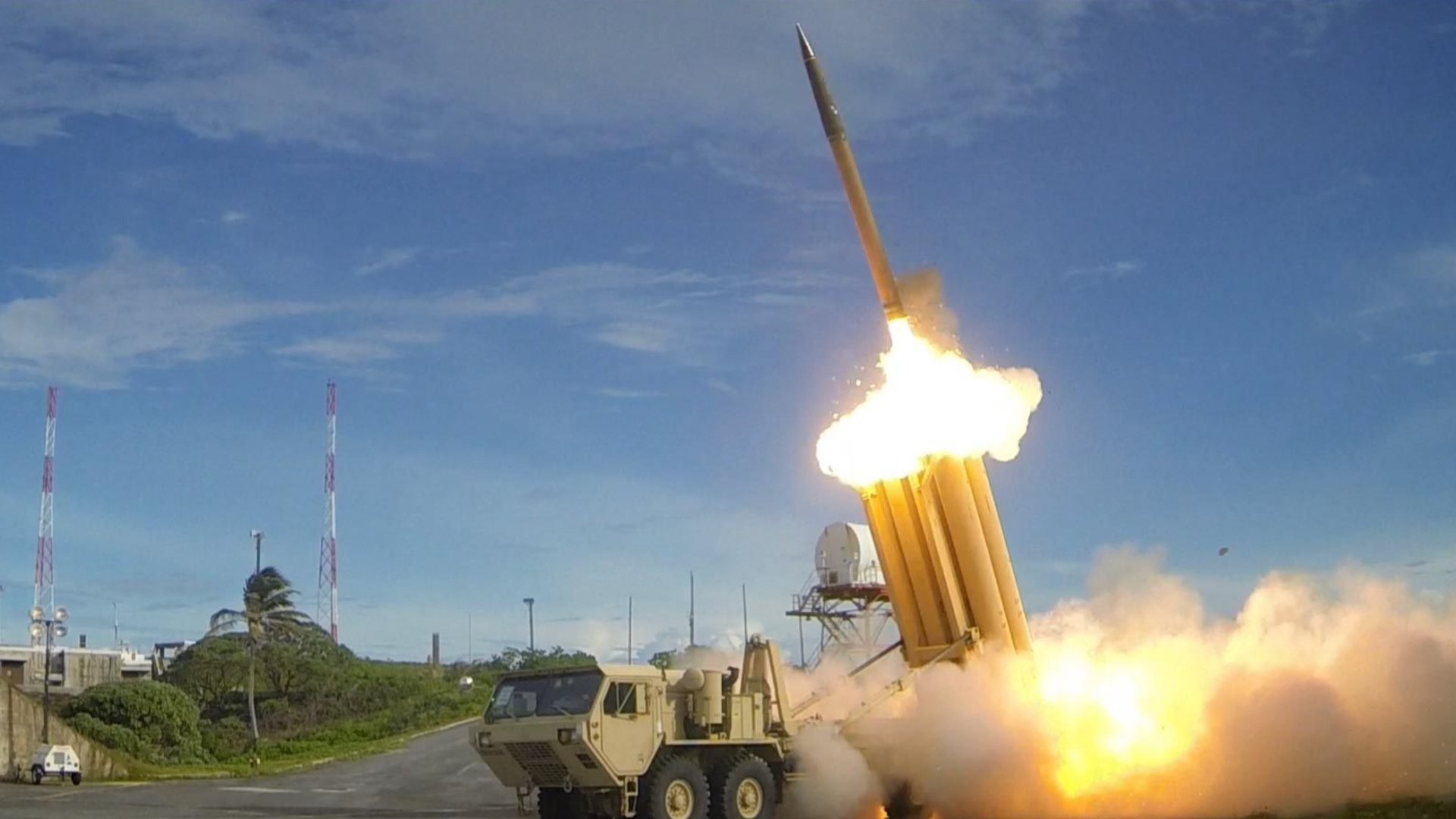
The US is strengthening its missile defenses by expanding production of propulsion systems for the Terminal High Altitude Area Defense (THAAD) and Patriot Advanced Capability-3 (PAC-3) MSE interceptor missiles. L3Harris has been awarded a framework agreement to quadruple THAAD propulsion production. The expansion aims to nearly triple PAC-3 MSE missile production and quadruple THAAD output.
-

The Pentagon has inked a deal with L3Harris to increase rocket motor production. The seven-year deal will allow L3Harris to scale up production for PAC-3 and THAAD interceptors. The deal has yet to be finalized.
-
The US industry will nearly triple PAC-3 MSE propulsion production under a seven-year framework agreement. This agreement follows other PAC-3 MSE framework arrangements across the program’s industrial base.
-
The US Department of War has signed two seven-year framework agreements with L3 Harris and Lockheed Martin to increase production of Patriot and THAAD components. This move aims to enhance the country's missile defense capabilities. The agreements will support the production of critical components for these systems.
-
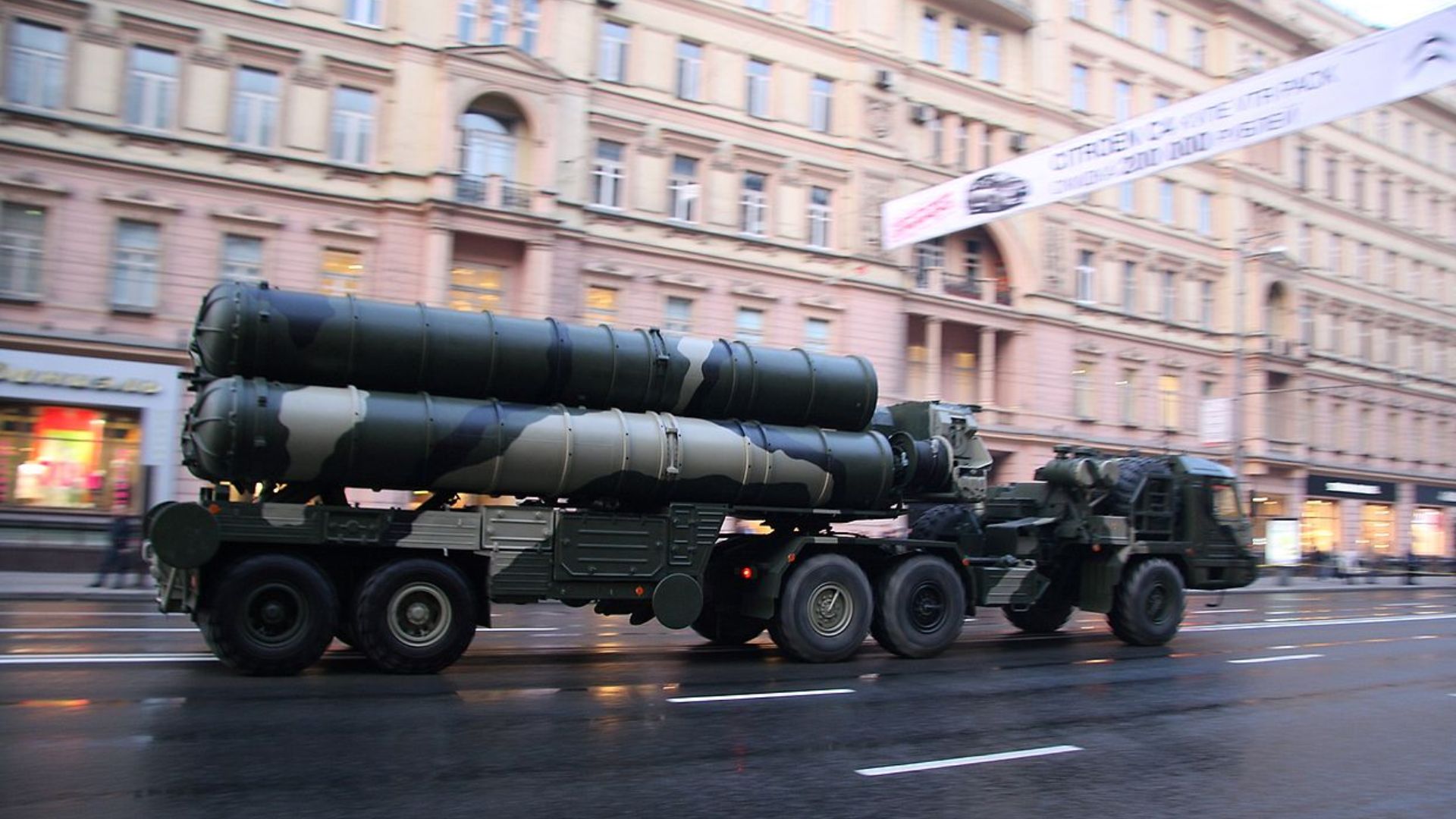
The article discusses seven of the world's most advanced air defense systems, including the S-500 and THAAD. These systems are considered defining military technologies of our time. Air defense has become a crucial aspect of modern military capabilities.
-
The Congressional Research Service released a report on the Terminal High Altitude Area Defense (THAAD) system, a key element of US ballistic missile defense. The system employs interceptor missiles with 'hit-to-kill' technology and can engage targets at ranges of 150-200 kilometers. THAAD covers the BMD middle tier and defends a larger area than other systems.
-
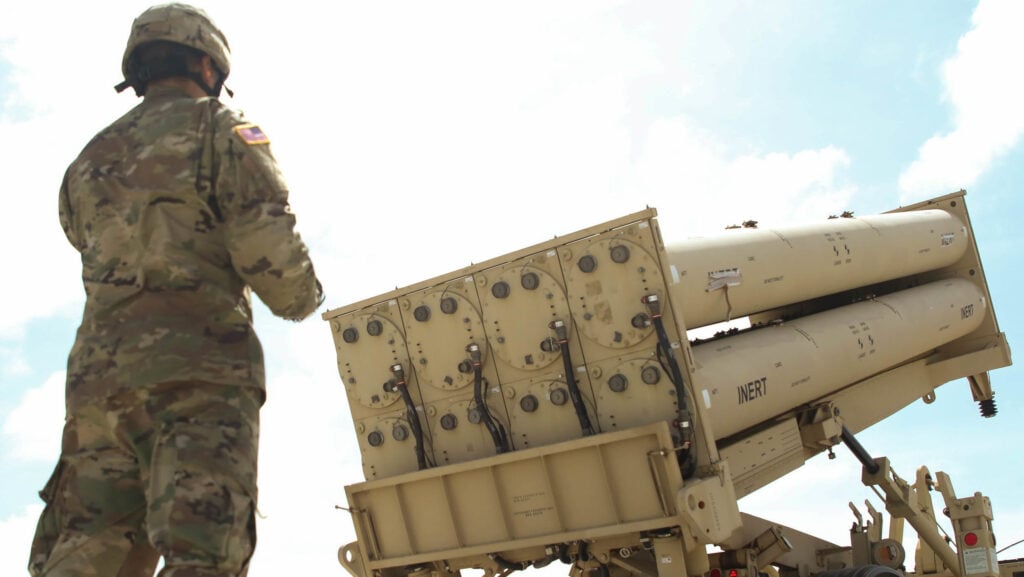
Lockheed has signed a massive contract worth up to $35B for the THAAD system, aiming to quadruple interceptor output. The deal follows a framework agreement with the DoD in January. This contract will significantly boost the production of THAAD interceptors.
-
Lockheed Martin has been awarded a $35 billion contract to quadruple production of the Terminal High Altitude Area Defense (THAAD) interceptor. The contract will increase annual THAAD output from 96 to about 400 interceptors over the next seven years. This is one of the largest missile defense contracts in American history.
-
The US Army's THAAD battery in South Korea has returned to its home base in Seongju County after a three-month deployment to Osan Air Base. The move sparked speculation about the potential removal of missile defenses from the Korean Peninsula to support military campaigns elsewhere. All six truck-mounted launchers are now back at their home base.