L3Harris
▬Steady 28 recent stories · 91 total mentions · #10 of 28 by activity · Following ↗
Contract Activity
-
L3Harris completed flight tests of the Viper Shield electronic warfare system on F-16C and F-16D aircraft at Edwards Air Force Base. The tests marked the first time both aircraft flew together with the Viper Shield hardware. This campaign is a significant step in the development of the Viper Shield system.
-
American Rheinmetall is leading a team to pitch the Lynx XM30 as a replacement for the U.S. Army's Bradley vehicle. The team includes major defense industry players such as Textron Systems, Raytheon, and L3Harris Technologies. They are competing against General Dynamics in the U.S. Army contest.
-
L3Harris Technologies aims to secure $500 million in new orders for its VAMPIRE counter-UAS system, following a $100 million contract with the US Army. The company is expanding its portfolio of low-cost cruise missiles and interceptors for US forces and allies. This expansion is expected to enhance the capabilities of US and allied forces in countering unmanned aerial systems.
-
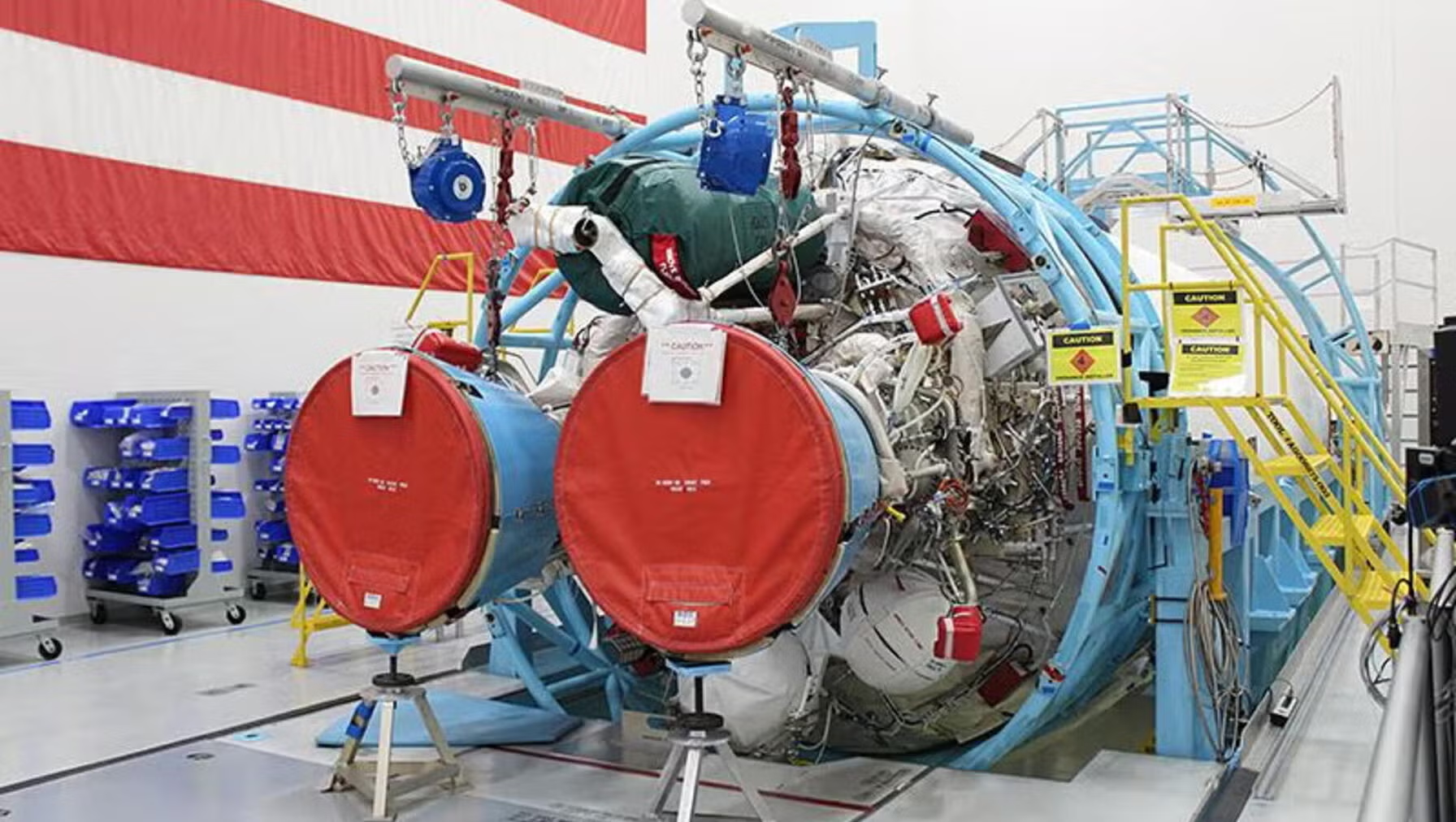
Private investors, through AE Industrial, have acquired a majority stake in L3Harris' space propulsion business, which will be re-established as Rocketdyne. The business has over 60 years of heritage in rocket engine manufacturing.
-

Rocketdyne is now a standalone space company after AE Industrial acquired a 60% stake, with L3Harris retaining a noncontrolling interest. This move marks a significant development in the space industry. The company's new status is expected to impact its operations and future projects.
-
L3Harris Technologies is opening a new automated plant for producing GMLRS rocket motors, increasing missile production capacity. The facility is part of a larger expansion to enhance production capabilities. This move is driven by the Pentagon's demand for faster and higher-volume missile output.
-
L3Harris has postponed the initial public offering (IPO) of its missile unit until mid-2027. The decision reflects a shift in the company's strategic plans, potentially impacting the development and acquisition of missile technologies.
-
L3Harris has raised its 2026 outlook due to a significant increase in quarterly orders, totaling $7.3 billion, which has lifted its defense backlog to a record $42 billion. This growth is attributed to the company's strategic investments and commercial business model. As a result, L3Harris is experiencing stronger revenue.
-

L3Harris has delayed the initial public offering (IPO) of its missile business until 2027, citing market conditions that do not reflect the value of the business. The decision comes despite surging demand in the defense sector. The CEO believes it is better to wait for market conditions to settle down before proceeding with the IPO.
-
BAE Systems has lifted its 2026 outlook due to a surge in defence orders. The company's earnings call transcript and presentation are available, providing insight into its financial performance. This development is significant for the defence industry, indicating a potential increase in demand for defence technologies and systems.
-
Everforth ECS has secured a $115m contract for US Army AI integration. The contract aims to accelerate AI capabilities for the US Army.
-
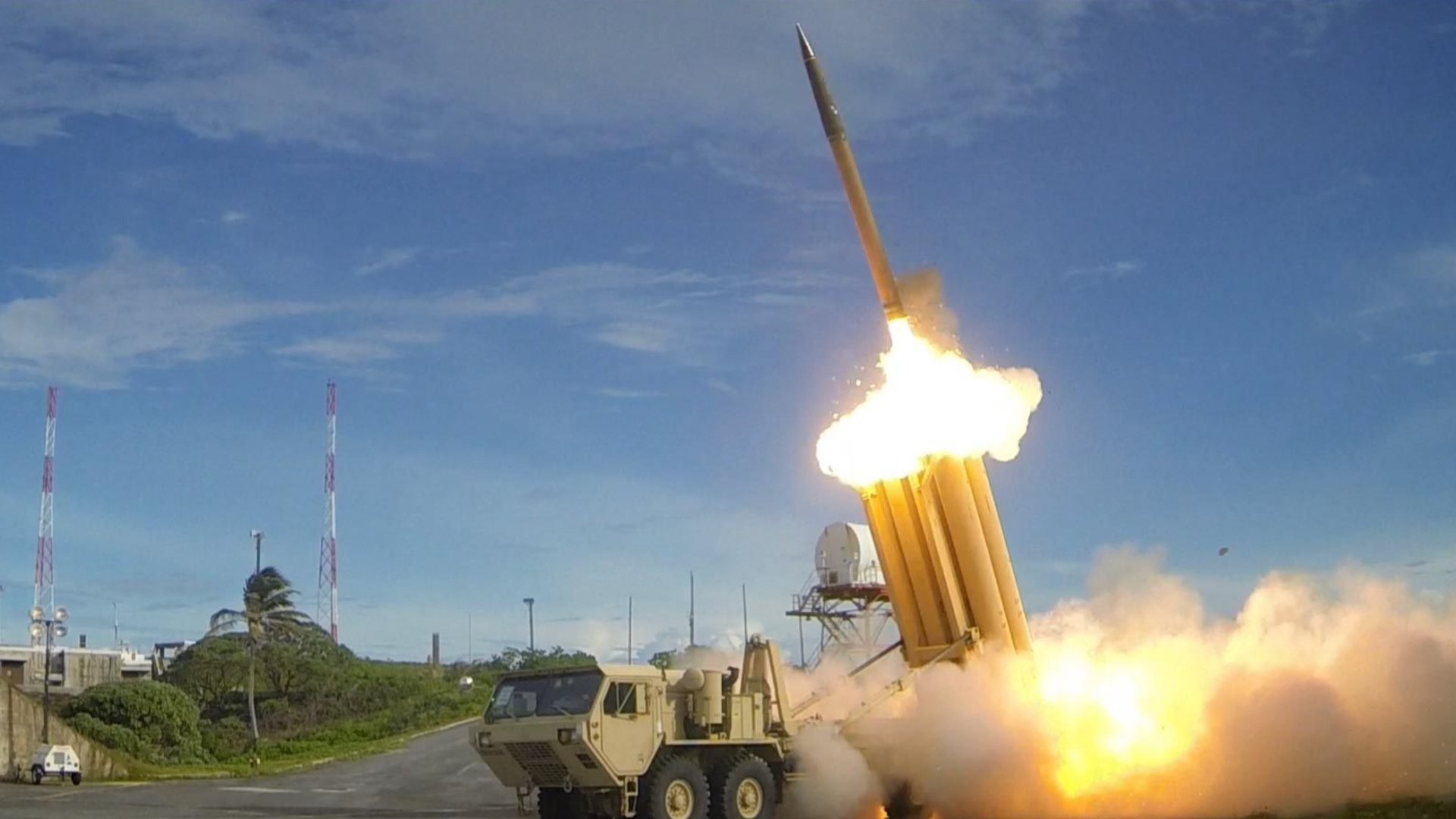
The US is strengthening its missile defenses by expanding production of propulsion systems for the Terminal High Altitude Area Defense (THAAD) and Patriot Advanced Capability-3 (PAC-3) MSE interceptor missiles. L3Harris has been awarded a framework agreement to quadruple THAAD propulsion production. The expansion aims to nearly triple PAC-3 MSE missile production and quadruple THAAD output.
-

The Pentagon has inked a deal with L3Harris to increase rocket motor production. The seven-year deal will allow L3Harris to scale up production for PAC-3 and THAAD interceptors. The deal has yet to be finalized.
-
The US industry will nearly triple PAC-3 MSE propulsion production under a seven-year framework agreement. This agreement follows other PAC-3 MSE framework arrangements across the program’s industrial base.
-
The US Department of War has signed two seven-year framework agreements with L3 Harris and Lockheed Martin to increase production of Patriot and THAAD components. This move aims to enhance the country's missile defense capabilities. The agreements will support the production of critical components for these systems.
-
L3Harris Technologies is promoting missionized business jets as a cost-effective solution for air forces to modernize their airborne mission fleets, including ISR, AEW&C, and electronic attack capabilities. This approach is being presented as a faster and more adaptable option for global air forces. The use of business jets for these missions could provide a more affordable alternative to traditional military aircraft.
-

L3Harris and Shield AI conducted a flight test integrating L3Harris' DiSCO ecosystem with Shield AI's Hivemind software for autonomous electronic warfare. The test was performed aboard the Green Wolf platform. This integration aims to enhance autonomous mission capabilities.
-
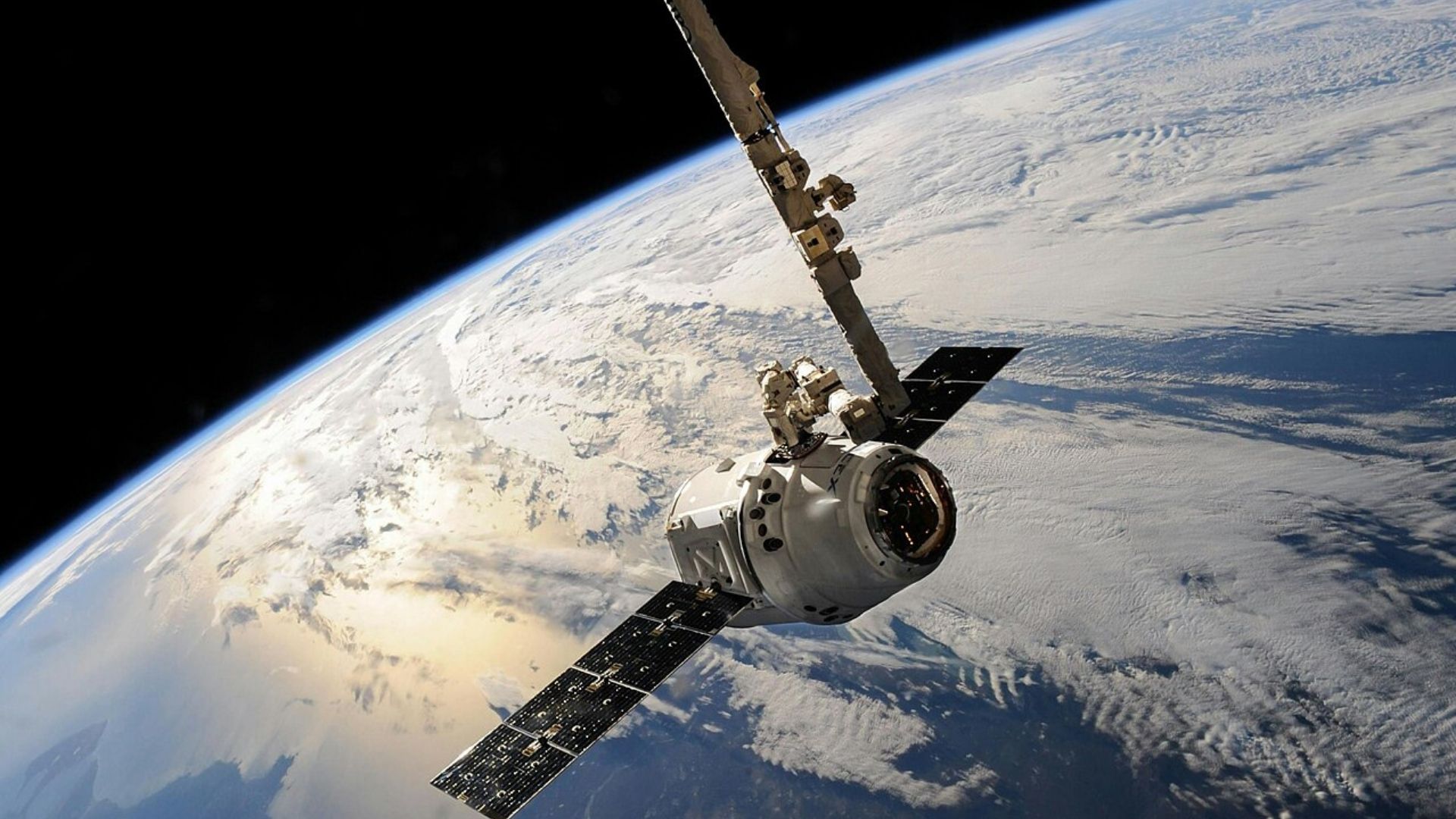
The US Space Force's Space Development Agency has awarded a contract to L3Harris Technologies to develop space-based sensors for tracking hypersonic missiles. This technology will enable the US to monitor threats from orbit. The system aims to provide early warning and detection of hypersonic missiles.
-

The Space Development Agency has awarded L3Harris and Sierra Space $1.75 billion to build 36 satellites for the Golden Dome missile defense shield. The satellites will provide missile warning, tracking, and targeting capabilities. The contract is part of an accelerated schedule to meet the Pentagon's 2028 plans for demonstrating the Golden Dome system.
-

The US Space Force is planning key upgrades to its command-and-control system in 2027, improving space domain awareness data sharing with allies and operator collaboration. L3Harris is modernizing the Atlas system to enhance monitoring of satellites and space debris. The upgrades will include 'Five Eyes' data sharing, strengthening US Space Force capabilities.
-
L3Harris has successfully tested a next-generation solid fuel ramjet system, which achieved thrust across its intended operating envelope. This design validation is a significant step for tactical missiles. The test demonstrates the potential for advanced propulsion systems in future missile technologies.
-

A Florida-based firm, L3Harris Technologies, is set to upgrade the US aircraft tracking network, providing real-time satellite-based flight positioning. This upgrade aims to enhance the accuracy and efficiency of aircraft tracking. The system will utilize satellite technology to offer precise flight positioning.
-
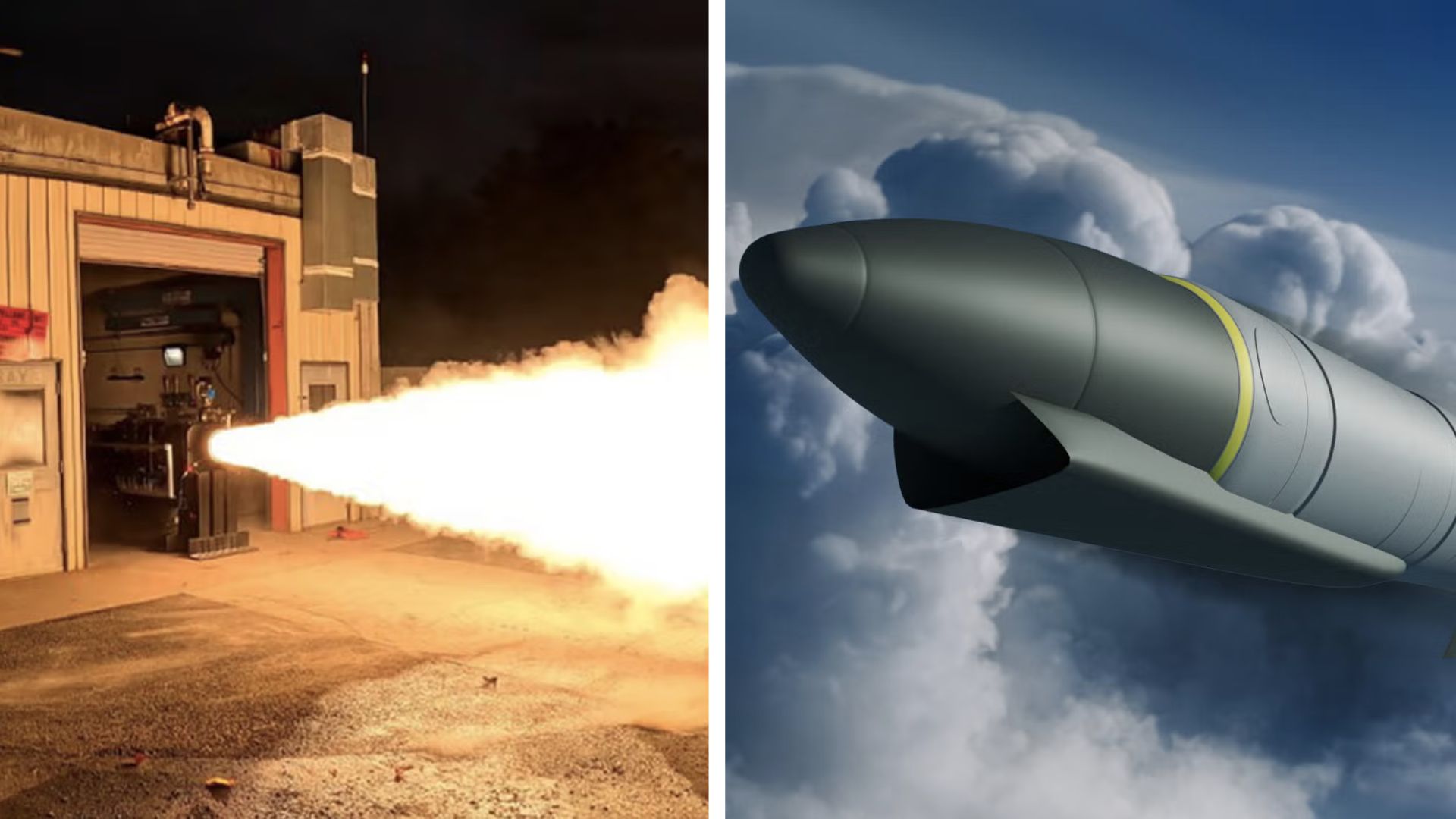
L3Harris has tested a next-generation ramjet fuel propulsion system for future offensive and defensive missions. The technology aims to advance propulsion capabilities. This development could enhance the performance of various military systems.
-
L3Harris is a defense technology company that may be worth its premium due to its compounding capabilities. The company operates in the defense tech sector, providing various technologies and services. Its value proposition is analyzed in the context of its premium pricing.
-
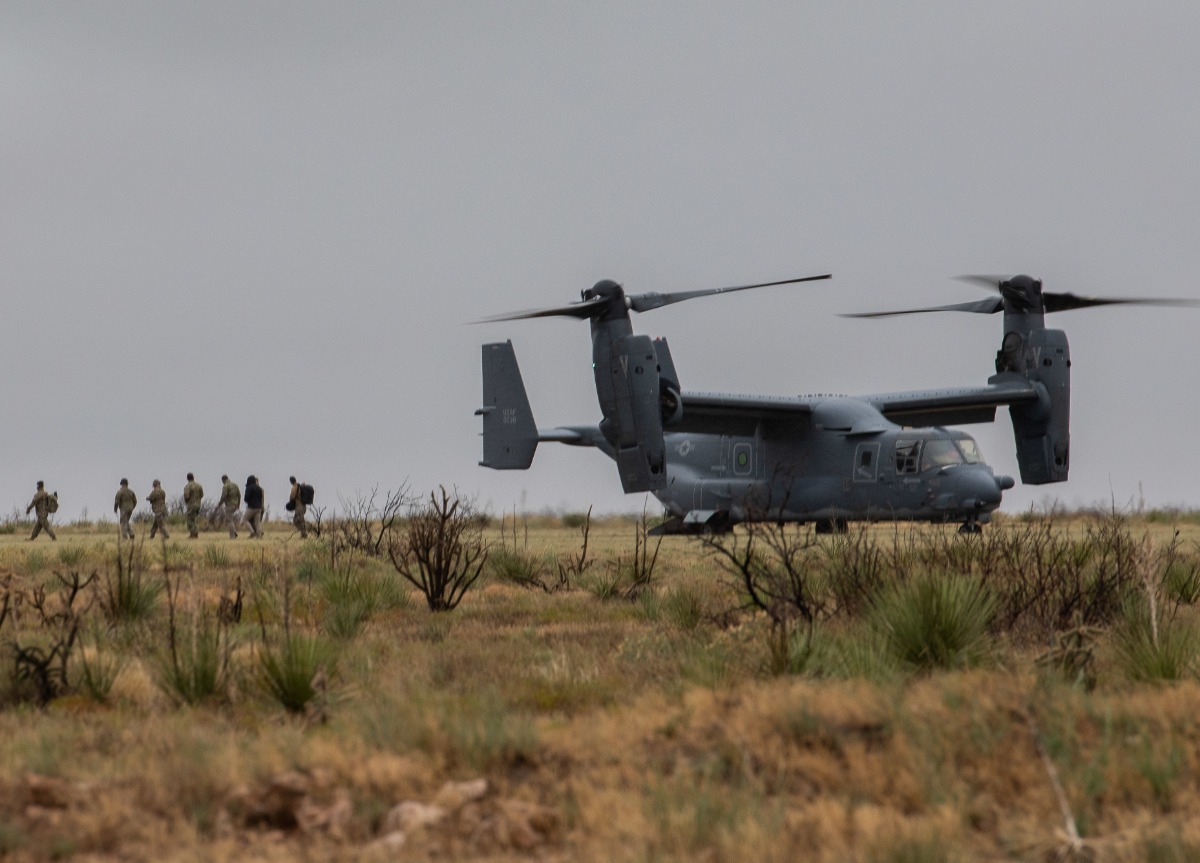
L3Harris Technologies has received a $614 million contract to maintain a system that protects elite US aircraft from enemy missiles. The system helps crews break enemy radar locks, giving them crucial seconds to respond. This contract secures the long-term maintenance pipeline for the system.
-
L3Harris breaks ground on two Arkansas facilities to expand PAC-3 propulsion production for U.S. Army missile defense systems. The facilities will produce advanced rocket motors and other components.
-
L3Harris Technologies has received orders to supply Falcon communication systems to German forces through Foreign Military Sales. The systems will support the German D-LBO program and special operations forces. This contract highlights the continued importance of advanced communication systems in modern military operations.
-
The Air Force's T-7 Red Hawk training jet is facing more issues than previously reported, including a weather restriction and airworthiness risk. An investigation by Breaking Defense found these problems.