Department of Defense
▬Steady 40 recent stories · 534 total mentions · Following ↗
-
Rocket Lab's suborbital launches at Pacific Spaceport Complex-Alaska could potentially lead to national-security launches, easing the Pentagon's launch bottleneck. The spaceport is being considered as a possible solution to the Pentagon's launch capacity issues. This development could have significant implications for the US military's space operations.
-
The Pentagon has appointed a new director for the Maven Smart System program, aiming to integrate it with command and control systems. The program is expected to be an operational cornerstone for C2 integration, but its early impacts have been questioned by some sources.
-

Muon Space's new manufacturing facility in San Jose, California, has been inaugurated, highlighting the growth of satellite manufacturing in the state despite cost and regulatory challenges. The facility was praised by state, local, and US Space Force representatives. This development indicates a strong industry presence in California.
-
Salesforce has announced plans to deliver its newly authorized 'AI agents' across the Department of Defense. The company's AI product is now compliant with DOD Impact Level 5. This move is expected to bring advanced AI capabilities to the DOD.
-

Jetoptera, an aerospace startup, has withdrawn from DARPA's Lift Challenge, a competition for heavy-lift drone technology, just days before the final test. The company cited reasons unrelated to funding for its decision. Jetoptera's 'Project Pegasus' aircraft was a participant in the nationwide contest.
-

Defense executives are optimistic about Pentagon spending despite uncertainty over the FY27 budget, citing bipartisan support for increased munitions. RTX CEO Chris Calio expressed confidence in Congress' backing for munitions spending during a recent earnings call.
-
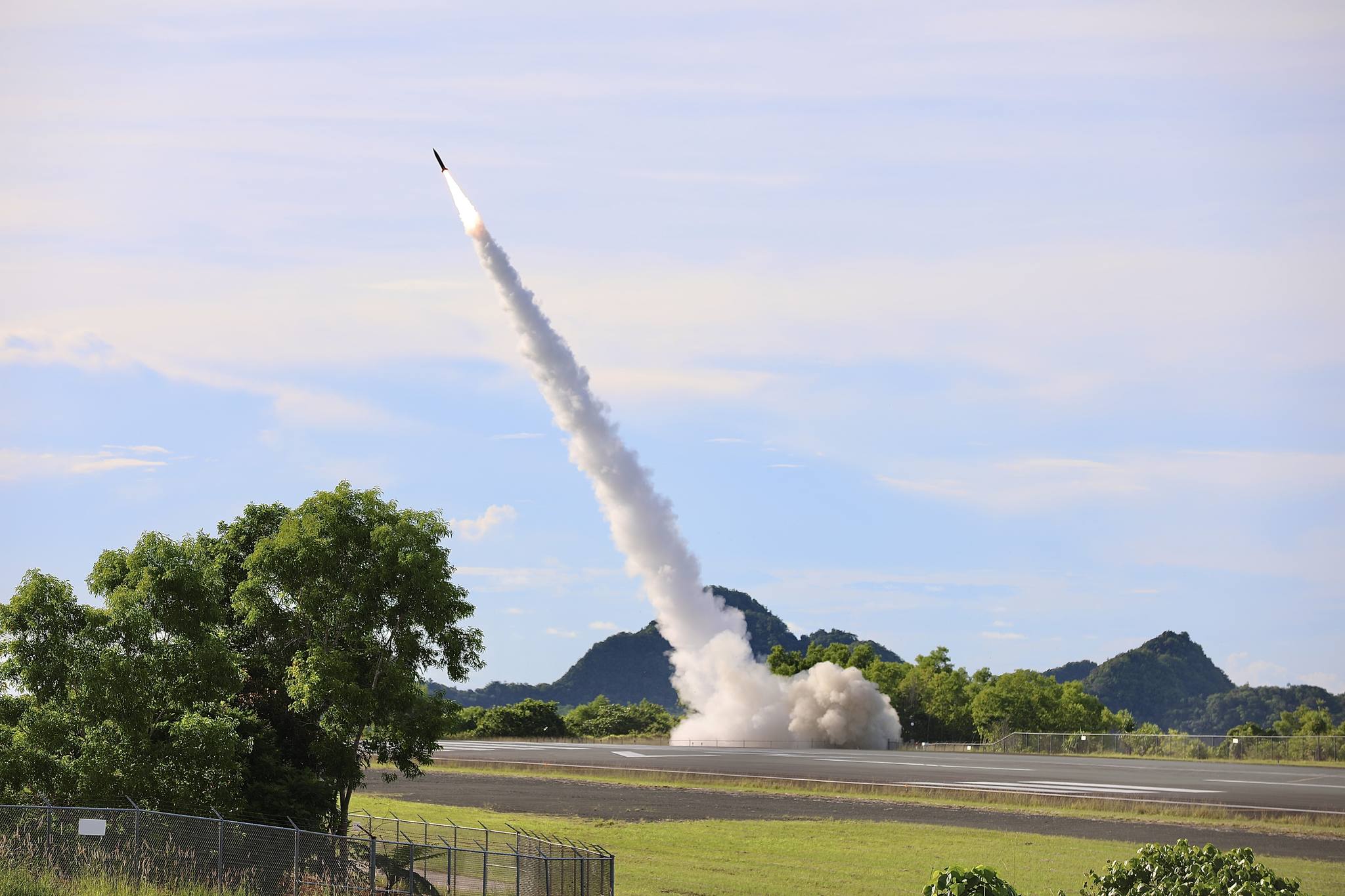
The US has reportedly used nearly all of its stockpile of long-range precision missiles during the war with Iran, sparking concerns over the country's dwindling munitions stockpile. Sources confirm that the US Army has used up much of its stockpile of highly accurate long-range missiles. This depletion has raised concerns over the US' ability to sustain military operations.
-
The Pentagon's counter-drone task force has developed an AI-powered marketplace to improve the foreign military sales process and enable users to find defensive systems based on price, features, and performance reviews. The platform was built by software startup Kaizen in less than nine weeks. The new marketplace aims to make the process of buying defensive tech more efficient.
-
Under Secretary of Defense for Acquisition and Sustainment Michael P. Duffey discusses the Pentagon's ongoing acquisition transformation, including recent munitions agreements and industry investments. The conversation also covers the shift to portfolio acquisition executives and allied coproduction.
-

The Office of Naval Research (ONR) marked its 80th anniversary with a ceremony at the Pentagon Auditorium, recognizing its legacy of discovery and role in shaping naval science and technology. The event celebrated ONR's contributions to the future of naval science and technology. Naval leaders participated in the ceremony to acknowledge ONR's impact.
-
The Pentagon is considering the use of AI to monitor phone calls made by military inmates. This expansion of surveillance aims to enhance security within the Military Correctional Complex. The initiative involves leveraging AI technology to analyze communications made by incarcerated individuals.
-
The Department of Defense is teaming up with defense contractors on a major missile deal as a $1.5 trillion defense budget is being considered. This partnership aims to advance missile technology and capabilities. The deal's specifics and implications are being discussed in the context of the proposed defense budget.
-
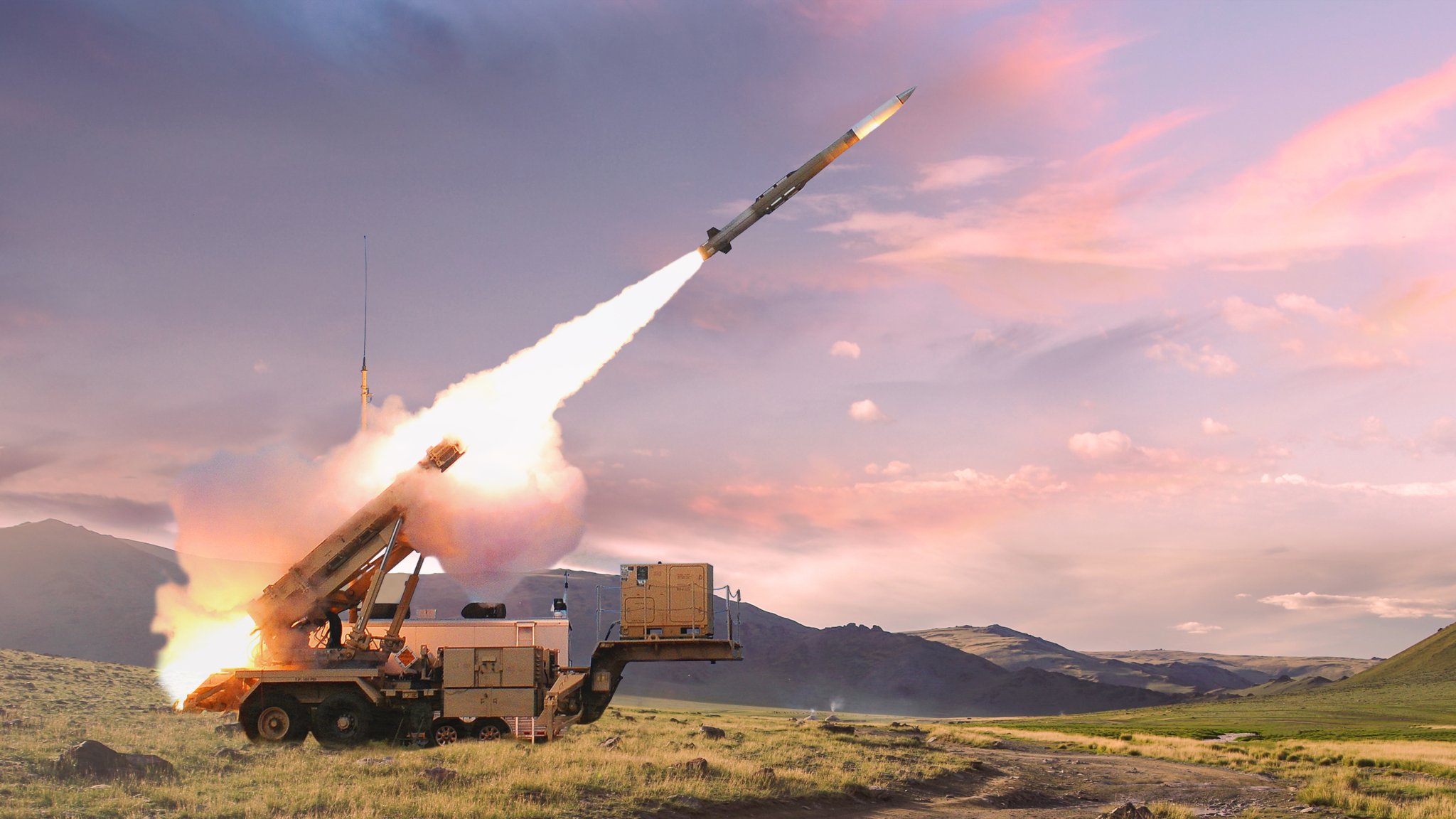
Lockheed Martin has a plan to increase missile production to meet growing demand and adapt to the Pentagon's new business approach. The company is taking a holistic approach to ramp up production. This effort aims to address the exploding demand for munitions.
-

The Pentagon is integrating AI into Stryker brigades, combining them with autonomous drones and multi-domain networks to enhance combat decision-making. This initiative aims to accelerate the decision-making process in combat situations. Army commanders are leading this effort to fuse these technologies and improve tactical capabilities.
-
L3Harris Technologies is opening a new automated plant for producing GMLRS rocket motors, increasing missile production capacity. The facility is part of a larger expansion to enhance production capabilities. This move is driven by the Pentagon's demand for faster and higher-volume missile output.
-

The US Air Force has awarded Blue Origin nearly $12 million to explore the use of its rockets for rapid military cargo delivery. The concept aims to transport cargo anywhere on Earth within an hour. Blue Origin will conduct a funded engineering study to assess the feasibility of this idea.
-

CACI International's SkyValor drone defense system is moving to full production after successful border testing. The system will be deployed to strategic locations across the US as part of a $500 million contract with JIATF-401. SkyValor is designed to defend against growing drone threats.
-
The DOD is offering a loan of up to $820m to PDW for drone component manufacturing. The loan aims to support domestic production of drone parts.
-
A judge has ruled that the Pentagon's case has worsened in its fight against Anthropic. The details of the case are not specified, but it appears to be a legal dispute involving the Department of Defense.
-
The Pentagon's CIO has issued a department-wide directive on IT category management, which was approved and became effective in late July. The directive aims to improve the management of IT resources across the department. This move is part of the Pentagon's efforts to modernize its IT systems and improve efficiency.
-
Lockheed Martin CEO Jim Taiclet states that the company expects to maintain annual F-35 production at 156 aircraft. This decision is supported by long-term demand from the Pentagon and allied nations. The consistent production rate indicates a stable outlook for the F-35 program.
-
The Pentagon has committed over $120 billion for Patriot missiles and submarines in megadeals with Lockheed Martin and shipbuilders. The goal is to guarantee equipment availability and stabilize suppliers. This investment aims to support long-term military capabilities.
-

The Pentagon's artificial intelligence strategy aims to provide decision advantage at scale, and a Destroyer XO should have specific demands from onboard AI in 2027. This includes leveraging AI for improved decision-making and operational efficiency. The article discusses the potential benefits and requirements of integrating AI on naval vessels.
-

The Pentagon's Defense Innovation Unit completed a successful unmanned stores separation flight test with Hermeus, an Atlanta-based hypersonic aircraft company, as part of the HyCAT program. The test is a significant milestone in the development of hypersonic technology. The HyCAT program aims to accelerate the integration of commercial technology into military use.
-

The Pentagon is working to mitigate industry concerns over an executive order related to sourcing critical minerals, which could impact supply chains. The order has the potential to shake up the industry. The Pentagon's efforts aim to alleviate these concerns and ensure a stable supply chain for critical minerals.
-

The Squadron Officer School's Air University Advanced Research program is expanding to address Department of Defense operational challenges. Students earned top recognitions in the 2026 Joint Staff Academic Research Challenge. The program connects military education with real-world research to develop operationally relevant solutions.
-
The US has the means to protect troops from telecom attacks, but action is needed from Congress and the Pentagon to force carriers to take action. The current lack of action is leaving troops vulnerable to these types of attacks.
-

The House defense budget bill promotes the creation of advanced military rations, or MREs of the future. The Pentagon is called upon to develop these new rations. This initiative is part of the NDAA.
-
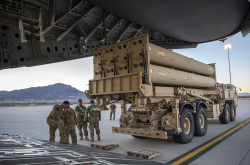
House defense legislators are seeking regular reports from the Pentagon on the impact of weapons shortages, specifically in relation to deterring China. The request is aimed at addressing concerns over the availability of necessary weapons. This move indicates a focus on acquisition and readiness.
-
The Pentagon has conducted tests on a portable nuclear reactor, with the last one leaving Arlington's only radioactive grave. The reactor is designed to be compact and transportable, potentially providing power for military operations in remote areas.
-
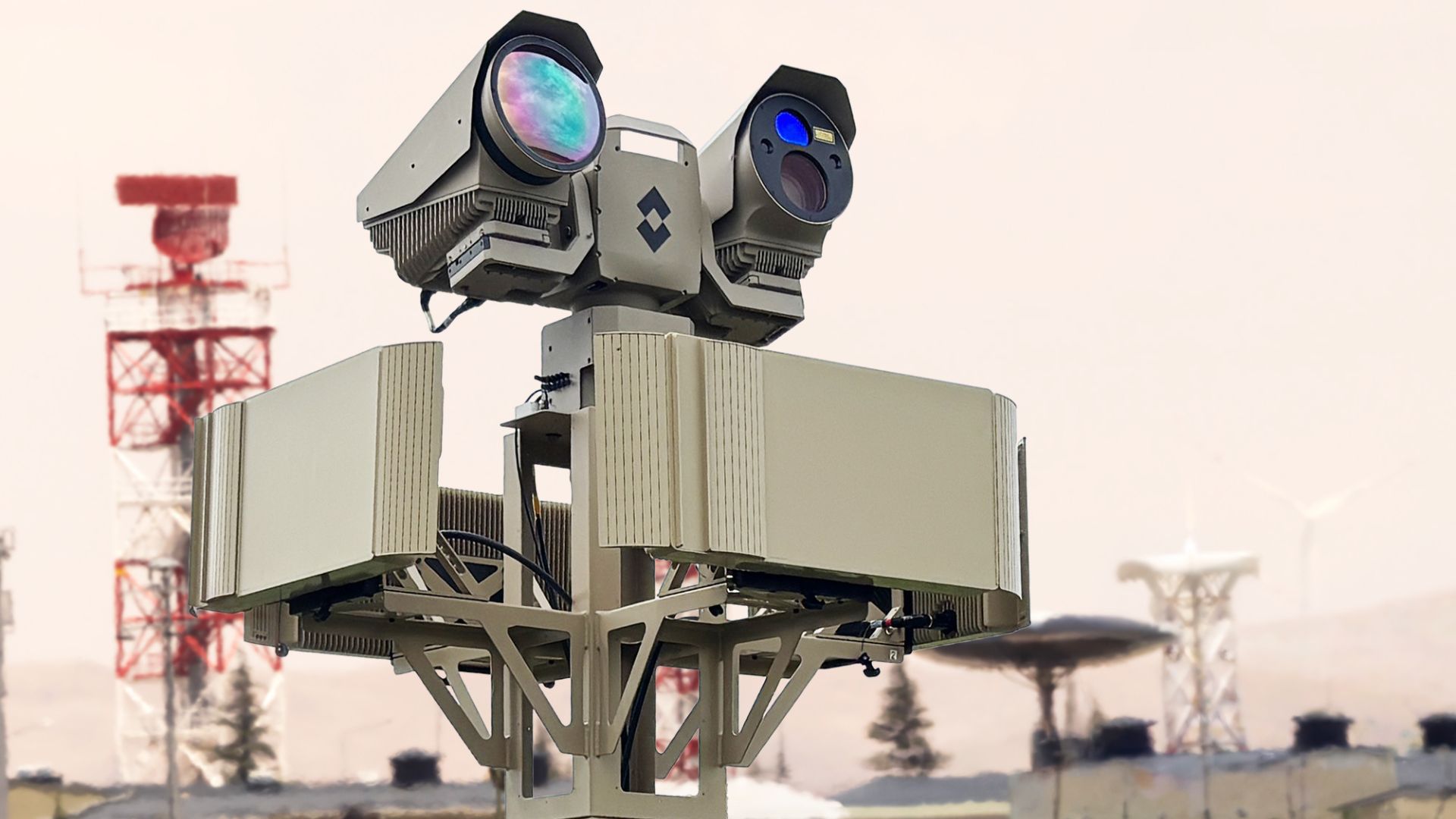
The US Air Force is expanding its counter-drone capabilities with a new delivery order, enhancing its 24/7 multi-sensor threat tracking capabilities. The expansion aims to improve the Air Force's ability to detect and defeat drone threats.
-

L3Harris has delayed the initial public offering (IPO) of its missile business until 2027, citing market conditions that do not reflect the value of the business. The decision comes despite surging demand in the defense sector. The CEO believes it is better to wait for market conditions to settle down before proceeding with the IPO.
-
The US Army has awarded Lockheed Martin a 7-year contract worth up to $58.6 billion to produce Patriot interceptor missiles. This contract modification replaces a previous 1-year undefinitized contract action and increases the production of Patriot Advanced Capability-3 Missile Segment Enhancement interceptors. The deal is the largest-ever for the Patriot missile program.
-

The Pentagon is soliciting robot boats that can launch attack drones, with a testing deadline of 120 days. This initiative aims to address threats in contested waters. The project's rapid development timeline underscores its priority.
-
The Pentagon is evaluating options to license the production of Patriot missile systems to Ukraine, according to a DoD official. The plan involves assessing various courses of action, including domestic and international sourcing, unit location, and construction methods. The assistant secretary of defense for industrial policy, Michael Cadenazzi, confirmed that the evaluation is ongoing, considering different variants of the system.
-

The Pentagon has approved the next contract for the Virginia-class submarine program, despite production bottlenecks
-

The Pentagon has announced new agreements with key companies to expand production of Patriot and THAAD munitions. This move aims to increase the supply of these critical defense systems. The agreements are part of a broader effort to enhance the US military's capabilities.
-

Teledyne FLIR Defense has been awarded a role in a $500M Pentagon program to develop a drone defense system, providing infrared cameras to detect drones before they reach American soil. The company has 45 years of experience building infrared cameras for the military. This contract is part of the Pentagon's efforts to enhance homeland defense against drone threats.
-

The Pentagon has launched an effort to build a new generation of low-cost, long-range strike weapons. The program aims to develop a weapon with a range of 600 miles through rapid testing. This initiative is focused on creating a cost-effective solution for long-range strikes.
-
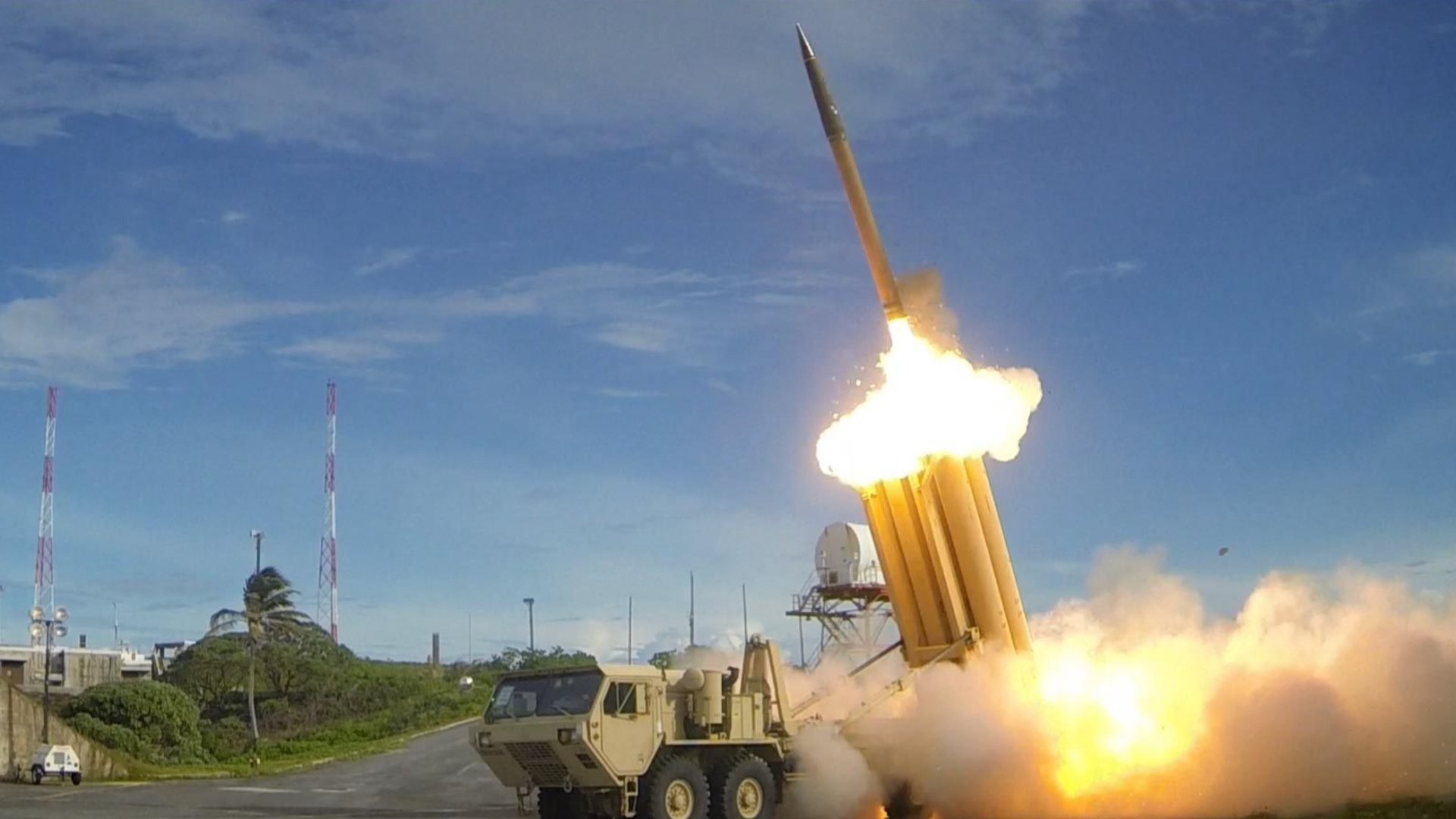
The US is strengthening its missile defenses by expanding production of propulsion systems for the Terminal High Altitude Area Defense (THAAD) and Patriot Advanced Capability-3 (PAC-3) MSE interceptor missiles. L3Harris has been awarded a framework agreement to quadruple THAAD propulsion production. The expansion aims to nearly triple PAC-3 MSE missile production and quadruple THAAD output.