Golden Dome
▬Steady 15 recent stories · 50 total mentions · Following ↗
-
BAE Systems anticipates increased demand for munitions, counter-drone weapons, and military space systems in the US. The company plans to increase capital spending by 40% to capitalize on these opportunities.
-
The US has proposed a missile defense system, referred to as a Golden Dome, which has been attempted before. The proposal is backed by Donald Trump, but details about the system are scarce.
-

Lockheed Martin is investing in AI, quantum, and space-based interceptors to advance defense technology. Their work includes missile defense systems like Golden Dome.
-

The Space Force will conduct tests of satellite-to-satellite communications via optical laser-light links at K2, a key component of its future missile warning and tracking architecture. This technology is part of the Trump administration's Golden Dome missile defense shield.
-
Northrop Grumman anticipates an increase in contract activity for the Golden Dome homeland missile defense initiative through 2026 and into 2027. This acceleration is expected as US funding for homeland missile defense moves into the procurement phase.
-
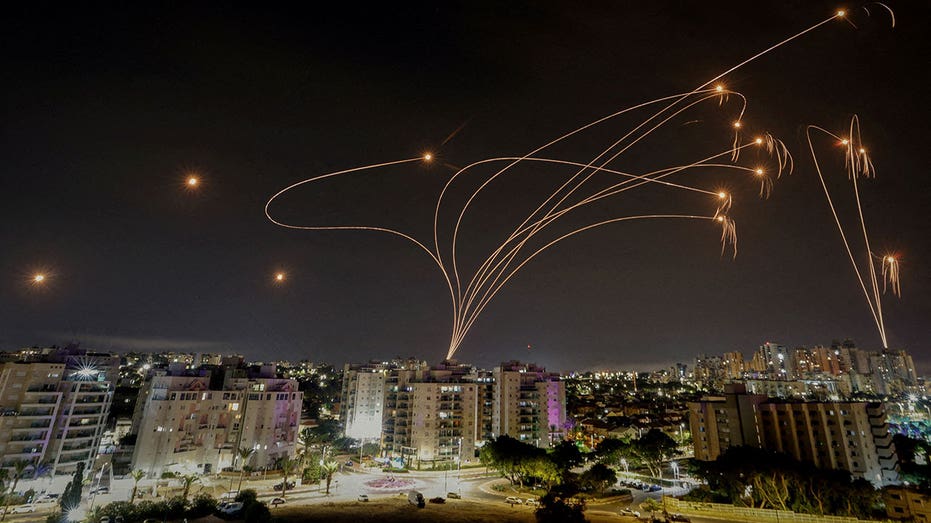
A report warns that the Golden Dome's focus on space-based missile defense may leave US cities vulnerable to drone attacks. The report suggests that Israeli systems could help mitigate this vulnerability. This potential weakness in US defense could have significant consequences for national security.
-

Sphinx Defense has secured a $287 million other transaction authority agreement from the U.S. Space Force to develop ESS mission planning. The award follows two earlier prototyping phases. The project will be discussed at the 2026 Air and Space Summit, which will also explore AI and other topics.
-
Lockheed Martin's laser weapon successfully passed its first Golden Dome missile-defense test, leading to a new Pentagon contract. The test was followed by a contract award just two weeks later. This development marks a significant milestone in the advancement of laser weapon technology for missile defense.
-

KBR is reorganizing its defense technology business to pursue work on the Golden Dome project, leveraging its experience in digital engineering, space tracking, and missile defense. The company's move aims to capitalize on its existing capabilities in these areas. KBR's reorganization is a strategic step to position itself for potential contracts related to Golden Dome.
-
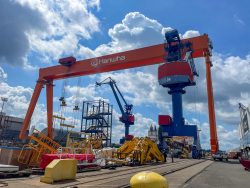
Hanwha Philly Shipyard has been awarded a $2 billion contract to build two missile-tracking vessels for the US Navy, replacing the aging Pacific Tracker and Pacific Collector. The new vessels will support the US missile defense program. The contract is part of a larger effort to revitalize US shipbuilding and enhance national security capabilities.
-

The Space Force has issued a draft RFP and RFI for its payload processing management effort, with comments due August 6. A final RFP is expected in early fiscal year 2027. The effort is part of the Space Systems Command's NSSL Enterprise initiative.
-
Kratos Defense & Security Solutions has received approximately $400 million in new funding from the U.S. Department of War for hypersonic system work and other national security programs. The funding will support the development of hypersonic tactical systems, including the Nemesis and Kraken initiatives. This investment accelerates the development of hypersonic systems in the US.
-

The Space Development Agency has awarded L3Harris and Sierra Space $1.75 billion to build 36 satellites for the Golden Dome missile defense shield. The satellites will provide missile warning, tracking, and targeting capabilities. The contract is part of an accelerated schedule to meet the Pentagon's 2028 plans for demonstrating the Golden Dome system.
-

The Golden Dome missile-defense program is attracting space and defense startups looking for new markets, despite many details remaining unsettled. This program has become a focal point for these companies. Golden Dome's development is significant for the industry.
-
Air Space Technologies has won a contract to provide critical US air traffic control technologies, including AI-based logistics software. The technologies will be the backbone of the FAA's envisioned air traffic control system. The contract is part of the US Department of Transportation's effort to modernize US air traffic control.