Counter-UAS
▬Steady 40 recent stories · 204 total mentions · Following ↗
-
Lockheed Martin's CEO has directed the company to build 1,000 Grizzly and 1,000 MORFIUS counter-drone systems. The company is seeking to supply these systems to the U.S. and export markets. The move is part of the company's efforts to develop counter-drone capabilities.
-
The lessons being learned from Ukraine's drone war are incorrect, according to an article on Breaking Defense. The article discusses the implications of this misunderstanding.
-
CSG has acquired a strategic stake in North Vector Dynamics, a Canadian company that develops air-defence, counter-drone, and hypersonic technologies. This investment adds counter-drone missiles and hypersonic technology to CSG's defence portfolio. The move is expected to enhance CSG's capabilities in these areas.
-
L3Harris Technologies aims to secure $500 million in new orders for its VAMPIRE counter-UAS system, following a $100 million contract with the US Army. The company is expanding its portfolio of low-cost cruise missiles and interceptors for US forces and allies. This expansion is expected to enhance the capabilities of US and allied forces in countering unmanned aerial systems.
-
The Pentagon's counter-drone task force has developed an AI-powered marketplace to improve the foreign military sales process and enable users to find defensive systems based on price, features, and performance reviews. The platform was built by software startup Kaizen in less than nine weeks. The new marketplace aims to make the process of buying defensive tech more efficient.
-

Space-Eyes, a defense technology company, is going public through a $638 million SPAC merger with McKinley Acquisition Corp. The company's CATE AI engine provides geospatial intelligence and counter-drone capabilities by fusing radar, RF, and satellite feeds. This merger values Space-Eyes at $638 million in pro forma equity value and $370 million in enterprise value.
-

A Romanian robotics company has developed a modular unmanned ground vehicle called Max1, which can be used for firefighting, construction, and counter-drone defense. The Max1's modular design allows it to switch between operational roles. The company, Maximus Labs Romania, has designed the platform to be versatile and adaptable to different tasks.
-
The Washington National Guard has fielded an Anduril Industries counter-drone system to protect critical infrastructure and major public events. This system is designed for domestic security missions, aiming to enhance security across the state. The deployment marks a significant step in utilizing advanced technology for safeguarding public venues and critical assets.
-
CACI International has secured a $500 million contract to deploy SkyValor systems for counter-drone operations at critical national security sites. The contract is for three years and is an indefinite-delivery, indefinite-quantity agreement. The systems will be used for tactical counter-unmanned aircraft operations.
-
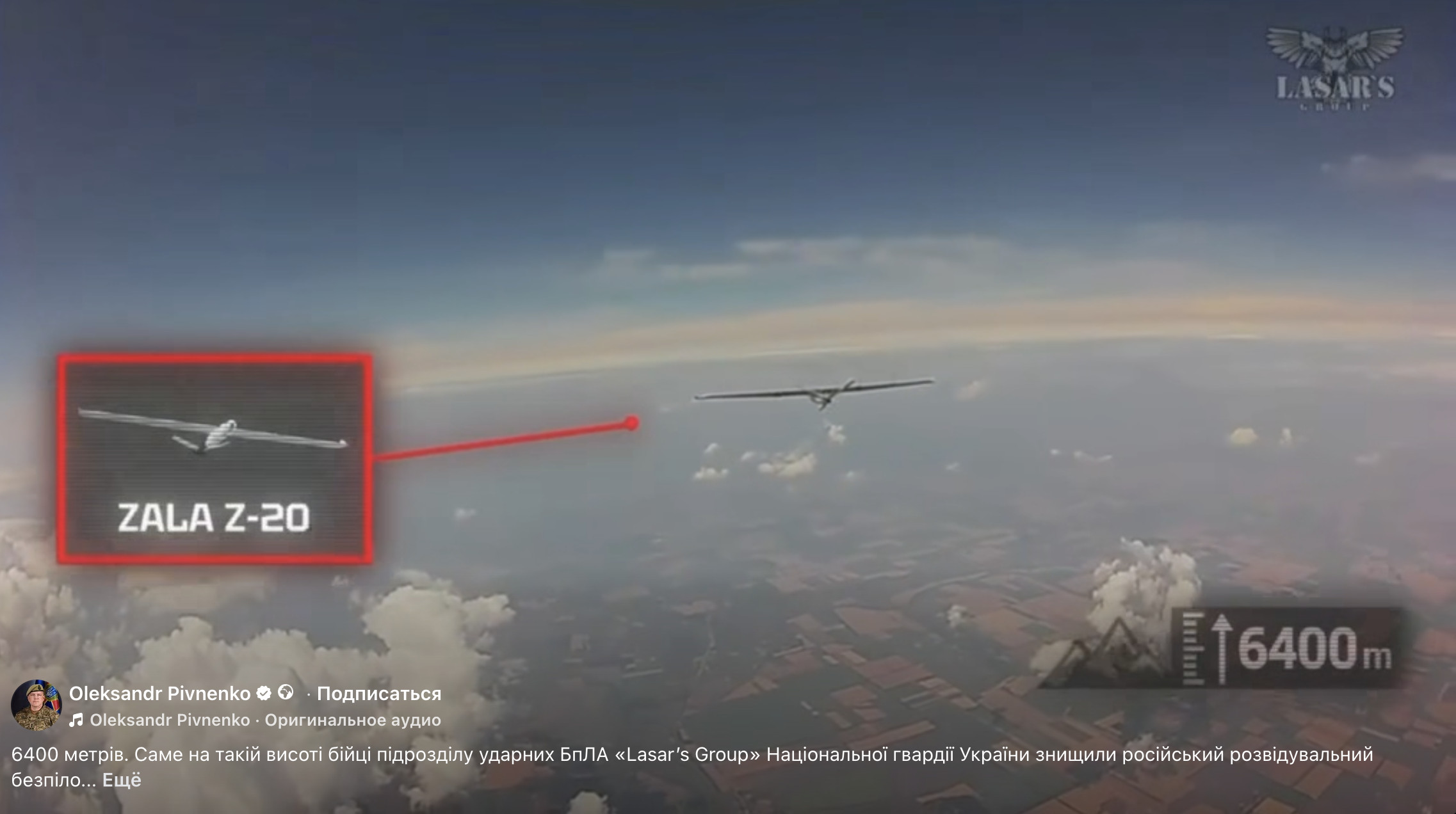
Ukrainian forces shot down a Russian ZALA Z-20 reconnaissance drone at 21,000 feet, one of the highest successful drone interceptions of the war. The drone was designed to operate beyond most counter-drone systems and was destroyed over southern Ukraine.
-

Innoviz Technologies, a company specializing in automotive LiDAR sensors, has secured its first defense contract to provide technology for counter-drone operations. The technology aims to accurately locate drone threats, addressing a long-standing issue in counter-drone operations. Innoviz's sensors, originally designed for self-driving cars, will be adapted for defense use.
-
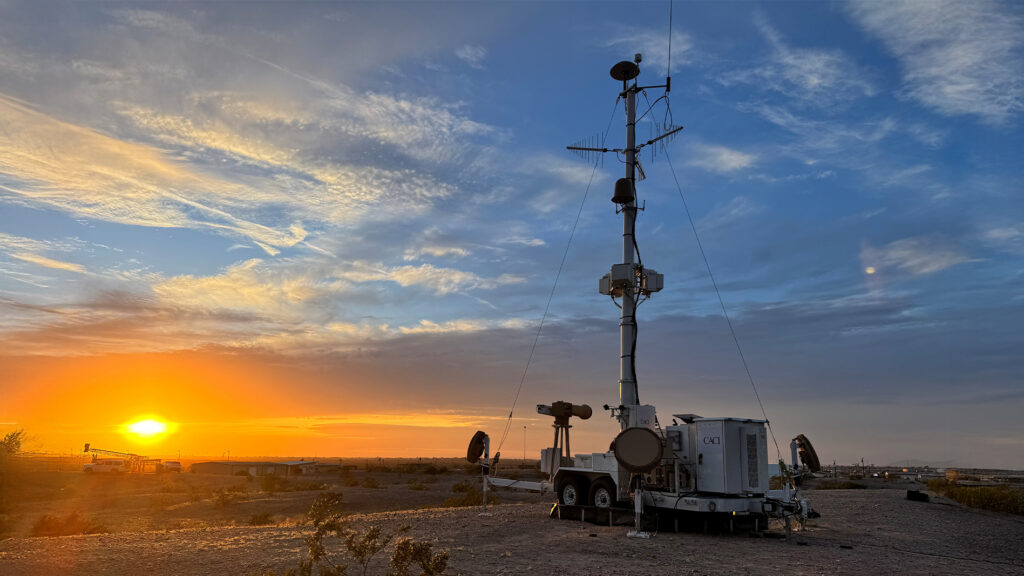
CACI has been awarded a $500 million contract by JIATF-401 for its non-kinetic counter-unmanned aerial systems (cUAS) technology, specifically the SkyValor drone defense system. The three-year indefinite-delivery, indefinite-quantity contract will enable CACI to deliver its SkyValor technology to support JIATF-401's Domestic Shield effort. This contract is a significant win for CACI, demonstrating the company's capabilities in drone defense systems.
-
US Air Forces in Europe – Air Forces Africa is enhancing its defense against unmanned aerial systems by fielding new equipment and improving training. This effort aims to strengthen the defensive posture in the region. The approach is layered and integrated, indicating a comprehensive strategy.
-
Counter-drone systems must be able to detect unknown drone types to effectively counter threats. This requires advanced detection capabilities, including AI and machine learning algorithms. The development of such systems is crucial for national security and defense.
-
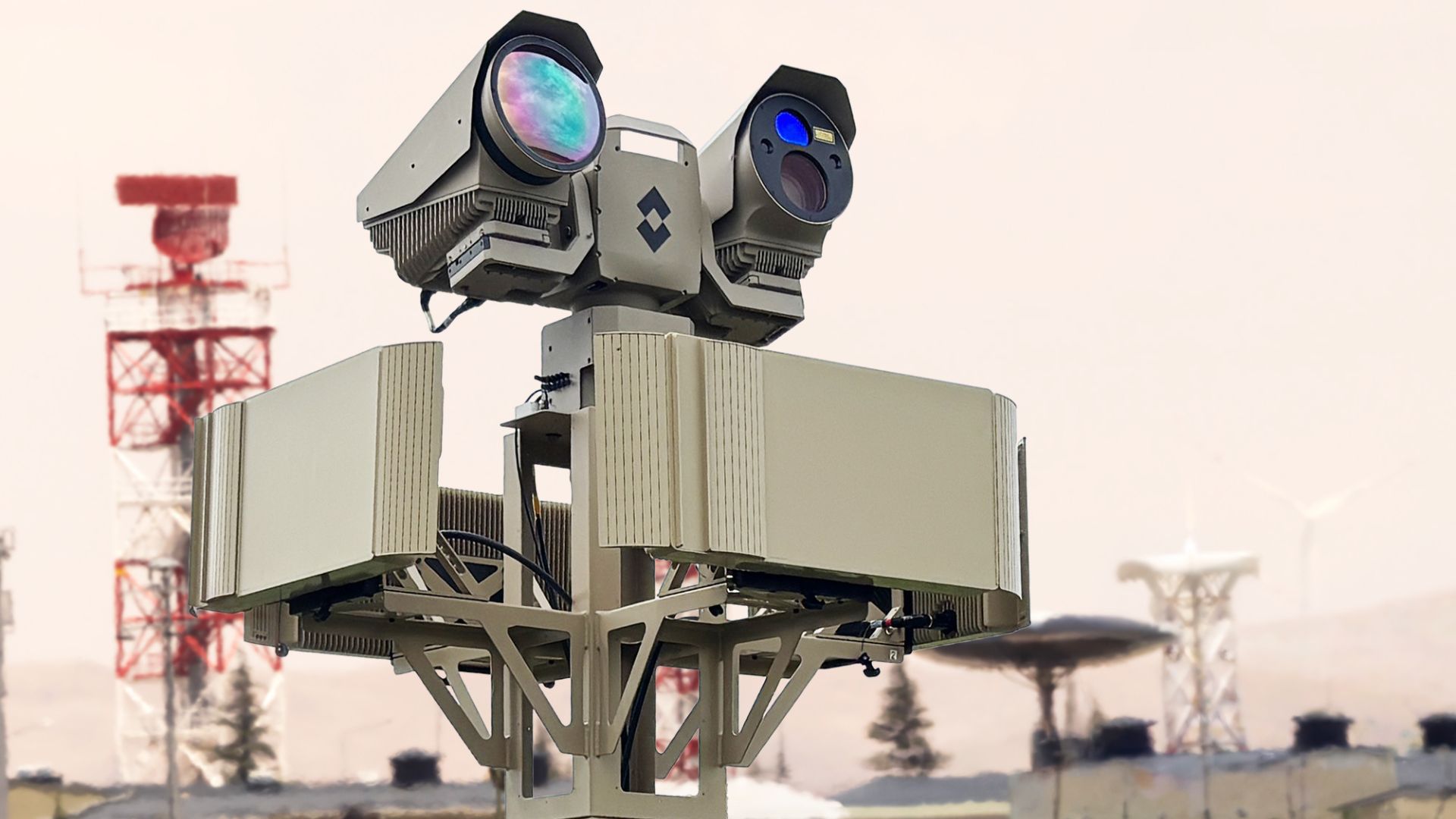
The US Air Force is expanding its counter-drone capabilities with a new delivery order, enhancing its 24/7 multi-sensor threat tracking capabilities. The expansion aims to improve the Air Force's ability to detect and defeat drone threats.
-

The 13th Marine Expeditionary Unit has fielded the Light Marine Air-Defense Integrated System (LMADIS) to enhance counter-drone capabilities. The system is being integrated into underway training aboard the USS Makin Island. Marines are working with the 3rd Low Altitude Air Defense to implement LMADIS.
-
The NATO Support and Procurement Agency has established framework contracts with five suppliers for tactical and deployable counter-unmanned aircraft systems. This move aims to provide Allies with faster access to C-UAS systems. The contracts will facilitate the procurement of counter-drone technologies.
-
French defence optics group Exosens plans to increase thermal camera production capacity to meet rising demand from drone and counter-drone programs. The company aims to triple its output by 2026. This expansion is driven by the growing need for advanced electro-optics in unmanned systems.
-
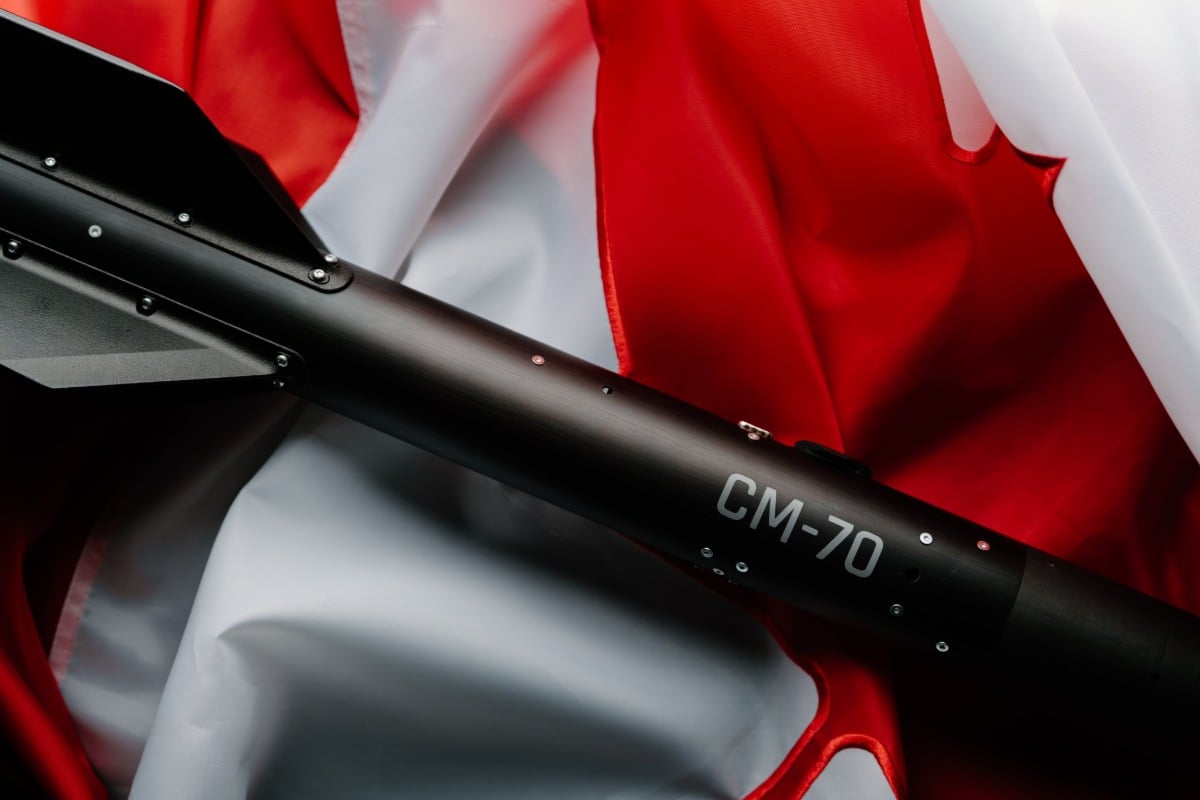
A Canadian startup, North Vector Dynamics, has created a small missile called the CM-70 to counter drone attacks. The missile weighs about as much as a housecat and could potentially defend against expensive drone attacks on critical infrastructure like power plants.
-
Northrop Grumman is expanding its counter-drone efforts with a dual-feed Bushmaster cannon and new proximity-fuzed ammunition. The M230LF Dual Feed Bushmaster Chain Gun can switch between anti-drone and anti-armor ammo reloading, enhancing battlefield versatility. This technology aims to protect front-line forces from drone threats.
-
The U.S. Marine Corps has fielded the Light Marine Air-Defense Integrated System aboard USS Makin Island to counter drone threats. This deployment is part of the Marine Corps' efforts to enhance amphibious defense. The LMADIS system is designed to protect against unmanned aerial vehicles.
-
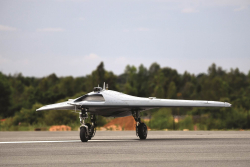
The Indian Army is accelerating the acquisition and deployment of drone and counter-drone capabilities. This move aims to enhance the army's unmanned aerial assets and countermeasures against enemy drones. The development underscores India's efforts to modernize its military technology
-

Axon Vision and ParaZero Technologies are collaborating on an integrated counter-drone system to protect critical infrastructure sites. The system aims to neutralize incoming drones without destroying them. This partnership combines the expertise of both Israeli firms to develop a comprehensive solution.
-
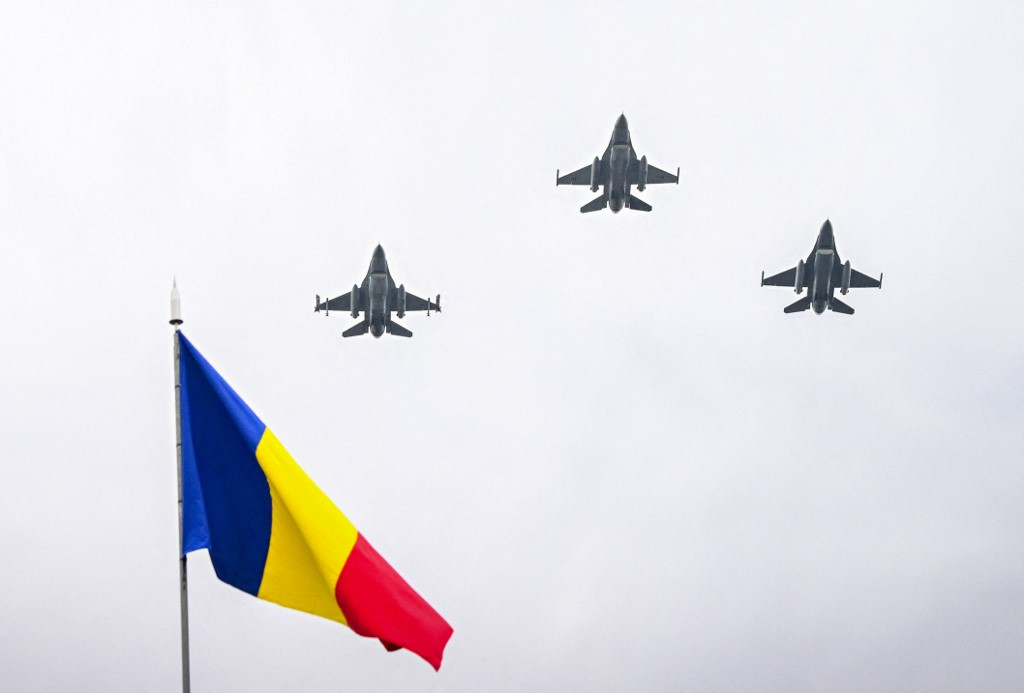
Romania spent €1.5 million to shoot down three Russian drones that entered its airspace in three days, highlighting the high cost of defending NATO borders. This incident is driving efforts to deploy more affordable counter-drone systems. The expenditure underscores the financial burden of defending against drone threats.
-
Amazon is seeking approval for a 5,105-satellite constellation for direct-to-device services.
-
ST Engineering has secured new counter-drone deployments in Asia to protect against unmanned aerial threats. The company is expanding its footprint in air defense and critical infrastructure outside Singapore. This move strengthens protection for defense and security agencies in the region.
-
Thales and Destinus have signed a strategic cooperation agreement to work together on counter-UAS systems, long-range strike, and ground-based air interception. The partnership aims to enhance NATO's air defence capabilities. This collaboration will focus on developing and producing advanced systems for air defence and counter-drone interceptors.
-
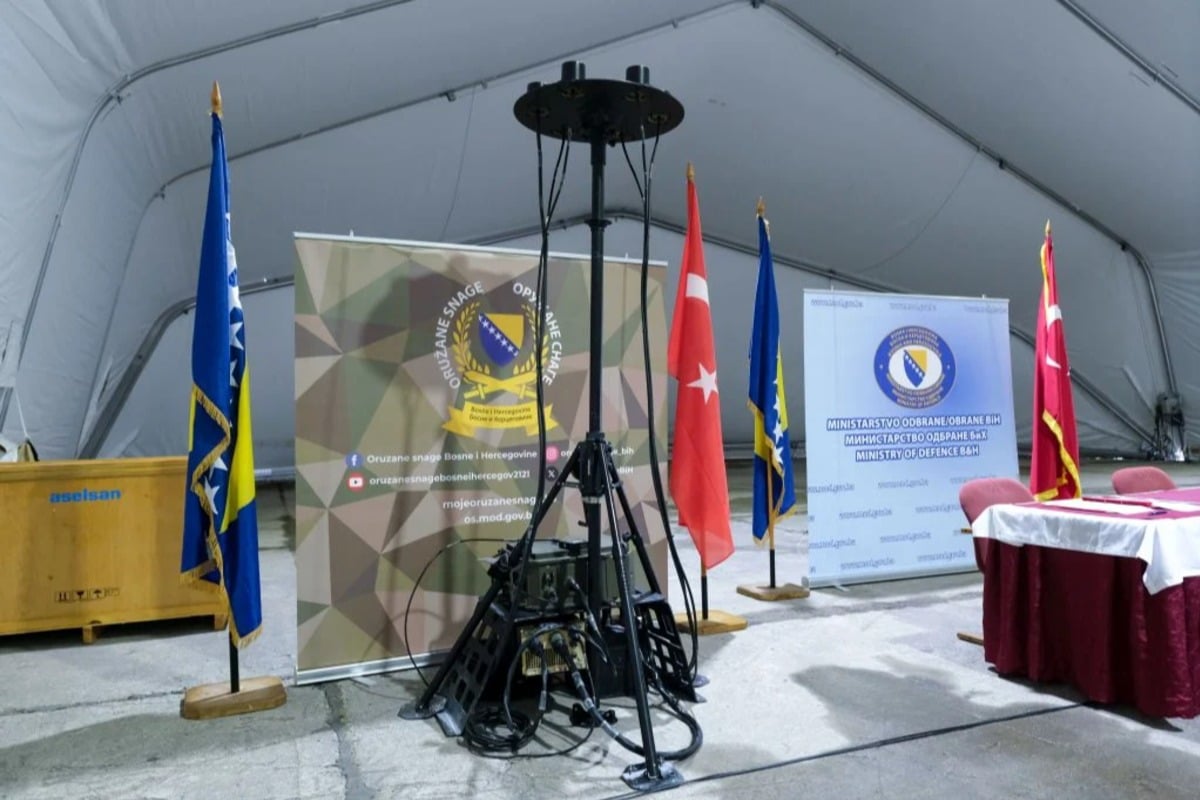
Bosnia and Herzegovina has signed a contract to acquire 10 KANGAL/ADL 100 radio-frequency jamming systems from Turkish defense manufacturer ASELSAN. This deal strengthens the defense relationship between the two countries, which has already included the transfer of Turkish-made drones and counter-drone hardware. The new systems will enhance Bosnia's capabilities to counter drone threats.
-
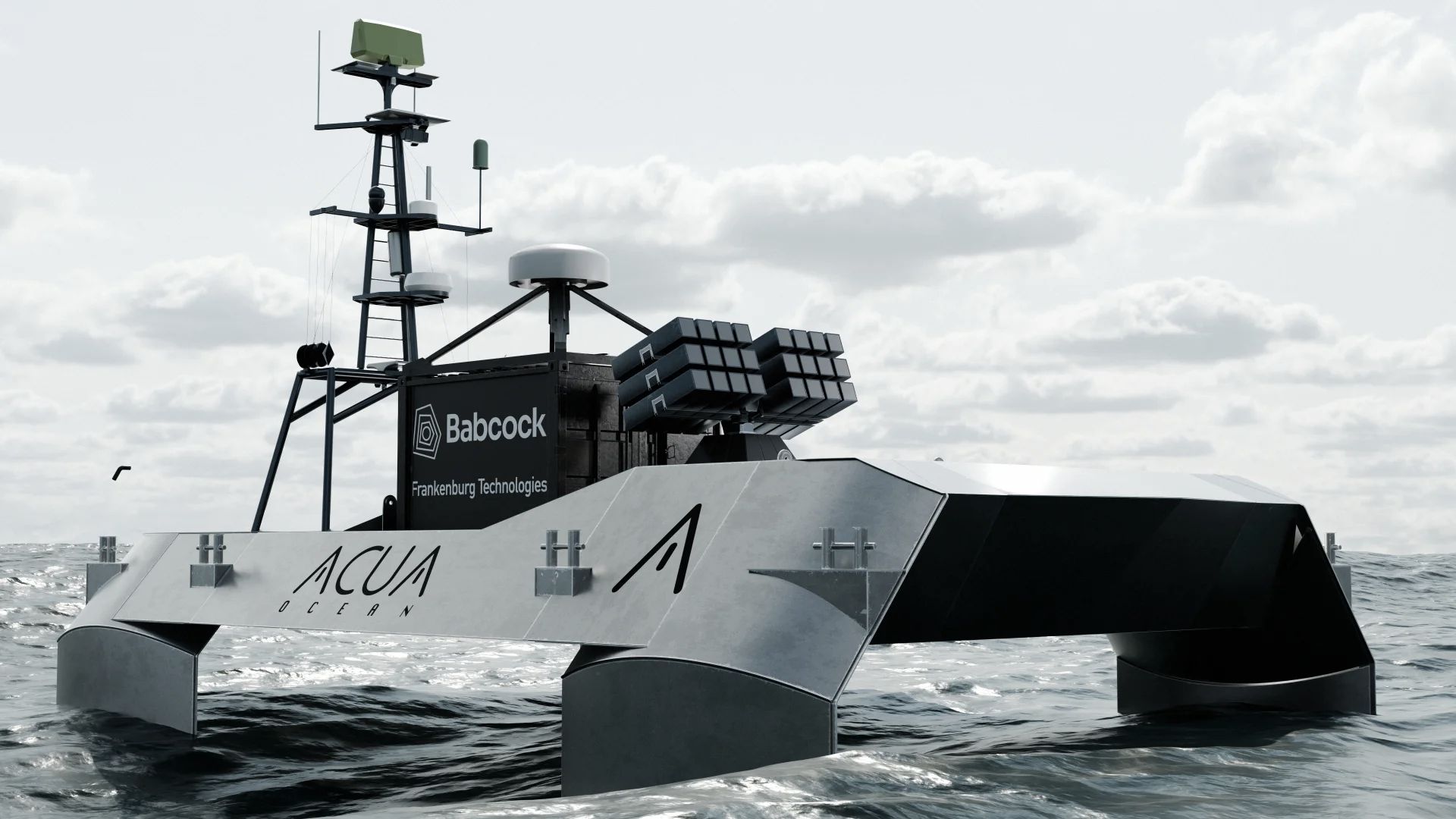
Estonian defense company Frankenburg Technologies partners with Babcock to develop a next-gen maritime counter-drone system. The system will utilize precision-guided missile systems to bolster defense. This collaboration aims to enhance defense capabilities against drone threats.
-
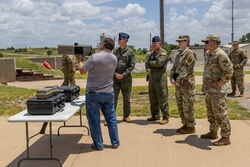
Fort Sill and Altus Air Force Base leaders met to discuss joint force modernization and counter-drone operations. The visit highlighted Fort Sill's role in Army transformation and future military capabilities. Discussions focused on large-scale command and joint training initiatives.
-
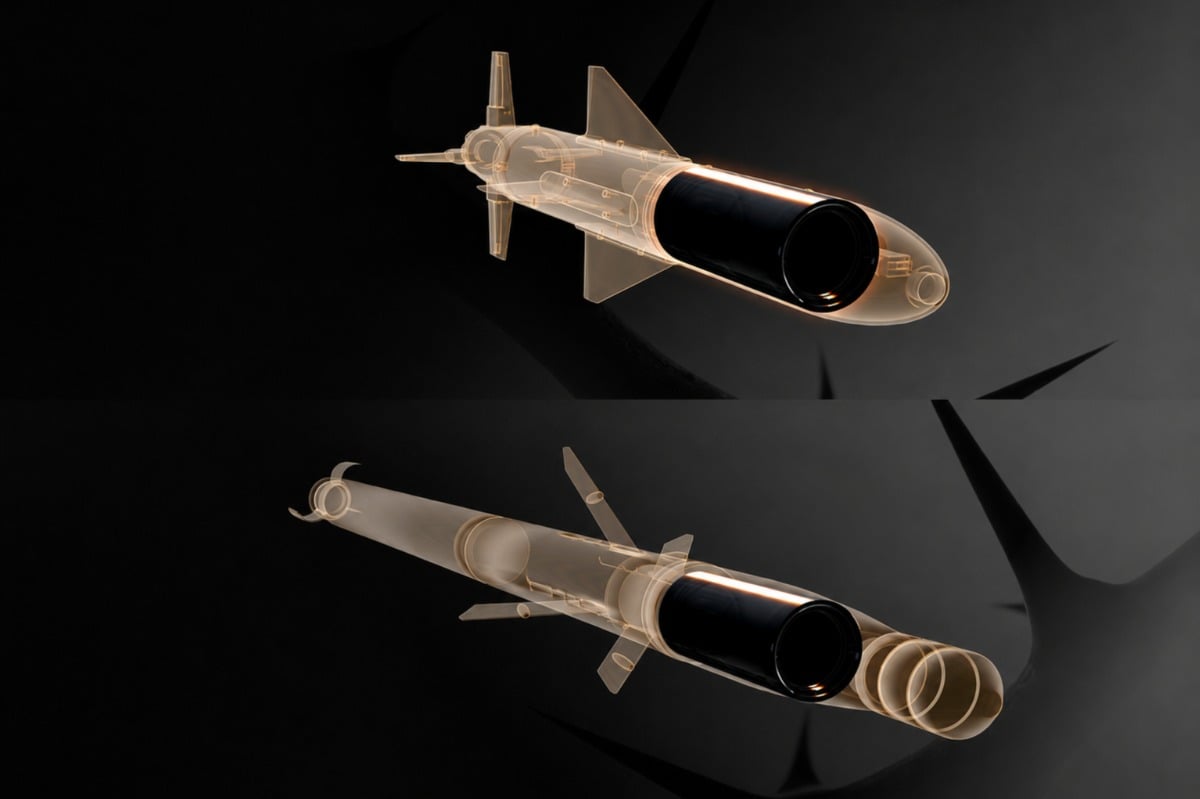
BAE Systems has introduced BlackThorn, a new family of modular warheads designed for modern warfare. The warheads are built for use in various platforms, including drones, missiles, and unmanned ground vehicles. The modular design allows the same core technology to be used across different applications.
-
The United States conducted its largest test of counter-drone defense during the 2026 World Cup, seizing over 500 drones. The test's success may lead to a permanent adoption of the counter-drone playbook.
-
The Army's heavy units are experiencing capability gaps in counter-drone technology, according to a report. This gap poses a significant threat to national security.
-
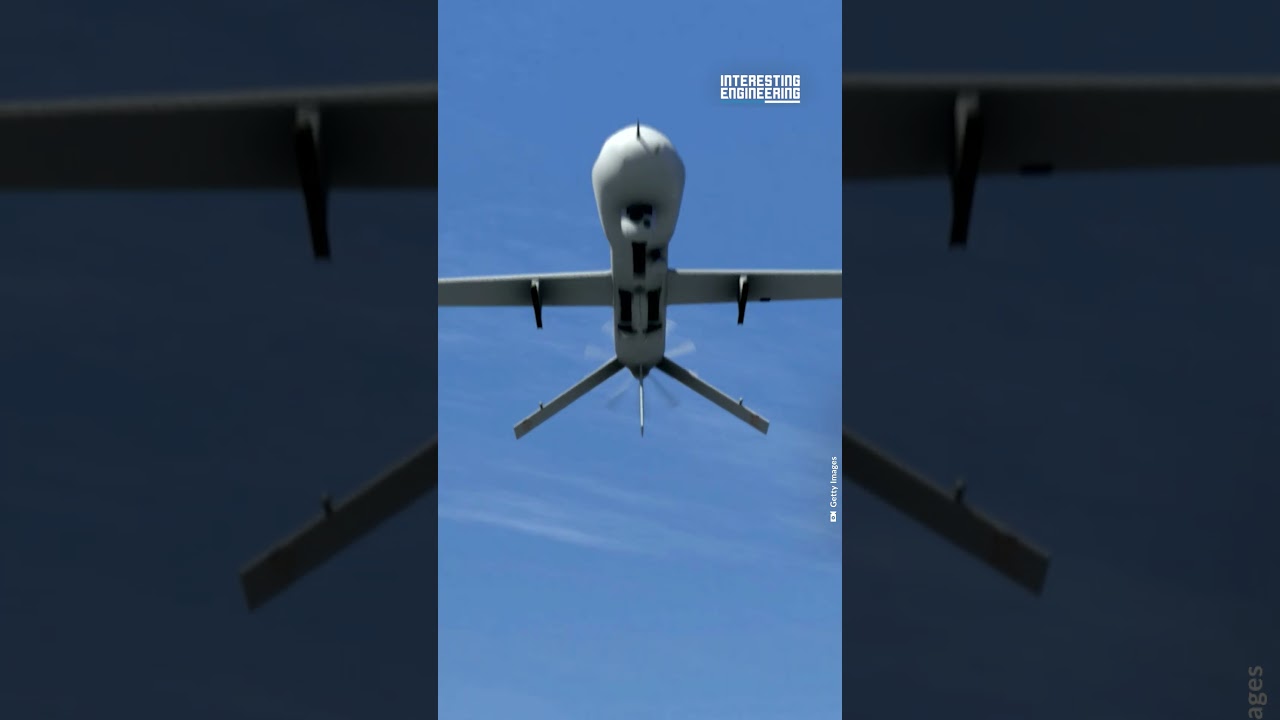
A US defense manufacturer has unveiled a reusable microwave drone-killer that can take down 50 UAVs per mission. The system is designed to counter drone threats. This technology has the potential to revolutionize counter-drone operations.
-
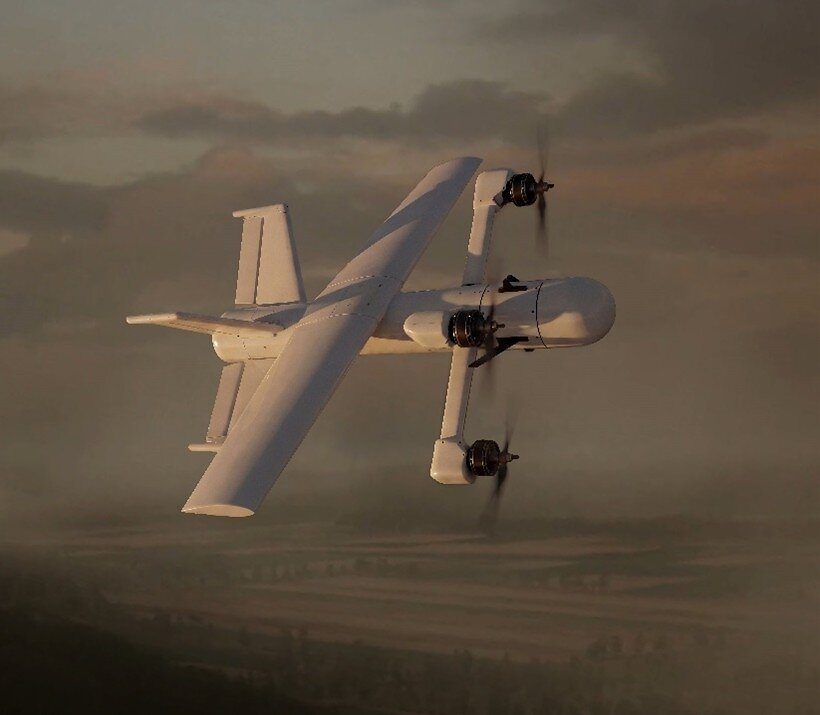
Lockheed Martin is introducing the Morfius X-Rotor, a recoverable counter-drone system capable of neutralizing 50 enemy drones in a single flight. This system is designed to counter the growing threat of enemy drones. The Morfius X-Rotor's capabilities make it a significant development in counter-drone technology.
-
Rafael, an Israeli company, is showcasing its combat-proven air defence, precision strike, and counter-drone systems at Farnborough. The company's focus includes precision strike, airborne intelligence, communications, cyber, satellites, air defence, and counter-UAS capabilities. This display comes amid global rearmament efforts.
-
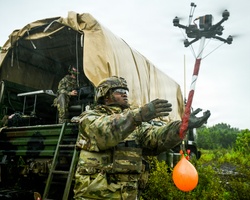
The 1st Cavalry Division is enhancing its counter-drone capabilities through a new qualification program. Soldiers are being trained to address the growing threat of drones on the modern battlefield. The program aims to prepare troops for this emerging challenge.
-
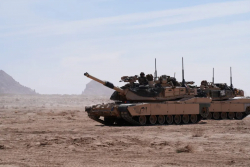
The US Army's heavy units are experiencing capability gaps in countering enemy drones, which could hinder their ability to maneuver. Commanders are emphasizing the need for rapid solutions to address this issue. The lack of effective counter-drone capabilities poses a significant challenge to the Army's operations.
-
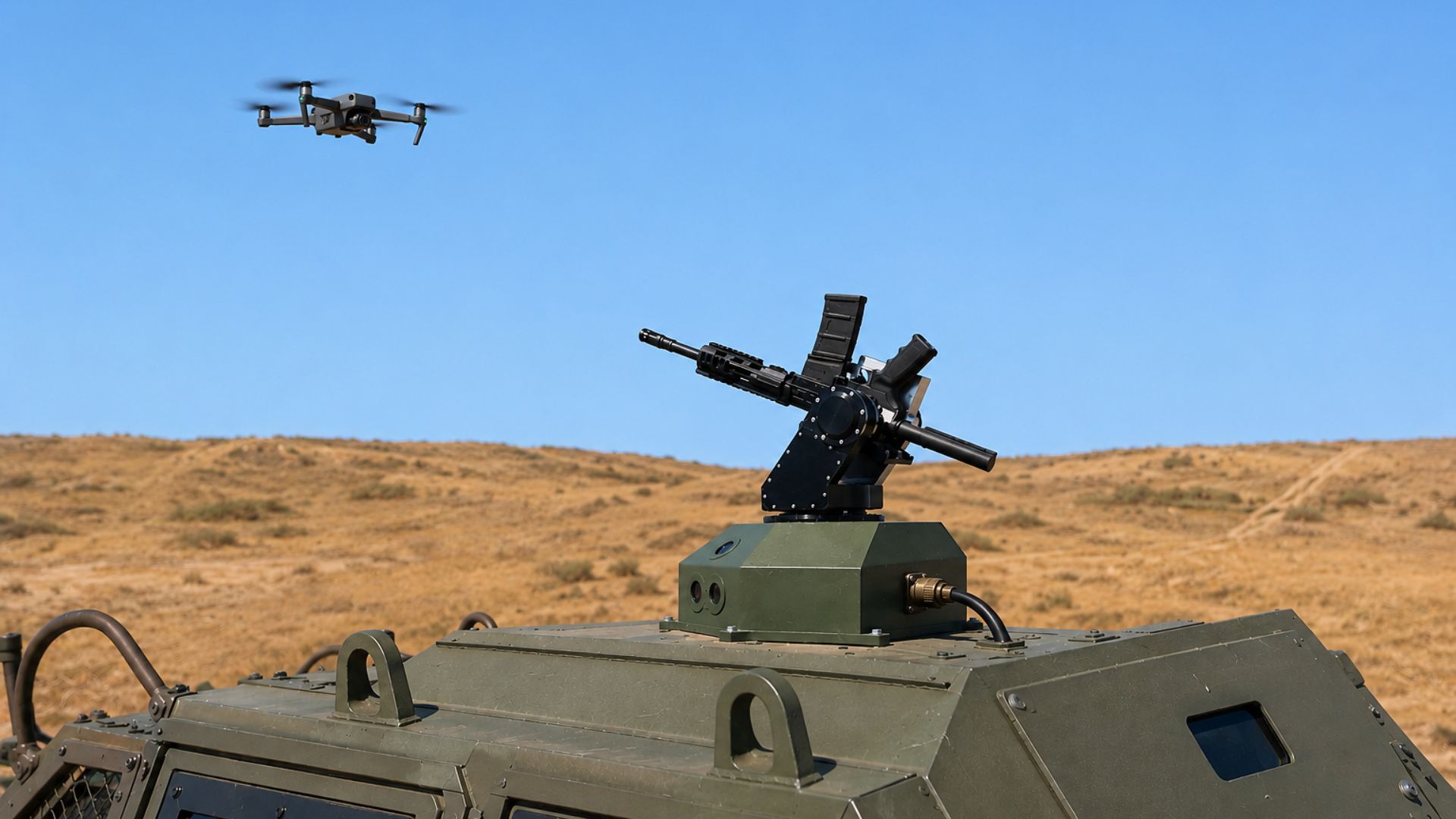
Axon Vision introduces ForceField, a counter-drone protection system that stops FPV drone attacks without emitting signals. The system is designed to protect against drone threats. ForceField is a new development in counter-UAS technology.
-
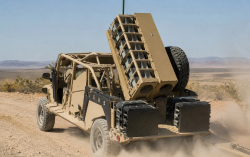
The US Army is accelerating electronic warfare capabilities for Counter-Unmanned Aerial Systems (C-UAS) and is testing a novel weapon that uses magnets to fire interceptors. This technology replaces traditional gunpowder or rocket fuel with magnetic propulsion. The Army's involvement aims to enhance its C-UAS capabilities.