Autonomy
▬Steady 40 recent stories · 368 total mentions · Following ↗
-

Anduril Industries' founder, Palmer Luckey, has publicly accused The Wall Street Journal of running a false story about a drone boat factory. The dispute is playing out on social media, with Luckey claiming the newspaper knew the story was untrue. Anduril is a defense technology company that specializes in autonomous systems, including drones.
-

The Navy's portfolio acquisition executive for robotics and autonomous systems has been removed from the position after 8 months. Chris Miller, the head of PAE Maritime, will take over the role. The position was created as part of a broader acquisition overhaul last year.
-

A patented machine vision technology enables autonomous drones to recognize objects with increasing accuracy, even without GPS. This innovation enhances the capabilities of drones in various applications. The technology allows drones to confirm the identity of objects they are looking at, improving their autonomy and decision-making abilities.
-
Rolls-Royce anticipates growth in the market for autonomous propulsion due to government investment in unmanned military aircraft. The company sees opportunities in UK spending and projects like the MQ-25A and German CCA engine. Autonomous propulsion is expected to expand in the unmanned military aircraft market.
-
The Unmanned Surface Vessel Division (USVDIV) 32 conducted a live-fire exercise at RIMPAC 2026, utilizing the Global Autonomous Reconnaissance Craft (GARC) to refine tactics and demonstrate readiness. The exercise took place on July 17. This event showcases the division's capabilities in autonomous reconnaissance and live-fire engagements.
-
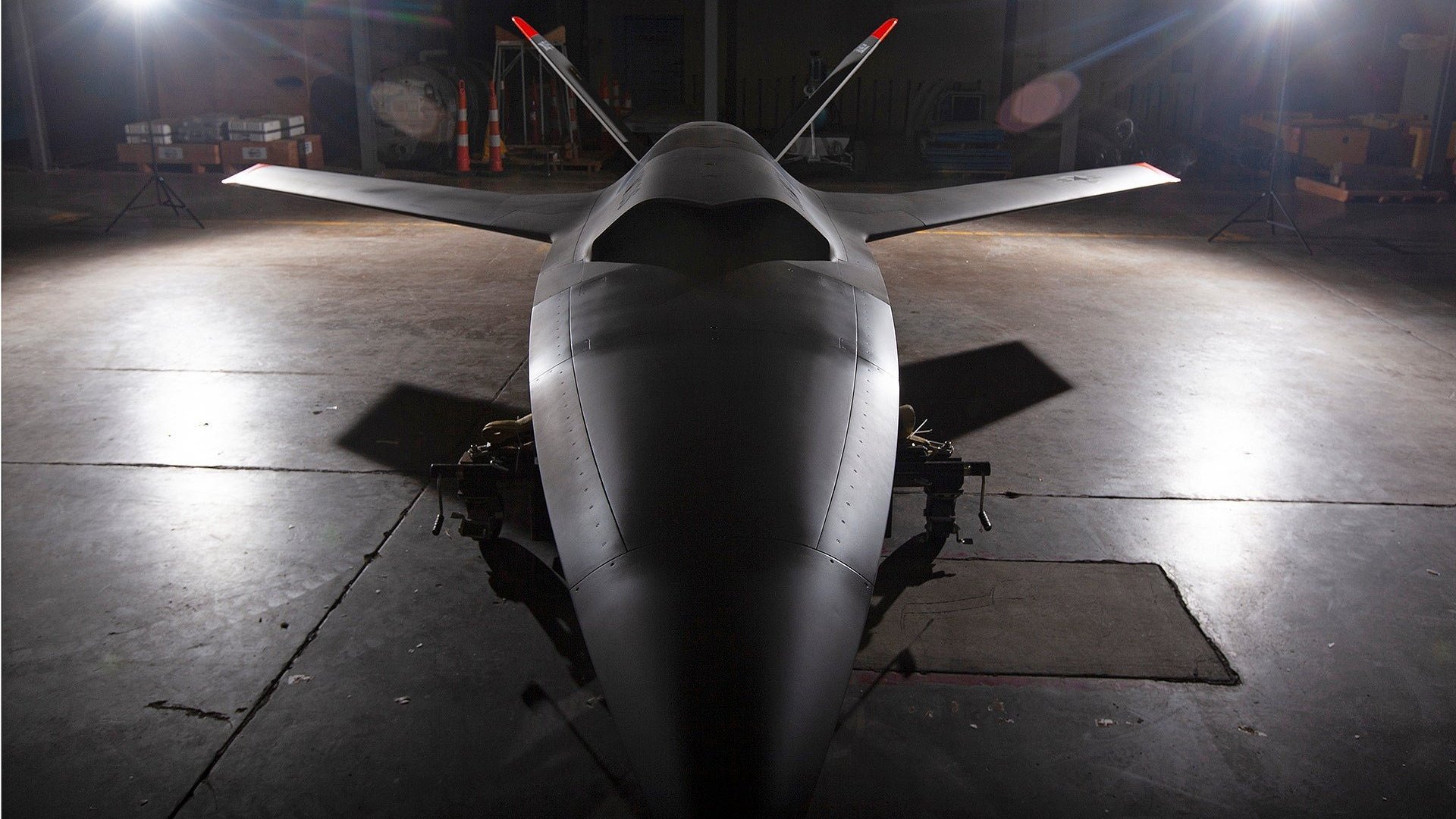
The XQ-58 Valkyrie drone, a stealthy autonomous drone, crashed at Dugway Proving Ground in Utah during a test. The manufacturer, Kratos, reported the incident occurred upon takeoff while in a test configuration.
-
The Air Force has conducted experiments with the X-62 VISTA, completing 27 autonomous air intercepts across eight flights. The tests utilized live, AI-enabled intercepts, marking a significant advancement in autonomous flight capabilities. This development has the potential to enhance the Air Force's operational effectiveness.
-
BAE Systems CEO discusses the role of autonomous combat aircraft and low-cost drones in future military forces. These systems are expected to complement major platforms, supporting long-term growth. Drones and autonomous systems will become a larger part of military forces without displacing high-end platforms.
-

Raytheon's autonomous launcher has successfully passed a major U.S. Army field test, demonstrating its ability to fire a cruise missile and then be reconfigured to shoot down an incoming enemy missile without a soldier in the driver's seat. The launcher can operate driverless and reconfigure within the same mission. This capability was detailed by Raytheon, the missile and defense systems business of RTX.
-
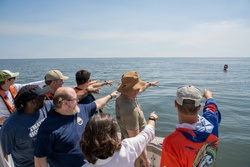
The US Navy and Oshen have successfully mapped shallow waters using an autonomous vessel. The test was conducted off the Mississippi coast to accelerate autonomous maritime technology development.
-

The X-62 VISTA aircraft, controlled by AI agents, executed 27 autonomous intercepts of airborne targets using data from a Legion Infrared Search and Track pod. This was achieved through a collaboration between the U.S. Air Force and Lockheed Martin's Skunk Works division. The tests were conducted as part of the Test Pilot School's program.
-
Lockheed Martin Skunk Works and the US Air Force Test Pilot School have successfully completed 27 AI-controlled fighter intercepts using live sensor data aboard the X-62 test aircraft. The tests were conducted over eight X-62 flights, demonstrating the potential of AI in autonomous fighter operations. The intercepts utilized live infrared sensor data to execute autonomous intercepts.
-

The Singapore Navy has deployed COMET-MCM autonomous underwater vehicles (AUVs) to detect and identify naval mines, marking a major milestone in modernizing its mine countermeasures capabilities. The AUVs are designed to enhance the navy's ability to counter naval mines. This deployment is a result of a collaboration between the Republic of Singapore Navy, the Defence Science and Technology Agency, and RTsys Underwater Technologies.
-

The Army Contracting Command - Detroit Arsenal is using agile acquisition to deliver autonomous breaching capabilities to heavy armor units, bypassing traditional contracting timelines. This approach enables faster deployment of critical technologies. The ACC-Detroit team is streamlining processes to meet urgent operational needs.
-
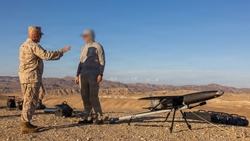
The 2nd Marine Division's Unmanned Systems Center of Excellence completed training with Perennial Autonomy, testing autonomous drone platforms. The training included tests of multiple drones, such as the Bumblebee V1 quadcopter and the Hornet mid-range strike drone. This integration aims to enhance the division's warfighting capabilities through autonomous systems.
-
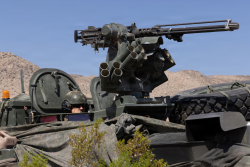
The Pentagon is integrating AI into Stryker brigades, combining them with autonomous drones and multi-domain networks to enhance combat decision-making. This initiative aims to accelerate the decision-making process in combat situations. Army commanders are leading this effort to fuse these technologies and improve tactical capabilities.
-
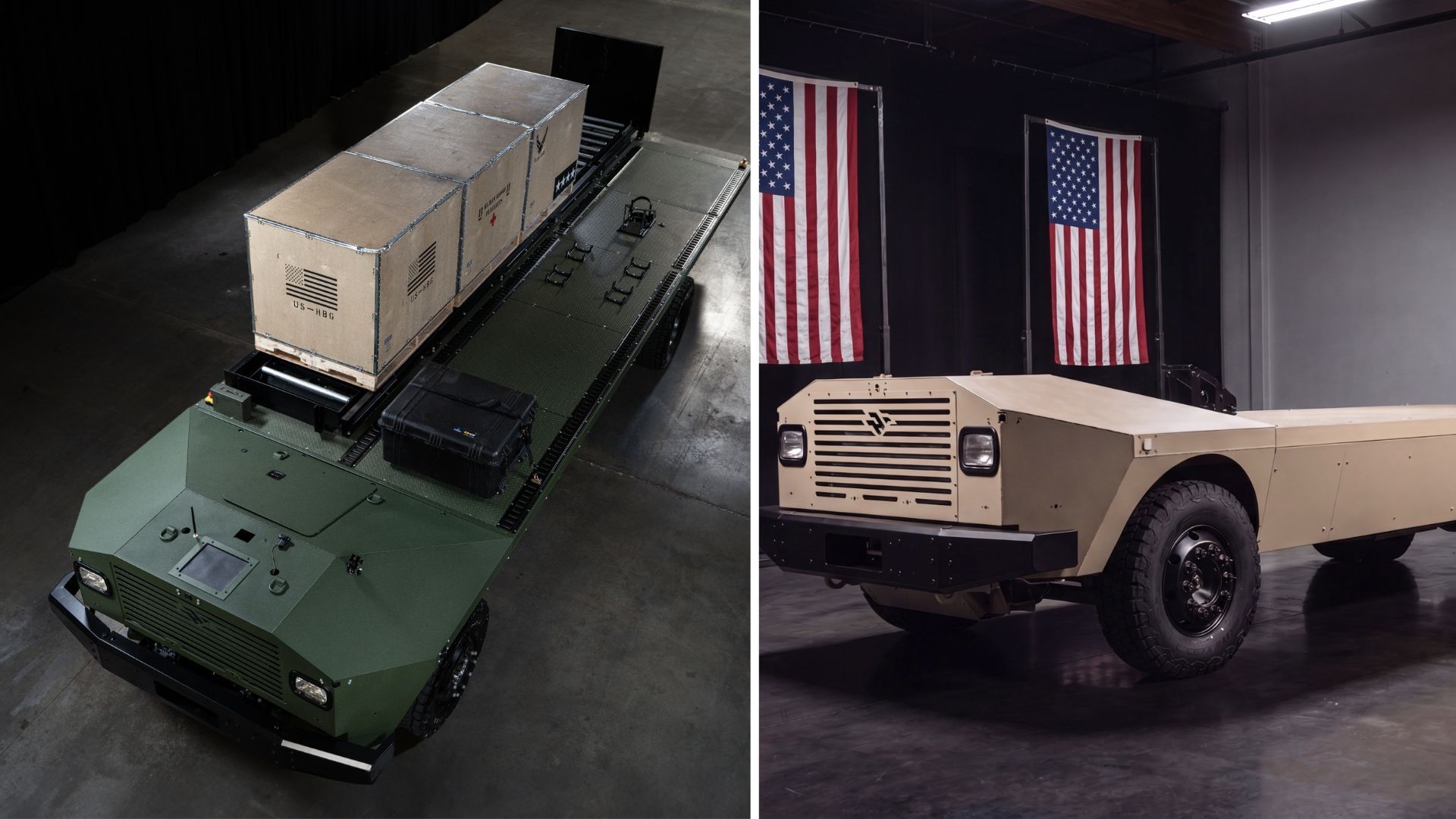
The US Army is set to receive a new type of autonomous, hybrid-powered uncrewed ground vehicle that can transform modern war. This new technology is expected to boost the army's capabilities. The vehicles are designed to be autonomous and hybrid-powered, making them a significant advancement in military technology.
-

The U.S. Navy has selected six companies to create high-resolution maps of the seabed in the Indian and Pacific oceans using unmanned vessels. This effort aims to reduce reliance on large, crewed survey ships. The selected companies will utilize long-endurance unmanned vessels for this task.
-
The U.S. Army has tested an experimental autonomous rocket launcher and robotic resupply system at Fort Irwin, California. The test was part of Project Convergence Capstone 6, showcasing advanced military technologies. The system includes a mobile command system for enhanced operational capabilities.
-

The US Army is evaluating the DropShip drone, an electric cargo drone designed for risky resupply missions. The drone has been flying nonstop supply runs, hauling goods such as field rations and medical gear to hard-to-reach locations. The drone was developed by Pyka, an autonomous aviation company based in California.
-
American Rheinmetall has won an 18-month US Army contract to develop hybrid autonomous logistics vehicles for contested battlefield supply missions. The contract is part of the Army's Project Sustainment program and will utilize Harbinger's plug-in hybrid vehicle platform. The goal is to deliver uncrewed vehicles capable of operating in contested environments.
-
Rolls-Royce has increased its defence margin to 21% due to advancements in autonomous propulsion and military engine orders. The company's underlying operating profit rose 46% to £2.53 billion in the first half of the year. This growth has led Rolls-Royce to raise its 2026 guidance.
-
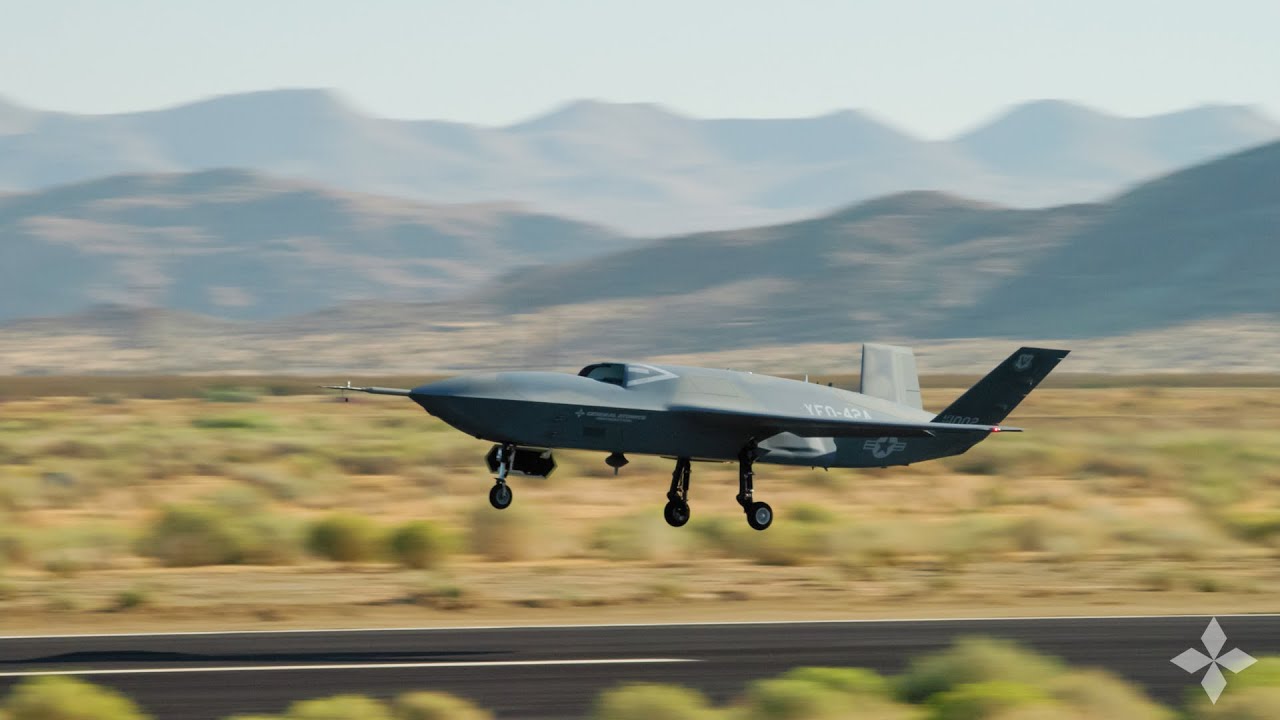
The US Air Force is shortlisting 6 companies for its 'loyal wingman' program, which aims to develop autonomous combat drones that can operate alongside crewed aircraft. This program is part of a global trend of military forces investing in autonomous combat drones. The selected companies will play a crucial role in shaping the future of combat drone technology.
-
Hop Aero has launched its autonomous suborbital rocket, Rook, with the goal of delivering cargo via rocket. The company launched on Y Combinator this week.
-
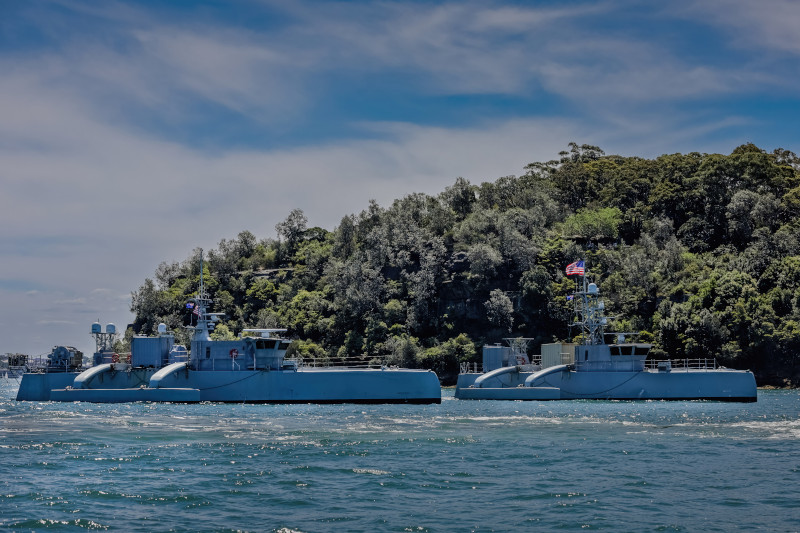
Predictive artificial intelligence and autonomy are expected to reshape logistics sustainment across the Pacific, addressing challenges known as the 'four tyrannies'. This will enhance the efficiency and effectiveness of logistics operations. The use of AI and autonomy will enable more accurate predictions and better decision-making, ultimately improving the flow of logistics.
-
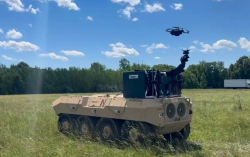
US firms are developing unmanned ground vehicles (UGVs) that can launch and recover aerial drones without human intervention. This autonomous platform enables drones to operate from moving ground vehicles, enhancing their capabilities. The technology has potential applications in various military operations.
-
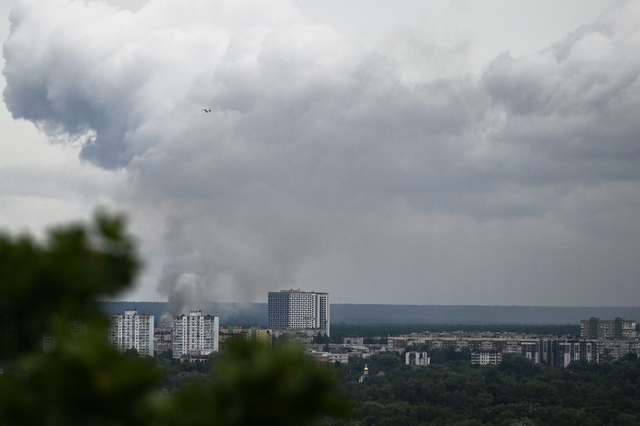
Russian forces attacked Kyiv with missiles, causing fires in several districts. The Air Force warned of missiles heading toward Kyiv, Dnipro, and Kryvyi Rih.
-
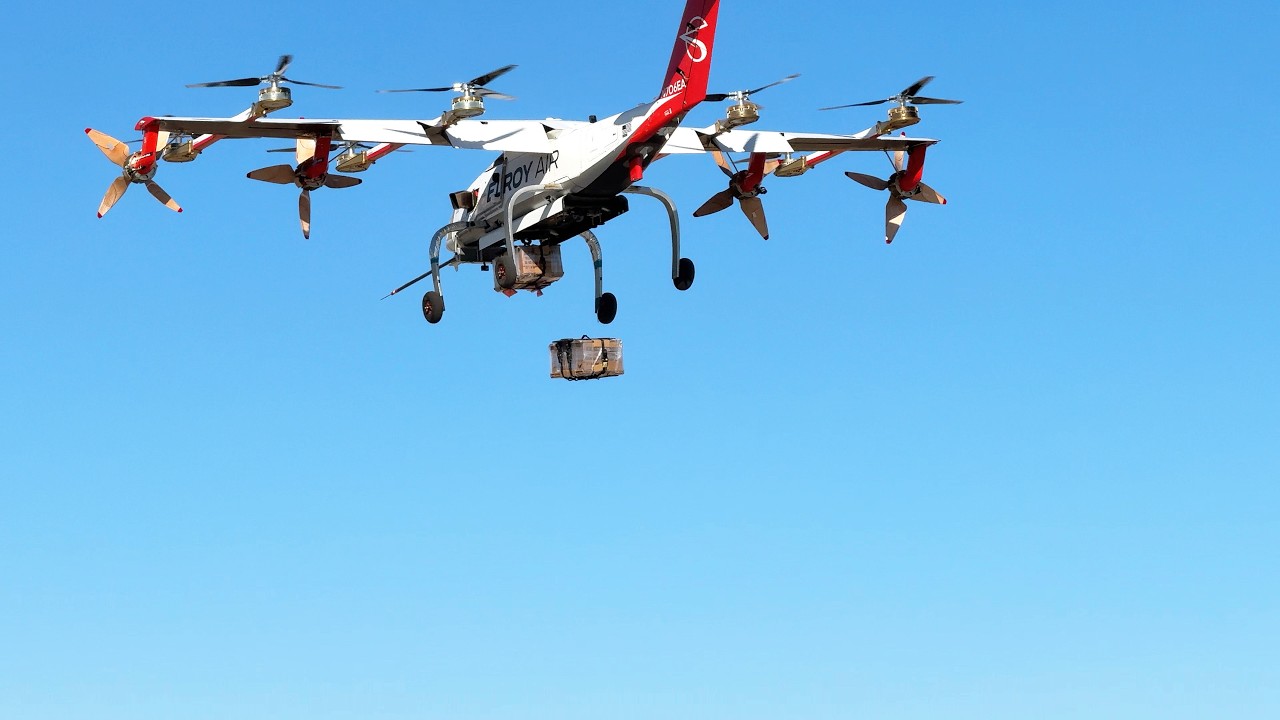
The Elroy Air Chaparral cargo aircraft has successfully delivered cargo in three different ways without ground crews. This autonomous aircraft is backed by the US Army and has expanded its mission profile. The Chaparral's capabilities demonstrate advancements in autonomous cargo delivery systems.
-
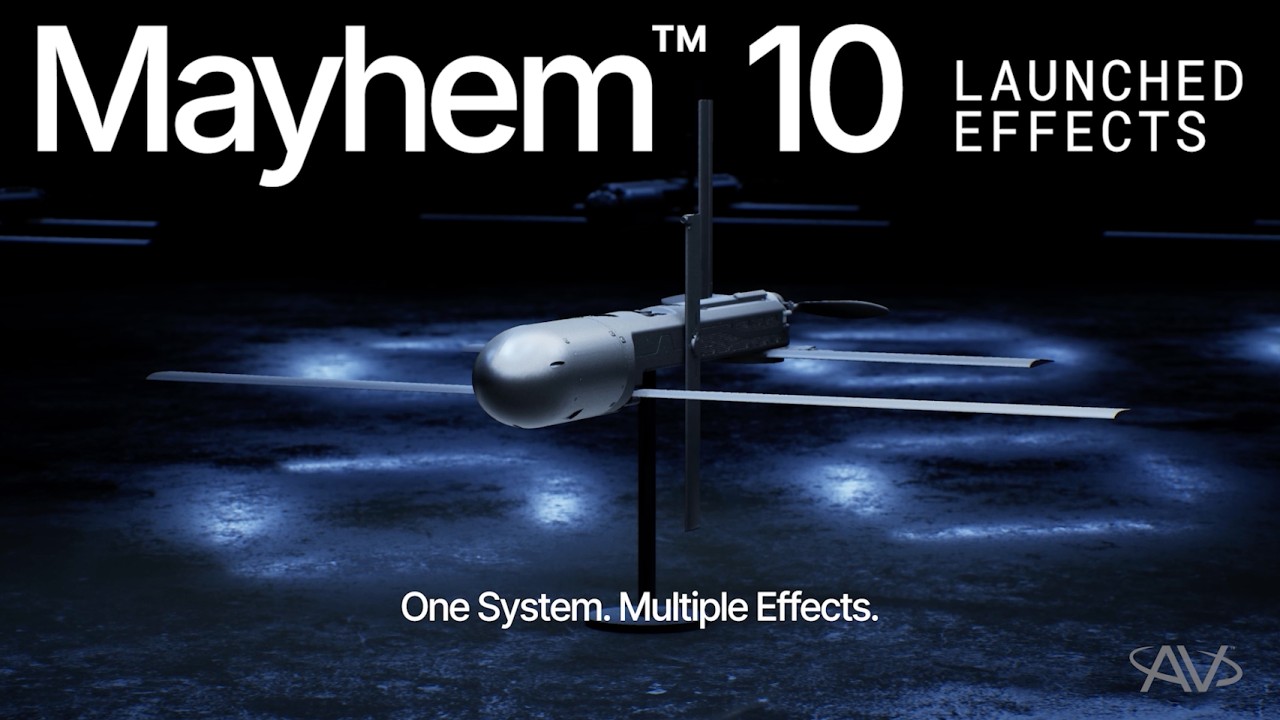
AeroVironment's Mayhem 10 launched effects system is being upgraded with autonomous swarm capabilities for coordinated strike missions. This technology enables multiple drones to operate together, enhancing their effectiveness in various scenarios. The system is designed for payload delivery and can be used in different environments.
-

The US Space Force has awarded SpaceX a $1.6 billion contract for 18 Falcon 9 launches to deploy sensing and targeting satellites. The contract is part of the Space Force's National Security Space Launch (NSSL) Phase 3 Lane 1 program. The launches will carry payloads for the Space Based Sensing and Targeting portfolio and will support military communications and targeting missions.
-

BAE Systems and Lockheed Martin are developing the Blizzard autonomous aircraft for electronic warfare and air-defense suppression missions. The companies are exploring palletized deployment from transport aircraft.
-
The USS Stout and USS Jason Dunham completed a Limited Integrated Training Exercise, designed to prepare naval forces for deployment. The exercise was led by Commander, Carrier Strike Group 4.
-
Israel Aerospace Industries (IAI) is partnering with US-based Merlin to develop autonomous commercial cargo aircraft. The collaboration aims to leverage Merlin's engineering expertise in cargo conversion to advance the development of autonomous freighters.
-
AV and Applied Intuition are partnering to bring collaborative autonomy to the new Mayhem 10 drone. The partnership will utilize Applied Intuition's Acuity ISR/Strike software to deliver next-generation capabilities. The software is platform-agnostic and includes operator oversight.
-

The US Air Force conducted an Agile Combat Employment exercise with Collaborative Combat Aircraft at Creech Air Force Base in Nevada. The exercise tested the uncrewed aircraft in realistic operational environments. The goal is to move the CCAs closer to operational use.
-

The UK's BAE Systems has unveiled its Brontanax collaborative combat aircraft, a new class of CCA. The unveiling propels the UK to the top table of the CCA market. The US Air Force has also ordered its first operational examples of a CCA.
-
Honeywell and Shield AI are partnering to develop AI-powered flight autonomy for defense and commercial aviation. The partnership aims to enhance navigation and autonomy in aircraft. Honeywell is also expanding its European defense navigation business with Civitanavi systems.
-
DARPA and the US Air Force have begun flight testing an F-16 controlled by an artificial intelligence agent, advancing autonomous combat capabilities. The tests aim to move autonomous combat technology onto a standard fighter platform.
-
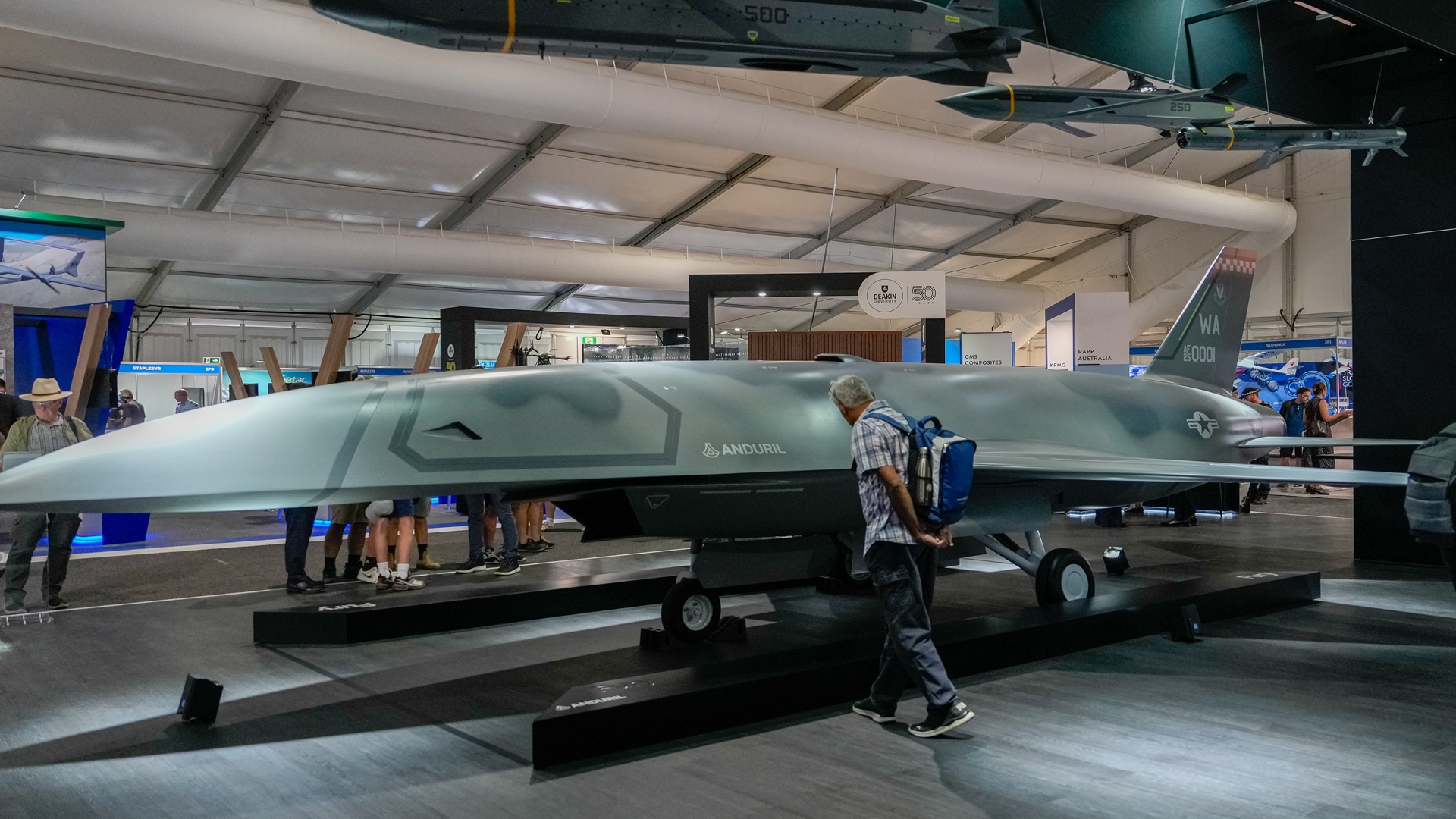
Anduril Industries has completed its first Ohio-built Fury fighter, an unmanned, semi-autonomous aircraft, at its Arsenal-1 factory. The production milestone was achieved 557 days after the factory's launch. The Fury fighter is part of the US CCA program.
-
HENSOLDT will supply its CAIRAS missile warning system for Helsing's CA-1 Europa autonomous combat aircraft. This marks the technology's first deployment on the platform, bringing missile warning capabilities to autonomous combat aircraft. The system will enhance the aircraft's survivability and effectiveness in combat scenarios.