Quantum
▬Steady 40 recent stories · 127 total mentions · Following ↗
-

IonQ, a quantum computing company, has partnered with Sandia National Laboratories to advance quantum technology. This partnership aims to boost defense innovations through the development of quantum tech. The collaboration is based on a Memorandum of Understanding (MoU) signed between the two entities.
-

Quantum technologies are transitioning from fundamental science to applied domains, potentially enhancing military capabilities. This shift could lead to significant advancements in various fields, including computing, communication, and sensing. As a result, modern military forces may experience a substantial leap in their operational effectiveness.
-

US firms IonQ and EPB have partnered to establish a next-generation quantum communications research lab. This lab will focus on advancing quantum technology, which has significant implications for secure communication. The collaboration aims to drive innovation in this field.
-

Lockheed Martin is investing in AI, quantum, and space-based interceptors to advance defense technology. Their work includes missile defense systems like Golden Dome.
-

A German reconnaissance drone operating over Ukraine has been upgraded with a new paint job and a rearward-facing camera to counter interceptor drone threats. The changes are a direct response to the growing threat of drones designed to hunt down reconnaissance aircraft. Quantum Systems, the German drone manufacturer, has implemented these upgrades to enhance the drone's survivability.
-
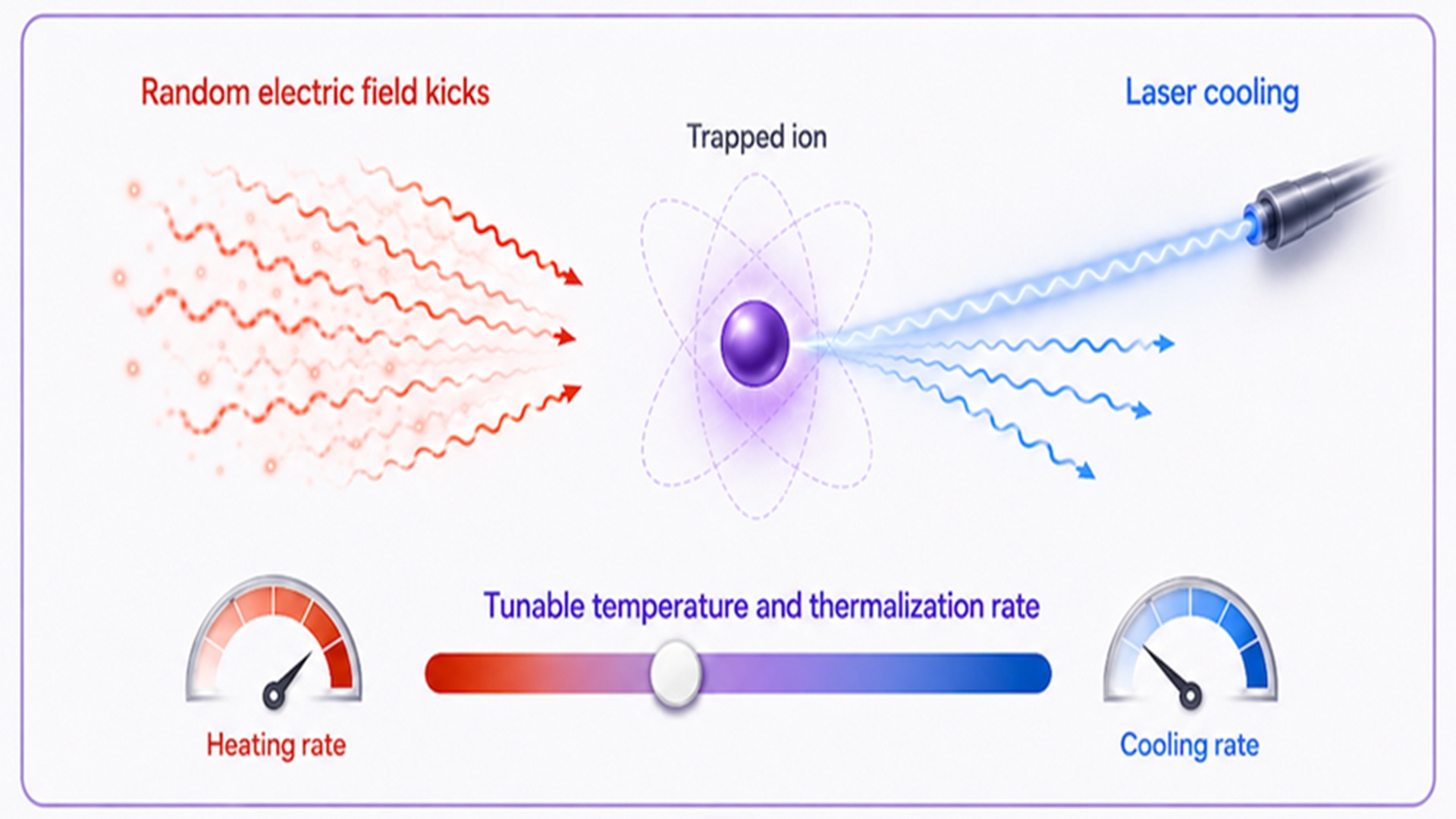
US scientists have developed a novel way to control temperature inside a trapped-ion quantum simulator, allowing for more realistic simulations. This breakthrough could have significant implications for various fields, including defense and cybersecurity. The technology enables the simulation of real-world temperatures with two independent controls.
-

The US Naval Research Laboratory is advancing the Navy's quantum research through science, technology development, and partnerships. A recent Executive Order highlights the importance of quantum information science and technology for innovation, economic growth, and national security. The NRL is at the forefront of this quantum revolution.
-
BAE Systems has lifted its 2026 outlook due to a surge in defence orders. The company's earnings call transcript and presentation are available, providing insight into its financial performance. This development is significant for the defence industry, indicating a potential increase in demand for defence technologies and systems.
-

IonQ has received final regulatory approval to acquire SkyWater Technology, a semiconductor foundry that supports federal defense and commercial customers. SkyWater will operate as a wholly owned IonQ subsidiary under its own name. The acquisition is a significant step for IonQ, a quantum computing company.
-

Lockheed Martin reported second-quarter 2026 net earnings of $1.8 billion, a significant increase from the previous year. The company's program losses decreased, resulting in a net gain.
-

The convergence of AI and quantum tech is creating a new frontier of innovation and risk, with the White House's FY27 research and development goals prioritizing these technologies. Chuck Brooks discusses the impact of this trend on research, development, and manufacturing. This convergence is expected to bring significant changes to technological exploration.
-

IBM has agreed to acquire HRL Laboratories from Boeing and General Motors to expand its quantum computing capabilities. HRL Laboratories brings silicon-spin qubit and sensing expertise to IBM's portfolio.
-

A study found that a quantum material's electronic states can be flipped with a magnetic field, which is a significant discovery in the quantum realm. This breakthrough could have implications for various fields, including defense technology. The ability to control electronic states could lead to advancements in quantum computing and other applications.
-

The US has secured a $125 million agreement with PsiQuantum to pursue utility-scale quantum computers. This deal is part of a DARPA validation effort, indicating a significant investment in quantum computing technology. The partnership aims to advance quantum computing capabilities for the US Defense sector.
-
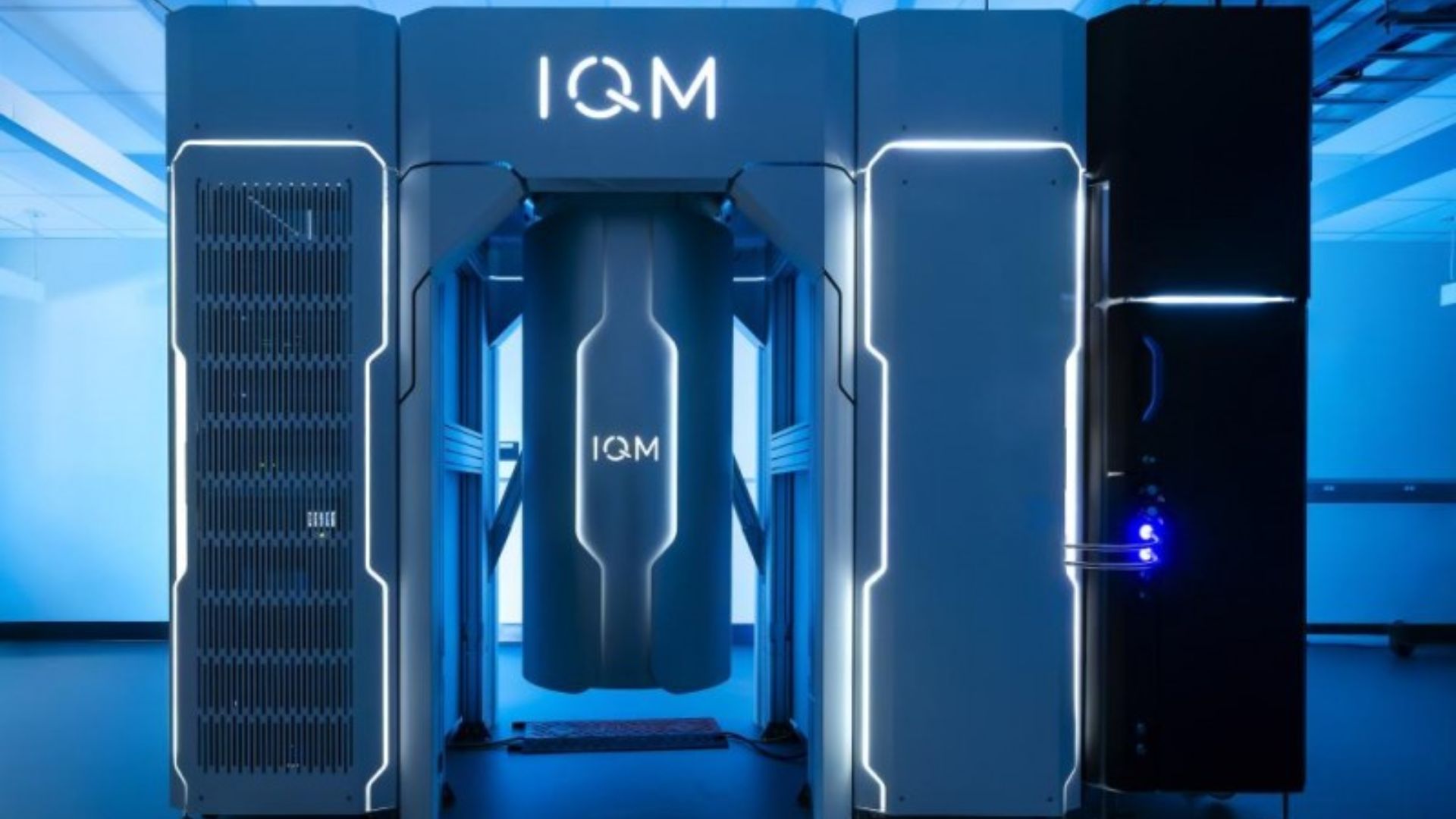
The Oak Ridge National Laboratory has integrated a new 20-qubit commercial quantum computer with its supercomputers. This integration is a significant step forward in advancing computing capabilities. The laboratory's existing infrastructure will be enhanced by this new technology.
-

A new technique can detect faulty quantum hardware before deployment, addressing a core paradox in quantum computing. This method could ensure the reliability of quantum computers. The technique is designed to identify faulty hardware, which is crucial for the development of quantum computing.
-

A New York tech company has won a US federal research contract to develop quantum-inspired software that can identify unknown objects in orbit by shrinking models by 99%
-

Chinese researchers have demonstrated a significant improvement in quantum teleportation efficiency, moving the technology closer to practical use. This breakthrough could have implications for secure communication and data transmission. The development has the potential to enhance various fields, including defense and cybersecurity.
-
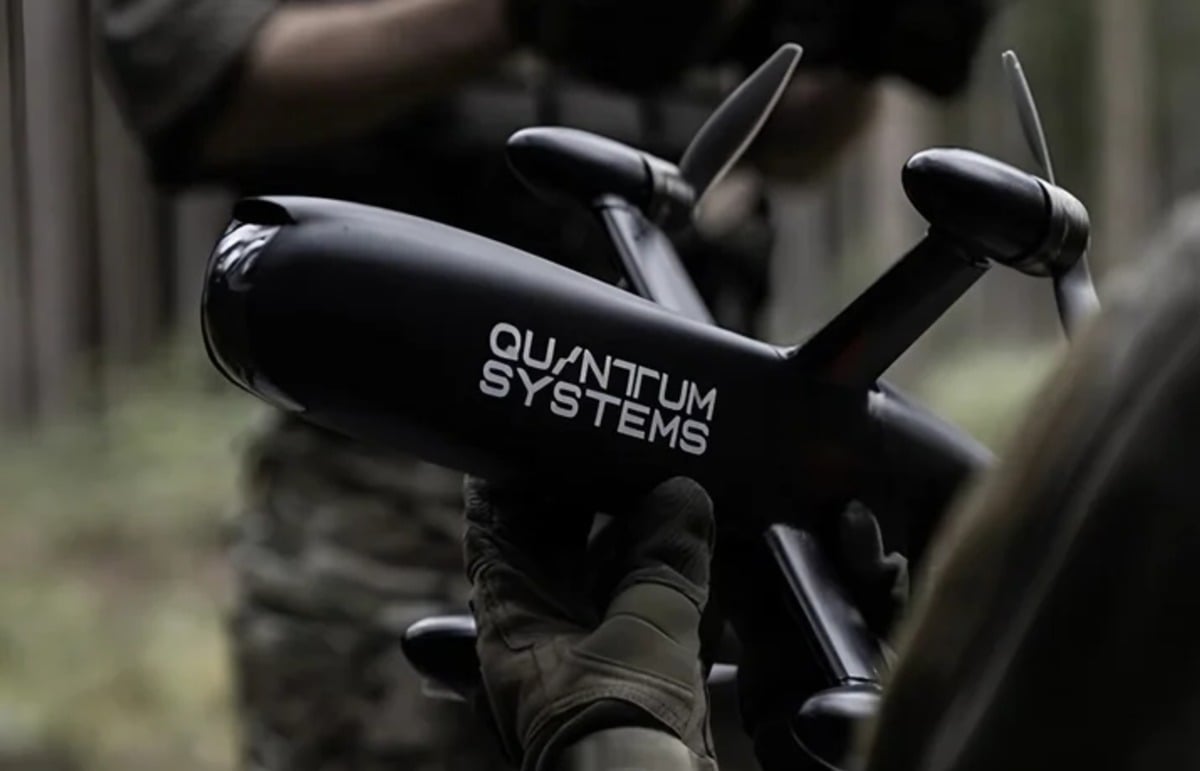
Japan's military procurement agency has awarded a contract to German drone company Quantum Systems to develop a drone-killer program. The program aims to shoot down enemy drones before they hit targets. Quantum Systems will work with Japan's Acquisition, Technology and Logistics Agency to develop this capability.
-

The US has restored domestic stable-isotope enrichment capabilities after a 30-year hiatus, which will support quantum computing and defense applications. This development is expected to enhance the country's technological advancements in these fields. The restoration of stable-isotope production will have significant implications for both quantum computing and defense technologies.
-

The US Air Force has partnered with a consulting giant to advance secretive quantum research, potentially leading to a major shift in military technology. This research focuses on controlling particles that can exist in two states at once. The goal is to harness the power of quantum technology for military applications.
-

Australian firm Q-CTRL has developed the world's first airworthy quantum navigation backup system, designed to keep aircraft on course without GPS. This system is airworthiness-qualified and will be showcased by Q-CTRL. The technology provides an alternative navigation method, reducing reliance on GPS.
-

The intersection of rising technologies like AI, nanotechnology, and quantum technologies is driving innovation and transforming industries. This convergence is expected to propel exponential processing and disrupt various sectors. Chuck Brooks, president of Brooks Consulting International, discusses the transformative era ahead.
-

The rise of quantum computing poses a threat to current encryption methods, prompting a race to develop quantum-proof encryption in chips. This could impact the security of various types of data, including messages, financial transactions, and government documents.
-
Quantum Systems has signed a contract to deliver autonomous ground systems, including Zetros trucks and MANDRILL vehicles, for testing in Ukraine. The contract is valued in the millions of euros and aims to support research and development. The autonomous vehicles will be used for real-world testing in Ukraine.
-

Australia's Army has trialed the Vector AI fixed-wing drone during Exercise Southern Jackaroo, using it to identify targets and feed information into drone and artillery strikes. The drone is built by German manufacturer Quantum Systems. The trial utilized lessons learned from Ukraine.
-
The Pentagon is introducing post-quantum cryptography (PQC) requirements into the CMMC program, but experts warn that industry and the underlying technology are not yet ready. This directive aims to enhance cybersecurity for defense contractors. The implementation of PQC requirements may pose challenges for the industry.
-

A German firm has developed a high-speed battery-powered drone, achieving a significant milestone. The drone, named Quantum, has reached a speed of 434-mph. This technology could inspire next-gen interceptor drones.
-
The article discusses Washington's approach to quantum technology, which has significant implications for national security and defense. Quantum technology can impact various aspects of defense, including encryption, communication, and surveillance. The article provides an analysis of the current state of quantum technology in Washington.
-
IonQ is making advancements in quantum technology, potentially giving it an edge in the industry. The company's quantum iterations are showing promise in the race to scale. This could have significant implications for various fields, including defense and cybersecurity.
-
IonQ is a company involved in quantum technology, which has potential applications in defense and national security. The article discusses the company's prospects and challenges. Quantum technology can be used for various purposes, including cybersecurity and encryption.
-
Quantum Systems' valuation has doubled in an Airbus-backed funding round, indicating significant investment in the company. This investment suggests a growing interest in Quantum Systems' technologies. The funding round is a notable development in the industry, with potential implications for future advancements.
-
Quantum Systems, a German drone manufacturer, has secured $1.2 billion in funding. This investment will likely support the development and production of their drone systems. The funding is a significant boost to the company's capabilities and potential for growth in the defense and aerospace industries.
-
Quantum Systems has secured $1.2 billion in Series D funding to expand its multi-domain autonomous systems and strengthen its partnership with Airbus Defence in Europe. The company aims to develop autonomous systems that can operate together across domains in real-time. This investment will help Quantum Systems scale its operations and deepen its collaboration with Airbus Defence.
-

The NSA and DEVCOM Army Research Office have launched the QuantumEAGLe initiative to support the President's Quantum Executive Order. This initiative aims to advance and grow the quantum ecosystem. The Laboratory for Physical Sciences at the NSA is collaborating with the Army Research Office on this effort.
-
The GAO report discusses the reorganization of the DoD's Office of the Director, Operational Test and Evaluation. The office made several organizational and staffing changes in response to the Secretary of Defense's direction.
-

Scientists at the Idaho National Laboratory have discovered a rare quantum behavior in plutonium, which could potentially improve future nuclear technology. This breakthrough could have significant implications for the development of new nuclear technologies. The discovery was made by a team of researchers at the INL in the US.
-

Lockheed Martin has outlined an approach to combine GPS and quantum navigation for resilient positioning in contested environments. This approach aims to provide ultra-precise positioning. The plan includes GPS III, GPS IIIF, and quantum navigation technologies.
-
The Pentagon has issued a warning about the existential threat posed by an uncertain quantum future to US military missions. The Post-Quantum Cryptography Strategy aims to prepare the defense enterprise for this potential threat.
-

The Trump Administration has issued two Executive Orders to secure US leadership in quantum technologies and protect against advanced cryptographic attacks. The orders aim to promote innovation and post-quantum cybersecurity. This approach is part of a broader effort to usher in the next frontier of quantum innovation and secure the nation against emerging threats.