Electronic Warfare
▼Cooling 40 recent stories · 105 total mentions · Following ↗
-
L3Harris completed flight tests of the Viper Shield electronic warfare system on F-16C and F-16D aircraft at Edwards Air Force Base. The tests marked the first time both aircraft flew together with the Viper Shield hardware. This campaign is a significant step in the development of the Viper Shield system.
-

The modern battlefield is changing with the introduction of drones, electronic warfare, and sensor networks, requiring tactical vehicles to adapt. Two companies are working on the next generation of tactical vehicles to fight in a hybrid battlespace. These vehicles will need to counter emerging threats and integrate with new technologies.
-

A Russian guided bomb attack on Sumy killed three civilians and damaged infrastructure, despite Ukrainian electronic warfare efforts. The strike targeted a city near the border, using aerial bombs. Ukrainian electronic warfare is being used against the weapons.
-

Ukraine launched a drone strike on Russian oil refineries in Ufa and military positions in occupied Crimea, while Russia responded with a missile and drone attack on the Ukrainian capital Kyiv. The Russian Defense Ministry claimed to have intercepted 274 drones across 16 regions. Photos show the damage from the attacks on both sides.
-
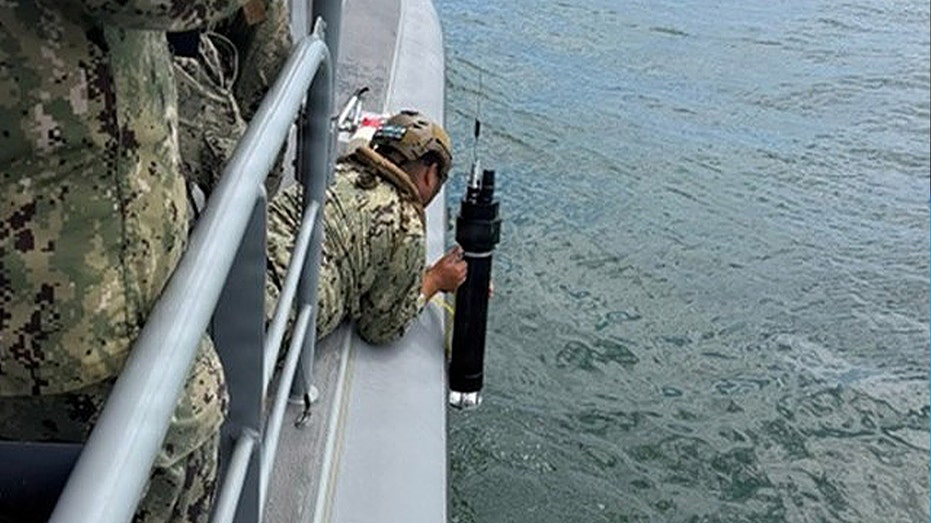
The US Army conducted its first overseas test of the 'Hammer of the Gods' electronic warfare system, which disrupts navigation signals used by enemy precision weapons. The test was conducted in a maritime environment and marks a significant milestone in the system's development. The system's ability to disrupt enemy navigation signals could provide a significant advantage on the battlefield.
-

BAE Systems and Lockheed Martin are developing the Blizzard autonomous aircraft for electronic warfare and air-defense suppression missions. The companies are exploring palletized deployment from transport aircraft.
-

Leonardo UK's CEO, Clive Higgins, expressed interest in a potential CCA role, leveraging the company's experience in sensors and electronic warfare. The firm may also pitch drones developed with a Turkish partner. Funding concerns remain a challenge.
-
The French Army's vehicles and radios will be equipped with electronic warfare protection using the Galileo Satellite Service, provided by Thales. This integration aims to enhance the army's communication security. The solution is developed in partnership with Eviden.
-

Ukrainian President Volodymyr Zelenskyy met with US President Donald Trump to discuss defense cooperation, including the production of Patriot interceptor missiles. The meeting also touched on diplomacy with Russia and the ongoing conflict in Ukraine. The US has pledged to support Ukraine's defense efforts, including the transfer of electronic warfare technology.
-
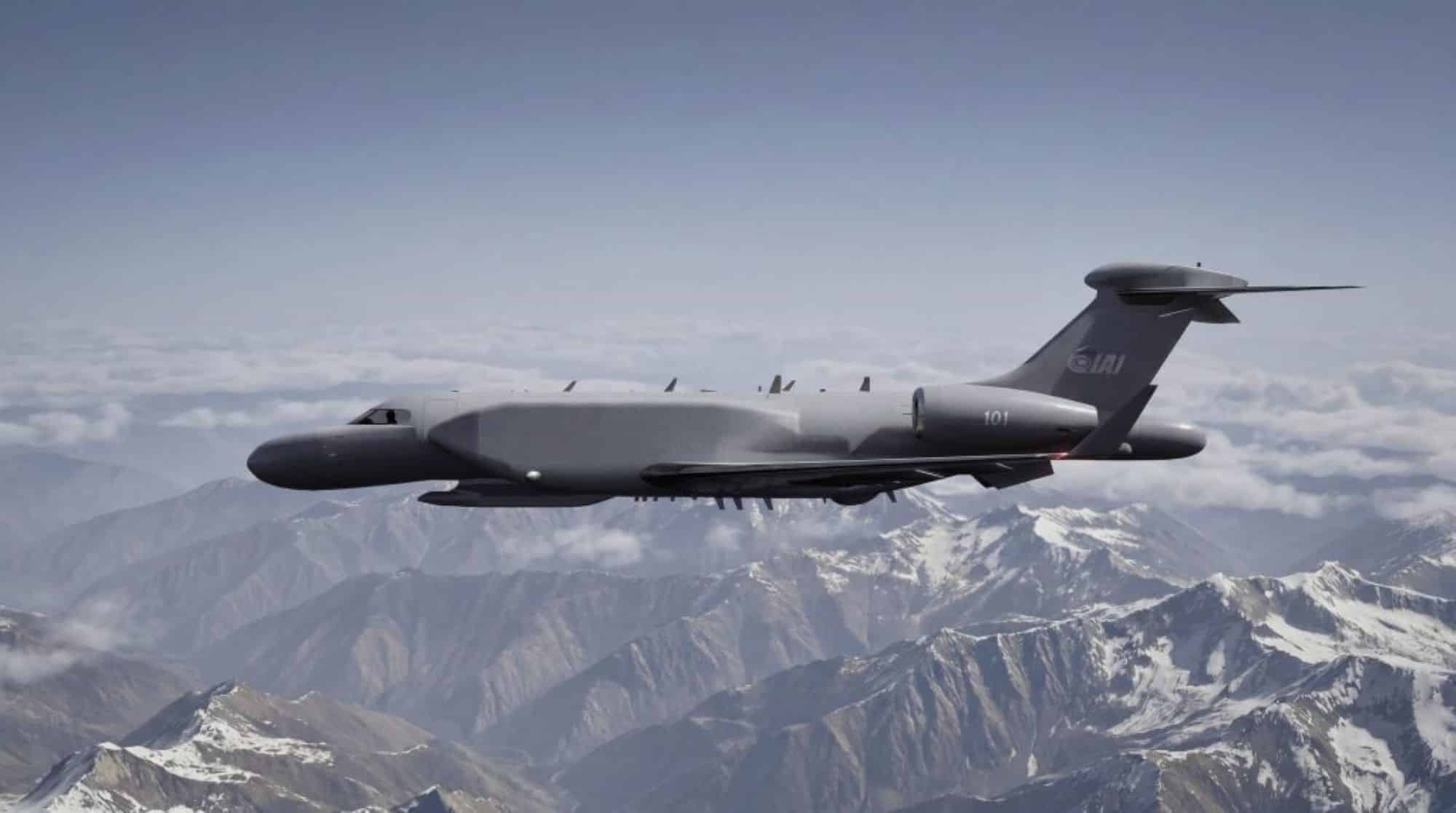
Israel Aerospace Industries introduces the Ellyon, a multi-mission platform combining Electronic Warfare and ISTAR capabilities. The platform integrates various payloads for EW, SIGINT, and ISTAR roles. This new generation multi-mission aircraft offers advanced capabilities for intelligence gathering and electronic warfare.
-

USAREUR-AF hosted the 2026 Cyber Summit, bringing together over 800 cybersecurity professionals to advance collective defense in a contested digital environment. The summit aimed to strengthen allied cyber posture.
-
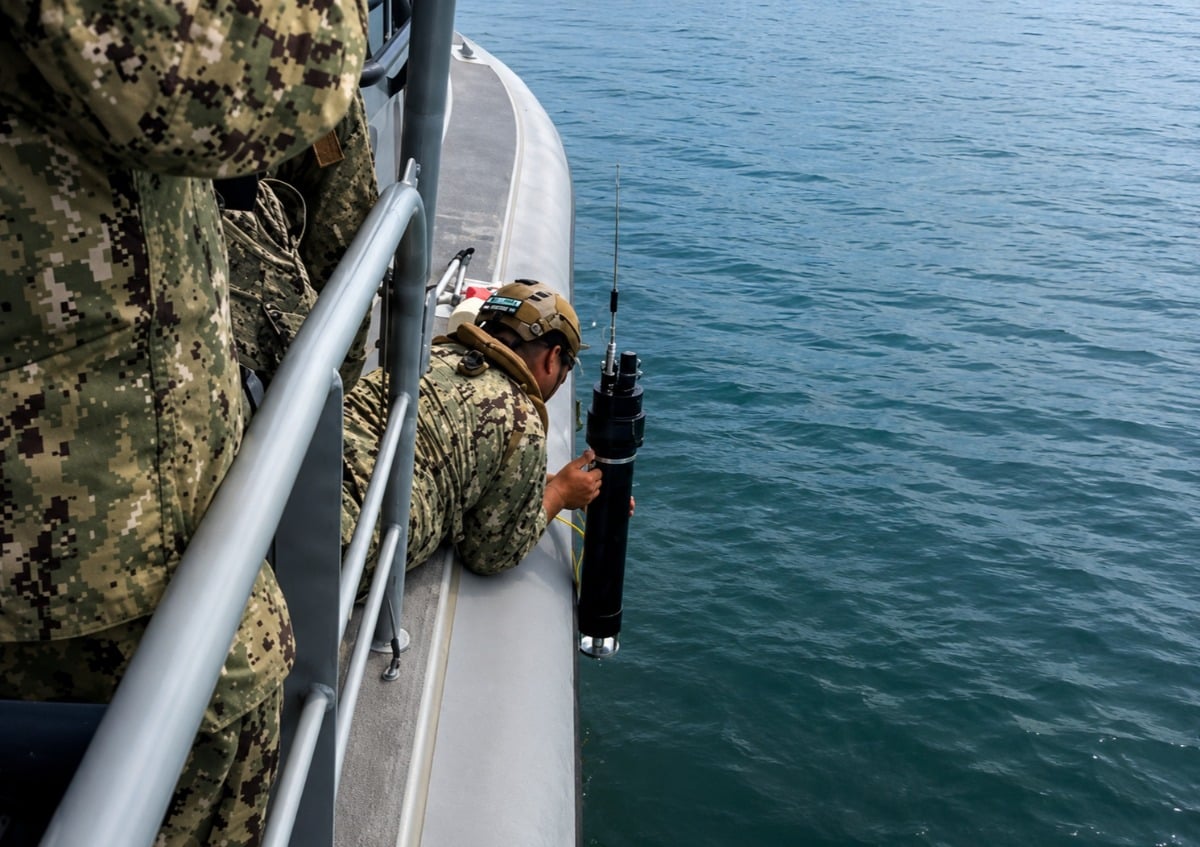
The US Army, Navy, and Space Force have conducted a sea trial of the Hammer of the Gods electronic warfare system. The test marked the first time the maritime version of the system was put through its paces. The system is expected to have a significant impact on the military's electronic warfare capabilities.
-
Lockheed Martin has received a $44.6 million order from the Navy for submarine electronic warfare (EW) modernization. The contract aims to enhance the EW capabilities of submarines. This modernization effort is expected to improve the Navy's overall electronic warfare posture.
-
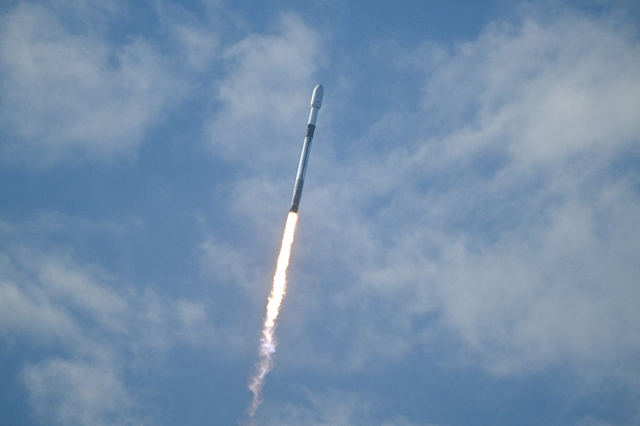
Ukraine's Stetman company is developing a 360-satellite network to reduce reliance on foreign-operated services like Starlink. The constellation, designed to serve state and military users, will be launched in phases, with the first 120 satellites scheduled for 2027. The network is intended to withstand electronic warfare.
-
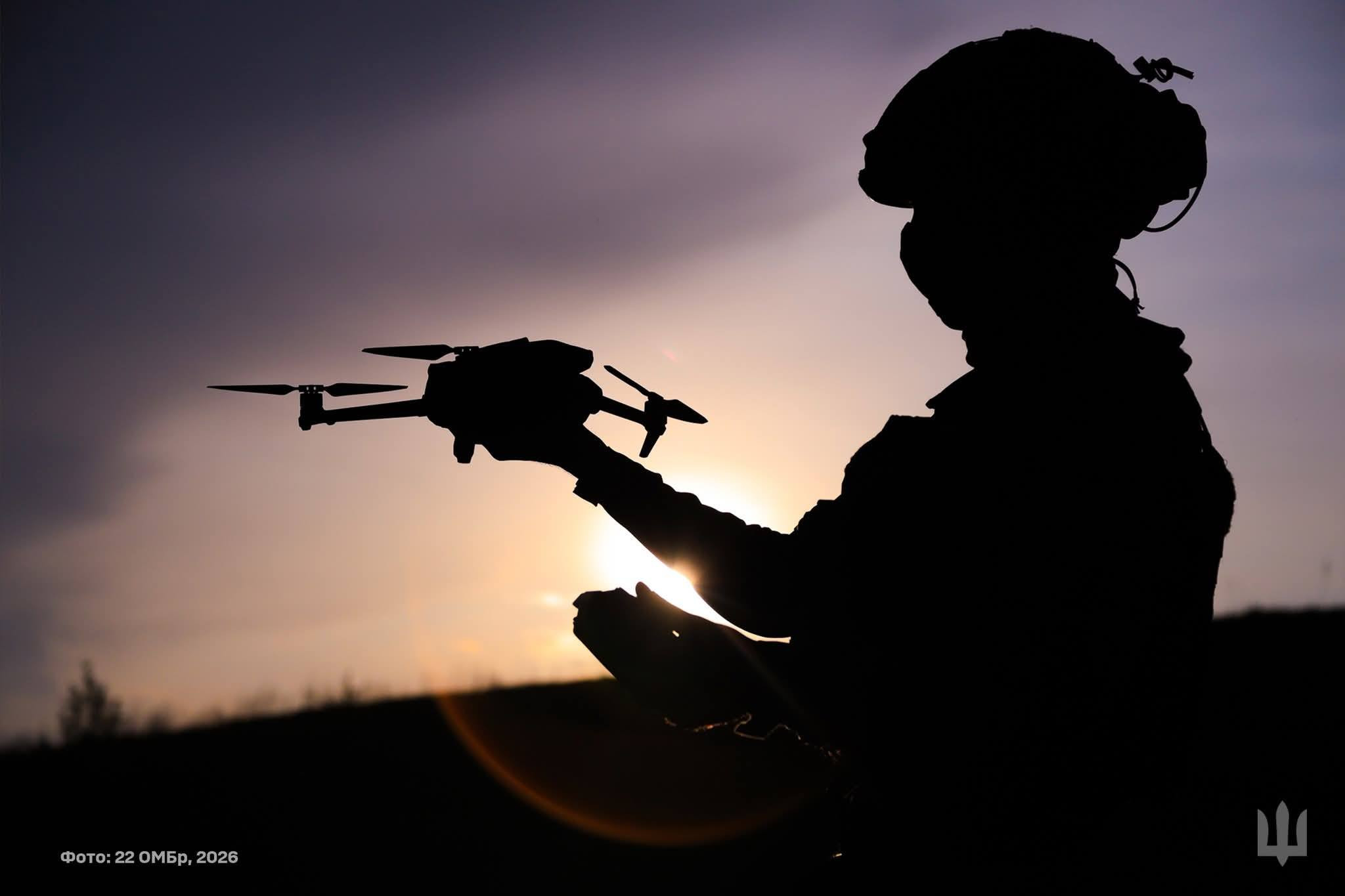
The US military used the Merops drone system to down an Iranian Shahed-type drone in Kuwait. The Merops drone was previously tested and used by Ukrainian forces to destroy Russian-launched drones. The AI-equipped drone is effective in electronic warfare environments.
-
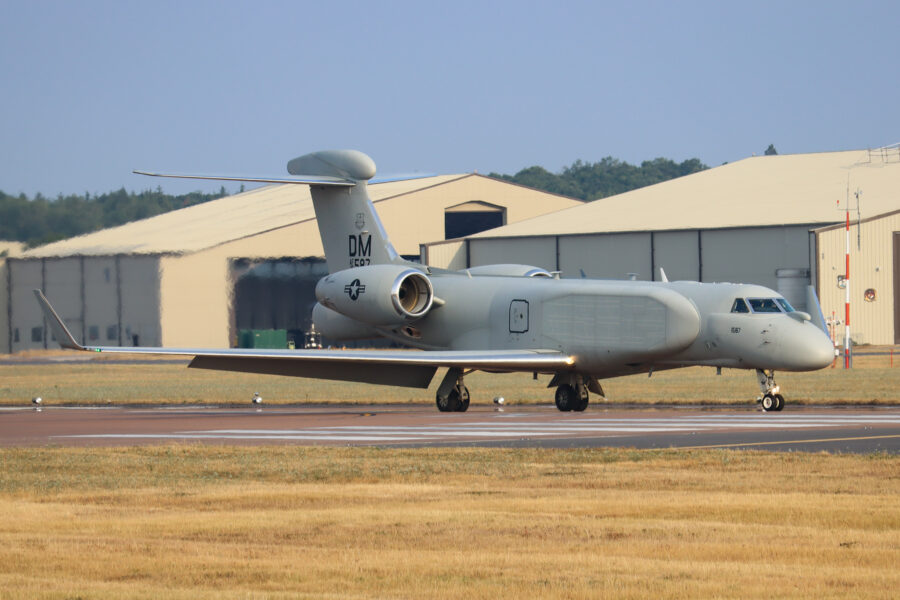
The US has deployed two EA-37A Compass Call electronic attack aircraft to RAF Fairford, UK, as President Trump considers a large-scale operation against Iran. The aircraft are critical for electronic warfare and would play a key role in such an operation.
-
A retired Australian Army Major General discusses Ukraine's air campaign, AI, and drone warfare with Seth Jones. The conversation focuses on the Ukrainian air campaign and Russia's frontlines.
-
The Navy is exploring various methods to defend against mass drone attacks, including electronic warfare, directed-energy weapons, and interceptor drones. Historically proven methods may also hold the key to effective defense. The discussion highlights the importance of considering multiple approaches to counter the growing drone threat.
-
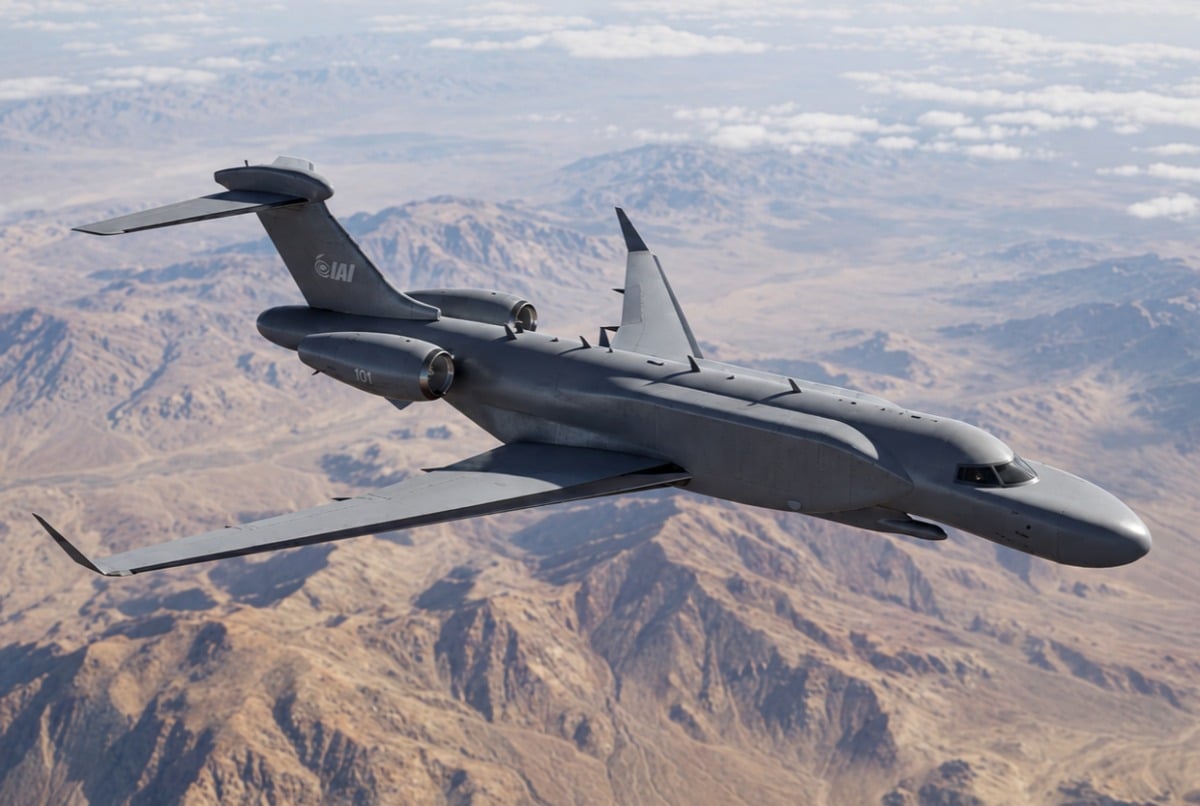
Israel Aerospace Industries introduces ELLYON, a multi-mission aircraft with electronic attack and intelligence-gathering capabilities. The platform combines various sensors and systems into a single airborne platform, allowing it to operate from a distance while keeping the crew safe.
-
L3Harris Technologies is promoting missionized business jets as a cost-effective solution for air forces to modernize their airborne mission fleets, including ISR, AEW&C, and electronic attack capabilities. This approach is being presented as a faster and more adaptable option for global air forces. The use of business jets for these missions could provide a more affordable alternative to traditional military aircraft.
-
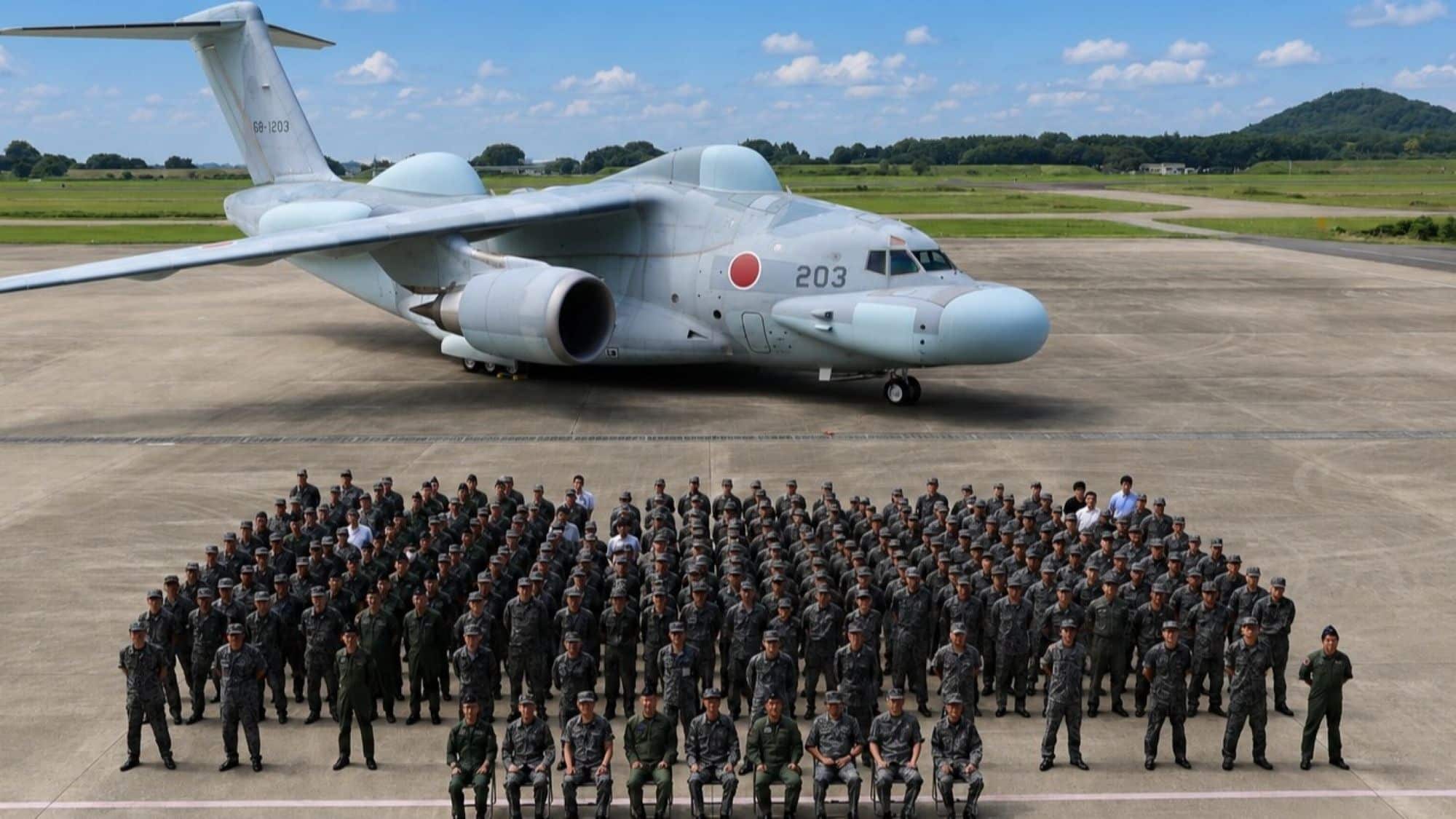
The Japan Air Self-Defense Force's XEC-2 Electronic Warfare Stand-Off Jammer aircraft has begun operational flight testing with the Air Development and Test Wing at Gifu Air Base. The aircraft first flew in March 2026 and is now undergoing test and evaluation. The XEC-2 is designed for electronic warfare and stand-off jamming capabilities.
-
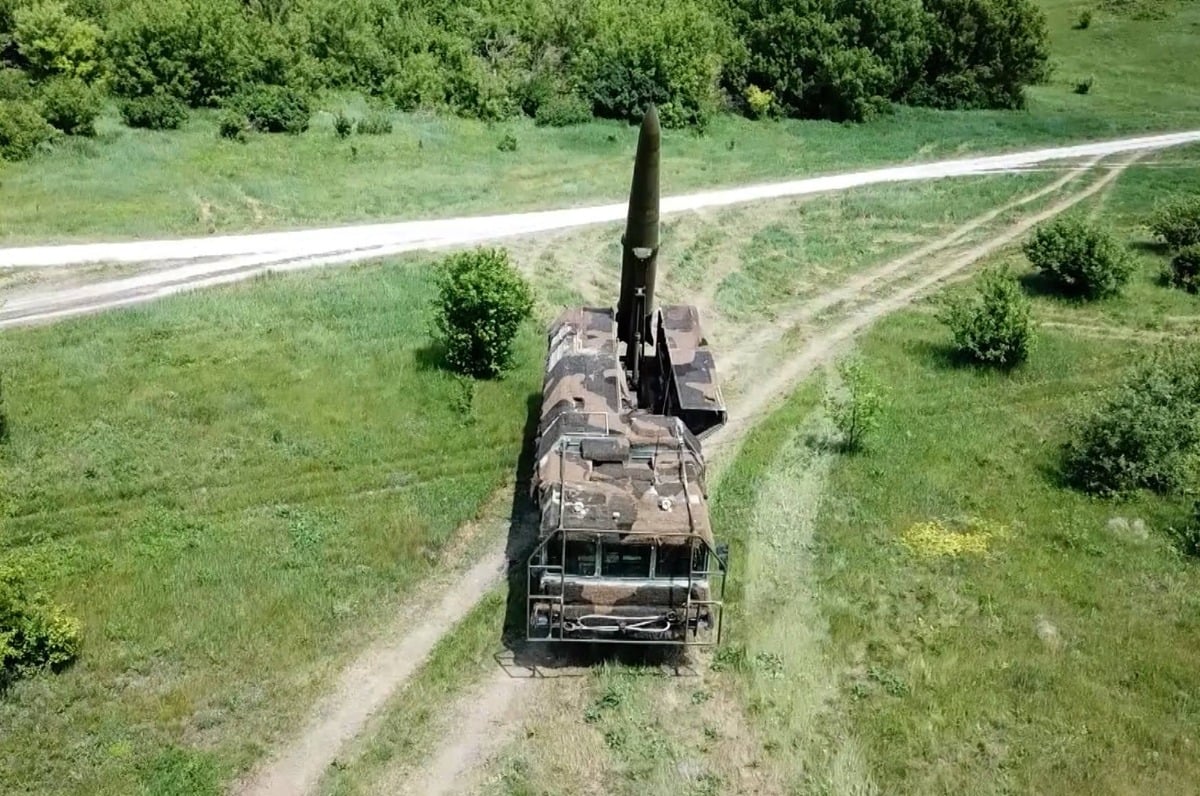
A Ukrainian official has dismissed claims that the country's electronic warfare industry can reliably jam Russian ballistic missiles, citing recent attacks on Kyiv as evidence. The official, Vladyslav Vlasiuk, publicly rebuked the industry for overselling its capabilities. This comes as Ukraine faces ongoing missile strikes from Russia.
-
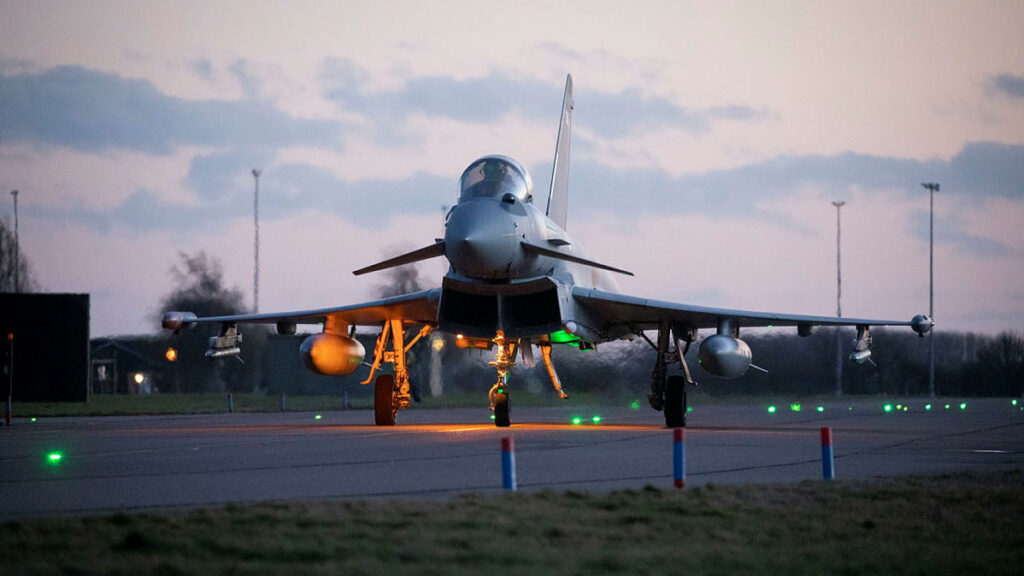
The UK has announced a new drone program, Storm Fighter, which includes the development of two new drones: Storm Chrome, an electronic warfare drone, and Storm Fire, a long-range attack drone. The program aims to create loyal wingman drones that can fly alongside existing aircraft such as the Typhoon, F-35, and future Tempest.
-

L3Harris and Shield AI conducted a flight test integrating L3Harris' DiSCO ecosystem with Shield AI's Hivemind software for autonomous electronic warfare. The test was performed aboard the Green Wolf platform. This integration aims to enhance autonomous mission capabilities.
-
The US Army is accelerating electronic warfare capabilities for Counter-Unmanned Aerial Systems (C-UAS) and is testing a novel weapon that uses magnets to fire interceptors. This technology replaces traditional gunpowder or rocket fuel with magnetic propulsion. The Army's involvement aims to enhance its C-UAS capabilities.
-
Dassault Aviation and Harmattan AI successfully executed a collaborative mission where a Rafale jet combined with an electronic warfare payload-carrying UAV to strike a simulated target. This demonstration showcases the potential of integrating manned and unmanned systems for enhanced combat capabilities. The use of electronic warfare payloads highlights the importance of advanced technologies in modern warfare.
-
Electronic warfare patent activity has seen a decrease in volume year-over-year, but grant quality has reached a three-year high. This trend indicates a focus on high-quality innovations in electronic warfare technology.
-
South Korea has signed a deal to modify two Global 6500 jets into electronic warfare aircraft, enhancing its sovereign electronic warfare capability. The modification will drastically improve Seoul's electronic attack capabilities.
-

Northrop Grumman is testing upgrades to the F-16's electronic warfare and targeting capabilities. The Army is also developing a common missile launcher that can fire various types of missiles.
-
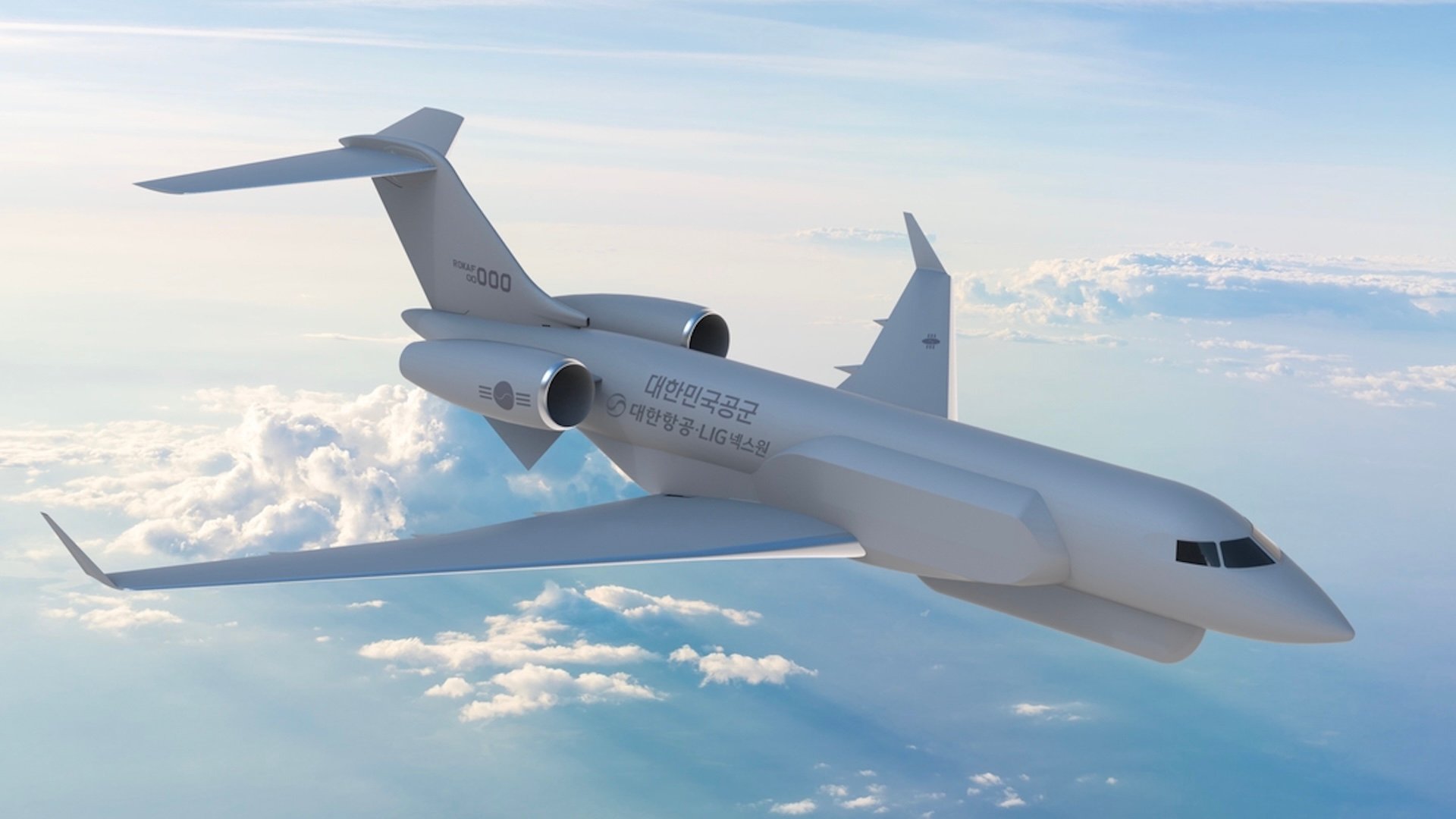
South Korea is acquiring two Global 6500 jets to enhance its electronic warfare capabilities. The jets will be modified by Korean Air to provide a significant boost to the country's sovereign electronic warfare capability. This purchase is part of South Korea's Electronic Warfare programme.
-
Thales will upgrade Mongolia's air traffic management systems. The upgrade aims to improve air traffic control and management in the country.
-
BAE Systems will supply EPAWSS electronic warfare systems for the Republic of Korea's F-15K Slam Eagle fleet upgrade under a Boeing contract. EPAWSS is an all-digital electronic warfare system designed to detect threats and support countermeasures.
-
Auterion and Ukrainian drone-maker Skyfall will supply 50,000 FPVs. The partnership aims to provide advanced drone technology to support military operations.
-
Dassault Aviation and Harmattan AI have tested the NAMIB electronic-warfare payload in a Rafale F4 drone-supported mission. The payload detects and geolocates electromagnetic emissions, including signals from air defence systems.
-
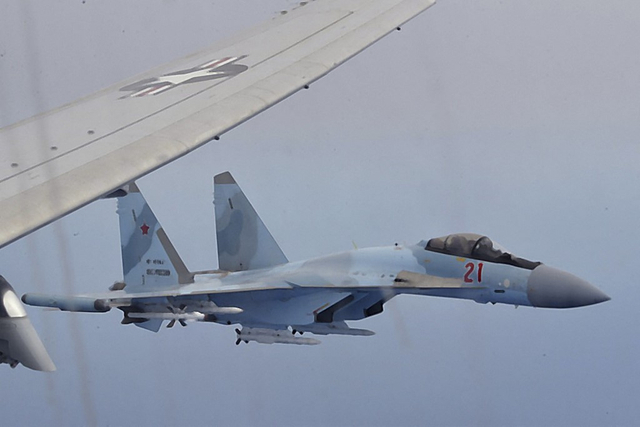
Russia is building hardened shelters to protect its Su-57 jets from Ukrainian attacks and arming warships with electronic warfare systems to counter drone strikes. The moves come after repeated Ukrainian long-range strikes on Russian air bases and aviation assets. Russia aims to shield its military assets from Ukrainian attacks.
-
The UK is seeking counter-drone electronic warfare options for Ukraine, according to a report by Aviation Week. This move is part of a broader effort to enhance Ukraine's defense capabilities. The report highlights the growing importance of electronic warfare in modern conflicts.
-
The US Navy is advancing an electronic warfare upgrade for the F/A-18E/F aircraft, developed by Raytheon.
-
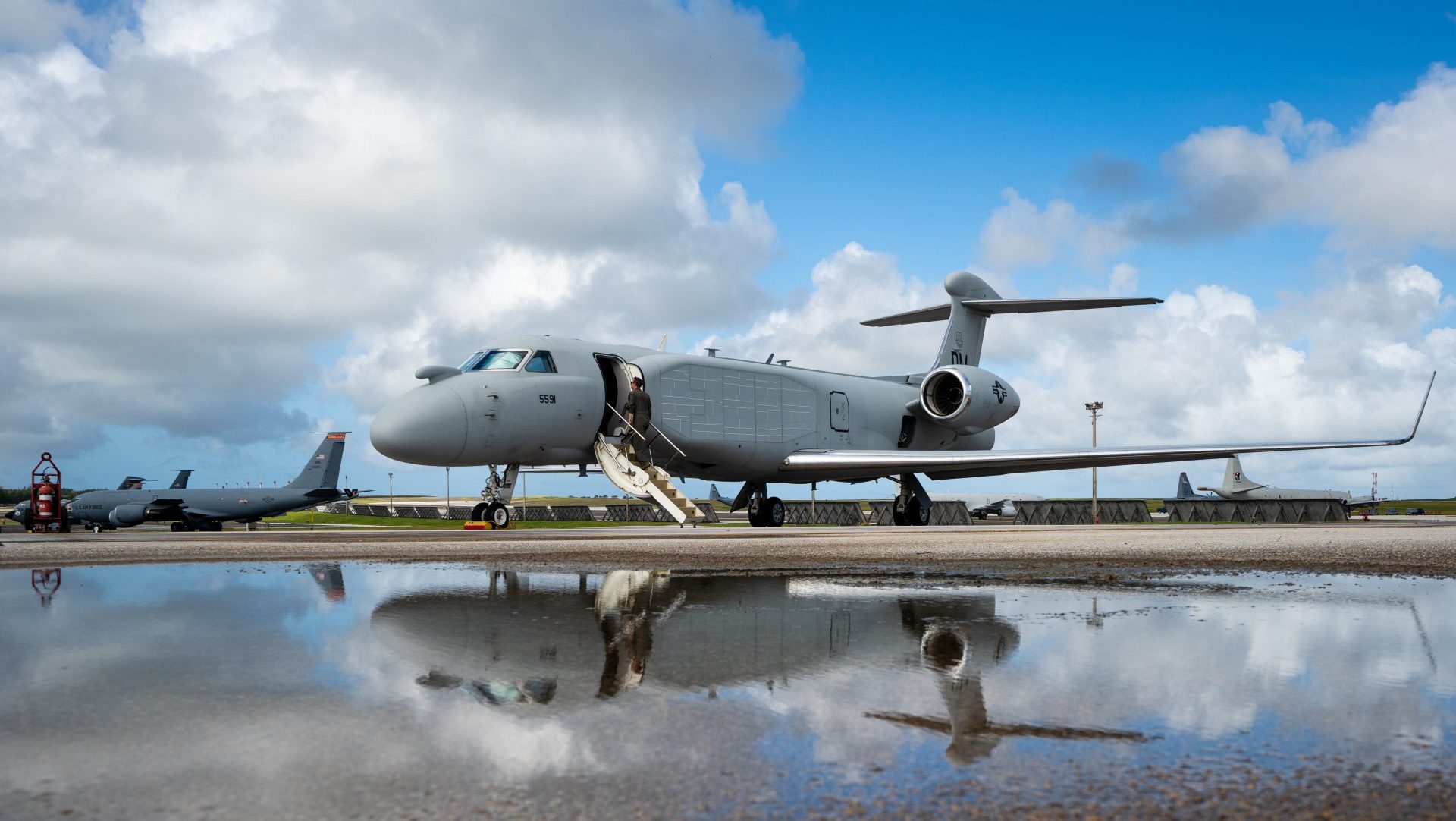
The Air Force is revamping its electronic warfare capabilities and the EA-37B Compass Call is expected to play a significant role. The EA-37B is a modified business jet being turned into a weapon for electronic warfare purposes.
-
The article emphasizes the importance of electronic warfare in forcing enemies to fight on equal technological terms. It suggests that electromagnetic denial should be a primary mission. This approach could leverage electronic warfare capabilities to counter adversary technologies.
-
RSI Europe has launched its Drone Repeater Kit, an airborne retransmission system for FPV drone operations, to extend operations in EW-contested terrain. The kit is intended for use by Ukrainian and Lithuanian forces. This technology aims to enhance drone capabilities in challenging environments.