Northrop Grumman
▲Rising 33 recent stories · 82 total mentions · #5 of 29 by activity · Following ↗
Contract Activity
-
Northrop Grumman and Boeing have successfully demonstrated the automated maritime mission-control capability of the MQ-4C Triton and P-8A Poseidon. The MQ-4C Triton is used for intelligence, surveillance, reconnaissance, and targeting missions. This demonstration marks a significant milestone in the development of automated maritime mission control.
-
Northrop Grumman has opened a 300,000-square-foot engineering facility in Florida to support sixth-generation aircraft development and other projects. The facility will house over 1,200 engineers. The new centre is located at the company's Melbourne campus.
-

Northrop Grumman has been awarded a potential $607M task order by the Missile Defense Agency to supply simulation and threat-modeling tools. The two-year base period is worth $68.8 million, with options to reach $606.5 million. The order was placed through the Air Force's Enterprise-Wide Agile Acquisition Contract.
-
Northrop Grumman has secured a new contract to provide Patriot rocket motors. The deal underscores the company's role in supporting the Patriot missile system, a key defense asset. Further details on the contract's scope and value are not provided in the initial report.
-
Northrop Grumman aims to double its international sales to $10 billion by 2031, driven by demand for unmanned surveillance aircraft and missile-defense systems. The company is also eyeing a potential sale of up to five Tritons for High North surveillance. This goal is supported by rising demand for various defense products, including munitions and manned platforms.
-
Northrop Grumman has received a $1.84 billion contract to sustain and modernize LITENING targeting pods. The contract aims to enhance the capabilities of the pods, which are used for targeting and surveillance. This modernization effort will improve the effectiveness of the pods in various military operations.
-
Northrop Grumman anticipates an increase in contract activity for the Golden Dome homeland missile defense initiative through 2026 and into 2027. This acceleration is expected as US funding for homeland missile defense moves into the procurement phase.
-
Northrop Grumman has secured a multiyear contract with the U.S. Department of War for AN/AAQ-28 LITENING targeting pods, including upgrades and support through 2035. The contract is valued up to $1.8 billion. The LITENING targeting system enables American fighter pilots to spot and destroy enemy targets from miles away.
-
Northrop Grumman will integrate SATURN anti-jam communications into the E-2D Advanced Hawkeye. This integration aims to enhance the aircraft's communication capabilities. The E-2D Advanced Hawkeye is a key component of the US military's airborne early warning and control systems.
-
Northrop Grumman CEO Kathy Warden forecasts significant sales growth from missile programs, including PAC-3, AARGM-ER, and SiAW, as US production capacity increases. This expansion is expected to generate major new sales for the company. The CEO's statement highlights the potential for substantial revenue from these missile programs.
-
Northrop Grumman is expanding its counter-drone efforts with a dual-feed Bushmaster cannon and new proximity-fuzed ammunition. The M230LF Dual Feed Bushmaster Chain Gun can switch between anti-drone and anti-armor ammo reloading, enhancing battlefield versatility. This technology aims to protect front-line forces from drone threats.
-
Northrop Grumman's CEO states the US Air Force is considering accelerating B-21 Raider production and expanding the program by year-end. The evaluation is currently underway, with a decision expected soon. This move could significantly impact the bomber's delivery timeline and overall program scope.
-
Anduril, a defense tech company, is in talks to raise funding at a valuation of around $100 billion, rivaling major defense contractors like Northrop Grumman and Lockheed Martin. This valuation reflects the company's growing presence in the defense industry. The funding round is expected to further expand Anduril's capabilities and influence in the sector.
-
RTX and Northrop Grumman have reported significant increases in their backlogs, driven by demand for defense programs such as Patriot, AMRAAM, Sentinel, and IBCS. RTX's backlog reached $119 billion, while Northrop Grumman's reached $104.7 billion. Both companies saw increased sales, with RTX posting $24.7 billion in second-quarter sales and Northrop Grumman reporting $20.0 billion in net awards.
-
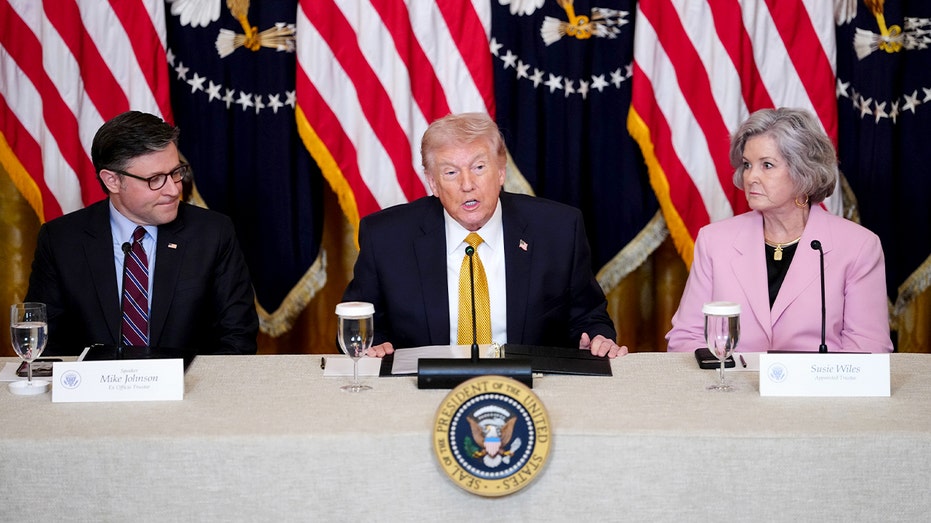
Defense industry leaders met in a closed-door session to discuss funding plans with the Trump administration. The meeting resulted in alignment on $73 billion in Pentagon and intelligence funding. Major defense contractors such as Raytheon, Lockheed Martin, and Northrop Grumman were in attendance.
-
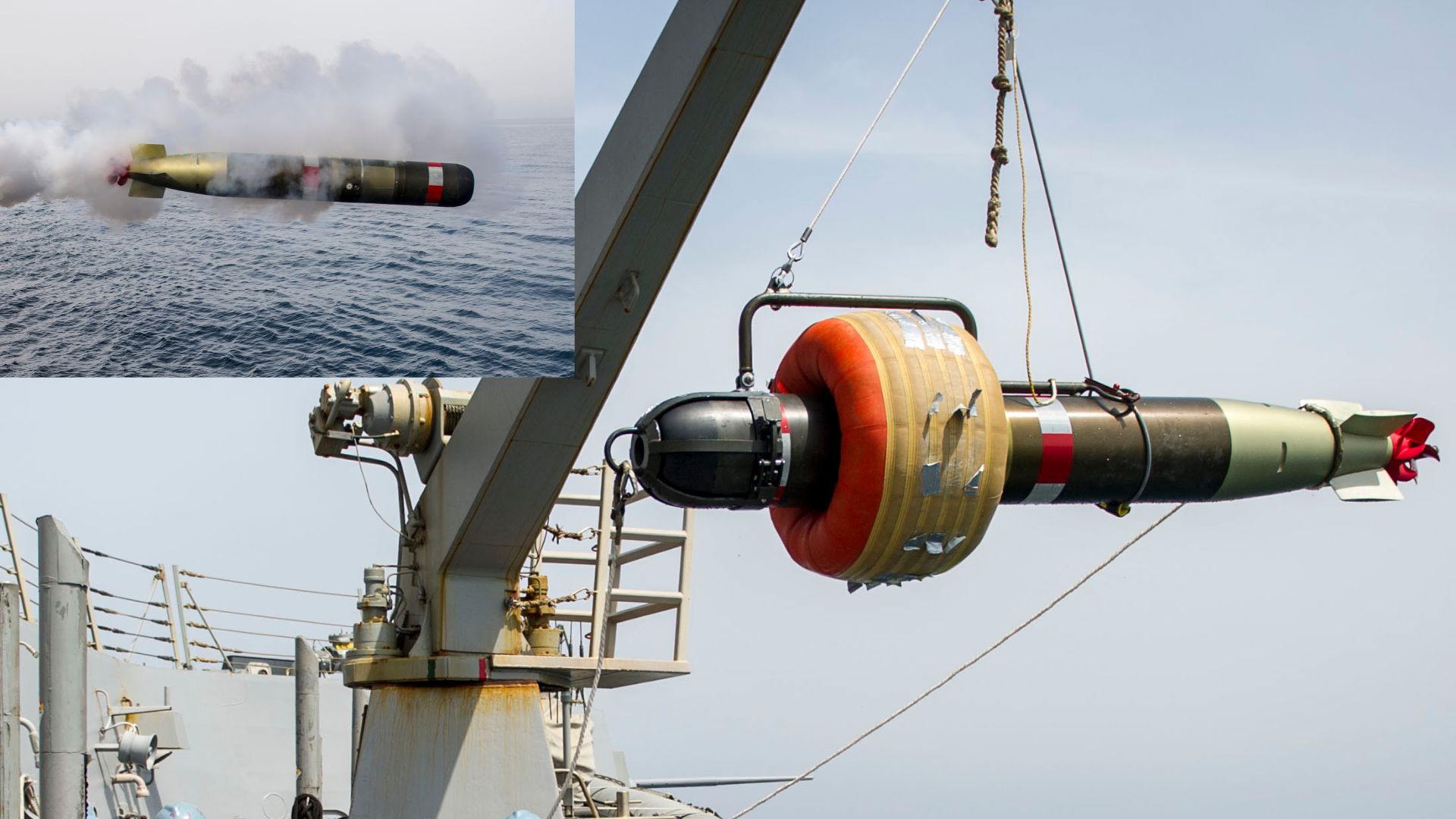
The US Navy's reusable MK 54 torpedo trainer has entered manufacturing under a $21.3M deal with Karman Holdings. Northrop Grumman awarded the contract to advance production planning. The trainer is intended for Navy use.
-
A robotic servicing mission has launched into orbit to extend the life of satellites in geosynchronous orbit. The mission uses a robotic spacecraft with on-orbit servicing capabilities. Multiple launches have been reported, including a SpaceX launch with a satellite repair drone featuring 10-foot robotic arms.
-
The Mission Robotic Vehicle is designed to maintain and refuel satellites in orbit, but its robotic arms could potentially be used for attacking enemy satellites. This capability opens up new possibilities for space-based defense systems. The vehicle's primary function is to extend the life of satellites, but its secondary capabilities have significant implications for national security.
-

Northrop Grumman has taken another charge for the solid rocket boosters it provides for the Vulcan Centaur, suggesting updated motors may not be ready until the end of the year. This development affects the Vulcan Centaur program. The charge indicates potential delays or issues with the program.
-
Northrop Grumman and Airbus signed an agreement to support the planned expansion of the MQ-4C Triton for NATO's ISR Force. The partnership aims to bring the uncrewed aircraft system into NATO operations. This collaboration is expected to enhance NATO's intelligence, surveillance, and reconnaissance capabilities.
-
Northrop Grumman is expanding its Utah site to support the next-generation Sentinel ICBM program, creating hundreds of high-paying jobs. The investment aims to advance the US strategic deterrence program. This expansion is part of the company's efforts to contribute to the nation's defense capabilities.
-
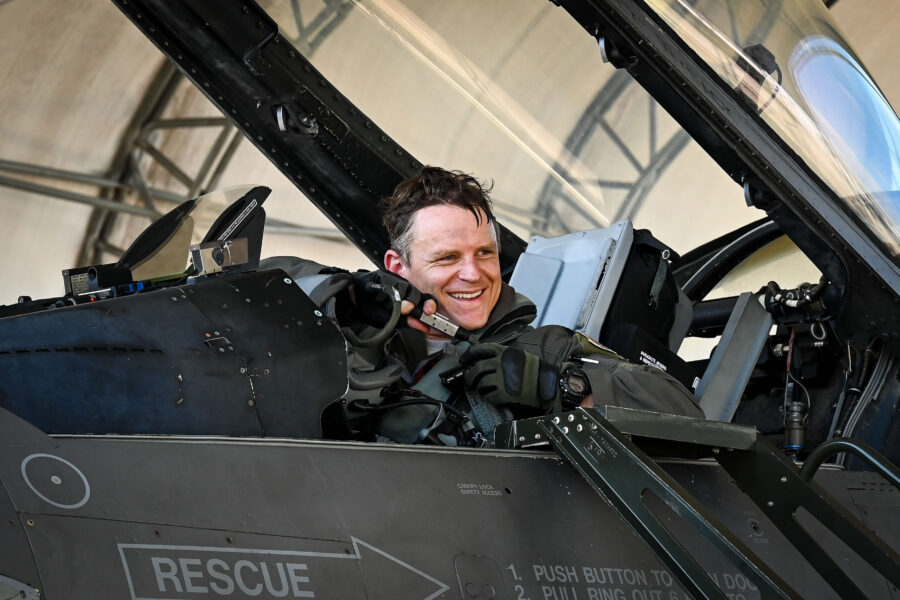
Northrop Grumman is testing upgrades to the F-16's electronic warfare and targeting capabilities. The Army is also developing a common missile launcher that can fire various types of missiles.
-
Northrop Grumman has announced a launch date for its robotic servicing spacecraft, a project aimed at providing maintenance and support for satellites in orbit. This development marks a significant step forward in the field of space technology and satellite servicing. The launch is a crucial milestone for the program, which has been in development for several years.
-
Northrop Grumman's long-term investment case is being reassessed ahead of Q2 earnings. The company is a major player in the defense industry, with a portfolio of projects including aircraft, missiles, and space systems. Investors are looking for insights into the company's financial performance and future prospects.
-
The U.S. Army's IBCS, developed by Northrop Grumman, has completed its 34th successful missile flight test. The test included integration with IFPC and LTAMDS. IBCS is currently in full-rate production and operational in Poland.
-
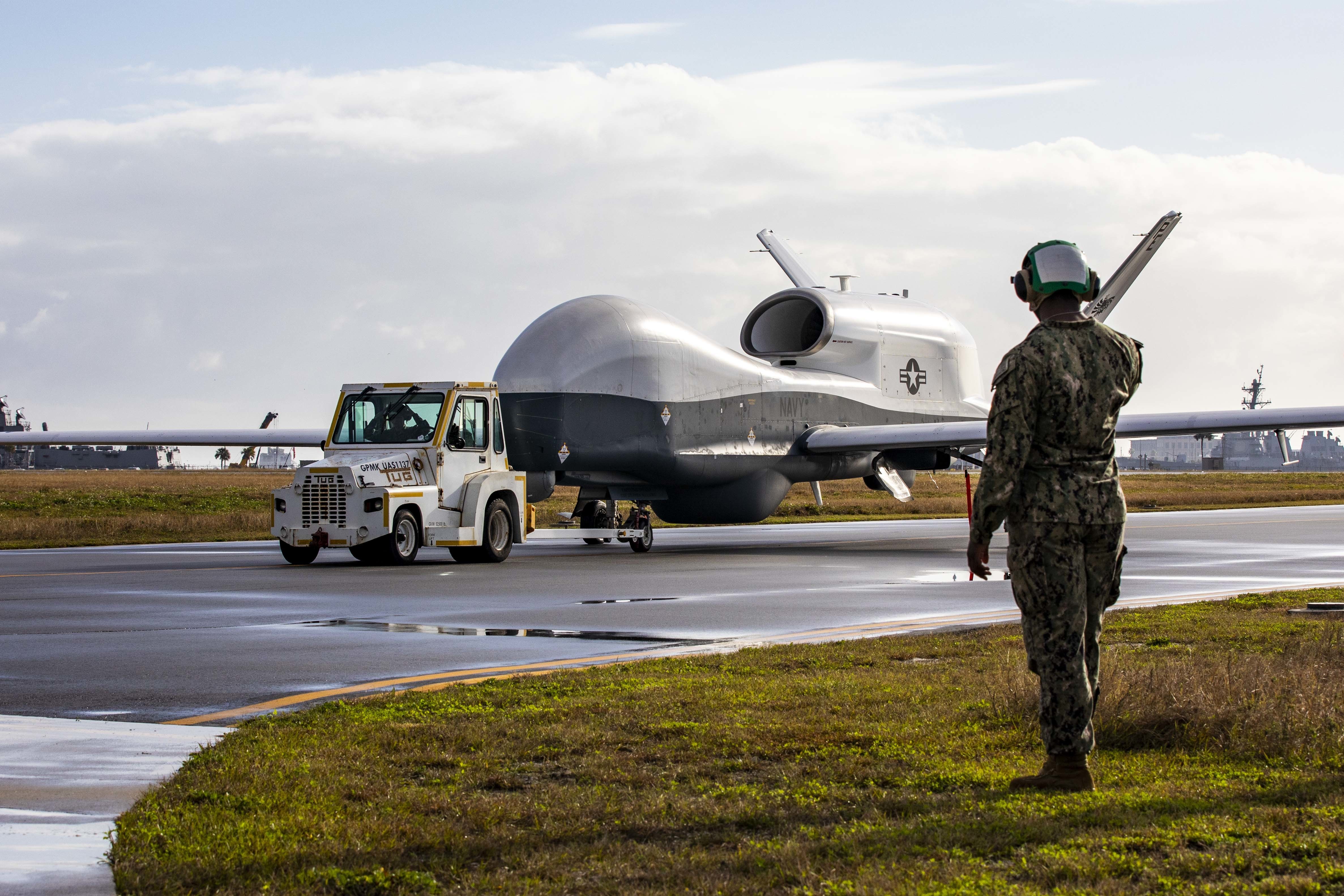
NATO plans to add up to five Northrop Grumman Triton drones for maritime surveillance, enhancing its aerial capabilities. The acquisition is part of NATO's efforts to boost its air power and improve surveillance capabilities. This move is expected to create jobs on both sides of the Atlantic and strengthen the alliance's defense capabilities.
-
Northrop Grumman's systems supported US and allied forces during Valiant Shield 2026, enhancing sensing, connectivity, and command in an evolving battlespace. The exercise demonstrated the company's capabilities in multi-domain operations. Northrop Grumman's technology played a key role in the success of the operation.
-
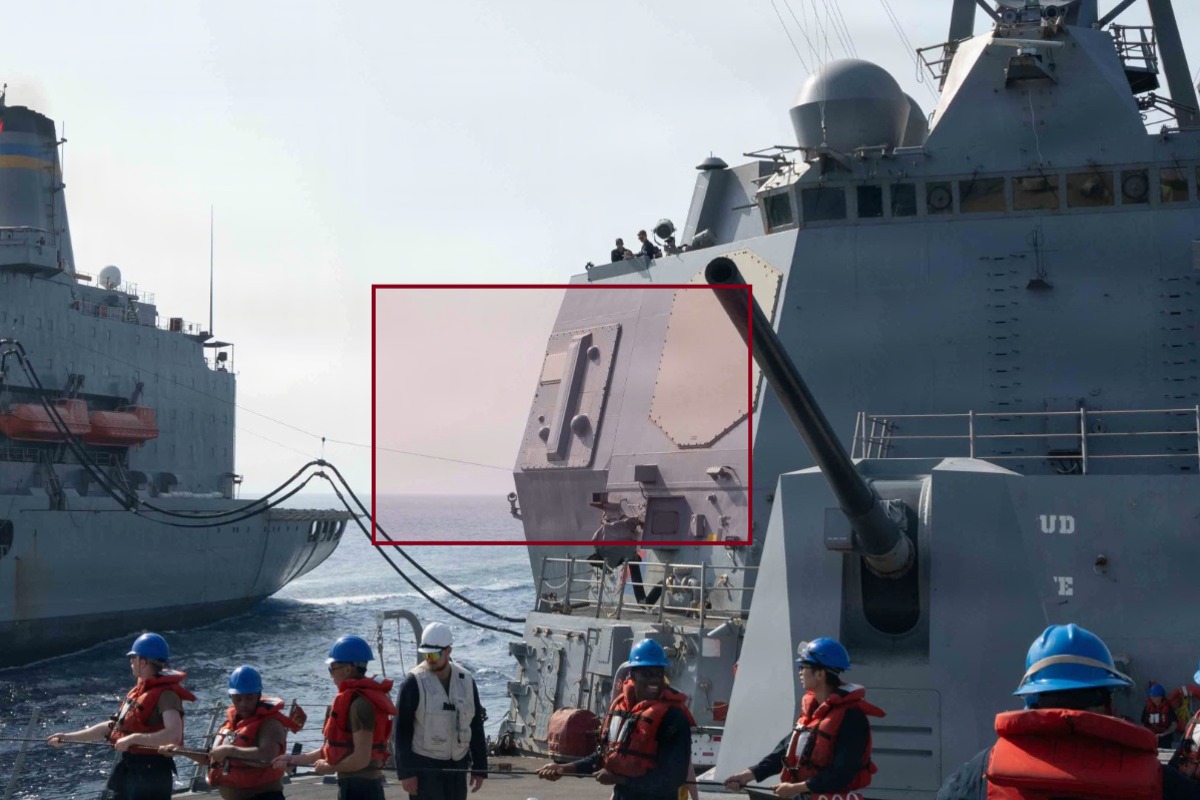
The US Navy has awarded Northrop Grumman a $312 million contract to produce additional Surface Electronic Warfare Improvement Program Block 3 systems. The systems will be used to expand the production line for destroyers, aircraft carriers, and amphibious assault ships. This will provide the Navy with enhanced electronic jamming technology.
-
The US Air Force's B-2 Spirit stealth bomber has successfully launched a Long-Range Anti-Ship Missile (LRASM) in a live-fire sinking exercise, demonstrating its Pacific maritime strike capability. The exercise showcased the bomber's ability to deploy LRASM against maritime targets. This capability is seen as crucial in a potential conflict with China.
-
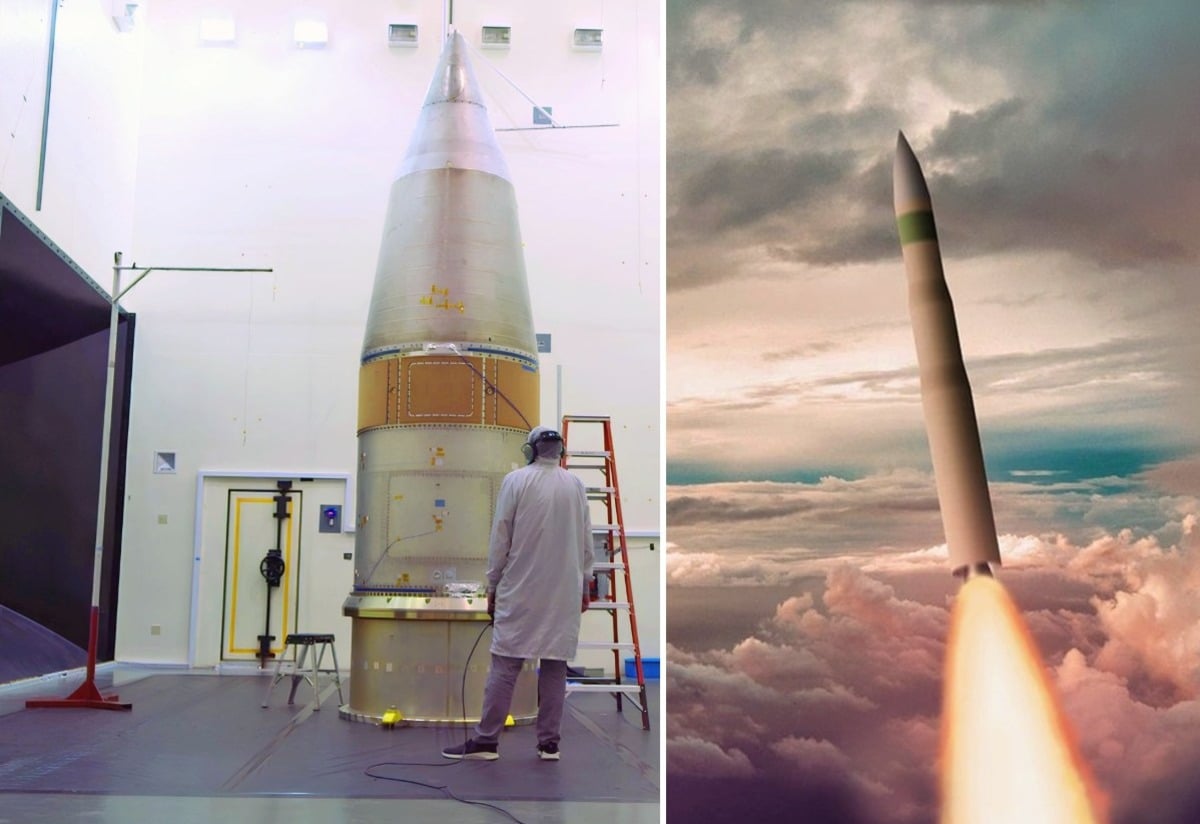
Northrop Grumman has publicly shown the Sentinel intercontinental ballistic missile hardware for the first time, showcasing the nose section after completing a structural validation milestone. The Sentinel ICBM is the US's next-generation strategic deterrent, moving towards flight testing after validating critical hardware in an acoustic test.
-
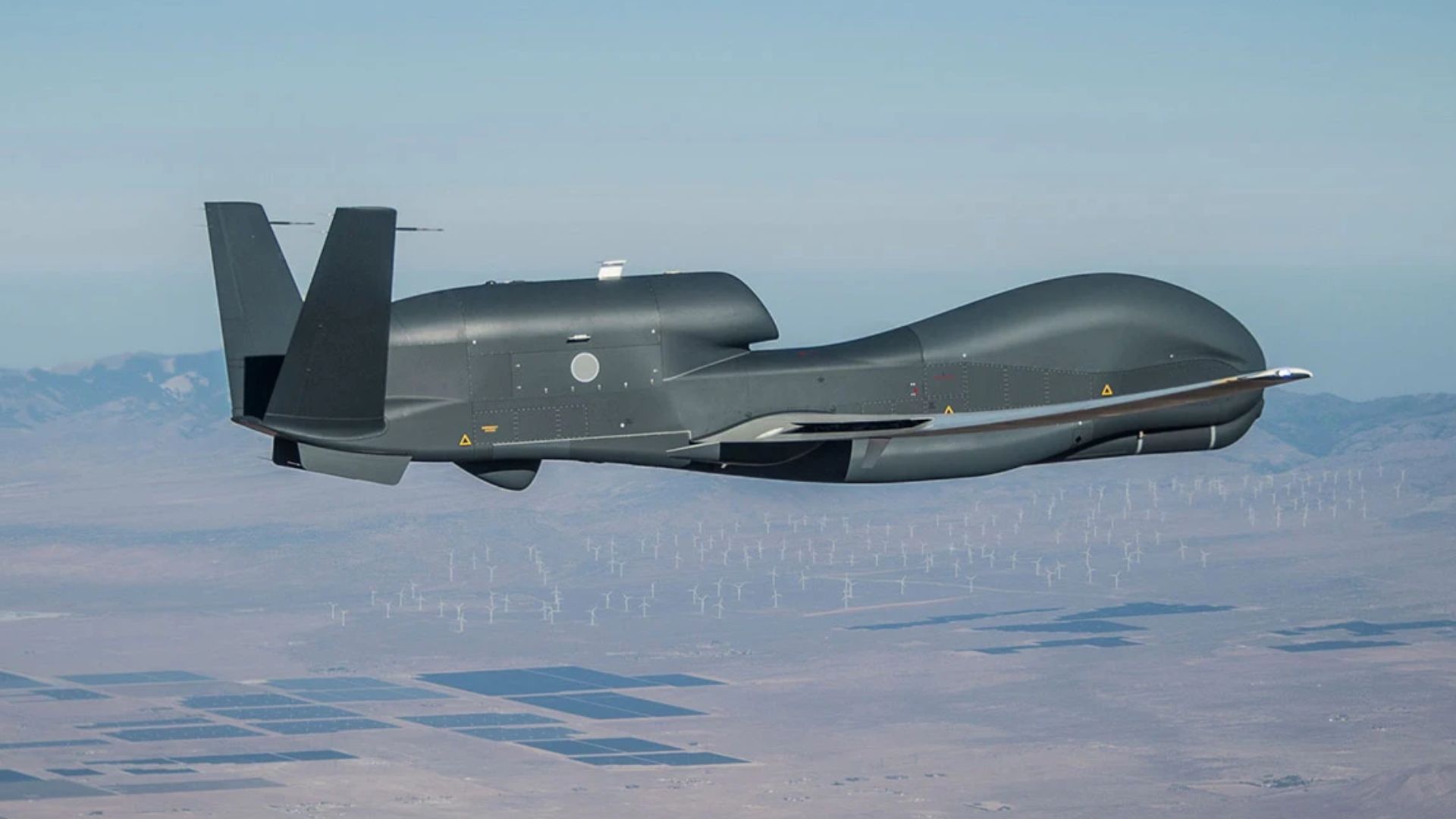
The US Air Force has relocated three RQ-4B Global Hawk drones to Japan, enhancing Indo-Pacific surveillance capabilities. The drones are part of the Northrop Grumman RQ-4B Global Hawk Block 40 program. This move aims to boost surveillance in the region.
-
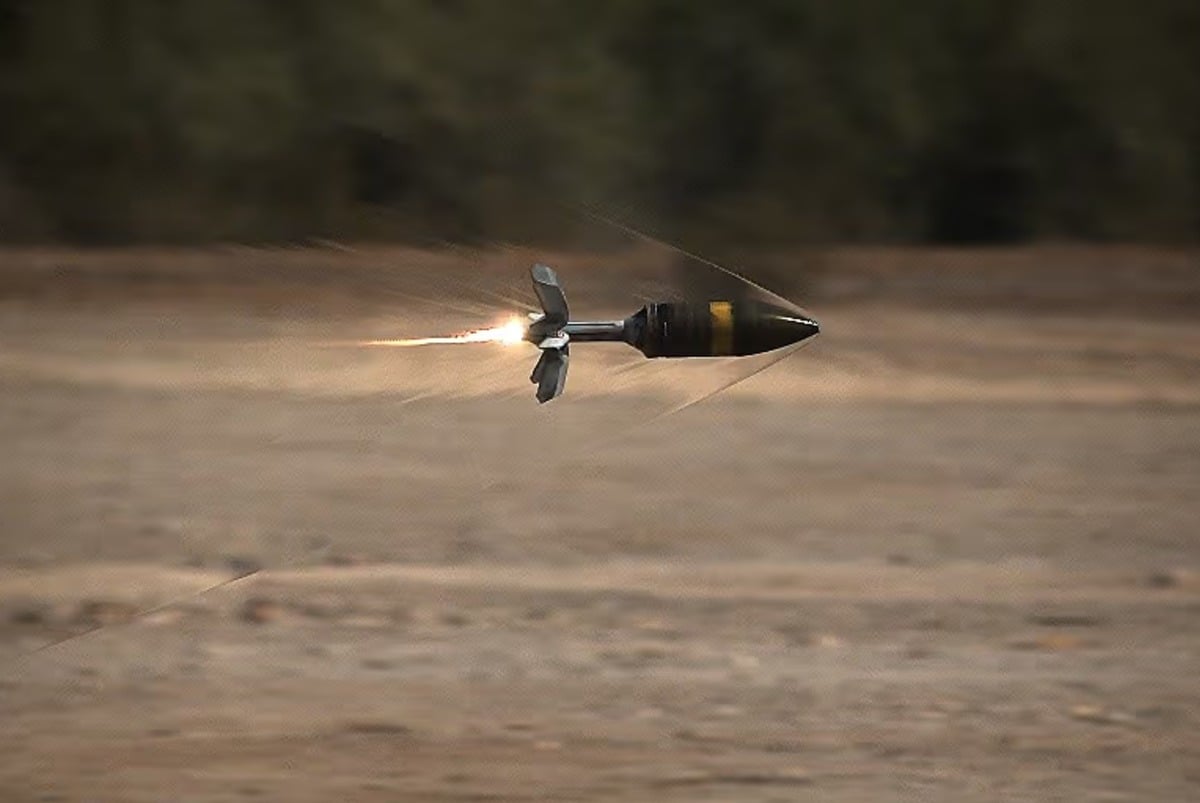
The US Army has awarded Northrop Grumman a 5-year contract to produce the M1147 Advanced Multi-Purpose round, a 120mm tank cartridge that replaces four legacy munitions. This new round gives tank commanders the ability to switch between three different detonation modes. The contract is for the production of this advanced ammunition for the M1 Abrams tank.
-
Northrop Grumman has been awarded a five-year contract by the U.S. Army to produce advanced multi-purpose 120mm rounds for M1 Abrams tanks. The contract is for the production of M1147 rounds. This is a significant development in the U.S. Army's tank ammunition capabilities.