U.S. Navy
▬Steady 40 recent stories · 581 total mentions · Following ↗
-

The Navy's portfolio acquisition executive for robotics and autonomous systems has been removed from the position after 8 months. Chris Miller, the head of PAE Maritime, will take over the role. The position was created as part of a broader acquisition overhaul last year.
-
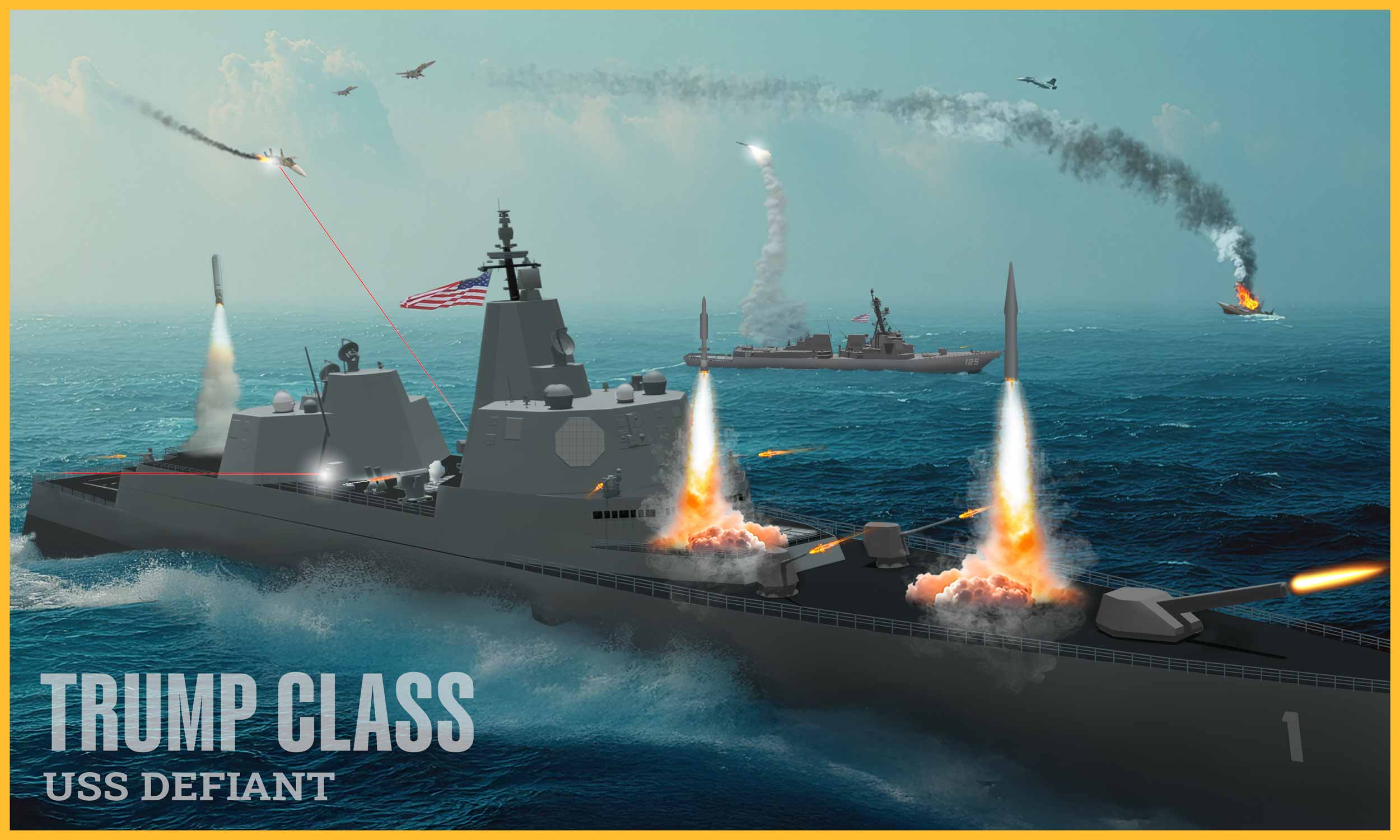
The Congressional Budget Office estimates the Navy's new Trump-class battleship program will cost $275 billion. The first ship is expected to cost $23.4 billion. The program aims to deliver a fleet of 15 nuclear-powered guided-missile battleships by 2056.
-
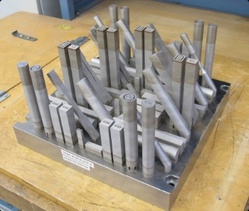
The Naval Undersea Warfare Center Division, Keyport has received approval from Naval Sea Systems Command for a metal powder bed fusion additive manufacturing procedure. This qualification makes them the first Warfare Center to achieve this milestone. The approval enables the center to utilize additive manufacturing for metal parts, potentially enhancing production efficiency and capability.
-

The Indonesian Navy deployed a kamikaze unmanned surface vessel for the first time during a major exercise, also launching a loitering munition and firing anti-ship missiles. The exercise showcased the navy's new capabilities, including the use of unmanned systems. The kamikaze USV features an angular grey hull and is designed for one-way attack missions.
-
Lockheed Martin and the US Navy have tested an AI-powered sonar system on MH-60R helicopters to enhance undersea threat detection. The system was demonstrated during RIMPAC 2026 and is designed to be rapidly retrainable. This technology aims to accelerate the detection of submarine threats.
-
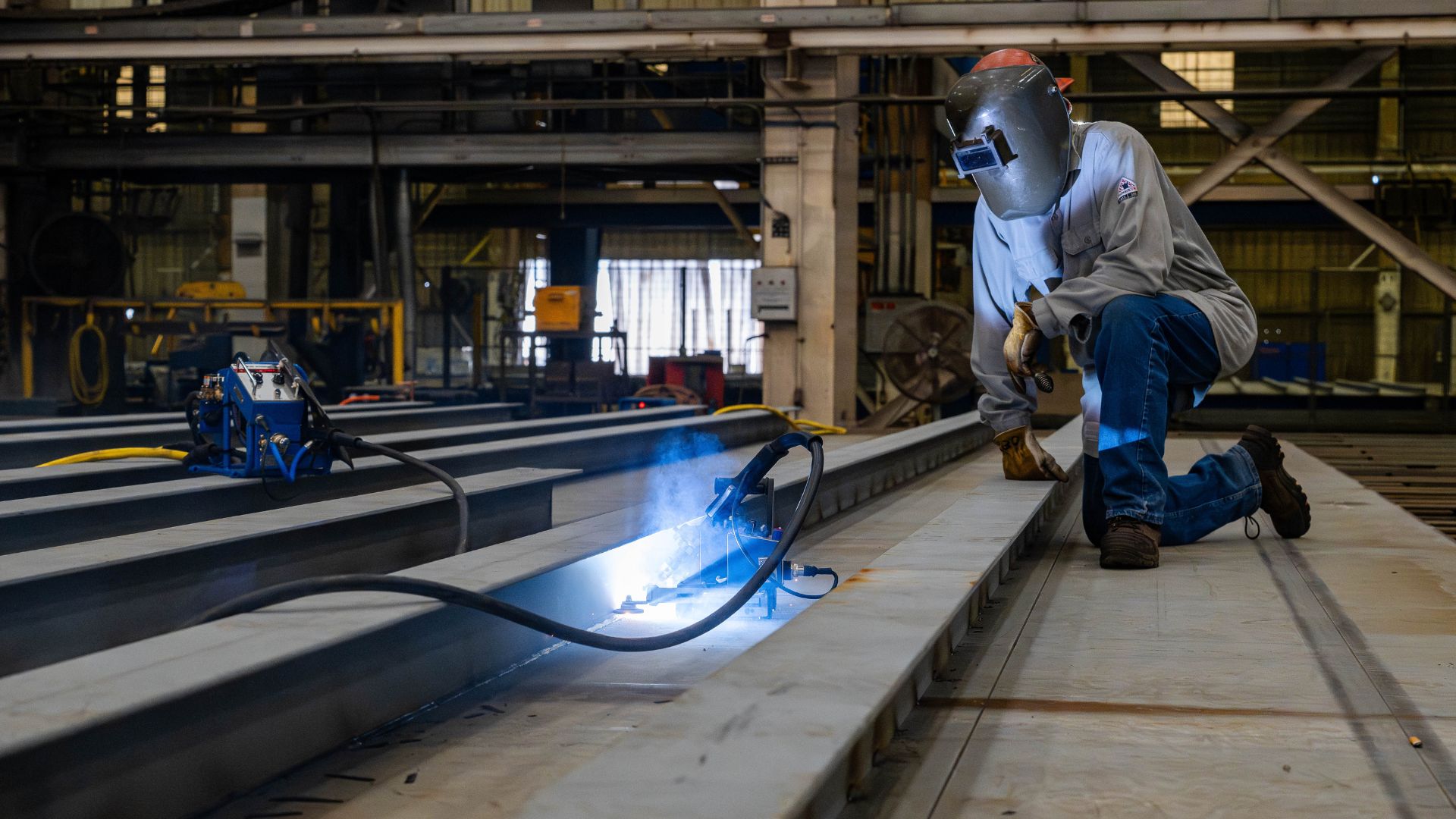
The US Navy's shipbuilding industry is testing a smart welding technology that scans workpieces and auto-adjusts in real-time to increase production efficiency. This innovation aims to address longstanding production challenges. The technology has the potential to improve the quality and speed of shipbuilding.
-
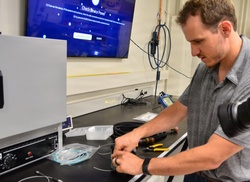
The Naval Air Warfare Center Aircraft Division has increased the Navy's in-house fiber optic repair capabilities by 400 percent. This expansion aims to eliminate a critical supply chain bottleneck and keep advanced aircraft mission-ready. A standardized training process and dedicated research lab have been established to support this effort.
-
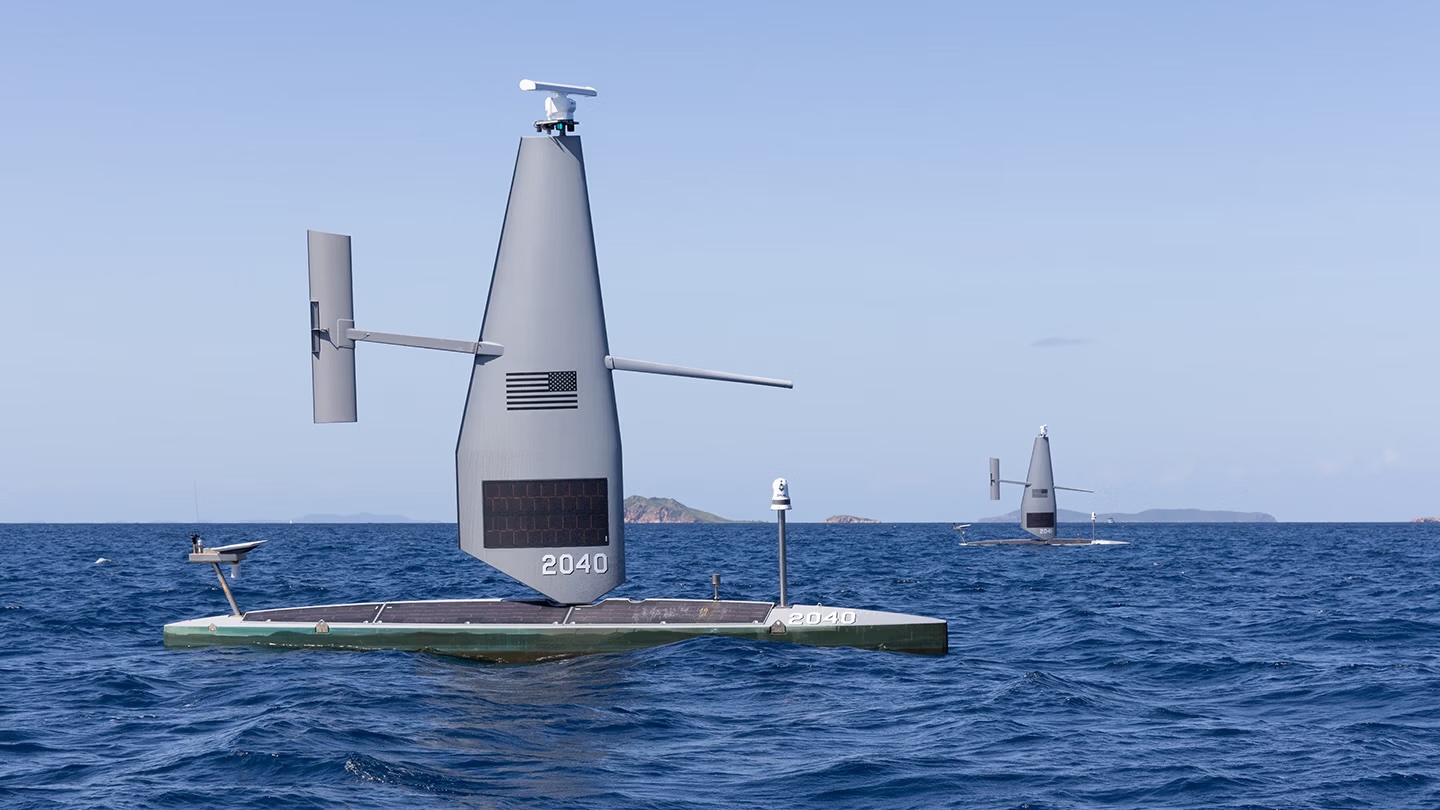
The US Navy is expanding its use of Saildrone unmanned surface vehicles for counternarcotics missions. This partnership aims to enhance the Navy's capabilities in this area. The use of unmanned systems is a key aspect of this expansion.
-
Leonardo's CEO states that M-346 upgrades are driving demand, as the company competes for a US Navy trainer contract. The Italian group is confident in its bid for the high-stakes contest. The M-346 aircraft is expected to remain in strong demand.
-
Raytheon is rolling out new generation air and missile defense radars, SPY-6, onto US Navy ships, differing from the existing SPY-1 radars. The SPY-6 radars are part of the US Navy's efforts to modernize its defense systems. This upgrade aims to enhance the navy's air and missile defense capabilities.
-
HII and HD Hyundai Heavy Industries are expanding intelligent welding automation at Ingalls Shipbuilding in Mississippi to support U.S. Navy production. This expansion aims to enhance efficiency and productivity in shipbuilding. The partnership leverages advanced technology to improve manufacturing processes.
-

The US Navy conducted a test over the Pacific Ocean, creating a plasma field in the upper atmosphere to study energy conversion and behavior. The Naval Surface Warfare Center has released new details about the test in a recent report.
-
The U.S. Navy assessed the Joint Operational Medicine Information Systems (JOMIS) Clinical Data Provider (CDP) aboard the USS Essex to modernize medical capabilities at sea. The evaluation aimed to improve patient outcomes and was conducted from May 18-28, 2026. This effort is part of the Navy's ongoing initiative to enhance medical care aboard its ships.
-
BWXT is in discussions with U.S. Naval Reactors about a proposed nuclear-powered battleship that could utilize a Ford-class aircraft carrier reactor design. Supplier work for the project may begin as early as 2028. The design could potentially leverage existing technology from the Ford-class carriers.
-

The Navy has awarded Saildrone a $16.3 million extension to continue assisting in maritime drug interdiction operations. Saildrone's Voyager unmanned surface vessels have been operating in the Caribbean and Eastern Pacific since 2023. The extension will support the U.S. 4th Fleet's operations.
-
Norfolk Naval Shipyard is implementing computed radiography and digital radiography for naval non-destructive testing. This innovation is expected to improve testing capabilities across the Navy.
-
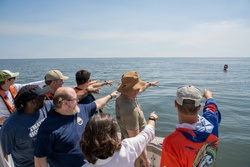
The US Navy and Oshen have successfully mapped shallow waters using an autonomous vessel. The test was conducted off the Mississippi coast to accelerate autonomous maritime technology development.
-

A U.S. Air Force A-10C Thunderbolt II provided airborne escort to the Ohio class ballistic missile submarine USS Nebraska during an exercise in the Pacific Ocean. The exercise highlights the importance of protecting the U.S. Navy's valuable assets. The A-10's role in the exercise demonstrates its capability in supporting maritime operations.
-
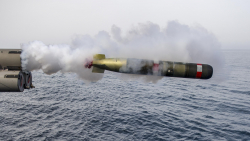
The U.S. Navy has ordered additional Hammerhead anti-submarine mines, with the latest award coming as Congress pushes for increased funding. The move aims to enhance the Navy's anti-submarine capabilities. The Hammerhead mine is a key component of the Navy's underwater defense systems.
-
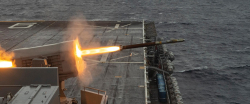
The US Navy's Future Frigate program, based on the Coast Guard's national security cutter, aims to enhance naval lethality. The program offers an opportunity for the Navy to address existing issues. It leverages the design and capabilities of the Coast Guard's cutters to inform its development.
-
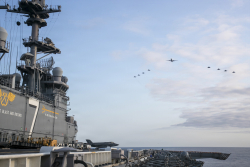
America's amphibious readiness is facing critical funding and organizational challenges. The Department of the Navy and Congress need to take immediate action to address these issues. The challenges demand urgent attention to restore readiness.
-
The US Navy is reclassifying 19 Virginia Payload Module-equipped submarines as SSGNs, expanding long-range undersea strike capacity. This decision separates their expanded strike role from standard Virginia-class fast-attack submarines. The reclassification is a step to sharpen the Navy's competitive edge.
-
Russia is shifting its focus to jet-powered Shahed drones, reducing its use of conventional drones, according to Ukraine's navy. This change in strategy may indicate an effort to improve drone capabilities. The use of jet-powered drones could potentially enhance Russia's military operations.
-

The F4U Corsair's distinctive look was a result of the U.S. Navy's decision to use a radial engine design, leading to the development of the largest and most powerful radial aircraft engine at the time. The design choice was made despite the potential for a more streamlined and aerodynamic design with inline engines.
-
The US Navy plans to develop a modular surface-to-air missile arsenal, including submarine-launched capabilities, while the Army seeks a surface-to-air missile for small drones as part of the Next Generation C-sUAS Missile project. Both initiatives aim to enhance air defense capabilities against emerging threats.
-
The US Navy has started deactivating the USS Georgia, a nuclear-powered guided-missile submarine, after 42 years of service. This marks the beginning of the retirement of the Ohio-class guided-missile submarine fleet. The deactivation process began at Naval Submarine Base Kings Bay on July 31.
-
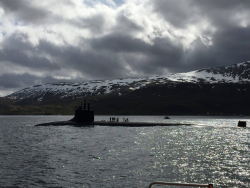
The US Navy is seeking to enhance its asymmetric advantage by achieving superiority in both offensive and defensive operations around the ocean floor. This effort is part of a broader strategy to improve its capabilities. The Navy's goal is to gain an upper hand in underwater operations.
-

The US Navy has christened its fifth Flight III destroyer, named after Master Chief Hospital Corpsman William Richard Charette, a Medal of Honor recipient. The destroyer was christened at a Maine shipyard and will join the fleet after completion. The Navy is also upgrading 19 nuclear-powered submarines into guided missile warships.
-

Boeing has been awarded an $11.4 million contract to develop and deliver updated flight control software for the P-8A Poseidon. The P-8A is a maritime patrol and anti-submarine warfare aircraft used by the US Navy and allied air forces. The update aims to fix flight control bugs in the aircraft.
-

The US Navy has ordered new rotor blades for Marine One, the helicopter that carries the President, with a commitment of over $107 million. The contract was awarded to Sikorsky Aircraft Corp., a Lockheed Martin company. The new blades will ensure Marine One has reliable power for decades to come.
-

The U.S. Navy has selected six companies to create high-resolution maps of the seabed in the Indian and Pacific oceans using unmanned vessels. This effort aims to reduce reliance on large, crewed survey ships. The selected companies will utilize long-endurance unmanned vessels for this task.
-
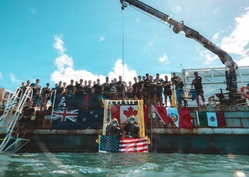
US Navy Explosive Ordnance Disposal Technicians from EOD Mobile Unit 11 completed combined training with multinational EOD and divers during RIMPAC 2026. The training took place in Pearl Harbor, Hawaii, from July 31, 2026. This exercise aimed to enhance interoperability and skills among participating nations.
-
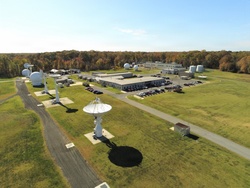
The Naval Research Laboratory's Blossom Point Tracking Facility has been a key part of US space operations for 70 years, tracking satellites and serving as a mission operations hub. It began operating in 1956 and has been instrumental in the American Space Age. The facility has evolved to support complex space missions.
-
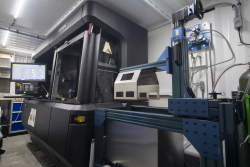
The US Navy is looking to adopt 3D printing technology to support its future fleet, with industry partners playing a key role in developing this capability. This effort aims to move away from traditional industrial base methods. The Navy's demand for 3D printing is driven by the need for advanced manufacturing techniques.
-
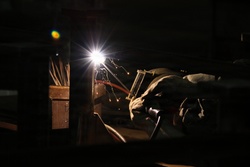
The US Navy's Ship Repair Facility and Japan Regional Maintenance Center used a precision welding technique to save labor during a ship overhaul. The technique, called heat-controlled welding, resulted in an estimated 700 man-days of saved labor. This innovation improves the efficiency of ship repairs.
-
The US Navy conducted a SINKEX event, striking the USS Peleliu with missiles, and released footage from cameras on the ship. The test provided a unique perspective on the event. The Navy used the exercise to test its missile capabilities.
-
Acting SECNAV Hung Cao has appointed John Cremins, a former Navy SEAL and defense executive, as the deputy under secretary of the Navy for intelligence and security. Cremins will lead the Navy's intelligence and security efforts. The appointment aims to strengthen the Navy's intelligence capabilities.
-

The USS Georgia, a 42-year-old nuclear guided-missile submarine, has completed its final patrol and is set to be inactivated. The LCS Fort Worth has also decommissioned. Both warships have ended their service with the Navy, with the USS Georgia returning to Submarine Base Kings Bay, Ga., after its final deployment.
-

Japan's destroyer JS Chokai successfully launched a Tomahawk cruise missile for the first time in a drill with the U.S. Navy, marking a significant milestone in expanding its military capabilities. The live-fire test confirmed the destroyer's new capability and the proficiency of its crew. This development ushered in a new era of long-range cruise missile capability for Japan.
-
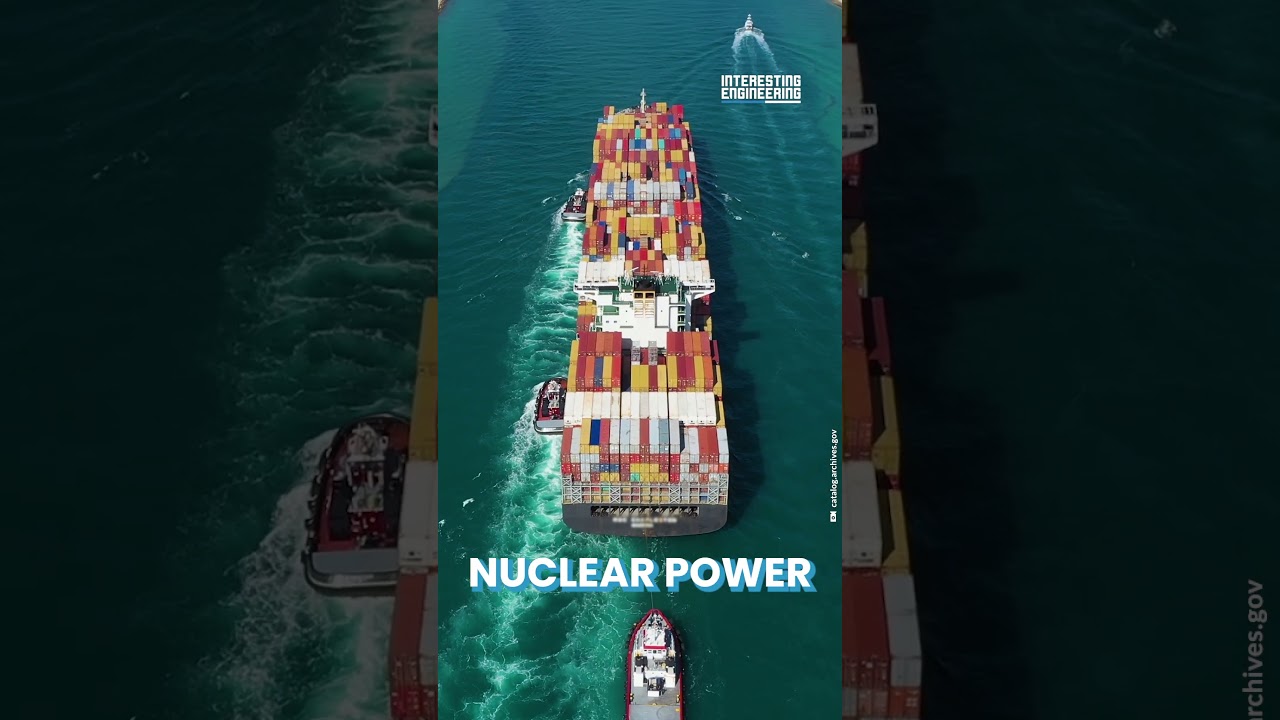
The US Navy is considering nuclear power for its proposed Trump-class battleship program, addressing operational challenges. The program aims to bring back battleships with advanced capabilities.
