Shipbuilding
▲Rising 21 recent stories · 40 total mentions · Following ↗
-
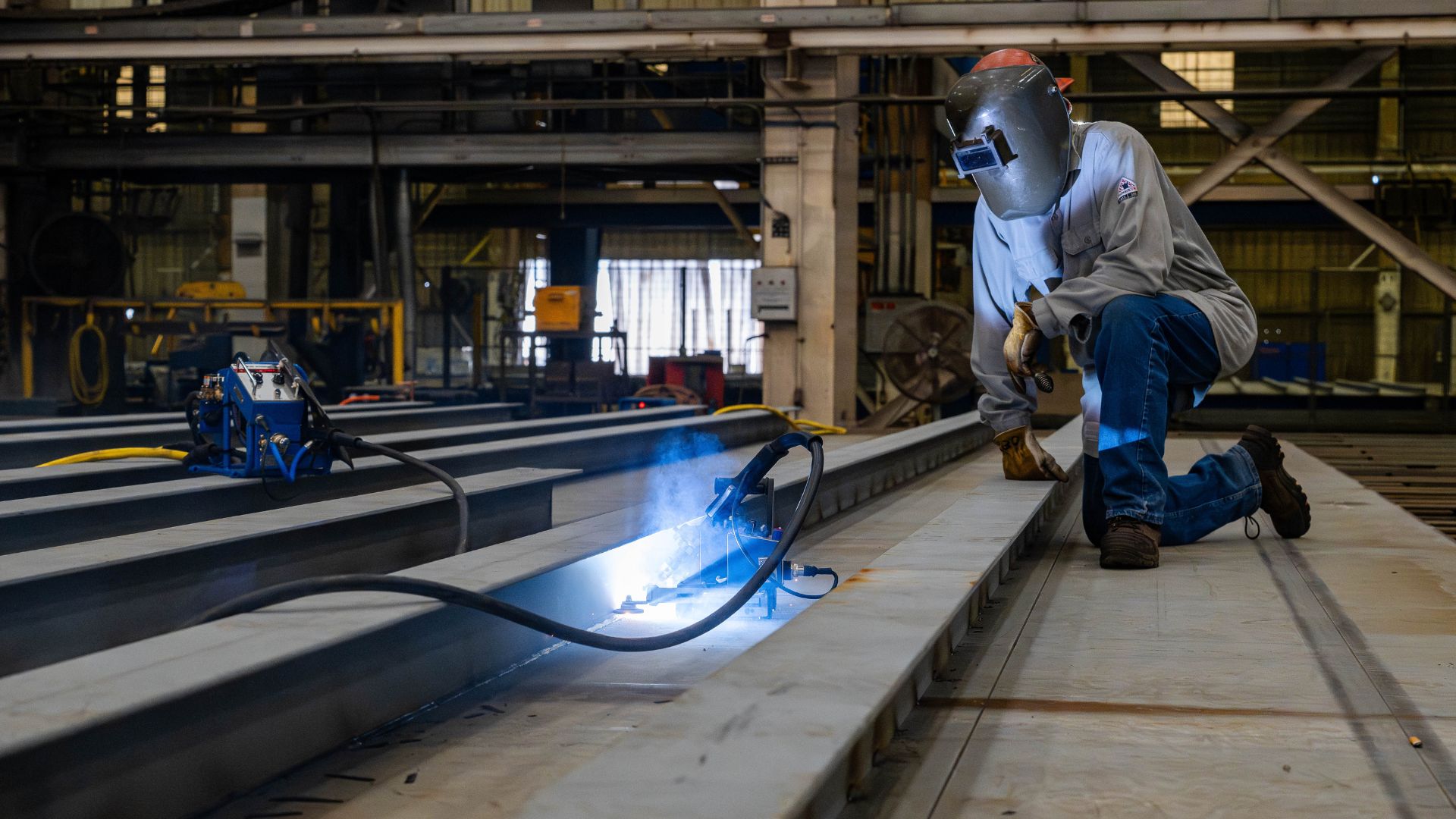
The US Navy's shipbuilding industry is testing a smart welding technology that scans workpieces and auto-adjusts in real-time to increase production efficiency. This innovation aims to address longstanding production challenges. The technology has the potential to improve the quality and speed of shipbuilding.
-
HII and HD Hyundai Heavy Industries are expanding intelligent welding automation at Ingalls Shipbuilding in Mississippi to support U.S. Navy production. This expansion aims to enhance efficiency and productivity in shipbuilding. The partnership leverages advanced technology to improve manufacturing processes.
-
The US Navy and Oshen have successfully mapped shallow waters using an autonomous vessel. The test was conducted off the Mississippi coast to accelerate autonomous maritime technology development.
-

HII reported a 10.9% increase in revenue for the second quarter of 2026, reaching $3.4 billion. The company also secured $6.7 billion in new contract awards, bringing its total backlog to $57.3 billion. The 2026 Navy Summit will discuss topics such as AI, shipbuilding, and digital engineering.
-

The US Navy awarded a $76.6 billion contract to General Dynamics for 9 Virginia-class and 5 Columbia-class submarines. The contract includes funds for workforce improvements and material for a tenth Virginia-class boat.
-

The US Navy's first nuclear aircraft carrier, USS Enterprise, is being scrapped at a cost of $1.3 billion. A $418.5 million contract was awarded to NorthStar Maritime Dismantlement Services for the disposal of the carrier. The ship will be towed to Mobile, Alabama for final dismantling.
-
Huntington Ingalls Industries expands distributed shipbuilding to amphibious ships, starting with Philadelphia (LPD 32). This strategy aims to increase throughput and support the US Navy's programs. The expansion builds on the success of the destroyer program.
-
Hanwha Ocean is expanding its US shipbuilding presence through a design deal with Leidos for military sealift and new workforce partnerships. The agreements cover military sealift design, workforce training, and supply-chain development. This move aims to strengthen Hanwha Ocean's position in the US shipbuilding industry.
-
The new Navy PAE Maritime Shipbuilding Office has reached its initial operational capability, overseeing surface shipbuilding for the US Navy and one Coast Guard program. This office is a key part of the Navy's shipbuilding efforts. The office's IOC milestone marks a significant step forward in the Navy's ability to manage its shipbuilding programs.
-
Hanwha Philly Shipyard has been awarded a $2 billion contract to build two missile-tracking vessels for the US Navy, replacing the aging Pacific Tracker and Pacific Collector. The new vessels will support the US missile defense program. The contract is part of a larger effort to revitalize US shipbuilding and enhance national security capabilities.
-
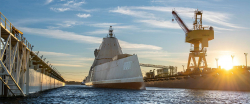
The US needs to align its shipbuilding ambitions with industrial foundations to rebuild its arsenal, according to R. Wood in Proceedings. This requires a realistic approach to building a larger and more capable fleet. The article discusses the importance of a strong industrial base in supporting the growth of the US fleet.
-
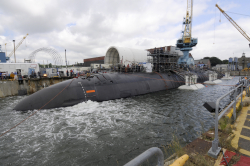
The U.S. Navy's shipbuilding efforts are being hindered by tariffs, resulting in thousands of lost operational days due to trouble obtaining new and spare parts. This issue is affecting the Navy's ability to maintain its fleet. The tariffs are causing significant delays and losses in operational days.
-
The U.S. Navy has awarded a $2.2 billion contract to TOTE Services LLC for Vessel Construction Management to oversee the acquisition of the new Medium Landing Ships. The first LSM is anticipated for delivery in fall of 2029.
-
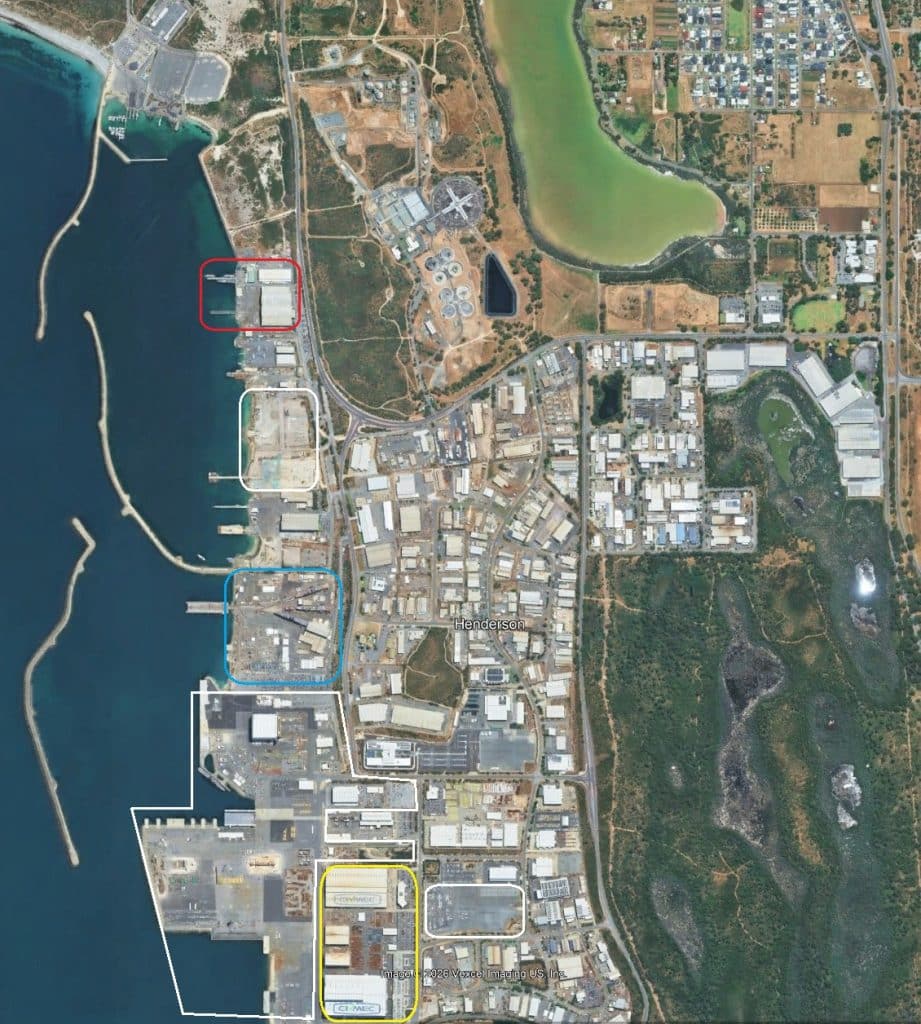
The Henderson Defence Precinct in Western Australia is a key shipbuilding and maintenance facility for the Royal Australian Navy. Naval News provides an overview of the facility's current structure and plans for future modernization and expansion.
-
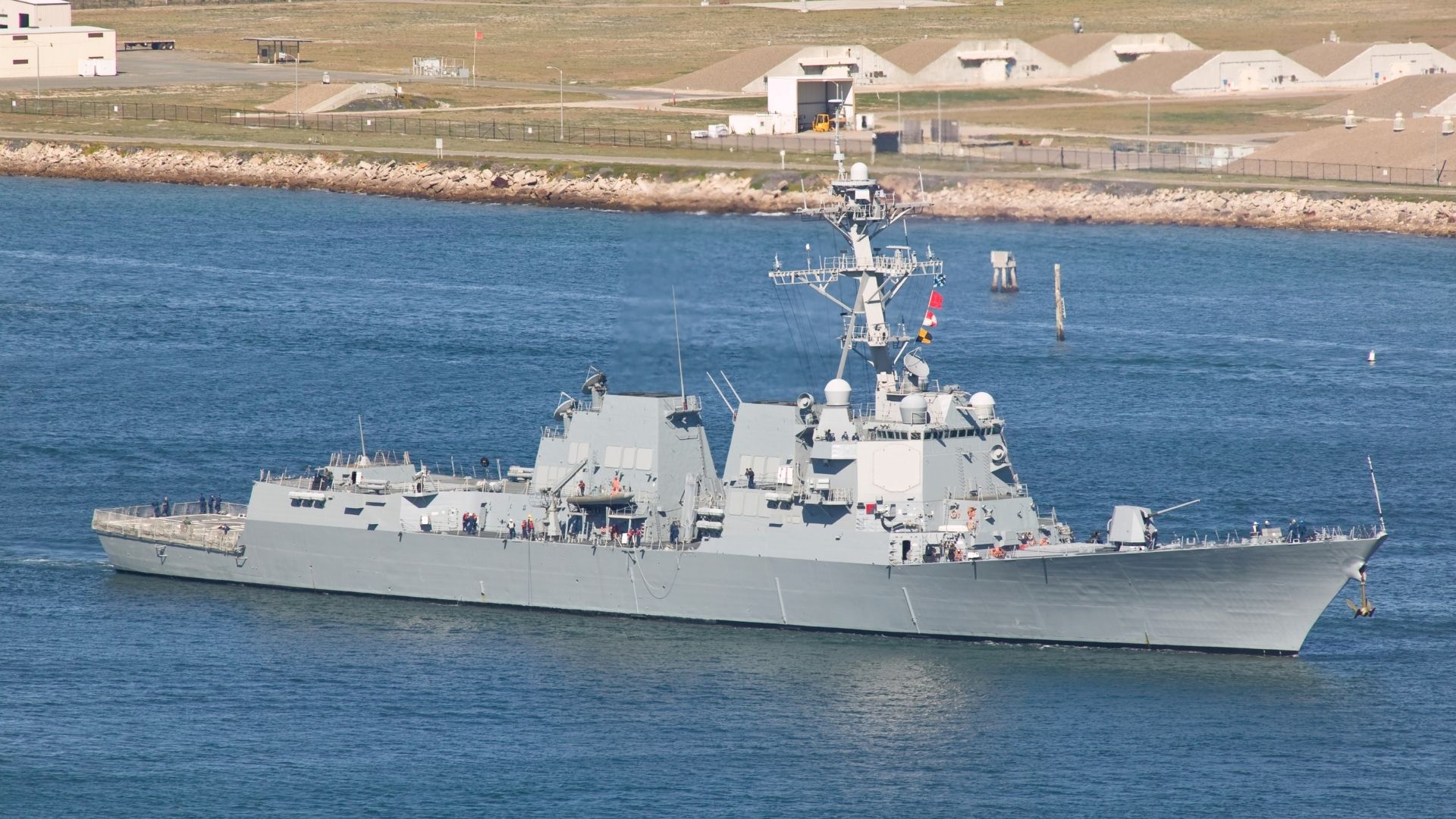
A Virginia-based company has started building the US Navy's next powerful destroyer, capable of conducting anti-submarine operations. The destroyer is being built by HII's Ingalls Shipbuilding division. This new vessel will enhance the Navy's capabilities in anti-submarine warfare.
-
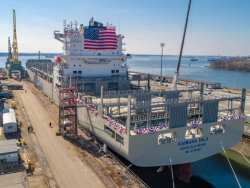
The Senate Armed Services Committee's stance on foreign-built military vessels differs from the House, potentially impacting the US-ROK shipbuilding alliance. This divergence could have significant implications for the future of naval acquisitions. The amendment in question may influence the procurement of auxiliary ships.
-

PENGUIN Shipyard International has completed a composite superstructure for Singapore's Multi Role Combat Vessel using Saab's technology. This marks Penguin's first composite shipbuilding project and naval defence project. The superstructure has been delivered to the Republic of Singapore Navy.
-
The US Navy is addressing its shipbuilding workforce problems by appealing to a younger generation of workers who want more work-life balance. This generation is not afraid to leave a job if their expectations are not met.
-

Sen. Tim Sheehy warns of a significant shipbuilding crisis in the US, with China building ships 230 times faster. This poses a serious national security problem, making the US vulnerable to China.
-

Navy Acquisition Leader William F. Mahan emphasized the need to modernize and restore America's maritime industrial base. He addressed lawmakers and industry partners on Capitol Hill, highlighting the urgency of this effort. The goal is to revitalize American maritime dominance.
-
The Navy is investing in 3D printing technology to improve manufacturing and address declines in the submarine industrial base. The service has pumped billions into additive manufacturing and job training programs.