RTX
▬Steady 38 recent stories · 110 total mentions · #4 of 29 by activity · Following ↗
Contract Activity
-
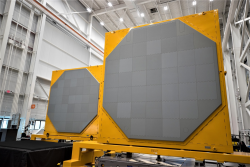
Raytheon is rolling out new generation air and missile defense radars, SPY-6, onto US Navy ships, differing from the existing SPY-1 radars. The SPY-6 radars are part of the US Navy's efforts to modernize its defense systems. This upgrade aims to enhance the navy's air and missile defense capabilities.
-

Raytheon's autonomous launcher has successfully passed a major U.S. Army field test, demonstrating its ability to fire a cruise missile and then be reconfigured to shoot down an incoming enemy missile without a soldier in the driver's seat. The launcher can operate driverless and reconfigure within the same mission. This capability was detailed by Raytheon, the missile and defense systems business of RTX.
-
American Rheinmetall is leading a team to pitch the Lynx XM30 as a replacement for the U.S. Army's Bradley vehicle. The team includes major defense industry players such as Textron Systems, Raytheon, and L3Harris Technologies. They are competing against General Dynamics in the U.S. Army contest.
-
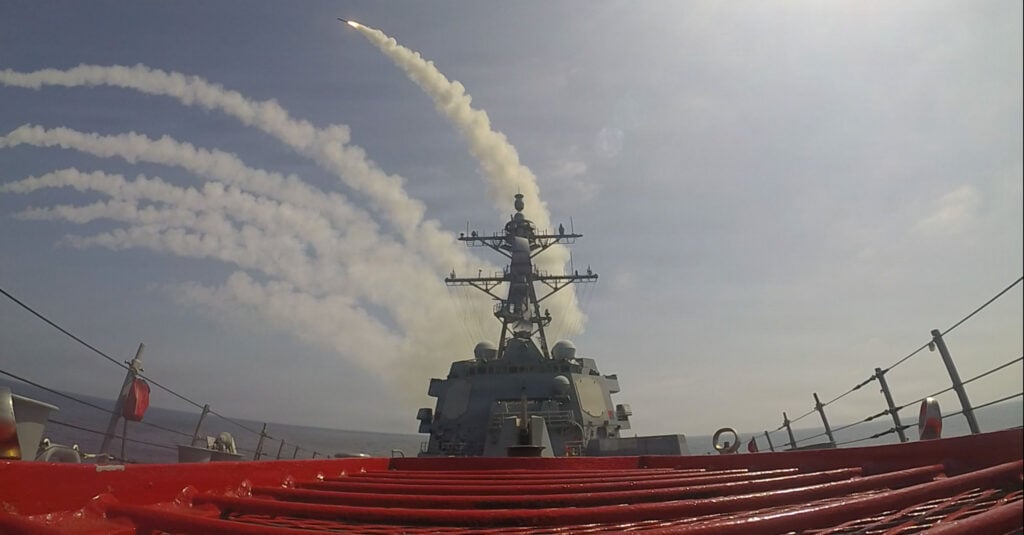
Defense executives are optimistic about Pentagon spending despite uncertainty over the FY27 budget, citing bipartisan support for increased munitions. RTX CEO Chris Calio expressed confidence in Congress' backing for munitions spending during a recent earnings call.
-

The F4U Corsair's distinctive look was a result of the U.S. Navy's decision to use a radial engine design, leading to the development of the largest and most powerful radial aircraft engine at the time. The design choice was made despite the potential for a more streamlined and aerodynamic design with inline engines.
-
RTX has advanced the StormBreaker air-launched weapon from concept to flight testing in under 12 months. The new variant combines Raytheon's weapons technology with a modified TJ-150 engine supplied by Pratt & Whitney.
-

Raytheon has completed the installation of the first land-based SPY-6(V)4 radar array at Wallops Island, Virginia, marking a major milestone ahead of its deployment on USS Pinckney (DDG 91). The array will undergo land-based testing at the Surface Combat Systems Center. This installation is a significant step in the development and integration of the SPY-6(V)4 radar system.
-
RTX is adding $100 million to accelerate LTAMDS radar testing due to increased US budget support and overseas air defense demand. The funding will also support increased production of JMT components as Raytheon expands capacity for long-term defense demand.
-

Pratt & Whitney has been awarded a $1.3 billion contract to supply spare parts for the F-35 engine, aiming to keep global fleets mission-ready. The contract will support the maintenance and upkeep of F-35 aircraft worldwide. This move ensures the continued operational readiness of the F-35 fleet.
-
Airbus CEO reports good momentum on the A400M program, indicating progress and potential growth.
-
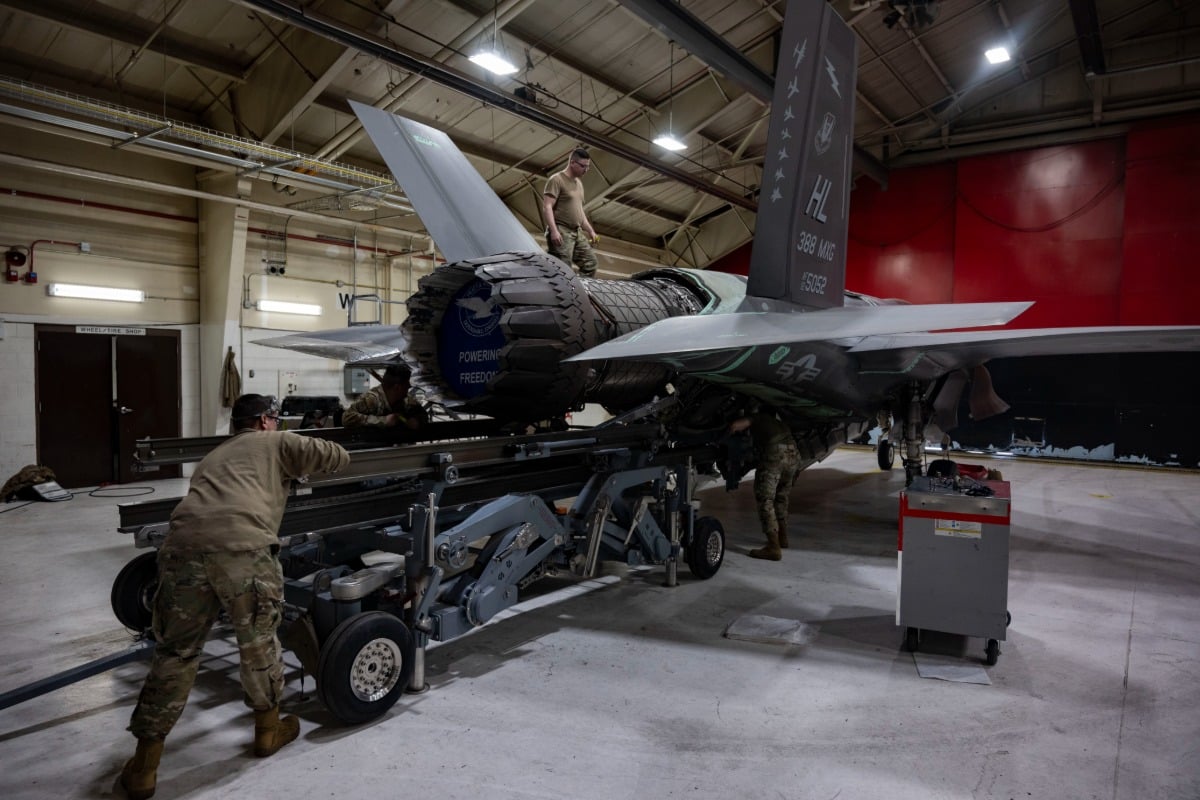
Pratt & Whitney has been awarded a $54 million contract to perform engineering work on the F135 engine, which powers the F-35 Lightning II stealth fighter. The contract aims to resolve issues with the engine. The order is issued under a fixed-price incentive structure that rewards the company for meeting certain performance metrics.
-
MGI Engineering has revealed its Storm Fighter CCA proposal, a new combat aircraft design. The proposal is part of the Global Combat Air Program, a joint effort between several countries to develop a next-generation combat aircraft.
-
RTX and Northrop Grumman have reported significant increases in their backlogs, driven by demand for defense programs such as Patriot, AMRAAM, Sentinel, and IBCS. RTX's backlog reached $119 billion, while Northrop Grumman's reached $104.7 billion. Both companies saw increased sales, with RTX posting $24.7 billion in second-quarter sales and Northrop Grumman reporting $20.0 billion in net awards.
-
Ukraine is maximizing drone production for deep strikes against Russia's oil and gas infrastructure, while Russia targets Ukraine's critical infrastructure.
-

Defense industry leaders met in a closed-door session to discuss funding plans with the Trump administration. The meeting resulted in alignment on $73 billion in Pentagon and intelligence funding. Major defense contractors such as Raytheon, Lockheed Martin, and Northrop Grumman were in attendance.
-
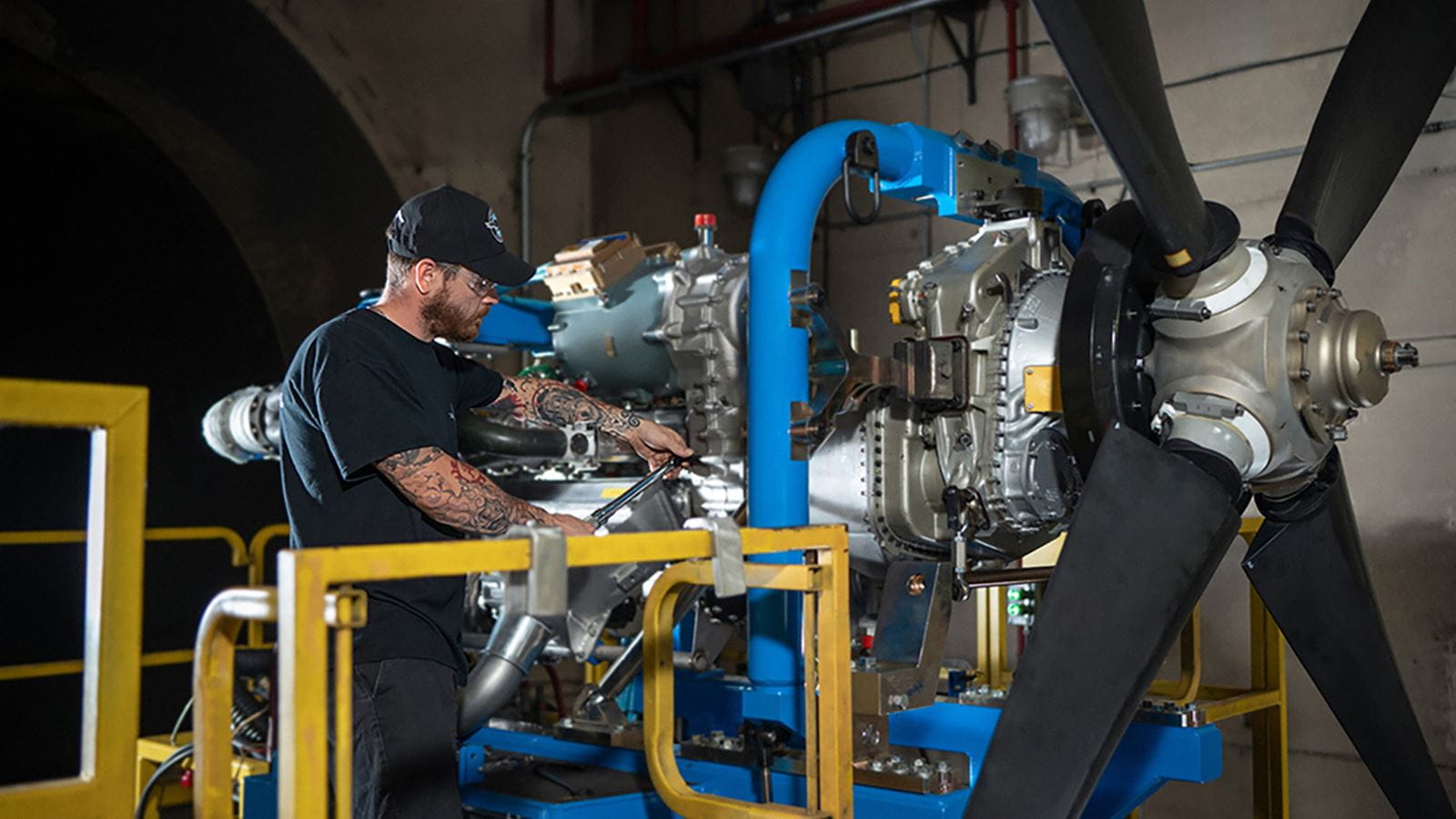
Pratt & Whitney Canada has begun ground testing for its hybrid-electric flight technology in Quebec. The testing is a significant step towards proving the viability of hybrid-electric technology in flight. This technology has the potential to increase efficiency and reduce emissions in aircraft.
-
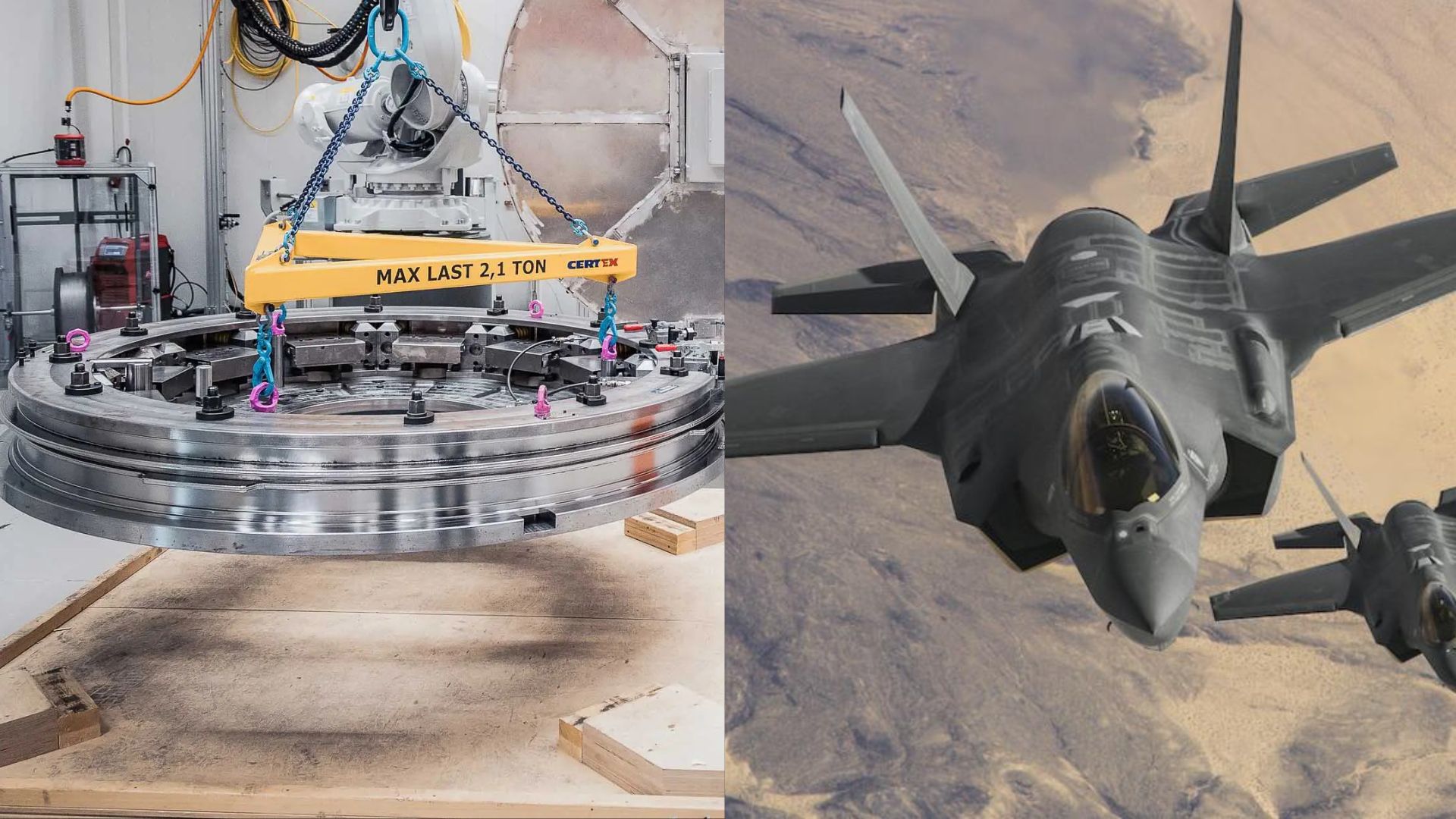
Pratt & Whitney and GKN Aerospace are developing a 3D-printed metal case for the F-35 fighter jet engine, with testing expected by 2028. This collaboration aims to leverage additive manufacturing for large-scale components. The project showcases the potential of 3D printing in aerospace engineering.
-
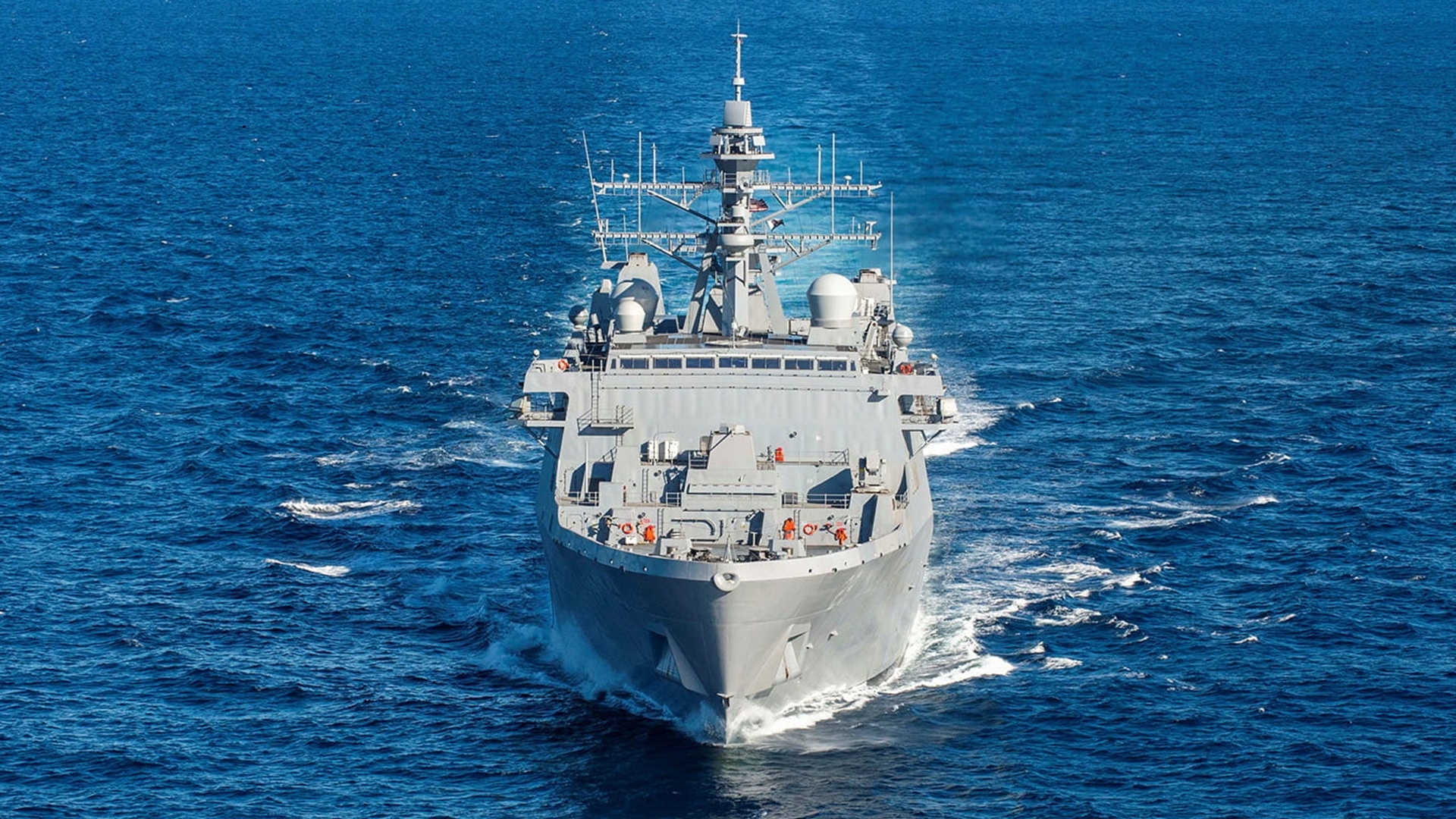
Raytheon has secured a $1.8 billion contract extension to build and support SPY-6 radar systems for US Navy ships. The contract will expand the radar systems' capabilities.
-
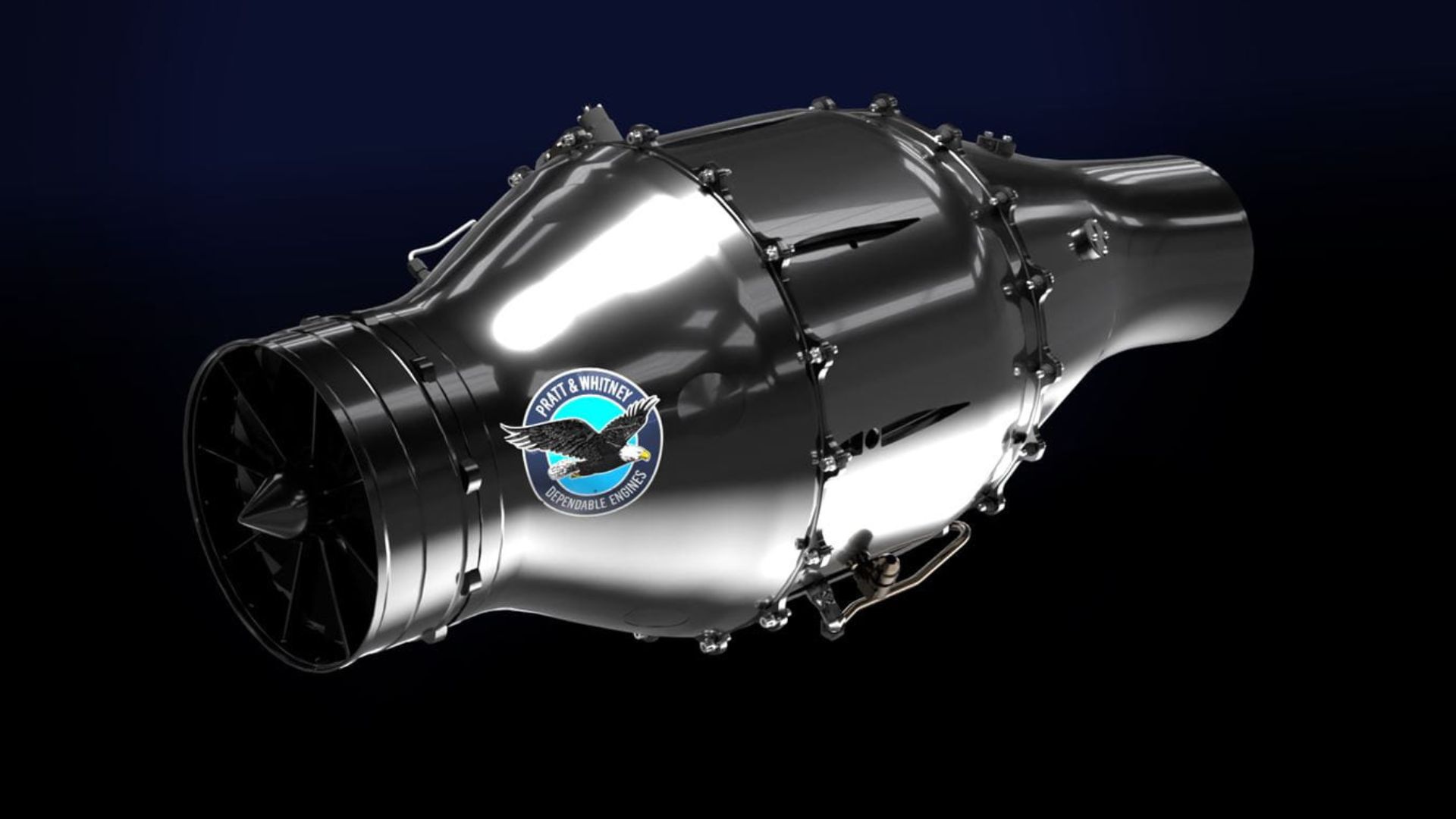
Pratt & Whitney's Valox 1500 engine has completed a key design review, marking a significant step towards fast-tracking autonomous military aircraft with a digital-first design. The engine is intended to support the development of unmanned aerial vehicles. This advancement could lead to enhanced military capabilities.
-
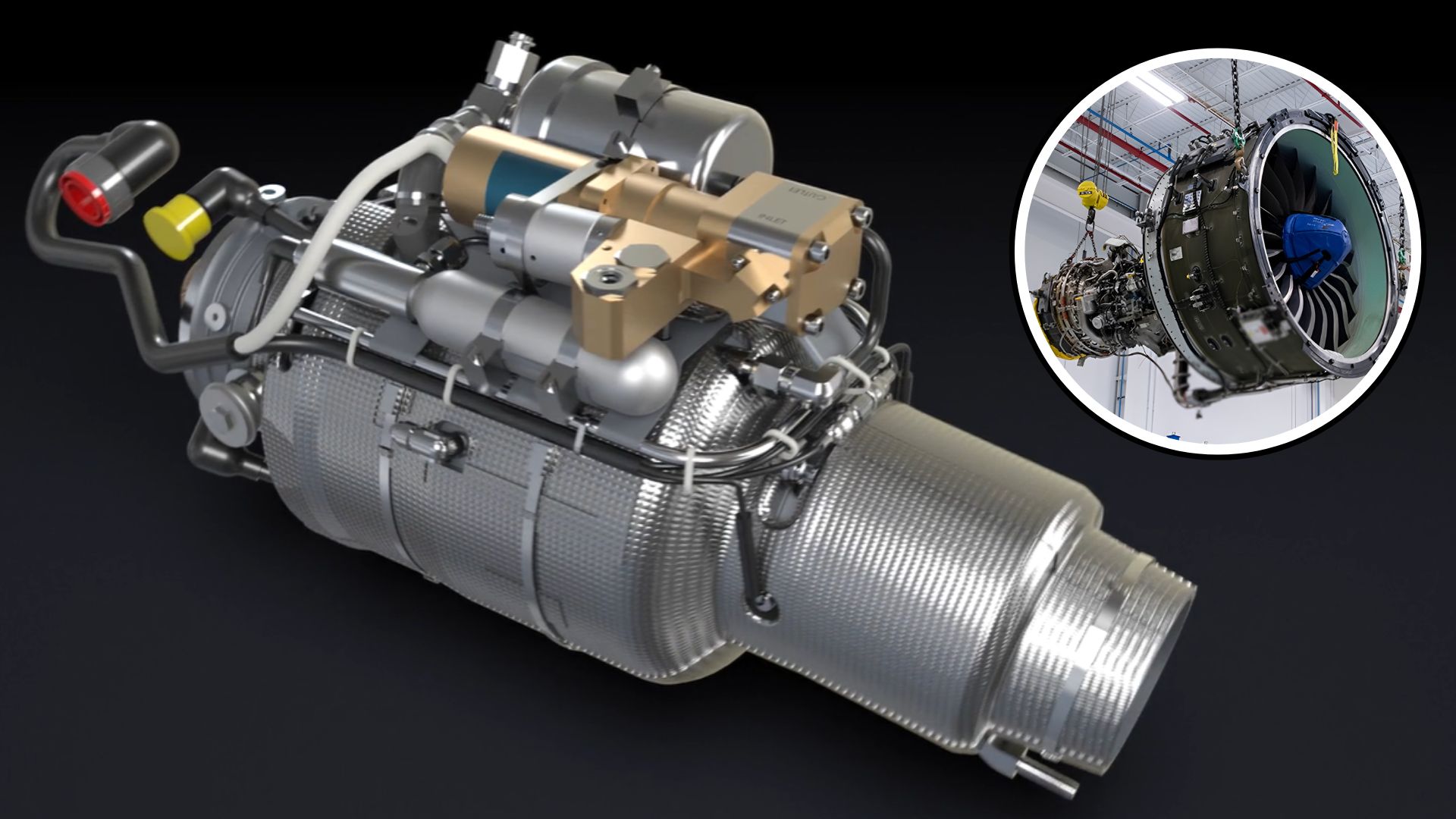
Pratt & Whitney has completed demonstration testing of an additively manufactured version of its TJ150 missile engine, with nearly 60% of its hardware being 3D-printed. This testing marks a significant milestone in the development of advanced manufacturing techniques for missile engines. The use of 3D-printed hardware could potentially lead to increased efficiency and reduced production costs.
-
Raytheon is restarting production of the ADM-160 MALD air-launched decoy to meet increasing demand from the US and NATO. The MALD is used to draw fire from enemy air defenses, and the restart is in response to rising demand for such systems.
-
The Australian Army has completed its first AH-64E Apache live-fire training in Australia during Exercise Possum Guns. This marks a new step in the ADF's 29-aircraft attack helicopter program.
-

Pratt & Whitney is increasing production of its PW1900G engine, with the first engine built in Middletown, Connecticut, set to be delivered this month. The company is expanding its assembly capacity in Connecticut while continuing production in Mirabel, near Montreal. This move aims to boost production of the smallest variants of its geared turbofan family.
-
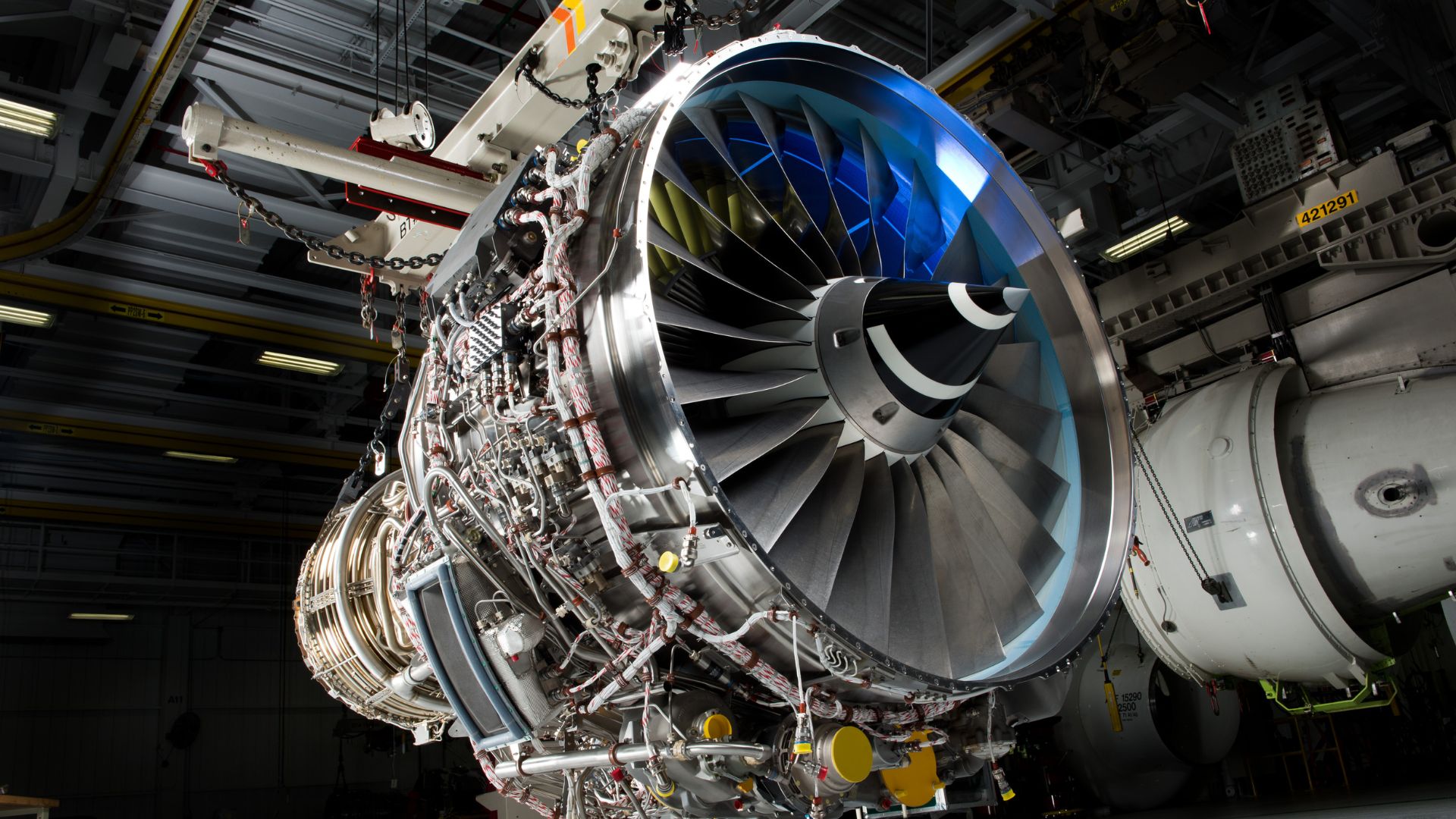
Pratt & Whitney acquires Aiir Innovations, integrating AI-powered engine inspection technology to speed up aircraft engine inspections. The automated borescope software deployment aims to improve efficiency. This technology is expected to enhance maintenance operations for aircraft engines.
-
The US Air Force has conducted a live-fire test of its Collaborative Combat Aircraft (CCA) program, featuring an Anduril YFQ-44A unmanned fighter jet firing an AIM-120 missile at a digital target. The test marks a significant milestone in the development of semi-autonomous fighter drone technology. The UK has also unveiled its Storm Fighter Loyal Wingman Program, aiming to fly alongside Typhoon, F-35, and future Tempest aircraft.
-
Raytheon's Next Generation Short Range Interceptor (NGSRI) missile has successfully demonstrated its capabilities in a series of tests, marking a key step in the US Army's effort to replace the Stinger air defense system. The NGSRI uses a Command Launch Assembly, precision-optics seeker, and solid rocket motor to engage airborne threats. The missile has shown promising results, scoring direct hits in long-range aerial threat tests.
-
Pratt & Whitney is incorporating robotics into its GTF assembly line, aiming to improve efficiency and productivity. The move marks a significant investment in automation technology. This development is expected to enhance the manufacturing process of aircraft engines.
-
Omnia Training, led by Raytheon UK, has been awarded a £2 billion contract by the UK Ministry of Defence to deliver the British Army's digitally enabled collective training system. The contract establishes Omnia Training as the British Army’s Strategic Training Partner. This partnership aims to enhance the army's training capabilities through digital means.
-
The US Navy is advancing an electronic warfare upgrade for the F/A-18E/F aircraft, developed by Raytheon.
-
Raytheon has been awarded a contract to supply Patriot GEM-T missiles to Poland, strengthening NATO's air defense capabilities. The award was announced at the NATO Summit Defence Industry Forum in Ankara.
-
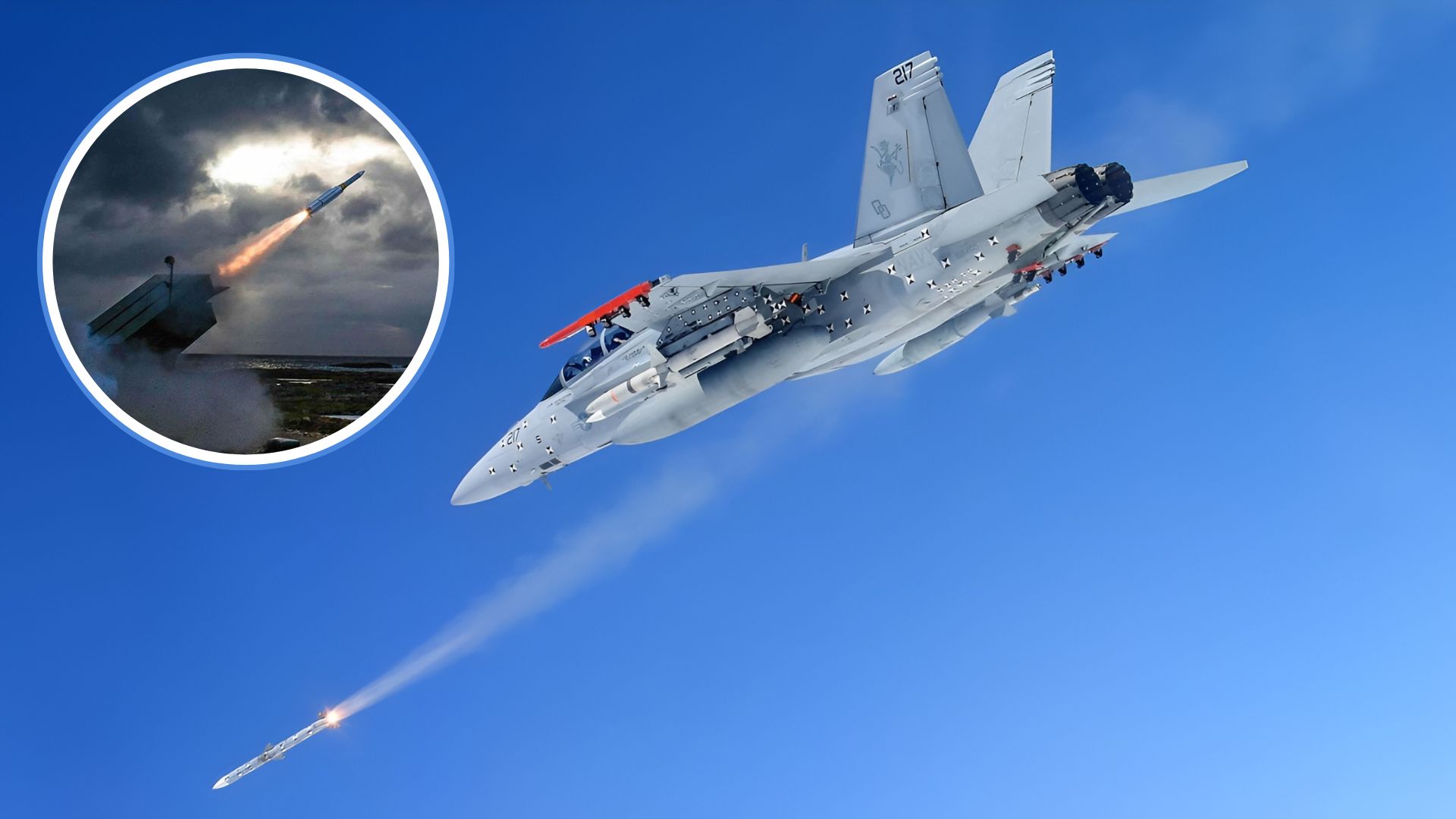
Raytheon plans to expand production of its AIM-120 AMRAAM missile through a multinational effort with NATO partners. The goal is to co-develop parts for the Mach 4 missile. This expansion aims to enhance the missile's capabilities and production efficiency.
-

Toby O'Brien, a veteran of the defense industry, has joined Everfox as its chief financial officer. He previously served as CFO at Intelsat and held various leadership roles at Raytheon. Everfox is a cybersecurity company that resulted from the rebranding of Forcepoint Federal in 2024.
-
Kongsberg has signed a $400 million contract to deliver the NASAMS air defense system to Kuwait through the US Foreign Military Sales program, with support from Raytheon. The contract is valued at approximately $400 million for Kongsberg. This deal highlights the ongoing international cooperation in defense systems and the role of US foreign military sales in facilitating such transactions.
-
Raytheon is creating a large-aperture telescope for the Lazuli Space Observatory to facilitate rapid observations and precise astrophysics. The telescope will be used for space-based observations. This development is part of Raytheon's efforts in the space industry.
-
RTX is nearing the prototyping phase for the Standard Missile Follow-On program. The program aims to develop a new missile system. RTX is making progress in the development phase.
-

Raytheon has been awarded a $1.1 billion contract from the US Navy to produce AIM-9X Block II missiles. The contract is for the production of these advanced missiles, which will be used by the Navy. This is a significant award for Raytheon and highlights the company's importance in the defense industry.
-
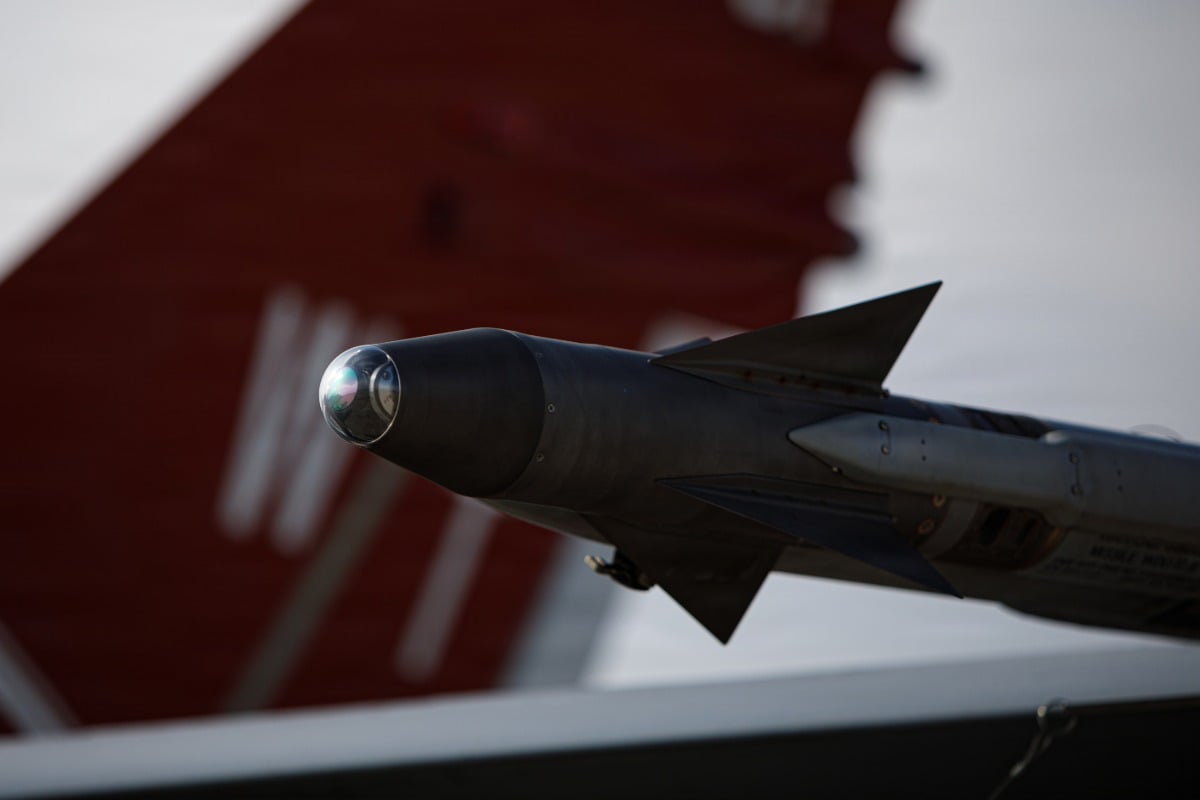
Raytheon has secured a $1.1 billion contract to produce nearly 2,000 AIM-9X Sidewinder air-to-air missiles for the US military and foreign customers. The contract aims to expand production capacity to meet global demand. The AIM-9X is a short-range dogfight missile with advanced infrared tracking capabilities.
-
MDA Space is acquiring Blue Canyon Technologies from Raytheon for $620M to strengthen its US aerospace market presence. The all-cash transaction aims to boost MDA Space's manufacturing capacity. The deal is intended to expand MDA Space's footprint in the industry.