NATO
▼Cooling 40 recent stories · 542 total mentions · Following ↗
-
The Belgian Air Force has deployed its MQ-9B SkyGuardian system to support NATO operations in the Mediterranean Sea. The deployment is part of Operation Silent Spear and will support Sea Guardian and Noble operations. The MQ-9B was deployed to the naval air base of Sigonella in Sicily.
-
ASELSAN has provided Romania's Contraamiral August Roman corvette with Turkish-developed naval radar and combat systems. This is a significant export for NATO, showcasing Turkish defense technology. The integrated package of naval systems enhances the corvette's capabilities.
-

The British military is utilizing virtual gaming worlds, such as Skyral, to train soldiers in complex decision-making. A consortium including Skyral has been awarded a £2bn MoD contract for this purpose. The virtual environments are designed to simulate real-world scenarios, including urban warfare.
-
A new program for a low-cost, air-to-air missile has emerged, expanding the US military's search for a counter-air missile. The program includes language questioning a global trend towards advanced missiles.
-
The NH90 Block 1 has begun flight testing with new capabilities, including Link 22, upgraded sensors, and enhanced anti-submarine warfare. This upgrade is for NATO fleets. The first flight of the NH90 in its Software Release 3 configuration has been completed by NHIndustries and the NATO Helicopter Management Agency.
-
Northrop Grumman aims to double its international sales to $10 billion by 2031, driven by demand for unmanned surveillance aircraft and missile-defense systems. The company is also eyeing a potential sale of up to five Tritons for High North surveillance. This goal is supported by rising demand for various defense products, including munitions and manned platforms.
-

Galvion's helmet factory in Poland has shipped over 90,000 ballistic helmets to NATO allies in its first year of operation. The company designs and manufactures soldier head protection, power systems, and integrated soldier systems. This milestone confirms the success of Galvion's investment in the factory.
-
HENSOLDT CEO Oliver Dörre reports increasing demand for radar systems across various programs, including NATO air defense, combat aircraft, and space-based intelligence. This growth is driven by modernization efforts in Ukraine, NATO missile defense, Eurofighter, naval modernization, and space programs. The demand for radar systems is broadening across these sectors.
-
The US has not agreed to grant Ukraine licenses to produce Patriot missiles, according to recent statements from Trump and US Ambassador to NATO Matthew Whitaker. The decision is reportedly due to concerns over American weapons stockpiles. Meanwhile, the US has signed a deal to boost production of Patriot and THAAD missile parts.
-
NATO's next-generation rotorcraft project has advanced to the concept design stage, with four pre-qualified bidders receiving detailed requirements. The project aims to develop a new military rotorcraft, led by six alliance members. Bidders have until August 31 next year to respond to the request for proposals.
-
Sikorsky is attempting to sell its Raider helicopter to NATO, despite the US rejecting it. The company is trying to find alternative buyers for the aircraft. The Raider helicopter is a potential replacement for existing fleets, offering advanced capabilities.
-
Airbus' chief executive believes the company could receive additional orders for the A400M military transport aircraft through a pooled plan among NATO allies. The plan would allow NATO members to share resources and capabilities, potentially increasing demand for the aircraft.
-
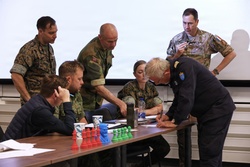
NATO information operations specialists met with the US Marine Corps to expand their knowledge and capabilities. The meeting aimed to enhance their skills in information operations. This collaboration is part of NATO's efforts to improve its information operations capabilities.
-
A Russian missile has breached NATO airspace in Poland, raising concerns about the escalation of the war in Ukraine. The missile, identified as a Kh-101 cruise missile, flew for six minutes in Polish airspace before crashing. Poland's leader, Donald Tusk, confirmed the incident and summoned the Russian ambassador.
-

Rafael's model for tactical communications enables tech transfer and local engineering, and can be used as a template for NATO partners. This approach allows for sovereign and NATO-ready C3I systems. The model goes beyond foreign sales, providing a framework for collaboration and technology sharing.
-
The NATO Support and Procurement Agency has established framework contracts with five suppliers for tactical and deployable counter-unmanned aircraft systems. This move aims to provide Allies with faster access to C-UAS systems. The contracts will facilitate the procurement of counter-drone technologies.
-
NATO deployed F-35 fighters from Denmark, Netherlands, and UK in a multi-domain air defense drill over the eastern flank. The exercise aimed to enhance air defense capabilities. The participation of F-35 fighters highlights the aircraft's role in modern air defense strategies.
-
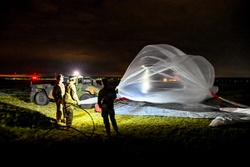
The US Army's Multi-Domain Command - Europe is conducting a Micro High-Altitude Balloon training event in Poland to support deterrence and readiness along NATO's eastern flank. The event, called Cold Raptor, will take place in July 2026. It aims to enhance the army's capabilities in the region.
-
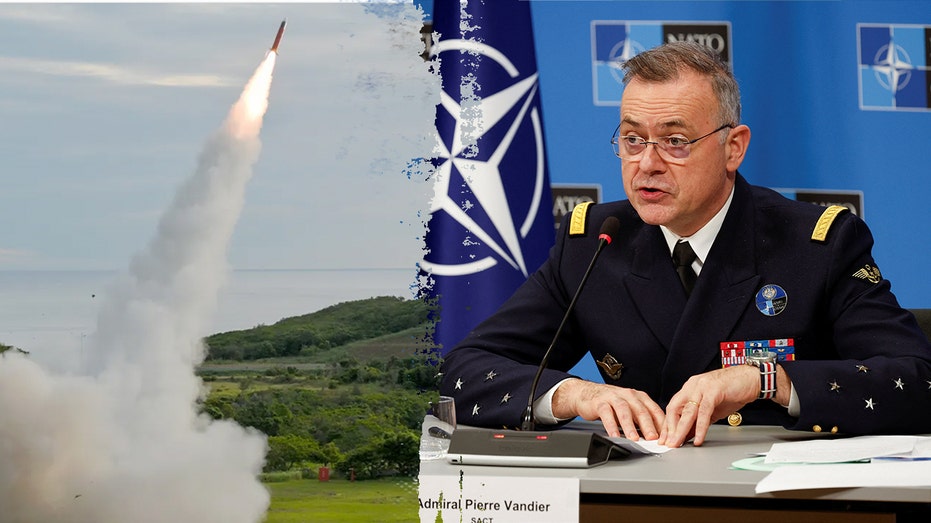
NATO's top transformation commander warns that the West cannot produce enough Patriot missiles, highlighting a significant weapons gap. The commander suggests that the entire weapons industrial base needs to be redesigned. This shortage could impact NATO's defense capabilities.
-
Romania, a NATO member, has shot down stray drones from the Ukraine war after years of incursions. This incident highlights the ongoing conflict's impact on neighboring countries. Romania's actions demonstrate its efforts to protect its airspace and security.
-
Drone incursions are causing fear and chaos along NATO's Baltic and Finnish borders. The incidents have raised concerns about the security of the region. The use of drones in this context highlights the potential threats posed by unmanned aerial vehicles to national security.
-
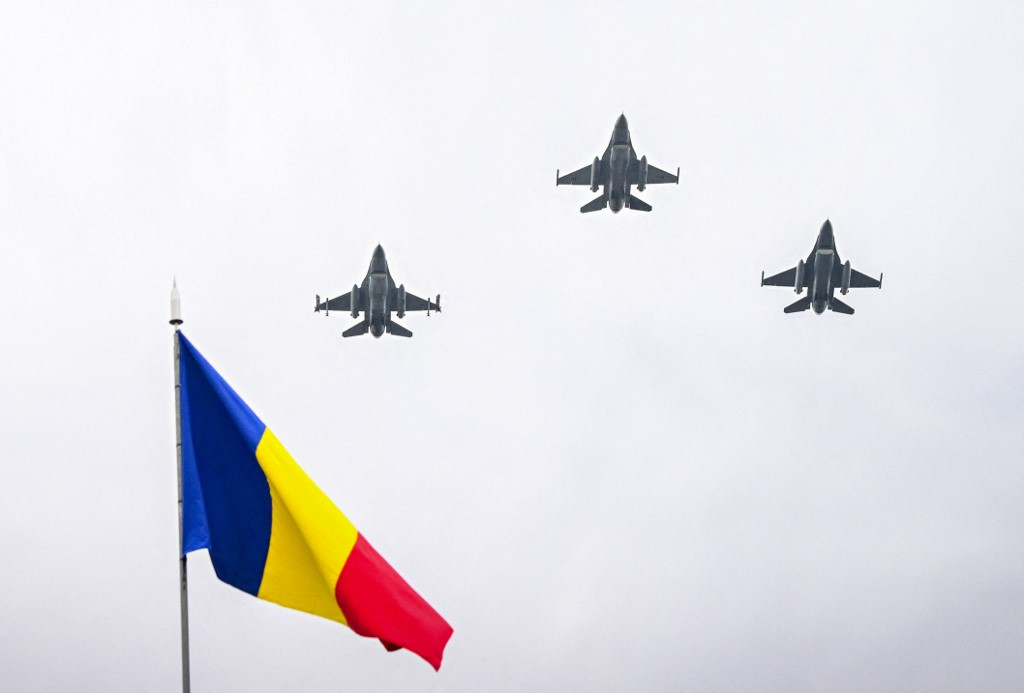
Romania spent €1.5 million to shoot down three Russian drones that entered its airspace in three days, highlighting the high cost of defending NATO borders. This incident is driving efforts to deploy more affordable counter-drone systems. The expenditure underscores the financial burden of defending against drone threats.
-
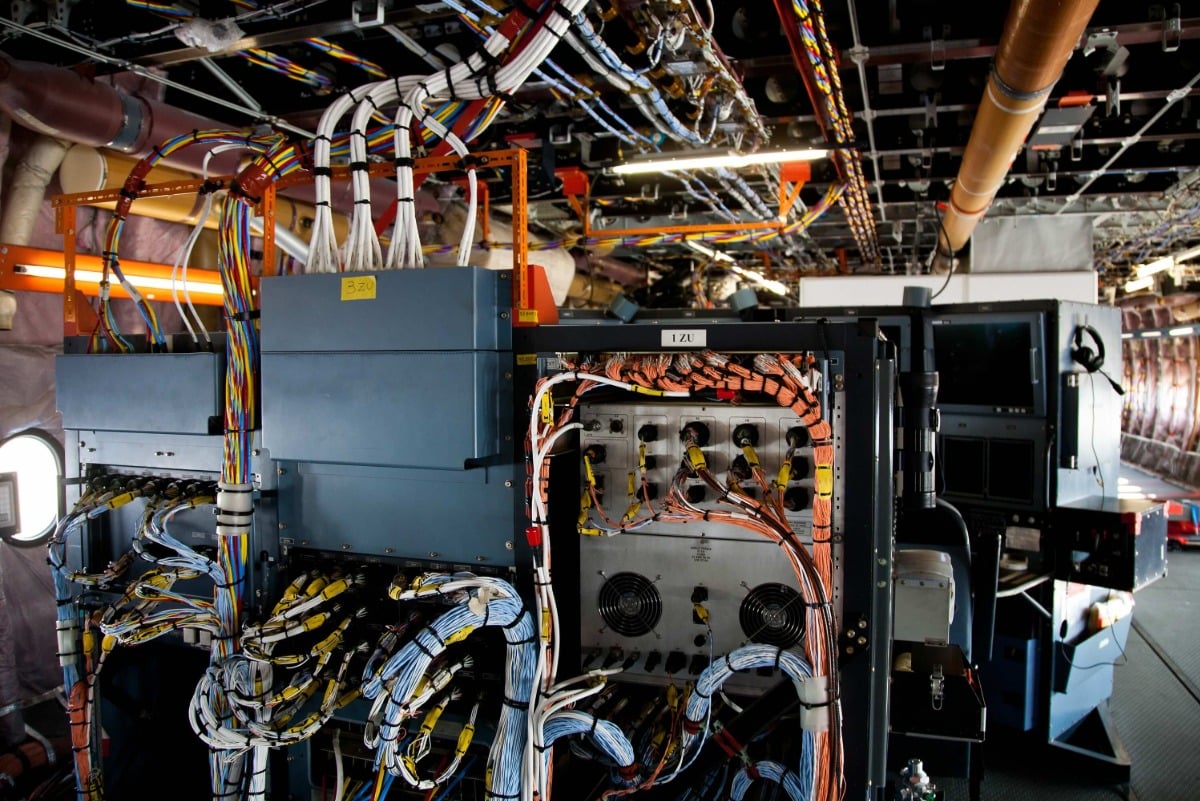
NATO leaders announced over $50 billion in new defense procurement deals, covering precision strike weapons and air and missile defense systems. Member states also committed to a five-year, $40 billion investment. The investments aim to enhance NATO's military capabilities.
-
Amazon is seeking approval for a 5,105-satellite constellation for direct-to-device services.
-

The U.K. Carrier Strike Group and Spanish Navy Expeditionary Strike Group completed Neptune Strike 26-3, a NATO exercise in the High North and North Atlantic. The exercise involved ships, submarines, and aircraft from multiple countries. Neptune Strike 26-3 aimed to enhance vigilance and cooperation among NATO forces.
-
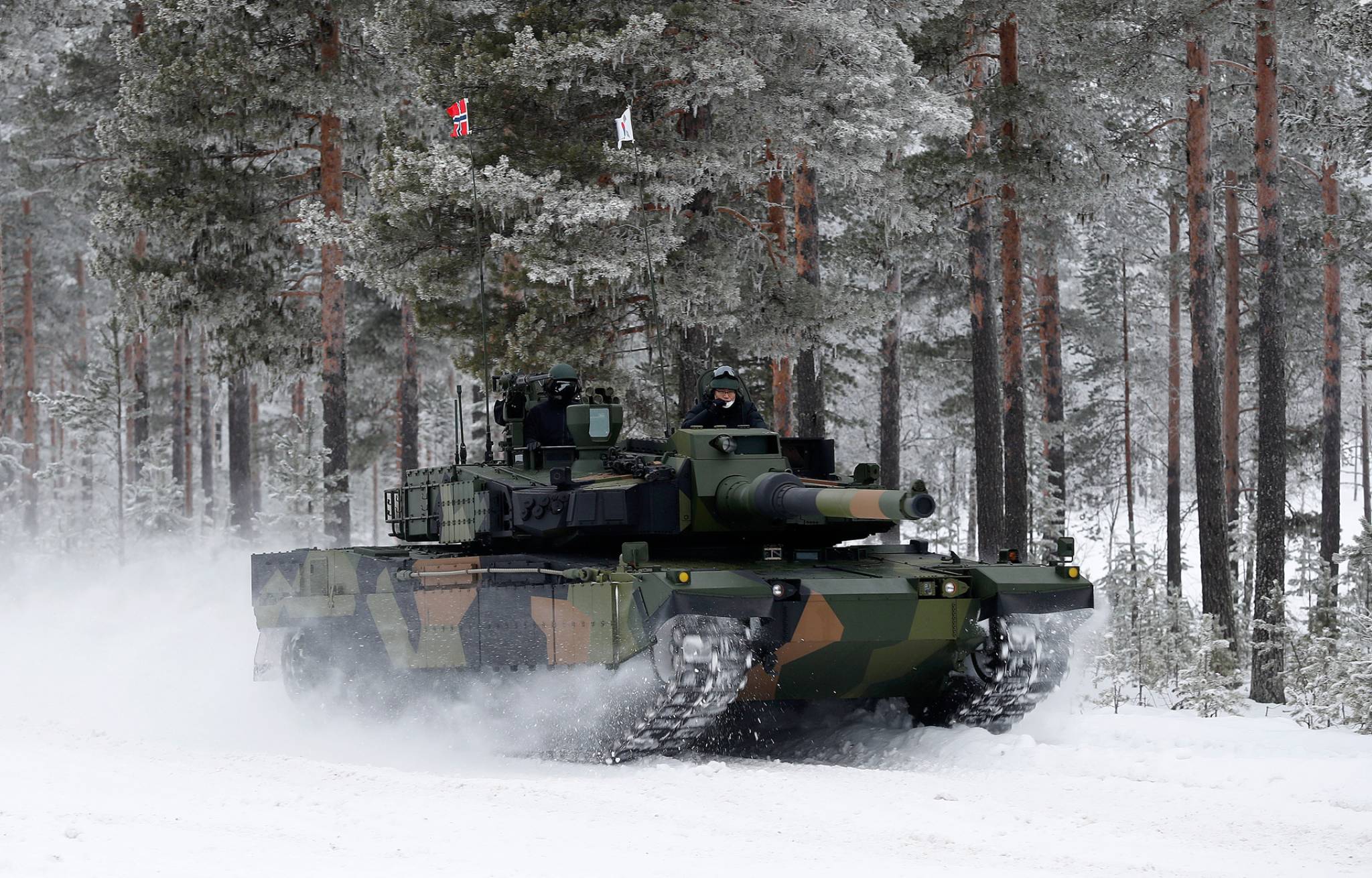
The K2 Black Panther is a NATO-certified main battle tank from South Korea, known for its advanced capabilities. It has become one of the most commercially successful main battle tanks. The tank's advanced features make it a significant asset on the battlefield.
-
Bombardier sees the NATO purchase of GlobalEye as a catalyst for more orders, indicating potential growth in demand for the platform. The GlobalEye is an airborne early warning and control system, providing advanced surveillance capabilities. This development may lead to increased adoption of similar systems by other countries or organizations.
-
Rheinmetall has received an order from the Bundeswehr for 56 HX81 Elefant 2 heavy-duty transporters to strengthen Germany's NATO logistics capacity. The order is part of an effort to enhance the country's military logistics capabilities. This acquisition will support the Bundeswehr's operational needs.
-
NATO's reliance on an 'easy button' approach threatens the alliance's next-generation air defense capabilities. This issue poses significant risks to the alliance's defense systems and highlights the need for a more robust and adaptable approach to air defense. The article discusses the potential consequences of this vulnerability and the importance of addressing it to ensure the alliance's security.
-
Dutch and Danish F-35 fighter jets participated in a multinational Weapons Instructor Course at Leeuwarden Air Base in the Netherlands. The training took place from July 6 to July 10 and aimed to enhance F-35 integration in Northern Europe. The course focused on weapons training, promoting cooperation among NATO allies.
-
Boeing highlights global demand for the P-8 Poseidon at Farnborough, with Germany expanding its maritime patrol and anti-submarine warfare capability. The P-8 Poseidon has a fleet of 178 aircraft worldwide. Germany's NATO maritime role is also being emphasized.
-
The US has conducted its first sea drone strike in Iran, marking a new era in NATO warfighting. NATO militaries are integrating sea drones into their naval operations, with the US being the first ally to use one in combat.
-
Four years of war have significantly reshaped Russia's defense industrial base, creating an asymmetric threat to NATO. Russia can now rapidly scale production of battlefield-proven weapons, combining Soviet-style resource allocation with selective market mechanisms.
-
The UK Carrier Strike Group has completed the first phase of its 2026 deployment to the Arctic and North Atlantic after three months of NATO operations, including Arctic air policing and F-35B missions near Russia. The deployment marks a significant milestone in the group's operations. The F-35B missions demonstrate the group's advanced capabilities.
-
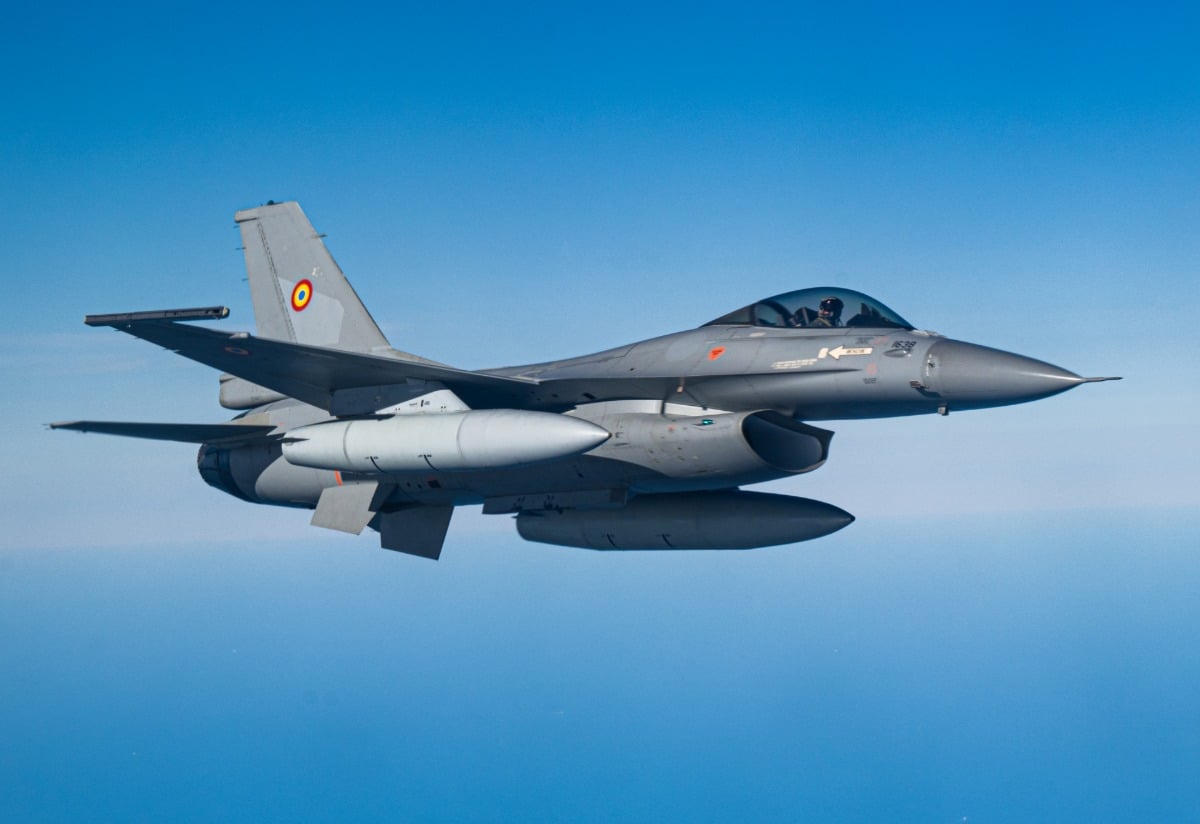
Romania has shot down several drones in its airspace, with the majority being suspected Russian drones. The drones were intercepted by Romanian F-16 fighter jets, marking a significant escalation in the country's response to airspace incursions. The incidents have raised concerns over the impact of the Russia-Ukraine war on NATO states.
-
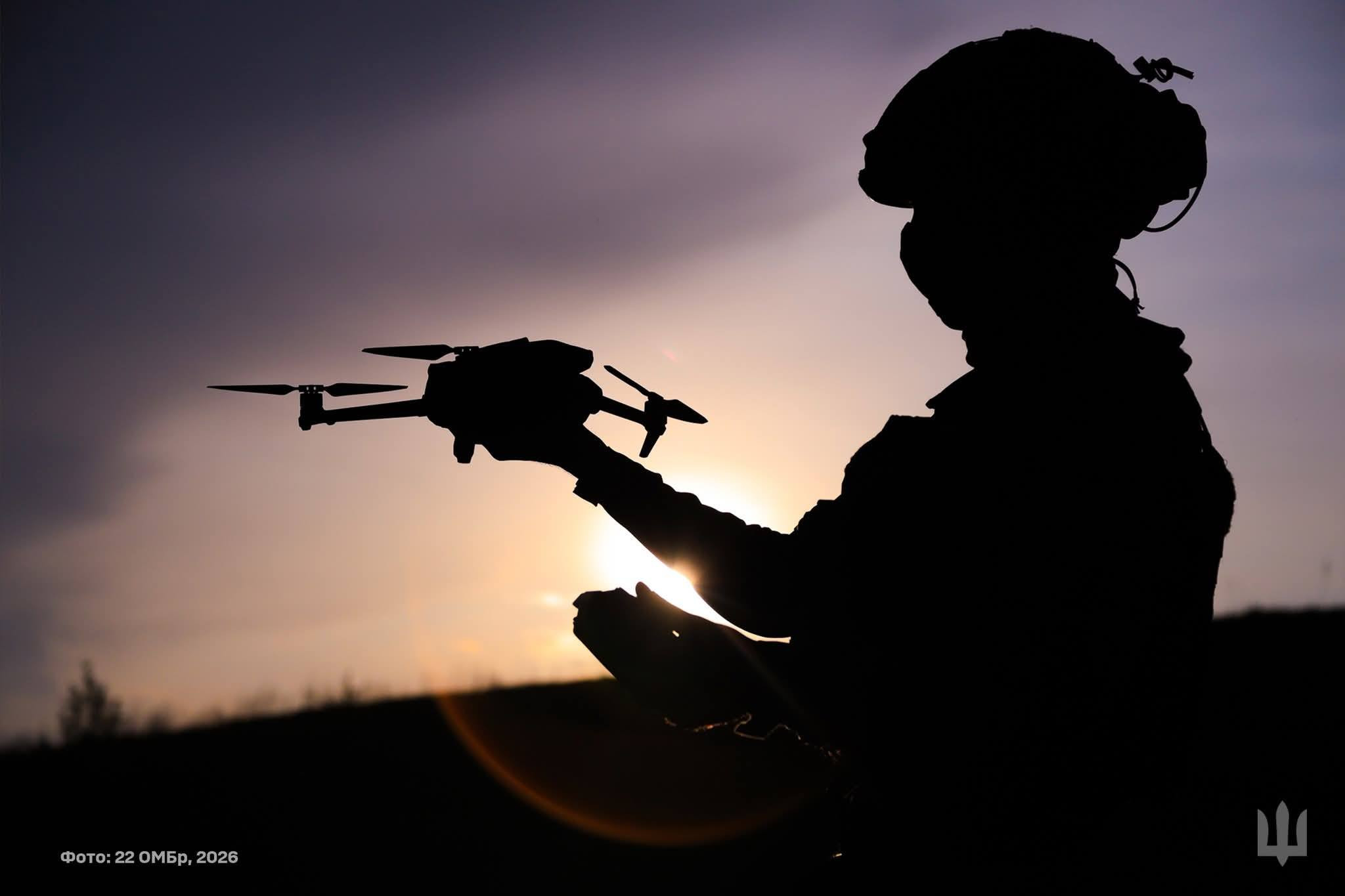
The US military used the Merops drone system to down an Iranian Shahed-type drone in Kuwait. The Merops drone was previously tested and used by Ukrainian forces to destroy Russian-launched drones. The AI-equipped drone is effective in electronic warfare environments.
-
Thales and Destinus have signed a strategic cooperation agreement to work together on counter-UAS systems, long-range strike, and ground-based air interception. The partnership aims to enhance NATO's air defence capabilities. This collaboration will focus on developing and producing advanced systems for air defence and counter-drone interceptors.
-

President Trump used an older Air Force One plane to depart from the NATO summit in Turkey due to a credible threat from Iran and its proxies. The threat led to a change in plans for the President's flight.
-
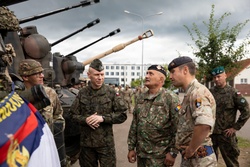
Romania's Deputy Chief of Defence, Lt. Gen. Dragoş‑Dumitru Iacob, visited the NATO Forward Land Forces Battle Group–Poland to assess training and capabilities. He received briefings from Polish and US commanders and toured a static display of armored vehicles. The visit aimed to review infrastructure and multinational interoperability.
-
Ukraine is maximizing drone production for deep strikes against Russia's oil and gas infrastructure, while Russia targets Ukraine's critical infrastructure.