SpaceX
▲Rising 30 recent stories · 105 total mentions · #8 of 28 by activity · Following ↗
Contract Activity
-

Multiple constellations are staking claims for communications satellites in non-geostationary orbit, posing a challenge to newcomers in the industry. The market is dominated by vertically integrated giants like Starlink. Newcomers face an uphill battle to establish themselves alongside these entrenched players.
-

SpaceX plans to start deploying upgraded Starlink satellites into orbit on its Starship vehicle, with the next flight scheduled for the end of the month. This marks a significant step for the company's Starship program. The upgraded Starlink satellites will be launched into orbit, expanding the company's satellite constellation.
-
The Space Force has awarded $615M in contracts for a second batch of aircraft-tracking satellites, building on a previous $4.16B award to SpaceX. The new contracts are part of the SB-AMTI program.
-
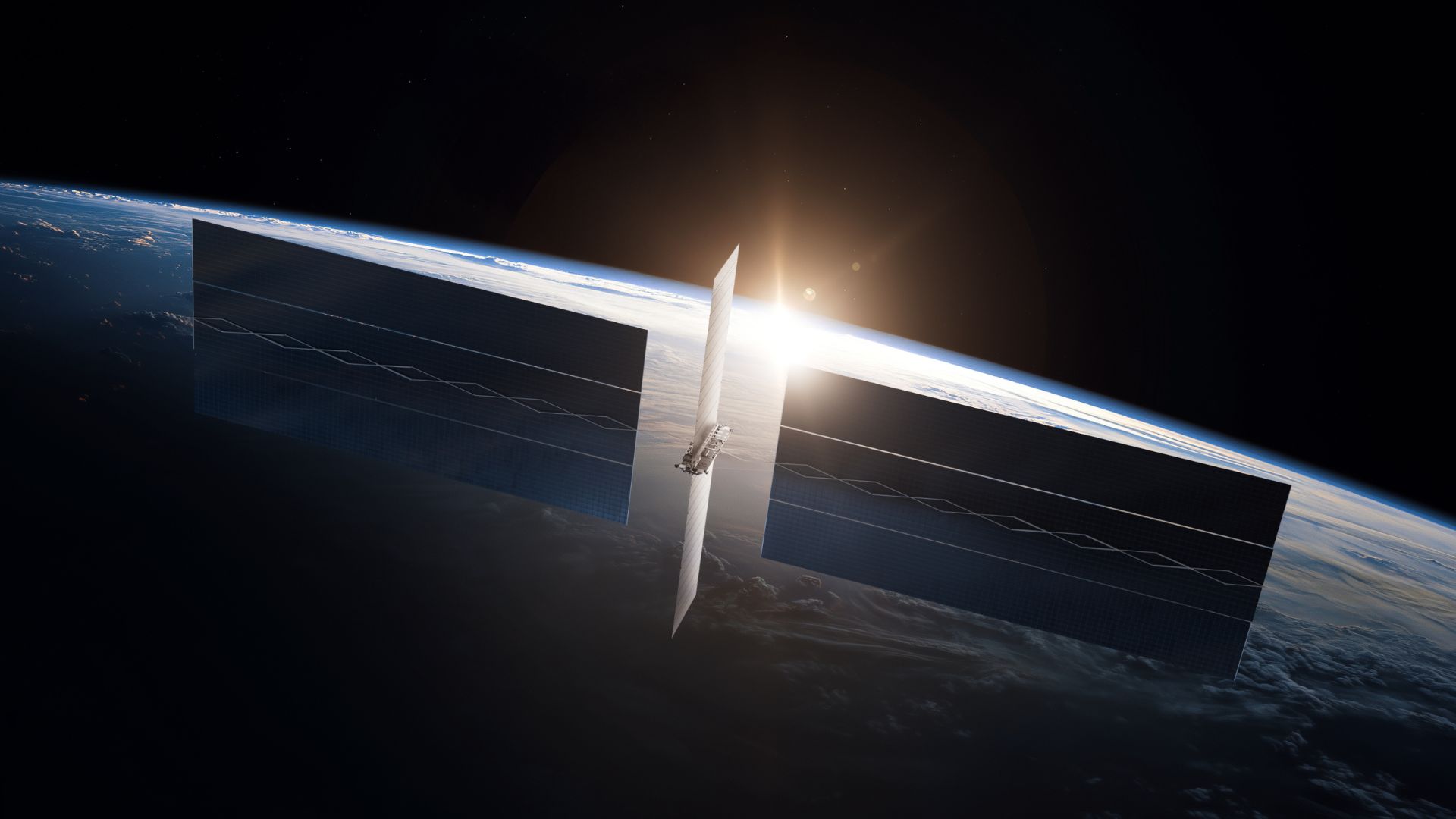
SpaceX and Nvidia are collaborating on a satellite that will utilize Nvidia's Rubin chips to power an orbital data center with AI capabilities. The satellite, called Starmind AI1, will take artificial intelligence beyond Earth's atmosphere. This partnership aims to enhance space-based data processing and analysis.
-

EdgeRunner AI's onboard neural network enables military robots to continue missions without connectivity, reducing reliance on external networks. This technology allows for more autonomous operations in the field. The development is seen as a significant innovation in the context of competition with major US adversaries.
-

Russia's Rassvet satellite network, a rival to Starlink, has achieved steady coverage over Ukraine, providing reliable connectivity for over an hour daily. The system is being developed to counter Western satellite communications
-

SpaceX launched a classified American spy satellite into orbit using a rocket booster that has flown to space and back seven times. The launch is part of a campaign by the National Reconnaissance Office, which has been quietly running at an unprecedented pace. The details of the satellite and its mission are not publicly disclosed.
-

Russia has launched a series of missile and drone attacks on Ukraine, killing and injuring multiple people across the country. The attacks have sparked fires, destroyed buildings, and left emergency crews searching for survivors. The situation is ongoing, with multiple reports of explosions and damage in various regions of Ukraine.
-

The US Space Force has awarded SpaceX a $1.6 billion contract for 18 Falcon 9 launches to deploy sensing and targeting satellites. The contract is part of the Space Force's National Security Space Launch (NSSL) Phase 3 Lane 1 program. The launches will carry payloads for the Space Based Sensing and Targeting portfolio and will support military communications and targeting missions.
-

Ukraine's President Zelensky has asked the US for an emergency package of 300 Patriot missiles to defend against Russian ballistic missiles. Ukraine's stockpiles are almost depleted, and the country cannot defend itself without them.
-

Nvidia, Microsoft, and other major tech companies have launched an AI alliance following a significant OpenAI cyberattack. The alliance aims to enhance cybersecurity and AI capabilities. Major technology and cybersecurity companies are joining forces to address AI security concerns.
-
Ukraine's Stetman company is developing a 360-satellite network to reduce reliance on foreign-operated services like Starlink. The constellation, designed to serve state and military users, will be launched in phases, with the first 120 satellites scheduled for 2027. The network is intended to withstand electronic warfare.
-

The Security Service of Ukraine detained a resident of Dnipro for organizing a scheme to activate over 1,000 Starlink satellite terminals for Russian forces. The suspect was recruited via Telegram and used proxy data to register the devices. Authorities have blocked all 1,000 terminals and charged the suspect with aiding a foreign state.
-

SpaceX conducted the 13th suborbital test flight of its Starship, addressing issues from the previous flight and successfully deploying functioning satellites. The test objectives for the Starship-Super Heavy Flight 13 were met, marking a significant milestone for the program.
-

Ukraine's Security Service detained two men in Kyiv for registering 76 Starlink satellite terminals for Russian intelligence. The men used Ukrainian passports and a postal worker's help. They face life imprisonment for their actions.
-
A robotic servicing mission has launched into orbit to extend the life of satellites in geosynchronous orbit. The mission uses a robotic spacecraft with on-orbit servicing capabilities. Multiple launches have been reported, including a SpaceX launch with a satellite repair drone featuring 10-foot robotic arms.
-
Telesat's asset-light approach is compared to SpaceX's financial resources, potentially impacting the satellite industry
-
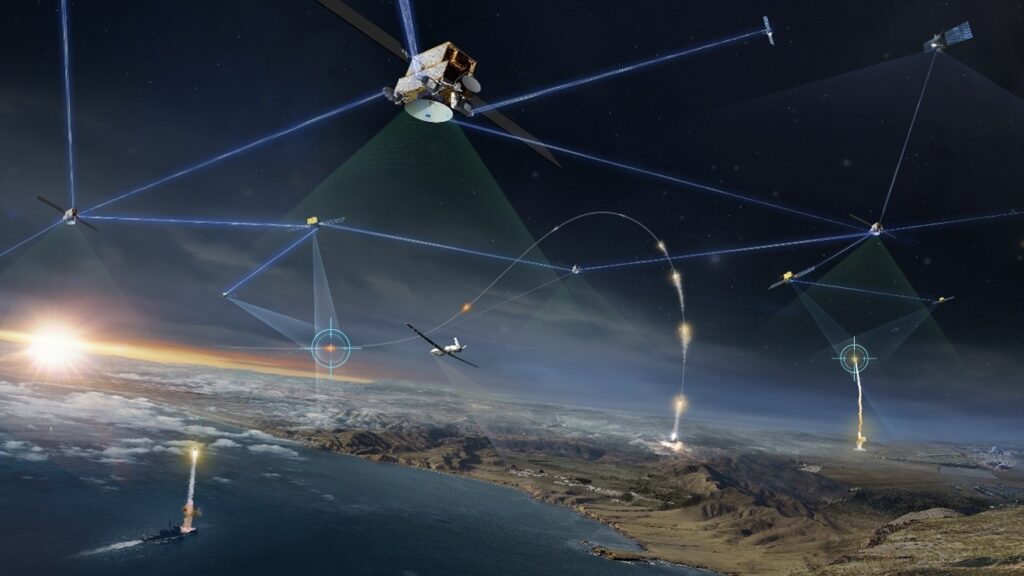
The Space Development Agency (SDA) is resuming its satellite launch campaign after addressing technical issues with its Tranche 1 Transport Layer birds. The next set of 21 satellites is set to launch on a SpaceX Falcon 9. SDA Director Gurpartap Sandhoo confirmed that software and hardware issues were resolved before the launch.
-

SpaceX plans to launch Starship on July 16 to test fixes from the previous flight and deploy Starlink satellites. The launch aims to address issues from the prior flight and ensure the successful deployment of functioning satellites.
-

China has successfully launched and recovered its Long March 10B reusable rocket, a significant breakthrough for its satellite industry. This achievement could enhance China's competitiveness in the space technology sector. The launch marks a key milestone in China's space program, potentially paving the way for future advancements.
-
The Philippines plans to launch a military satellite and establish a space center by 2028. This move aims to enhance the country's defense capabilities and improve its space technology.
-

Apolink has established contact with its first satellite after a successful launch on SpaceX's July 7 rideshare mission. The satellite will be used for a data relay demonstration using an experimental license from the FCC.
-

SpaceX's satellite has won a test, demonstrating the Pentagon's commitment to competition in the industry. The military is rushing to deploy proliferated networks, with SpaceX's dominance attracting congressional scrutiny.
-

Ukrainian President Zelensky says the war's outcome will be determined by the skies, citing Ukraine's expanding drone campaign and Western air defenses. He calls for more Patriot systems and licensed production in Ukraine.
-
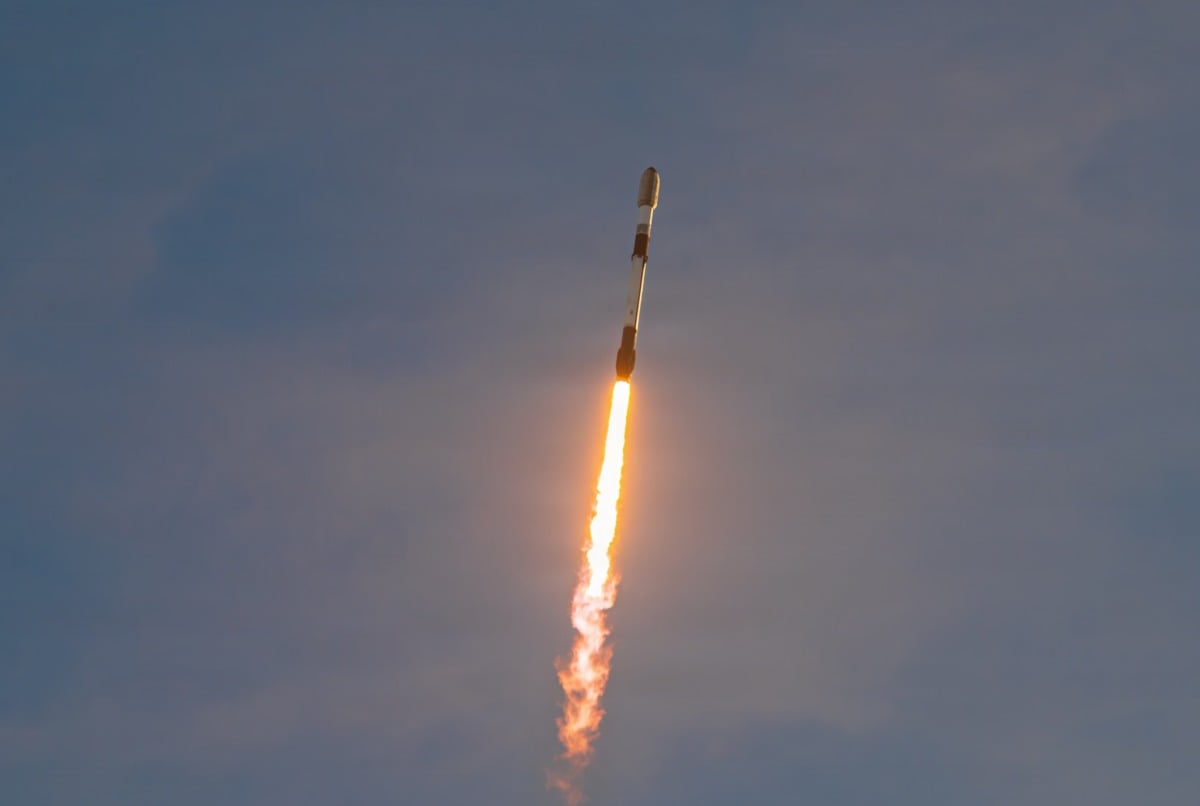
SpaceX's Starfall demonstration flight and Outpost Space's CarryAll Block 3 are being considered for military supply chain use in orbit. The recent flight sparked analyst interest due to its unusual silence, reminiscent of national security launches. This development could potentially transform orbit into a military supply chain.
-
Rocket Lab has agreed to acquire Iridium Communications in an $8 billion deal, combining launch, satellite manufacturing, and global communications capabilities. The acquisition is part of Rocket Lab's effort to become an end-to-end space company. The deal is seen as a move to challenge SpaceX and expand Rocket Lab's presence in the space services market.
-

Weather Stream's GEMS2-Amethyst satellite has started collecting global atmospheric observations. The satellite was launched on March 30 aboard the SpaceX Transporter 16 rideshare. It is using a microwave radiometer to gather data.
-

China's SpaceSail, a government-backed project, aims to rival Elon Musk's Starlink in the satellite internet industry. Although SpaceSail has only a few hundred satellites, it is already negotiating with dozens of countries. SpaceSail plans to begin its first commercial services soon.
-

A trade association for non-geostationary satellite operators has been formed, with Amazon and several others as members, but notably without SpaceX. The association aims to represent the fast-growing NGSO market. SpaceX has the largest NGSO constellation despite not being part of the association.
-
Rocket Lab launched a satellite for the U.S. Space Force's Victus Haze responsive space exercise, demonstrating rapid threat characterization and rendezvous operations.