Space Systems Command
–Quiet 8 recent stories · 11 total mentions · Following ↗
-

Rocket Lab has been awarded a $266 million contract by the US Space Force for up to 18 suborbital launches to support missile defense development. The launches will take place from a new facility in Alaska, with the majority of the missions occurring over the next three years. This contract marks the largest single launch agreement secured by Rocket Lab to date.
-
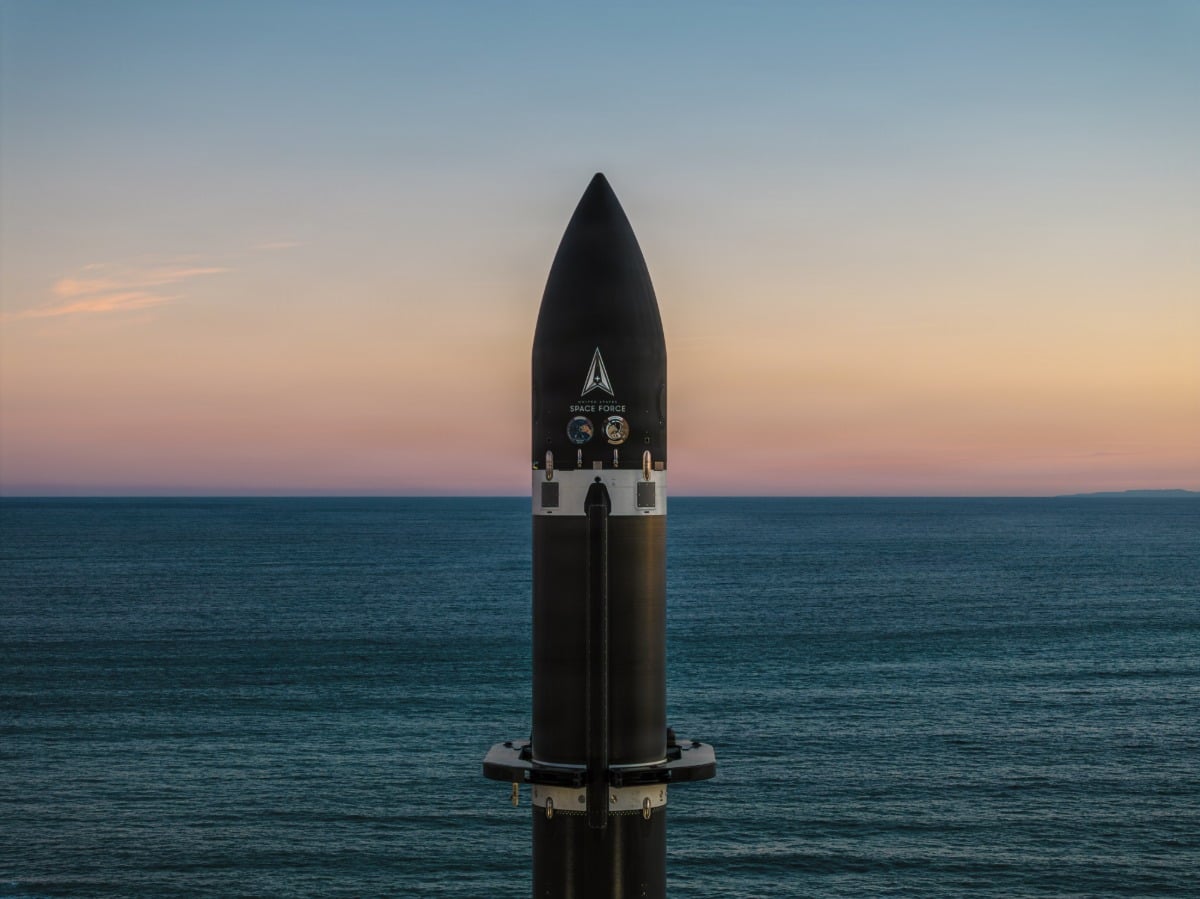
The Pentagon's Space Systems Command awarded Rocket Lab USA a $266 million contract for suborbital launch services. The contract covers 12 confirmed launches with an option for six more, to be conducted from the Pacific Spaceport Complex on Kodiak Island, Alaska, through 2028.
-

The Space Force has issued a draft RFP and RFI for its payload processing management effort, with comments due August 6. A final RFP is expected in early fiscal year 2027. The effort is part of the Space Systems Command's NSSL Enterprise initiative.
-
SES Space & Defense has secured a 5-year agreement with the US Space Force to provide managed Ku-band satellite connectivity for global missions. The contract is a Blanket Purchase Agreement, facilitating the provision of satellite communications services. This partnership aims to support the US military's global operations with reliable satellite connectivity.
-

The US Space Force has added two startups, Relativity and Impulse Space, to its National Security Space Launch program, increasing the number of qualified launch providers to seven. The program is a $5.6 billion contract vehicle that supports risk-tolerant national security launch missions using commercial-capable vehicles. The addition of these startups expands the competitive field for launch missions and provides new opportunities for innovative companies to contribute to national security space launch capabilities.
-
Air Space Technologies has won a contract to provide critical US air traffic control technologies, including AI-based logistics software. The technologies will be the backbone of the FAA's envisioned air traffic control system. The contract is part of the US Department of Transportation's effort to modernize US air traffic control.
-
Rocket Lab launched a satellite for the U.S. Space Force's Victus Haze responsive space exercise, demonstrating rapid threat characterization and rendezvous operations.
-
Russia's Burevestnik cruise missile, known to NATO as SSC-X-9 Skyfall, has the capability to fly for days due to its nuclear-powered engine. The missile's development and potential implications are being closely watched. Its long-endurance flight capability makes it a significant asset for Russia's military.