U.S. Marine Corps
▲Rising 40 recent stories · 184 total mentions · Following ↗
-
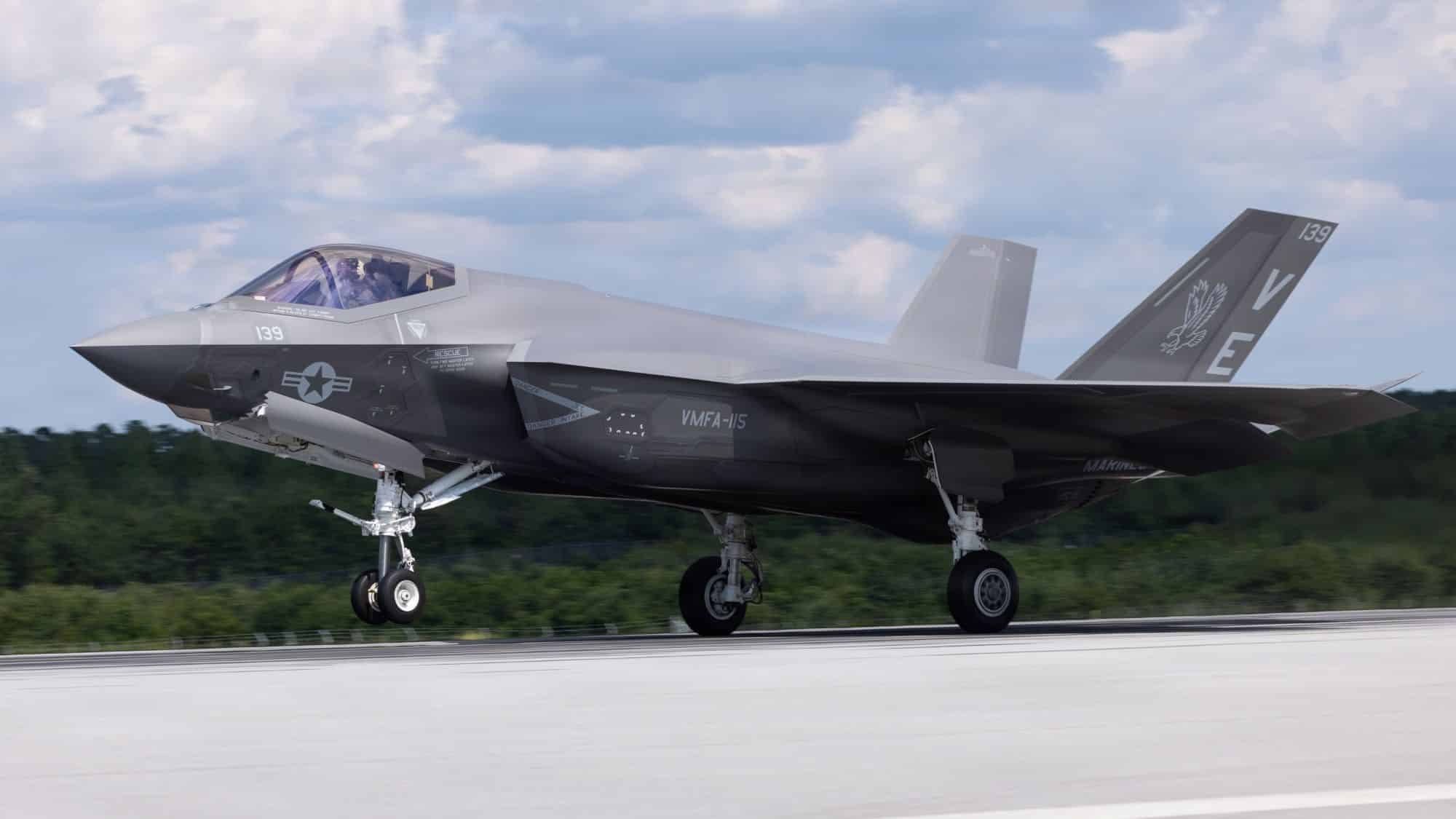
The US Marine Corps' VMFA-115 squadron has taken its first flight with the F-35C, marking a step towards its reactivation as an F-35C squadron. The squadron was previously disbanded after flying legacy F/A-18C/D Hornets. Reactivation is expected later this year.
-
The 4th Marine Regiment made history with the first-ever US Marine Corps attack drone live-fire series in South Korea, demonstrating the Marine Corps' ability to rapidly field emerging technologies. The training series featured two distinct events, showcasing the use of first-person view (FPV) attack drones. This marks a significant milestone in force modernization for the Marine Corps.
-
US Marine Corps Capt. James T. Lanza's path to becoming an F-35B pilot began with his education in accounting, leading to his commission and training in the Marine Corps. He earned degrees from Herkimer County Community College and the State University of New York at Oneonta before reporting to The Basic School in Quantico, Virginia.
-

A near-miss drone incident occurred between South Korea and the US, where a US Marine Corps UAV was mistaken for a North Korean one. The incident highlights operational coordination issues between the two countries. The mistake was made by South Korea's army, which thought they had locked on to a North Korean UAV.
-

The US Marine Corps is moving to arm its amphibious vehicles against drone threats. The Program Manager Advanced Amphibious Assault has confirmed a fix and intends to purchase it from a specific company without opening the job to competition.
-
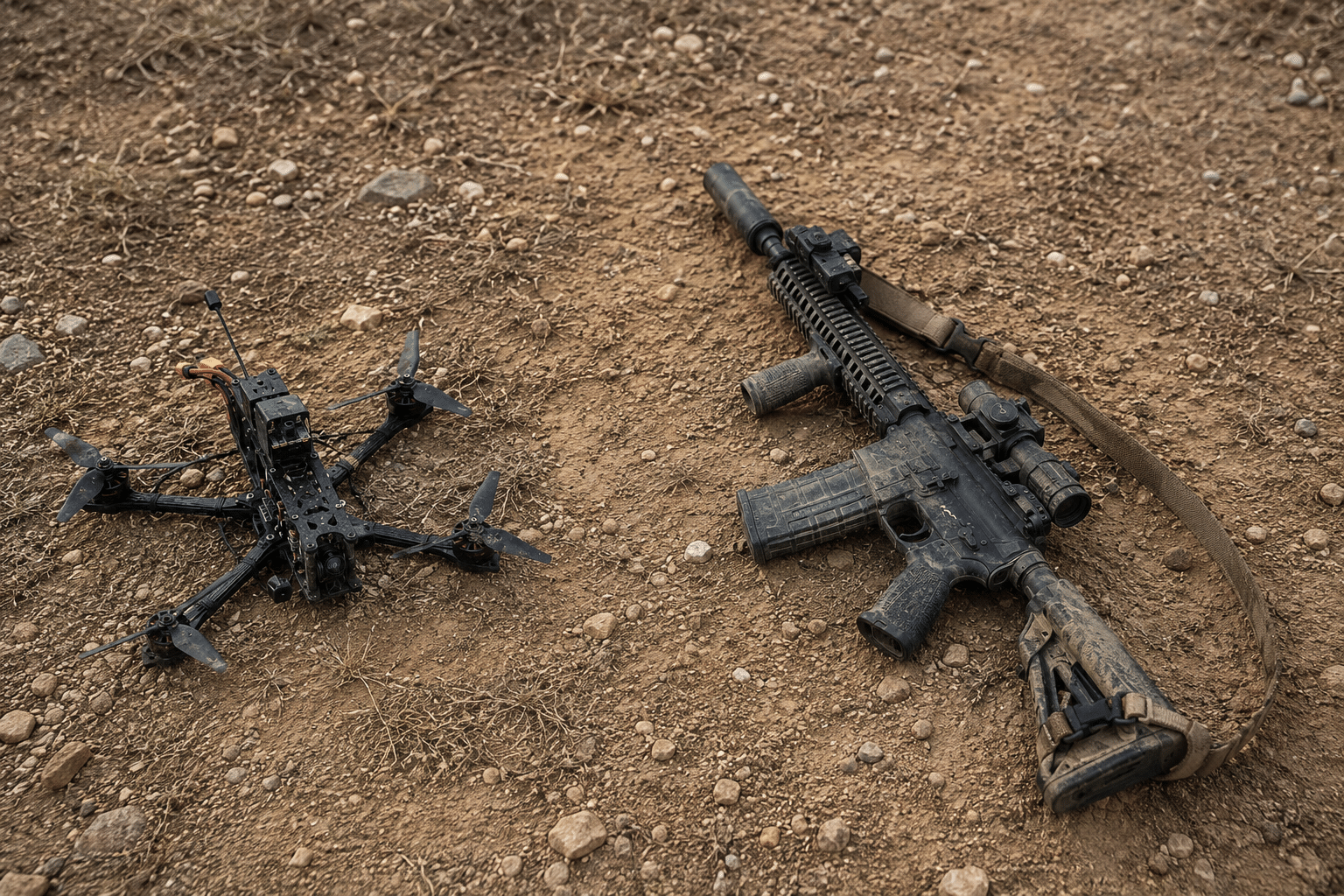
The US Marines are acquiring a new anti-drone round for their M4 and M27 rifles, designed to counter small drones. The round separates into five projectiles after firing, increasing the chances of hitting a drone. This new technology is specifically built for small drone threats.
-
An F-35B stealth fighter crashed in California, but the pilot ejected safely. The incident occurred near Miramar, and the pilot is expected to survive.
-

The US Navy has christened its fifth Flight III destroyer, named after Master Chief Hospital Corpsman William Richard Charette, a Medal of Honor recipient. The destroyer was christened at a Maine shipyard and will join the fleet after completion. The Navy is also upgrading 19 nuclear-powered submarines into guided missile warships.
-
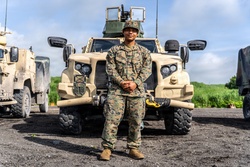
US Marine Corps Lance Cpl. Eliceo Rodriguez, an automotive maintenance technician, is pictured with a M41A7 Saber weapon system and Mk 19 Mod 3 40 mm automatic grenade launcher during Fuji Viper 26.3 at Camp Fuji, Japan. The exercise enables Marines to operate in Japan and enhances their deployment readiness. The Unit Deployment Program supports this effort.
-
A US Marine Corps F-35B Lightning II crashed at Marine Corps Air Station Miramar in California, with the pilot ejecting safely. The incident occurred near the end of the runway at the base. The cause of the crash is not yet known, and an investigation is likely to be conducted.
-

The US Army Combat Capabilities Development Command's Armaments Center has demonstrated the use of advanced manufacturing and repair of electronics in remote environments, aiming to support frontline Marines. The technology was tested in Hawaii and Japan. This effort seeks to overcome logistical challenges posed by distance.
-
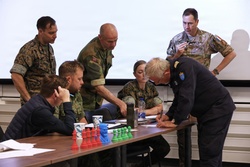
NATO information operations specialists met with the US Marine Corps to expand their knowledge and capabilities. The meeting aimed to enhance their skills in information operations. This collaboration is part of NATO's efforts to improve its information operations capabilities.
-
The US Marine Corps has announced a major force design initiative, 'Force Design 2030', to redesign the service and prioritize naval expeditionary warfare. The initiative is part of US military plans to compete with China and Russia. The Congressional Research Service has released a report on the Ground Combat Element 2040 Initiative.
-

The 13th Marine Expeditionary Unit has fielded the Light Marine Air-Defense Integrated System (LMADIS) to enhance counter-drone capabilities. The system is being integrated into underway training aboard the USS Makin Island. Marines are working with the 3rd Low Altitude Air Defense to implement LMADIS.
-
Bell Textron has secured a $300 million contract to upgrade U.S. Marine Corps AH-1Z Viper and UH-1Y Venom helicopters. The deal covers up to 49 H-1 helicopters. The upgrade aims to enhance the capabilities of the Marine Corps' helicopter fleet.
-
The U.S. Marine Corps has fielded the Light Marine Air-Defense Integrated System aboard USS Makin Island to counter drone threats. This deployment is part of the Marine Corps' efforts to enhance amphibious defense. The LMADIS system is designed to protect against unmanned aerial vehicles.
-
The US Navy's underwater demolition teams played a crucial role in preparing for amphibious landings in the Pacific War. Now, unmanned systems are expected to take on similar missions, reducing risks and increasing effectiveness. This shift towards unmanned amphibious assault is a significant development in modern warfare.
-
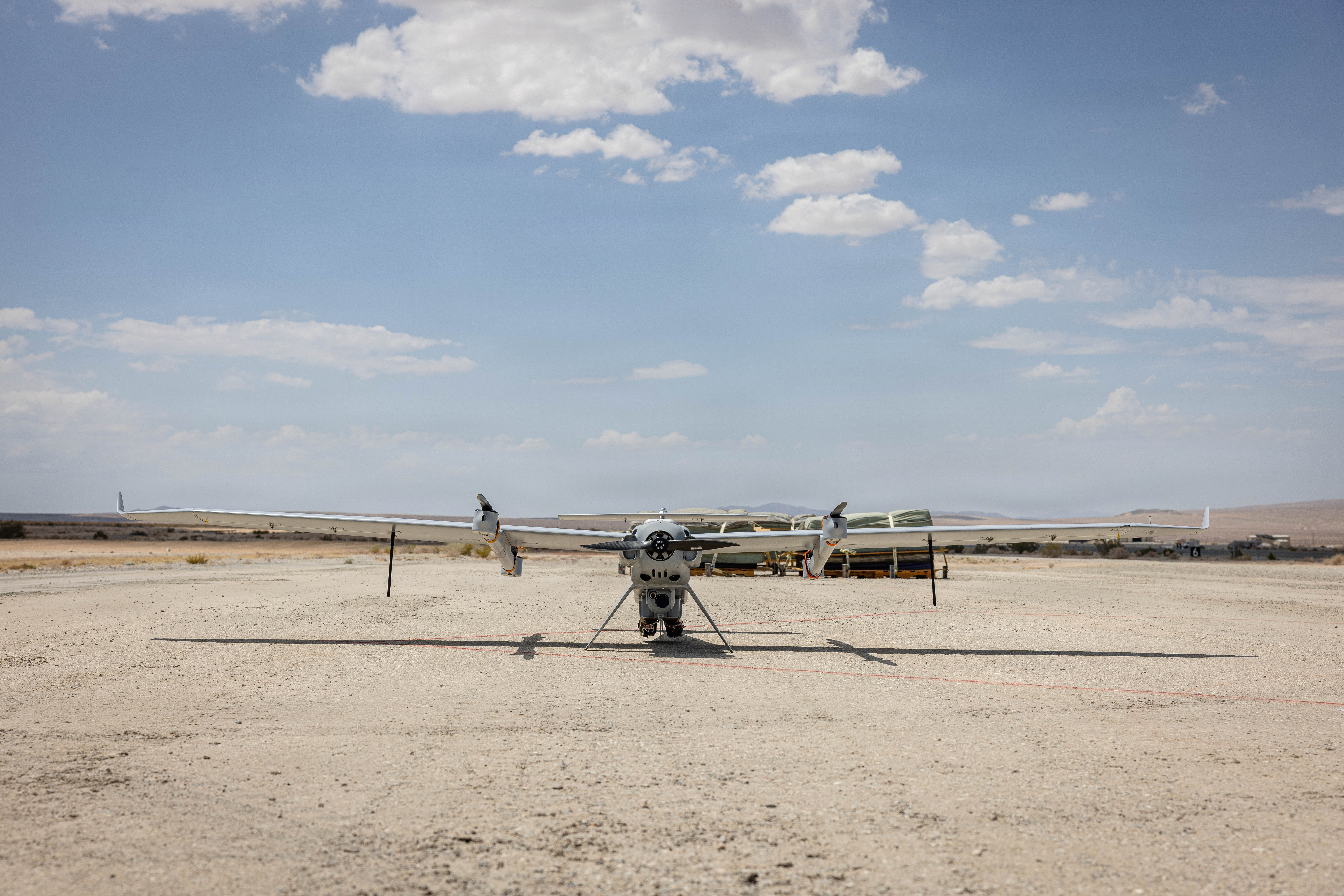
The Marine Corps tested a new method to provide regiments with long-range reconnaissance and strike capabilities using drones. This test is part of the Corps' efforts to enhance its capabilities. The new drone capability aims to give regiments a longer reach in reconnaissance and strike missions.
-

USAREUR-AF hosted the 2026 Cyber Summit, bringing together over 800 cybersecurity professionals to advance collective defense in a contested digital environment. The summit aimed to strengthen allied cyber posture.
-
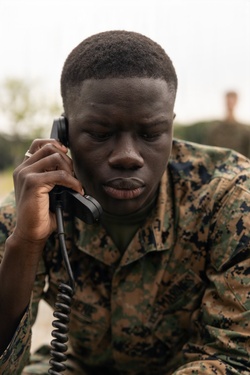
Marine Rotational Force communicators successfully established long-range high frequency communications across the Indo-Pacific, spanning approximately 2,000 miles between Manila and Darwin. This achievement demonstrates the capability to maintain communication over vast distances. The test was conducted by communications Marines with Marine Rotational Force – Southeast Asia and Marine Rotational Force – Darwin.
-
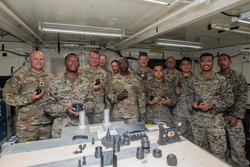
US Marines utilized advanced manufacturing to produce a replacement component for a US Coast Guard watercraft during the Combined Joint Logistics Over-the-Shore 26 exercise in South Korea. The exercise aims to train US and Republic of Korea forces in transferring personnel and equipment from sea to shore in austere environments. Advanced manufacturing supported joint and bilateral readiness.
-
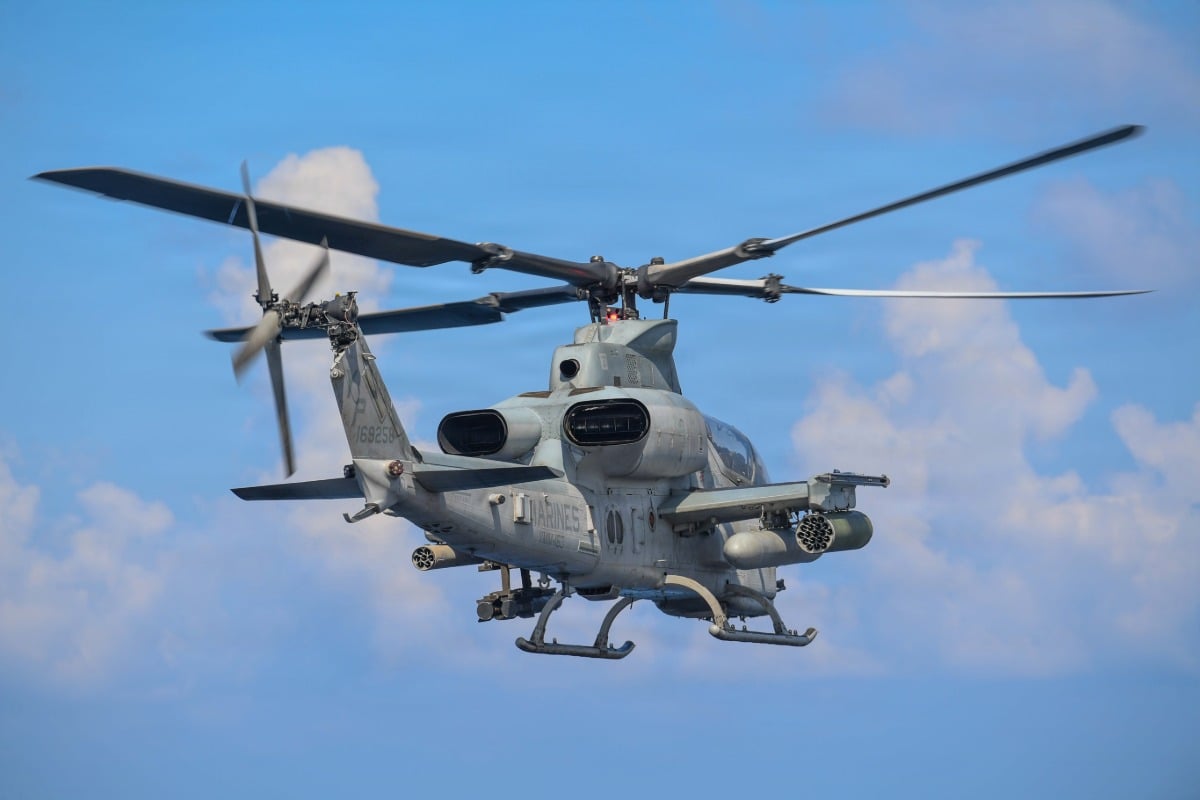
The US Marine Corps' Viper and Venom helicopters are set to receive a major upgrade to carry next-generation weapons. Bell Textron has been awarded a $33.6 million contract to rewire the fleet. The upgrade will enable the helicopters to support advanced weaponry.
-
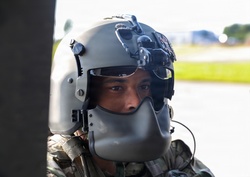
US Army Spc. Brandon Frazier transitions from infantry to Army aviation, finding new purpose in his career. He is currently training at Lielvārde Air Base in Latvia, where he works with UH-60 Black Hawk helicopters.
-
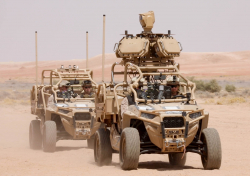
The U.S. Marine Corps is introducing the Bullfrog M240 automated weapon station to its Light Marine Air Defense Integrated System (L-MADIS) to enhance its defensive capabilities. This addition aims to improve the Marines' ability to counter hostile threats. The integration of the Bullfrog M240 into L-MADIS is part of the Corps' efforts to modernize its air defense systems.
-
The Army's heavy units are experiencing capability gaps in counter-drone technology, according to a report. This gap poses a significant threat to national security.
-
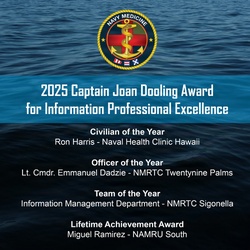
The 2025 Captain Joan Dooling Award winners have been announced, recognizing excellence in Navy Medicine IT. The recipients have leveraged cutting-edge technology to drive digital readiness and achieve flawless cybersecurity standards. This contributes to the Navy and Marine Corps' readiness for combat.
-
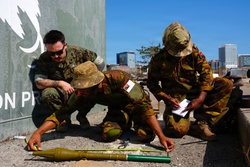
US Marines conducted Humanitarian Mine Action training with the Papua New Guinea Defence Force's EOD Unit to enhance their capabilities in safely identifying and disposing of unexploded ordnance. The training took place at Basilisk Naval Base in Port Moresby, Papua New Guinea. This effort aims to strengthen PNG's EOD capabilities, particularly in addressing UXO remaining from World War II.
-
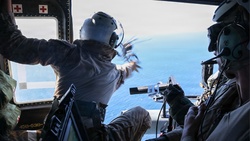
The Marine Corps is integrating first-person view drones into maritime missions with infantry ground units, utilizing H-1 helicopters as aerial control hubs. This evolution builds on previous testing of drone operations from helicopters over land. The drones are being used to enhance unmanned aircraft systems integration.
-
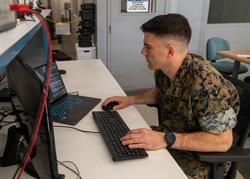
A US Marine Corps Captain at the Naval Postgraduate School has developed an AI-powered program management tool called 'Odyssey' to manage complex projects and tackle workload. The tool was created to help coordinate interconnected efforts and alleviate overwhelming workloads. The development of 'Odyssey' showcases the potential of AI in streamlining project management in the defense sector.
-
The Marines used anti-drone netting during a recent logistics exercise to protect against small drones. This tactic is being adopted by more militaries globally to counter the growing threat of small drones.
-
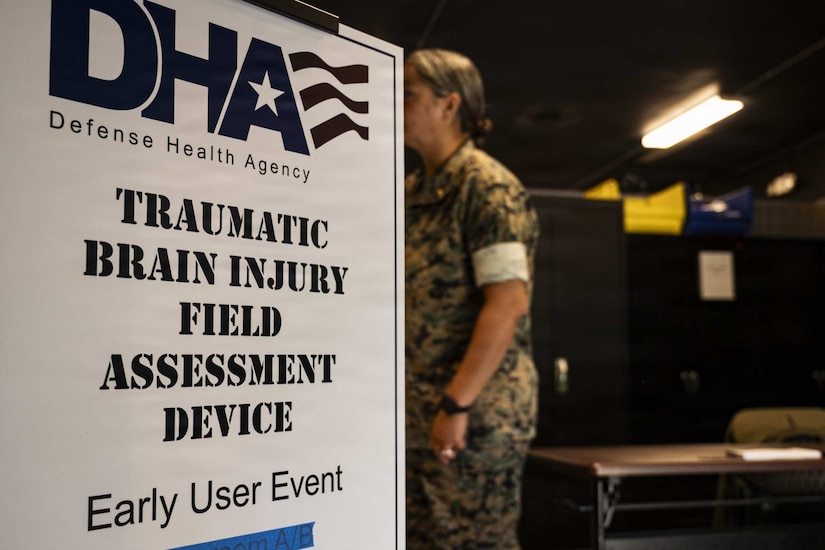
The Defense Health Agency is partnering with the Marines to improve portable technology for assessing traumatic brain injuries on the battlefield. The agency hosted an end user touchpoint at Camp Lejeune to evaluate new capabilities. This effort aims to enhance warfighter readiness and brain health.
-

A newly installed AH-1Z helicopter display at Naval Supply Systems Command Weapon Systems Support connects employees to the Marine Corps warfighter. The display serves as a reminder of the command's workforce impact on the mission. It highlights the importance of the AH-1Z aircraft to the Marines.
-
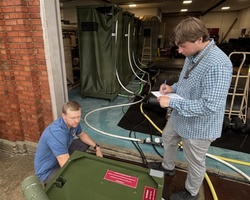
The US Marine Corps is utilizing a unique Army testing facility to modernize a critical expeditionary system, enhancing Warfighter readiness. The facility, run by US Army DEVCOM Ground Vehicle Systems Center engineers, provides one-of-a-kind water testing capabilities. This collaboration accelerates Marine Corps modernization and force readiness.
-
The Marines are considering cloudless networks to support AI tools, with software company Ditto offering a potential solution. Ditto's approach involves networking whatever transportation method the customer brings, providing a flexible and adaptable solution. This could enable the Marines to keep their AI tools running in a variety of environments.
-
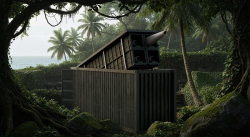
The US Marine Corps is considering integrating the Bullseye cruise missile into its Littoral Regiments. The Senate's FY2027 NDAA markup has allocated $40 million for this purpose. The Bullseye missile has a range of 300km and is developed by General Atomics.
-
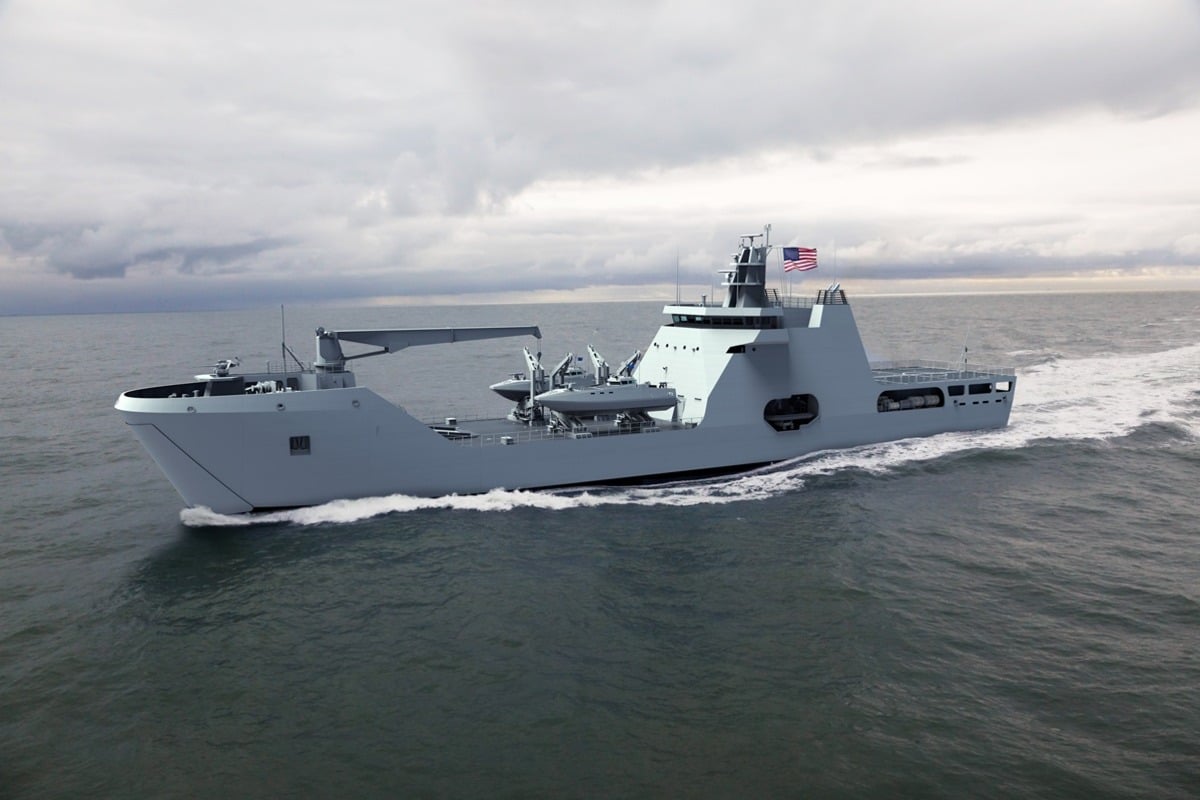
The US Navy has awarded a $2.2 billion contract to TOTE Services to manage the construction of up to eight new landing ships. The contract aims to support the Marine Corps' needs in a potential fight with China. The ships will be built across multiple American shipyards.
-
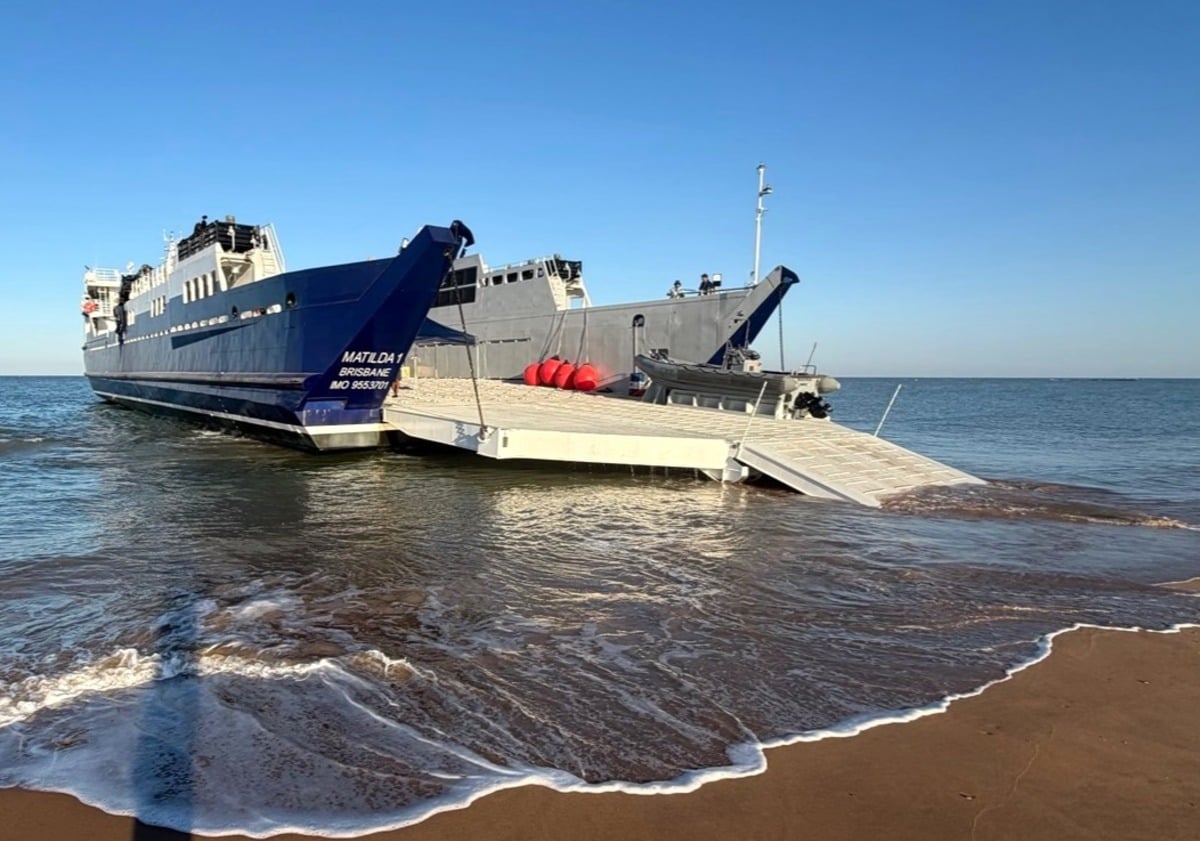
An Australian-designed cargo ship, Matilda 1, successfully demonstrated a unique resupply capability by driving stern-first onto a beach, deploying a ramp to offload tanks, and reversing back out to sea in under a minute. This achievement could potentially reshape how Marines resupply troops. The 73-meter vessel's design and functionality may offer new possibilities for military logistics.
-
The U.S. Navy has awarded a $2.2 billion contract to TOTE Services LLC for Vessel Construction Management to oversee the acquisition of the new Medium Landing Ships. The first LSM is anticipated for delivery in fall of 2029.
-
The US Marines have successfully test-fired a new Medium-Range Air Defense System on Guam, demonstrating the service's new Medium-Range Intercept Capability. This system is designed to enhance the Marines' air defense capabilities. The test marks a significant milestone in the development of this new system.
-
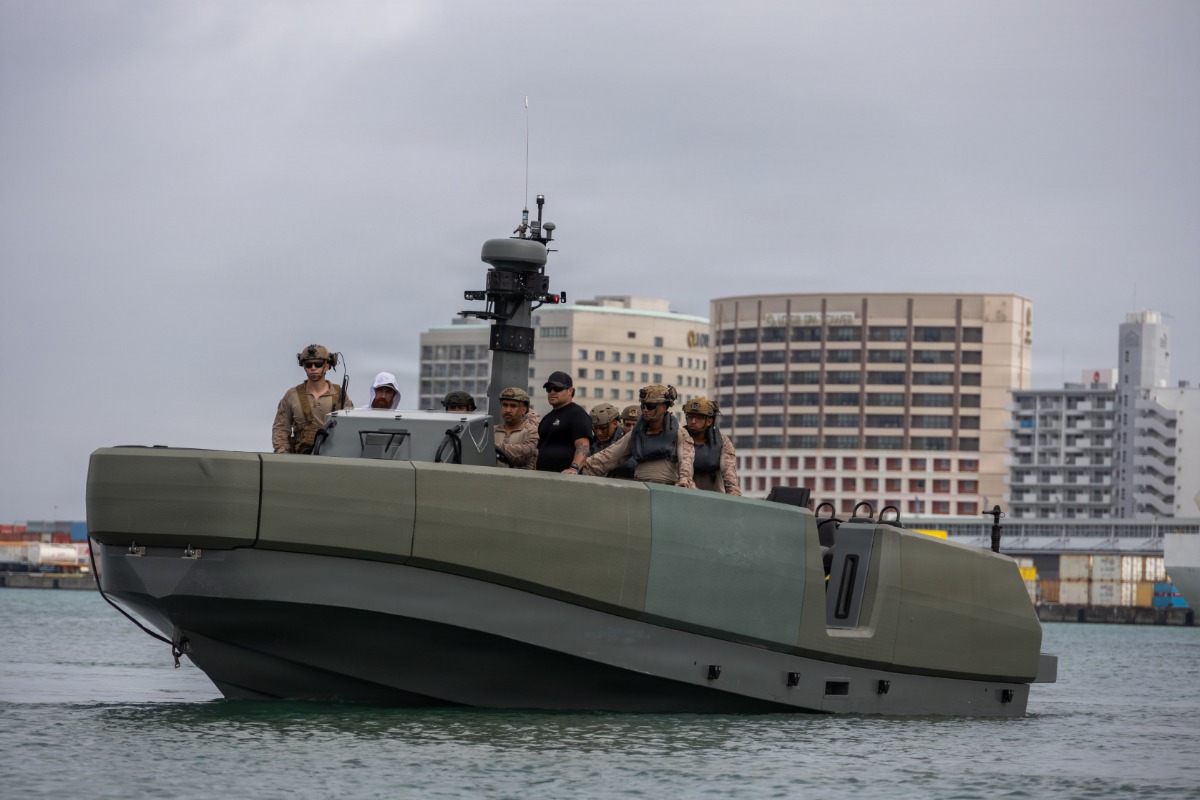
US Marines with 3rd Reconnaissance Battalion are training on a new multi-mission boat to enhance reconnaissance capabilities in the Western Pacific. The boat is designed to allow small teams to operate without relying on ships for transportation. The training took place near Taiwan in early June.