DARPA
▼Cooling 17 recent stories · 51 total mentions · Following ↗
-

Jetoptera, an aerospace startup, has withdrawn from DARPA's Lift Challenge, a competition for heavy-lift drone technology, just days before the final test. The company cited reasons unrelated to funding for its decision. Jetoptera's 'Project Pegasus' aircraft was a participant in the nationwide contest.
-

Todd Hughes has been appointed VP of AI Strategy & Solutions at PCI Federal, where he will lead the company's AI practice and advanced technology group. His goal is to help agencies move beyond AI experimentation and achieve secure, mission-fit deployment. Hughes previously worked as a DARPA program manager from 2006 to 2011.
-
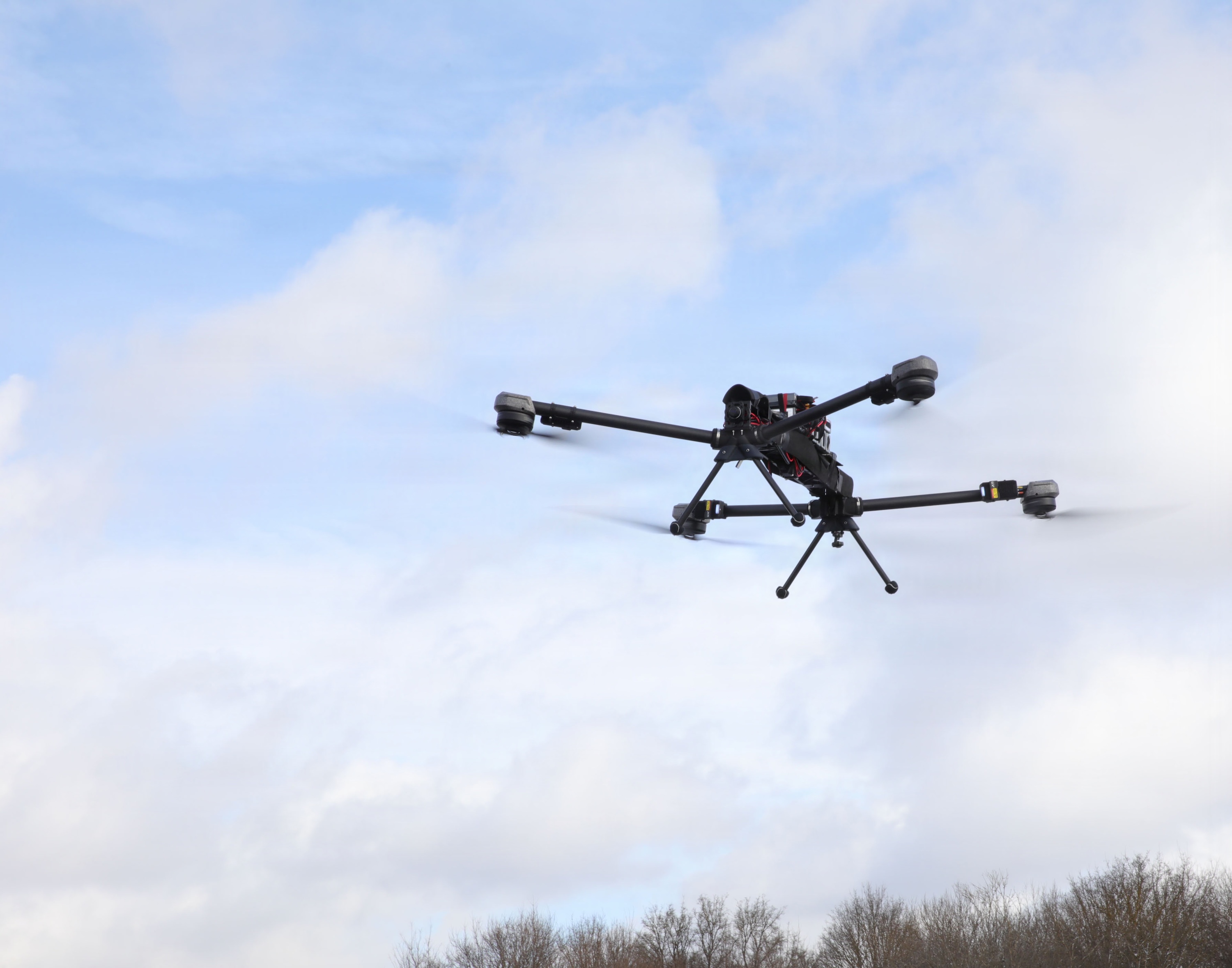
The Defense Advanced Research Projects Agency (DARPA) is kicking off its inaugural Lift Challenge, aiming to push the limits of heavy-lift drone technology. The agency will award $6.5 million in prizes to participants. This challenge is expected to drive innovation in drone capabilities.
-
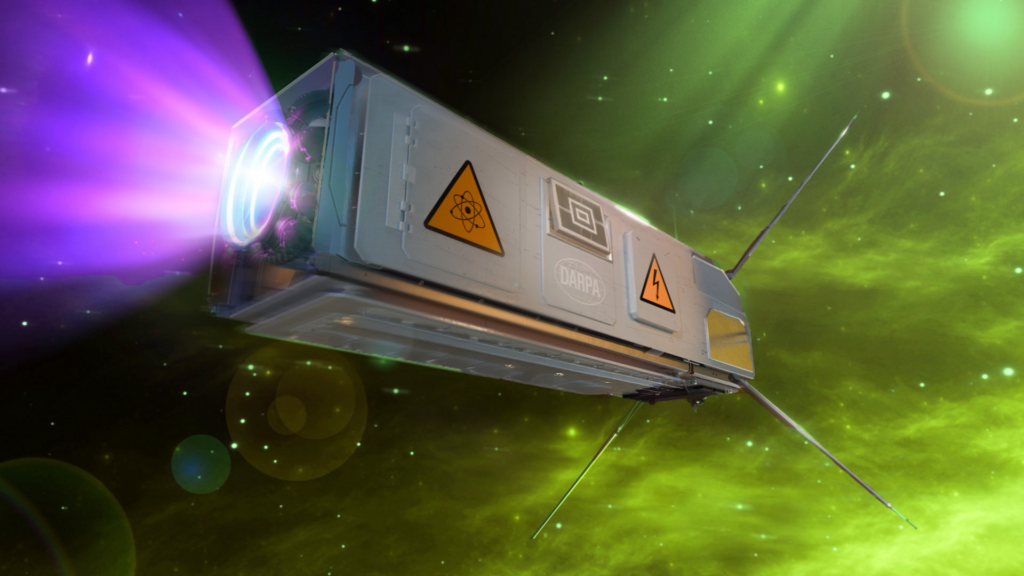
DARPA's Rads to Watts program aims to develop a miniature power cell that can last for years or decades without recharging. Seven teams are competing to create this new technology. The goal is to achieve nuclear power in a compact size, similar to an 'AA battery'.
-
DARPA and the US Air Force have begun flight testing an F-16 controlled by an artificial intelligence agent, advancing autonomous combat capabilities. The tests aim to move autonomous combat technology onto a standard fighter platform.
-
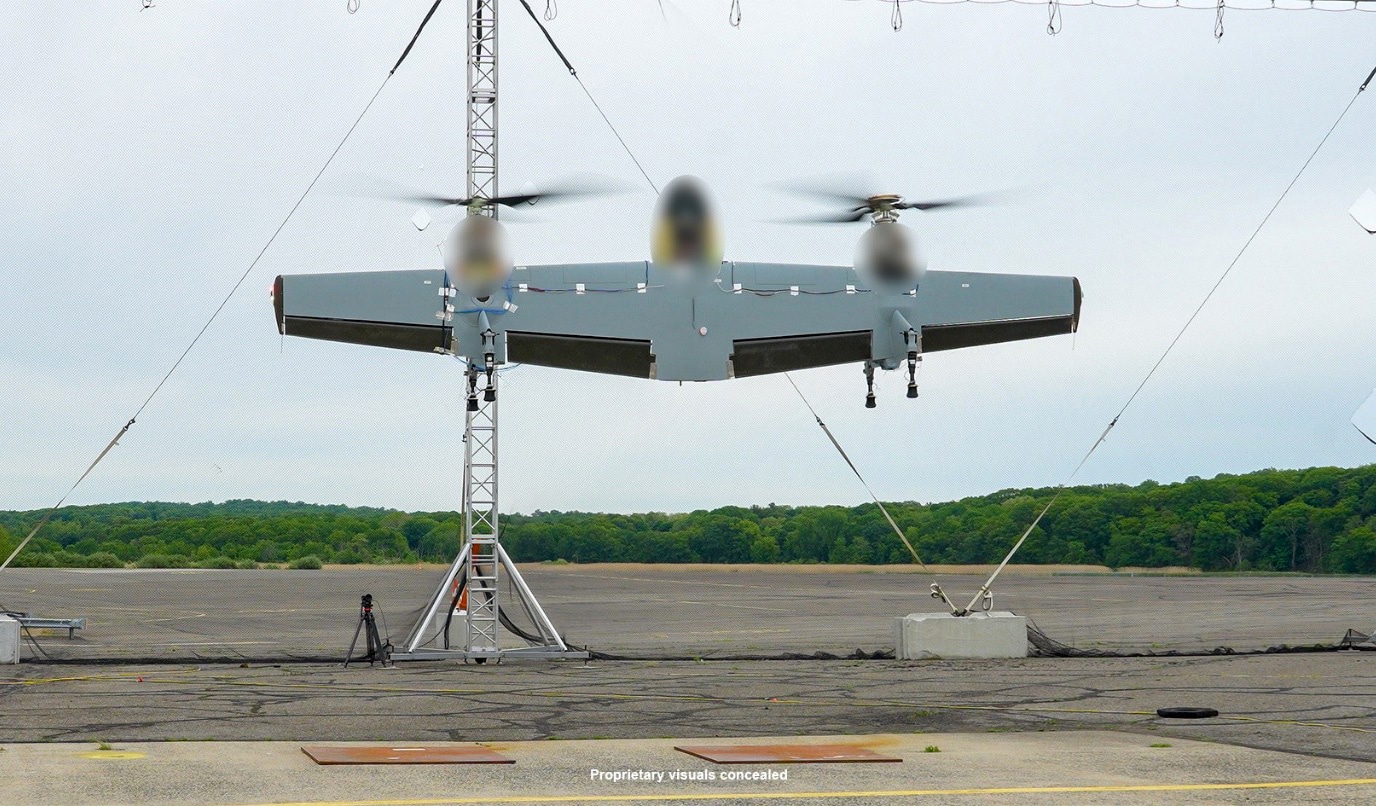
Sikorsky has completed initial ground and flight testing of the Nomad 100 UAS, a rotor blown wing VTOL drone, as part of DARPA's EVADE program. The Nomad 100 is a novel drone design, first unveiled last year. The testing marks a significant milestone in the development of the Nomad 100 UAS.
-

The US has secured a $125 million agreement with PsiQuantum to pursue utility-scale quantum computers. This deal is part of a DARPA validation effort, indicating a significant investment in quantum computing technology. The partnership aims to advance quantum computing capabilities for the US Defense sector.
-

The Sikorsky Nomad 100 has completed its initial flight test under DARPA's EVADE program, demonstrating crewed-uncrewed teaming capabilities. The test showcased the Nomad 100's autonomy features, including MATRIX autonomy. The successful test expands the possibilities for vertical takeoff aircraft.
-
The VENOM program has progressed to piloted flights and autonomy tests, modifying F-16s with AI-enabled hardware and software. The US Air Force and DARPA are collaborating on the effort, which has achieved successful autonomous flight. The program is advancing to in-air autonomy testing.
-
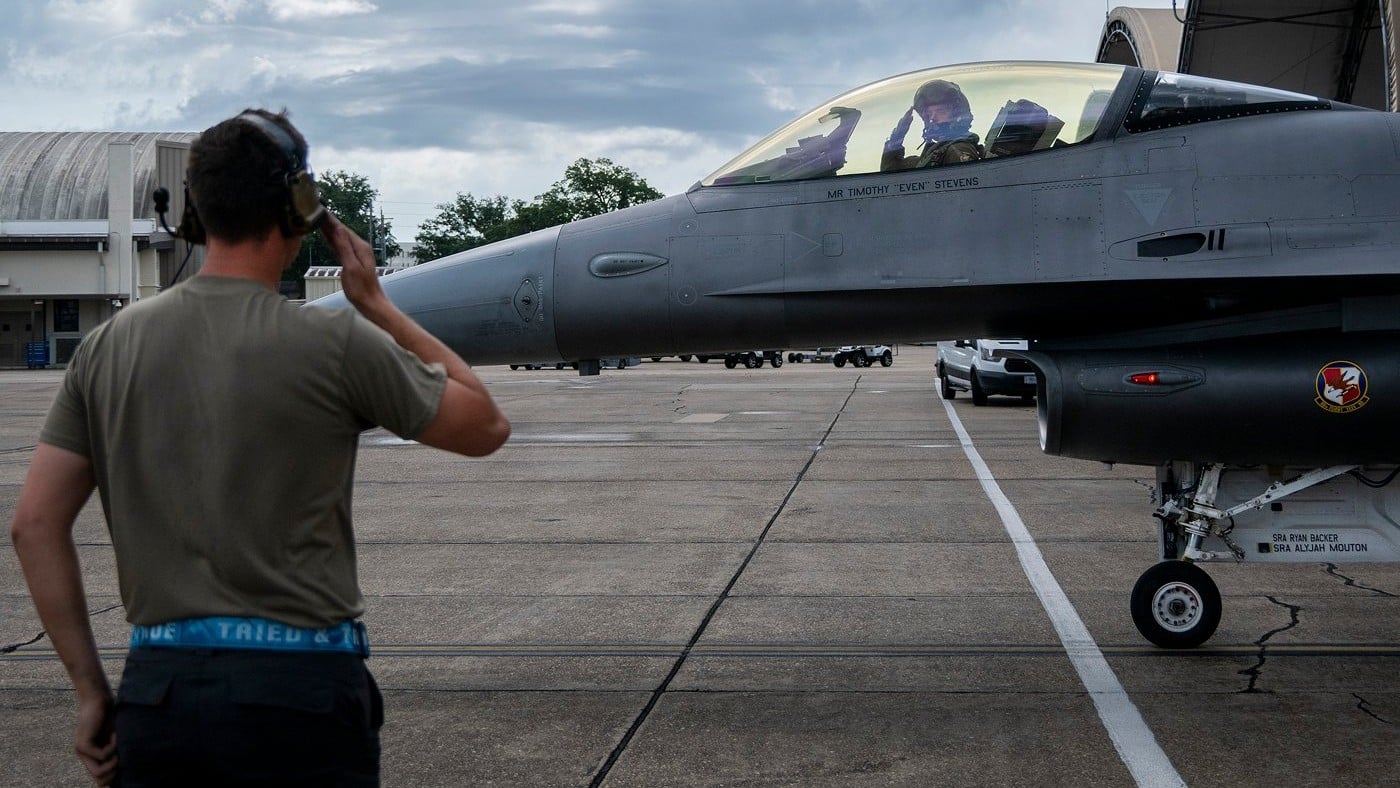
DARPA and the US Air Force are conducting in-air tests of F-16s modified with the VENOM Autonomy Kit, enabling AI capabilities. The tests are part of DARPA's Artificial Intelligence Reinforcements program. The VENOM kit allows for human-on-the-loop testing, marking a significant step in autonomous flight technology.
-
DARPA is preparing for a competition to develop a heavy-lift drone. The initiative aims to create a new unmanned system with enhanced capabilities. Details of the competition are expected to be announced soon.
-
DARPA's Lift Challenge is set to take place from Aug. 2-9 at the National Museum of the U.S. Air Force in Dayton, Ohio. The competition aims to showcase heavy-lift drone capabilities. DARPA is gearing up for the event, which will feature various participants competing to demonstrate their heavy-lift drone technologies.
-
DARPA is developing a program to create lightweight power cells that run on nuclear waste, aiming to power next-gen drones. The goal is to create a 30-year battery with a minimally viable prototype by early 2027.
-
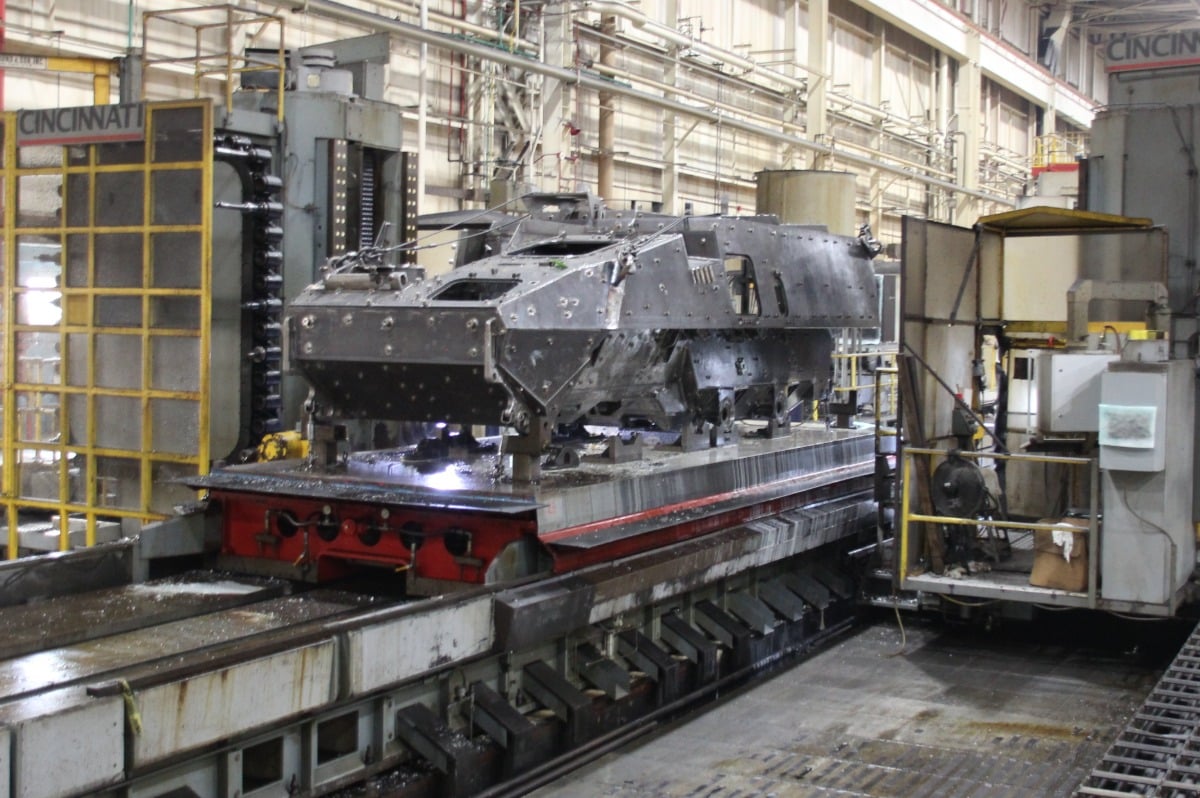
The Pentagon's advanced research agency, DARPA, is seeking information from metals producers, ceramics manufacturers, and composites makers to improve the production of steel for weapons. In exchange for sharing production data, participants will receive AI tools to enhance their factory performance. This initiative aims to fix the current steel production process in the US.
-

True Zero Technologies has been awarded a spot in DARPA's $350M MANNUS contract, providing technical support for a commercial production printer. The company will offer product lifecycle, IT, and office assistance to DARPA. This contract is part of DARPA's Managed Enterprise Network Support Services
-
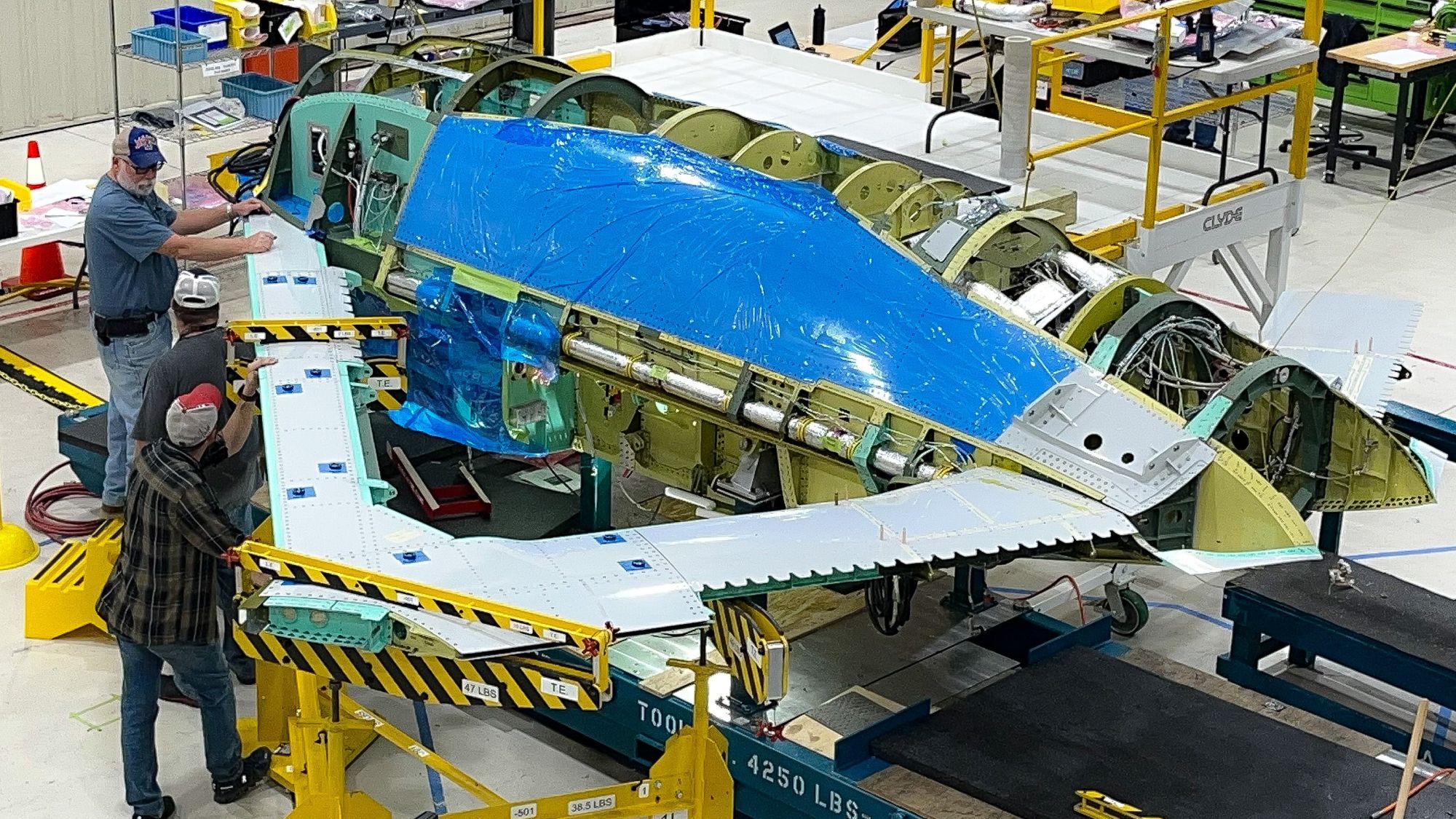
The X-65 Active Flow Control demonstrator has made progress with its fuselage now mated with its wing, and its first flight is planned for 2027. The demonstrator is being manufactured by Aurora Flight Sciences for DARPA. The X-65 is a 7,000 pound unmanned X-Plane demonstrator enabled with Active Flow Control (AFC) technology.
-
The DARPA X-65 drone, designed to maneuver with bursts of air, has finally received its wings after delays and cost growth. Aurora Flight Sciences, a Boeing subsidiary, is working with DARPA to bring the project to fruition. The X-65 is expected to fly next year.