SOCOM
–Quiet 8 recent stories · 22 total mentions · Following ↗
-
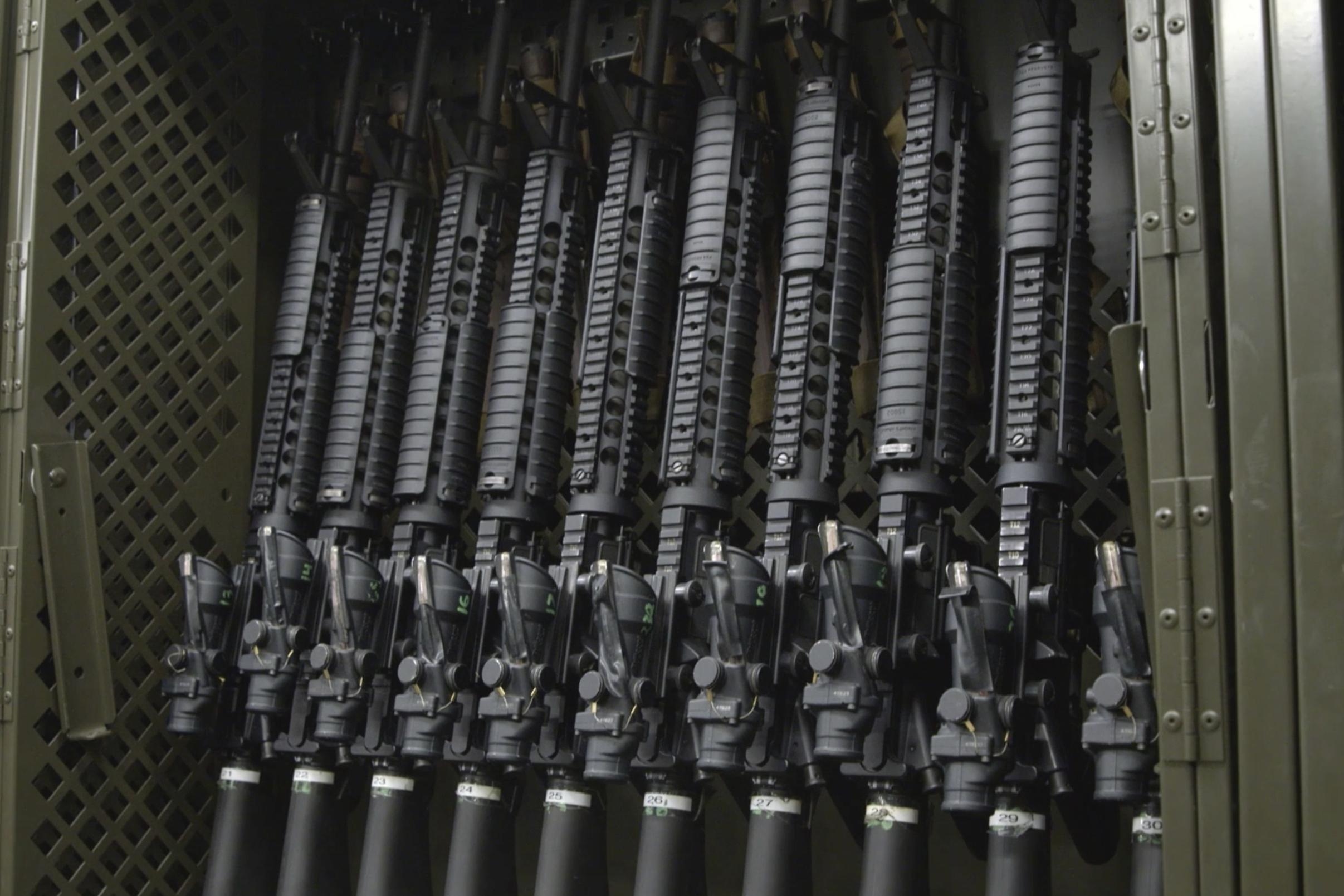
Marine Forces Special Operations Command is partnering with SOFWERX to develop automated solutions for documenting serialized inventory, replacing manual steps in the process. This effort aims to improve efficiency and accuracy in armory recordkeeping. The partnership highlights the military's interest in leveraging technology to streamline operations.
-
SOCOM wants to launch drones from special operations aircraft, according to Aviation Week. This capability would enhance special ops missions.
-
SOCOM's Program Executive Office-Fixed Wing is conducting market research for loitering munition technology with automatic target recognition capabilities. This effort aims to acquire 'SOF-peculiar' attack drones. The research is focused on finding suitable technologies for special operations forces.
-

Lockheed Martin and ASRC Federal have secured major logistics support contracts with the US Special Operations Command and the Air Force, respectively. The contracts, valued at $10.53 billion and $1.5 billion, will provide global sustainment for special operations aircraft, vessels, and ground vehicles, as well as facility upkeep and supply chain management. The awards will support the maintenance of Air Force logistics bases in the US
-
The 1st Special Operations Wing has introduced virtual reality air traffic control simulator training, marking a significant shift in how Air Force Special Operations Command prepares controllers. This new training method is expected to enhance the skills of air traffic controllers. The introduction of VR training is a notable development in the Air Force's training programs.
-
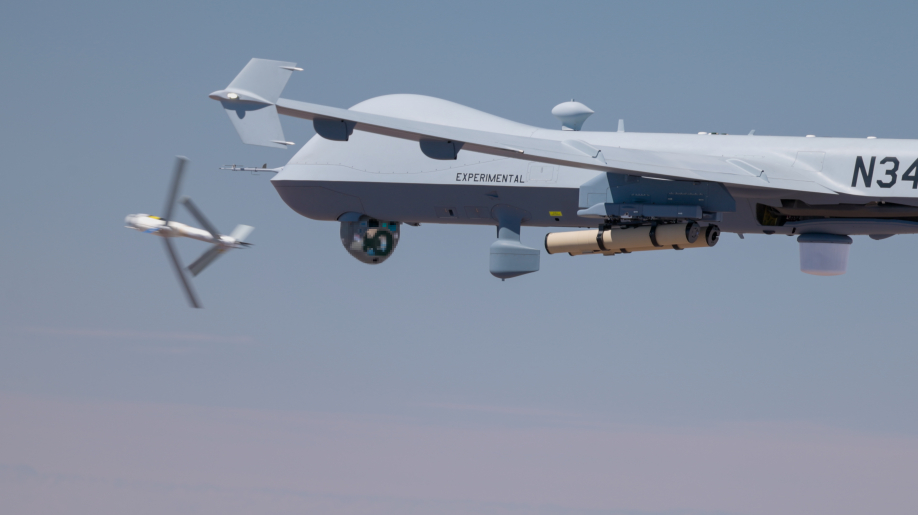
SOCOM is seeking a long-range kamikaze drone to hunt targets deep inside enemy lines. The drone would be armed with loitering munitions and launched from MC-130J gunships and other aircraft.
-

An Air Force investigation found that a student pilot's mistake led to a Skyraider II crash in October 2025. The pilot accidentally shut off the fuel supply, causing a crash-landing. Contributing factors included task saturation, communication issues, and crew resource management shortcomings.
-
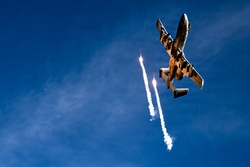
The Army has awarded a contract valued at over $300 million to Chemring US for the production of aviation expendable pyrophoric countermeasures. These countermeasures create an infrared decoy signature to protect aircraft against heat-seeking missiles. The contract will support the survivability of aviation platforms across the U.S. military and allied nations.