Defense Innovation Unit
–Quiet 15 recent stories · 29 total mentions · Following ↗
-

The Pentagon's Defense Innovation Unit completed a successful unmanned stores separation flight test with Hermeus, an Atlanta-based hypersonic aircraft company, as part of the HyCAT program. The test is a significant milestone in the development of hypersonic technology. The HyCAT program aims to accelerate the integration of commercial technology into military use.
-
The Defense Innovation Unit (DIU) has started a $100m competition for uncrewed boat-launched drones. The competition aims to develop innovative drone technologies. The program is focused on advancing unmanned systems capabilities.
-
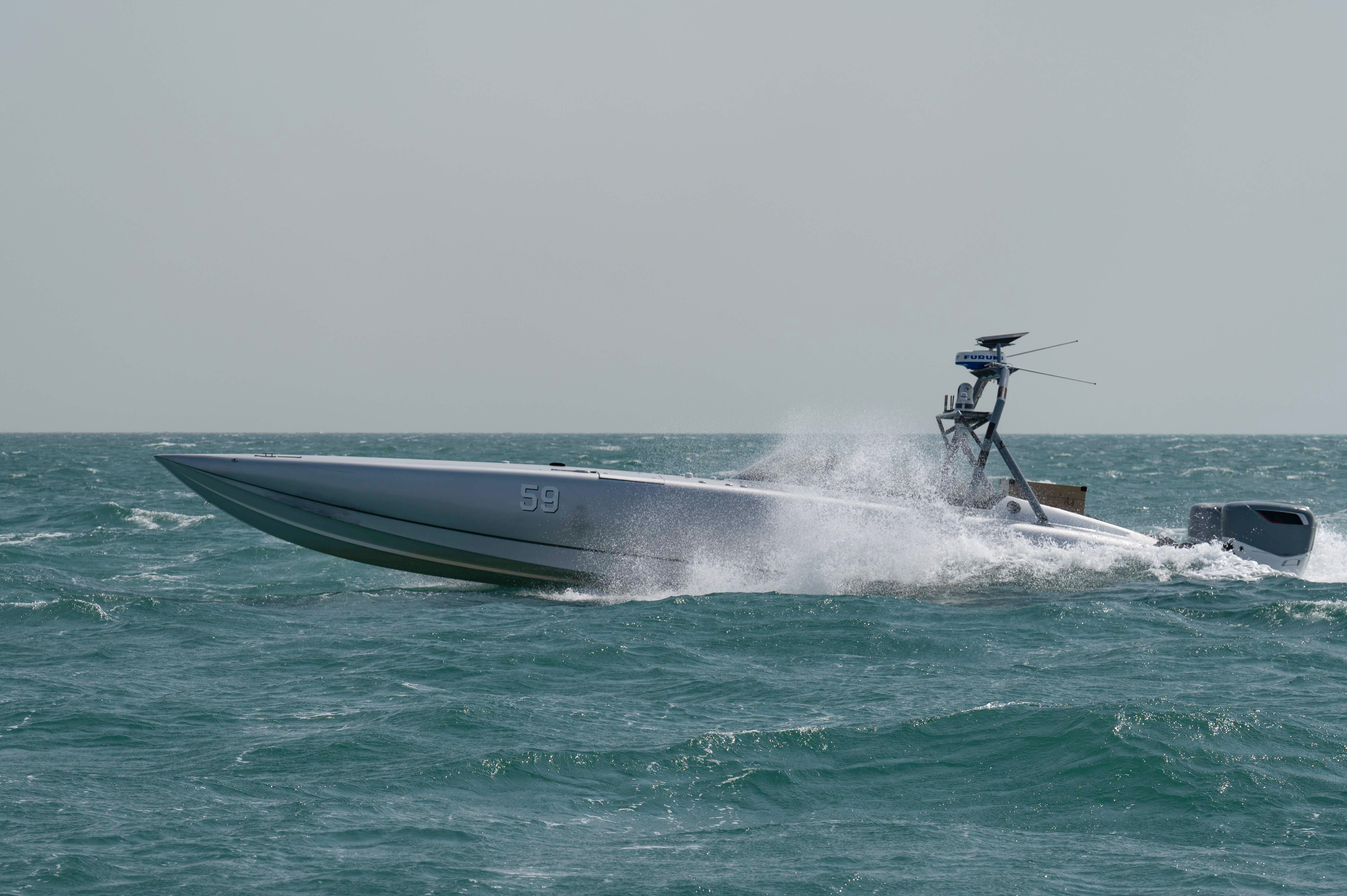
The Pentagon is soliciting robot boats that can launch attack drones, with a testing deadline of 120 days. This initiative aims to address threats in contested waters. The project's rapid development timeline underscores its priority.
-

The Defense Innovation Unit (DIU) has launched a $100M challenge for unmanned surface vessels that can carry drones, with a separate $200M set aside for follow-on prototyping or production deals. The vessels must have a 200-nautical-mile reach and a minimum 10-knot cruise speed. Each entry must pair a mature unmanned surface vessel with at least two drones able to strike and return a battle damage assessment.
-
The Defense Innovation Unit has appointed its first active-duty military deputy, aiming to accelerate the delivery of innovative weapons to American forces. Senior officials discussed the unit's plan to achieve this goal. The move is part of the unit's efforts to equip forces with the best weapons faster than ever before.
-
The Defense Innovation Unit's first active-duty military deputy discusses plans to provide American forces with the right weapons quickly. The goal is to enable US forces to meet future challenges with confidence. This involves accelerating the development and deployment of innovative technologies and capabilities.
-
The US Army, in partnership with the Defense Innovation Unit and other organizations, is working to develop life-saving technologies for use in contested environments. The goal is to bridge critical medical gaps and deliver advanced capabilities to warfighters. This effort includes the launch of an AI-Assisted Triage project.
-
The Defense Innovation Unit (DIU) is reshaping its operational structure to fit its modern mission, with a goal of reducing the military's 'cost per kill'. Owen West shared new details about his vision in an exclusive interview with DefenseScoop.
-
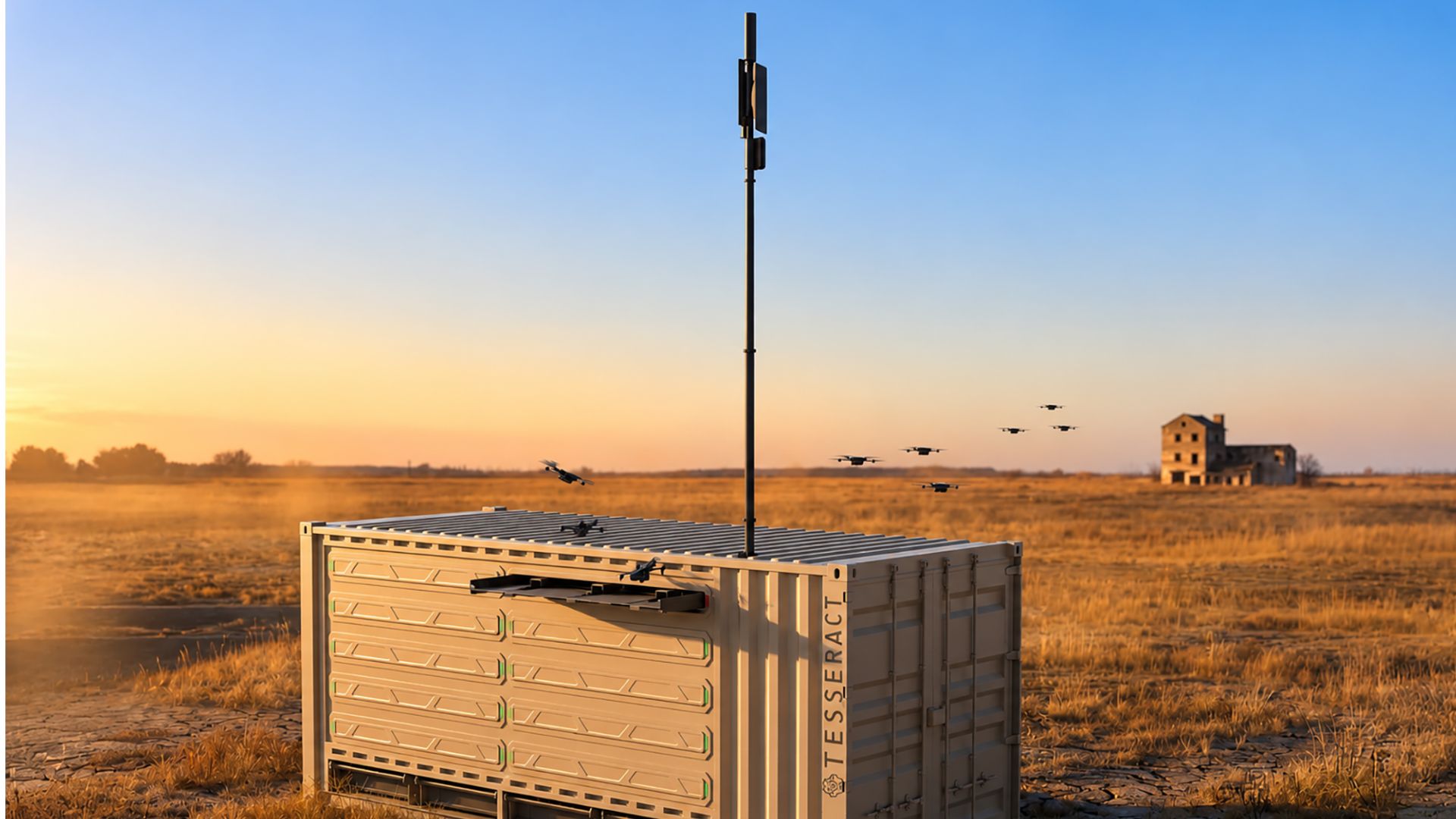
The Pentagon is testing containerized drone pods that can launch and recover without pilots. A Kansas City-based robotics and drone company has been selected by the Defense Innovation Unit for this project. This technology aims to enhance drone operations with increased autonomy.
-
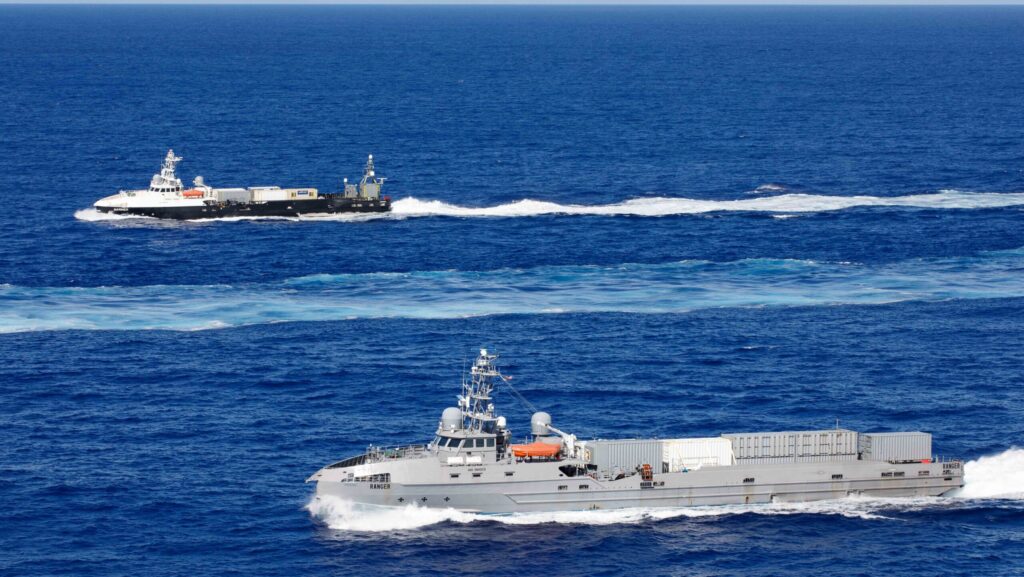
The Defense Innovation Unit (DIU) and the Navy have launched a competition for containerized payloads, as part of the Chief of Naval Operations' 'containerized capability campaign'. This initiative aims to leverage innovative technologies to enhance naval capabilities. The competition seeks to identify and develop new containerized payload solutions.
-
The US Air Force is working with the Defense Innovation Unit to shape requirements for its next generation of uncrewed intelligence, surveillance, reconnaissance, and strike systems. This effort follows the MQ-9 Reaper system. The goal is to refine the requirements that will guide the development of these future systems.
-

The Defense Innovation Unit is looking for a low-cost, high-volume uncrewed aircraft to replace the MQ-9A, with a focus on attritable systems that can be produced in large quantities. The solicitation is for a 'Massed Modular Aircraft' that can perform various missions. The goal is to find a cost-effective solution for combat operations.
-
A watchdog report has found that the Pentagon's wavering caused delays in the E-7A program. Additionally, the Pentagon's DIU is straining small US industries with its drone production demands. The E-7A is a defense system, and the DIU's drone production demands relate to defense technology and acquisition.
-
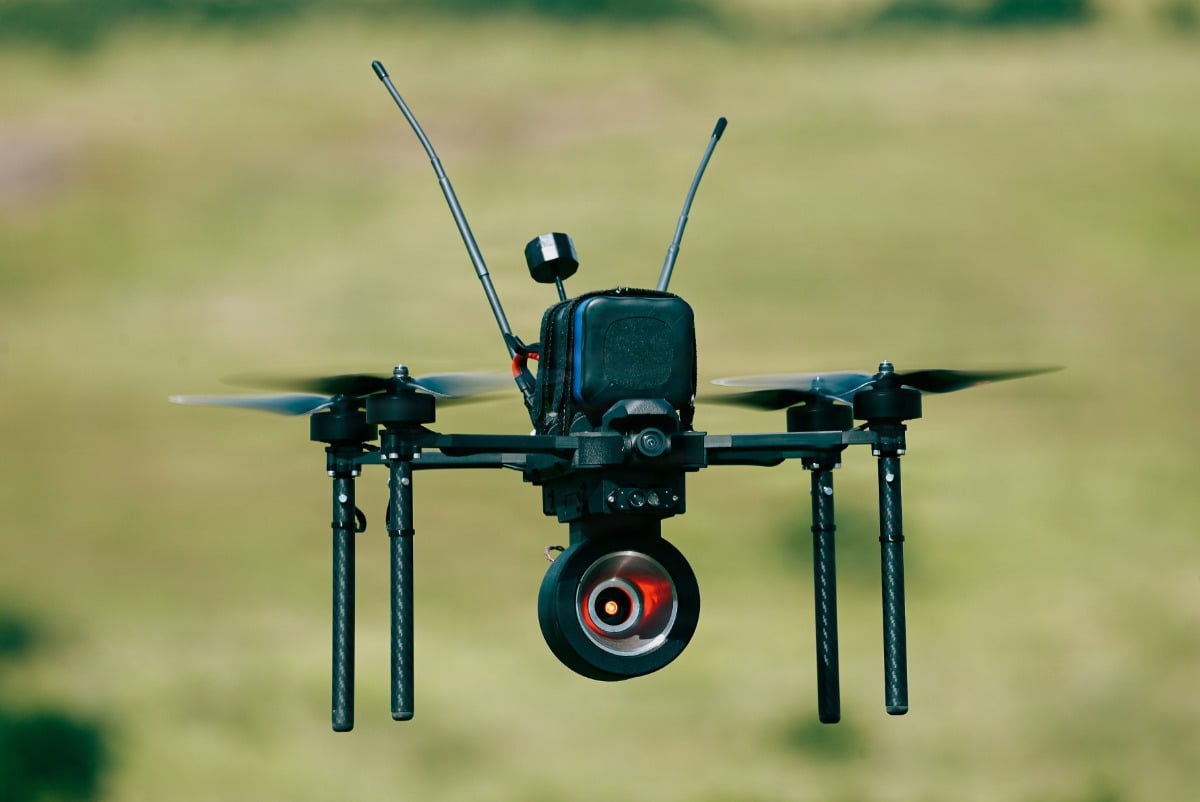
The Pentagon's Drone Dominance Program has selected 19 companies to move forward in a high-stakes contest to develop cheap and lethal drones. The program aims to determine if American industry can build enough drones quickly to make a difference in a real war. The contest is a joint initiative between the Test Resource Management Center and the Defense Innovation Unit.
-
The US Department of War's Defense Innovation Unit has launched a multi-phase initiative to transition mature quantum sensing and timing technologies to the Joint Force, aiming to strengthen ISR capabilities. The initiative has a budget of up to $200 million. This effort focuses on directly applying quantum sensing technologies to enhance military intelligence gathering.