Unmanned Systems
18 recent stories · Following ↗
-
The Department of the Navy Rapid Capability Office, DIU, and PAE Aviation are investing $50 million to scale unmanned maritime strike capabilities. The investment aims to rapidly develop runway-independent capabilities with Shield AI. This effort focuses on enhancing the Navy's unmanned strike capabilities.
-
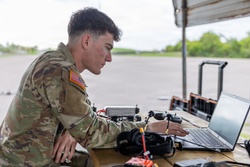
West Point Cadet Parker Brown interned at SOCCENT, working with special operations engineers on next-generation unmanned systems. The internship provided hands-on experience with cutting-edge technology. The cadet was involved in building unmanned systems at the forefront of special operations.
-
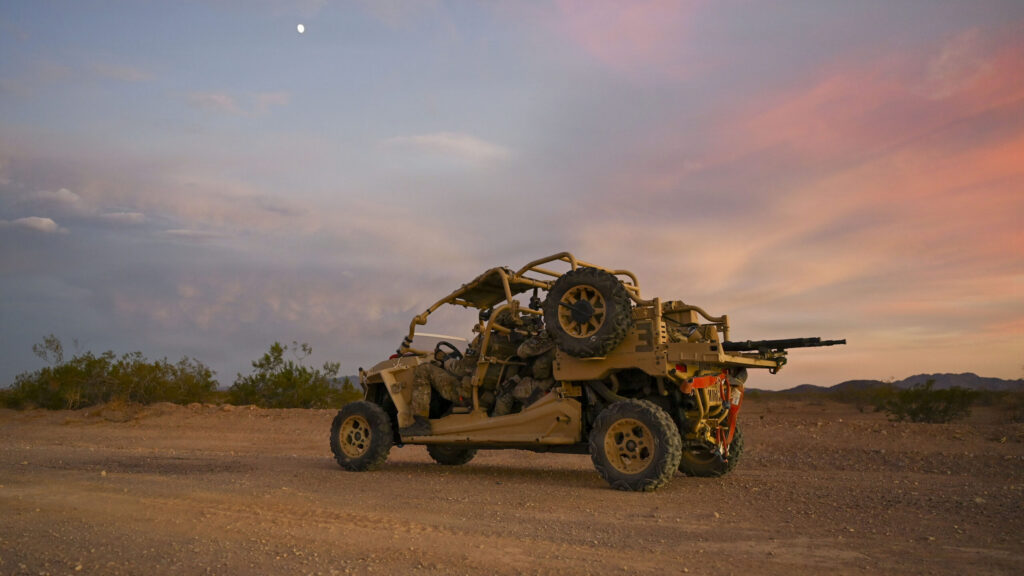
The Army has replaced ISVs with Polaris MRZR unmanned trucks for its UxS initiative, according to an official. This change is part of the Army's efforts to develop and integrate unmanned systems. The MRZR trucks will be used for various tasks, enhancing the Army's capabilities.
-
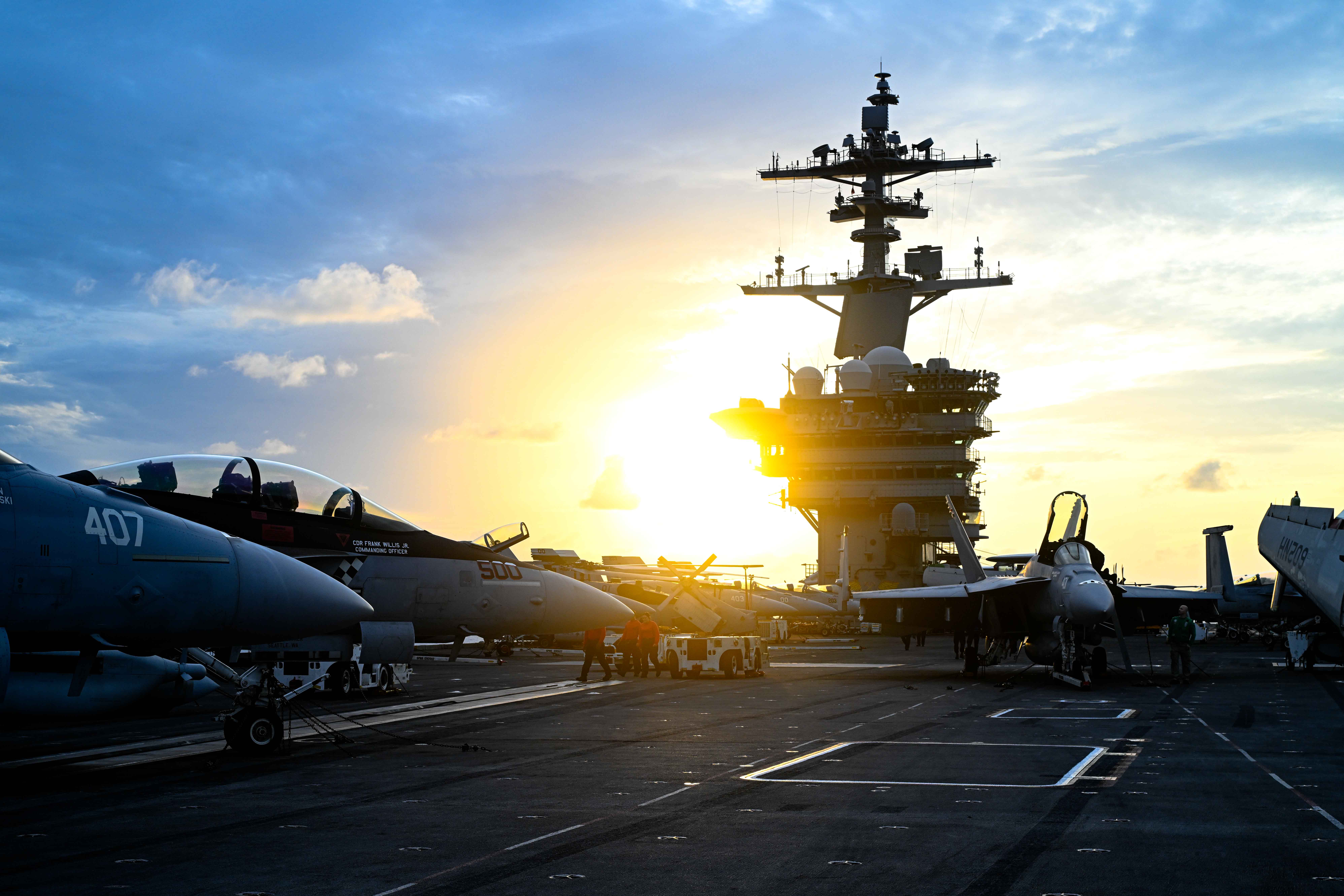
The USS Theodore Roosevelt is the first Navy carrier to be equipped with a built-in Unmanned Air Warfare Center, which will support the unmanned MQ-25A Stingray. This new center will enhance the carrier's capabilities in unmanned air warfare. The development is a significant milestone in the Navy's efforts to integrate unmanned systems into its operations.
-

EDGE Defence, a New Zealand-based company, successfully launched and recovered its all-electric jet unmanned surface vessel, Whai, from a floating platform. The test was conducted in Auckland Harbour over two days. The Whai is designed to operate without a crewed mothership.
-
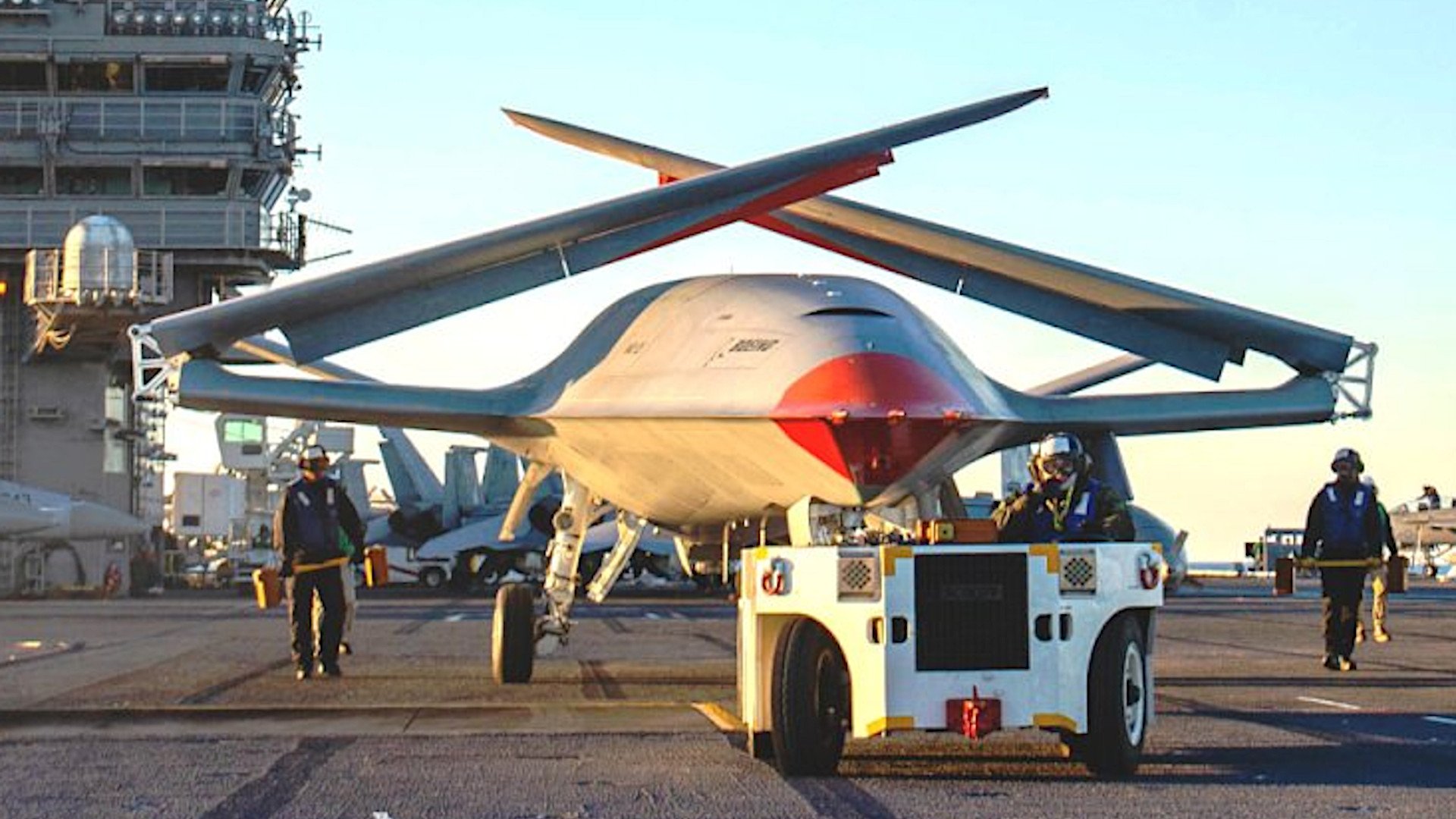
The USS Theodore Roosevelt is the first carrier with a drone control center ready for MQ-25 Stingray operations, although operational flights are not expected until 2029. The Navy has been developing the MQ-25 program to provide unmanned aerial refueling capabilities.
-

The Indonesian Navy deployed a kamikaze unmanned surface vessel for the first time during a major exercise, also launching a loitering munition and firing anti-ship missiles. The exercise showcased the navy's new capabilities, including the use of unmanned systems. The kamikaze USV features an angular grey hull and is designed for one-way attack missions.
-
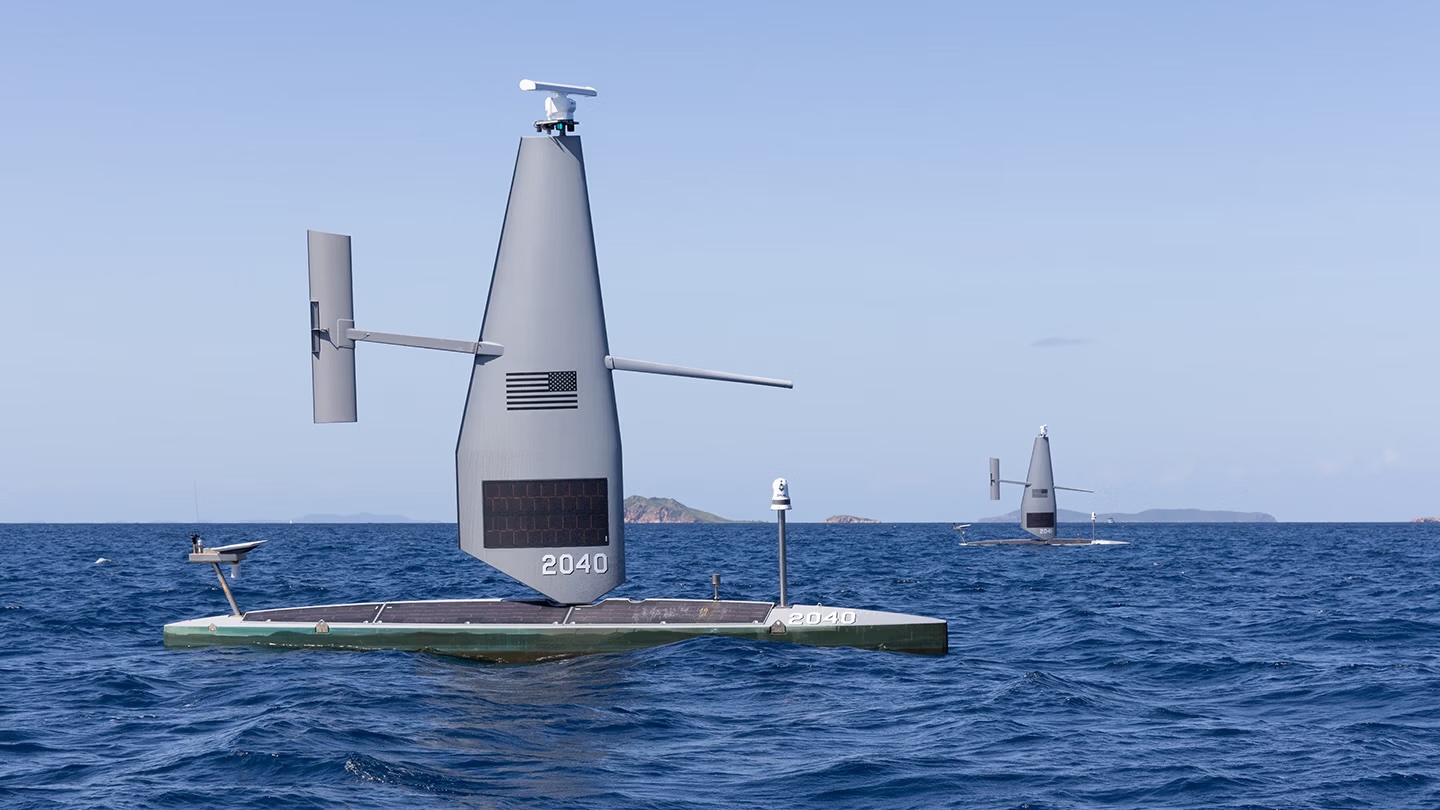
The US Navy is expanding its use of Saildrone unmanned surface vehicles for counternarcotics missions. This partnership aims to enhance the Navy's capabilities in this area. The use of unmanned systems is a key aspect of this expansion.
-

The Navy has awarded Saildrone a $16.3 million extension to continue assisting in maritime drug interdiction operations. Saildrone's Voyager unmanned surface vessels have been operating in the Caribbean and Eastern Pacific since 2023. The extension will support the U.S. 4th Fleet's operations.
-

The U.S. Navy has selected six companies to create high-resolution maps of the seabed in the Indian and Pacific oceans using unmanned vessels. This effort aims to reduce reliance on large, crewed survey ships. The selected companies will utilize long-endurance unmanned vessels for this task.
-
The U.S. Navy demonstrated a new at-sea logistics capability during RIMPAC 2026, using a digitally crewed vessel to deliver supplies to USS Essex. The vessel also transported 3D-printed drones.
-
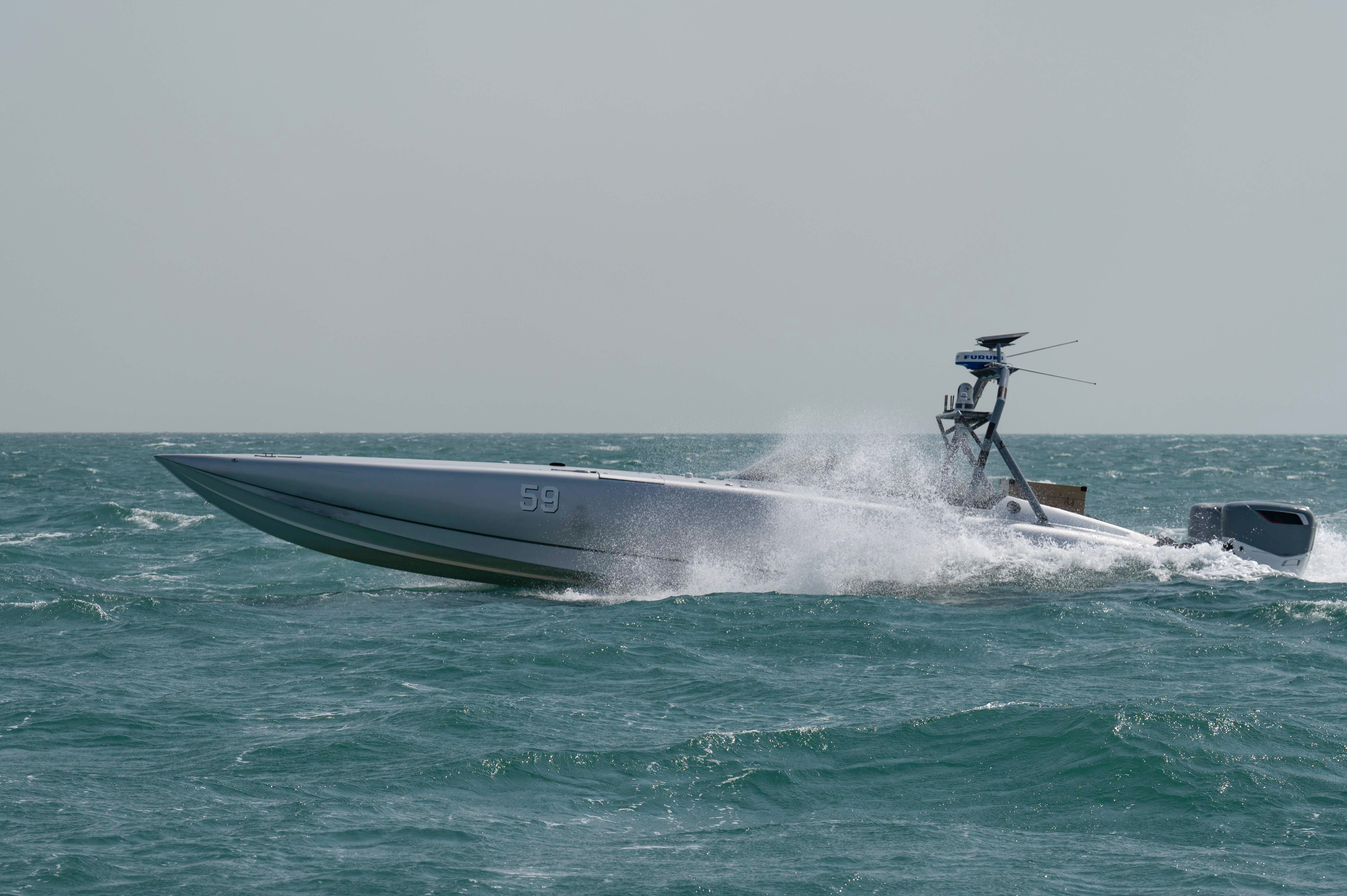
The Pentagon is soliciting robot boats that can launch attack drones, with a testing deadline of 120 days. This initiative aims to address threats in contested waters. The project's rapid development timeline underscores its priority.
-

The Defense Innovation Unit (DIU) has launched a $100M challenge for unmanned surface vessels that can carry drones, with a separate $200M set aside for follow-on prototyping or production deals. The vessels must have a 200-nautical-mile reach and a minimum 10-knot cruise speed. Each entry must pair a mature unmanned surface vessel with at least two drones able to strike and return a battle damage assessment.
-
The Navy's kamikaze Unmanned Surface Vehicle (USV) was used to sink an amphibious assault ship during a RIMPAC exercise, just days after its first combat use. The exercise demonstrated the USV's capabilities in a sinking operation. This technology is being tested for potential future use in naval operations.
-
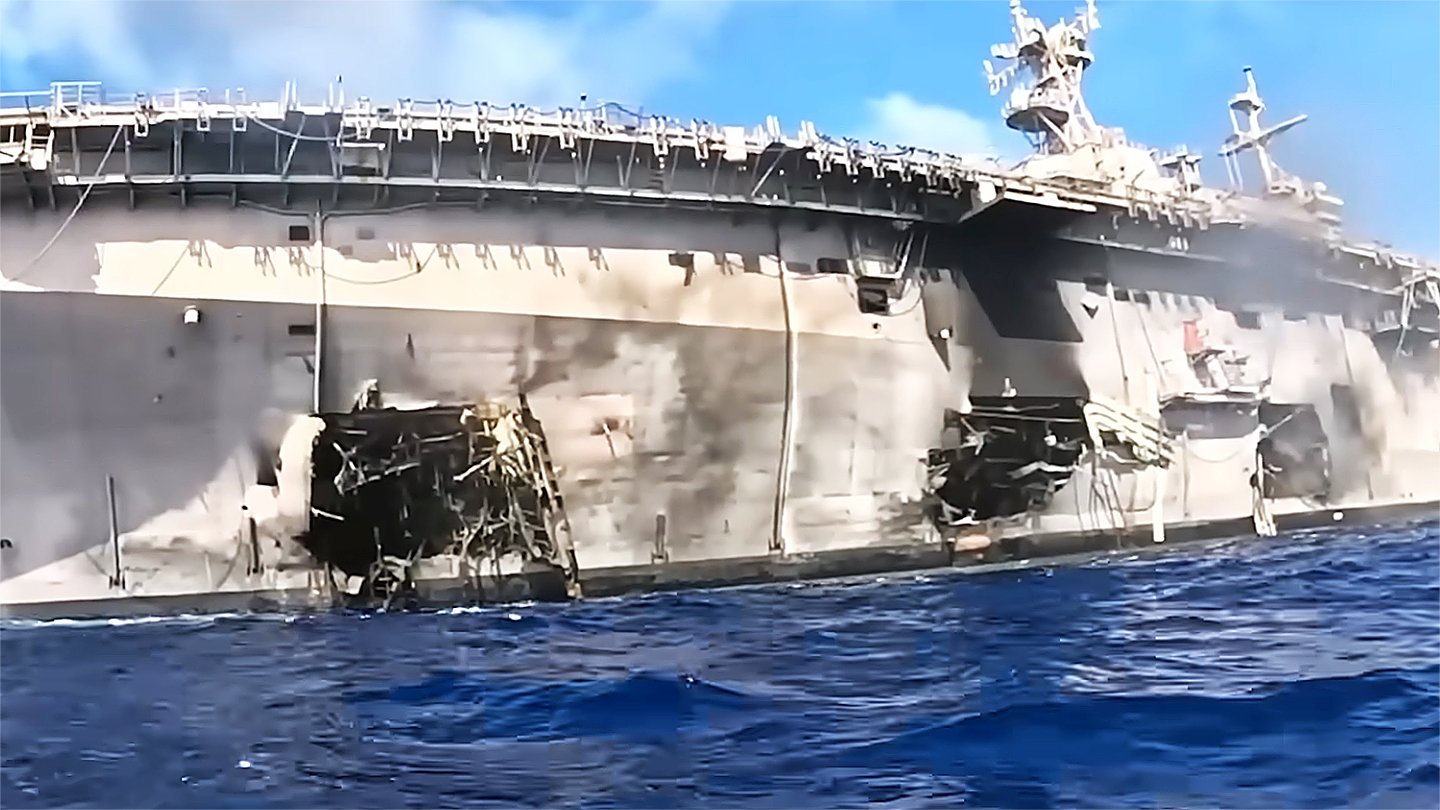
The Navy's GARC kamikaze drone boat was used to blow a hole in the ex-USS Peleliu during a sinking exercise at RIMPAC. This comes after the Navy's first combat use of a kamikaze Unmanned Surface Vehicle (USV).
-
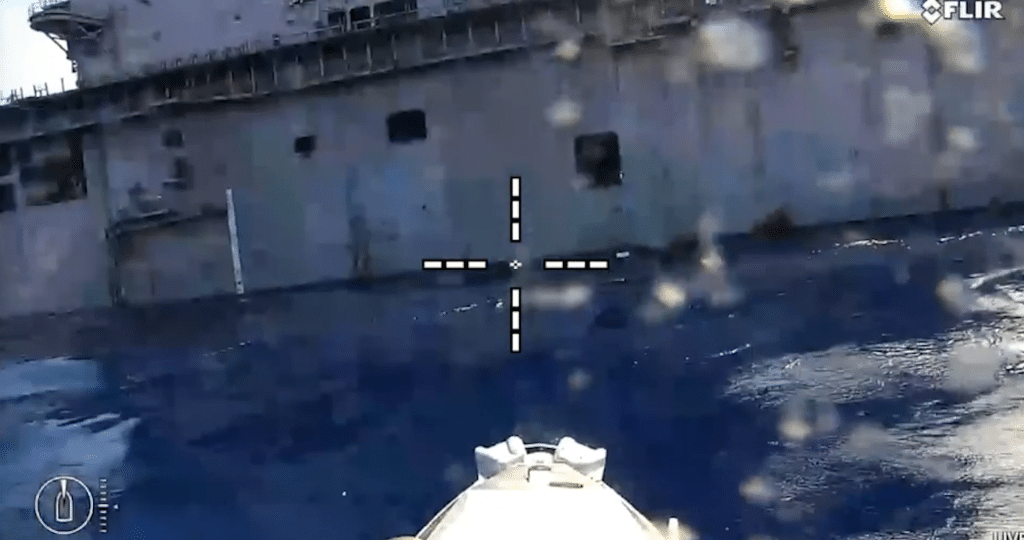
The US Navy deployed Ukraine-style kamikaze sea drones during a Pacific SINKEX, sinking a decommissioned amphibious assault ship. The drones, piloted by the US Navy, closed in on the ship before detonating at the waterline. This test demonstrates the Navy's exploration of new technologies for maritime warfare.
-
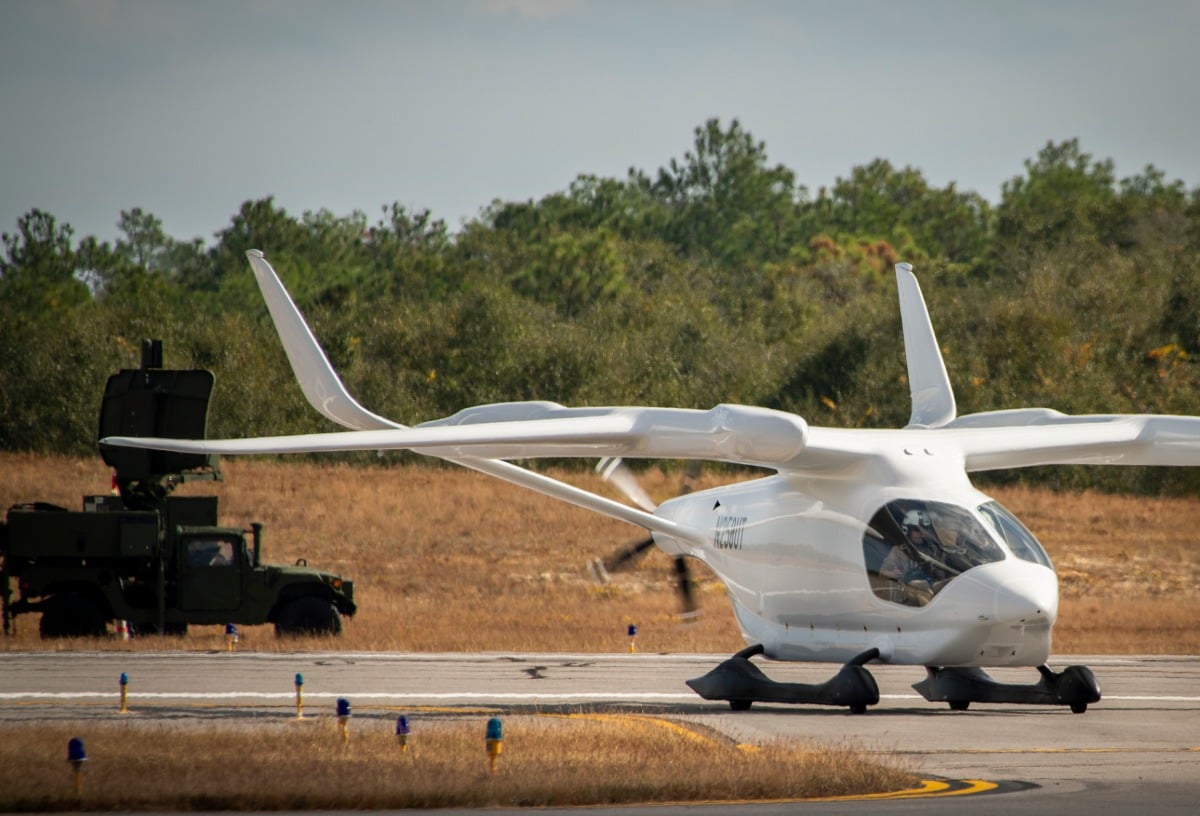
Sikorsky and BETA have collaborated to integrate cutting-edge autonomy software into a new aircraft in under two weeks. This partnership aims to enhance military aviation programs with advanced technology. The announcement was made at the Farnborough International Airshow.
-
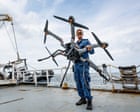
The Dutch navy is utilizing robots, AI, and drones to transform its sea defenses, with a focus on keeping people out of danger zones. The navy is employing uncrewed systems, such as the Defender vessels, which are controlled by computer systems. This approach is seen as the future for armed forces.