Submarines
34 recent stories · Following ↗
-
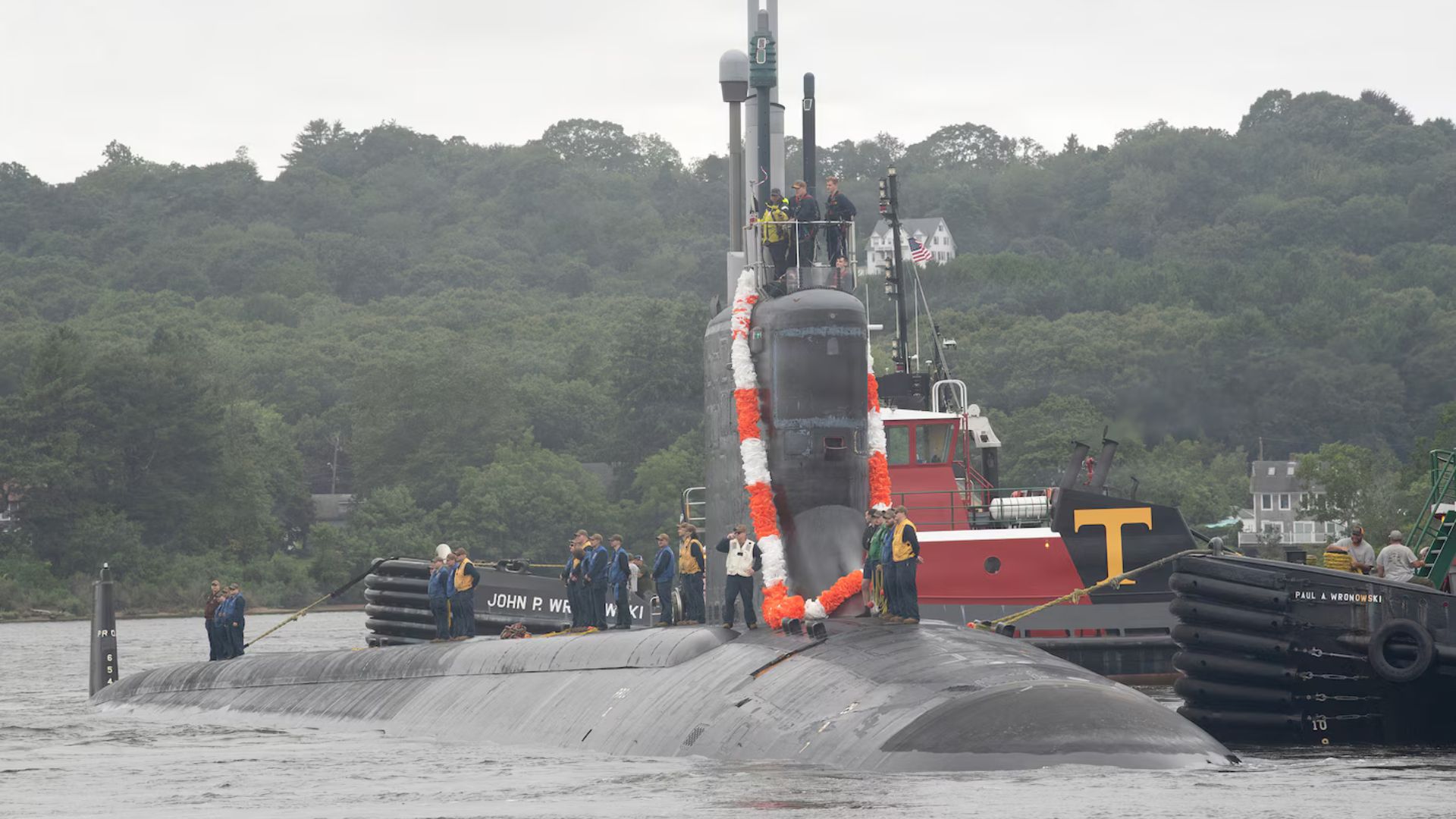
The USS Virginia, a 7,900-ton nuclear-powered submarine, has returned to Naval Submarine Base New London after a 41,400-mile mission to Europe. The submarine's mission highlights the US Navy's capabilities and presence in the region. The USS Virginia is a Virginia-class submarine, known for its advanced technology and stealth capabilities.
-
Saab reports strong progress on Sweden's A26 submarine programme, driven by Polish and Swedish orders. The company is increasing submarine production capacity at its Karlskrona shipyard.
-
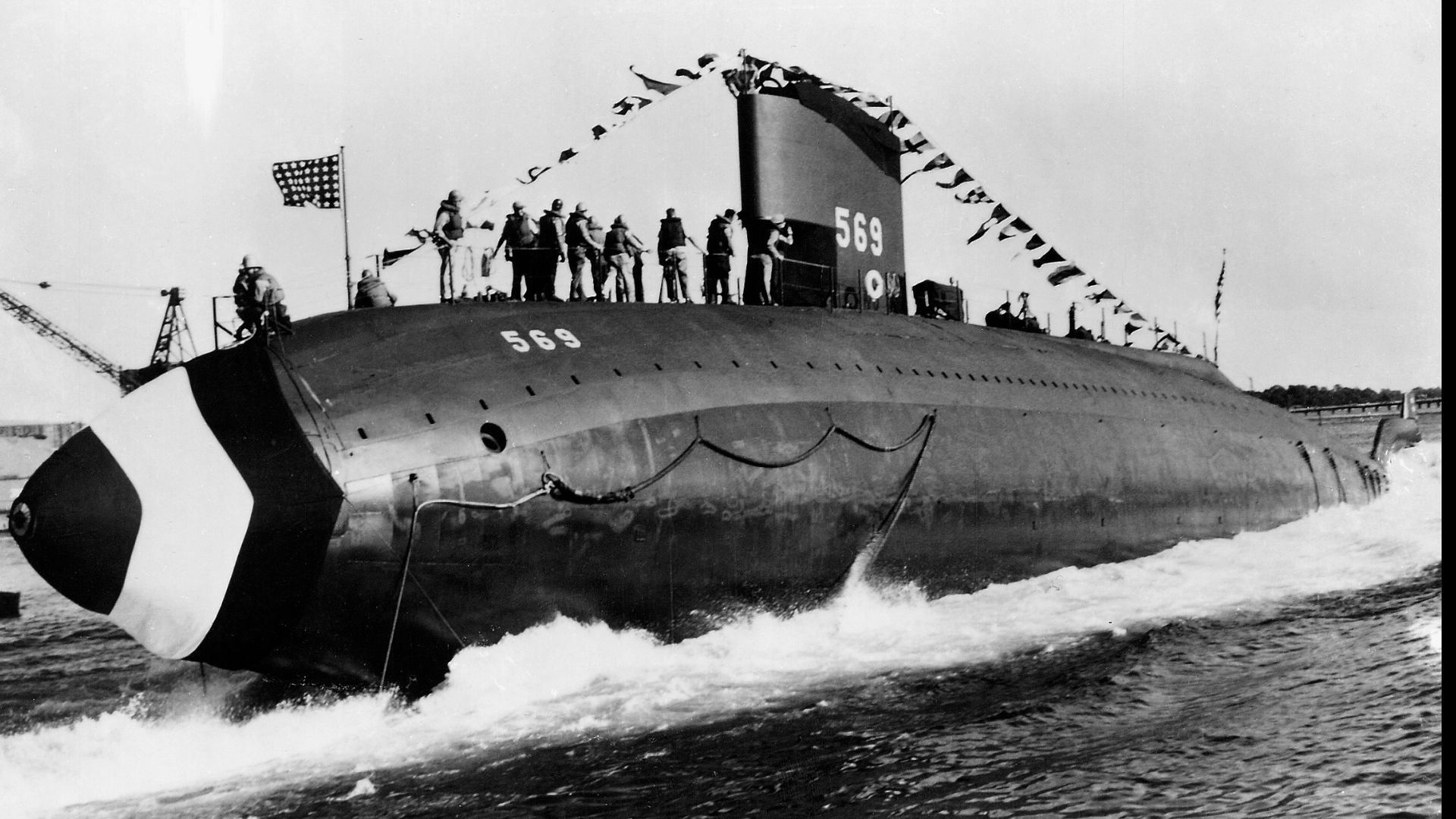
The article highlights the evolution of submarines over the century, showcasing 7 of the fastest submarines to dive beneath the ocean waves. These submarines have transformed from slow underwater boats to advanced vessels. The article explores their development and capabilities.
-
The US Navy is reclassifying 19 Virginia Payload Module-equipped submarines as SSGNs, expanding long-range undersea strike capacity. This decision separates their expanded strike role from standard Virginia-class fast-attack submarines. The reclassification is a step to sharpen the Navy's competitive edge.
-
The USS Virginia, a nuclear-powered fast-attack submarine, returned to Naval Submarine Base New London after a six-month deployment to the U.S. European Command area. The submarine is under the command of Cmdr. Jeremy Wheelis. The deployment lasted from February to August.
-
The US Navy has started deactivating the USS Georgia, a nuclear-powered guided-missile submarine, after 42 years of service. This marks the beginning of the retirement of the Ohio-class guided-missile submarine fleet. The deactivation process began at Naval Submarine Base Kings Bay on July 31.
-
Australian industry reaches AUKUS milestone with Australian-produced submarine-grade steel to be used in US Navy Virginia-class submarines. Bisalloy Steels received a $2 million purchase order from General Dynamics Electric Boat for HY80 steel plate. This marks the first time Australian steel will be used in Virginia-class submarine construction.
-
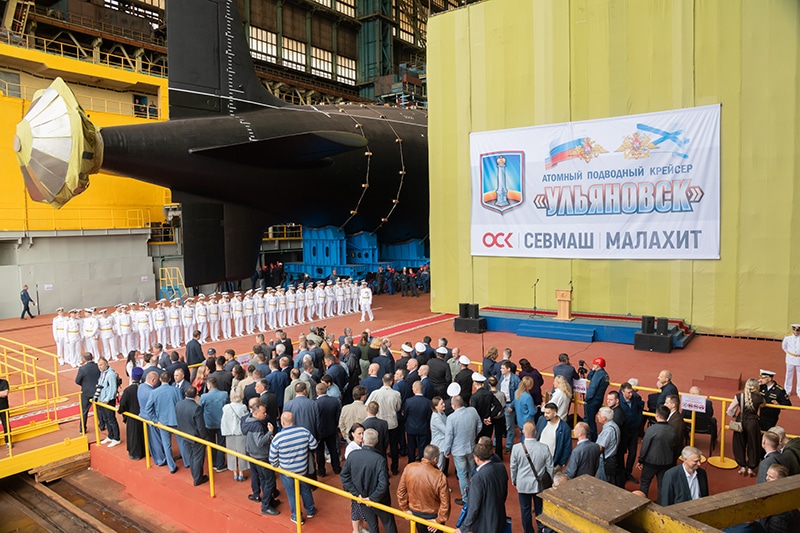
Russia's Sevmash shipyard has floated out the nuclear-powered cruise missile submarine Ulyanovsk, marking the completion of its hull-construction phase. The vessel will now undergo fitting out and testing.
-
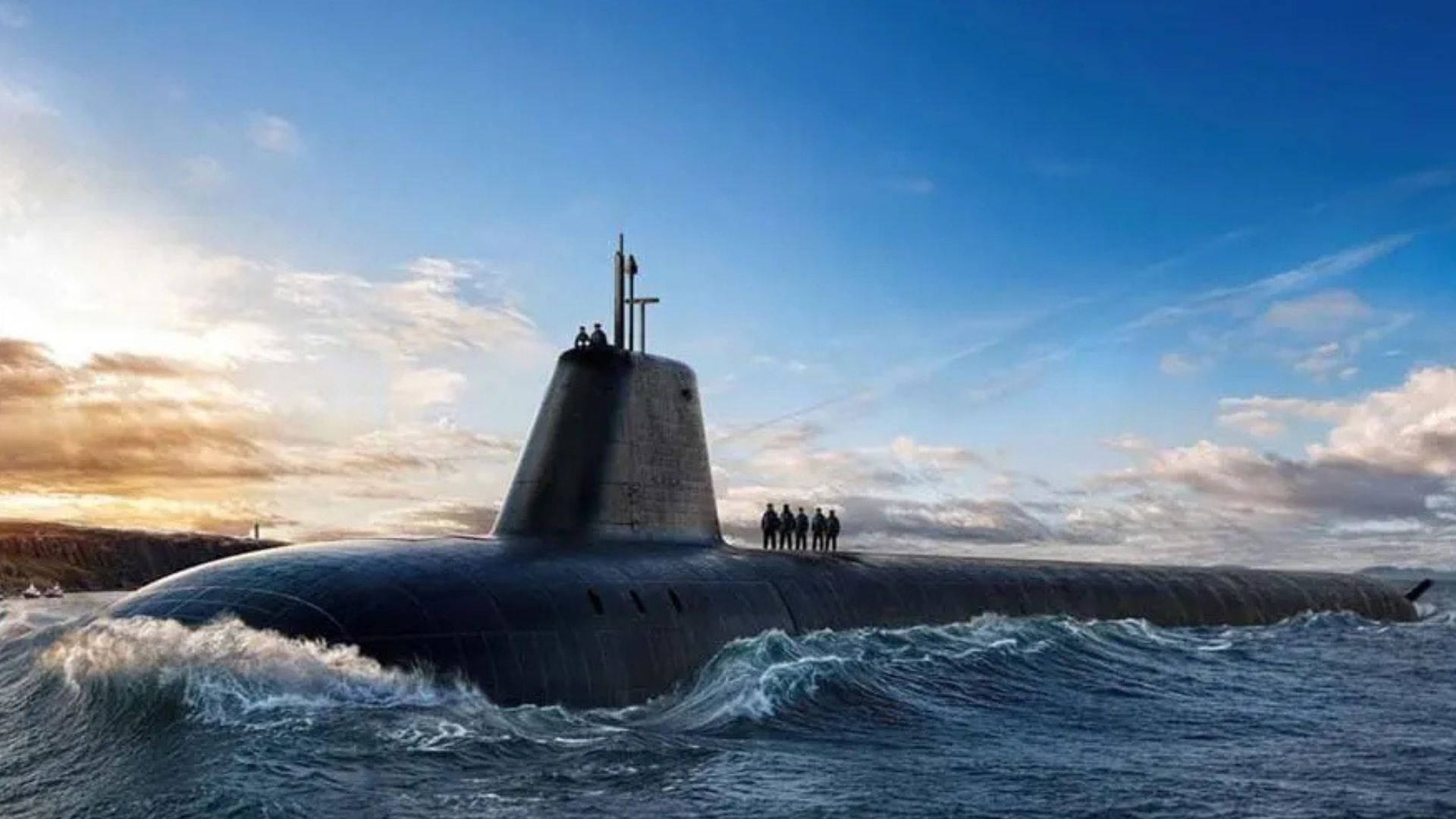
The UK has awarded a multi-billion-dollar contract to BAE Systems for its next-generation Dreadnought-class submarine. This submarine is capable of carrying nuclear missiles. The contract marks a significant step forward in the UK's nuclear deterrence capabilities.
-

Britain has allocated $11.3 billion for its next generation of submarines, emphasizing the importance of stealth and invisibility for the weapons they carry. The Royal Navy confirmed the investment on July 30, 2026. This commitment underscores the UK's focus on advanced naval capabilities.
-
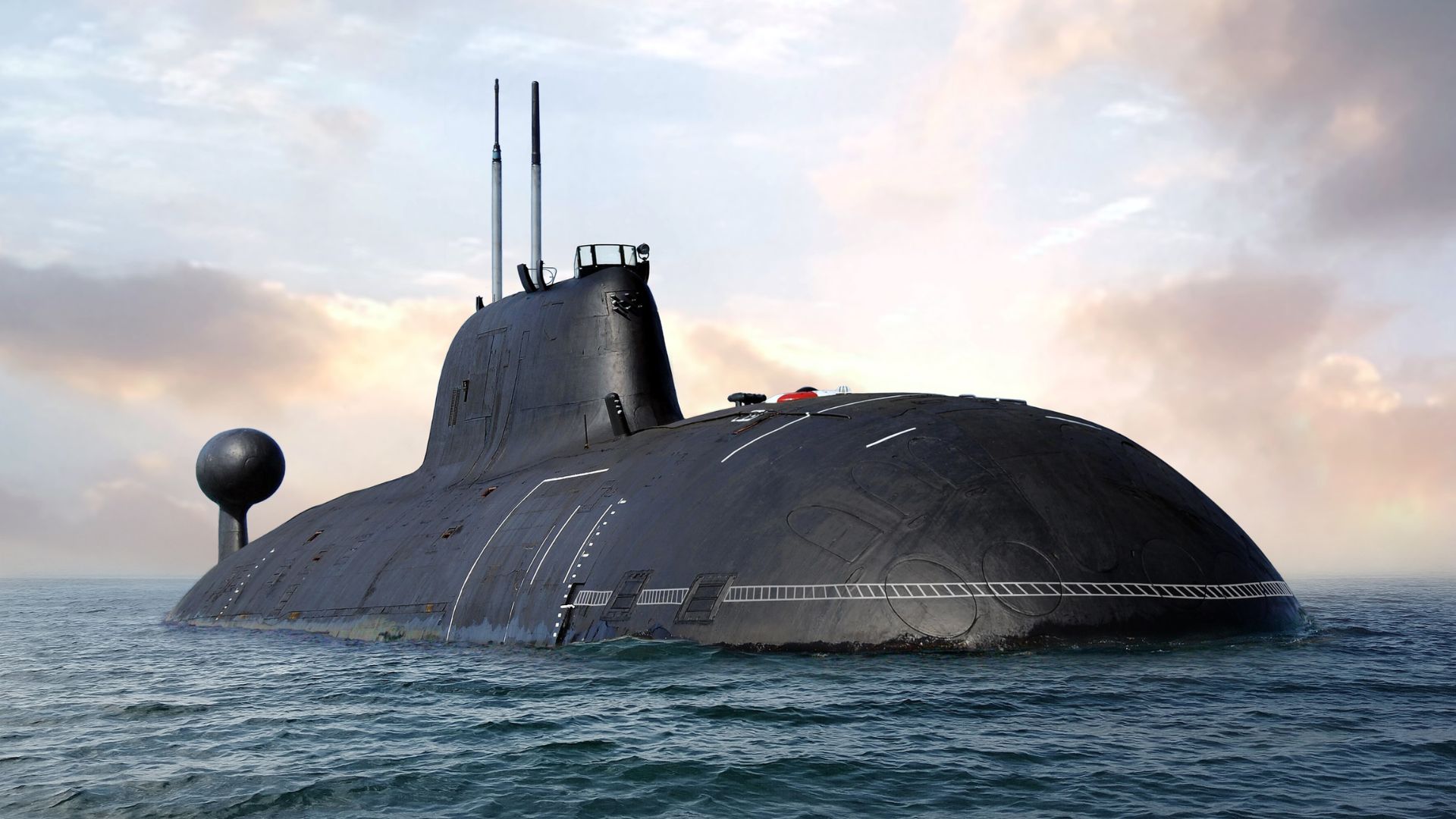
Canada's next-generation submarine program may incorporate hydrogen reactor technology from a US neighbor, potentially leading to clean manufacturing advancements. The technology could also be used in German-led submarine production. This development may have implications for the future of submarine design and construction.
-
GH Power and TKMS are in talks about potential clean-energy and advanced-materials projects related to Canada's submarine program. The discussions follow the selection of a preferred supplier for the program. The companies are exploring ways to integrate clean energy into the submarine program.
-
BAE Systems has been awarded a £5.9 billion contract by the UK Government to support the development of the Dreadnought Class nuclear deterrent submarines. The contract will fund critical work to progress the submarines towards entry into service. Work on the first submarine, Dreadnought, is ongoing at BAE Systems' shipyard in Barrow-in-Furness.
-

The US Navy awarded a $76.6 billion contract to General Dynamics for 9 Virginia-class and 5 Columbia-class submarines. The contract includes funds for workforce improvements and material for a tenth Virginia-class boat.
-
The Pentagon has approved the next contract for the Virginia-class submarine program, despite production bottlenecks
-
Australia has entered the US Virginia-class submarine supply chain with its first steel order for General Dynamics Electric Boat. Australian-made submarine-grade steel will be used in US Navy Virginia-class submarines for the first time. This marks a new step in AUKUS industrial integration.
-
The Korean Ministry of National Defense has revealed a draft bill on acquiring nuclear-powered submarines. This move is part of the country's efforts to enhance its naval capabilities. The legislation is expected to be floated soon.
-
The US Navy's Ohio class guided missile submarines are in high demand but will be retired from active service within three years. The USS Georgia is heading into retirement, marking the beginning of the end for the Ohio class submarines.
-
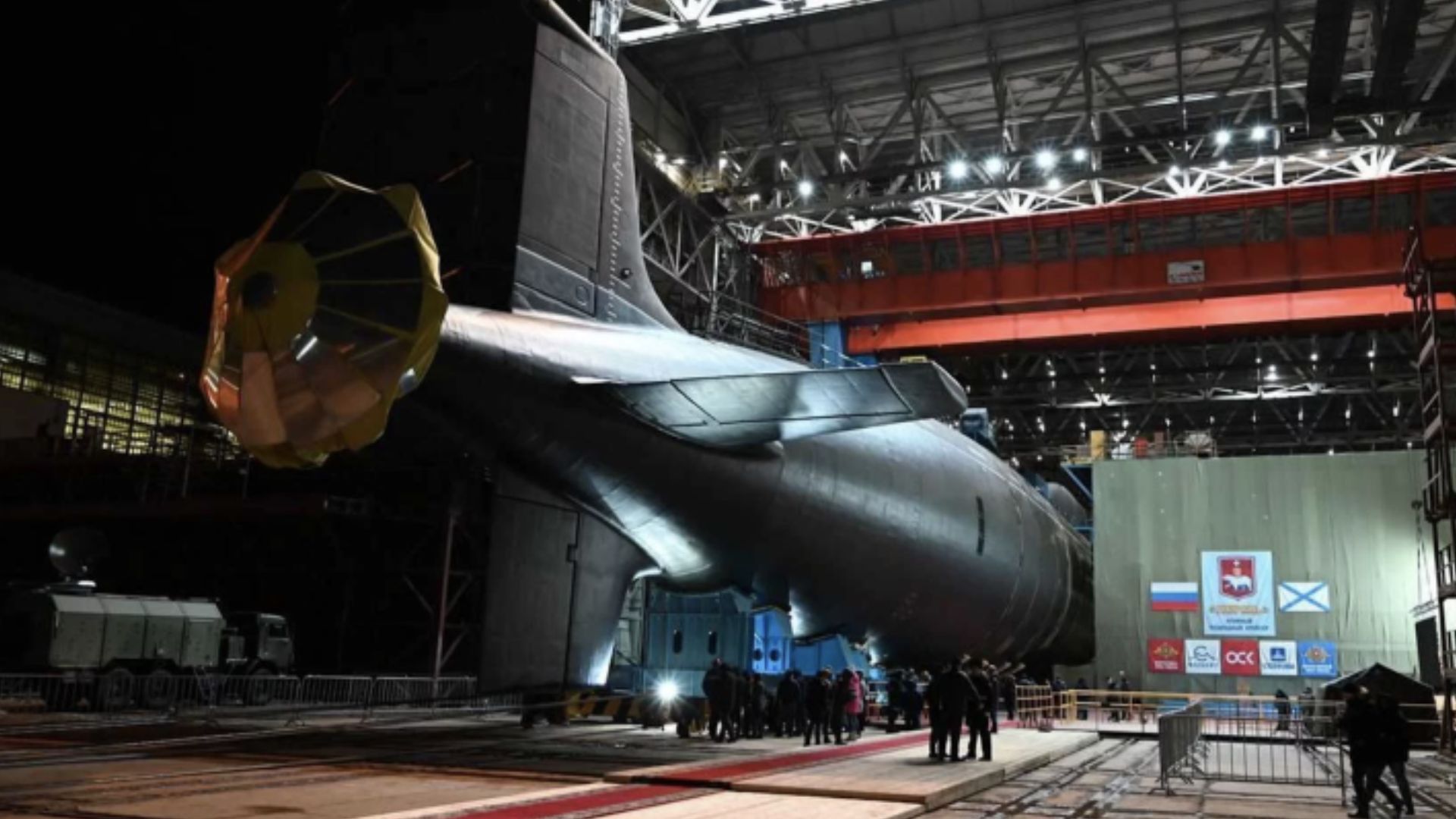
Russia's latest nuclear submarine, the Perm, is a Yasen-M-class nuclear-powered attack submarine that will carry hypersonic cruise missiles. The submarine is designed to enhance Russia's naval capabilities. The Perm is the first of its class and marks a significant development in Russia's submarine technology.
-

Poland has ordered three A26 submarines from Saab, with a delivery schedule set for 2031. The deal includes a weapons package and undisclosed missile integration. An interim boat, HMS Södermanland, will be leased until the new submarines are delivered.
-
Australia is investing an additional $3.2 billion in the Osborne AUKUS submarine shipyard. The investment is part of the country's efforts to enhance its submarine capabilities. The AUKUS program is a trilateral partnership between Australia, the UK, and the US.
-

Satellite images suggest China may be building a new class of stealthy attack submarines. Analysts believe the images show a previously unknown submarine design. The development of such a submarine could significantly impact China's naval capabilities.
-
TKMS and Navantia have signed a second Memorandum of Understanding to further their strategic partnership in submarine production and commercialization. The companies aim to establish a joint collaboration framework by the end of the year. This partnership marks progress in their initial agreement and commitment to working together.
-

South Korea's HD Hyundai Heavy Industries and Peru's SIMA have unveiled a customized 1,500-ton submarine tailored for Pacific operations. The submarine is moving closer to construction. The partnership between the two companies aims to enhance naval capabilities in the region.
-
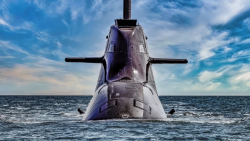
Canada is purchasing 12 new submarines to replace the troubled Victoria Class subs, a move that could have implications for NATO and the Royal Canadian Navy. The new submarines are expected to improve Canada's naval capabilities. The purchase has been announced, with details on the acquisition still emerging.
-
Taiwan's first indigenous submarine, Narwhal, is expected to be commissioned within the next 2 months. This development marks a significant milestone in Taiwan's naval capabilities. The commissioning of the submarine is a major step forward for Taiwan's defense industry.
-
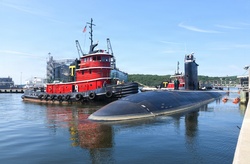
The Portsmouth Naval Shipyard has delivered the USS Albany, a Los Angeles-class fast attack submarine, to the Navy at Naval Submarine Base New London. The delivery was made before the Fourth of July holiday, returning the submarine to battle-ready status. The USS Albany is now available for naval operations.
-
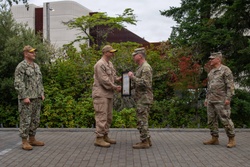
Maj. Gen. Thomas Friloux presented a commendation to the USS Louisiana on behalf of the Louisiana Governor. The commendation was given during a visit to Naval Base Kitsap-Bangor in Washington. The USS Louisiana is an Ohio-class ballistic missile submarine.
-
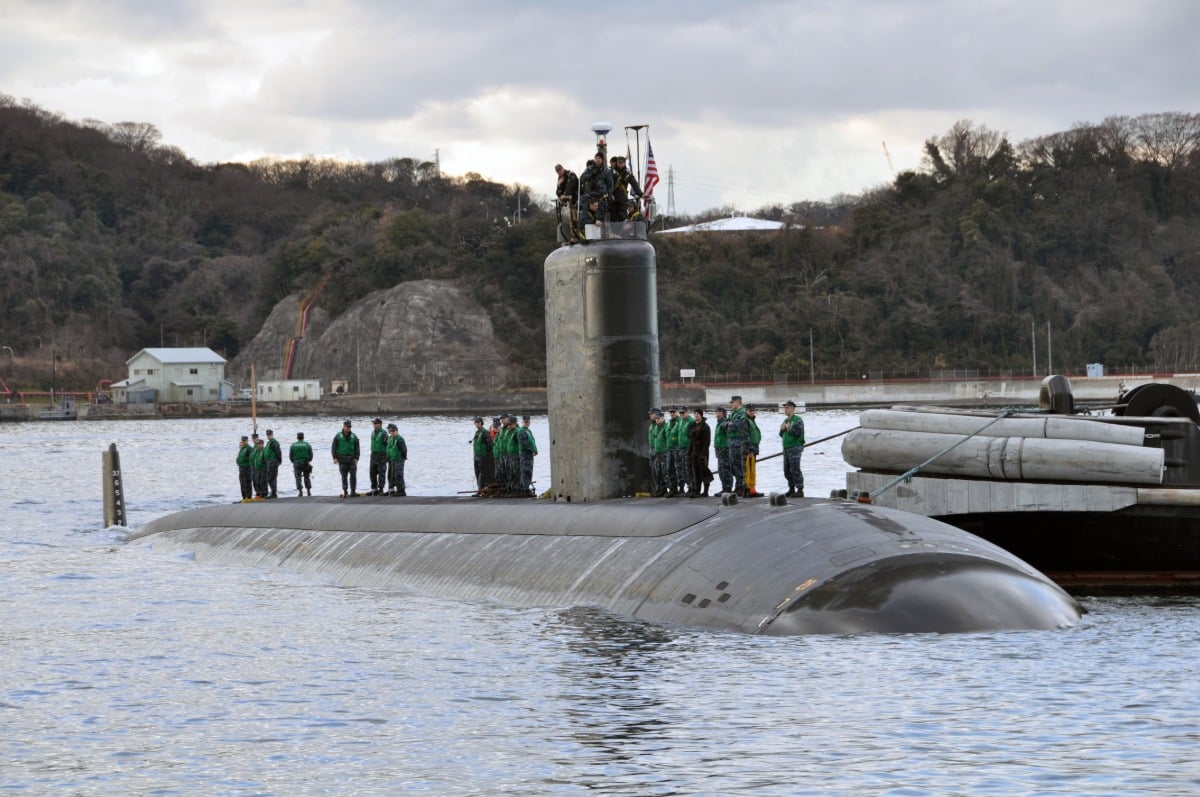
The USS Tucson fast-attack submarine has relocated from Pearl Harbor to Naval Base Guam, a move that carries significance for the US Navy's undersea force positioning against China's expanding fleet. The submarine slid into Apra Harbor on July 10. This relocation is part of the Navy's routine operations.
-
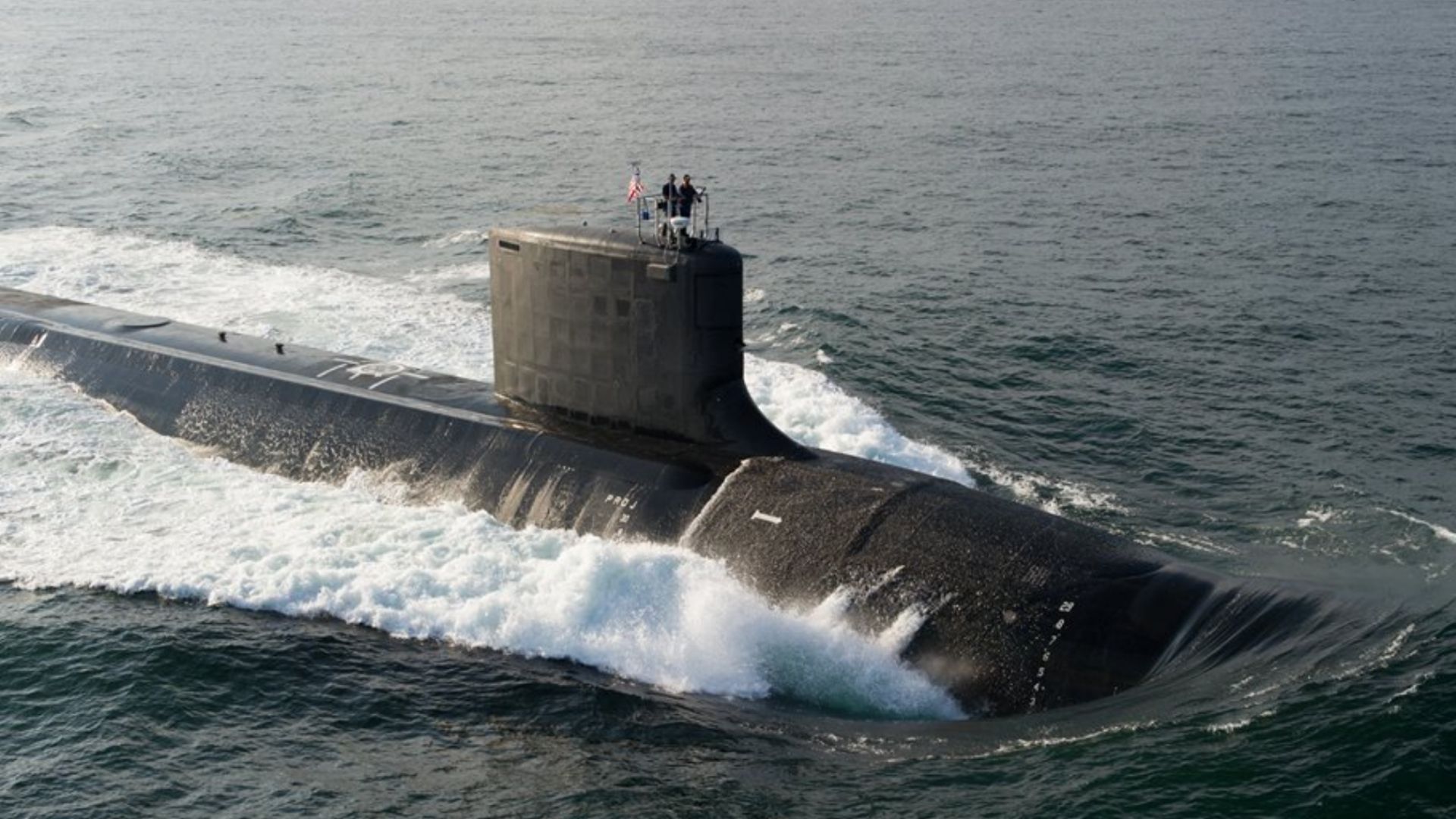
The world's submarine fleets are growing at a pace not seen since the Cold War, with China being a major contributor. The ranking of the 7 biggest submarine fleets is provided, showcasing the current state of global submarine construction.
-
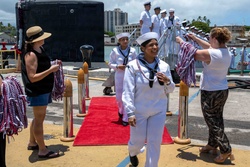
The Virginia-class fast-attack submarine USS Mississippi returned to Joint Base Pearl Harbor-Hickam after deployment. The crew performed various submarine operations to deter aggression and support a free and open Indo-Pacific.
-
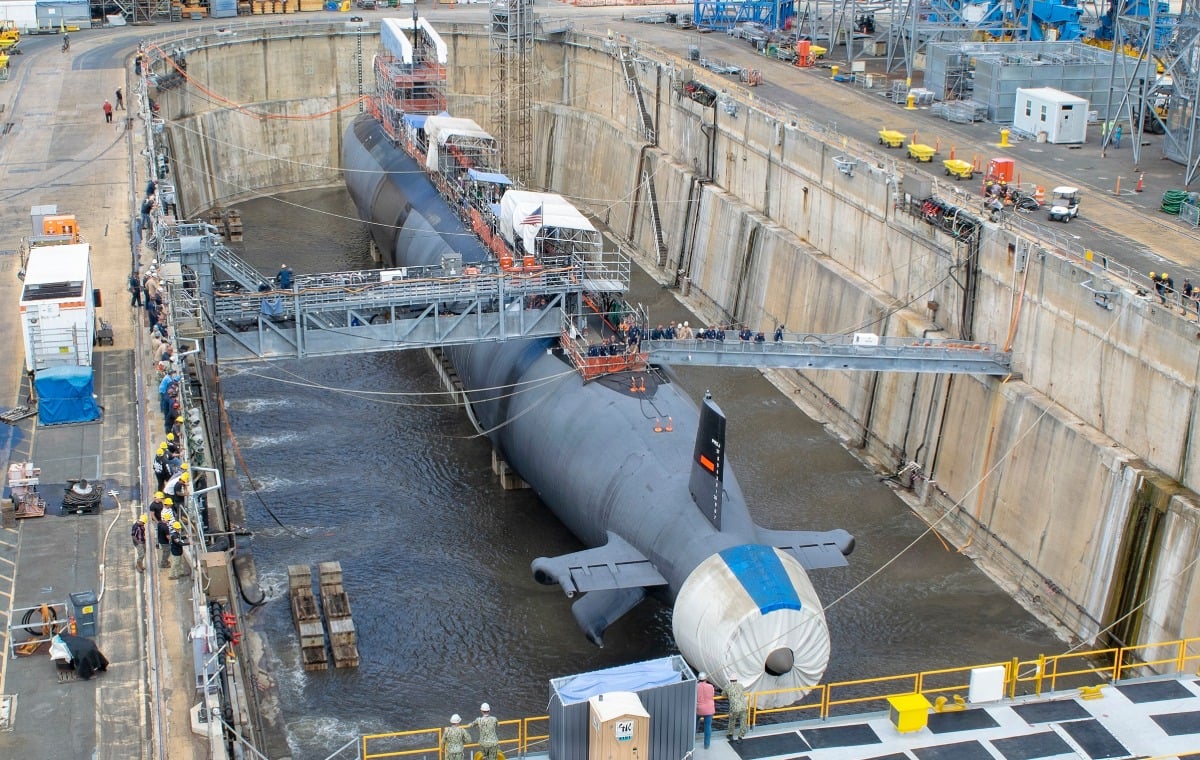
The US Navy's Virginia-class submarine may be equipped with a next-gen sonar array, enhancing its detection capabilities. The Large Vertical Array (LVA) is a hull-mounted acoustic sensor designed to provide sharper and longer-range detection of other vessels. This upgrade is part of the submarine's scheduled maintenance period.
-
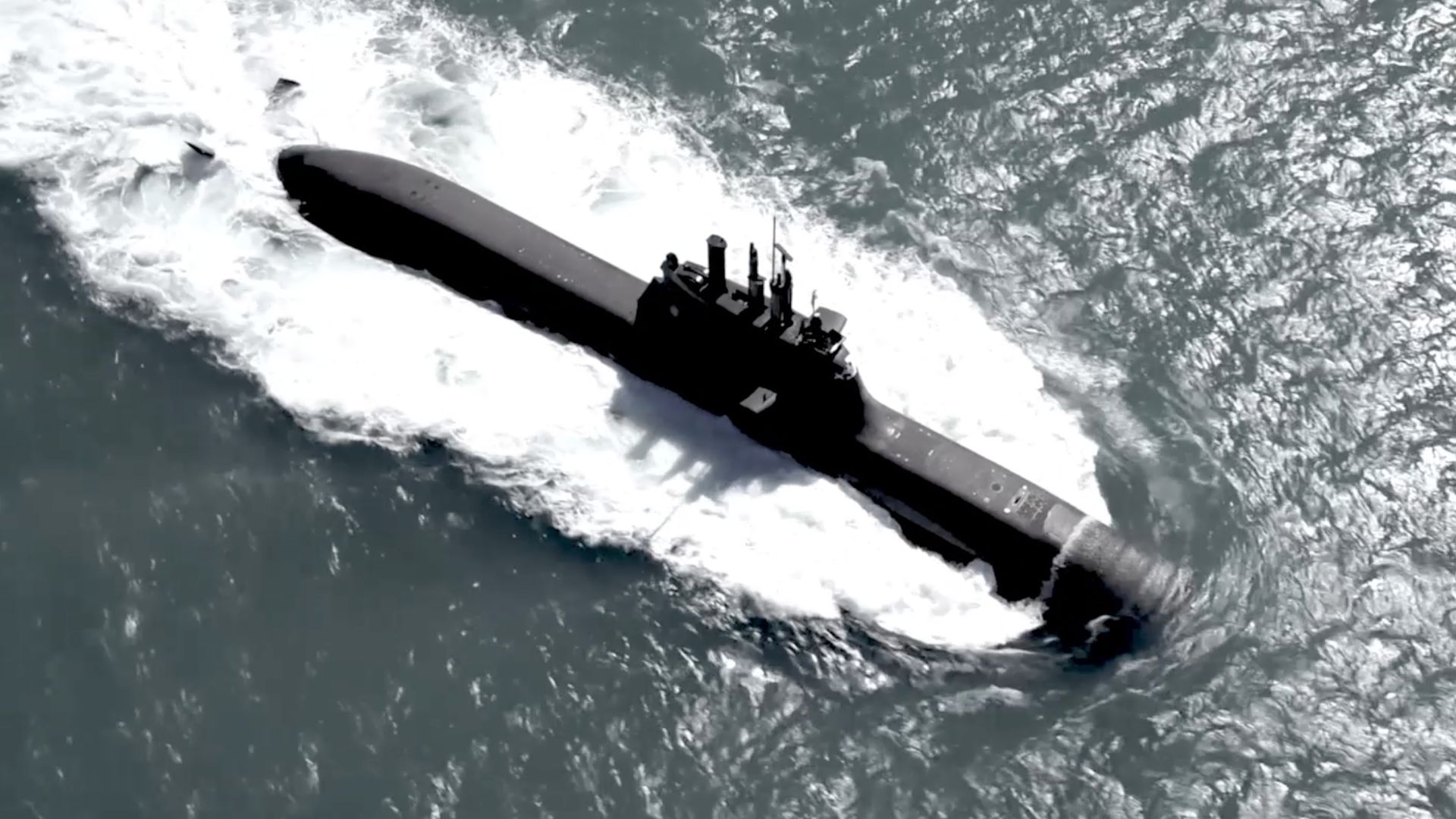
Canada has selected German shipbuilder TKMS to build a new fleet of 12 submarines, marking its biggest defense purchase ever. The submarines will be 3,300-ton vessels. This purchase is a significant investment in Canada's defense capabilities.
-
Canada is set to decide between German and South Korean submarine bids on Monday. The decision will determine the supplier of Canada's future submarines. The bids are from German and South Korean companies, and the choice will have significant implications for Canada's naval capabilities.