Shipbuilding
32 recent stories · Following ↗
-
HII and HD Hyundai Heavy Industries are expanding intelligent welding automation at Ingalls Shipbuilding in Mississippi to support U.S. Navy production. This expansion aims to enhance efficiency and productivity in shipbuilding. The partnership leverages advanced technology to improve manufacturing processes.
-
BWXT is in discussions with U.S. Naval Reactors about a proposed nuclear-powered battleship that could utilize a Ford-class aircraft carrier reactor design. Supplier work for the project may begin as early as 2028. The design could potentially leverage existing technology from the Ford-class carriers.
-
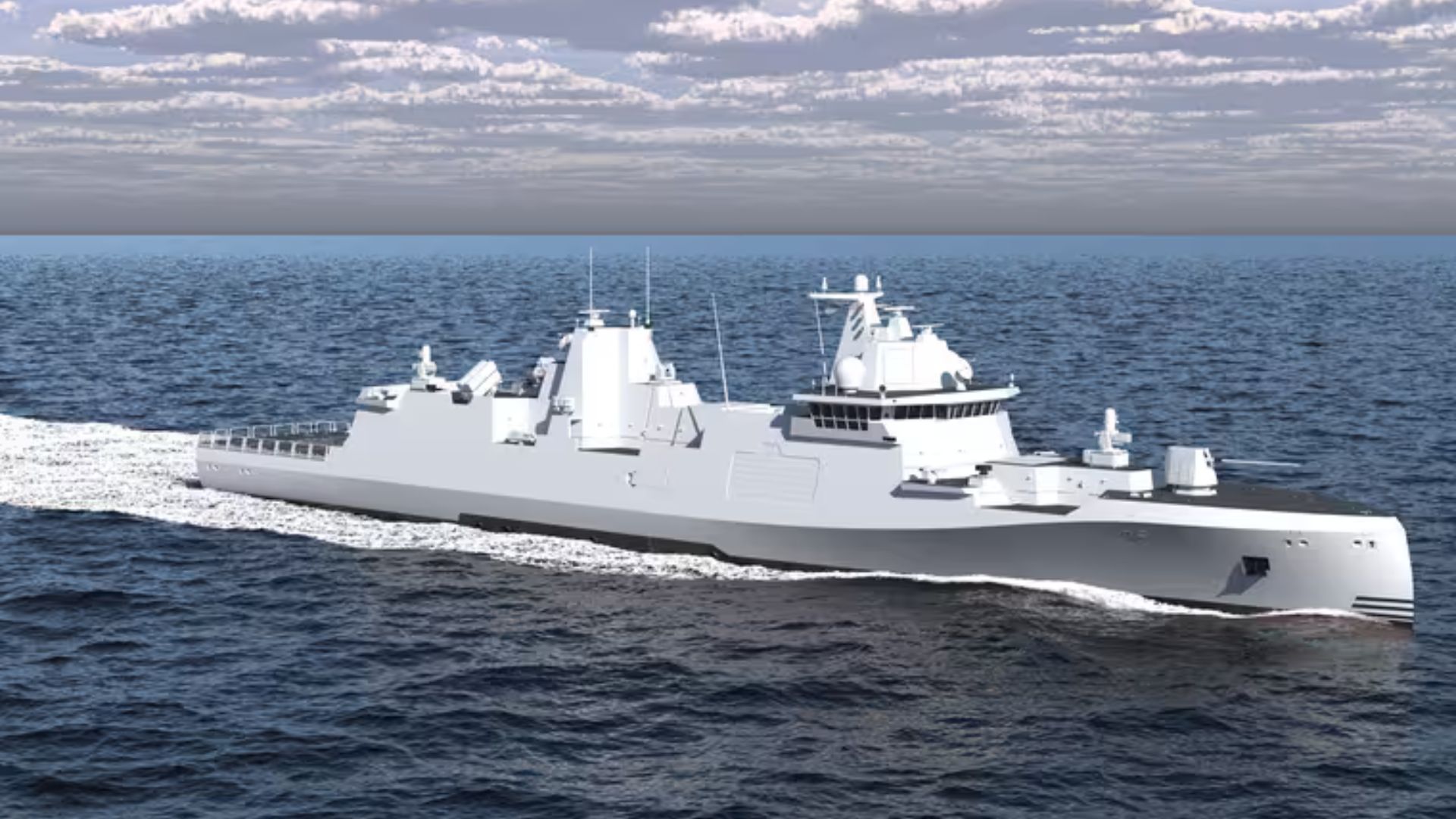
Rheinmetall introduced the GMF 140, a new guided missile frigate with 64 missile launch cells, to counter hypersonic threats. The warship weighs 6,000 tons and is designed to enhance defense capabilities. The GMF 140 aims to provide a robust defense system against advanced threats.
-
The US Navy's Future Frigate program, based on the Coast Guard's national security cutter, aims to enhance naval lethality. The program offers an opportunity for the Navy to address existing issues. It leverages the design and capabilities of the Coast Guard's cutters to inform its development.
-

The Royal Saudi Navy's Multi-Mission Surface Combatants (MMSCs) require additional design and engineering work, causing delays. Deficiencies with trial cards and newly identified discrepancies are the main reasons for the extra work. This will impact the delivery timeline of the vessels.
-
German defense giant Rheinmetall has introduced a new warship design, positioned between a lower-end frigate and a guided-missile destroyer, targeting the North American market. The design aims to fill a capability gap, offering a unique set of features. Rheinmetall's entry into the frigate market may impact the industry's dynamics.
-
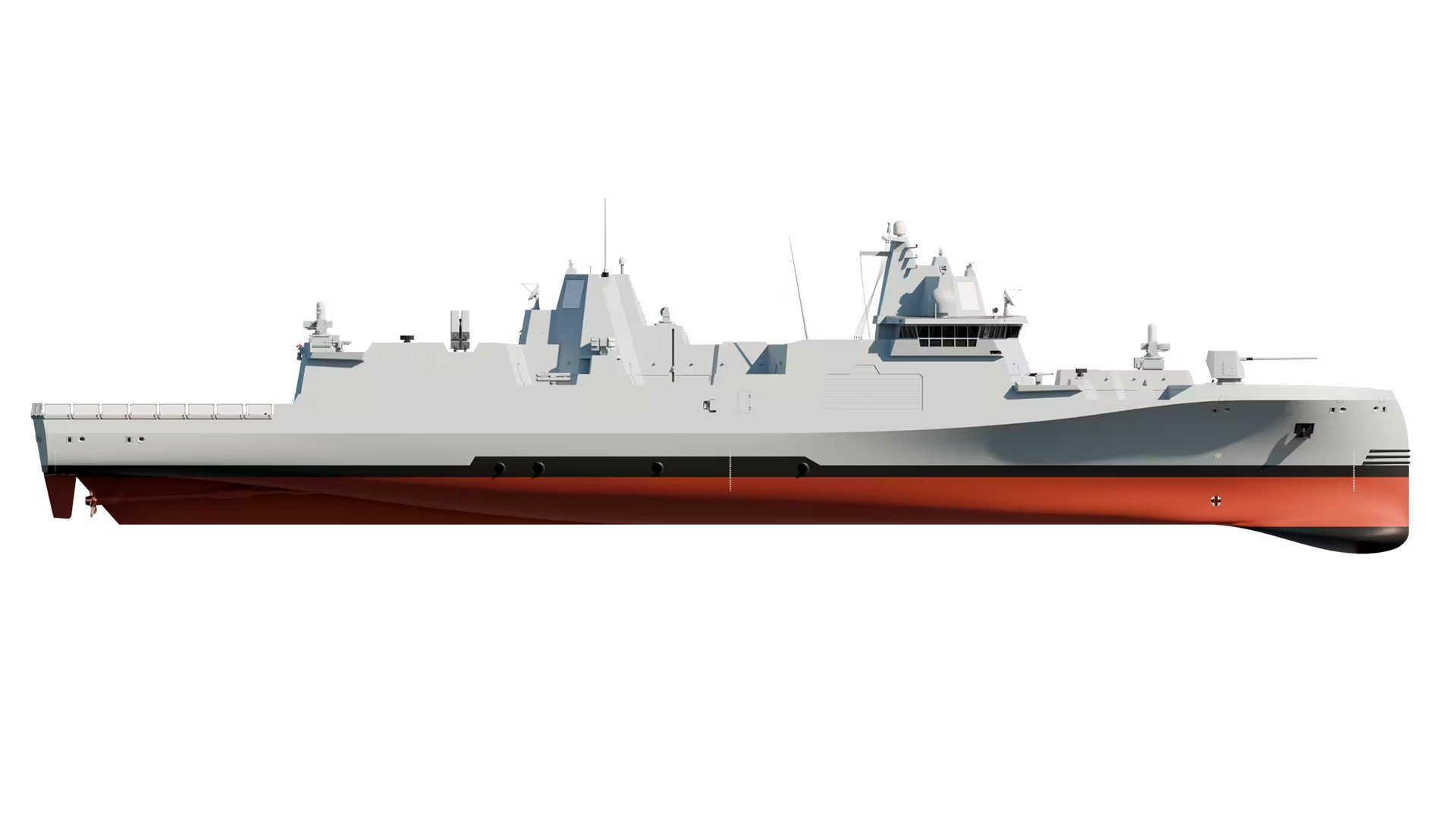
German defense company Rheinmetall is entering the frigate market with a warship design that falls between a lower-end frigate and a guided-missile destroyer. The design is targeted at the North American market.
-
General Dynamics Bath Iron Works has christened the future USS William Charette, the fifth Arleigh Burke Flight III destroyer. The ceremony took place at the shipyard in Bath, Maine. The USS William Charette is now ready for launch.
-
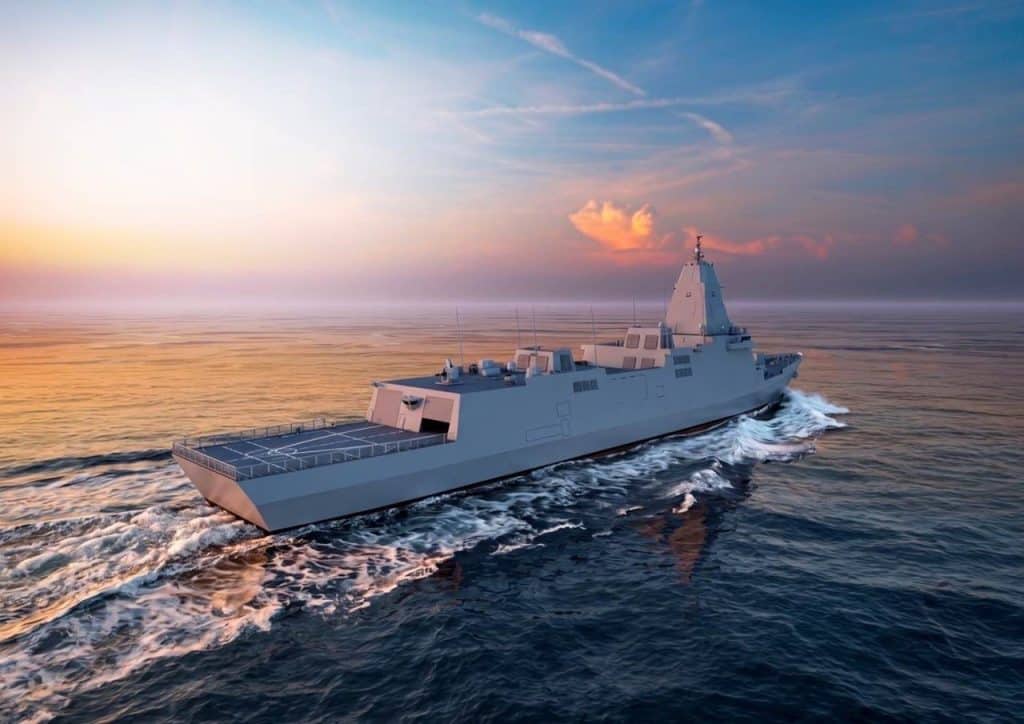
South Korea's DAPA has signed a contract with Hanwha Ocean for the detailed design and construction of the first-in-class KDDX destroyer. The target delivery date to the ROK Navy is 2032. The KDDX destroyer is a significant addition to South Korea's naval capabilities.
-

Hanwha Ocean has laid the keel of the sixth FFX Batch III frigate for the Republic of Korea Navy at its Geoje shipyard. The ceremony marked the start of construction for the final ship in the six-vessel program. The FFX Batch III frigates are part of the ROK Navy's modernization efforts.
-

The USS Georgia, a 42-year-old nuclear guided-missile submarine, has completed its final patrol and is set to be inactivated. The LCS Fort Worth has also decommissioned. Both warships have ended their service with the Navy, with the USS Georgia returning to Submarine Base Kings Bay, Ga., after its final deployment.
-
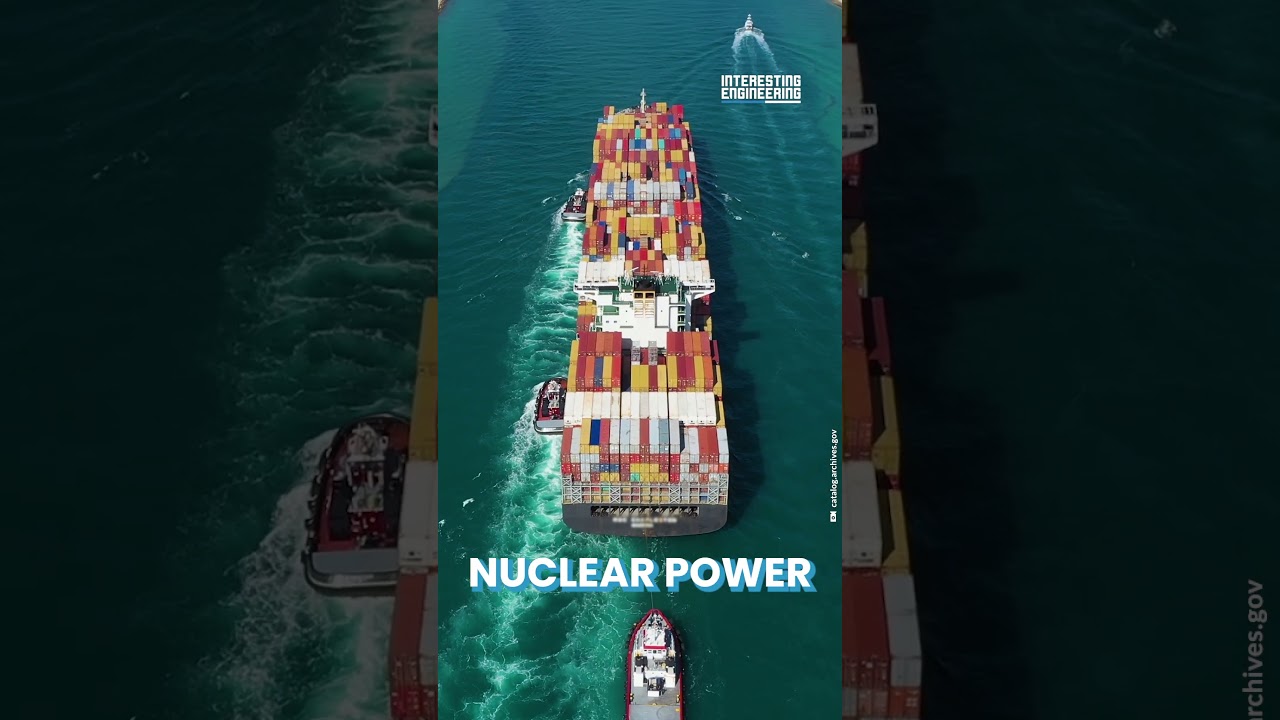
The US Navy is considering nuclear power for its proposed Trump-class battleship program, addressing operational challenges. The program aims to bring back battleships with advanced capabilities.
-

The US Navy's first nuclear aircraft carrier, USS Enterprise, is being scrapped at a cost of $1.3 billion. A $418.5 million contract was awarded to NorthStar Maritime Dismantlement Services for the disposal of the carrier. The ship will be towed to Mobile, Alabama for final dismantling.
-
Huntington Ingalls Industries expands distributed shipbuilding to amphibious ships, starting with Philadelphia (LPD 32). This strategy aims to increase throughput and support the US Navy's programs. The expansion builds on the success of the destroyer program.
-
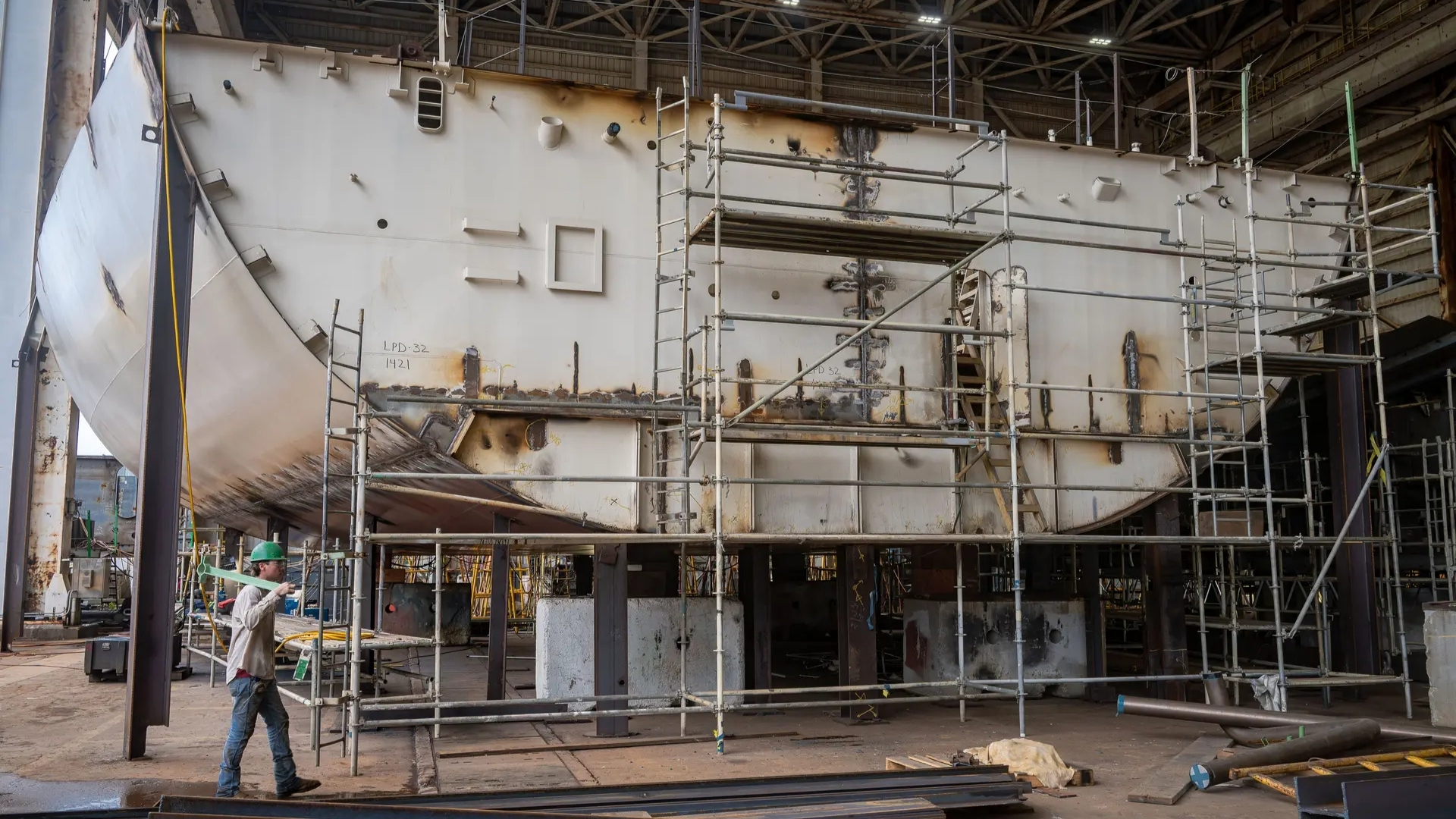
HII, a US shipbuilder, is changing its strategy for building Navy warships by partnering with other shipyards. This new approach will involve collaborative efforts to construct certain warships. The details of the partnership and its implications are still emerging.
-
Hanwha Ocean is expanding its US shipbuilding presence through a design deal with Leidos for military sealift and new workforce partnerships. The agreements cover military sealift design, workforce training, and supply-chain development. This move aims to strengthen Hanwha Ocean's position in the US shipbuilding industry.
-
The Taiwan Navy has commissioned its first Batch 2 Tuo Chiang-class catamaran corvette, the ROCS Tan Chiang. The commissioning ceremony was attended by Taiwanese President Lai Ching-te and took place at Tsoying Naval Base. This marks a significant addition to Taiwan's naval capabilities.
-
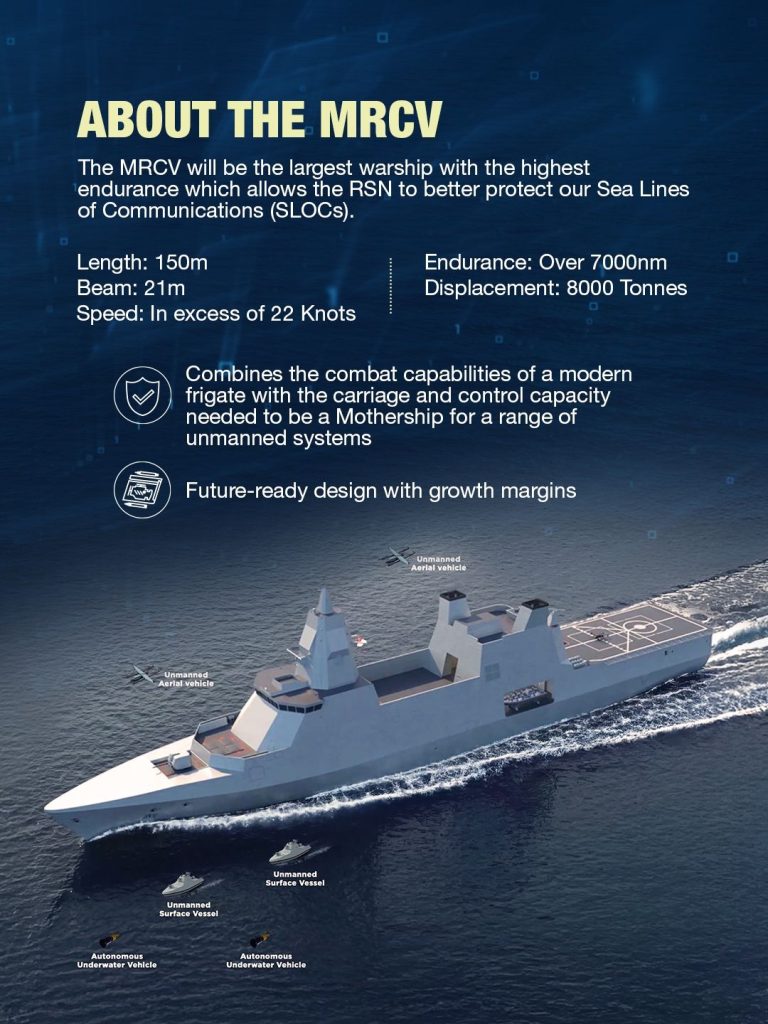
ST Engineering has launched the second Multi-Role Combat Vessel for the Republic of Singapore Navy. The launch ceremony was officiated by Coordinating Minister for National Security and Minister for Home Affairs, Mr K Shanmugam. The vessel is part of the Victory-class MRCV program.
-
Fincantieri has begun construction on the second Italian Navy FREMM EVO frigate with a steel cutting ceremony at its Riva Trigoso shipyard. The FREMM programme is managed by OCCAR and involves national authorities, industry partners, and international stakeholders. The ceremony marks a significant milestone in the development of Italy's next-generation naval capabilities.
-
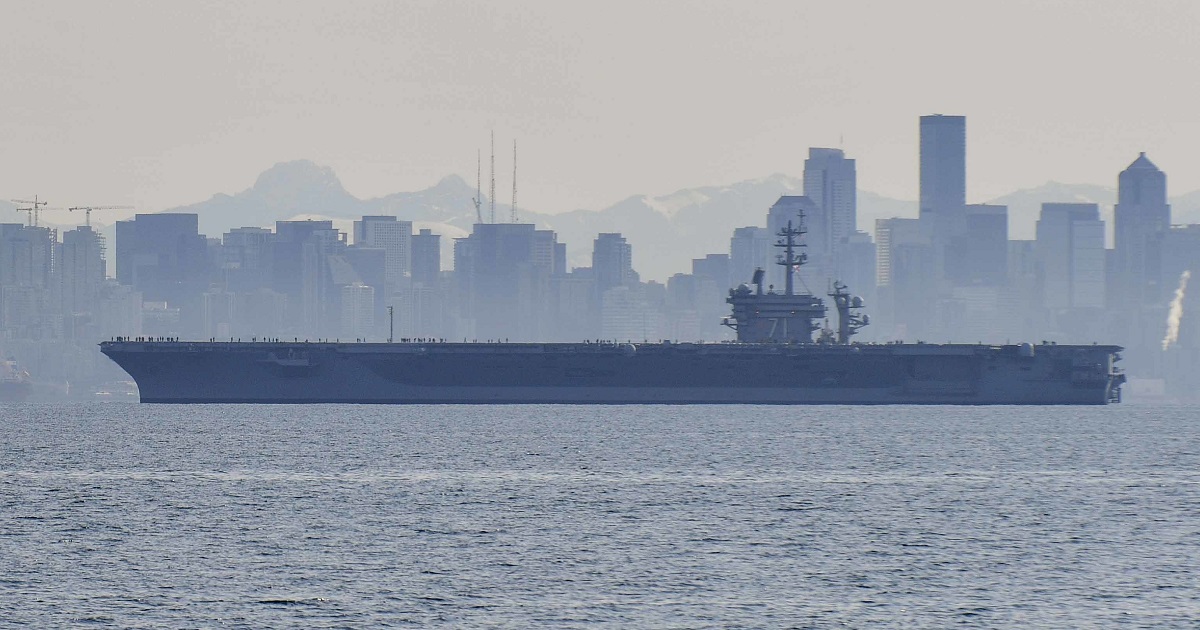
The US Navy is moving forward with plans to build a new dock for aircraft carriers on the West Coast. The dock will service large vessels such as aircraft carriers, addressing the current lack of suitable docks in the region.
-
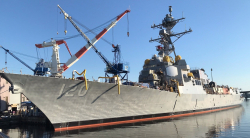
The new Navy PAE Maritime Shipbuilding Office has reached its initial operational capability, overseeing surface shipbuilding for the US Navy and one Coast Guard program. This office is a key part of the Navy's shipbuilding efforts. The office's IOC milestone marks a significant step forward in the Navy's ability to manage its shipbuilding programs.
-
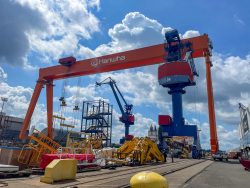
Hanwha Philly Shipyard has been awarded a $2 billion contract to build two missile-tracking vessels for the US Navy, replacing the aging Pacific Tracker and Pacific Collector. The new vessels will support the US missile defense program. The contract is part of a larger effort to revitalize US shipbuilding and enhance national security capabilities.
-

The US needs to align its shipbuilding ambitions with industrial foundations to rebuild its arsenal, according to R. Wood in Proceedings. This requires a realistic approach to building a larger and more capable fleet. The article discusses the importance of a strong industrial base in supporting the growth of the US fleet.
-
BAE Systems is constructing a new paint facility at its Govan shipyard in Glasgow to support Royal Navy Type 26 frigate production. The facility is valued at £3.3 million. This expansion aims to enhance the shipyard's capacity for naval vessel construction.
-
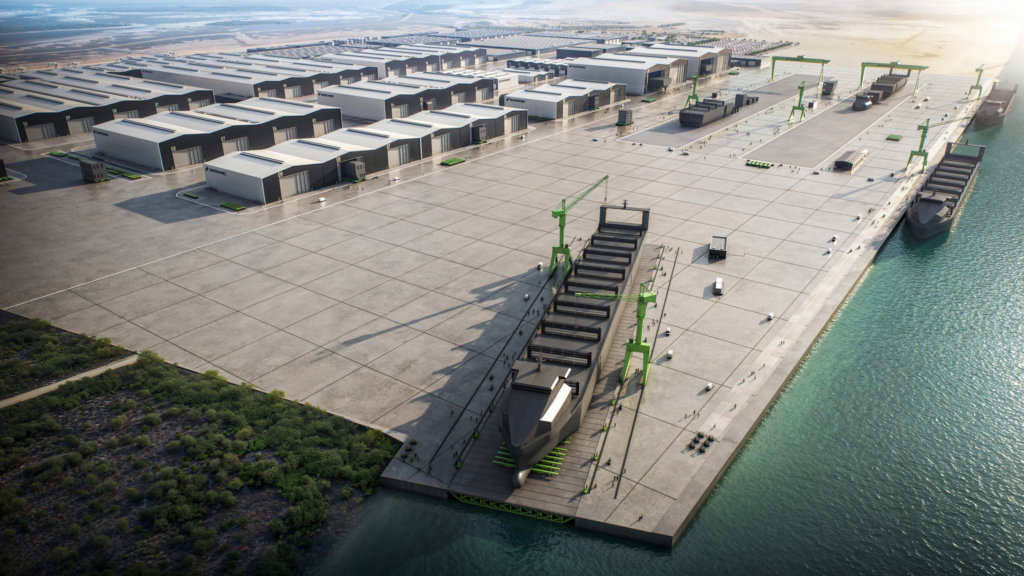
Saronic, a maker of autonomous vessels, has announced plans to build a new $3 billion shipyard in Brownsville, Texas. The shipyard, called Port Alpha, will be the most advanced in the world and will focus on both defense and commercial vessels. The project is expected to create up to 10,000 jobs over the next 10 years.
-
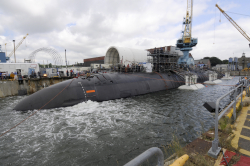
The U.S. Navy's shipbuilding efforts are being hindered by tariffs, resulting in thousands of lost operational days due to trouble obtaining new and spare parts. This issue is affecting the Navy's ability to maintain its fleet. The tariffs are causing significant delays and losses in operational days.
-
TOTE Services has been awarded a $2.2 billion contract to serve as Vessel Construction Manager for the U.S. Navy and Marine Corps Medium Landing Ship program. The contract was awarded by the Portfolio Acquisition Executive for Maritime. The Medium Landing Ship program is a key acquisition effort for the Navy and Marine Corps.
-
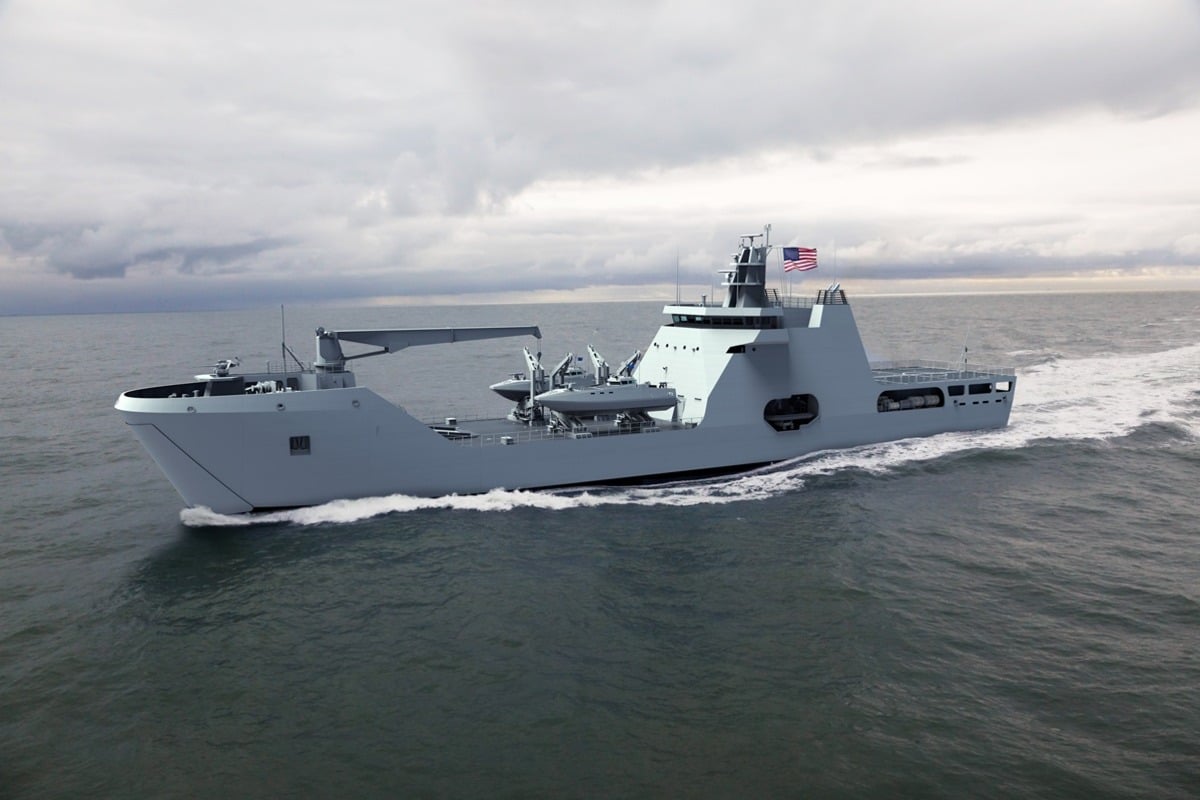
The US Navy has awarded a $2.2 billion contract to TOTE Services to manage the construction of up to eight new landing ships. The contract aims to support the Marine Corps' needs in a potential fight with China. The ships will be built across multiple American shipyards.
-
The U.S. Navy has awarded a $2.2 billion contract to TOTE Services LLC for Vessel Construction Management to oversee the acquisition of the new Medium Landing Ships. The first LSM is anticipated for delivery in fall of 2029.
-
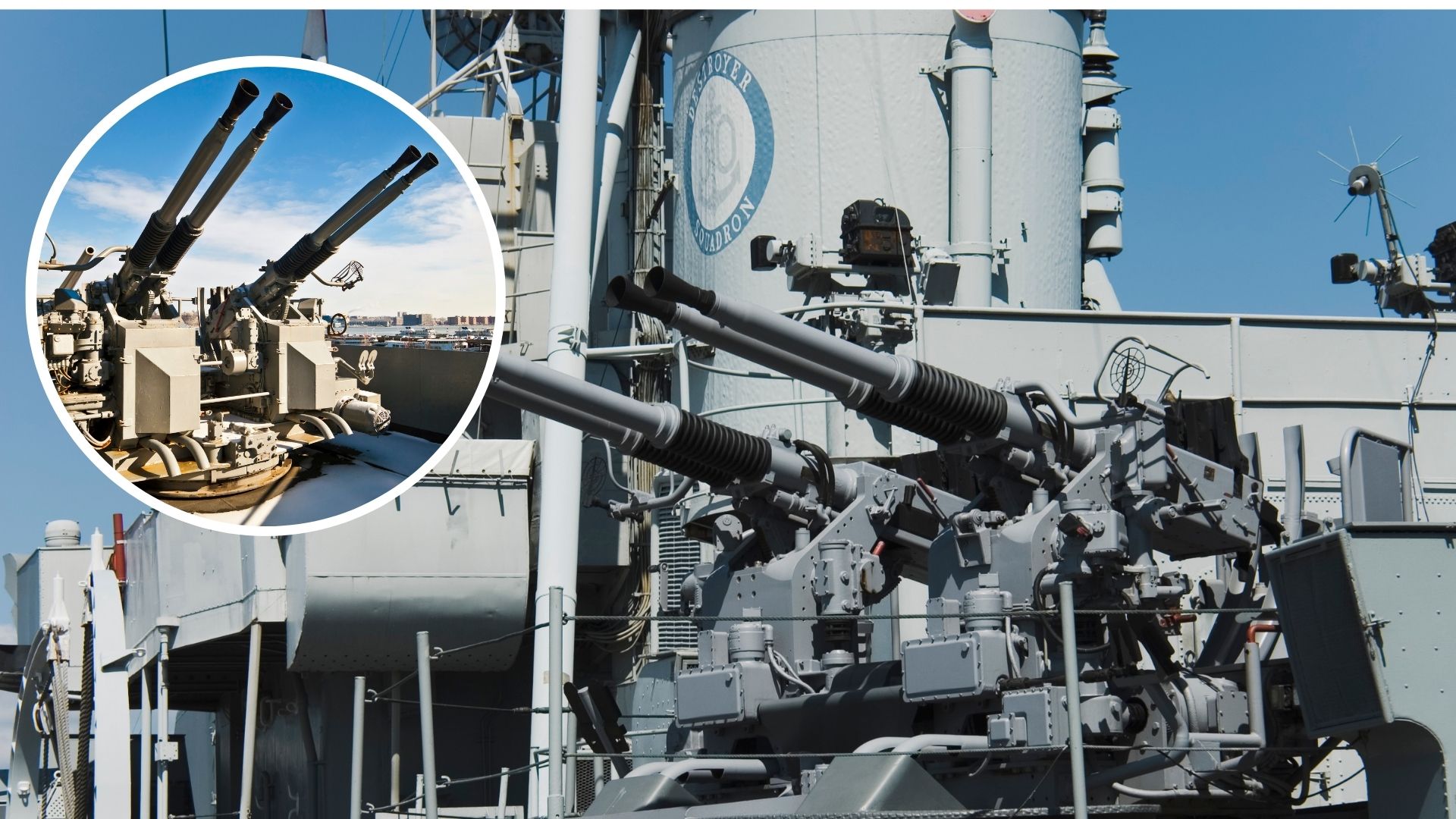
The US Navy is expanding defense industrial cooperation with South Korean shipyards to build guided-missile destroyers. This partnership aims to enhance naval capabilities. The move signifies a strategic collaboration between the two nations.
-
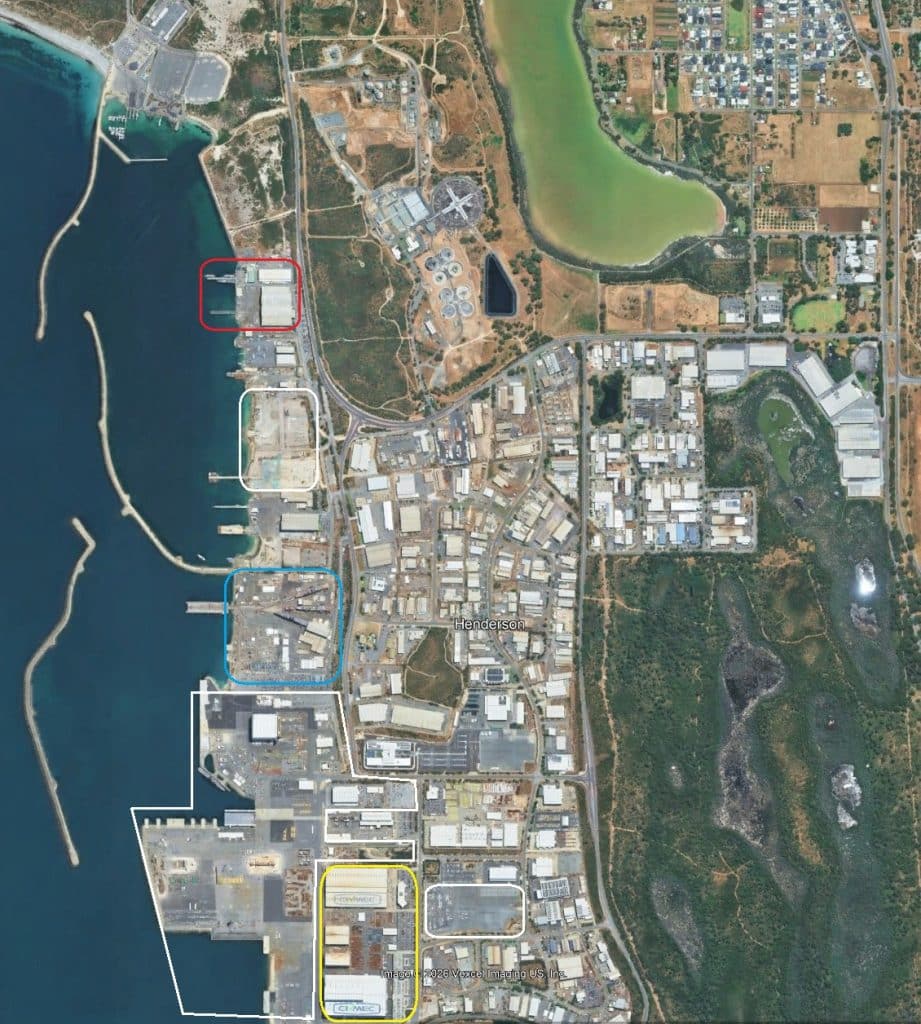
The Henderson Defence Precinct in Western Australia is a key shipbuilding and maintenance facility for the Royal Australian Navy. Naval News provides an overview of the facility's current structure and plans for future modernization and expansion.
-
The Bundestag Budget Committee has approved the procurement of four MEKO A-200 DEU frigates for the German Navy. The MEKO A-200 DEU is intended to strengthen the German Navy’s capabilities, particularly in anti-submarine warfare.