Quantum Computing
7 recent stories · Following ↗
-
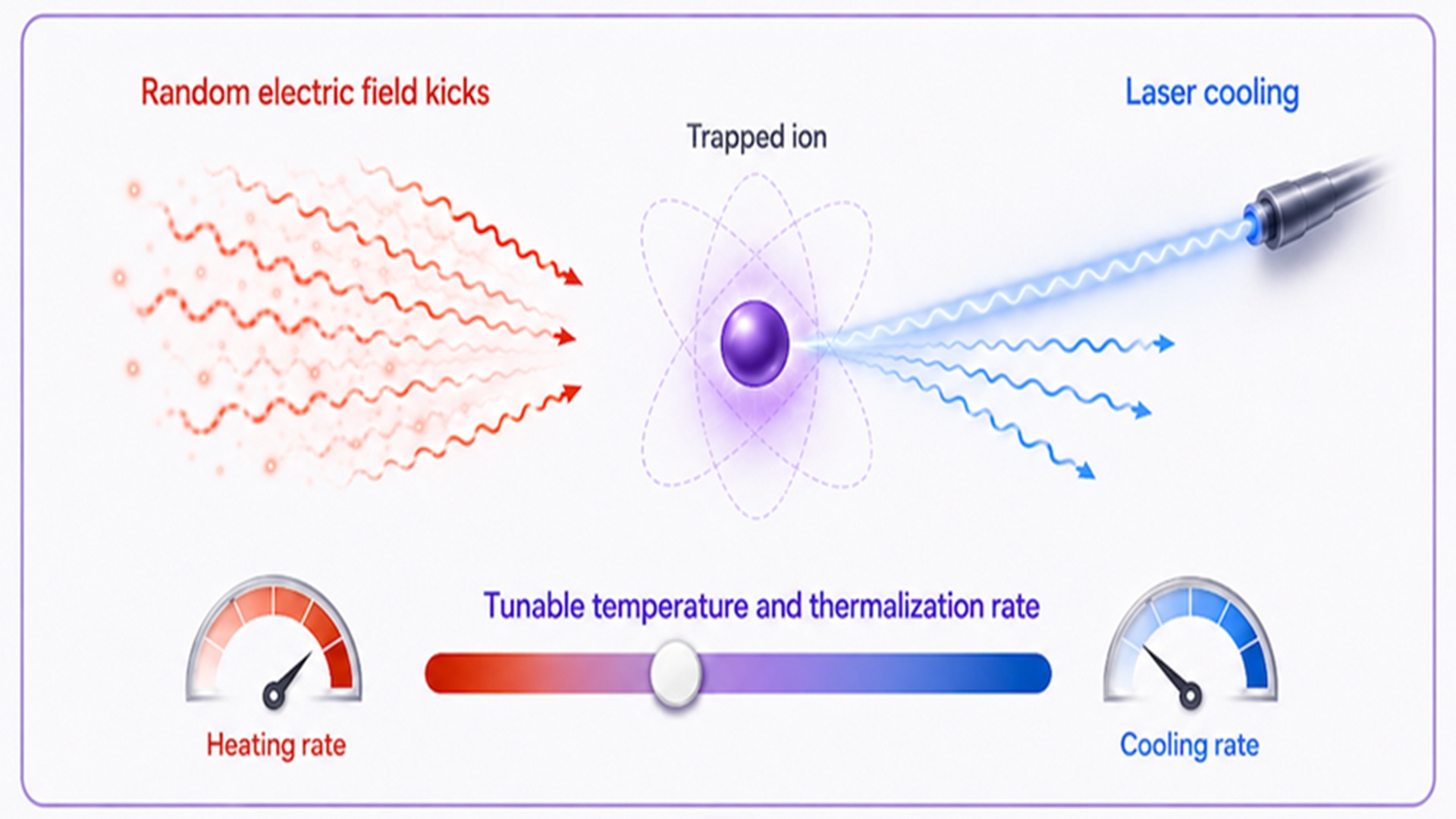
US scientists have developed a novel way to control temperature inside a trapped-ion quantum simulator, allowing for more realistic simulations. This breakthrough could have significant implications for various fields, including defense and cybersecurity. The technology enables the simulation of real-world temperatures with two independent controls.
-

IBM has agreed to acquire HRL Laboratories from Boeing and General Motors to expand its quantum computing capabilities. HRL Laboratories brings silicon-spin qubit and sensing expertise to IBM's portfolio.
-
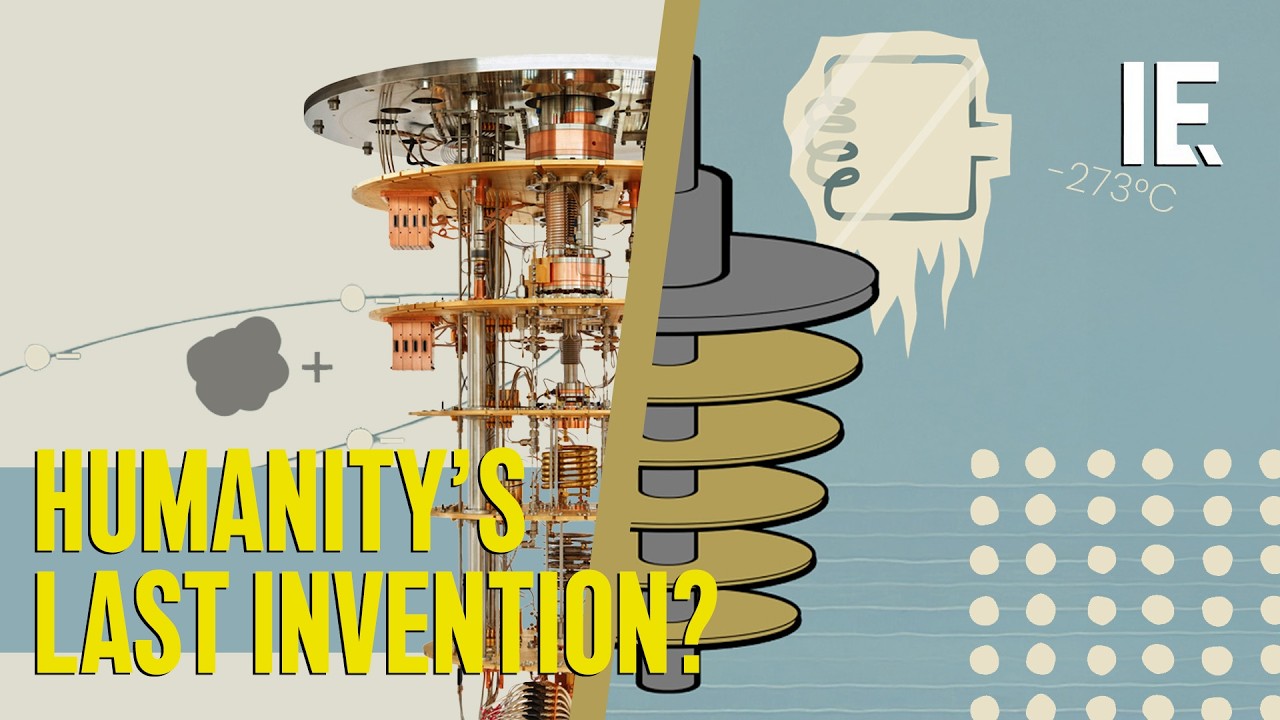
A study found that a quantum material's electronic states can be flipped with a magnetic field, which is a significant discovery in the quantum realm. This breakthrough could have implications for various fields, including defense technology. The ability to control electronic states could lead to advancements in quantum computing and other applications.
-

The US has secured a $125 million agreement with PsiQuantum to pursue utility-scale quantum computers. This deal is part of a DARPA validation effort, indicating a significant investment in quantum computing technology. The partnership aims to advance quantum computing capabilities for the US Defense sector.
-
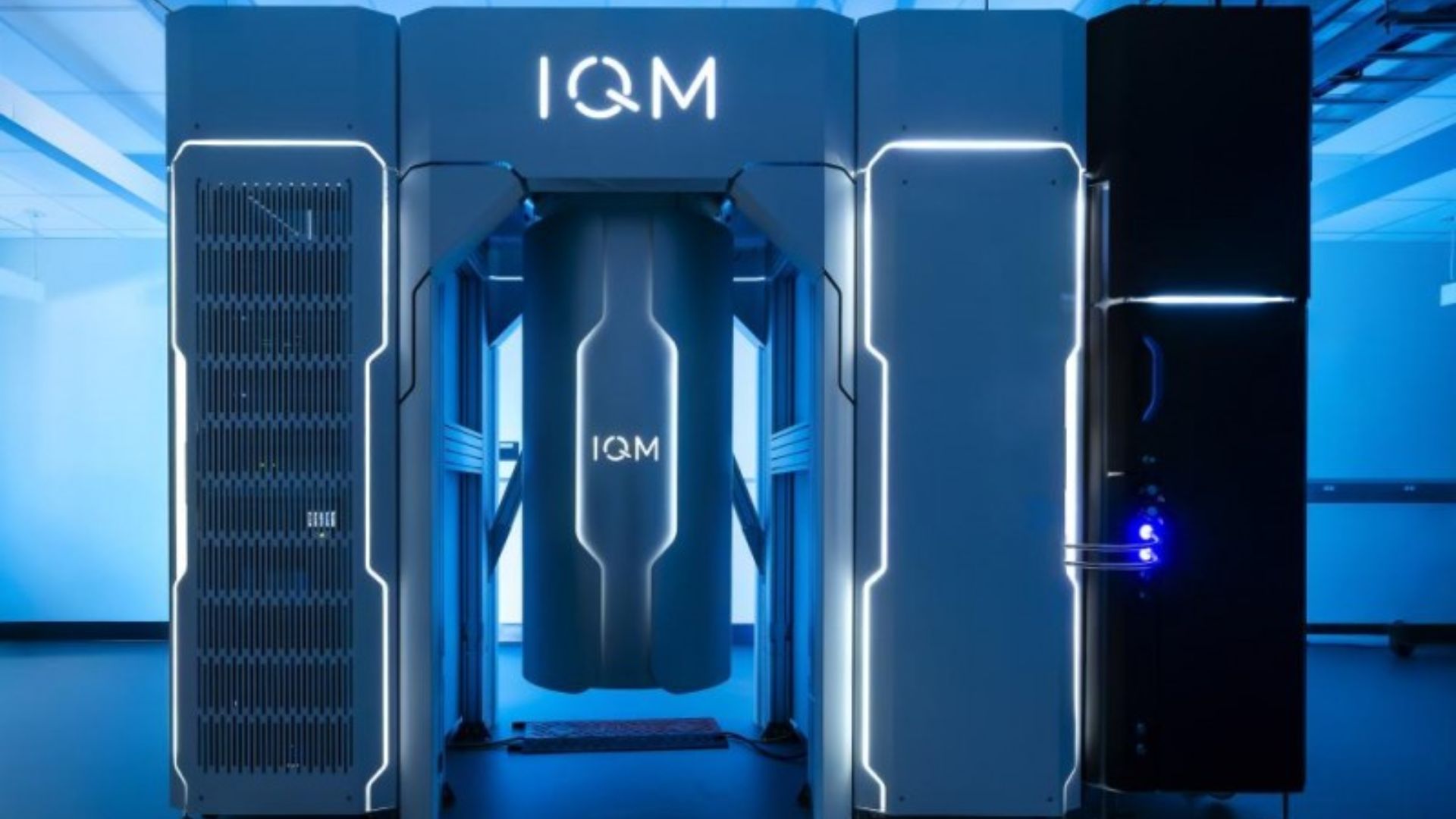
The Oak Ridge National Laboratory has integrated a new 20-qubit commercial quantum computer with its supercomputers. This integration is a significant step forward in advancing computing capabilities. The laboratory's existing infrastructure will be enhanced by this new technology.
-
A new technique can detect faulty quantum hardware before deployment, addressing a core paradox in quantum computing. This method could ensure the reliability of quantum computers. The technique is designed to identify faulty hardware, which is crucial for the development of quantum computing.
-

The US has restored domestic stable-isotope enrichment capabilities after a 30-year hiatus, which will support quantum computing and defense applications. This development is expected to enhance the country's technological advancements in these fields. The restoration of stable-isotope production will have significant implications for both quantum computing and defense technologies.