Munitions
9 recent stories · Following ↗
-
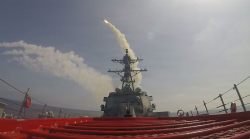
The US is experiencing a shortage of munitions, highlighting the need for new strategies to produce weapons and enlist allies in the effort. The current shortfall requires more than just acquiring new weapons, but also innovative approaches to manufacturing and international cooperation.
-
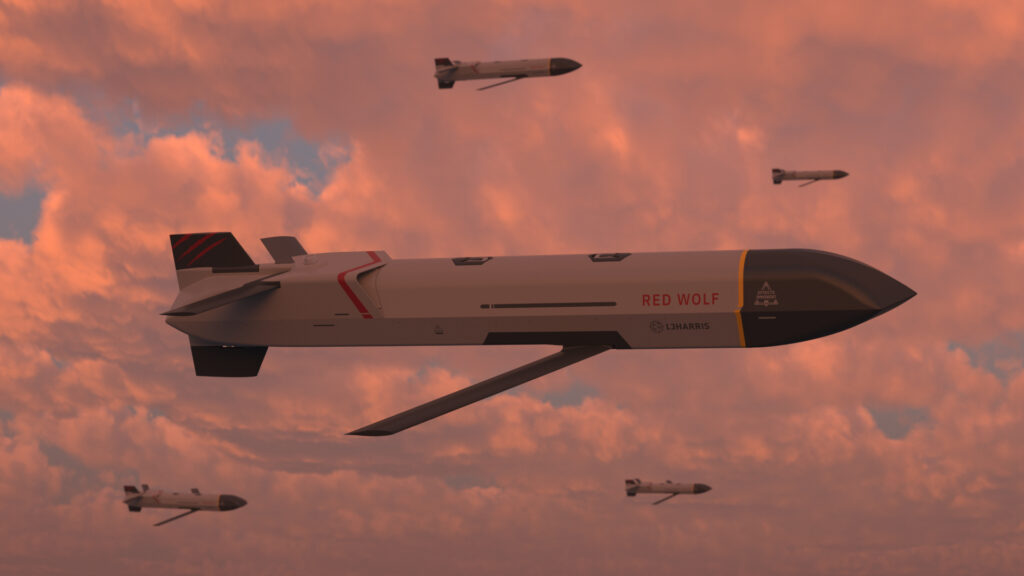
L3Harris has introduced a launched effects portfolio, leveraging its experience and proven capabilities to provide capable and affordable munitions. The portfolio is designed to defeat modern threats. L3Harris' solution aims to address the need for effective and cost-efficient munitions.
-

Turkey's ASELSAN has developed a new bunker-buster bomb called TOLUN-P, which is ready for combat and can strike hardened targets with precision. The bomb uses GNSS and INS guidance for accurate targeting. It can destroy armored vehicles, bunkers, and reinforced structures.
-
The US Navy has given the go-ahead for production of the jet-powered JDAM, a lower-cost standoff munition for carrier air wings. The JDAM-LR will provide an important new capability for the Navy.
-

President Trump has denied reports of US munitions shortages amid the Iran war, claiming the US has a 'massive amount' of munitions. Reports had suggested that depleted missile stocks had affected US military planning. Trump has also vowed to take action against alleged leakers of the information.
-
US officials are disputing reports of dangerously low munitions supplies, amid warnings from experts that low stockpiles of air defense interceptors due to the war on Iran leave the US vulnerable. The situation has sparked concerns about the country's ability to defend itself. Experts emphasize the need for replenishing stockpiles to ensure national security.
-
The US has required high-end munitions at unprecedented levels in recent wars, depleting its stockpiles. Experts Mark Cancian and Chris Park identify six reasons for this shortage.
-
The Iran war has worsened the US shortage of key munitions, but longstanding strategic, operational, and institutional reasons also contribute to the issue. Experts Mark Cancian and Chris Park discuss the multiple causes of the shortage.
-
Recent US wars have required high levels of advanced munitions, exceeding needs during earlier counterterrorism campaigns. Experts cite the war in Iran as one factor contributing to reduced munitions levels, but note it's not the sole driver.

