Modernization
50 recent stories · Following ↗
-
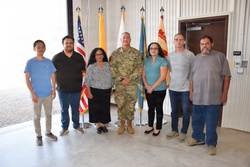
White Sands Missile Range has completed a new Narrow Band Test Facility as part of its modernization efforts. The facility was officially opened with a ribbon-cutting ceremony. This marks a significant milestone in the range's infrastructure modernization.
-

Air Force Medical Command leaders shared implementation guidance on True North+ with Department of Air Force leaders, stating it will reach full operational capability in October 2026. The update aims to inform DAF program personnel on the progress of True North+. The implementation guidance is crucial for a smooth rollout of the program.
-

The modern battlefield is changing with the introduction of drones, electronic warfare, and sensor networks, requiring tactical vehicles to adapt. Two companies are working on the next generation of tactical vehicles to fight in a hybrid battlespace. These vehicles will need to counter emerging threats and integrate with new technologies.
-

The U.S. Army has established an integration hub for new defense technologies. The hub, called Reveille Forge, aims to facilitate the development and integration of innovative technologies into the Army's existing systems.
-
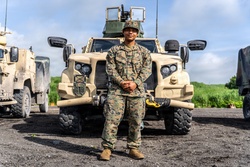
US Marine Corps Lance Cpl. Eliceo Rodriguez, an automotive maintenance technician, is pictured with a M41A7 Saber weapon system and Mk 19 Mod 3 40 mm automatic grenade launcher during Fuji Viper 26.3 at Camp Fuji, Japan. The exercise enables Marines to operate in Japan and enhances their deployment readiness. The Unit Deployment Program supports this effort.
-
The US Air Force's B-52 modernization effort is facing delays of over three years and rising costs. The $21 billion program has seen engine costs increase by 38% and radar fielding pushed to 2030.
-

The Government Accountability Office (GAO) has found concerns with the Air Force's modernization of the B-52 Stratofortress, citing cost and schedule risks. The upgrades are planned to ensure the aircraft can fly through the middle of the century. The GAO audit highlights potential issues with the project.
-
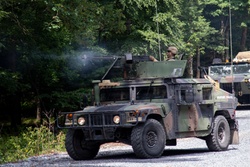
The 55th MEB is preparing for the modern battlefield, where adversaries use long-range fires, drones, cyber capabilities, and sabotage teams to target logistics hubs and supply routes. The Army's rear area is no longer secure and has become a contested battlefield. The unit is adapting to this new reality to sustain combat operations.
-

The UAE's EDGE Group has upgraded the Mirage 2000 fighter jet with a new precision-guided munition, the Thunder P-32 variant. The upgrade showcases the potential of modern guided weapons on an aging airframe. The company has published photos of the upgraded jet.
-

The British Army has conducted a 96-hour exercise in the Canadian prairie, testing the use of electric bikes for paratroopers to fire anti-tank missiles. The goal is to determine if e-bikes can replace traditional boots-on-the-ground tactics. The exercise was carried out by the Anti-Tank Platoon of 2nd Battalion, The Parachute Regiment.
-
The Army's chief technology officer visited JTF-DC to assess systems supporting the Make DC Safe and Beautiful mission. The review aims to identify improvements ahead of large-scale events.
-
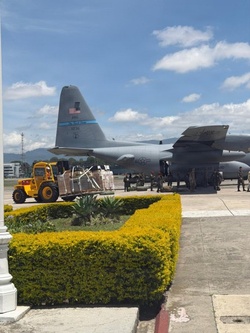
The Security Assistance Command delivered foreign military sales cases to Guatemala, including M320A1 grenade launchers. The delivery was made on time and is part of an effort to modernize the Guatemalan Army. This assistance aims to enhance the army's capabilities.
-
The Navy is using the LETHALITY Consortium to modernize and consolidate IT and data architectures at the Naval Surface Warfare Center Corona Division. This initiative aims to improve network efficiency and effectiveness. The project is part of the Navy's efforts to enhance its technological capabilities.
-
The US Marine Corps has announced a major force design initiative, 'Force Design 2030', to redesign the service and prioritize naval expeditionary warfare. The initiative is part of US military plans to compete with China and Russia. The Congressional Research Service has released a report on the Ground Combat Element 2040 Initiative.
-
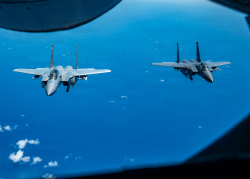
The Air Force Undersecretary, Matthew Lohmeier, expressed concerns about the service's current state, citing issues with fleet age, size, and readiness. He emphasized the need for improvement, stating that the Air Force is 'older, smaller and less ready than it needs' to be. This assessment highlights the challenges the Air Force faces in maintaining its capabilities.
-
The 101st Airborne Division and US Army Corps of Engineers are partnering to modernize Campbell Army Airfield at Fort Campbell, Kentucky. They are planning to select a site for a new hangar. The project aims to improve the airfield's infrastructure.
-
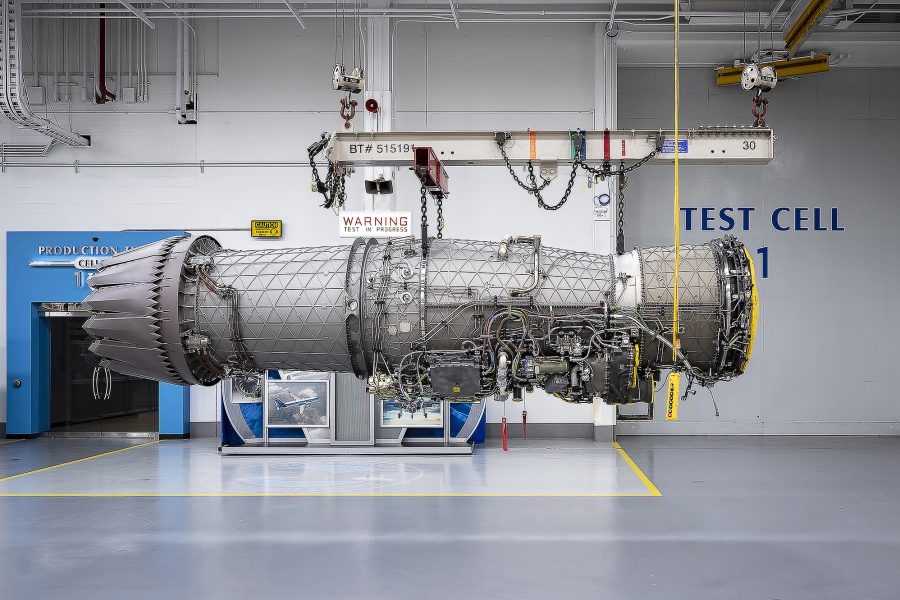
The F-35 fighter's engine core upgrade is set to undergo a critical design review in August, with flight testing scheduled for 2030. An Air Force official announced the milestone on July 27. The upgrade is a major planned improvement for the F-35 fighter
-
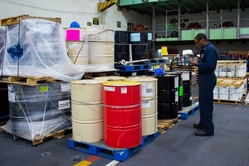
The Navy has installed a new hazardous material tracking system, HICS 4, on 50 ships to modernize operations and improve fleet readiness. The system was developed by Naval Supply Systems Command's Business Systems Center. This upgrade aims to enhance the fleet's operational capabilities and ensure sailors have the best tools for handling hazardous materials.
-

Gen. John Lamontagne discusses Air Force challenges, including readiness and modernization, as well as personnel shortages and tanker fleet rebuilding. He will keynote the 2026 Air and Space Summit.
-
The Air Force expects to complete modifying a second B-52 bomber with radar upgrades by the end of 2026. The modernization program remains on cost and schedule despite a June crash. Testing resume dates are unclear.
-
The CSIS Center for the Industrial Base hosts Under Secretary of the Army Mike Obadal and Ryan D. McCarthy to discuss the future role of US land power. The event aims to explore the future of US Army capabilities.
-

The Selective Service System plans to create a computer simulation to test scenarios for the US military draft pool, citing concerns about the effectiveness of its new plans. The simulation aims to wargame the draft and identify potential issues. This effort is part of the system's efforts to modernize and improve its preparedness.
-
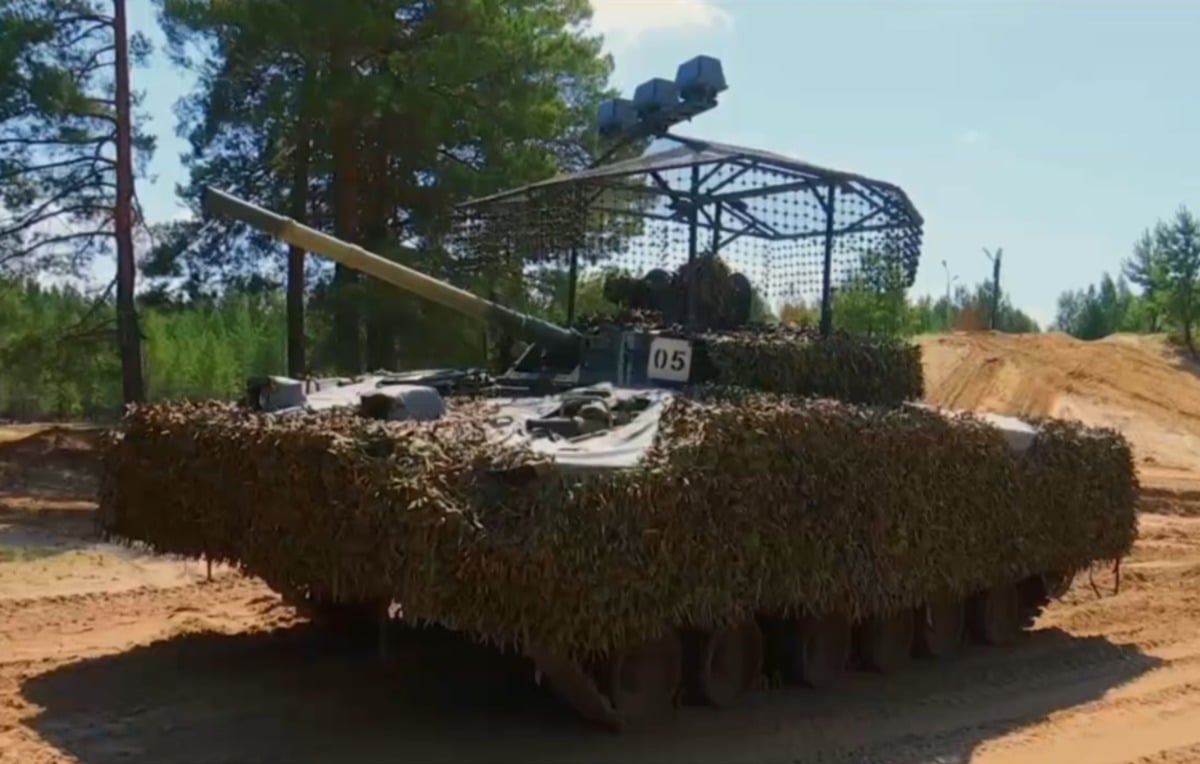
Russia's state defense conglomerate has delivered a new batch of upgraded BMP-3 infantry fighting vehicles to its army. Production of these vehicles has tripled since the start of the invasion of Ukraine. The upgrade is part of Russia's efforts to modernize its military capabilities.
-
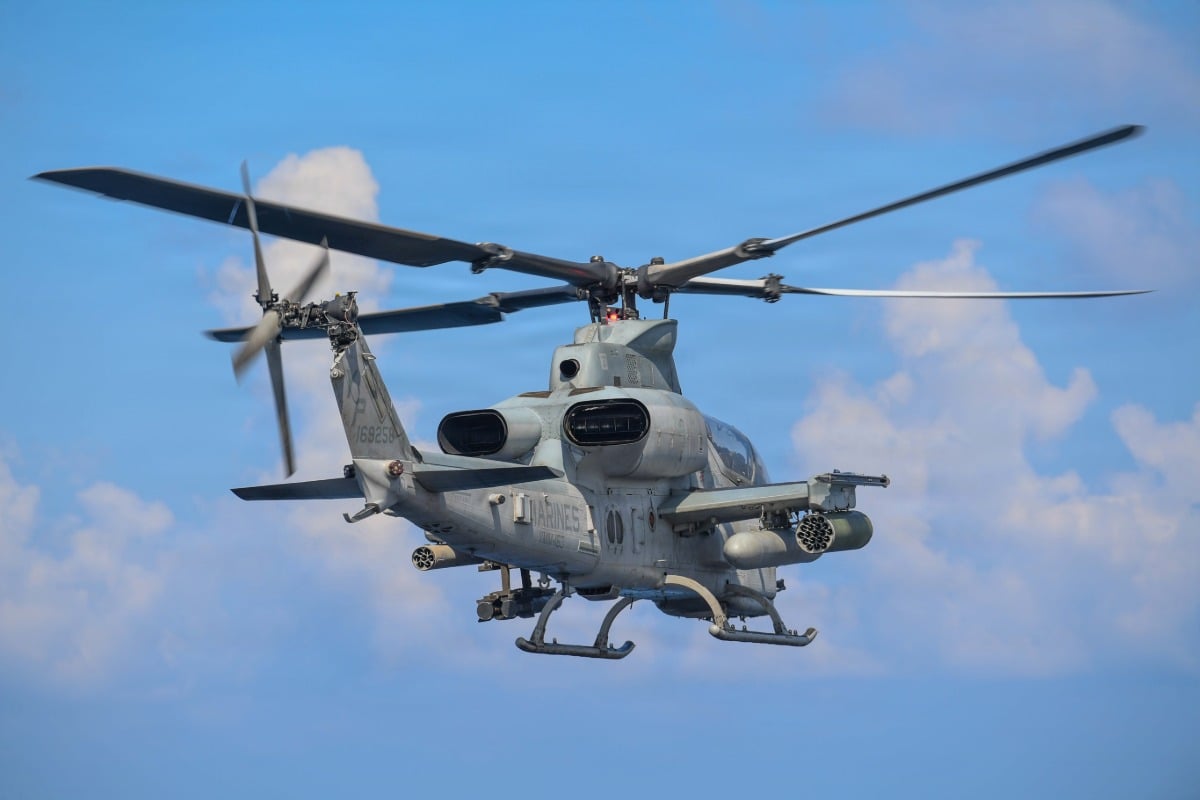
The US Marine Corps' Viper and Venom helicopters are set to receive a major upgrade to carry next-generation weapons. Bell Textron has been awarded a $33.6 million contract to rewire the fleet. The upgrade will enable the helicopters to support advanced weaponry.
-
The US Army is moving its Launched Effects portfolio closer to operational use, with production-line Long-Range Precision Munitions validated during Project Convergence-Capstone 6. This advancement is part of the Army's efforts to enhance longer-range surveillance and strike missions. The system is expected to be fielded by 2027.
-
Army Reserve senior leaders met at the 2026 Senior Commander/Garrison Commander Conference to advance transformation efforts and align modernization priorities. The conference aimed to strengthen modernization efforts and included participation from senior commanders. The goal is to improve the Army Reserve's readiness and capabilities.
-
The US Army Futures and Concepts Command is driving the Army's transformation through persistent experimentation, including Project Convergence-Capstone 6. The command is the architect of the future Army, spearheading the Project Convergence experimentation campaign.
-
The future of lethality will depend on software-driven munitions that can adapt and scale, earning commanders' trust. Adaptive weapons and trusted autonomy are key to this development. This shift will change the nature of fires in military operations.
-
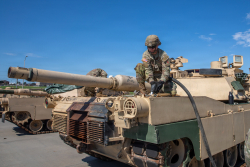
The Army is working with industry partners to address supply chain issues affecting the Abrams tank's engine. A 'hackathon' was organized to find new vendors for 166 critical components. This effort aims to alleviate readiness issues for the tank.
-
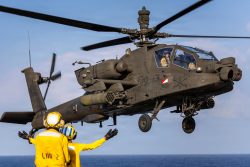
The US Army is expanding the operational capabilities of its AH-64 Apache helicopters by launching them from sea-based platforms, such as the Wasp-class amphibious assault ship USS. This development is part of the Sea-Based Distributed AH-64 Apache Strike Architecture. The initiative aims to enhance the Army's strike capabilities beyond traditional land bases.
-
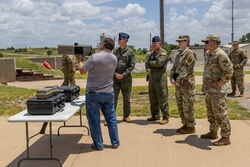
Fort Sill and Altus Air Force Base leaders met to discuss joint force modernization and counter-drone operations. The visit highlighted Fort Sill's role in Army transformation and future military capabilities. Discussions focused on large-scale command and joint training initiatives.
-
The Australian Army has unveiled an Abrams tank disguised as a Chinese tank. This unique project showcases the army's creative approach to training and operations.
-
The Australian Army has unveiled an Abrams tank disguised as a Chinese tank to add visual realism to exercises, as the military trains for potential conflict against its primary adversary. The PLA-inspired vehicle is used for training purposes.
-
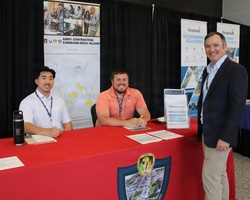
The Army Contracting Command-Rock Island Arsenal hosted industry engagements to accelerate Army modernization and strengthen the national defense industrial base. The events aimed to foster collaboration and align commercial capabilities with the Army's modernization priorities. This effort supports acquisition reform and enhances transparency between the Army and industry partners.
-

Southeast Asian nations are modernizing their militaries amid regional turbulence, seeking better armaments. This trend is driven by growing regional instability. Nations are investing in new technologies and capabilities to enhance their defense systems.
-
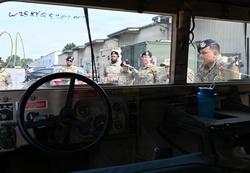
Reservists with the 512th Security Forces Squadron finished Humvee familiarization training at Dover Air Force Base. The training aimed to enhance their readiness and proficiency with the vehicle. This development highlights the ongoing efforts to improve military capabilities.
-
The UK Ministry of Defence will invest £26 billion over ten years to modernize its Royal Navy bases at Clyde, Devonport, and Portsmouth. This investment is part of the country's largest naval infrastructure programme since the end of the Cold War.
-
The US Army's Global Tactical Edge Acquisition Directorate (G-TEAD) aims to bridge the modernization gap by delivering innovative technologies to the tactical edge. G-TEAD links operational demand with industry innovation to provide viable, battle-ready technology. This approach helps to address the limitations of the traditional acquisition system, which can be slow to respond to evolving threats.
-
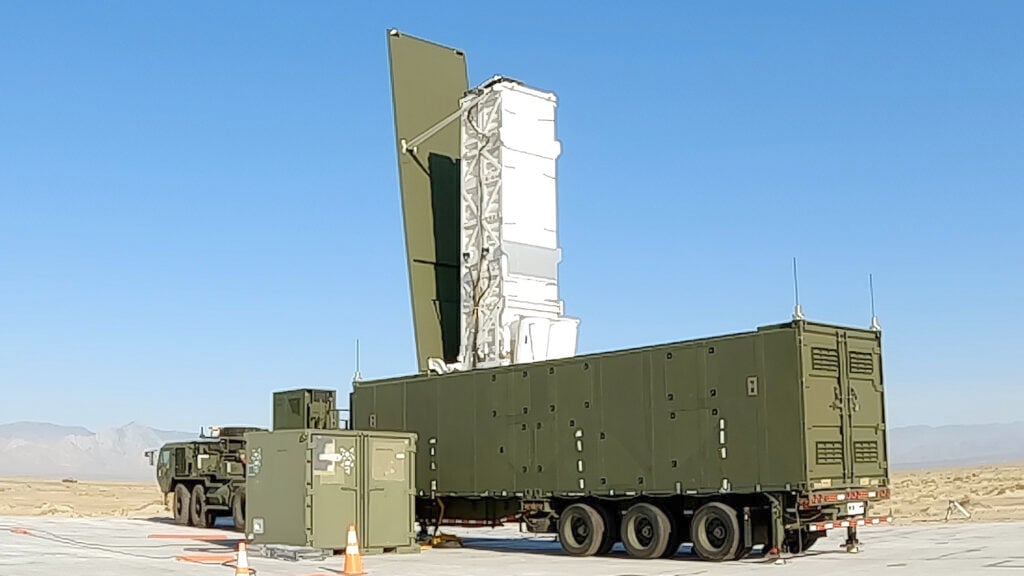
The Army is set to award contracts for its CAML program and is in final negotiations for its E-HEL initiative, which involves autonomous launchers and high energy lasers. The service is moving forward with these programs, with contracts expected to be awarded next month.
-
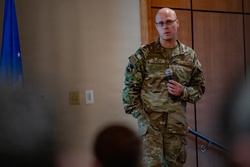
The new command team of the 325th Fighter Wing outlines their vision for Tyndall's future, emphasizing readiness and transformation into an operational F-35A Lightning II wing. The team, led by Col. Ryan Thulin and Chief Master Sgt. Erik Bensen, focuses on personal responsibility and installation transformation. This transformation is crucial for the wing's operational capabilities.
-
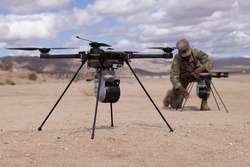
The US Army is conducting Project Convergence-Capstone 6, a modernization experiment at Fort Irwin, California, to test over 100 emerging capabilities and tactical system interoperability. The experiment will validate the Next Generation Command and Control architecture alongside multinational allies. The 4th Infantry Division will participate in the experiment from July 20 to July 29.
-

Northrop Grumman is testing upgrades to the F-16's electronic warfare and targeting capabilities. The Army is also developing a common missile launcher that can fire various types of missiles.
-
The US Army Combined Arms Command has established the Transformation Integration Directorate to integrate improvements across the Army. The TID will use the DOTMLPF-P framework to identify capability gaps and implement solutions. It will function as a centralized hub to accelerate change.
-

The US Army is relocating its fixed-wing aerial intelligence brigade to Texas as part of a modernization effort. This move is centered on the HADES program, which aims to enhance aerial intelligence capabilities. The relocation is expected to support the program's development and implementation.
-
The US Marine Corps is utilizing a unique Army testing facility to modernize a critical expeditionary system, enhancing Warfighter readiness. The facility, run by US Army DEVCOM Ground Vehicle Systems Center engineers, provides one-of-a-kind water testing capabilities. This collaboration accelerates Marine Corps modernization and force readiness.
-

The Army is using 'Data Minutes' to integrate autonomous agents and precision targeting into daily operations in the Pacific. This approach aims to enhance multi-domain missions by leveraging advanced technologies. Commanders are able to make more informed decisions through these daily sessions.
-

The US Army has developed a new technique for rifling cannon bores, utilizing promising new technology. This innovation aims to improve cannon performance and efficiency. The Army's development of this technique demonstrates its commitment to advancing military capabilities.
-
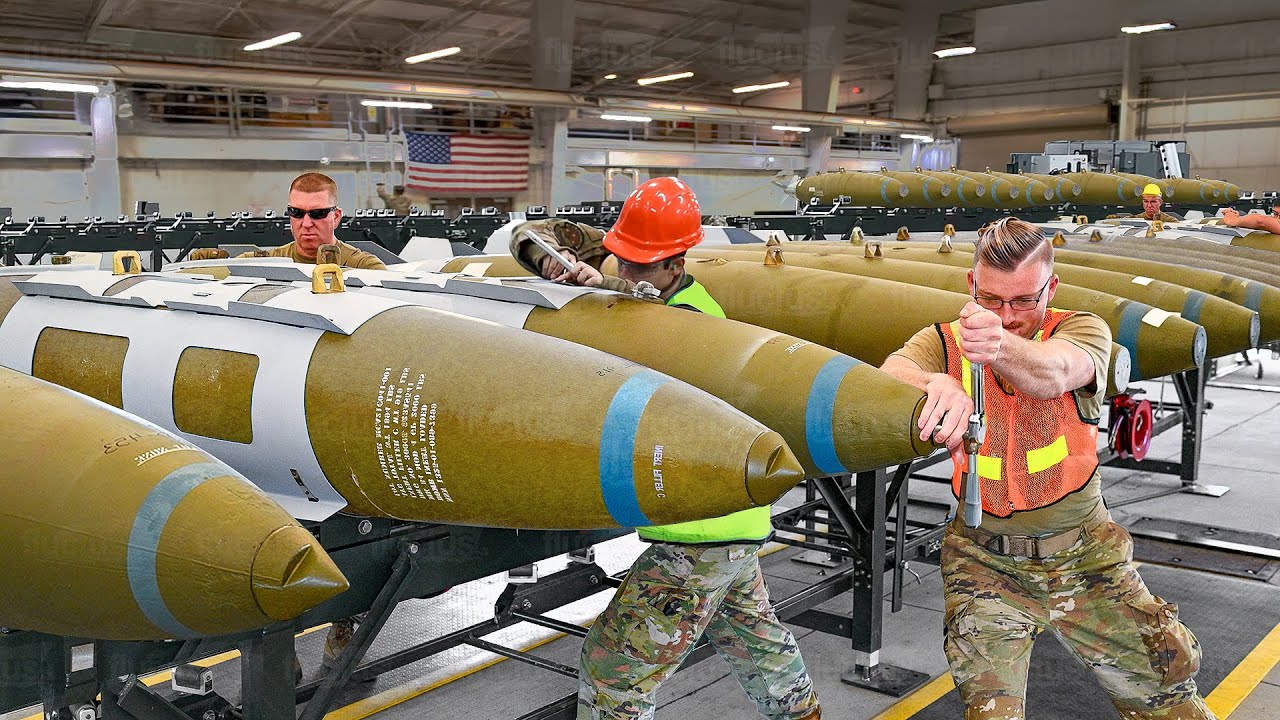
The US Navy has chosen AE Shoals to help modernize its 'energetics' production, which is critical for explosives. This partnership aims to improve the Navy's explosives production capabilities. The modernization effort is expected to enhance the Navy's overall operational effectiveness.
-
The Army is facing a regeneration problem due to excess equipment, affecting combat power. Jonathan Buckland discusses this issue in the context of modern war.
-
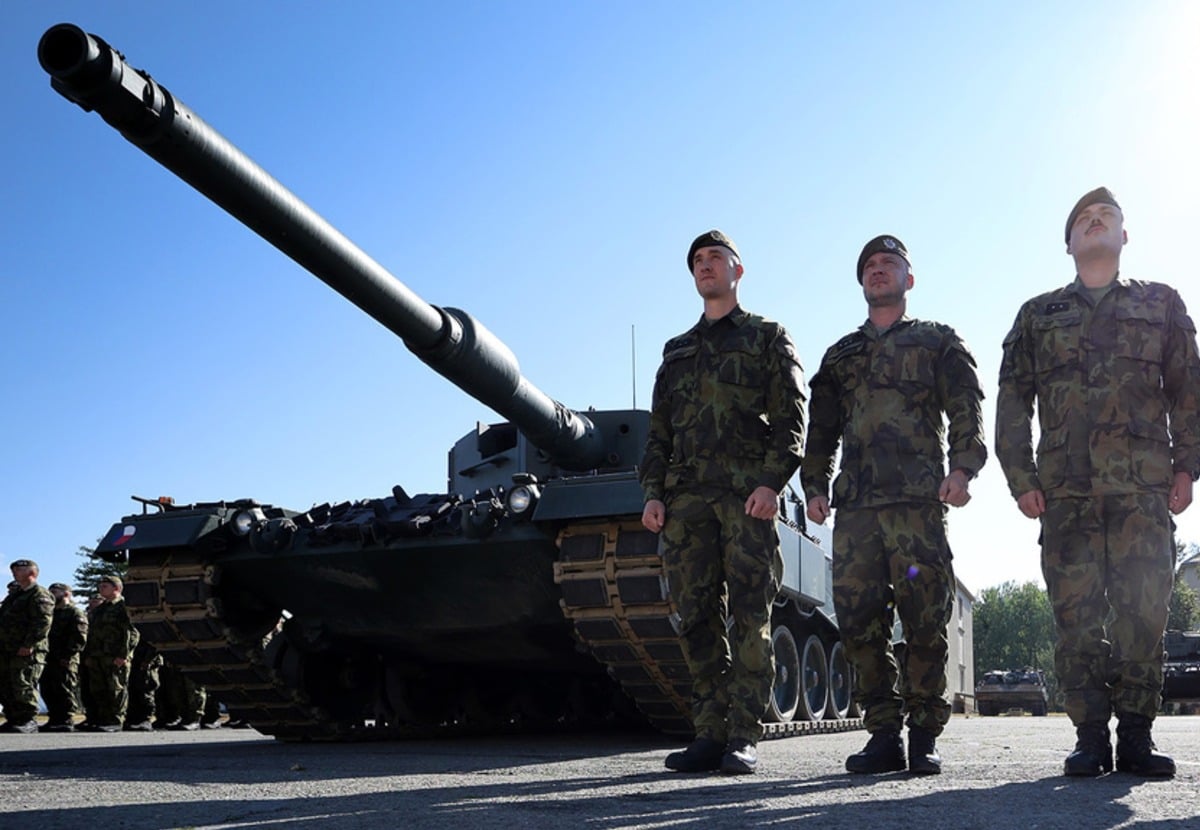
The Czech Army has received its final Leopard 2A4 tank from Germany, completing its modernization efforts. The tank is an earlier variant of Germany's Leopard 2. The Czech Army now has a total of 42 Leopard 2A4 tanks.