Missiles
50 recent stories · Following ↗
-
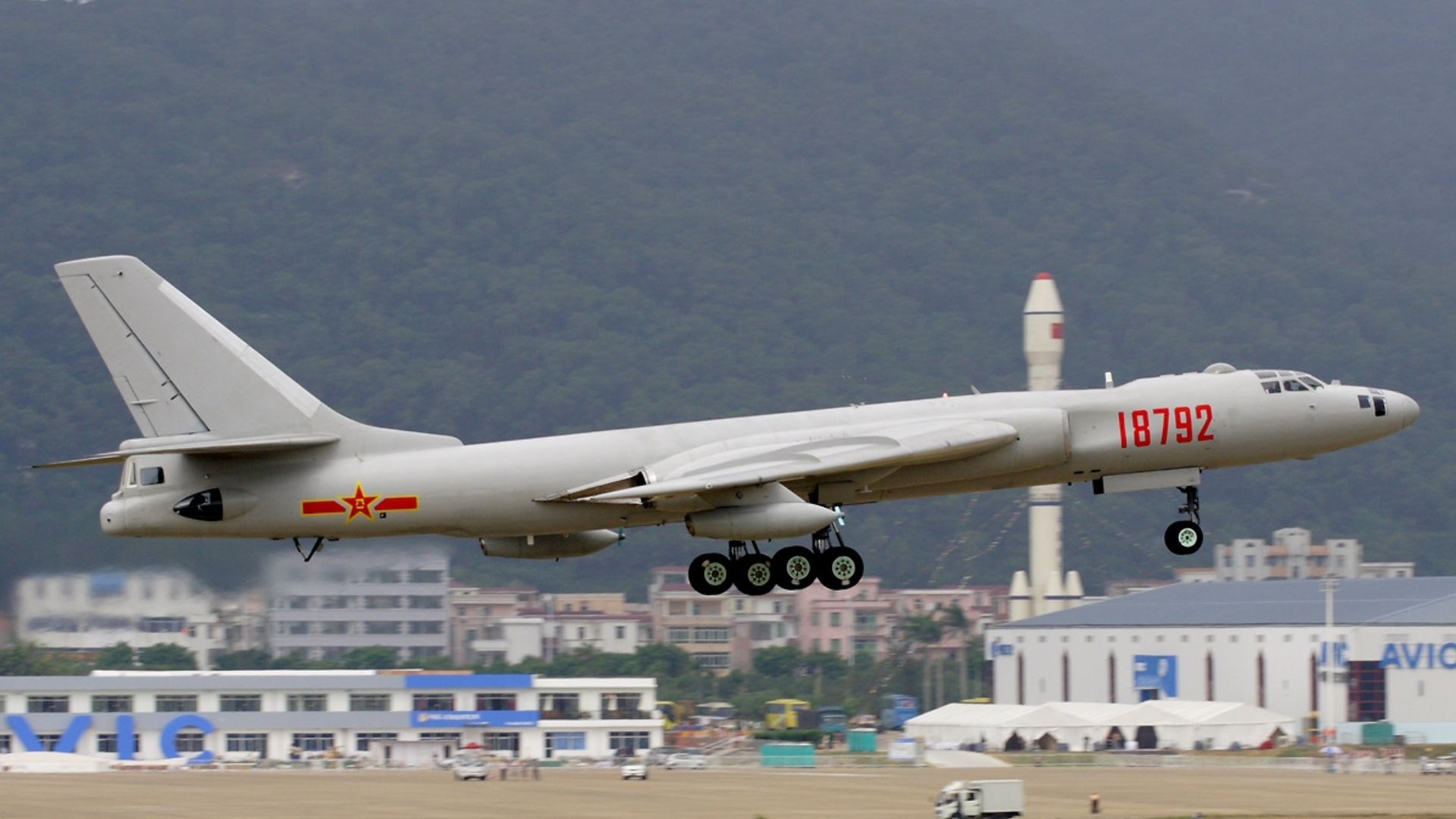
New footage from a PLA documentary shows the H-6N bomber with a suspected air-launched ballistic missile. The documentary provides a clear public glimpse of the bomber's capabilities. The H-6N is a key component of China's military modernization efforts.
-
China's growing arsenal of short-range and dual-capable missiles poses a threat to Taiwan and Guam, and is a key component of its anti-access strategy. These varied systems are designed to counter adversaries in the region. The arsenal includes missiles with varying ranges and capabilities.
-
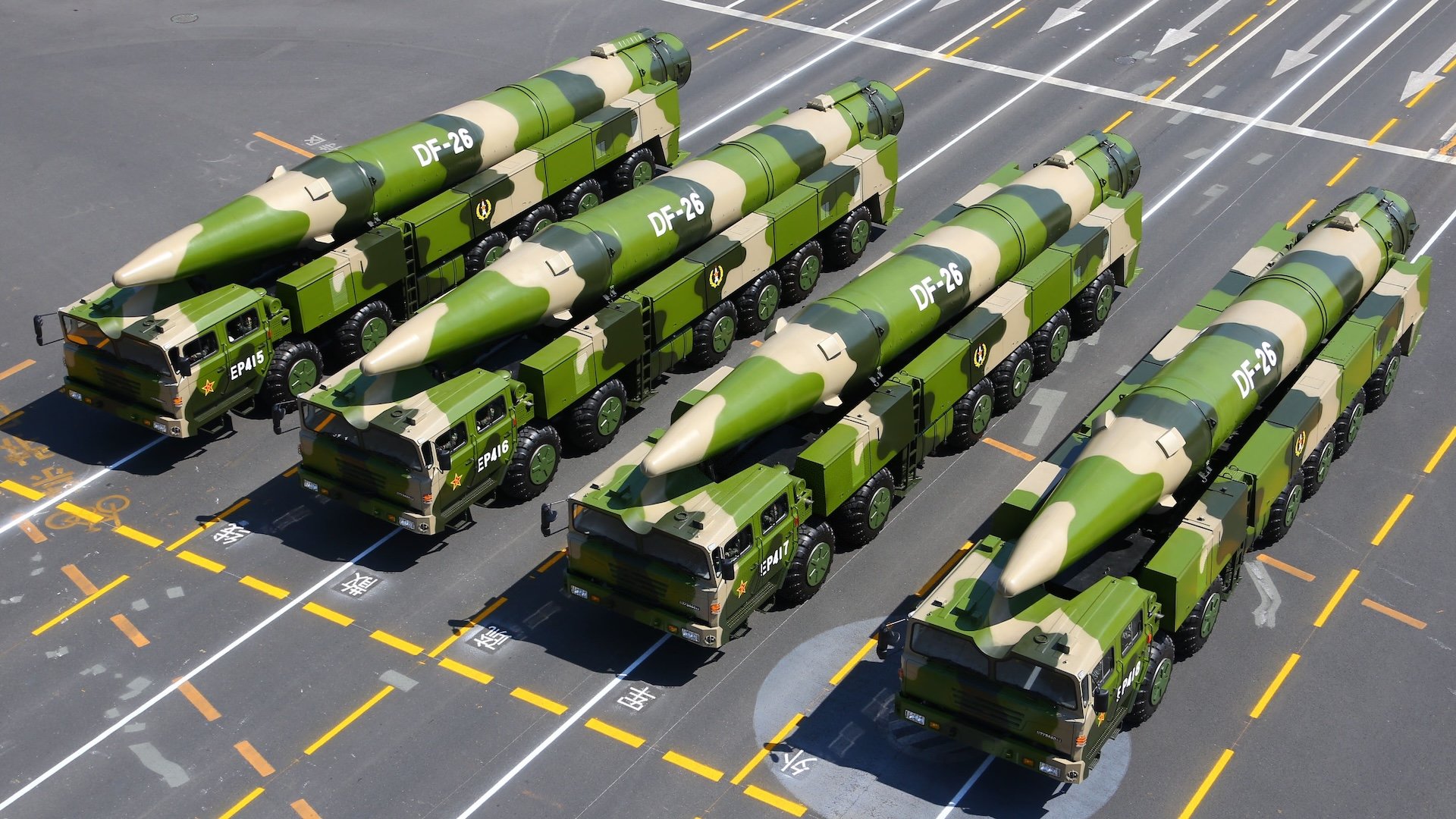
China is expanding its regional ballistic missile capabilities, posing a threat to Taiwan and Guam. These missiles are a key part of China's anti-access strategy, which aims to limit the ability of opposing forces to operate in the region. The varied systems in China's arsenal include short-range and dual-capable weapons.
-
The US long-range missiles stockpile is running low, according to sources. Meanwhile, President Trump and Secretary of State Marco Rubio report progress in talks to reopen the Strait of Hormuz.
-
The US Army's missile stockpile is decreasing and may take years to replenish. Meanwhile, the FDA is considering approval of a flu vaccine using mRNA technology.
-
The US military has reportedly used nearly all of its ATACMS and Precision Strike Missile inventory in operations against Iran. This depletion has occurred over five months of strikes. The US is facing a significant shortage of long-range missiles and air defense interceptors.
-
Japan launched a US-Tomahawk cruise missile from its Chokai warship in the Pacific Ocean on July 29, marking a shift in its military capabilities. This test indicates Japan's move away from its post-WWII status. The test was conducted to assess the missile's performance and integration with Japanese systems.
-

North Korea is moving a missile unit to western Russia, which could field 120 ballistic missiles and six launchers aimed at Ukraine. The movement was reported by Ukraine's Main Directorate of Intelligence. Russia is the intended recipient of these missiles.
-
Iran has increased its missile production rate during a ceasefire with the US, according to IRGC spokesman Hossein Mohebbi. This move is seen as a way for Iran to boost its military strength.
-
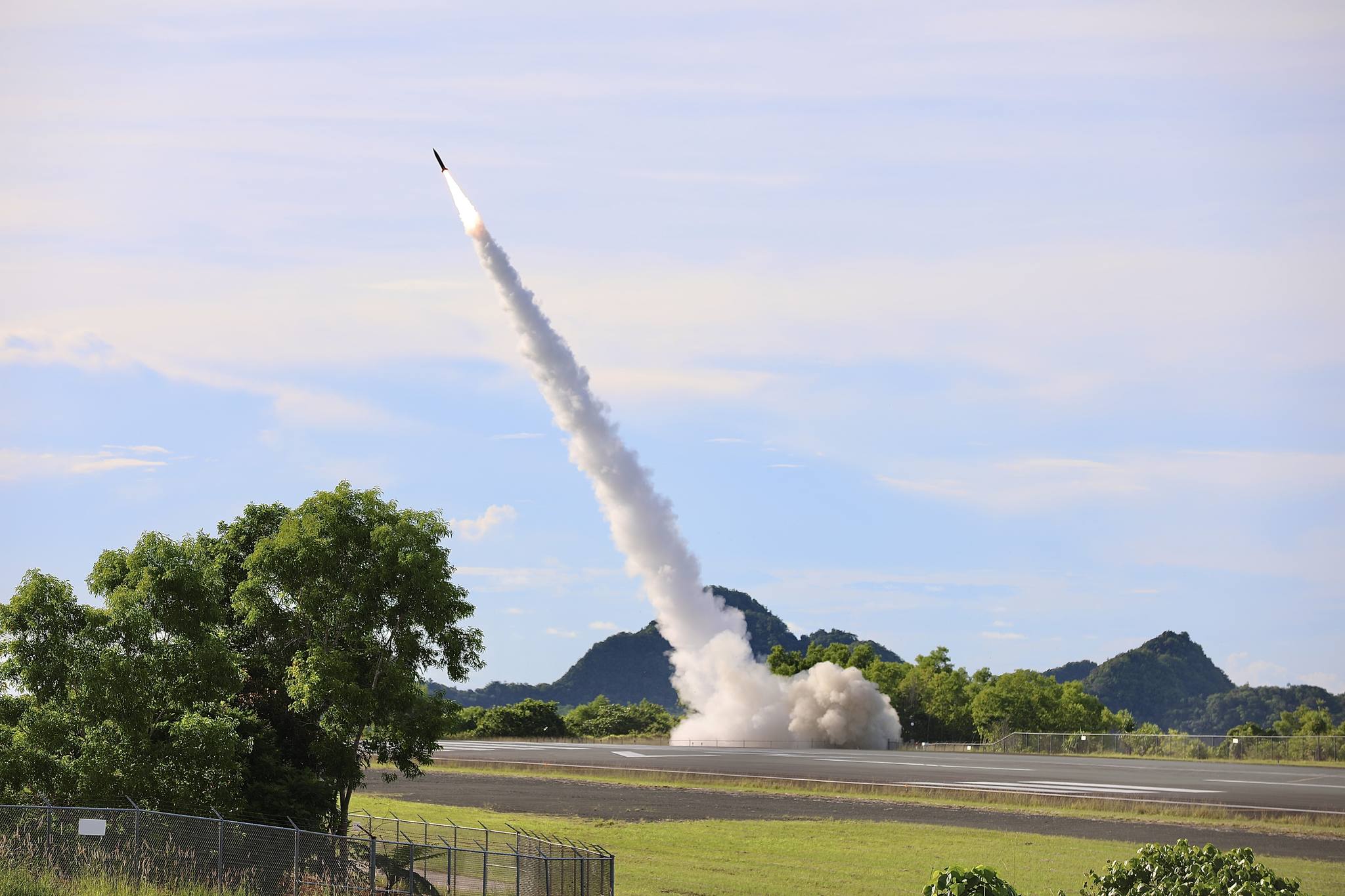
The US has reportedly used nearly all of its stockpile of long-range precision missiles during the war with Iran, sparking concerns over the country's dwindling munitions stockpile. Sources confirm that the US Army has used up much of its stockpile of highly accurate long-range missiles. This depletion has raised concerns over the US' ability to sustain military operations.
-
A new program for a low-cost, air-to-air missile has emerged, expanding the US military's search for a counter-air missile. The program includes language questioning a global trend towards advanced missiles.
-
L3Harris Technologies is opening a new automated plant for producing GMLRS rocket motors, increasing missile production capacity. The facility is part of a larger expansion to enhance production capabilities. This move is driven by the Pentagon's demand for faster and higher-volume missile output.
-
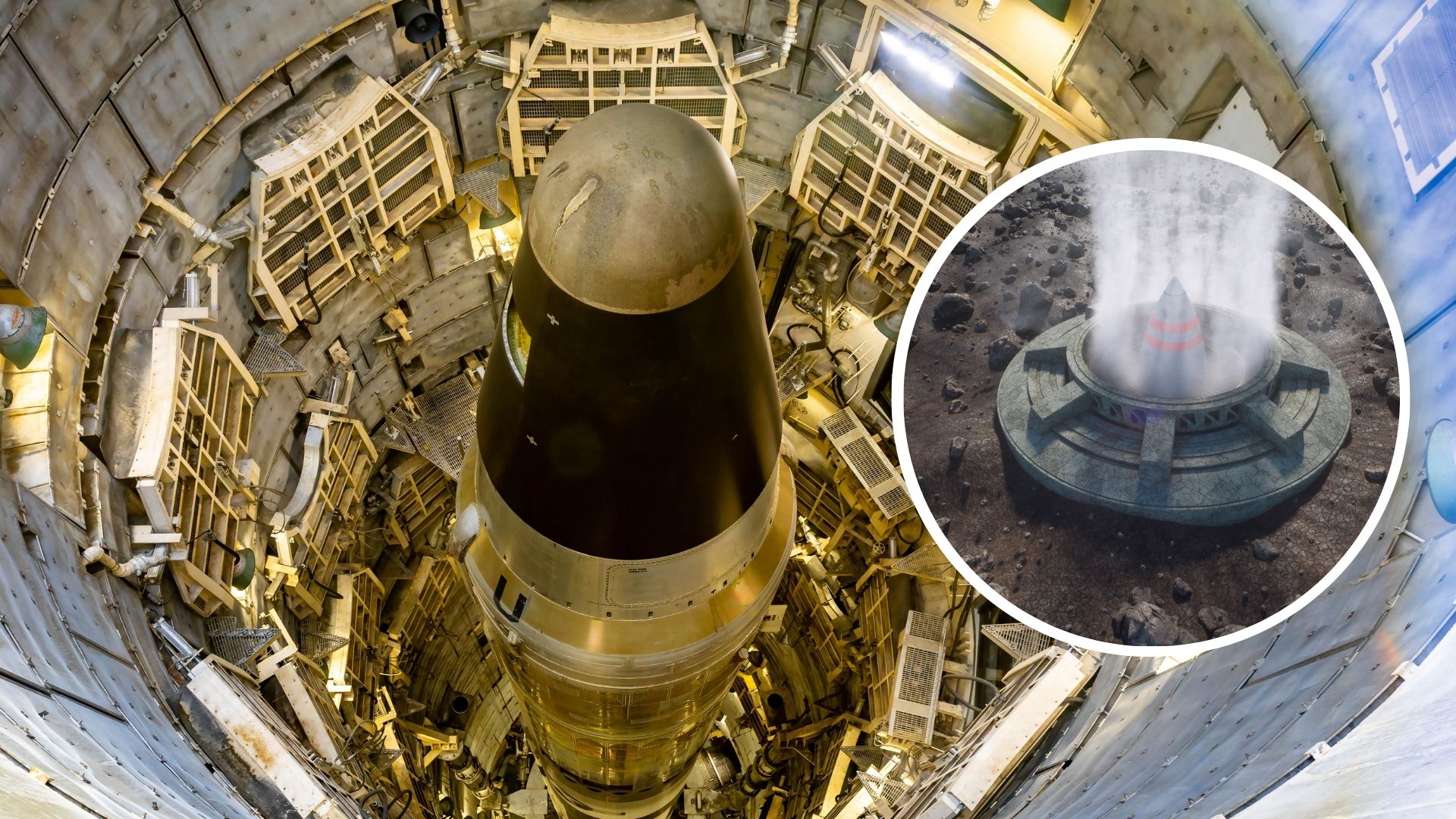
China has publicly revealed its expansion of missile silos capable of housing long-range weapons, marking a significant development in its military capabilities. This move is seen as a demonstration of China's growing military prowess and its ability to project power. The new missile silos are expected to enhance China's nuclear deterrence and provide a stronger defense posture.
-
The Diamondback was an early effort to create a longer-range missile based on the Sidewinder, featuring a liquid-fueled motor and dual-mode guidance system. It was considered for nuclear armament. The project was part of the Navy's development of advanced air-to-air missiles.
-
The HMAS Sydney fired a Naval Strike Missile at a decommissioned US ship during a multinational exercise at RIMPAC 2026. The exercise demonstrated the capabilities of the Naval Strike Missile. The event was part of a larger sinking exercise involving multiple nations.
-
The US Navy conducted a SINKEX event, striking the USS Peleliu with missiles, and released footage from cameras on the ship. The test provided a unique perspective on the event. The Navy used the exercise to test its missile capabilities.
-
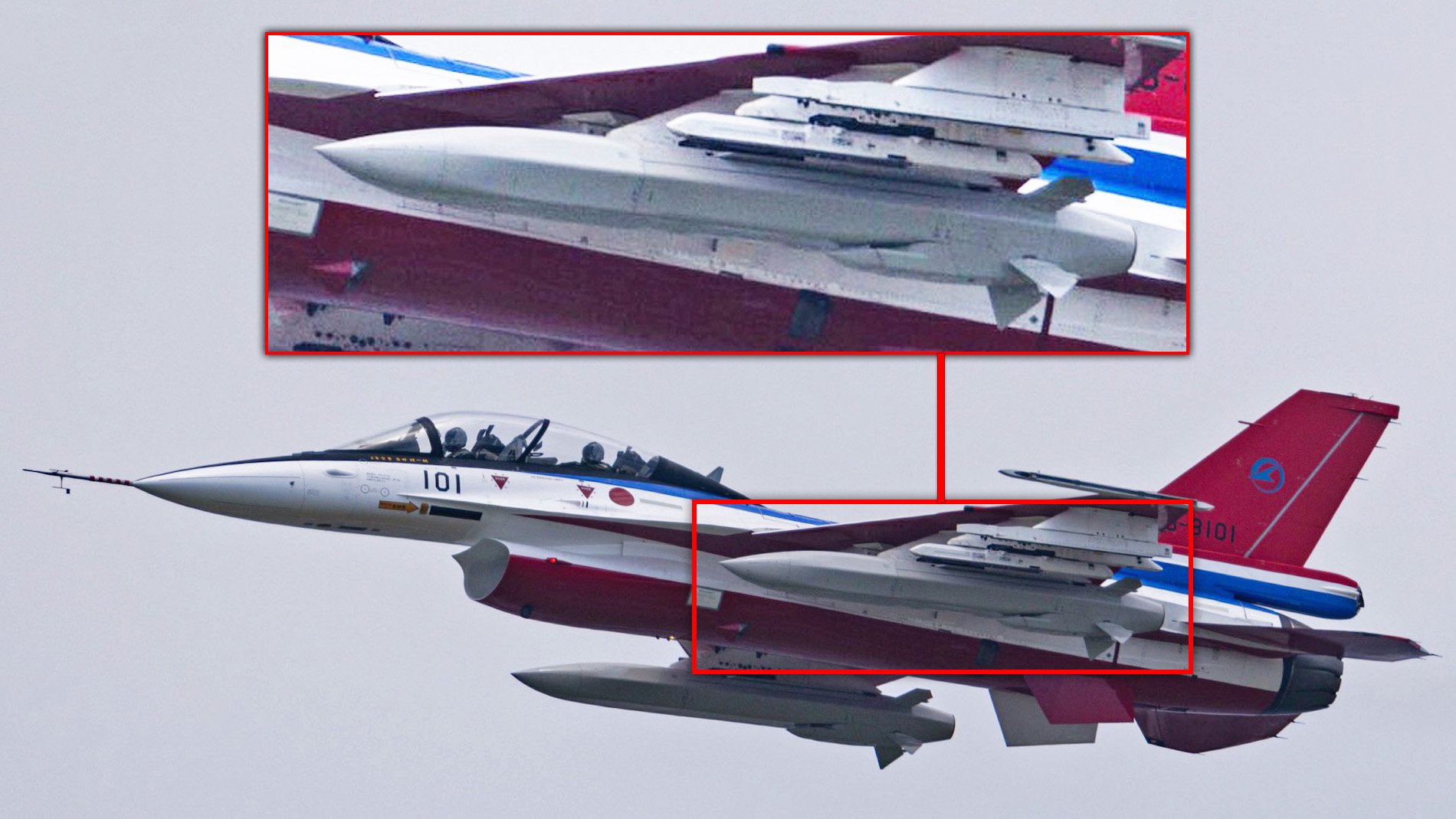
A Japanese F-2 fighter has been spotted with a new, large stealth cruise missile under its wings, potentially the air-launched Type 25. This could significantly expand the F-2's standoff strike capabilities. The previously unseen missile's appearance suggests a major upgrade to the F-2's arsenal.
-

Japan's destroyer JS Chokai successfully launched a Tomahawk cruise missile for the first time in a drill with the U.S. Navy, marking a significant milestone in expanding its military capabilities. The live-fire test confirmed the destroyer's new capability and the proficiency of its crew. This development ushered in a new era of long-range cruise missile capability for Japan.
-
The US and Iran are exchanging missile barrages, dimming hopes for a quick resolution. The situation is escalating, with both sides engaging in military actions.
-
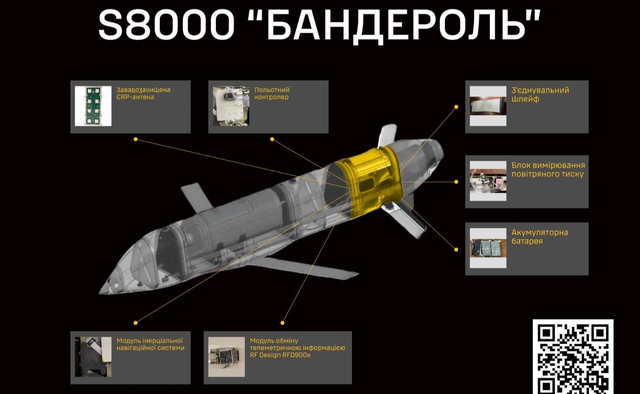
Russia has started mass producing its low-cost Banderole cruise missile, which is used against Ukraine as a decoy or to hit lightly defended targets. The missile is built with foreign dual-use components and costs about one-tenth of a standard Russian cruise missile. Production is estimated to be around ten missiles per day.
-
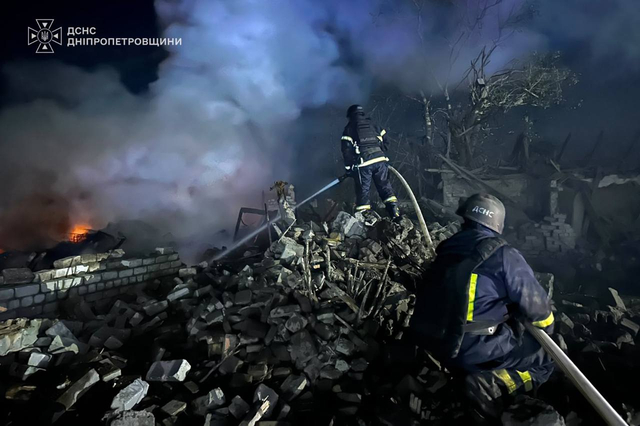
Russia used a North Korean ballistic missile in a strike that killed a family of 10 in Ukraine's Dnipropetrovsk region. The attack highlights Ukraine's air defense shortage, posing a direct threat to Europe. Preliminary data from President Zelensky confirms the use of the North Korean missile.
-
A Russian cruise missile, likely a Kh-101 air-launched cruise missile, crashed in Poland, according to Poland's defence minister. The incident occurred during Russia's attack on Ukraine, with two missiles posing a direct threat to Poland.
-
Iran is expected to receive a shipment of up to 400 Chinese-made shoulder-fired air defense missile launchers within weeks. This deal suggests a strengthening of military ties between Iran and China. The exact timeline and details of the shipment are not publicly disclosed, but sources confirm the upcoming transfer of these missile systems.
-
Northrop Grumman CEO Kathy Warden forecasts significant sales growth from missile programs, including PAC-3, AARGM-ER, and SiAW, as US production capacity increases. This expansion is expected to generate major new sales for the company. The CEO's statement highlights the potential for substantial revenue from these missile programs.
-
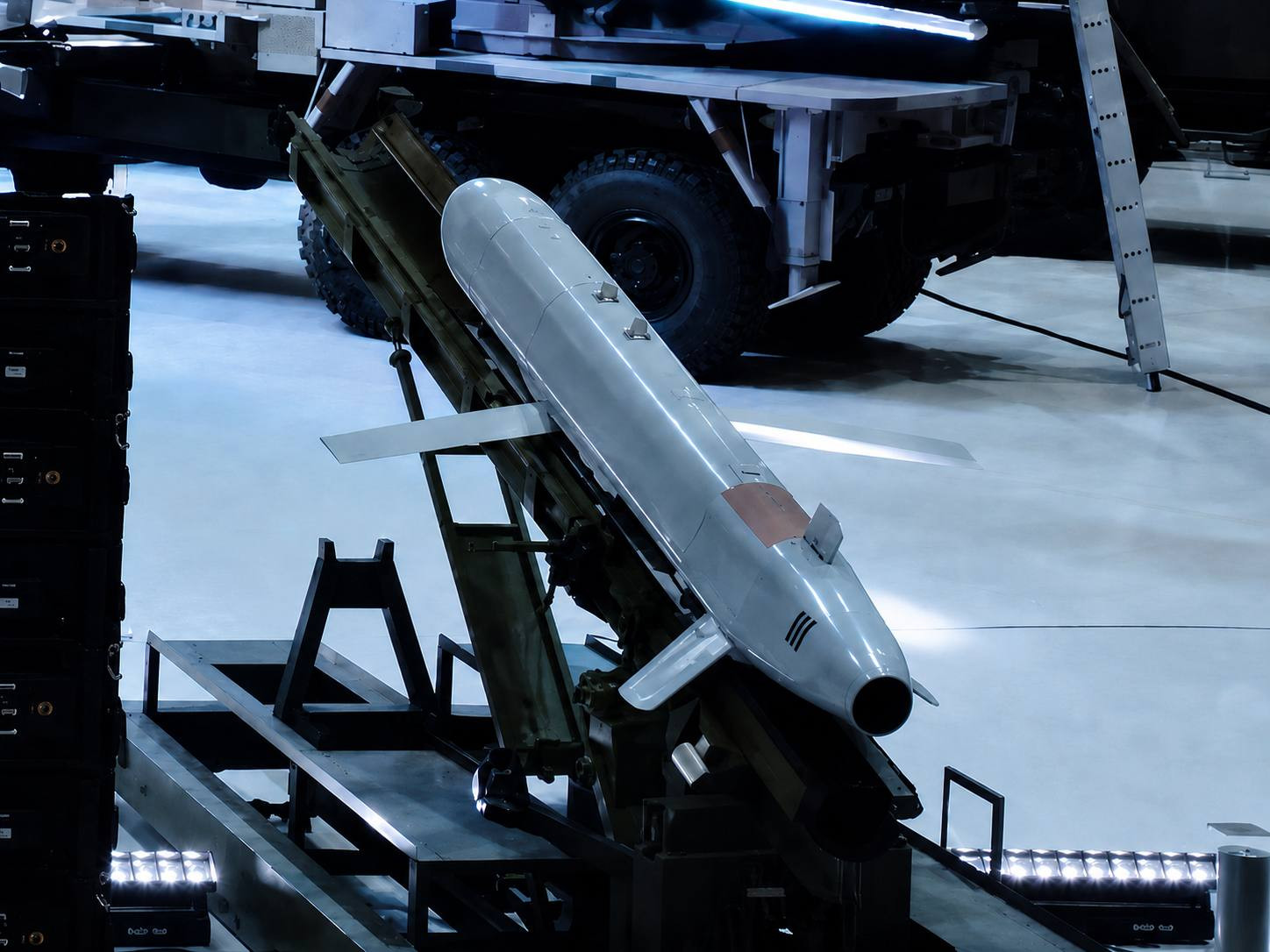
Russia is reportedly developing mobile catapult launchers for its S8000 'AliExpress' cruise missiles, previously known to be air-launched. Photos in Russian media show a Banderol missile mounted on a catapult launcher. Ukraine has warned of increased use of Banderol missiles in recent attacks.
-

The area around Bordeaux has multiple plants handling sophisticated technologies and hazardous materials, including chemical rocket fuel and used missiles. This poses potential risks and highlights the importance of safety protocols. The presence of such materials and technologies in the region is a concern.
-
Lockheed Martin's missile division is making the company's valuation attractive again. The company's performance in the missiles sector is a key factor in its overall valuation. Lockheed Martin is a major player in the defense industry, with a portfolio of advanced missile systems.
-
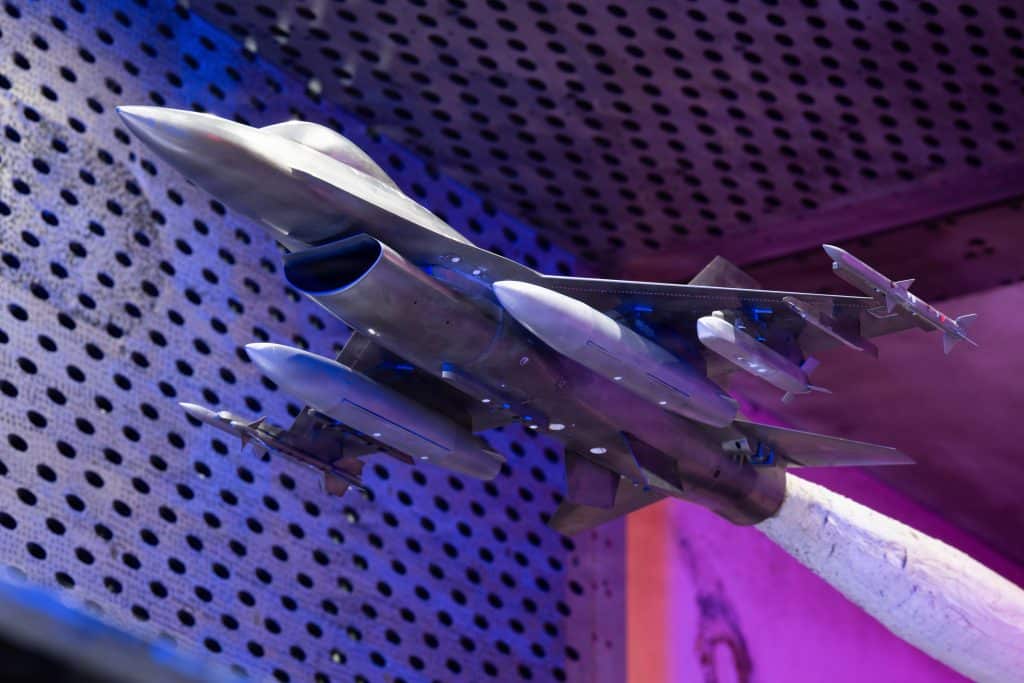
Ukraine is utilizing the AGM-188A Rusty Dagger, a high-survivability, long-range strike weapon, in its military campaign. Recovered missile debris, including a Controlled Reception Pattern Antenna, has highlighted the operational impact of this weapon. The antenna was sourced back to Zone 5 Technologies, a company recently purchased by Norway's Kongsberg.
-
The US Navy is procuring low-cost cruise missiles to expand its long-range precision strike capabilities and provide allies with affordable maritime strike options. This move aims to enhance the fleet's capabilities while offering a cost-effective solution for maritime strike needs.
-
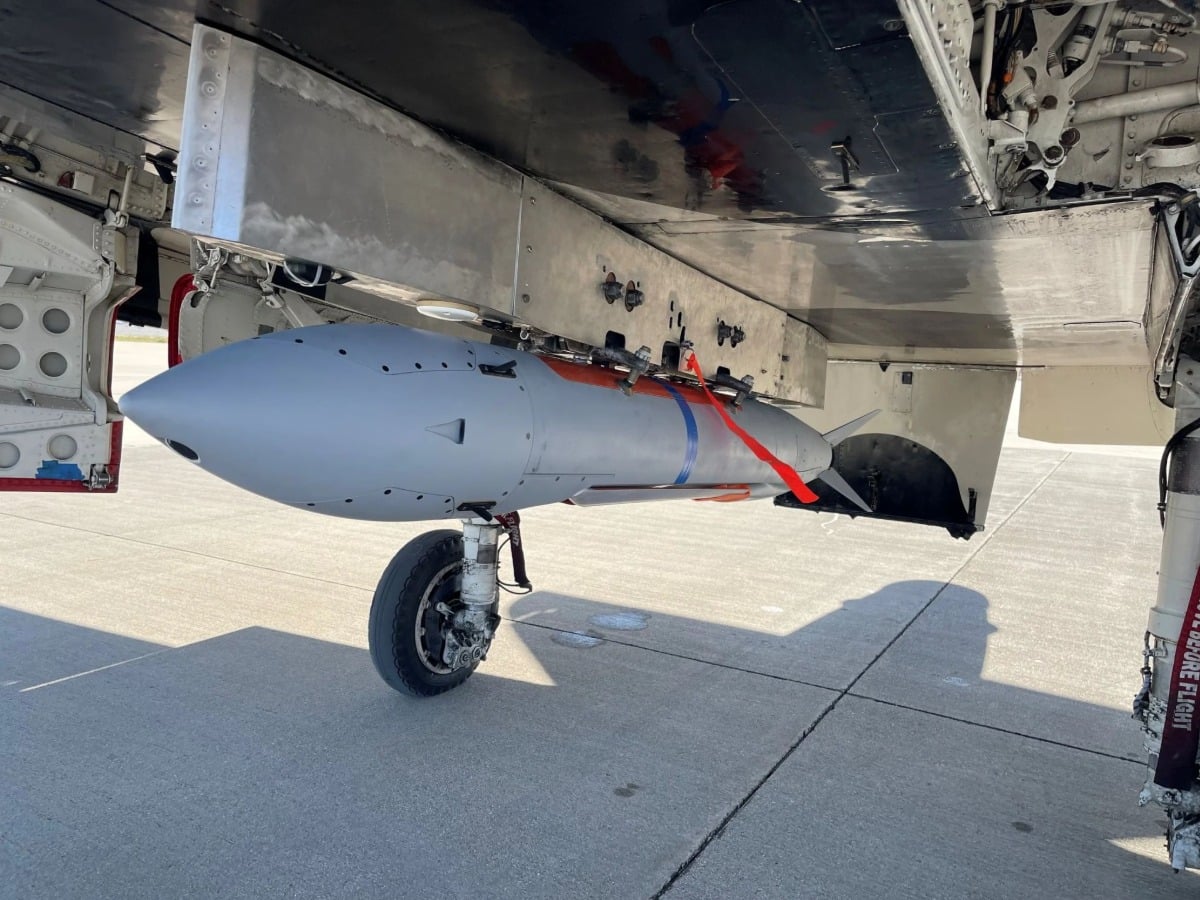
The US Navy has awarded a $70 million contract to CoAspire, a new missile maker, to develop a low-cost cruise missile. This is the first move in the Navy's precision-strike acquisition efforts. The contract was awarded by PAE Munitions, the Navy's precision-strike acquisition arm.
-
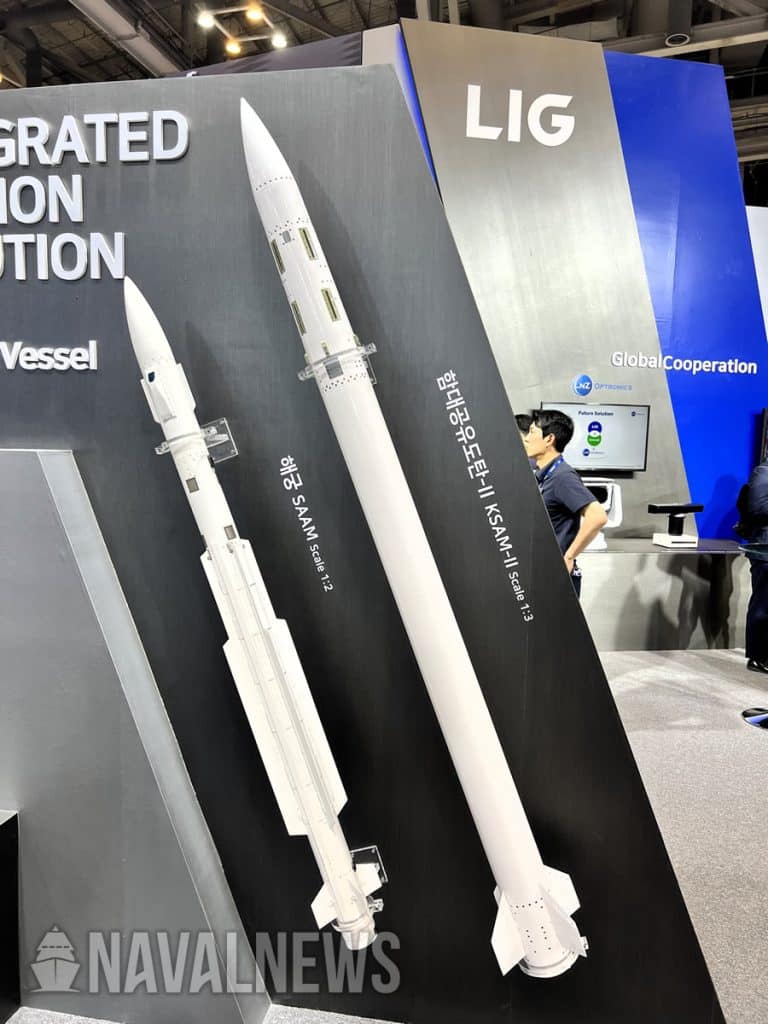
LIG Defense & Aerospace has begun assembling prototype missiles for the ROK Navy's Ship-to-Air Missile-II program, a replacement for SM-2 missiles on future surface combatants. The program is expected to start production of flight-test missiles this month. The KSAM-II is an indigenous missile system for the ROK Navy.
-
Patriot PAC-3 interceptors are hybrid designs that destroy targets by smashing into them and also pack a little-known explosive warhead. They are touted as hit-to-kill weapons but have a dual functionality. The design of the Patriot PAC-3 interceptors combines physical destruction with explosive capability.
-
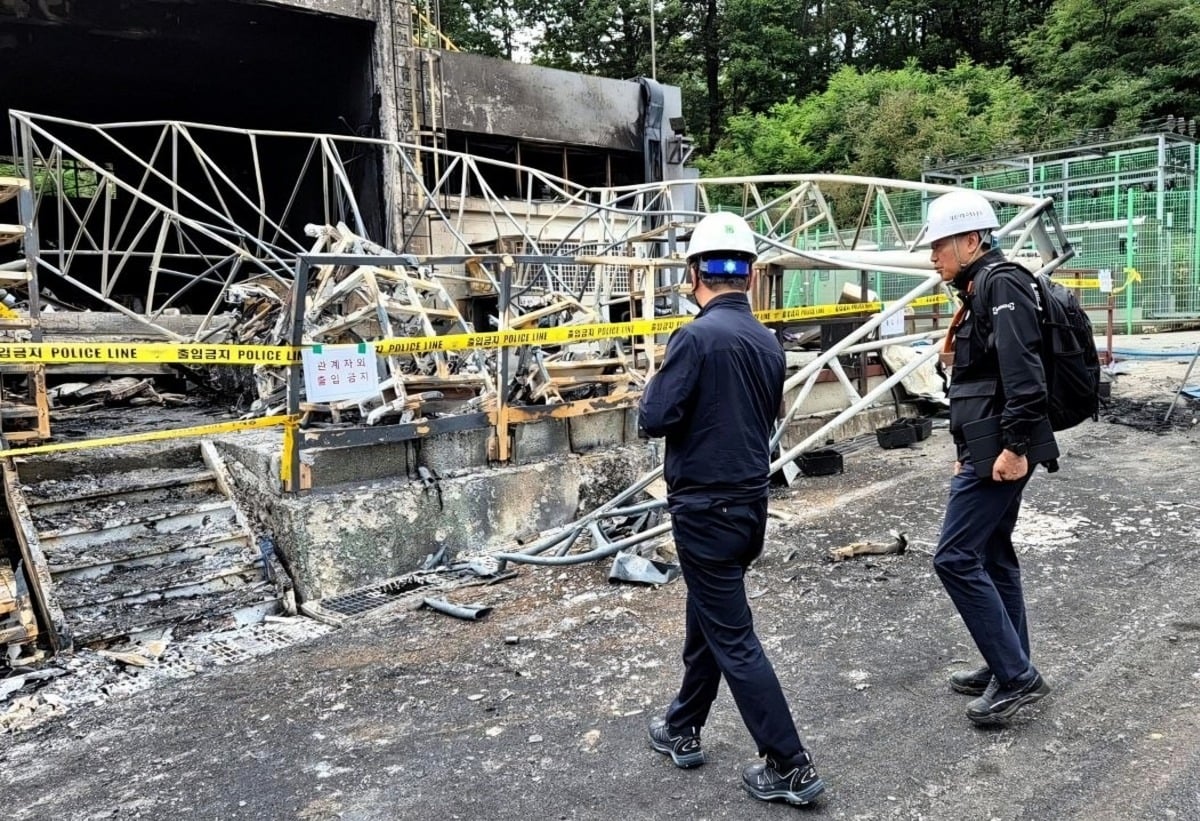
A recent explosion at a South Korean missile factory has highlighted the fragility of the country's missile supply chain, with many components relying on a single qualified manufacturer. This vulnerability poses a risk to the nation's booming arms export business. The incident has brought attention to the need for diversification in the supply chain to ensure the stability of missile production.
-
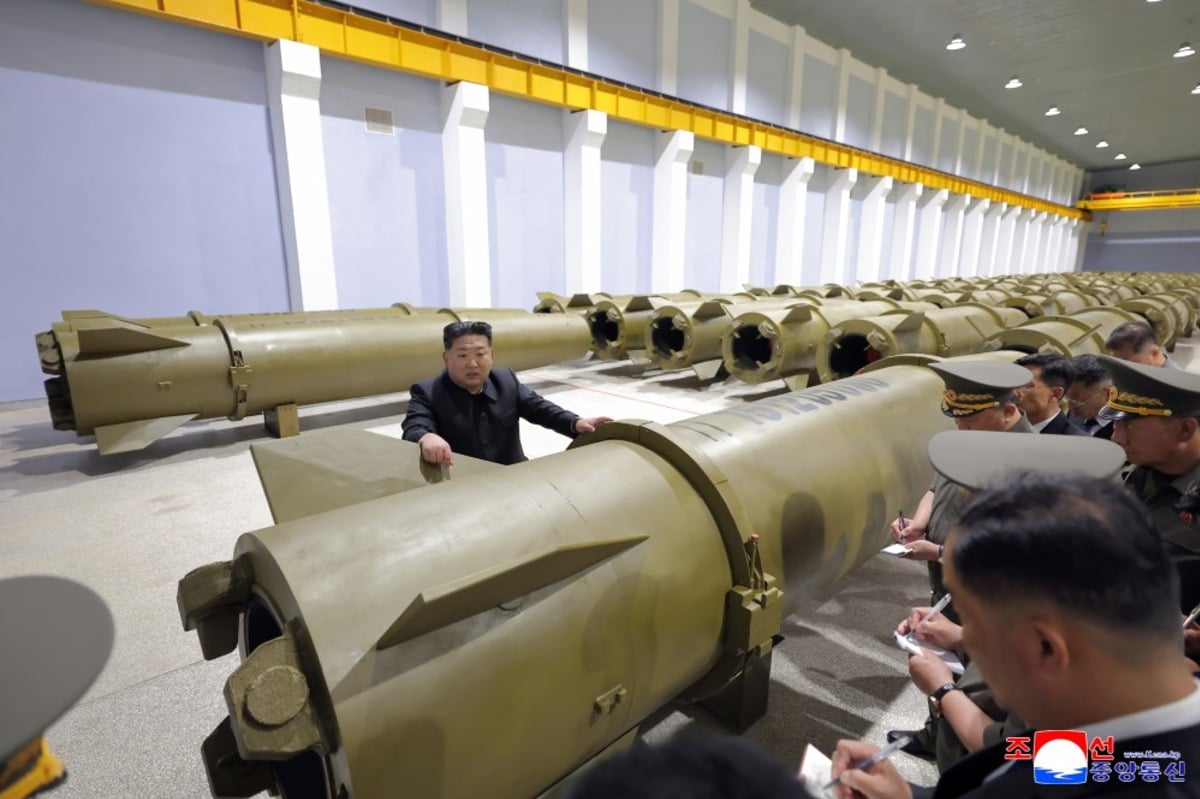
North Korea has reportedly resumed sending ballistic missiles to Russia, according to open-source intelligence. The missiles have become a key part of Moscow's arsenal. The shipments are said to include one of North Korea's deadliest ballistic missiles, which has improved in accuracy over time.
-
Frankenburg Technologies has selected BAE Systems' warhead for its Mark I missile and agreed to a five-year rocket motor partnership with Roxel UK. This move aims to increase production of lower-cost air defence systems in Europe.
-
Ukraine has introduced a low-cost missile, marking a shift towards more capable and mass-produced long-range strike capabilities. The debut of this missile underscores Ukraine's accelerating military advancements. The missile in question is the Dutch Ruta Block 1 cruise missile.
-
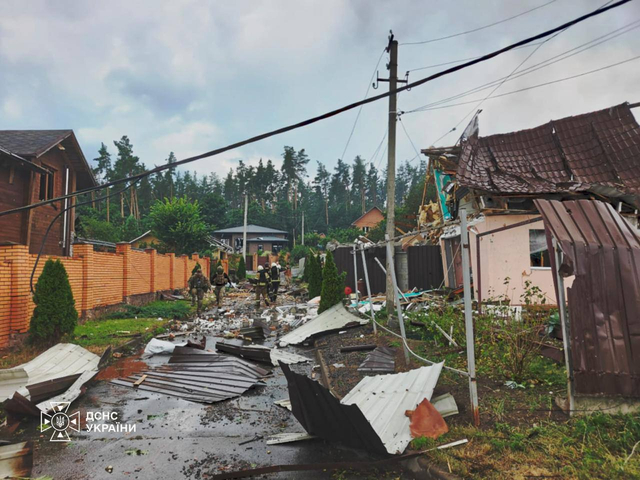
A Russian ballistic missile strike hit a defense industry event in the Kyiv region, killing 10 and injuring 100. The event was held on a training ground, and prosecutors have launched investigations into the attack and the event's organization.
-
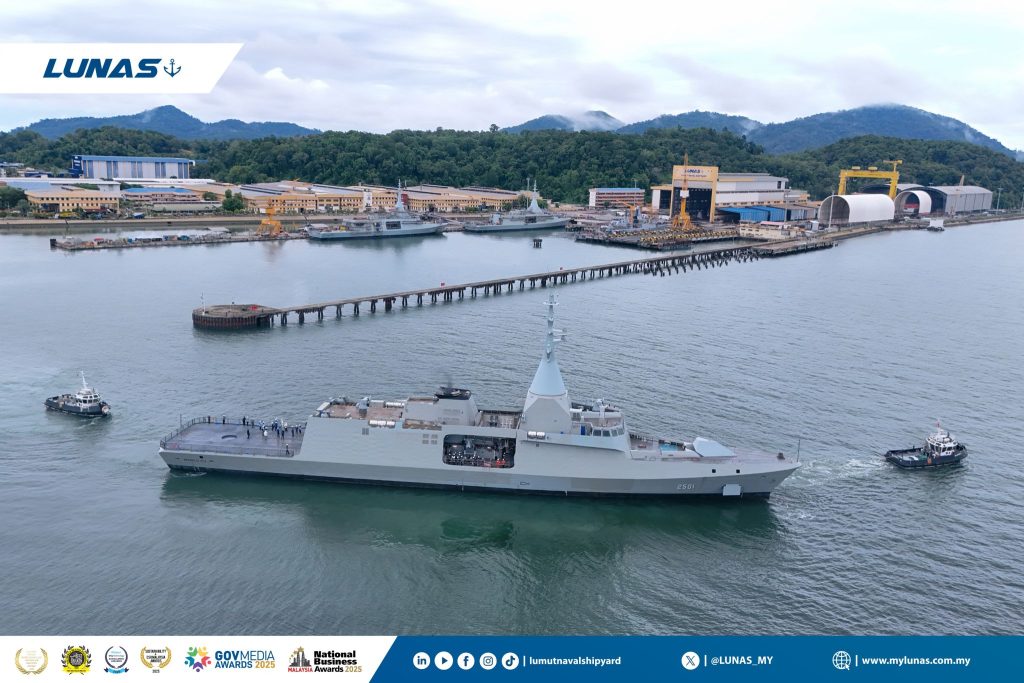
Malaysia's Ministry of Defence has issued a Letter of Acceptance to MBDA France for the procurement of the VL MICA surface-to-air missile system. The agreement was finalized during the Farnborough International Airshow 2026. A formal contract is still pending.
-
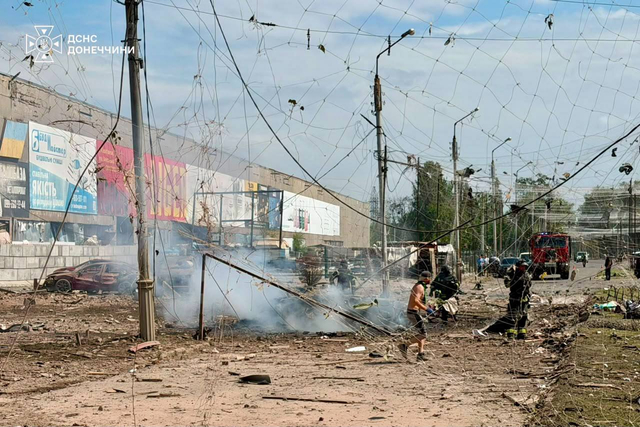
Kyiv was hit by a rare daytime ballistic missile strike, with multiple explosions reported in and around the city. The Ukrainian Air Force warned of incoming ballistic missiles, and estimates suggest 12 missiles were launched, including Tsirkon cruise missiles.
-
The US military is increasing its presence in the Middle East with new equipment arrivals. Concerns are growing within the Trump administration about the rapid use of defensive interceptors and long-range missiles in Iran. Sources report this development amidst the expanding military presence.
-
The Advanced Cruise Missile was too far ahead of its time and was eventually succeeded by the missile it was supposed to replace. It had a unique design, similar to a stealth jet but upside-down.
-

The US Navy has selected CoAspire to develop a ground-launched cruise missile designed for rapid mass production. The contract is worth $70 million. The missile is intended for ground launch, marking a significant development in the Navy's capabilities.
-
Iranian missiles have demonstrated deadly precision, resulting in the killing of three US soldiers at a Jordan base. This incident highlights Iran's ability to exact a deadly toll in the ongoing conflict.
-
Iran has reconstituted some of its weapons programs, including ballistic missiles, after attempts by the US and Israel to destroy them. This development showcases Iran's continued capability in this area. The move is a significant indicator of Iran's military prowess.
-
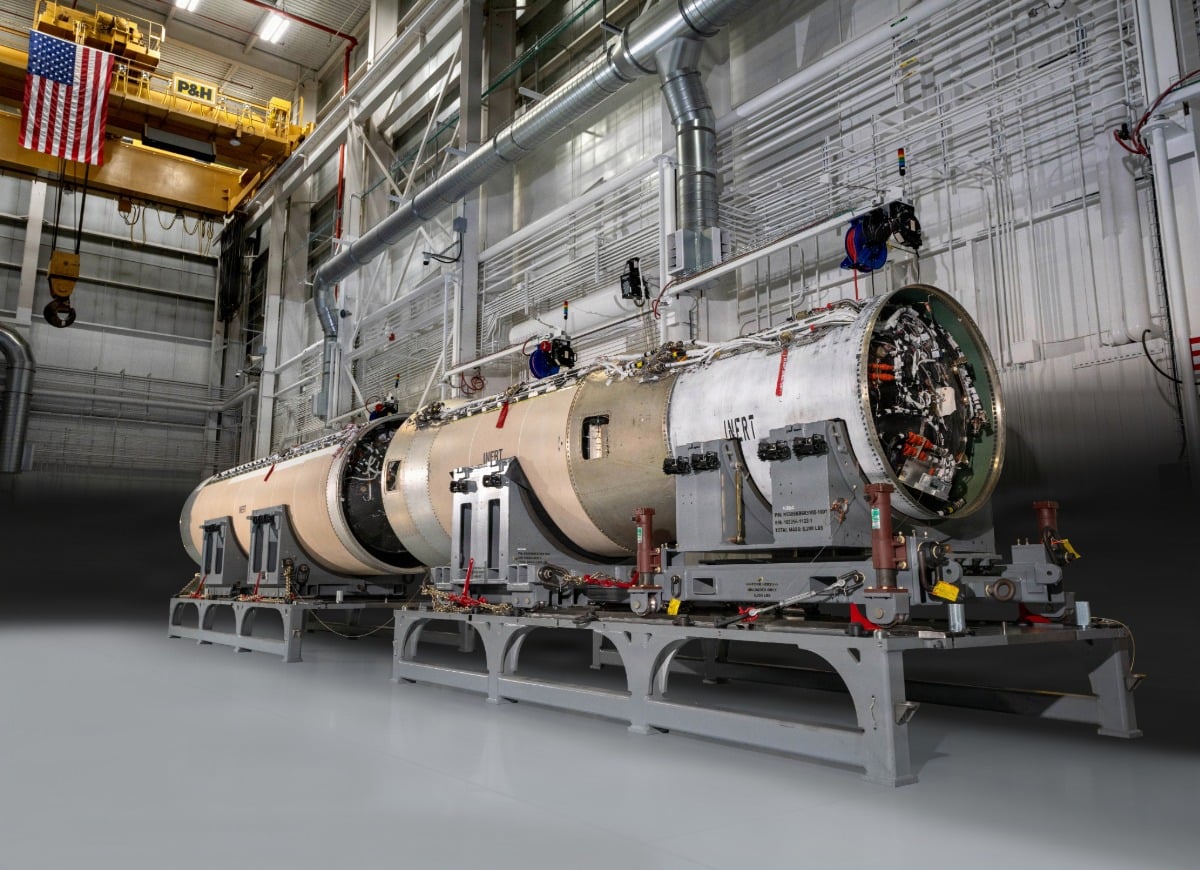
Johns Hopkins University's Applied Physics Laboratory has been awarded a $199 million contract to support the Sentinel missile program, which aims to replace the Minuteman III intercontinental ballistic missiles. The contract will provide research and development engineering support through July 2029.
-
China conducted a test of a JL-2 or JL-3 submarine-launched ICBM into international open waters, its second such launch since 1980. CSIS experts are analyzing the implications of this launch.
-
The US has approved a possible Foreign Military Sale to Greece for the procurement of AeroVironment's Switchblade 300 miniature missiles. This sale is expected to enhance Greece's military capabilities. The Switchblade 300 is a lightweight, portable missile system designed for precision strikes
-

The US Air Force is expanding its procurement of stealthy air-launched cruise and anti-ship missiles, with two contracts for Lockheed Martin-designed missiles seeing production runs increased to 23,095. The missiles include the AGM-158 Joint Air-to-Surface Standoff Missiles and AGM-158C Long-Range Anti-Ship Missiles. This expansion indicates a significant investment in long-range strike capabilities.
-
Kongsberg has signed a contract to deliver additional Joint Strike Missiles to the U.S. Air Force. The order is worth about $100 million, with deliveries due by June 2030.
-
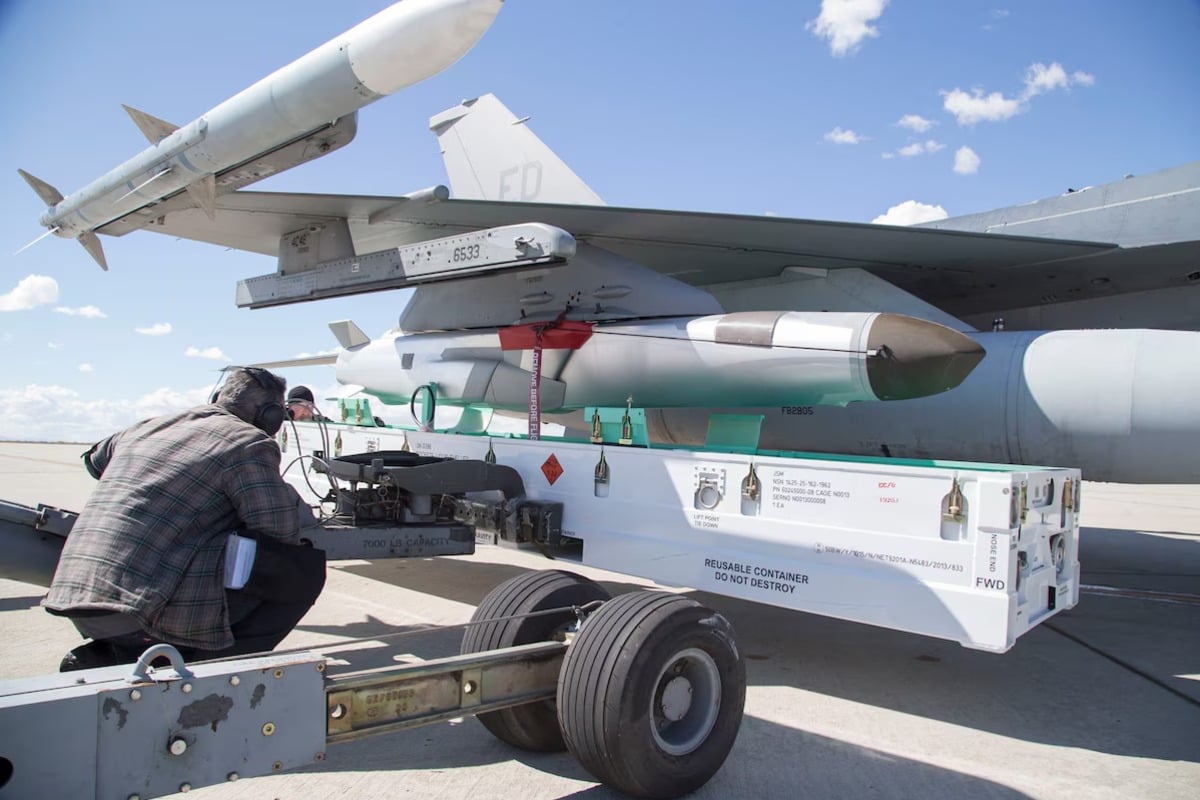
The US Air Force has awarded Kongsberg Defence & Aerospace a $98.4 million contract to produce the next batch of Joint Strike Missiles. The work will take place at Kongsberg's factory in Norway and is expected to be completed by June 30, 2030. The Joint Strike Missile is also known as the AGM-184A

