Missile Defense
44 recent stories · Following ↗
-

UK Defense Secretary Wes Streeting visited Kyiv to discuss missile defense and joint arms production with President Volodymyr Zelensky. The meeting followed a deadly Russian strike that killed at least 17 people. The two leaders aimed to strengthen their defense cooperation.
-
HENSOLDT's CEO reports that the Freyja project is gaining political momentum as Europe seeks to provide Ukraine with a Patriot-like missile defense capability starting from 2027. The project is a collaboration between HENSOLDT and Ukrainian company Fire Point. HENSOLDT aims to play a larger role in Ukraine's air and missile defense through this project.
-
Lockheed Martin has completed a burst test of the Next Generation Interceptor's second-stage motor case. This test is a significant step ahead of the critical design review. The Next Generation Interceptor is a key program for the US defense industry.
-
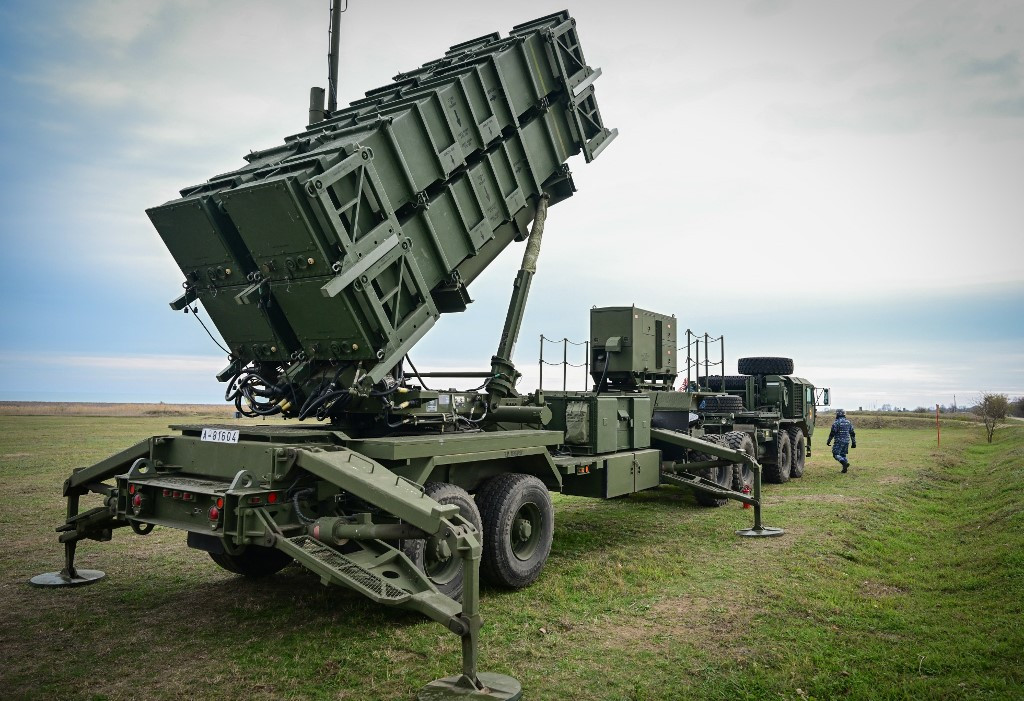
Ukraine aims to reduce dependence on foreign missile supplies by producing Patriot interceptors domestically. The project requires advanced technology transfer, industrial infrastructure, and skilled personnel. Obtaining a license is the first step in this complex journey.
-
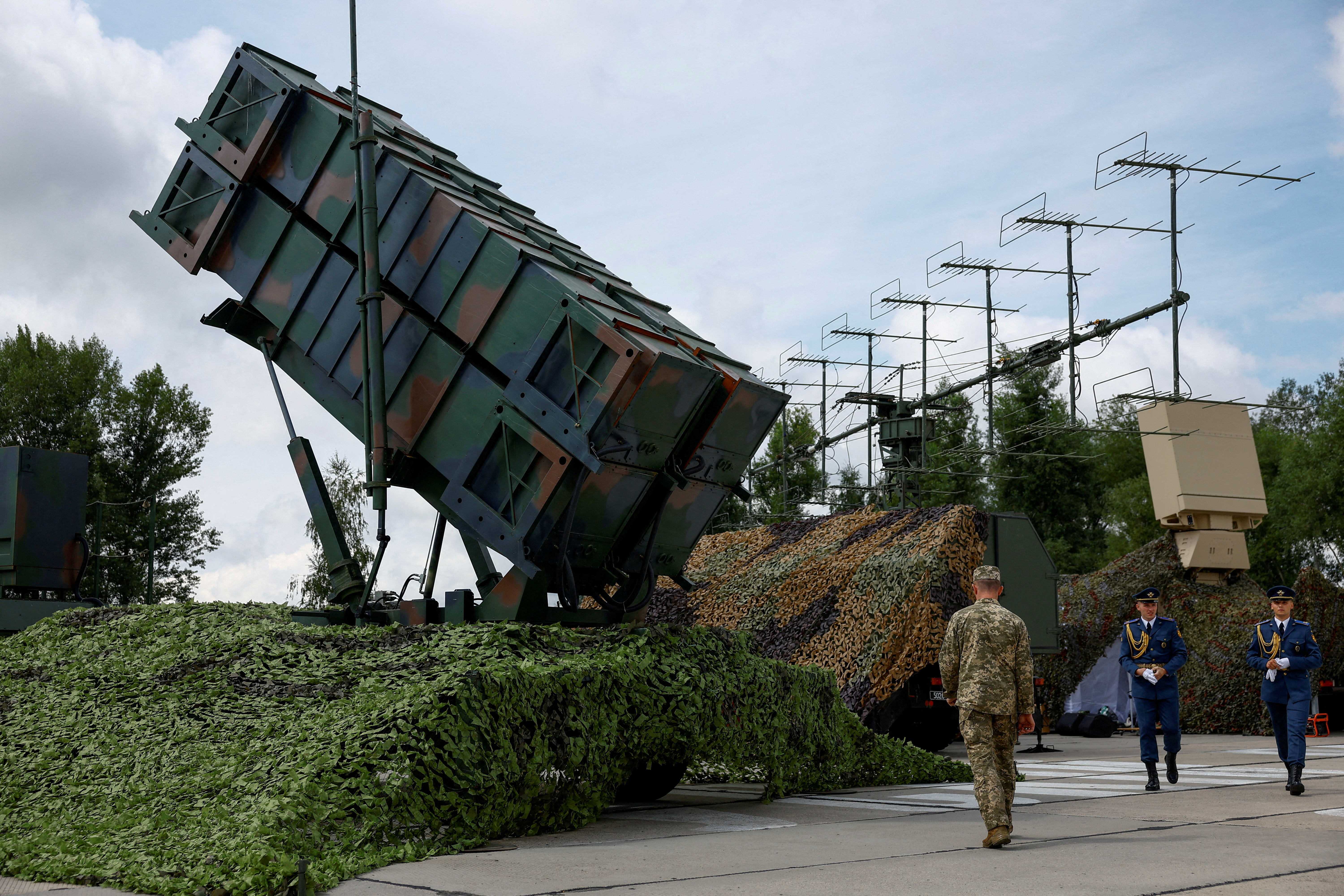
Ukraine's Fire Point is integrating European technology into its Freyja missile defense system. The company has secured agreements with European defense companies for the project. This development aims to enhance Ukraine's missile defense capabilities.
-
An arms race is underway to develop cheaper anti-ballistic weapons, indicating a shift in focus towards cost-effective defense systems. This development could have significant implications for military modernization and acquisition programs. The pursuit of affordable anti-ballistic weapons suggests a growing emphasis on balancing capability and cost.
-
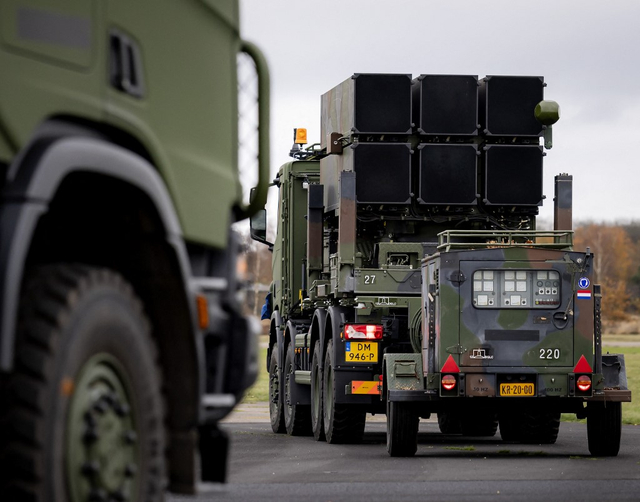
Ukrainian President Volodymyr Zelensky has ordered ambassadors to secure weapons and advance the FREYJA Missile Shield project in Europe. Diplomats will also negotiate new drone agreements and prioritize air defense systems for Ukraine.
-
The US has not agreed to grant Ukraine licenses to produce Patriot missiles, according to recent statements from Trump and US Ambassador to NATO Matthew Whitaker. The decision is reportedly due to concerns over American weapons stockpiles. Meanwhile, the US has signed a deal to boost production of Patriot and THAAD missile parts.
-
Northrop Grumman anticipates an increase in contract activity for the Golden Dome homeland missile defense initiative through 2026 and into 2027. This acceleration is expected as US funding for homeland missile defense moves into the procurement phase.
-
US President Donald Trump described the US military shooting down Iranian missiles, mimicking the sound of Patriot missile interceptions. The incident highlights the US military's defense capabilities. Trump's comments come amid heightened tensions between the US and Iran.
-
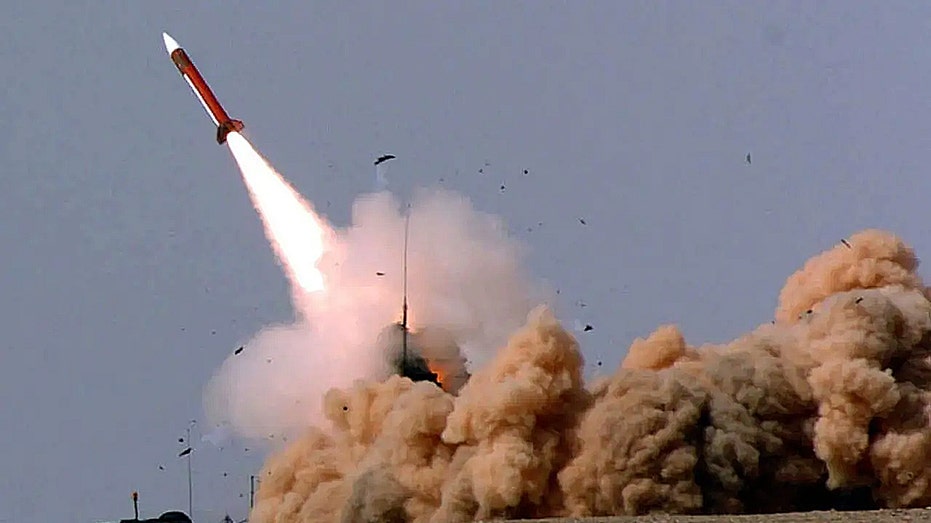
The US is facing shortages in its missile interceptor stockpiles, which could impact military strategy in the Mideast. This shortage raises concerns about readiness. The depletion of stockpiles may affect the country's ability to respond to threats.
-
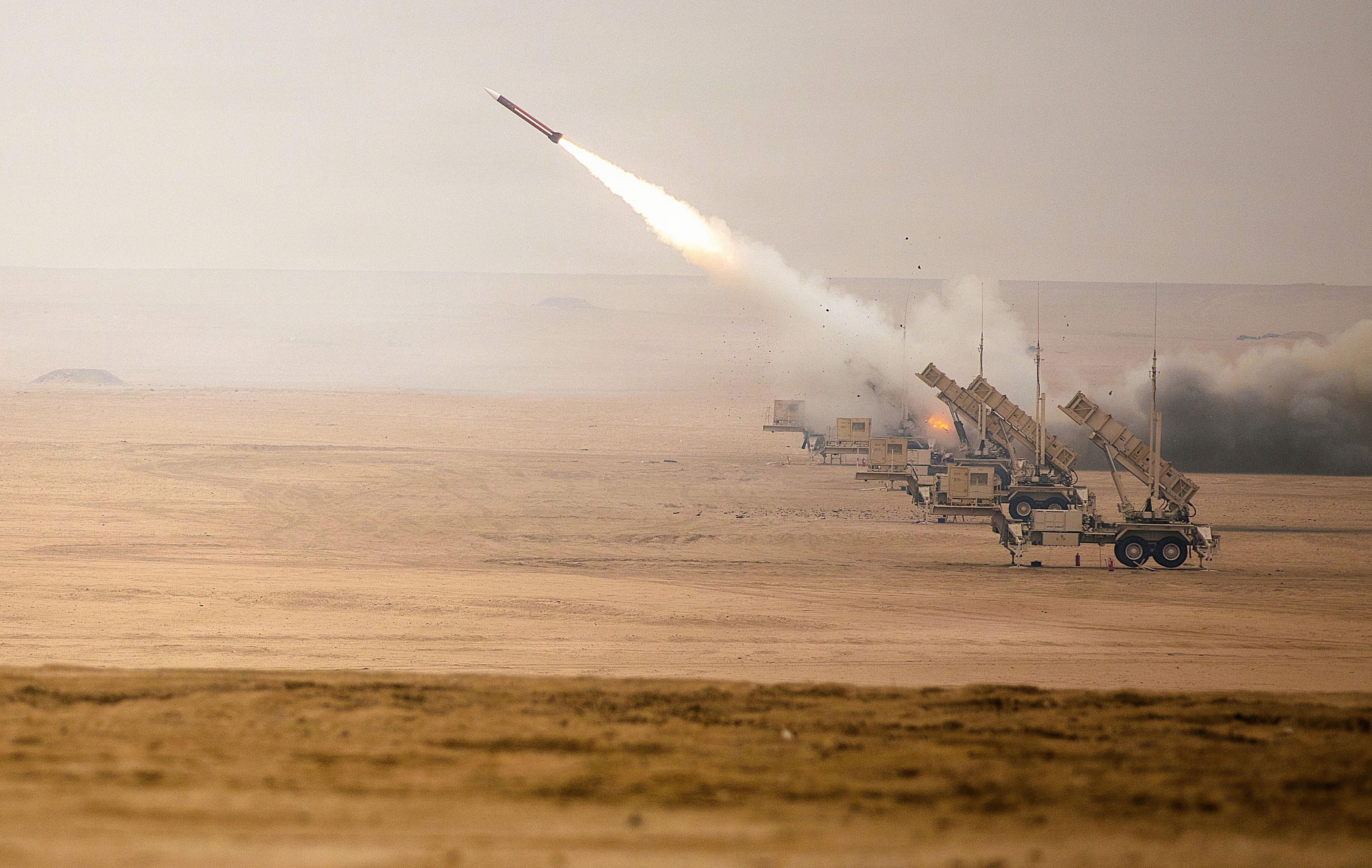
New anti-ballistic alternatives are emerging to challenge the Patriot monopoly, with officials hoping to deploy them by 2026. The development of cheaper options is underway, driven by the need for more cost-effective solutions. This shift could significantly impact the defense landscape.
-
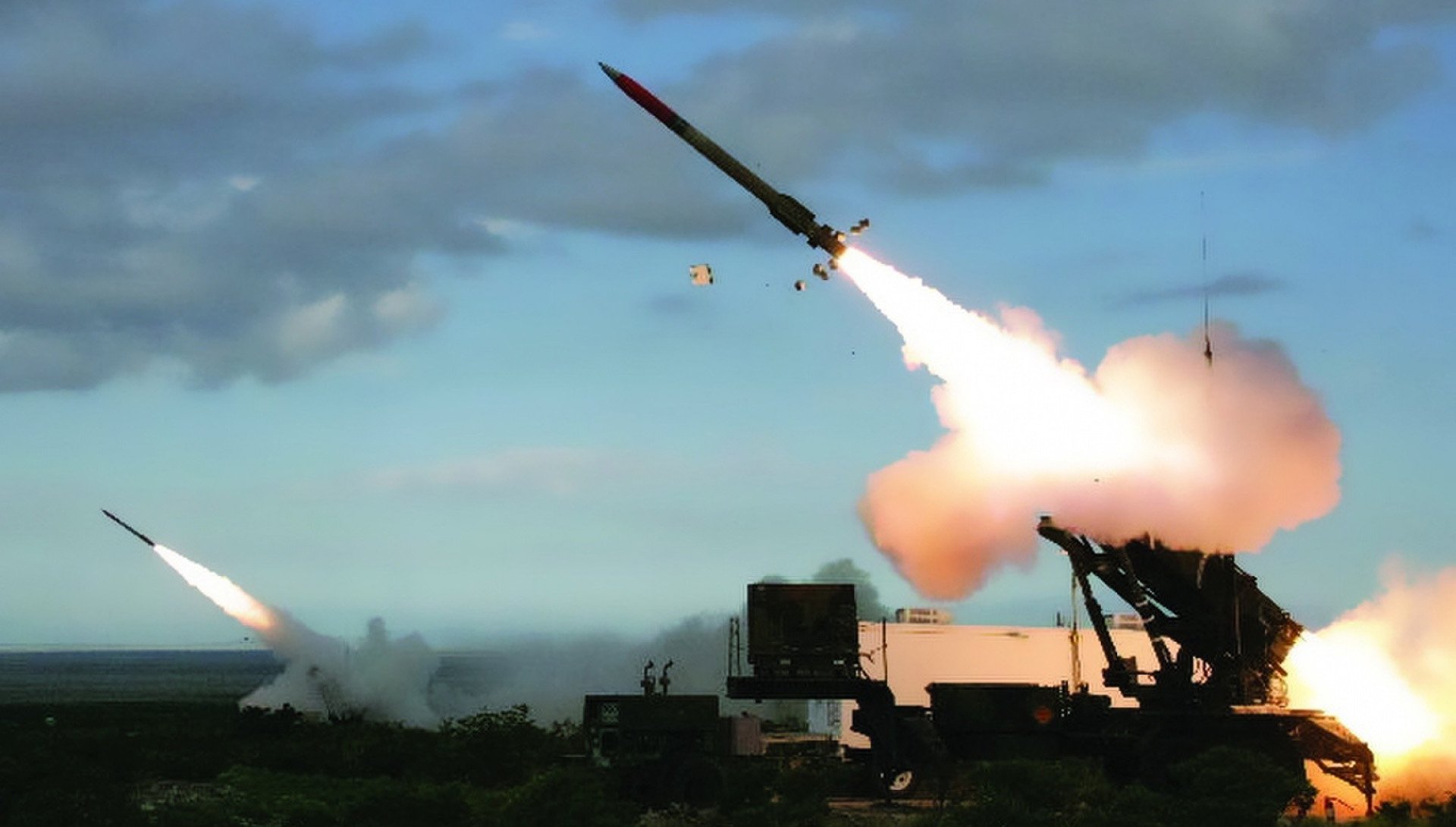
The US military may need up to 3 years to replenish its Patriot and THAAD missile defenses after using them in the Iran war. Experts warn of a significant delay in restocking these critical defense systems. This shortage could impact the military's ability to respond to future threats.
-

The US has depleted roughly two-thirds of its pre-war Patriot missile interceptor inventory during the conflict with Iran, according to new analysis. This depletion is creating readiness challenges, experts say. The situation highlights the impact of the conflict on US military capabilities.
-
A Russian missile has breached NATO airspace in Poland, raising concerns about the escalation of the war in Ukraine. The missile, identified as a Kh-101 cruise missile, flew for six minutes in Polish airspace before crashing. Poland's leader, Donald Tusk, confirmed the incident and summoned the Russian ambassador.
-
Lockheed Martin has been awarded a seven-year contract to triple PAC-3 MSE production, strengthening the industrial base and delivering critical capability faster. The contract is valued at up to $58.6 billion for interceptor production.
-
The US Army has awarded Lockheed Martin a 7-year contract worth up to $58.6 billion to produce Patriot interceptor missiles. This contract modification replaces a previous 1-year undefinitized contract action and increases the production of Patriot Advanced Capability-3 Missile Segment Enhancement interceptors. The deal is the largest-ever for the Patriot missile program.
-
Iran has fired missiles at US troops in Jordan, which were successfully intercepted by the US military. This attack comes after a five-day pause in the conflict.
-
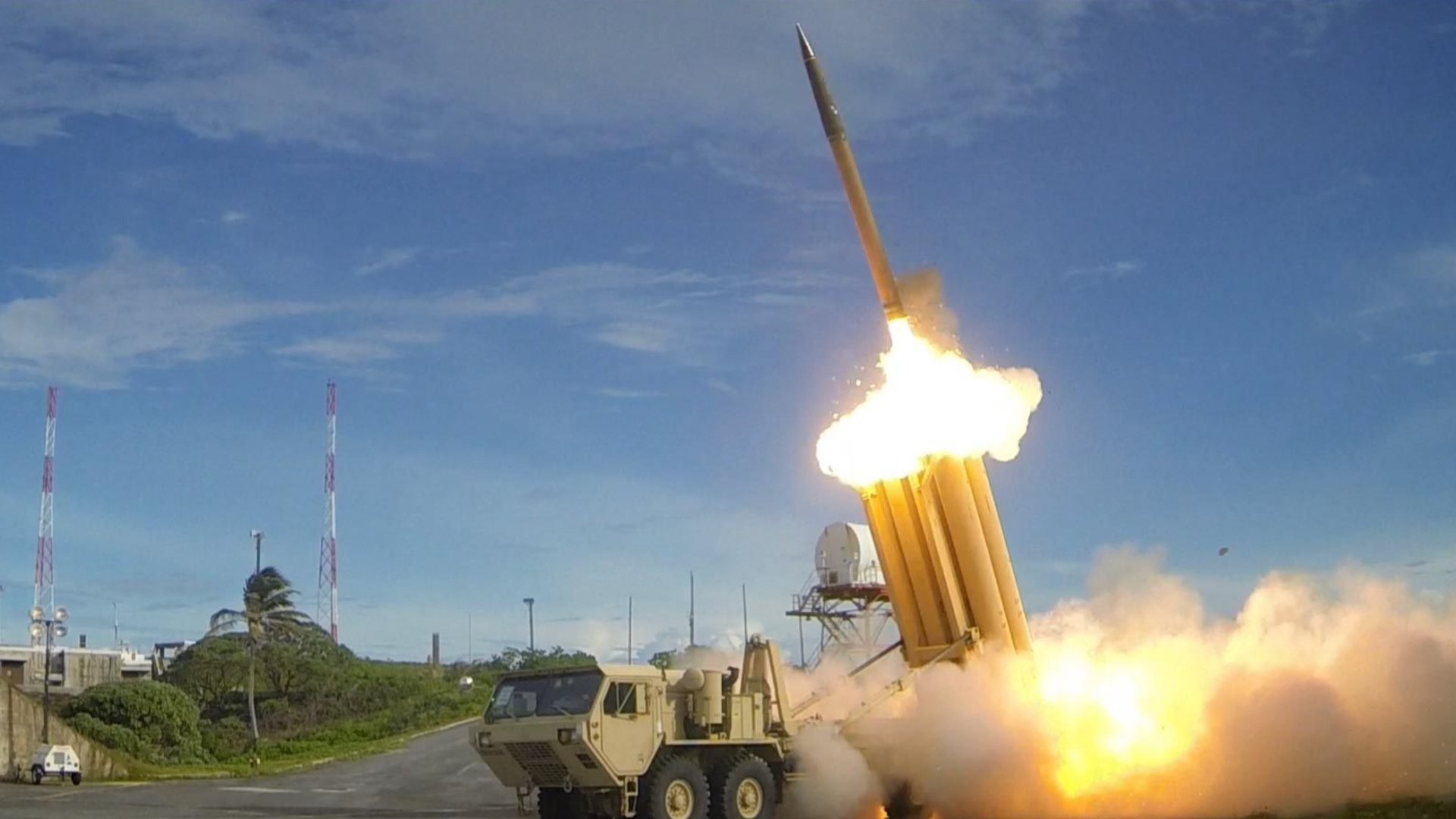
The US is strengthening its missile defenses by expanding production of propulsion systems for the Terminal High Altitude Area Defense (THAAD) and Patriot Advanced Capability-3 (PAC-3) MSE interceptor missiles. L3Harris has been awarded a framework agreement to quadruple THAAD propulsion production. The expansion aims to nearly triple PAC-3 MSE missile production and quadruple THAAD output.
-
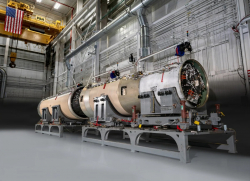
The US Air Force has begun in-field construction of the new Sentinel ICBM, marking a significant milestone in the program. The Sentinel ICBM is a next-generation intercontinental ballistic missile system designed to replace the existing Minuteman III. This development is part of the Air Force's efforts to modernize its nuclear deterrent capabilities.
-

The US Army has added $347M to develop a containerized Patriot missile launcher to address a blind spot in radar coverage. Lockheed Martin will develop the system, including a RIG-360 guidance system.
-

The Pentagon has inked a deal with L3Harris to increase rocket motor production. The seven-year deal will allow L3Harris to scale up production for PAC-3 and THAAD interceptors. The deal has yet to be finalized.
-
The US industry will nearly triple PAC-3 MSE propulsion production under a seven-year framework agreement. This agreement follows other PAC-3 MSE framework arrangements across the program’s industrial base.
-
MAGA commentator Laura Loomer calls for the US to supply Ukraine with Patriot missiles to protect civilians and serve American security interests. The request comes after Loomer witnessed Russian missile attacks in Kyiv.
-
Ukraine aims to have a prototype of a European missile defense system by mid-2027, according to an official. This development is part of Ukraine's efforts to enhance its defense capabilities. The prototype is expected to be a significant step towards strengthening European missile defense.
-
The US Department of War has signed two seven-year framework agreements with L3 Harris and Lockheed Martin to increase production of Patriot and THAAD components. This move aims to enhance the country's missile defense capabilities. The agreements will support the production of critical components for these systems.
-
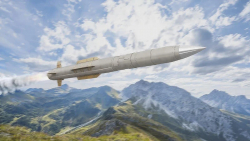
Defense companies are developing lower-cost solutions to defeat missiles, addressing the demands of Ukraine, the US, and other Western militaries. The industry is responding to the need for more affordable missile defense interceptors. This development could enhance the military's ability to counter missile threats.
-
The US Army is purchasing PAC-2 GEM-T missiles, which are less capable than their PAC-3 counterparts, to supplement its Patriot missile inventory. This move indicates the Army's need for additional missile defense systems. The purchase marks the first time in decades that the Army has acquired PAC-2 missiles.
-

An analysis of the costs associated with missile defense systems, highlighting the financial implications of interceptor prices and inventory management. The article discusses the importance of understanding the arithmetic behind missile defense.
-
The PAC-3 ACE is a new, lower-cost interceptor missile that can engage short-range ballistic missiles, priced at about half of the current PAC-3 MSE. It is designed to provide a more affordable option for missile defense. The PAC-3 ACE is part of Lockheed's efforts to offer cost-effective solutions for defense systems.
-
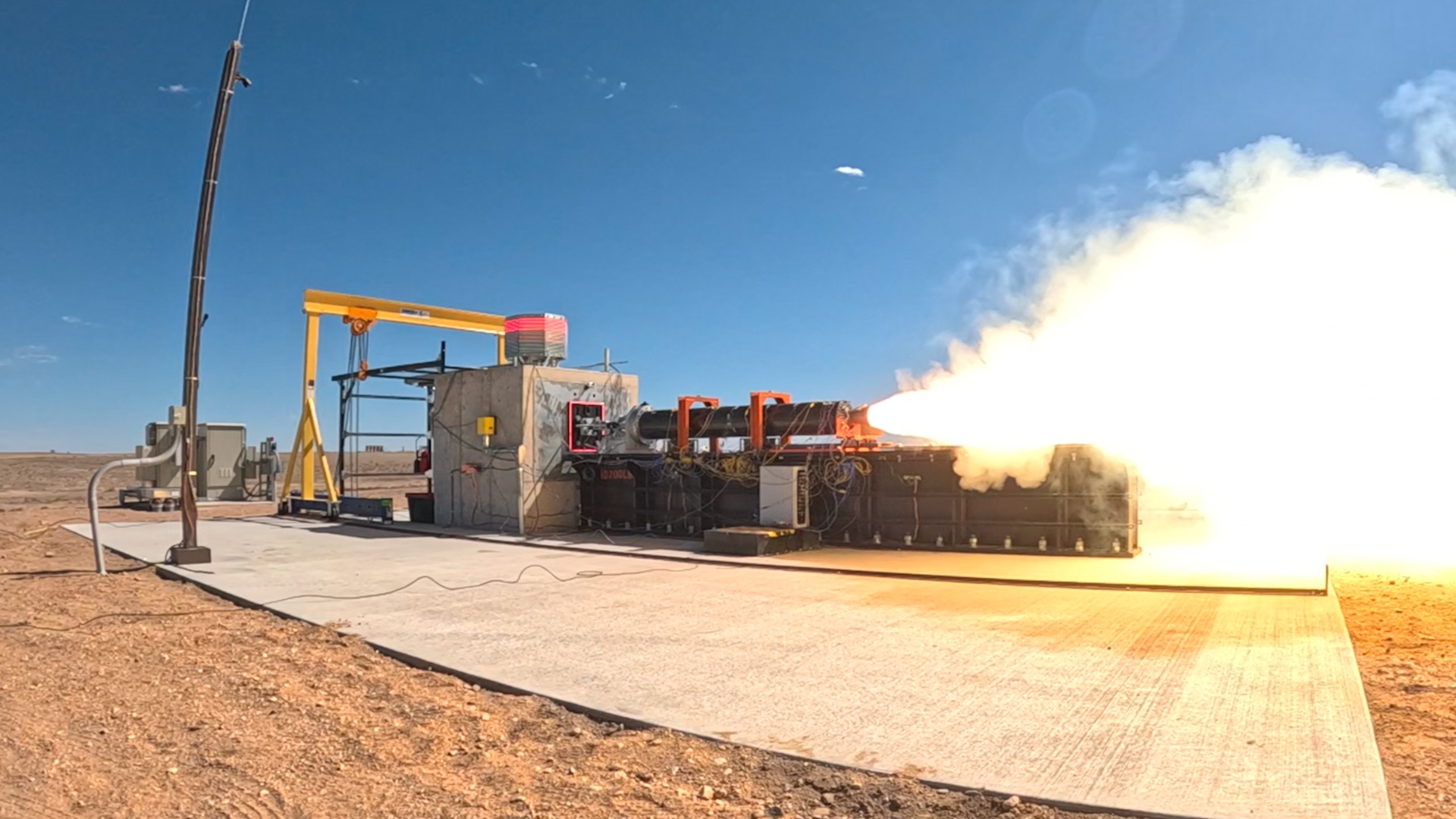
The US Navy has awarded a $10 million contract to Ursa Major to increase Standard Missile production. The deal focuses on the Mk 104 rocket motor. This contract aims to enhance the Navy's missile capabilities.
-
Raytheon's Next Generation Short Range Interceptor (NGSRI) missile has successfully demonstrated its capabilities in a series of tests, marking a key step in the US Army's effort to replace the Stinger air defense system. The NGSRI uses a Command Launch Assembly, precision-optics seeker, and solid rocket motor to engage airborne threats. The missile has shown promising results, scoring direct hits in long-range aerial threat tests.
-
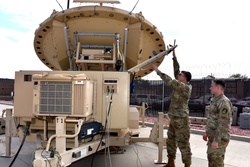
US Army Space and Missile Defense Command warrant officers play a crucial role in bridging the gap between enlisted and commissioned officers. They comprise a small cohort within the 100th Missile Defense Brigade and 1st Space Brigade. Their position allows them to serve as 'honest brokers' in the evolving space and missile defense tech landscape.
-
European defence firms have formed the Bliksem EXO consortium to develop a sovereign upper-layer interceptor for NATO-compatible missile defence. The consortium aims to defeat ballistic threats, including Russia's intermediate-range Oreshnik missile. A test of the exo-atmospheric interceptor is planned for 2027.
-

The Ukrainian firm Fire Point has successfully produced weapons that can hit Russian territory and is now aiming to develop an antimissile system. This development comes as Ukraine is allowed to build Patriots. Experts consider the antimissile system development a significant challenge.
-

Nine nations are supporting Ukraine's development of the Freyja system, a Patriot alternative, to counter ballistic missile threats. The goal is to have the system operational within a year. Ukraine currently lacks a domestic solution to address this specific threat.
-

The Space Development Agency has awarded L3Harris and Sierra Space $1.75 billion to build 36 satellites for the Golden Dome missile defense shield. The satellites will provide missile warning, tracking, and targeting capabilities. The contract is part of an accelerated schedule to meet the Pentagon's 2028 plans for demonstrating the Golden Dome system.
-
Ukraine and nine European countries have formed a coalition to develop a defense system against ballistic missiles, with the goal of protecting Europe from future threats. The coalition will focus on developing and implementing a shared defensive capability, including the production of anti-missile interceptors. Ukraine has also received licenses to produce Aster 30 anti-missile interceptors and will receive Rafale aircraft and SAMP/T batteries.
-

The US Marines have conducted a live-fire test of a new medium-range missile interceptor, utilizing technology similar to Israel's Iron Dome system. The test was successful, demonstrating the effectiveness of the new system. This development marks a significant advancement in the Marines' air defense capabilities.
-
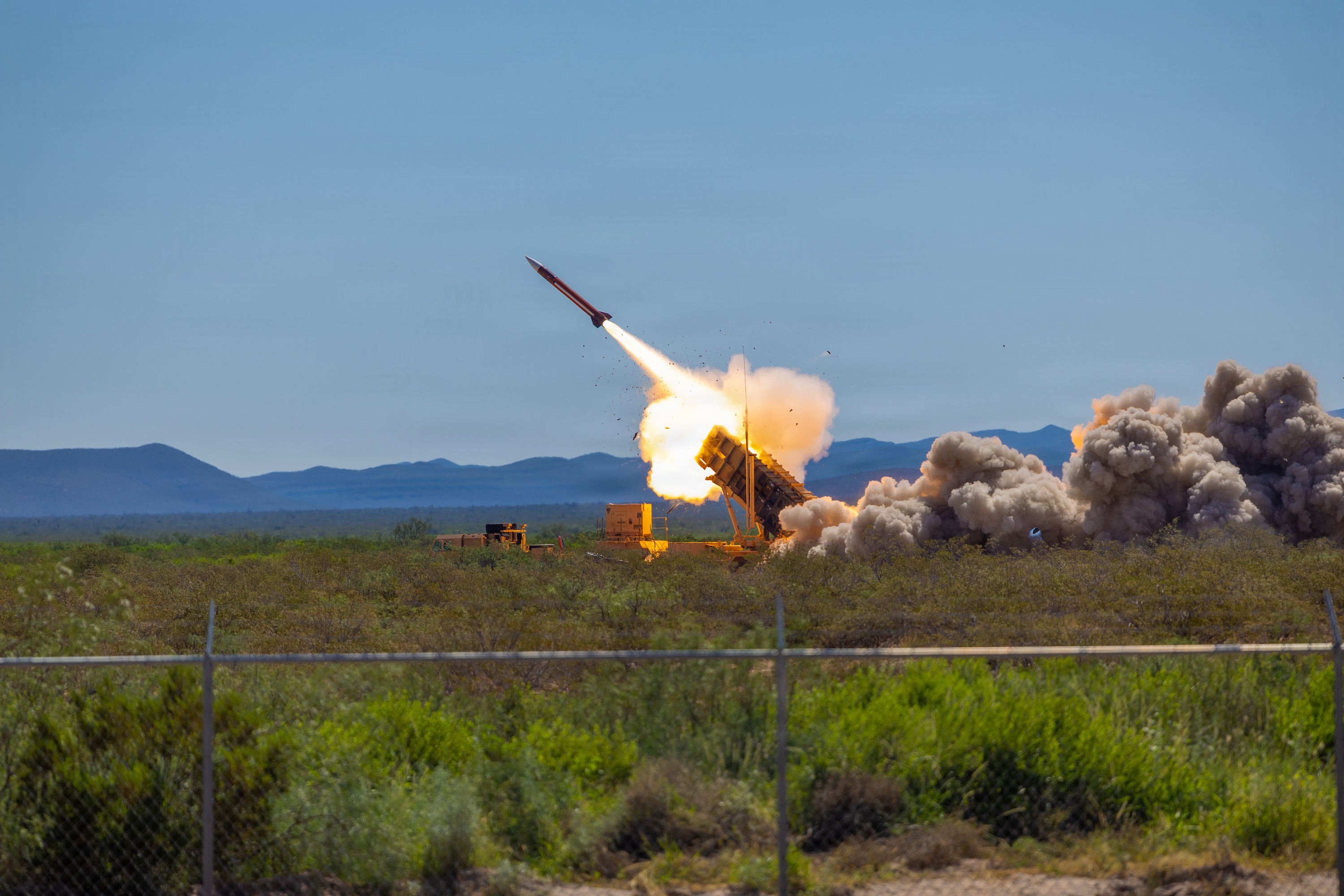
Ukraine is developing a homegrown ballistic missile defense system called Freya, a cheaper alternative to the Patriot system, to counter Russia's ballistic missiles. The first coalition meeting will be held in France to discuss the project. The system aims to provide a cost-effective solution to Ukraine's missile defense needs.
-
The US is considering granting a license to Ukraine to produce Patriot missiles, a move that could take years to implement. Experts say the process is complex and won't be quick or simple. This development could significantly enhance Ukraine's air defense capabilities.
-
The U.S. Army's IBCS, developed by Northrop Grumman, has completed its 34th successful missile flight test. The test included integration with IFPC and LTAMDS. IBCS is currently in full-rate production and operational in Poland.
-
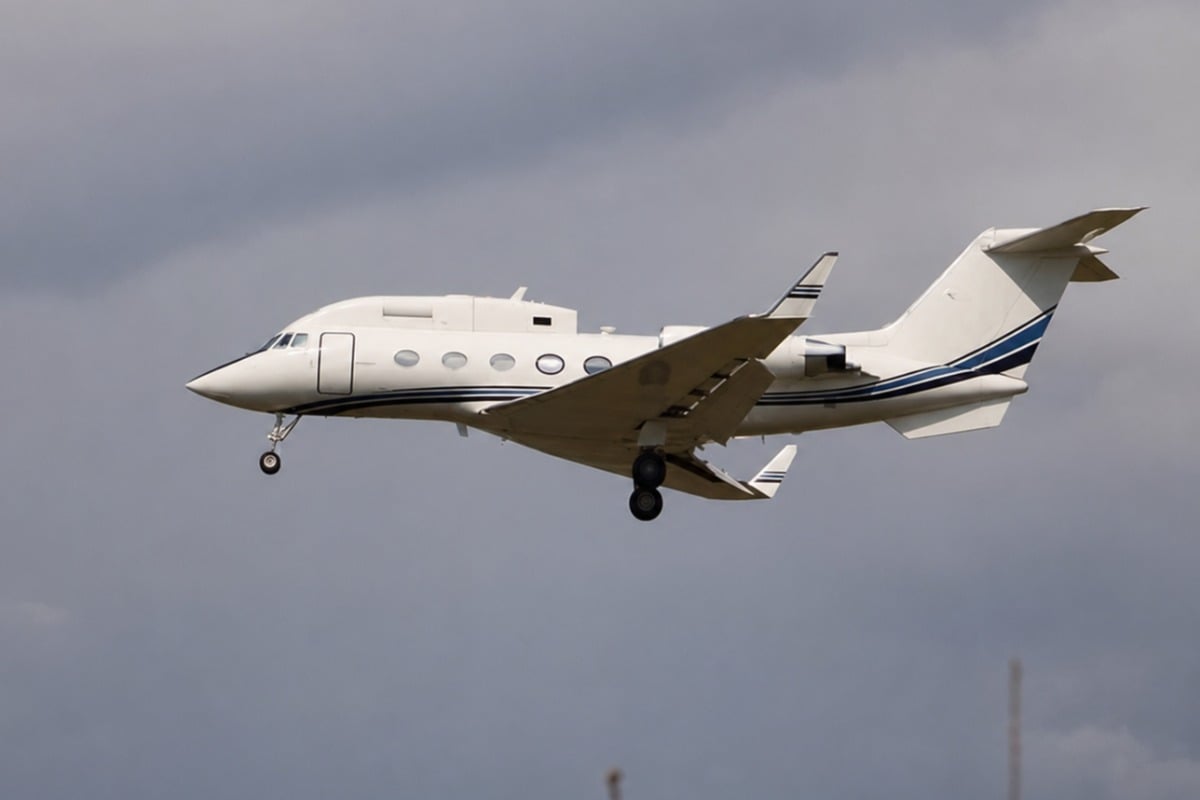
The Pentagon's Missile Defense Agency has paid $500M for a secret missile-test aircraft to observe and evaluate missile interceptor tests. This specialized aircraft plays a crucial role in assessing the effectiveness of missile defense systems. The investment underscores the importance of developing and testing reliable missile defense capabilities.
-
Ukrainian President Zelenskiy states that the production of missile defense arms is unable to meet current demand, calling it 'absurd'. This highlights the challenges in supplying sufficient defense systems to meet the needs of the conflict. The issue underscores the importance of ramping up production to support defense efforts.