Innovation
15 recent stories · Following ↗
-
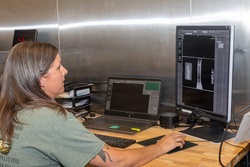
Norfolk Naval Shipyard is implementing computed radiography and digital radiography for naval non-destructive testing. This innovation is expected to improve testing capabilities across the Navy.
-
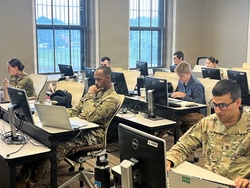
The Army's Advanced Builder Course aims to enhance soldiers' digital skills, improving decision-making and information management. The two-week course strengthens operational readiness during high-tempo operations. It equips participants with skills to accelerate decision-making and reinforce command-level synchronization.
-
The Air Mobility Command (AMC) has introduced a new self-signup tool for Space-A travel, replacing the old registration method. This change aims to improve the travel experience for eligible passengers.
-
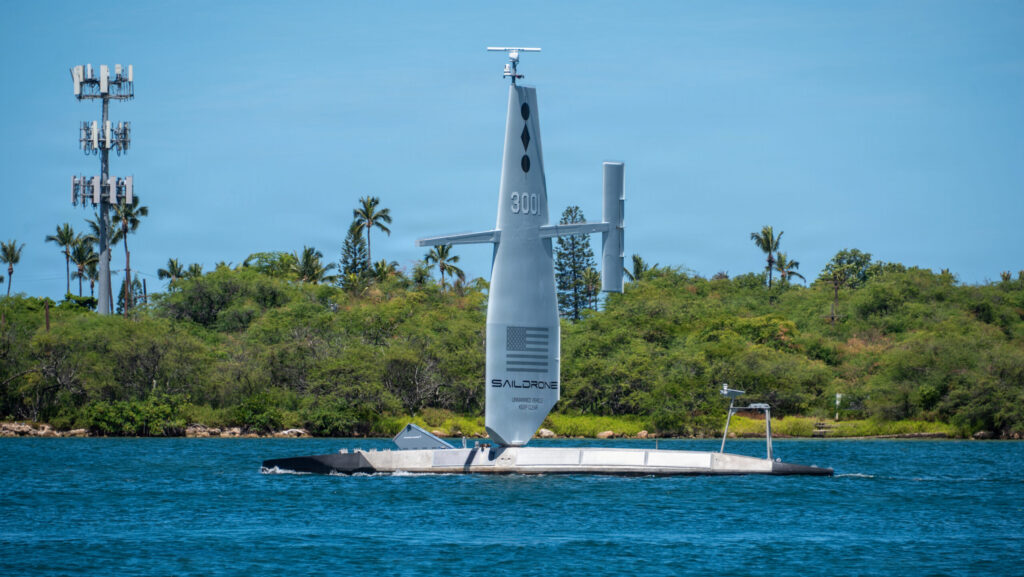
The multinational RIMPAC exercise served as a laboratory for testing advanced technologies, including 3D printing and launching missiles from uncrewed vessels. The exercise featured high-end warfighting training and experimentation with new technologies. This allowed for the testing of innovative solutions in a real-world setting.
-
The Army's Silicon Valley Reserve Unit has added three more tech executives, marking a significant development in the unit's efforts to leverage technology for military innovation. The unit has made progress in its first year, with details on its accomplishments and impact on the Army's tech capabilities. The addition of tech executives is expected to further enhance the unit's ability to drive innovation and modernization.
-
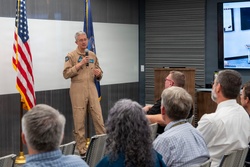
The Naval Air Warfare Center Weapons Division inducted 24 scientists and engineers into its Fellows Program. The ceremony took place at China Lake and Point Mugu, California. This program recognizes outstanding technical achievements and contributions.
-
The Pentagon's special operations office hosted its first Shark Tank-style Accelerator Event, where industry proposals were solicited to solve operational problems. Out of 700 proposals, 15 finalists were selected to present their solutions.
-
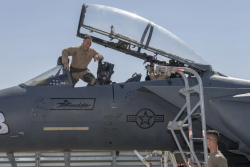
The Defense Innovation Unit has appointed its first active-duty military deputy, aiming to accelerate the delivery of innovative weapons to American forces. Senior officials discussed the unit's plan to achieve this goal. The move is part of the unit's efforts to equip forces with the best weapons faster than ever before.
-
The Defense Innovation Unit's first active-duty military deputy discusses plans to provide American forces with the right weapons quickly. The goal is to enable US forces to meet future challenges with confidence. This involves accelerating the development and deployment of innovative technologies and capabilities.
-
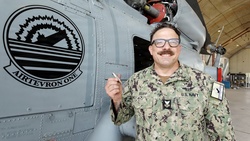
An aviation structural mechanic's simple fix prevents costly damage to the Navy's H-60 helicopter fleet, earning a $25,000 award. The solution saves millions of dollars and thousands of manhours. The mechanic, AM1 Micah D. Rupp, received recognition from the Secretary of the Navy.
-
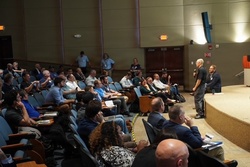
The TIGER Hackathon was held at Detroit Arsenal to drive innovation for the Abrams AGT1500 engine supply chain. Over 40 vendors attended to tackle manufacturing bottlenecks.
-
The US Army, in partnership with the Defense Innovation Unit and other organizations, is working to develop life-saving technologies for use in contested environments. The goal is to bridge critical medical gaps and deliver advanced capabilities to warfighters. This effort includes the launch of an AI-Assisted Triage project.
-
The Defense Innovation Unit (DIU) is reshaping its operational structure to fit its modern mission, with a goal of reducing the military's 'cost per kill'. Owen West shared new details about his vision in an exclusive interview with DefenseScoop.
-
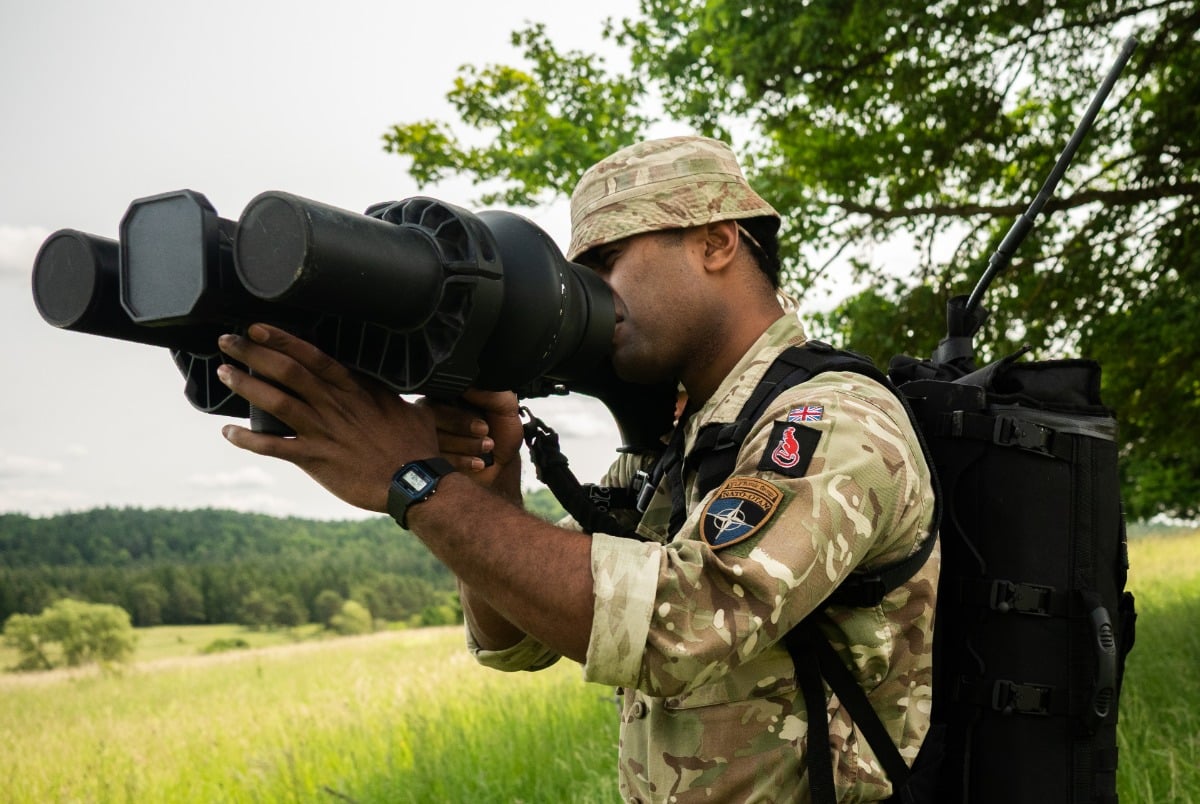
The UK's military innovation arm, UK Defence Innovation, has announced five core themes to guide the development of new technology for the battlefield. The UK has allocated a $536 million-a-year budget for this effort. The goal is to accelerate the transition of laboratory ideas into battlefield equipment, overcoming the country's historically slow defense bureaucracy.
-
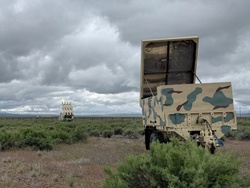
The 173rd Fighter Wing has partnered with Klamath Community College to improve F-35 pilot readiness through realistic threat surrogates. This partnership also provides students with hands-on fabrication experience, contributing to the development of tomorrow's workforce.