Hypersonics
34 recent stories · Following ↗
-
Tiberius Aerospace has signed a research agreement with the US Army's DEVCOM Armaments Center to develop the Sceptre ramjet-powered 155 mm artillery munition. The partnership aims to advance the development of this technology. The Sceptre munition is a significant innovation in artillery capabilities.
-
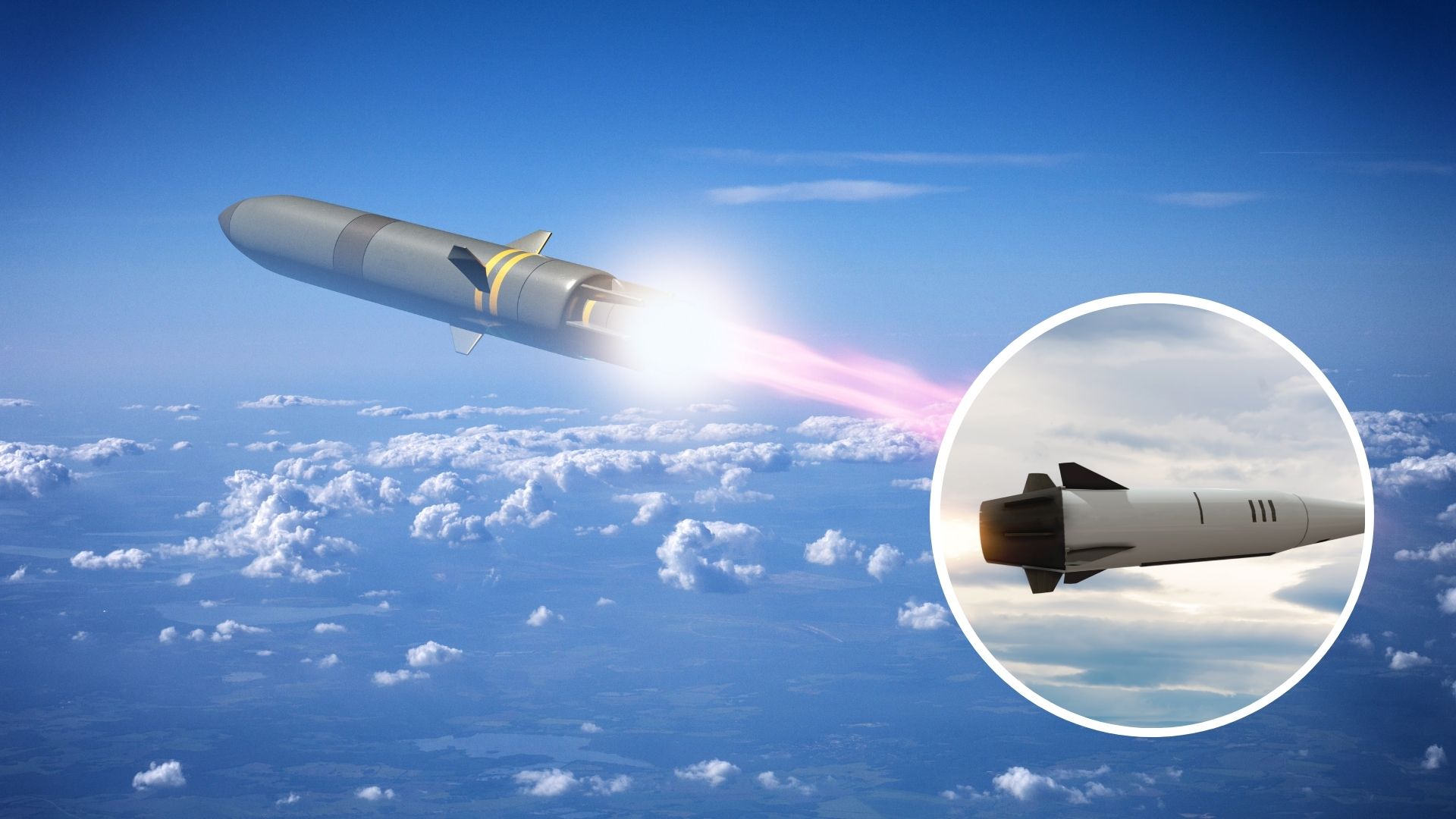
China's state television has showcased a documentary suggesting the world's first operational hypersonic glide weapon is ready for launch. The weapon is China-built and represents a significant development in hypersonic technology. This could potentially alter the balance of power in the region.
-
CSG has acquired a strategic stake in North Vector Dynamics, a Canadian company that develops air-defence, counter-drone, and hypersonic technologies. This investment adds counter-drone missiles and hypersonic technology to CSG's defence portfolio. The move is expected to enhance CSG's capabilities in these areas.
-
The Army is transforming its canceled long-range supergun into a test platform to speed hypersonic development and reduce reliance on costly flight tests. This move aims to advance hypersonic technology while minimizing expenses. The project's outcome could significantly impact the development of hypersonic systems.
-

The US Army successfully tested a hypersonic warhead from a cannon at Yuma Proving Ground, establishing a new testing capability for national security programs. The test used a cannon-based system to fire the warhead, marking a significant milestone in hypersonic development.
-
China has begun mass deployment of its DF-17 hypersonic missile, marking a significant advancement in its military capabilities. The missile has reached full deployment, according to reports. This development is expected to have major implications for regional and global security.
-

Kratos Defense & Security Solutions has finished constructing a $50M hypersonic test facility in Indiana ahead of schedule. The 68,000 sq ft facility is designed for rapid preparation of experimental payloads, sensors, and guidance systems. It will support the development of hypersonic systems.
-
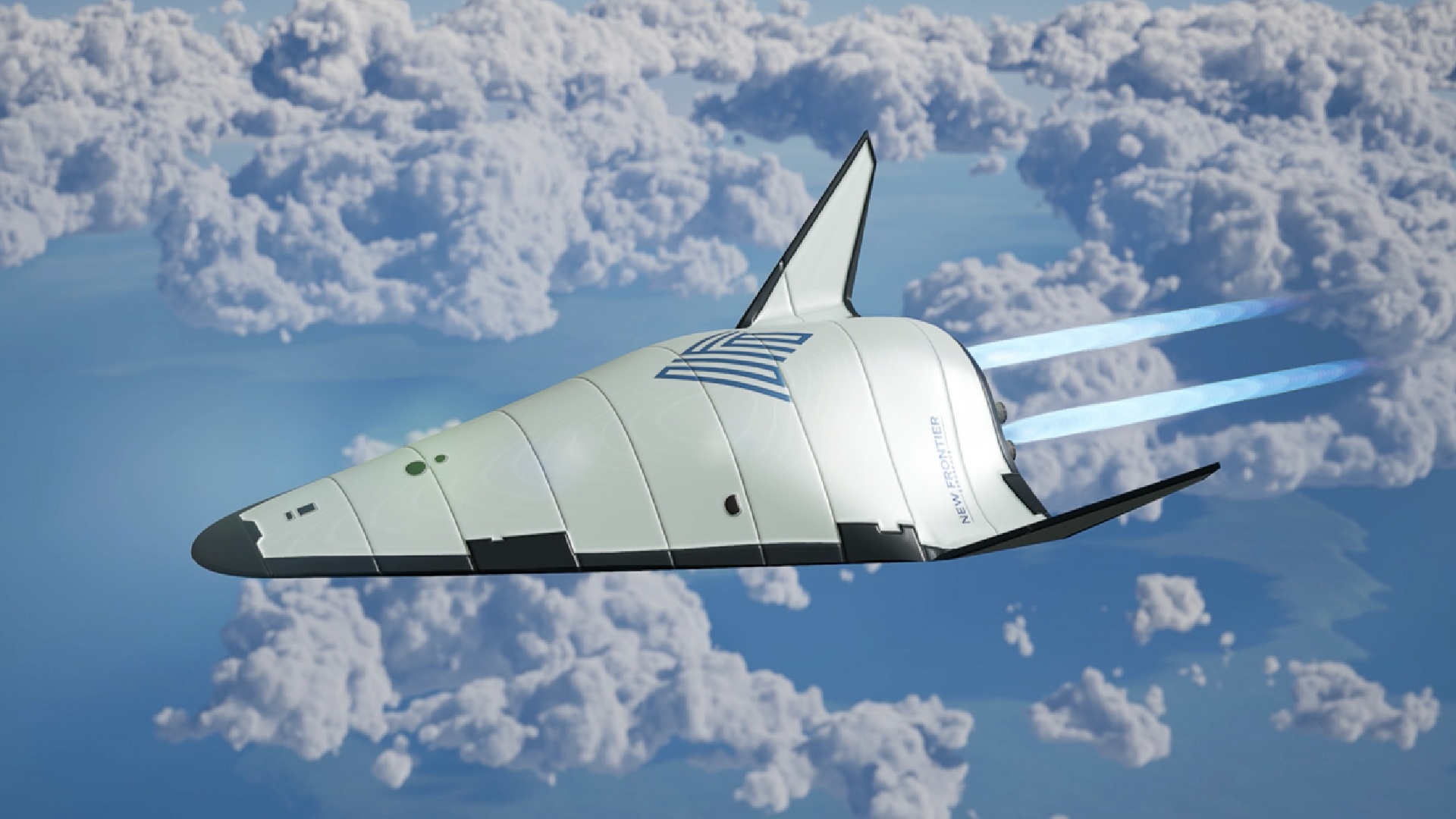
The US Air Force is looking to develop a reusable hypersonic bomber that can take off and land vertically, eliminating the need for a runway. This innovative aircraft would significantly enhance the Air Force's capabilities. The project aims to create a bomber that can strike targets without requiring traditional runway infrastructure.
-

The Pentagon's Defense Innovation Unit completed a successful unmanned stores separation flight test with Hermeus, an Atlanta-based hypersonic aircraft company, as part of the HyCAT program. The test is a significant milestone in the development of hypersonic technology. The HyCAT program aims to accelerate the integration of commercial technology into military use.
-
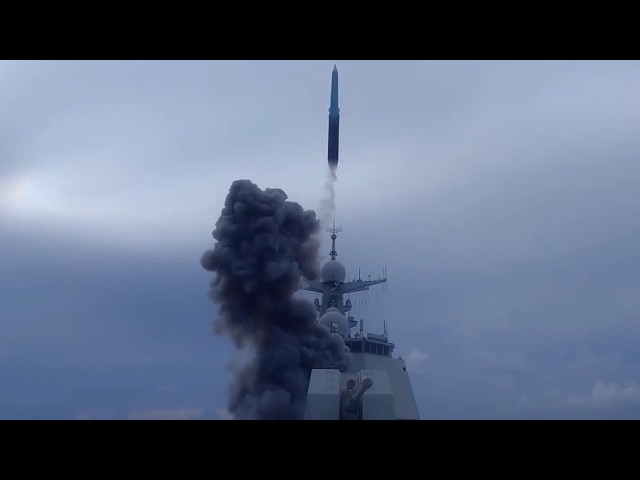
China has enhanced its naval capabilities by integrating the YJ-20 hypersonic missile into its 7,500-ton destroyer fleet. This advancement is showcased in an official video release. The YJ-20 hypersonic missile significantly boosts the firepower of China's naval destroyers.
-
China has showcased the wider deployment of its YJ-20 hypersonic anti-ship missile, which can be launched from its Type 052D guided-missile destroyers. The missile has been previously associated with the Type 055-class surface combatant. This development expands China's naval strike power and demonstrates its advancing military capabilities.
-
China is expanding the deployment of its YJ-20 hypersonic anti-ship missiles to Type 052D destroyers, in addition to the larger Type 055 ships. This move distributes the capability across more hulls and potentially a larger area. The development indicates an advancement in China's naval capabilities.
-
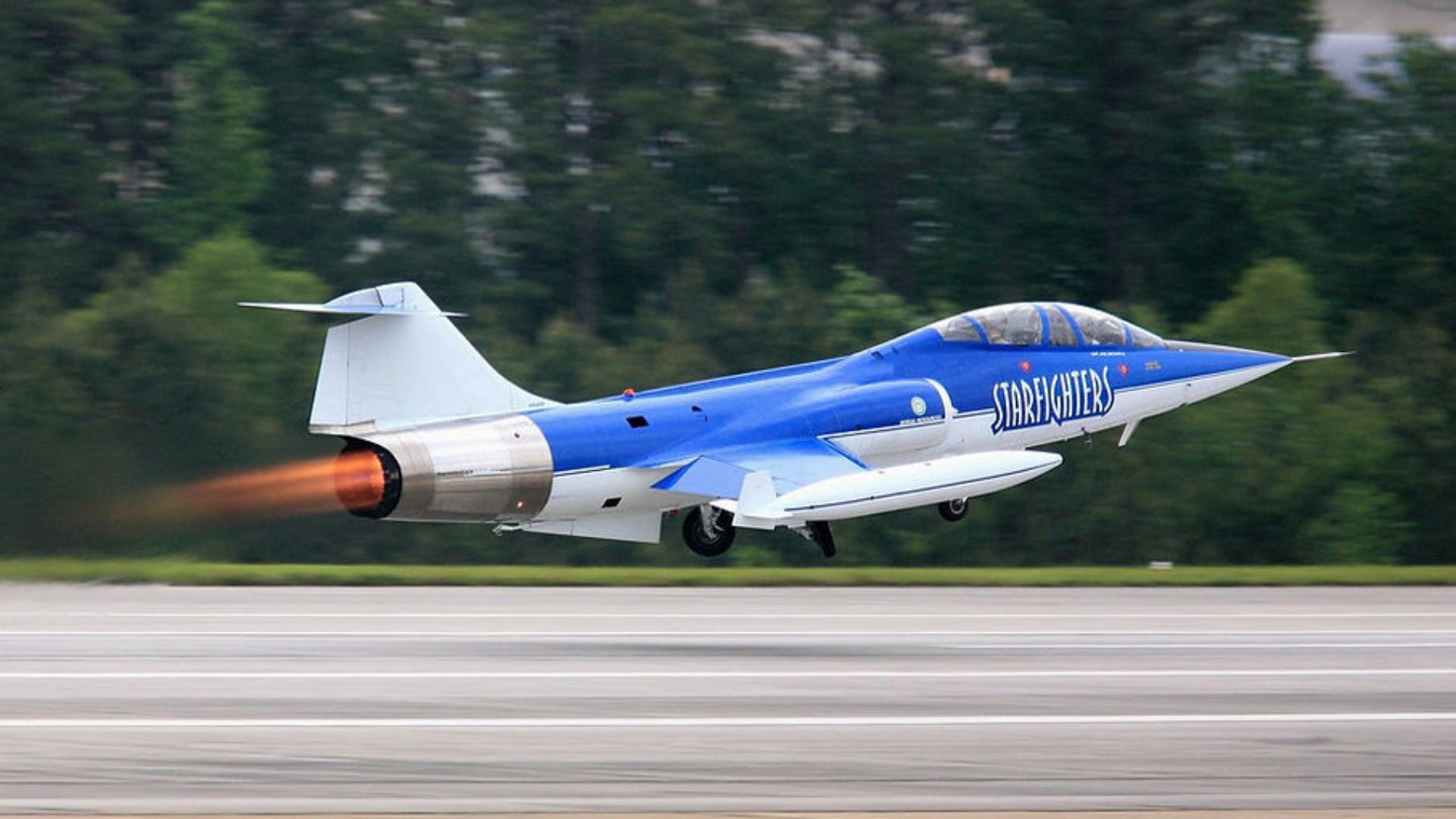
Starfighters Space has announced the next phase of its 'Wind Tunnel in the Sky' program, unveiling a Mach 2+ airborne test platform for hypersonic vehicle development. This platform is designed to support the development of hypersonic vehicles. The test platform will enable the testing of hypersonic vehicles in a real-world environment.
-

Kratos Defense & Security Solutions has completed a new hypersonic payload integration facility ahead of schedule. The facility will support Mach 5+ flight testing, marking a significant step in the development of hypersonic technology. This advancement is expected to enhance the nation's defense capabilities.
-
Kratos Defense & Security Solutions has completed a $50 million hypersonic facility in Crane, Indiana, to expand US weapons testing and payload integration capacity. The facility was finished ahead of schedule. This expansion aims to enhance the country's hypersonic capabilities.
-
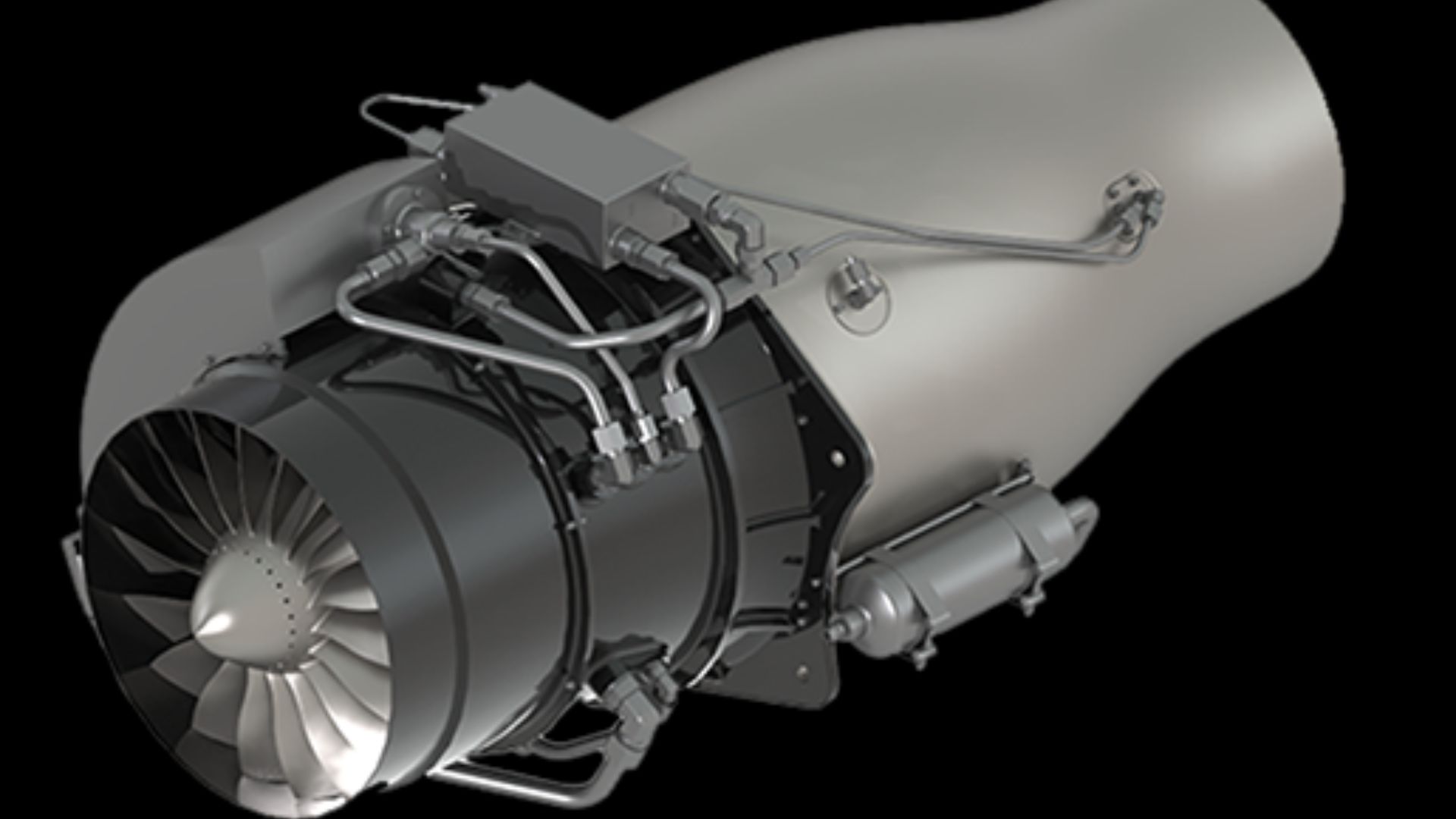
Kratos Defense & Security Solutions has developed, tested, and delivered advanced ramjet engine technology for future US Army missiles. This technology is expected to enhance the capabilities of US Army missiles. The delivery marks a significant milestone in the development of next-generation missile systems.
-
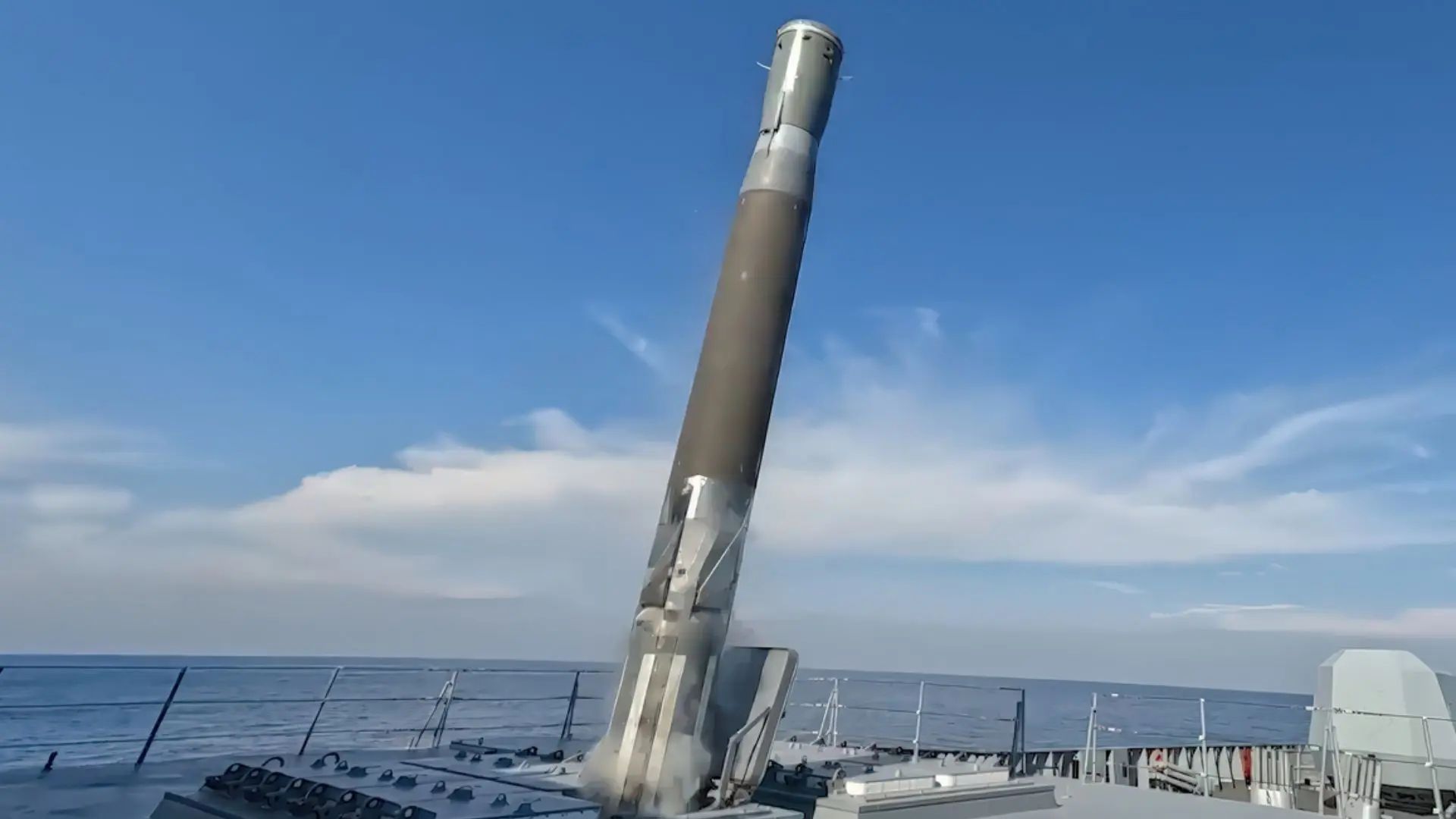
Russian President Vladimir Putin admitted that Russia's Zircon hypersonic missile still has accuracy issues. The missile has a speed of Mach 9, but its development is not yet complete. Putin's statement suggests that the missile's technical challenges are still being addressed.
-

Chinese researchers have created a new alloy that can withstand extreme heat, potentially revolutionizing aerospace and advanced engineering. This breakthrough could have applications in reactors and hypersonic missiles. The alloy's properties make it an attractive material for high-temperature environments.
-
The UK Ministry of Defence has awarded Lockheed Martin UK a £20 million contract to develop a hypersonic target for missile-defense testing. This project is part of the AUKUS cooperation, a trilateral security pact between Australia, the UK, and the US. The development of hypersonic targets will enhance missile defense testing capabilities.
-
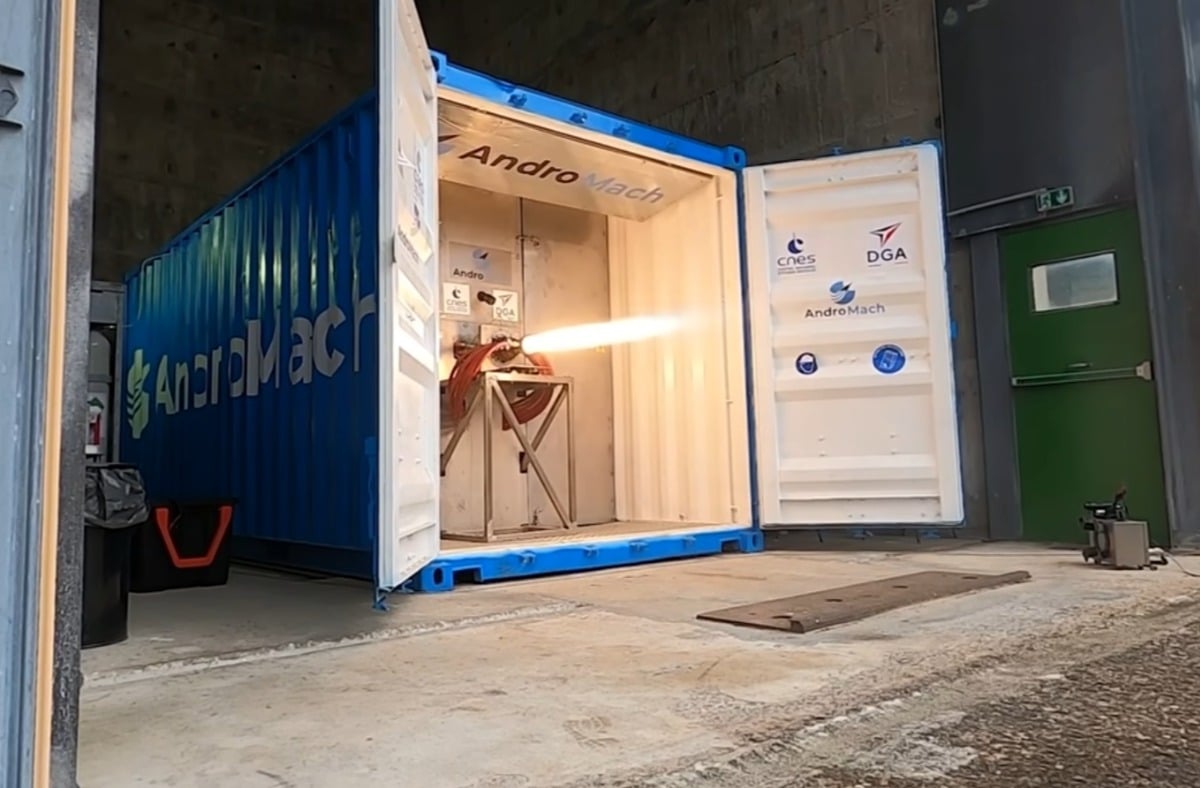
A French aerospace startup has successfully tested a reusable hypersonic drone engine, with 21 repeated ignitions. The engine survived the tests and is ready for flight testing. This milestone brings the company closer to deploying its hypersonic drone.
-
Lockheed Martin and Venus Aerospace are collaborating on rotating detonation rocket engines for future US long-range precision fires. The partnership aims to evaluate the technology's potential for this application. This joint effort may lead to advancements in precision fire capabilities.
-

The US Army has deployed its Dark Eagle hypersonic missile system during a war exercise near China, with a range of 2,175 miles. The deployment is part of the Valiant Shield exercise in the Western Pacific and marks the first-ever deployment of hypersonic missiles in the region. The missiles have been sent to Guam, an optimal location for deep strikes against Chinese targets.
-
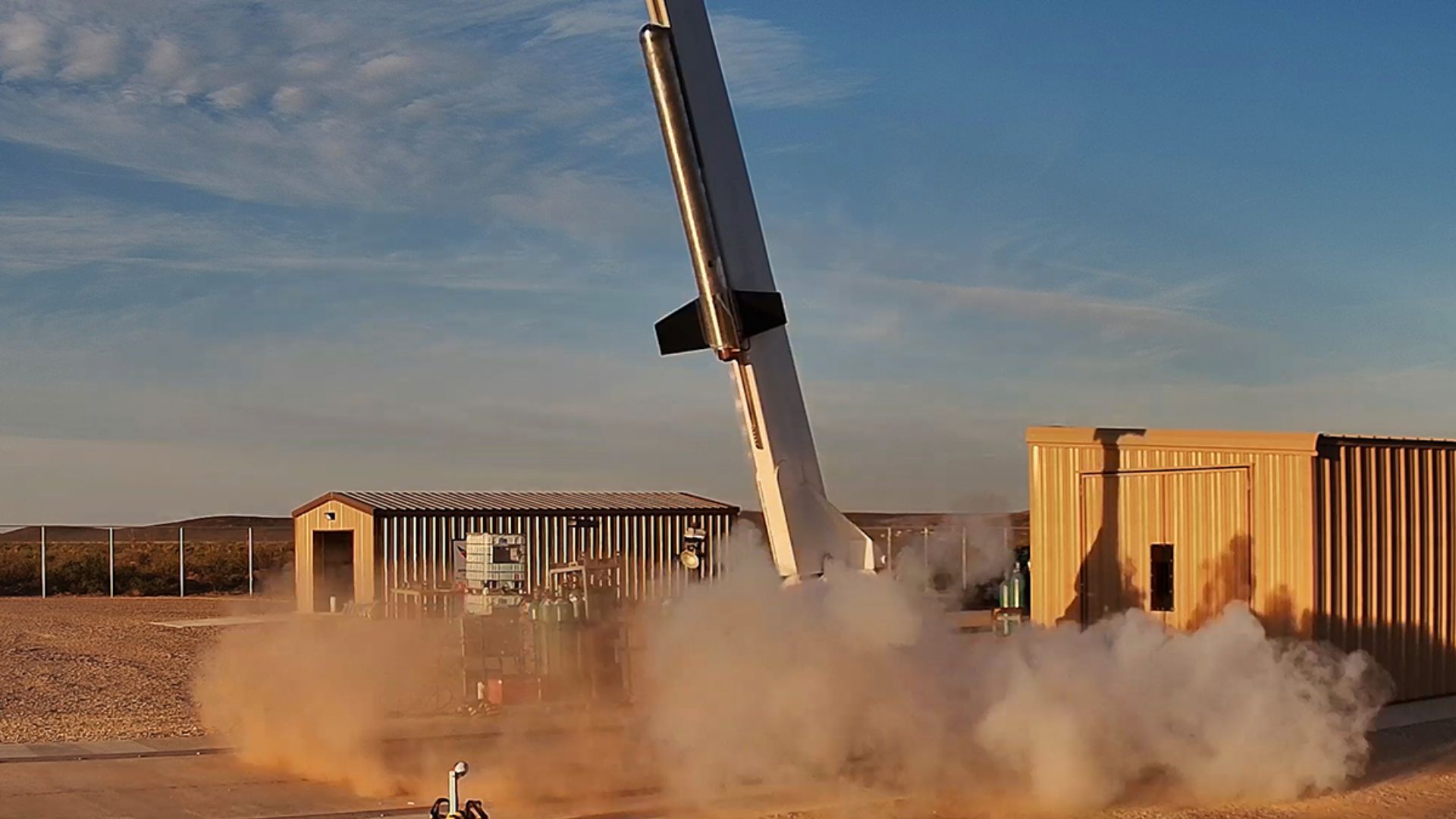
Lockheed Martin and Venus Aerospace are collaborating to develop rotating detonation rocket engines, aiming to enhance missile range and speed. This technology could significantly impact the performance of future missiles. The partnership indicates a focus on innovative propulsion systems for advanced weaponry.
-

Stratolaunch's reusable Talon-A hypersonic aircraft has completed over 10 successful test flights, reaching speeds above Mach 5. This achievement demonstrates significant progress in hypersonic technology. The successful tests showcase the potential for reusable hypersonic aircraft.
-
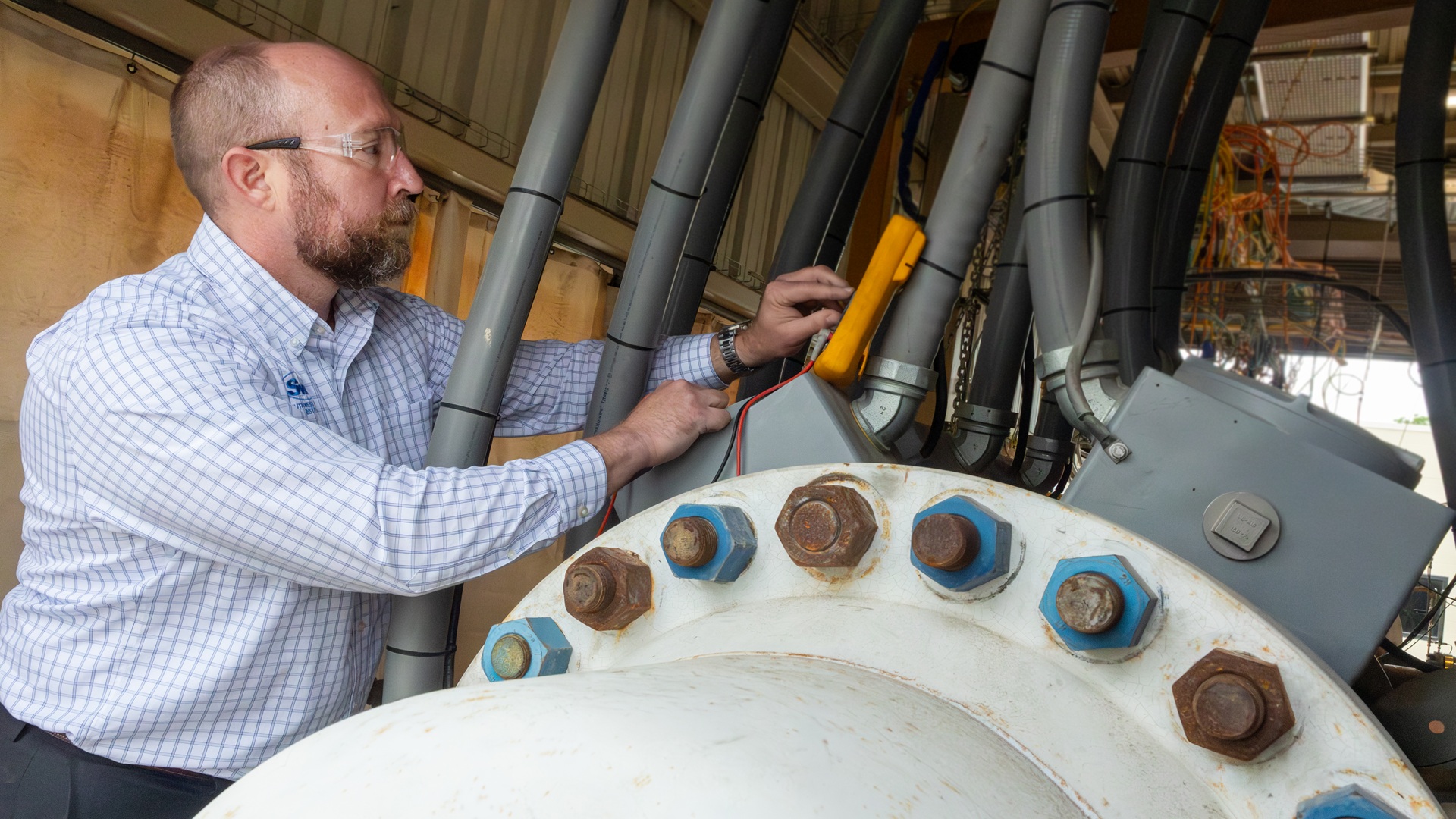
The US has expanded a hypersonic test lab to recreate extreme flight conditions for engine testing. The lab can simulate temperatures up to 1,400°F, allowing for more efficient testing of hypersonic engines. This expansion aims to speed up the development of hypersonic technology.
-
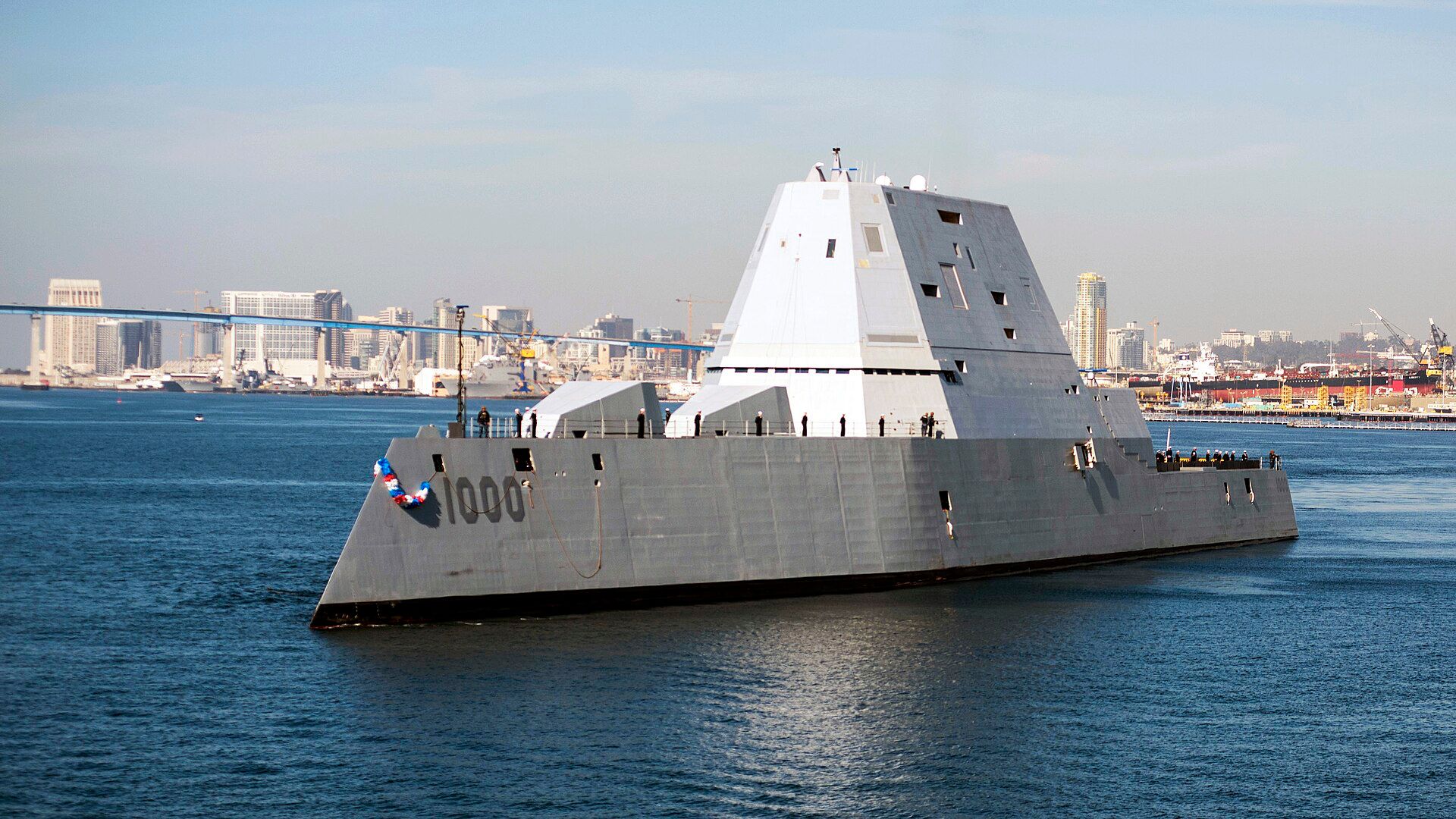
The US Navy's 15,000-ton hypersonic destroyer is expected to return without missiles aboard, with the Conventional Prompt Strike program running two years behind schedule. The delay may impact the Navy's plans for hypersonic capabilities. The destroyer's return without missiles marks a significant setback for the program.
-
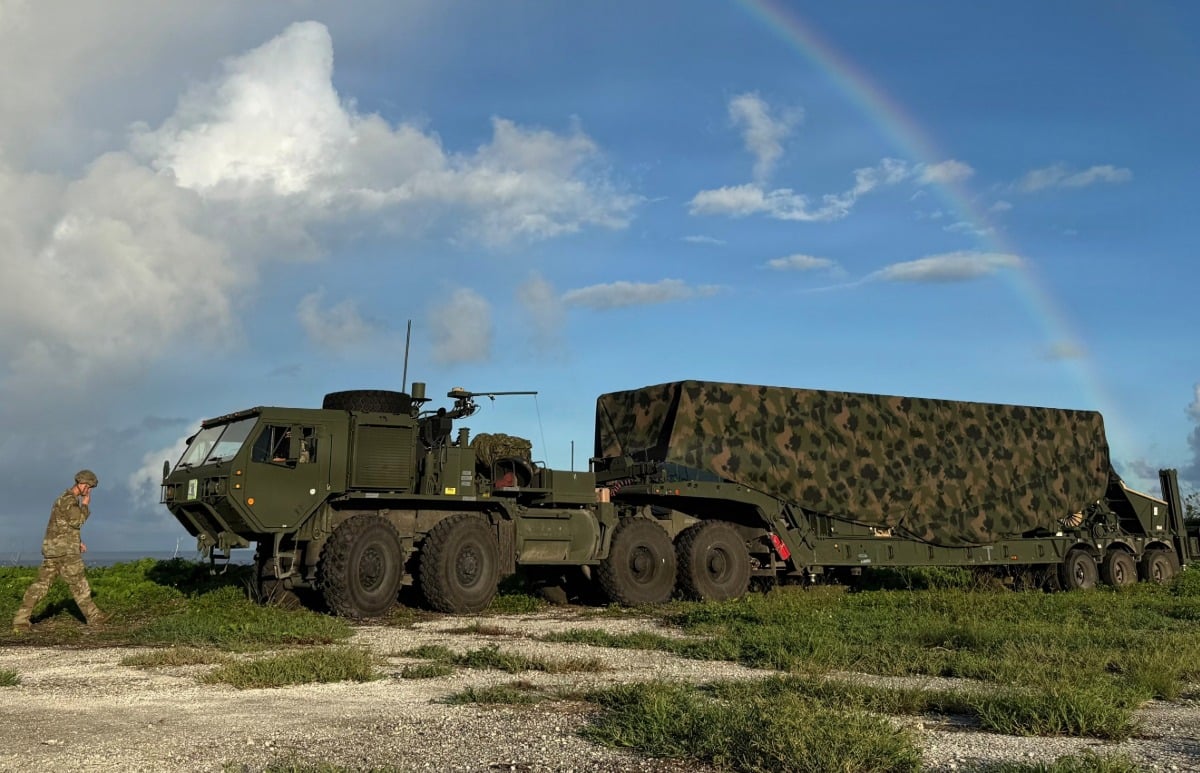
The US Army has reportedly deployed its new hypersonic missile system to Guam, with photos showing the system training in the Pacific. An open-source analyst has pinpointed the location of the deployment. The Dark Eagle hypersonic missile system is the Army's newest addition to its arsenal.
-
The US Navy's hypersonic missile program is facing significant delays and challenges, including manufacturing and quality issues, with Lockheed Martin struggling to build the missiles at scale. The program to install hypersonic missiles on Zumwalt-class destroyers is two years behind schedule, and the Navy and Army risk wasting money and time without a unified strategy.
-
Kratos Defense & Security Solutions has received approximately $400 million in new funding from the U.S. Department of War for hypersonic system work and other national security programs. The funding will support the development of hypersonic tactical systems, including the Nemesis and Kraken initiatives. This investment accelerates the development of hypersonic systems in the US.
-
Reditus is preparing to launch its re-entry vehicle/hypersonic target, with the Missile Defense Agency evaluating its ENOS spacecraft as a hypersonic target/testbed under the SHIELD contract. The company's CEO, Stef Crum, announced the development. This launch marks a significant step in the development of hypersonic technology.
-
A top US Army official has named Anduril as a potential supplier of hypersonic weapons, indicating an emerging requirement for a mix of high and low-end systems. This development highlights the Army's interest in advancing its hypersonic capabilities. The mention of a layered defense against hypersonic threats also suggests a broader focus on protecting the homeland from such threats.
-
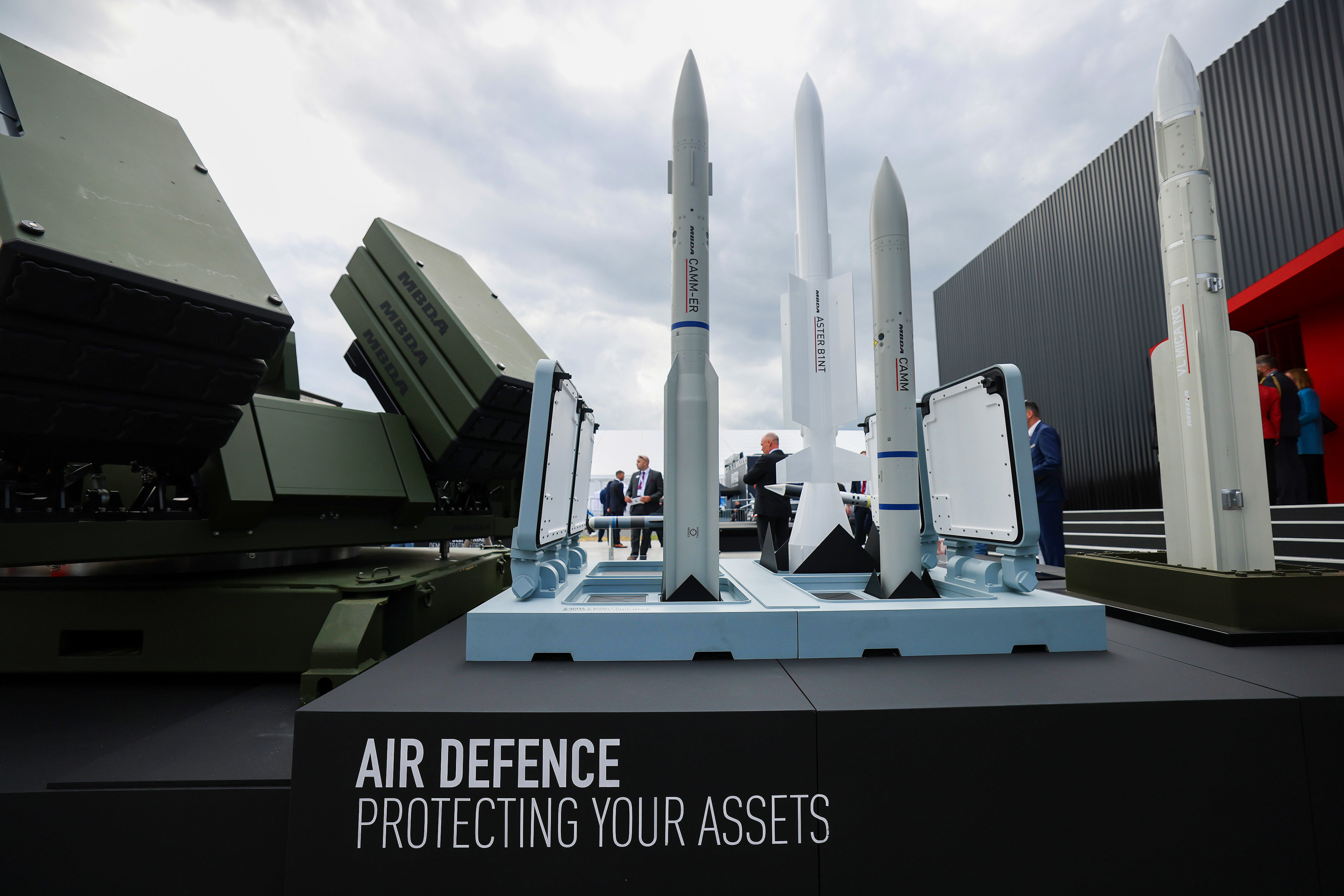
Europe's Hydis project has settled on a concept for a hypersonic interceptor, with two competing projects in the running. The project aims to develop a defense system against hypersonic threats. Europe is pushing to field a hypersonic-defense interceptor.
-
The MBDA-led HYDIS project has completed its Final Concept Review, marking a milestone in the development of a future European counter-hypersonic and anti-ballistic interceptor. The European Commission has signed a grant agreement for the project, launching a 3-year concept phase. The project aims to develop the AQUILA hypersonic missile interceptor.
-
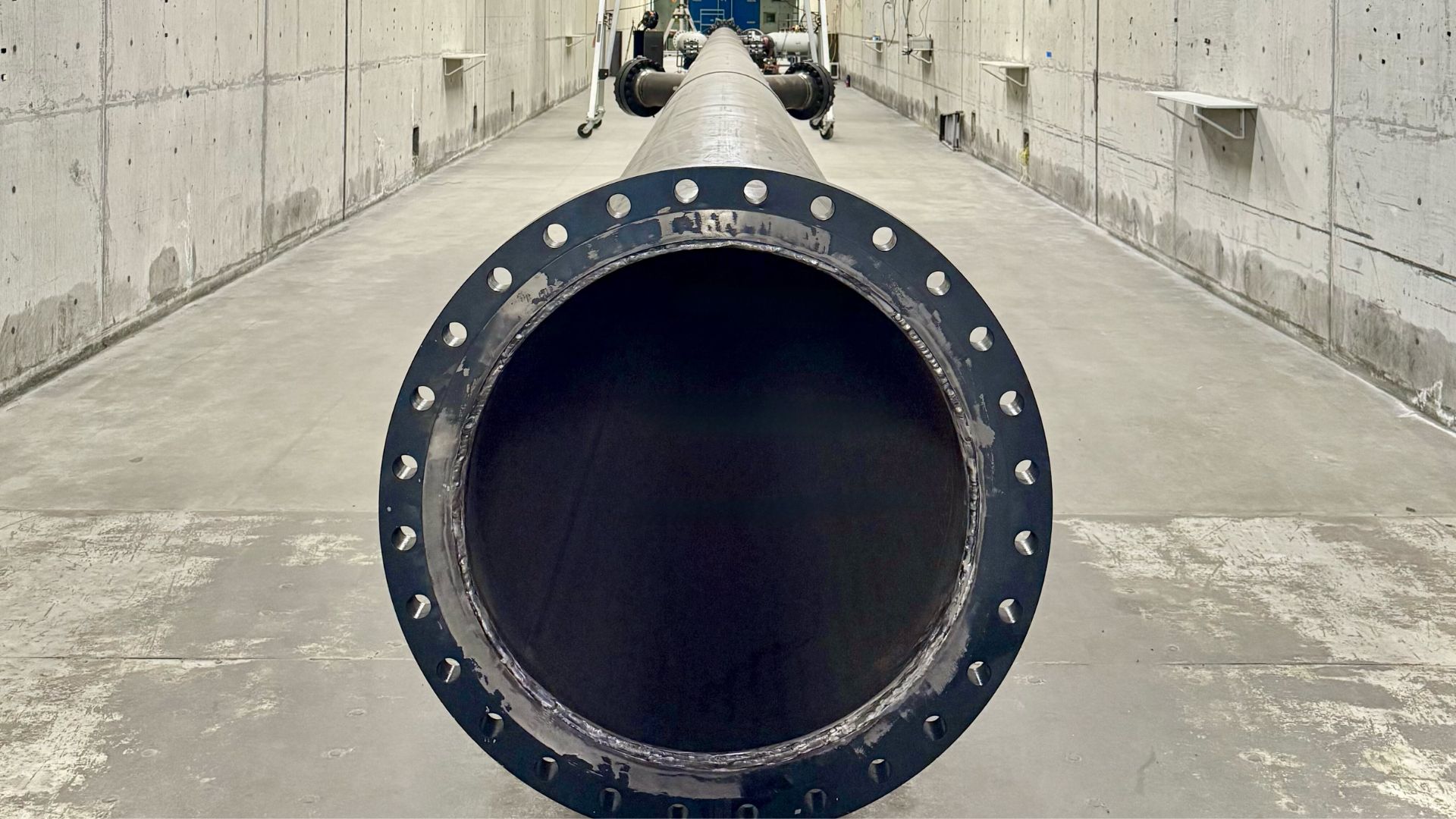
The US Air Force has partnered with Longshot to test hypersonic technology using a ground-based launcher. The goal is to advance the development of hypersonic systems.