Cyber
50 recent stories · Following ↗
-
Cyberattacks on water facilities in 12 states, possibly linked to Iran, raise concerns about drinking water safety. The attacks have sparked fears about the vulnerability of critical infrastructure to cyber threats.
-
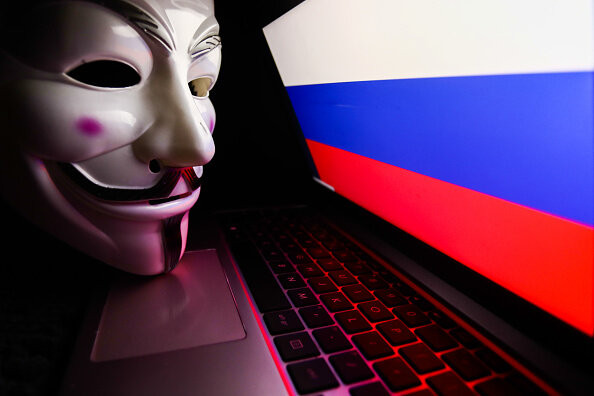
A Russian intelligence-linked hacking group is hijacking hotel and conference center Wi-Fi networks to steal corporate travelers' login credentials. The group uses AI tools to power the operation, dubbed CaptiveCrunch. Microsoft reported the hacking activity.
-

Cyberattacks on US water systems have been reported in at least 12 states, with sources suspecting Iranian hackers. The attacks have prompted federal and state officials to address the issue. The number of affected states has been increasing, with multiple sources confirming the cyberattacks.
-

McNally Capital has made a majority investment in TENICA Global Solutions, a national security IT support provider. The investment aims to drive growth initiatives and strengthen TENICA's workforce. TENICA will continue operating under its existing leadership team.
-
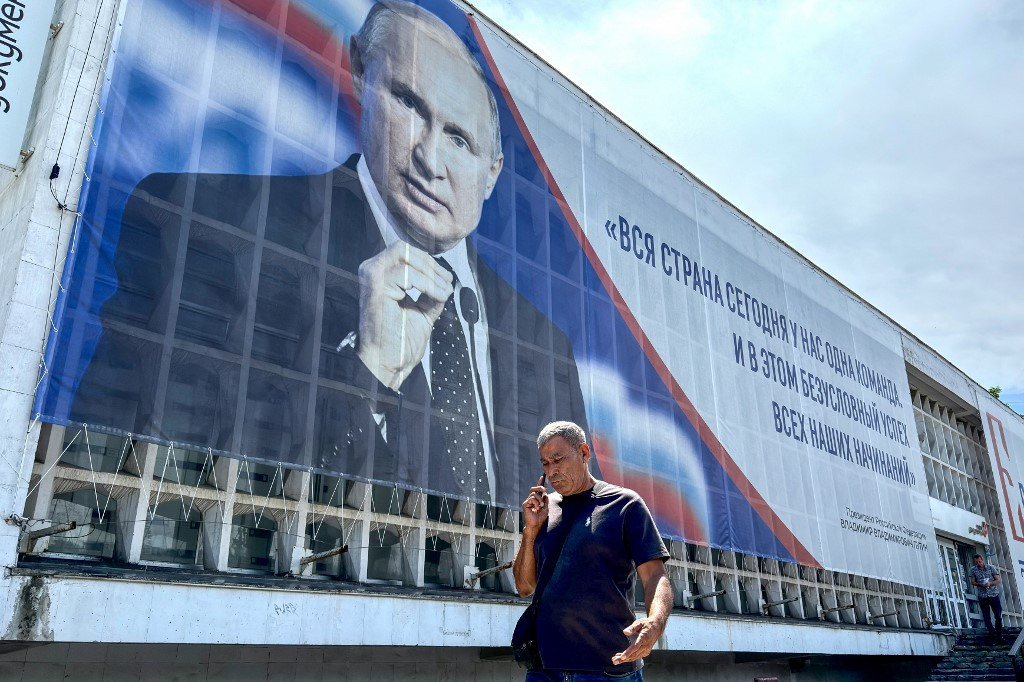
Russia is waging an aggressive cyber campaign against the West to undermine governments and collect intelligence. Moscow is also positioning itself as a champion of global cyber rules.
-
Investigation into Iranian hackers behind malicious cyber activity on US water systems in Minnesota. This would not be the first instance of Iranian cyberattacks on the US.
-
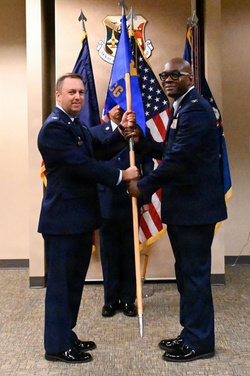
Col. Jarrett P. Virgil assumed command of the 254th Combat Communications Group, taking charge of tactical communications and cyber operations. The ceremony was held at Hensley Field in Grand Prairie, Texas. Col. Virgil brings over 30 years of military service to the role.
-
Western allies accuse North Korea of using earnings from AI-assisted IT workers to fund its nuclear arsenal. The workers' hard currency is allegedly powering the country's armaments program. This accusation highlights the role of emerging technologies in supporting illicit activities.
-

Trump rejects claims of Iranian involvement in a Minnesota cyberattack, instead blaming the state's governor for incompetence. The incident allegedly targeted Minnesota water systems. Trump's statement dismisses Iranian hackers' potential role.
-
The Center for Information Warfare Training hosted a Cryptologic Training Council executive session at Naval Air Station Pensacola's Corry Station. The event took place on June 24-25 and focused on cryptologic training. The forum aimed to discuss and improve cryptologic training within the Navy.
-
A US-Dutch cloud deal has been blocked in the Netherlands, signaling a widening transatlantic rift as Europe pursues tech sovereignty. US firms face increased scrutiny over data access and control of critical digital infrastructure.
-
The US cyber defense agency has issued a warning that hackers are increasingly targeting water systems, posing a significant threat to national security. This warning highlights the vulnerability of critical infrastructure to cyber attacks. The agency's alert suggests that water systems are being targeted with greater frequency, underscoring the need for enhanced cybersecurity measures.
-

As the new school year begins, families are reminded to practice operations security to protect sensitive information from adversaries. This is a year-round responsibility, especially in the digital age where social media posts can compromise security.
-
Taiwan's government reports over 2.6 million daily cyber intrusion attempts by China, with experts expecting cyber to be used as a first-use weapon in an invasion scenario. This highlights the significant cyber threat Taiwan faces from China. The use of cyber as a coercive tool is a major concern for Taiwan's security.
-

TrendAI's Jon Clay discusses how AI is changing cyber risk for agencies, highlighting tools like Vision One and the Zero Day Initiative. He also emphasizes the importance of sovereign private clouds and data centers for secure AI use.
-
Wargames reveal insights into deterring cyber operations, highlighting the importance of observing decision-makers' responses to deterrent threats. The most successful deterrents leave no visible evidence, making them challenging for researchers to study. Cyber deterrence is a complex issue, with policymakers seeking to prevent attacks without causing harm.
-
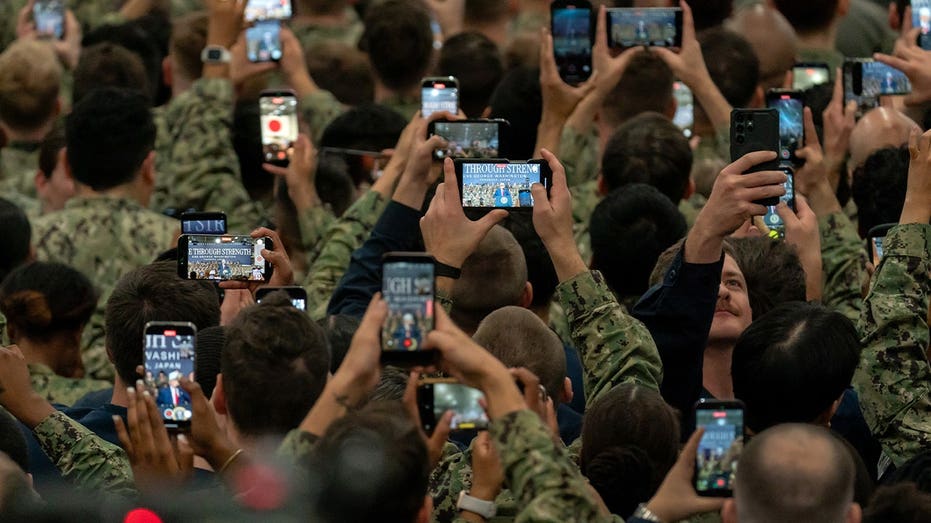
Iran is gathering intelligence from US troops' social media posts, potentially gaining near-real-time battle-damage assessments. Adm. Brad Cooper warned that this could cost American lives. The military is considering seizing cellphones to mitigate this risk.
-
Andrew Faulhaber discusses the importance of securing critical networks against infiltration by adversaries and their AI systems to prevent major cyberattacks. He highlights the challenge of generating simultaneous malicious effects at scale. The article explores the relationship between network security and the difficulty of launching successful cyberattacks.
-
An Anthropic Claude AI model has discovered new attacks on weakened cryptographic algorithms, which are used to protect online financial transactions and private communications. The model, called Claude Mythos Preview, was tested against tough-to-crack encryption algorithms. The discovery highlights the potential vulnerabilities in online security systems.
-
The CSIS Strategic Technologies Program is hosting a public forum to discuss the geopolitical and security landscape of next-generation wireless infrastructure, featuring senior US government officials and global partners. The forum will include the launch of a 'Call to Action for 6G Leadership and Security'.
-
USAREUR-AF hosted the 2026 Cyber Summit, bringing together over 800 cybersecurity professionals to advance collective defense in a contested digital environment. The summit aimed to strengthen allied cyber posture.
-

The US Citizenship and Immigration Services plans to award a potential $100M contract for enterprise OSINT software to automate data collection and analysis. The software will help analysts identify potentially derogatory information from public and commercial sources. It will also support anonymous browsing through a persistent misattribution environment.
-
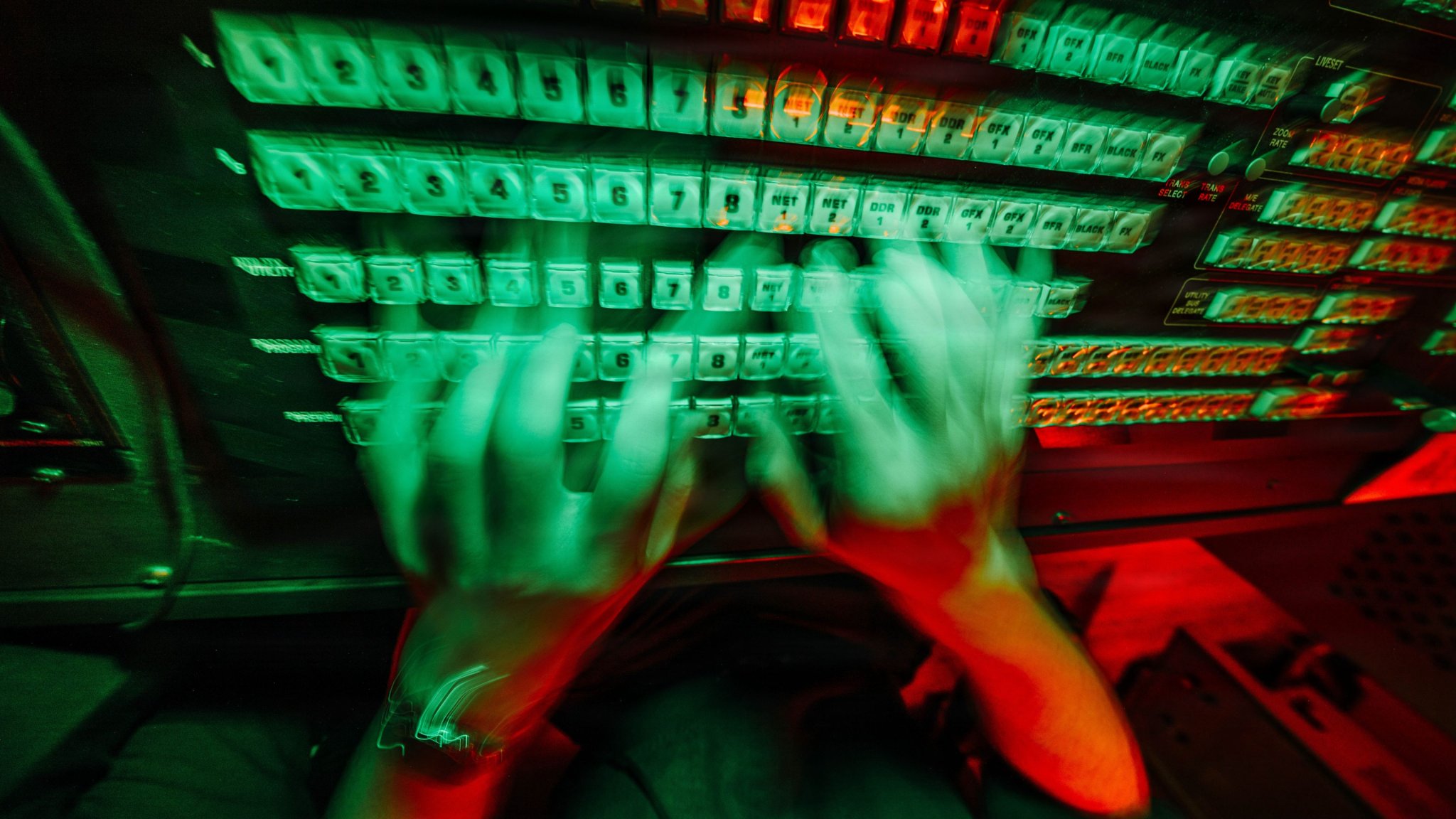
The US Navy has redesignated Information Professionals as Communications Systems Warfare Officers, marking a shift in their role. This change reflects the evolving nature of communications systems in warfare. The CSWO community is set to commemorate 25 years of service, highlighting their contributions to operational excellence and innovation.
-
A job opening for a System Compliance Auditor is available in Virginia, requiring a TS/SCI clearance. The position is with Strategic Analysis, Inc.
-
F5 and Palo Alto are compared in their approaches to cybersecurity, with F5 taking a specialist approach and Palo Alto focusing on platformization. This comparison may have implications for the cybersecurity industry and defense technology. The article discusses the differences between these two approaches and their potential impacts.
-
A Russian state-backed hacking group targeted US nuclear scientists, defense contractors, and government employees after testing cyber techniques in Ukraine. The group's activities were revealed in a joint Western intelligence warning.
-
The CSIS Lab hosted a war game for a bipartisan group of lawmakers to prepare for a potential AI-enabled cyberattack on the US. The event aimed to help policymakers understand the implications of such an attack. The war game was attended by members of the House Committee on Homeland Security and the House Select Committee on China.
-
Cyber defenses need to adapt to changing attack speeds and methods by increasing vigilance and swift repair responses. Experts Carol Kuntz and Lauryn Williams emphasize the importance of persistent monitoring for attacks or vulnerabilities.
-
US Immigration and Customs Enforcement has purchased commercial spyware capable of taking control of phones, collecting messages, photos, and location information. The purchase has raised concerns and Sen. Peters is seeking clarification on the matter. The spyware's capabilities include covert data collection and phone control.
-
The Department of Homeland Security is exploring a cloud data platform for open architecture security screening systems. This initiative aims to enhance security screening capabilities through the use of cloud technology. The platform is expected to provide a more efficient and scalable solution for security screening.
-
The creation of a Cyber Force is being debated, but governance issues need to be addressed first. An amendment to create a cyber service within the Department of the Army recently failed in the Senate Armed Services Committee. Despite this, support for a Cyber Force remains popular on both sides of the aisle.
-
Staff Sgt. Tanner Rivera, a Cyber System Operations specialist, participates in his first Cyber Shield exercise, working with Air National Guard, Army National Guard, and international partners. The exercise takes place at the Professional Education Center in Little Rock, Arkansas. Rivera serves as an Intel Team Lead, gaining valuable experience in cyber operations.
-
US Army Capt. Elijah Paynter's uncertain career path led him to a career in cyber protection, working on network security in both military and civilian life. His story highlights the importance of finding the right career fit. Paynter's experience showcases the diverse career opportunities available in the cyber field.
-
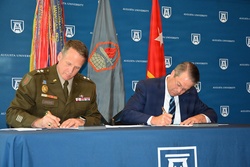
The US Army Cyber Center of Excellence and Augusta University are expanding their partnership to recruit and retain top cyber talent. The partnership will provide service members with more opportunities to apply military training toward graduate degrees in cybersecurity and intelligence.
-
The National Cyber Range Complex's Eglin facility is now fully operational after a ceremonial ribbon cutting. The facility is expected to enhance cyber capabilities. The opening marks a significant milestone in the development of the complex.
-
Texas Army National Guardsmen attended Cyber Shield 2026 to gain applicable cyber knowledge. They will use this information to thwart cyber attackers targeting infrastructure in Texas. The event included both attendees and trainers from the Texas Army National Guard.
-
The Department of Defense has selected Accenture to investigate a critical supply chain vulnerability affecting military medicine. Accenture will provide comprehensive reports and assessments to secure the medical supply chain. This effort aims to address an 'existential' threat to military medical supplies.
-
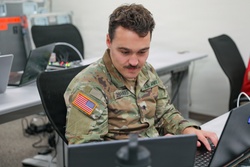
US Army Spc. Hunter Chambers represents NCNG during Cyber Shield 2026, leveraging his passion for cybersecurity. Chambers transitioned to a cyber role after serving in other military specialties.
-
Experts argue that over-interpreting Russia and Iran's cyber activity can lead to negative security outcomes. The reality of their cyber actions is more complex than headlines suggest.
-

The Gold Eagle Initiative aims to strengthen public-private partnerships to safeguard critical infrastructure in the AI era. Chuck Brooks, president of Brooks Consulting International, emphasizes the importance of PPPs in defending vital systems. PPPs reduce costs, share risks, and accelerate innovation.
-

Russia's Max messenger app was removed from the Google Play Store, potentially due to EU sanctions on its parent company. The removal comes after Apple took a similar step in June, amid concerns the app enables Kremlin surveillance.
-

Researchers found that AI can be used in every stage of a cyberattack, including identifying security flaws and generating commands. AI-powered cyberattacks can carry out parts of intrusions, making them more sophisticated. This development has significant implications for cybersecurity.
-

A Moroccan intelligence insider revealed the widespread use of Pegasus hacking software against domestic and foreign targets, including journalists and politicians. The spyware, manufactured by Israel-based NSO Group, was allegedly used from 2017 onwards. Targets included French politicians, Spanish cabinet ministers, and police officers.
-
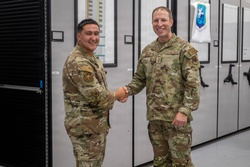
Chief Master Sgt. Adam Jensen, Air Combat Command's Cyber Defense Operations Functional Manager, visited Moody Air Force Base to engage with Airmen and leaders. He gained insight into the installation's mission set and recognized outstanding units. Jensen participated in an all-call with Airmen and toured several squadrons, including communications and combat operations units.
-

Iran's cyberattackers have been tracking phones of US military personnel in the Middle East, according to researchers. This suggests Iran's cyberwarfare capabilities have become more advanced and aggressive. The growth of these capabilities is linked to the ongoing conflict with the US and Israel.
-
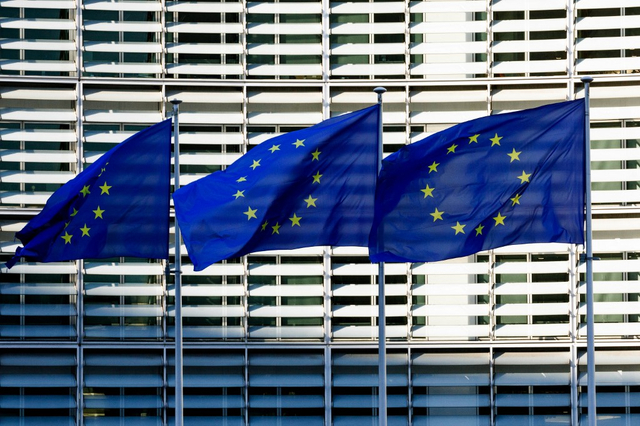
The EU has imposed sanctions on nine Russian individuals and four companies linked to cyberattacks on Europe and Ukraine. The measures target Moscow's cyber network and were coordinated with the UK. This move comes ahead of negotiations on the EU's 21st sanctions package against Russia.
-

Researchers have found that AI can be used in every stage of a cyberattack, including identifying security flaws and generating commands. This capability allows for more sophisticated and automated attacks. The use of AI in cyberattacks poses a significant threat to security systems.
-
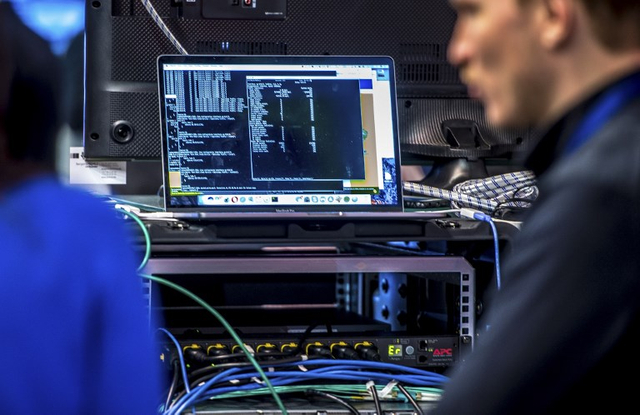
The EU and UK have imposed joint sanctions on Russian officials and entities accused of conducting cyber attacks across Europe, targeting FSB and GRU intelligence officers. The sanctions aim to counter Russia's escalating 'hybrid' campaign, which includes digital strikes on European countries.
-
Governments are turning to AI-enabled tools to detect complex cyber threats. The CSIS Strategic Technologies Program is hosting a discussion on the growing role of AI in cyber defense.
-
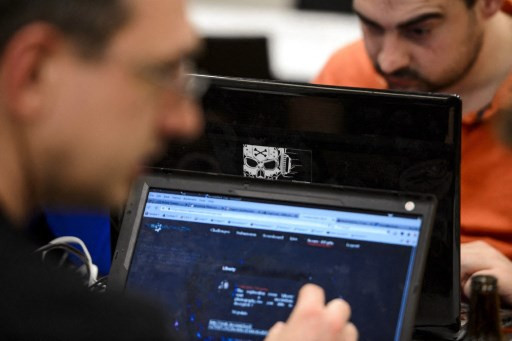
Russian hackers compromised internet-connected cameras to monitor Western military aid transportation to Ukraine. They exploited weak passwords and outdated software in IP cameras and home intercoms along key logistical routes. The operation was reported by the Netherlands' General Intelligence and Security Service and Military Intelligence and Security Service.

