Counter-Drone Technology
20 recent stories · Following ↗
-
The US Army is seeking a next-generation missile capable of shooting down small drones at a cost of less than $150,000 per unit. The service has issued a Request for Information (RFI) to support this initiative. This effort aims to develop an effective and affordable counter-drone capability.
-
The Pentagon's counter-drone task force has developed an AI-powered marketplace to improve the foreign military sales process and enable users to find defensive systems based on price, features, and performance reviews. The platform was built by software startup Kaizen in less than nine weeks. The new marketplace aims to make the process of buying defensive tech more efficient.
-
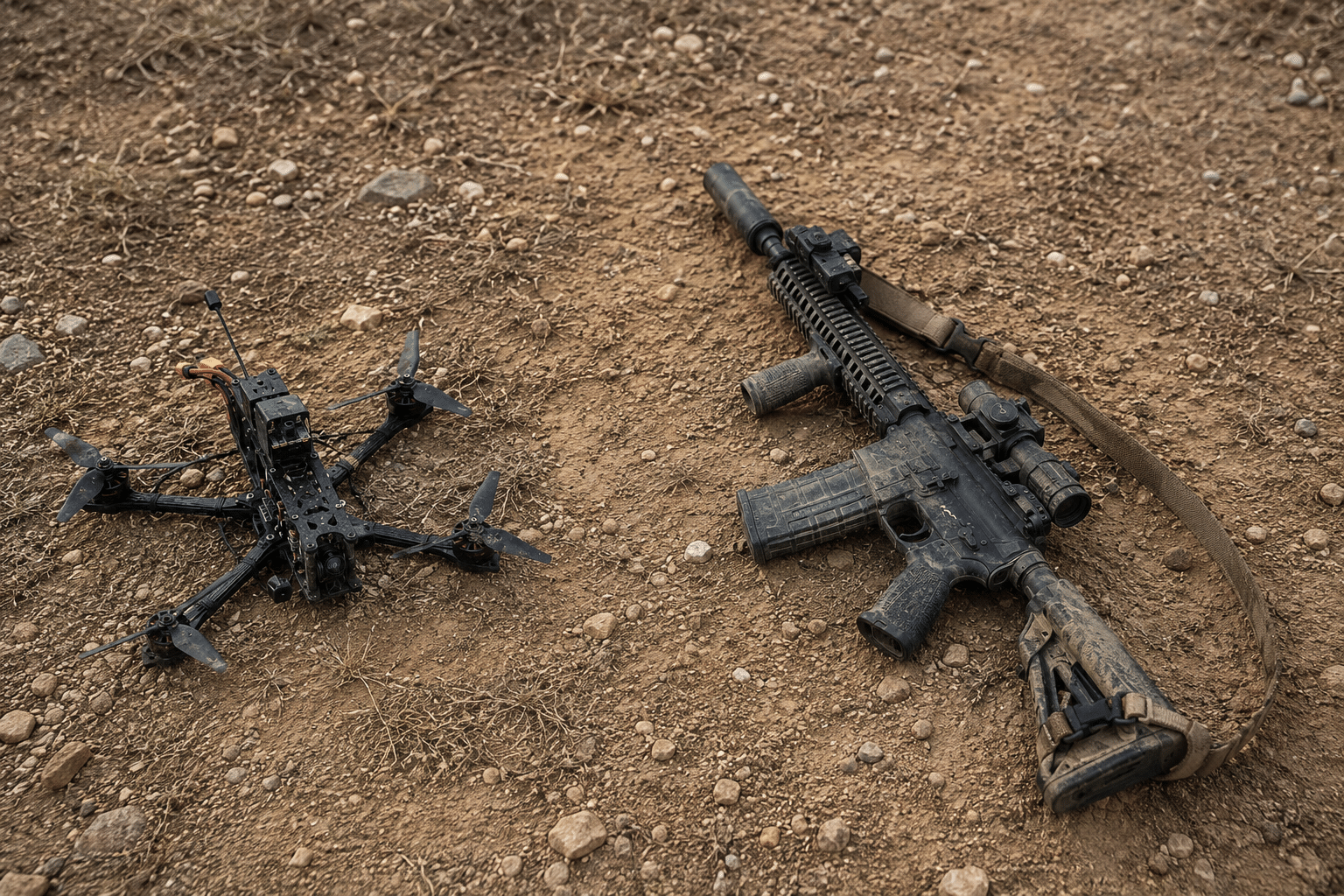
The US Marines are acquiring a new anti-drone round for their M4 and M27 rifles, designed to counter small drones. The round separates into five projectiles after firing, increasing the chances of hitting a drone. This new technology is specifically built for small drone threats.
-
The Washington National Guard has fielded an Anduril Industries counter-drone system to protect critical infrastructure and major public events. This system is designed for domestic security missions, aiming to enhance security across the state. The deployment marks a significant step in utilizing advanced technology for safeguarding public venues and critical assets.
-
CACI International has secured a $500 million contract to deploy SkyValor systems for counter-drone operations at critical national security sites. The contract is for three years and is an indefinite-delivery, indefinite-quantity agreement. The systems will be used for tactical counter-unmanned aircraft operations.
-

Innoviz Technologies, a company specializing in automotive LiDAR sensors, has secured its first defense contract to provide technology for counter-drone operations. The technology aims to accurately locate drone threats, addressing a long-standing issue in counter-drone operations. Innoviz's sensors, originally designed for self-driving cars, will be adapted for defense use.
-
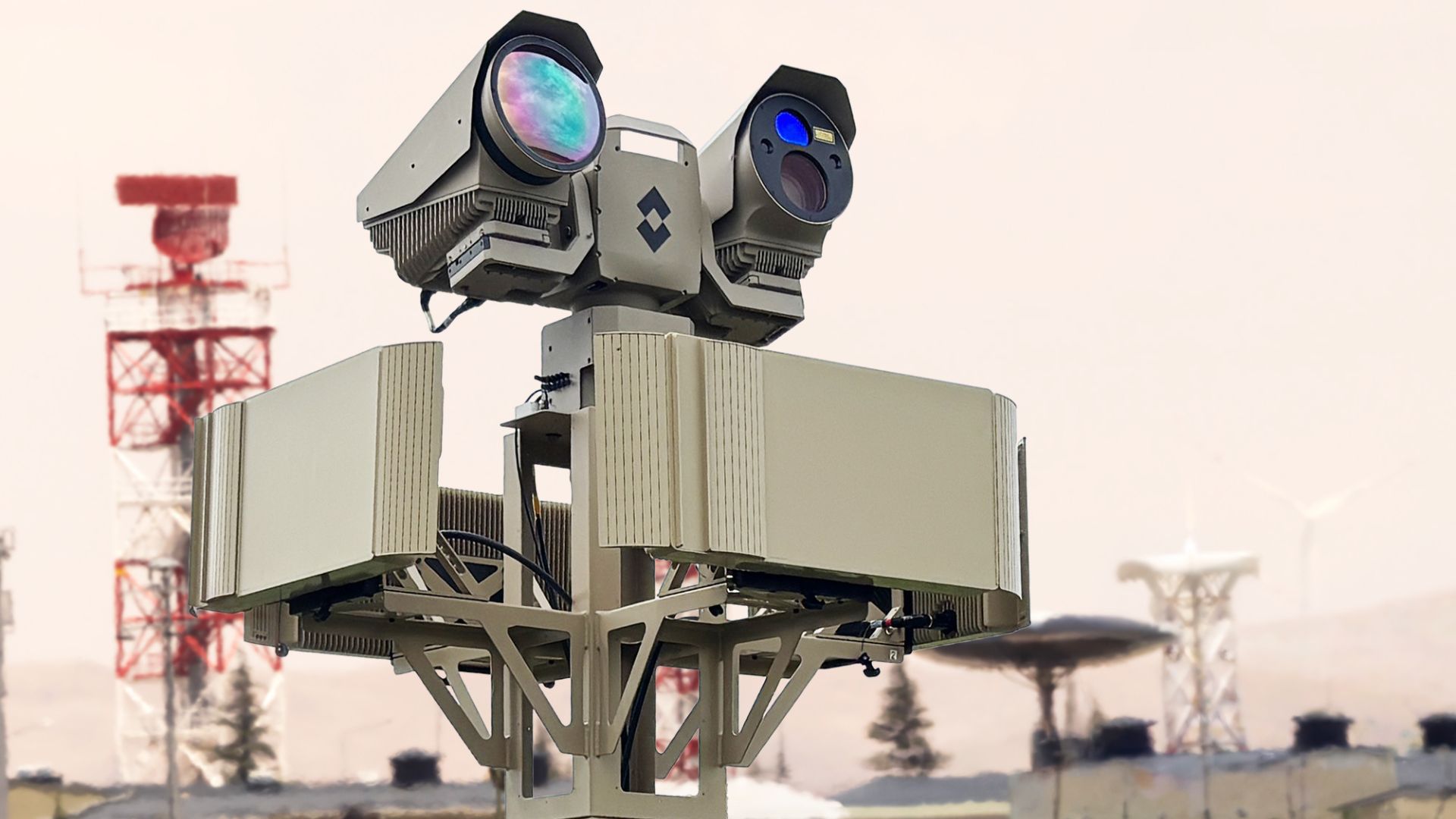
The US Air Force is expanding its counter-drone capabilities with a new delivery order, enhancing its 24/7 multi-sensor threat tracking capabilities. The expansion aims to improve the Air Force's ability to detect and defeat drone threats.
-

The 13th Marine Expeditionary Unit has fielded the Light Marine Air-Defense Integrated System (LMADIS) to enhance counter-drone capabilities. The system is being integrated into underway training aboard the USS Makin Island. Marines are working with the 3rd Low Altitude Air Defense to implement LMADIS.
-
Northrop Grumman is expanding its counter-drone efforts with a dual-feed Bushmaster cannon and new proximity-fuzed ammunition. The M230LF Dual Feed Bushmaster Chain Gun can switch between anti-drone and anti-armor ammo reloading, enhancing battlefield versatility. This technology aims to protect front-line forces from drone threats.
-
The U.S. Marine Corps has fielded the Light Marine Air-Defense Integrated System aboard USS Makin Island to counter drone threats. This deployment is part of the Marine Corps' efforts to enhance amphibious defense. The LMADIS system is designed to protect against unmanned aerial vehicles.
-
ST Engineering has secured new counter-drone deployments in Asia to protect against unmanned aerial threats. The company is expanding its footprint in air defense and critical infrastructure outside Singapore. This move strengthens protection for defense and security agencies in the region.
-
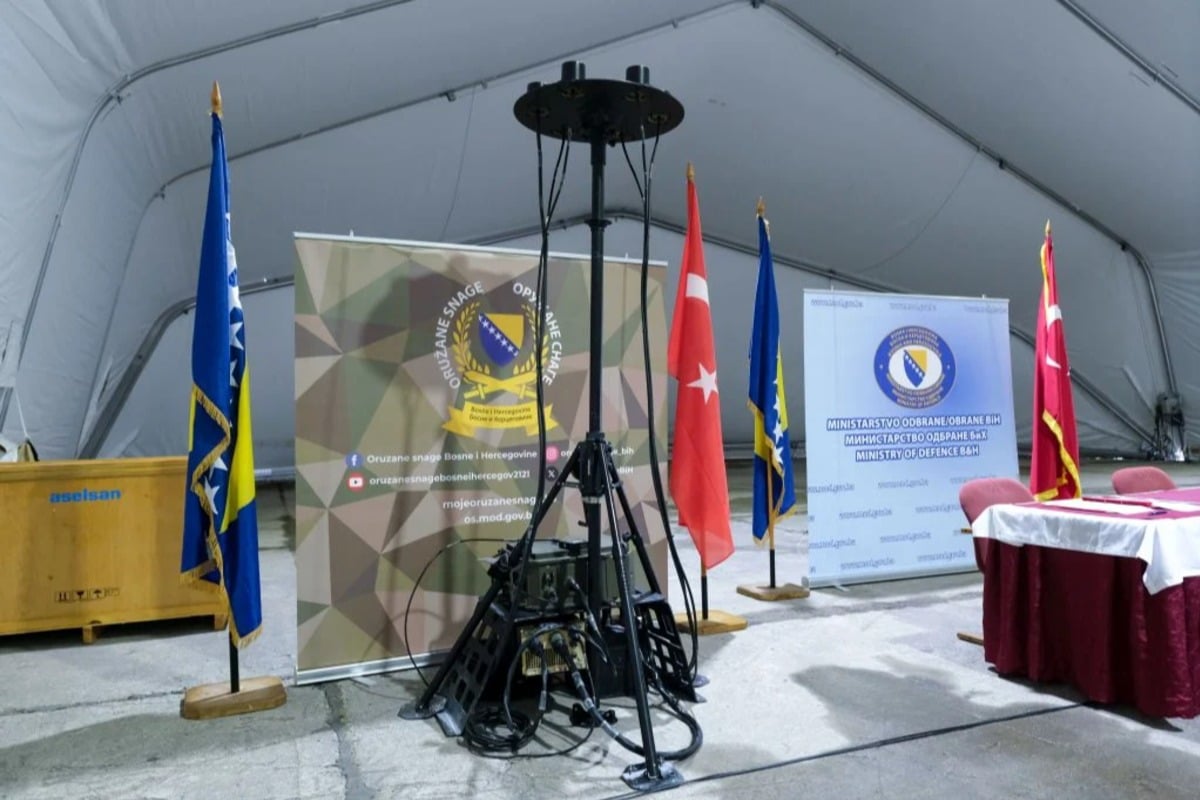
Bosnia and Herzegovina has signed a contract to acquire 10 KANGAL/ADL 100 radio-frequency jamming systems from Turkish defense manufacturer ASELSAN. This deal strengthens the defense relationship between the two countries, which has already included the transfer of Turkish-made drones and counter-drone hardware. The new systems will enhance Bosnia's capabilities to counter drone threats.
-
Lockheed has developed a new system called MORFIUS X-Rotor, which can disable drones using microwaves. This technology has potential applications in counter-drone operations. The system's capabilities and potential uses are being explored.
-

A US defense company has unveiled a new supersonic interceptor designed to counter Group 3 drone threats. The interceptor has been flight-tested and is intended to provide a defense against supersonic drone threats. This development marks a significant advancement in counter-drone technology.
-
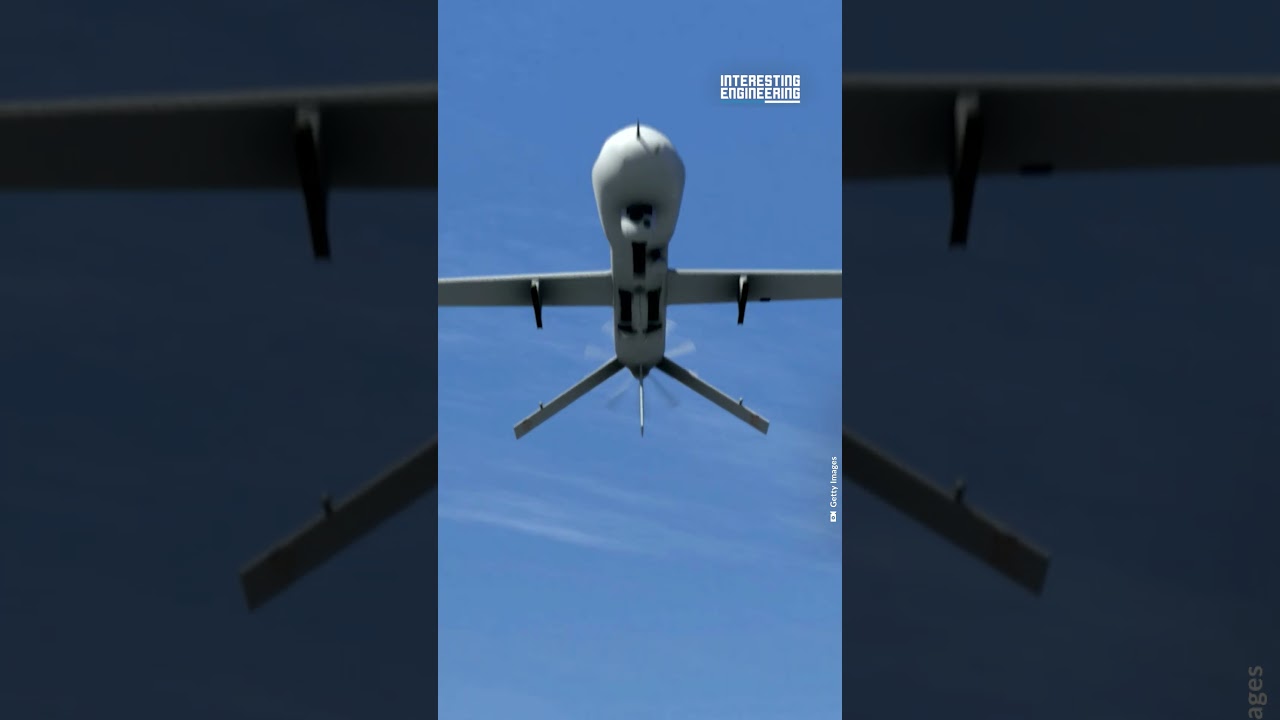
A US defense manufacturer has unveiled a reusable microwave drone-killer that can take down 50 UAVs per mission. The system is designed to counter drone threats. This technology has the potential to revolutionize counter-drone operations.
-
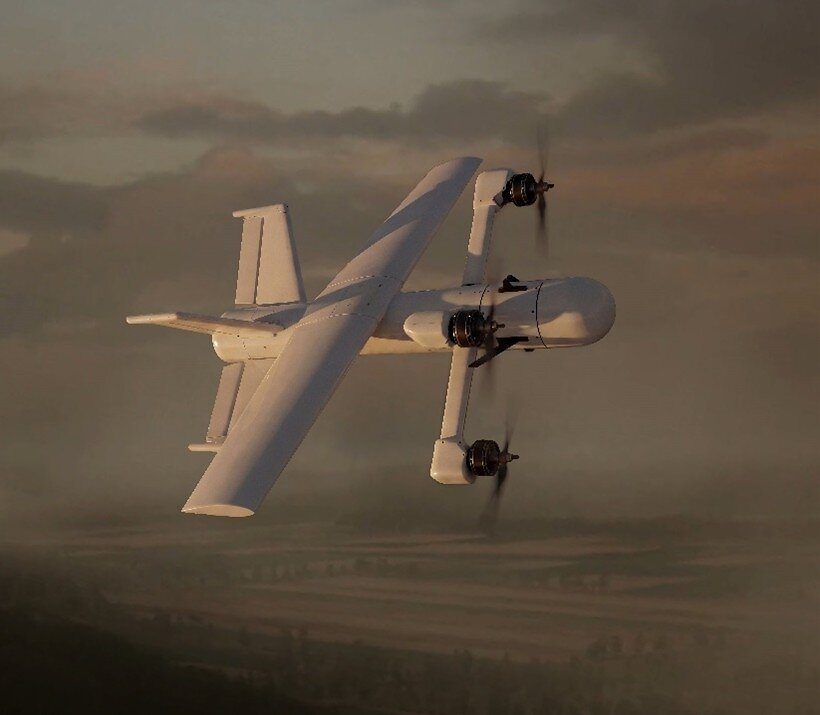
Lockheed Martin is introducing the Morfius X-Rotor, a recoverable counter-drone system capable of neutralizing 50 enemy drones in a single flight. This system is designed to counter the growing threat of enemy drones. The Morfius X-Rotor's capabilities make it a significant development in counter-drone technology.
-
The Marines used anti-drone netting during a recent logistics exercise to protect against small drones. This tactic is being adopted by more militaries globally to counter the growing threat of small drones.
-
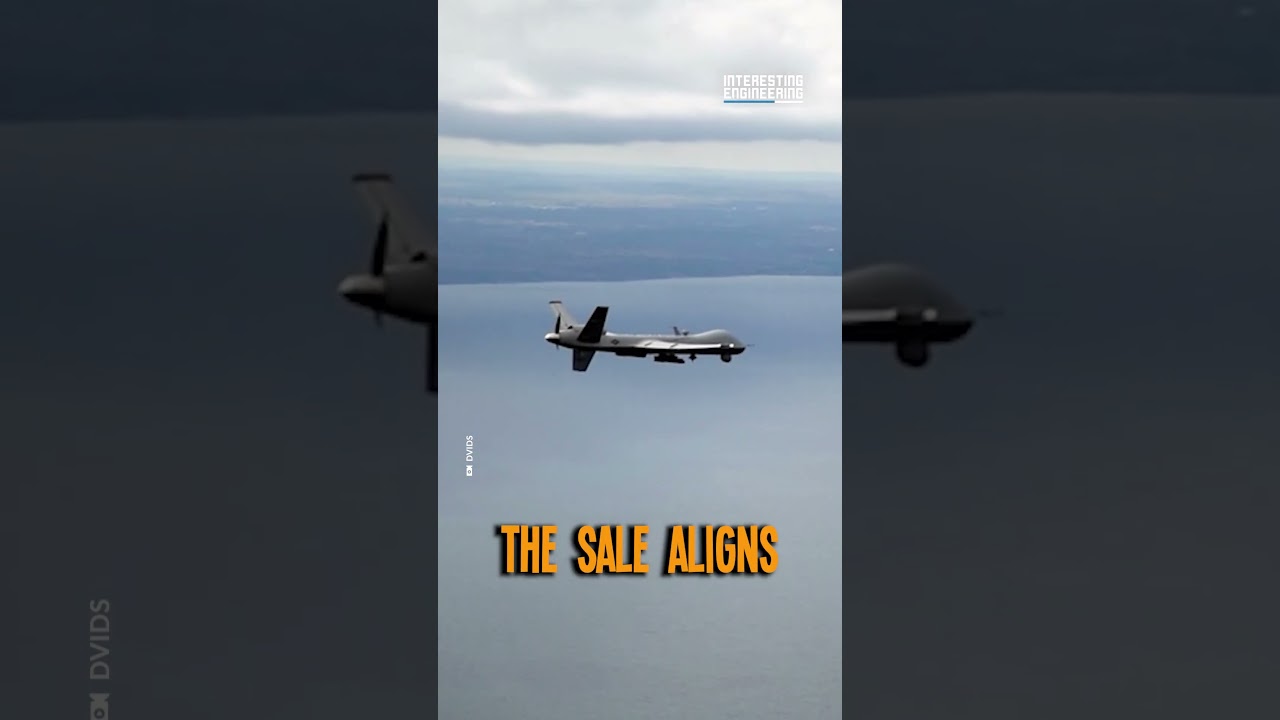
The US Army is teaming up with Auriga Space to develop electromagnetic counter-drone technology to reduce the cost of drone warfare. The technology aims to provide a more cost-effective solution to counter enemy drones.
-
Electro Optic Systems has been chosen for Mission Syracuse, an initiative to accelerate Australia's sovereign counter-drone capability. The project aims to enhance the Australian Defence Force's ability to counter uncrewed aerial systems. EOS will contribute with its R400 SLINGER weapon system.
-
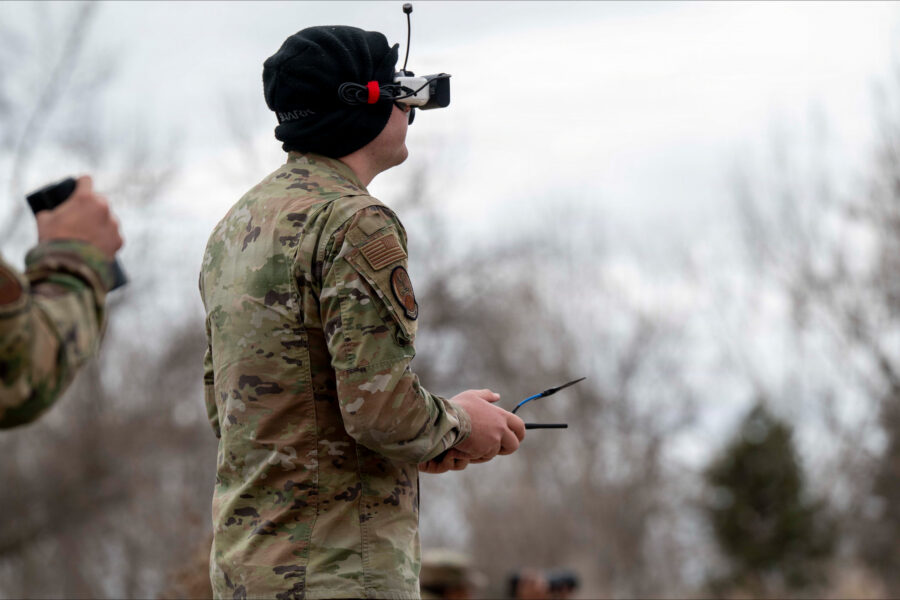
The Air Force Point Defense Battle Lab is looking for defense firms to demonstrate counter-drone capabilities in upcoming exercises. These exercises aim to test base defenses against unmanned aerial attacks. The lab seeks more options to enhance its counter-drone capabilities.