C4ISR
16 recent stories · Following ↗
-
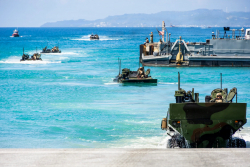
The US Marine Corps' new amphibious assault vehicles will be equipped with jammers to defeat unmanned aerial systems. This program is set to begin this fall. The jammers are part of an effort to counter the growing threat of drones.
-
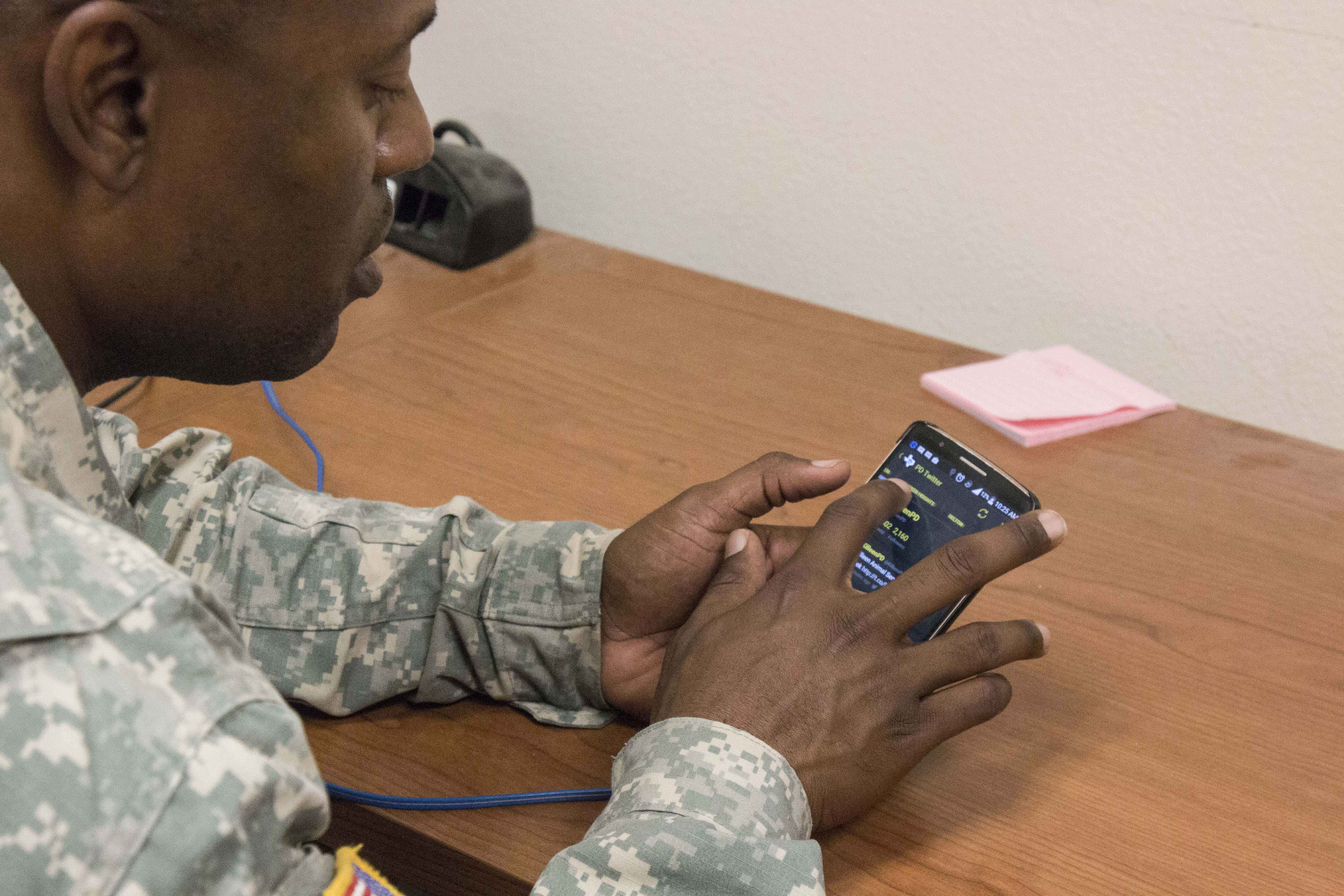
The Army's recent communications overhaul has raised concerns among military families about access to information. The changes, announced a month ago, have reportedly made it harder for families to find the information they need. The overhaul's impact on information access is still being assessed.
-
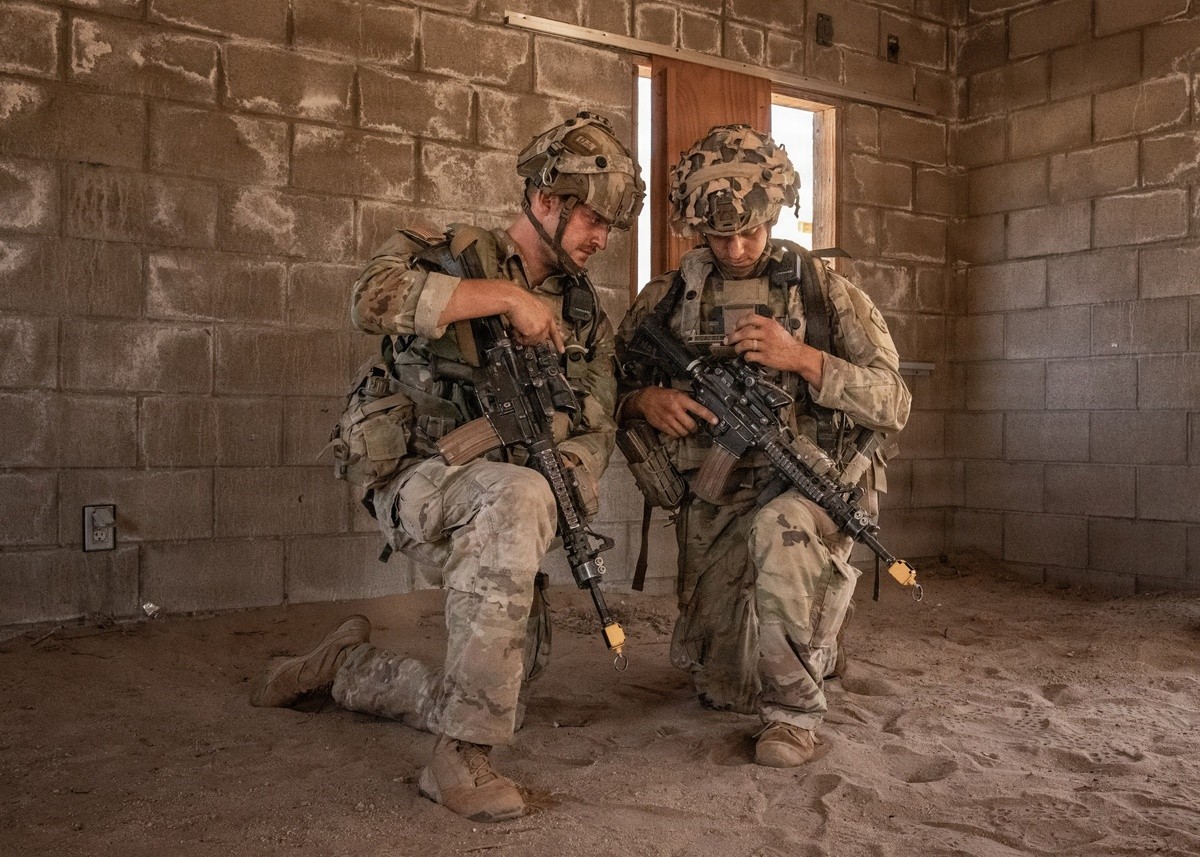
The Army's new battlefield command system, NGC2, is designed to speed up battlefield decisions and improve communications under fire. The system will deliver a unified network to enhance military operations. NGC2 is now ready to scale up for wider use.
-

C4ISR, which stands for Command, Control, Communications, Computers, Intelligence, Surveillance, and Reconnaissance, is a critical component of modern military strategy. Every major military is racing to build a better C4ISR system to gain a competitive edge. This system enables militaries to gather and analyze intelligence, make informed decisions, and respond quickly to threats.
-

The US Army has successfully tested a silent power system for its command and control nodes, and announced the readiness to scale its Next Generation Command and Control system. The hybrid power system allows for quiet operation, while the NGC2 system aims to increase decision speed and operational survivability. These advancements are part of the Army's efforts to modernize its command and control capabilities.
-
US Airmen attended the Air Expeditionary Wing Command and Control course to sharpen their command and control capabilities. The course was held at Davis-Monthan Air Force Base in Arizona from July 20-24, 2026. This training aims to bolster deployment readiness.
-
Northrop Grumman will integrate SATURN anti-jam communications into the E-2D Advanced Hawkeye. This integration aims to enhance the aircraft's communication capabilities. The E-2D Advanced Hawkeye is a key component of the US military's airborne early warning and control systems.
-
The 4th Infantry Division demonstrated the Realtime Airspace Management Suite (RAMS) during Project Convergence Capstone 6, reducing airspace deconfliction time. RAMS integrates live data from aviation, drones, and artillery into a single operating picture, enabling rapid decision-making. This replaces legacy manual coordination processes.
-

The US Army's C5ISR team received an award for their work on Picketline, a persistent remote sensing program. Picketline is a modernized system that minimizes operator interaction, allowing soldiers to focus on core missions. It utilizes cutting-edge technologies to gather and share information.
-
The US Army, Navy, and Space Force have conducted a maritime test of the Hammer of the Gods system to counter GPS disruption in contested operations. The test was part of Project Convergence Capstone 6. This system aims to provide a solution for GPS-denied environments.
-
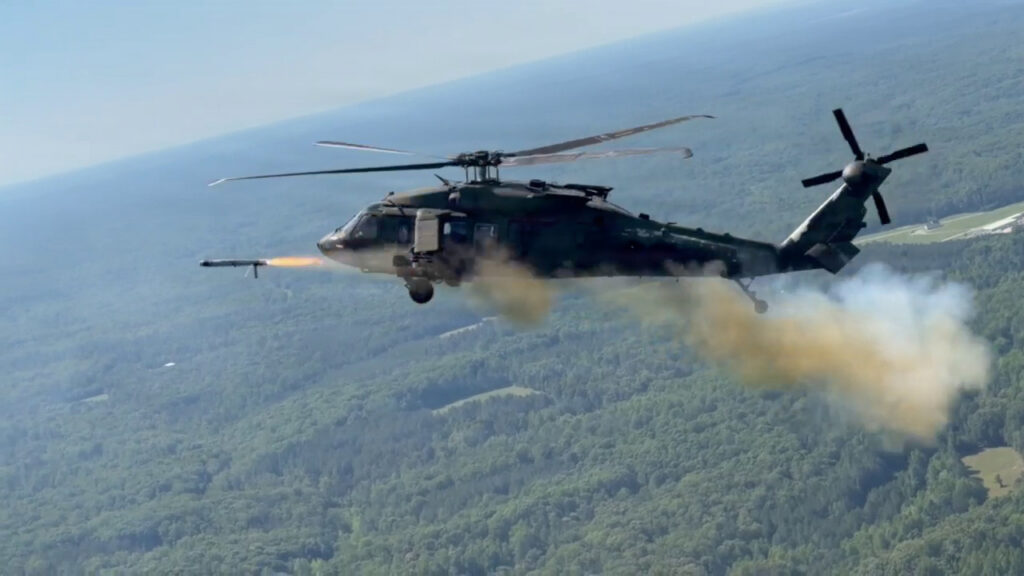
The Army's aviation sector is leveraging Link 16 for instantaneous connectivity, enhancing mission-wide coordination and ensuring no aircraft operates in isolation. This technology provides a critical advantage in complex operating environments. By utilizing Link 16, the Army can improve situational awareness and facilitate more effective communication among aircraft.
-
The 7th Communication Battalion and Japan's Western Army System Signal Group participated in bilateral training during Resolute Dragon 26, aiming to increase interoperability through a knowledge exchange. The training took place at Camp Kengun, Kumamoto, Japan, on June 24-25, 2026.
-
Anduril Industries has secured its first NATO contract for its Lattice software to be used in the Enhanced Air Command and Control Data Platform initiative. The contract was awarded by the NATO Communications and Information Agency. This initiative aims to evaluate and enhance allied air command-and-control data platforms.
-
The article discusses the importance of elevated sensor infrastructure for the modern battlefield, highlighting its role in winning the first fight. It explores the need for advanced sensor systems to provide real-time information and enhance situational awareness. The article is focused on the technological aspects of modern warfare, specifically the use of sensors and infrastructure to support military operations.
-

The US Navy's fleet of 'doomsday planes' will continue to operate with a new decade-long contract to maintain the aircraft. These planes, based on a 1960s airliner design, serve as a backup command center in the event of a nuclear war. The Naval Air Systems Command has opened bidding for the contract to keep the planes flying.
-

Noblis MSD has secured a 5-year, $309M contract to provide engineering services for the Navy's C4ISR systems. The contract represents a 65% increase over the prior contract ceiling and will be performed in San Diego, California. The work will span the full C4ISR systems lifecycle.