Aviation
37 recent stories · Following ↗
-
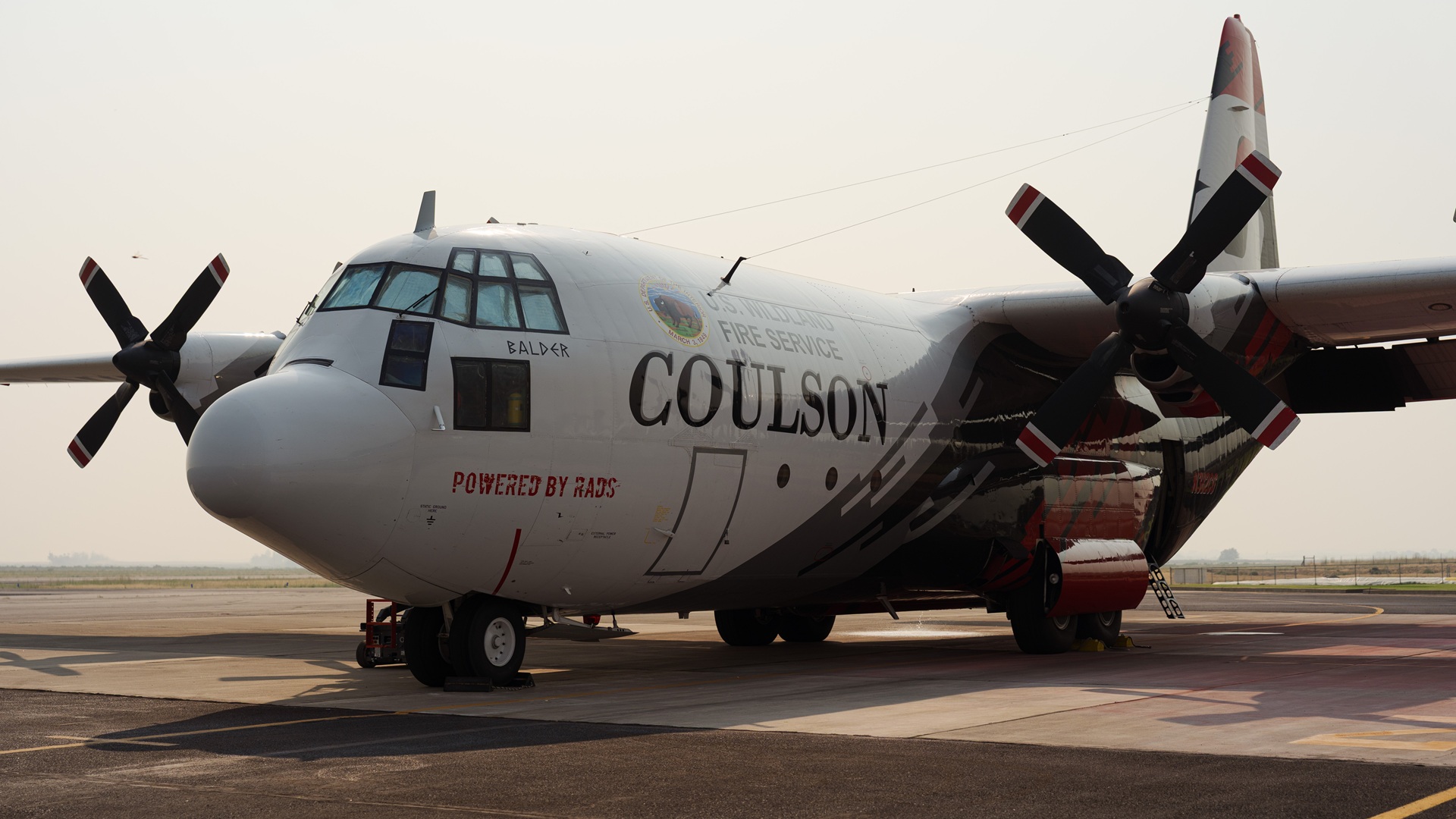
Coulson Aviation's Tanker 138, a Lockheed C-130H, is the first Large Airtanker under contract to the US Wildland Fire Service. This aircraft will be used for firefighting purposes. The contract marks a significant development in aerial firefighting capabilities.
-

The F4U Corsair's distinctive look was a result of the U.S. Navy's decision to use a radial engine design, leading to the development of the largest and most powerful radial aircraft engine at the time. The design choice was made despite the potential for a more streamlined and aerodynamic design with inline engines.
-
The article discusses what happens when an aircraft loses GPS, a critical navigation system. It explores the implications of GPS loss on aircraft operations and potential mitigation strategies. The article is relevant to military aerospace and defense technology.
-

Boeing has been awarded an $11.4 million contract to develop and deliver updated flight control software for the P-8A Poseidon. The P-8A is a maritime patrol and anti-submarine warfare aircraft used by the US Navy and allied air forces. The update aims to fix flight control bugs in the aircraft.
-
The F-35B variant has an auto-eject system, a feature tied to its ability to hover in mid-air. This system is unique to the F-35B and is an important aspect of its design.
-
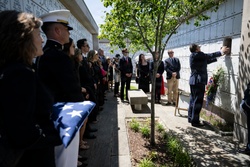
Air Force Test Pilot Capt. Robert Gilliland Sr. was the first to fly the SR-71 Blackbird in 1964. He tested almost every SR-71 and logged the most test flight hours at Mach 3. Gilliland was recently laid to rest at Arlington National Cemetery.
-

The Aviationist reports on the highlights from Farnborough International Airshow 2026, including the unveiling of BAE System's Brontanax and the USAF F-35A. The airshow featured various military aircraft and technologies. The event was notable despite the cancellation of the Royal International Air Tattoo (RIAT) due to ongoing conflict.
-
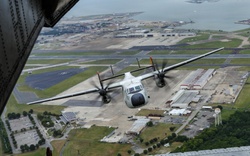
The US Navy's Fleet Logistics Support Squadron 40 held a sundown ceremony to mark the end of the C-2A Greyhound aircraft's service. The ceremony was held at Naval Station Norfolk, closing a chapter on over six decades of operations. The C-2A Greyhound has been a part of the Navy's fleet for many years, providing logistics support.
-

The US Navy's C-2A Greyhound conducted its last flight, landing at Naval Air Station Pensacola to be inducted into the National Naval Aviation Museum. The final flight marks the end of the aircraft's service. The C-2A Greyhound had previously completed its final flight operations off an aircraft carrier last month.
-
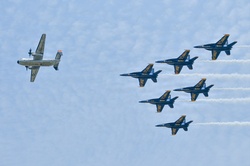
The C-2A Greyhound's six decades of service have come to an end with its final in-service flight landing at NAS Pensacola. The aircraft was attached to the 'Rawhides' of Fleet Logistics Support Squadron (VRC) 40. This marks the conclusion of the platform's operational use.
-
Pipistrel has introduced the Voyager trainer, built around new Mosaic rules. The Voyager is designed to meet the latest regulatory requirements for flight training. This development is significant for the aviation industry, particularly for military and civilian flight training programs.
-
The C-2 Greyhound, the Navy's only carrier delivery passenger plane, made its final carrier landing at the end of June. This marks the end of its mission. The plane has been in service for a long time, earning it the nickname 'Dinosaur'.
-
Lockheed Martin and Sabena Engineering are expanding their partnership to provide sustainment support for F-16 operators in Europe and for Block 70/72 customers. This move aims to enhance regional support for these aircraft. The partnership is expected to improve maintenance and upkeep for European F-16 fleets.
-
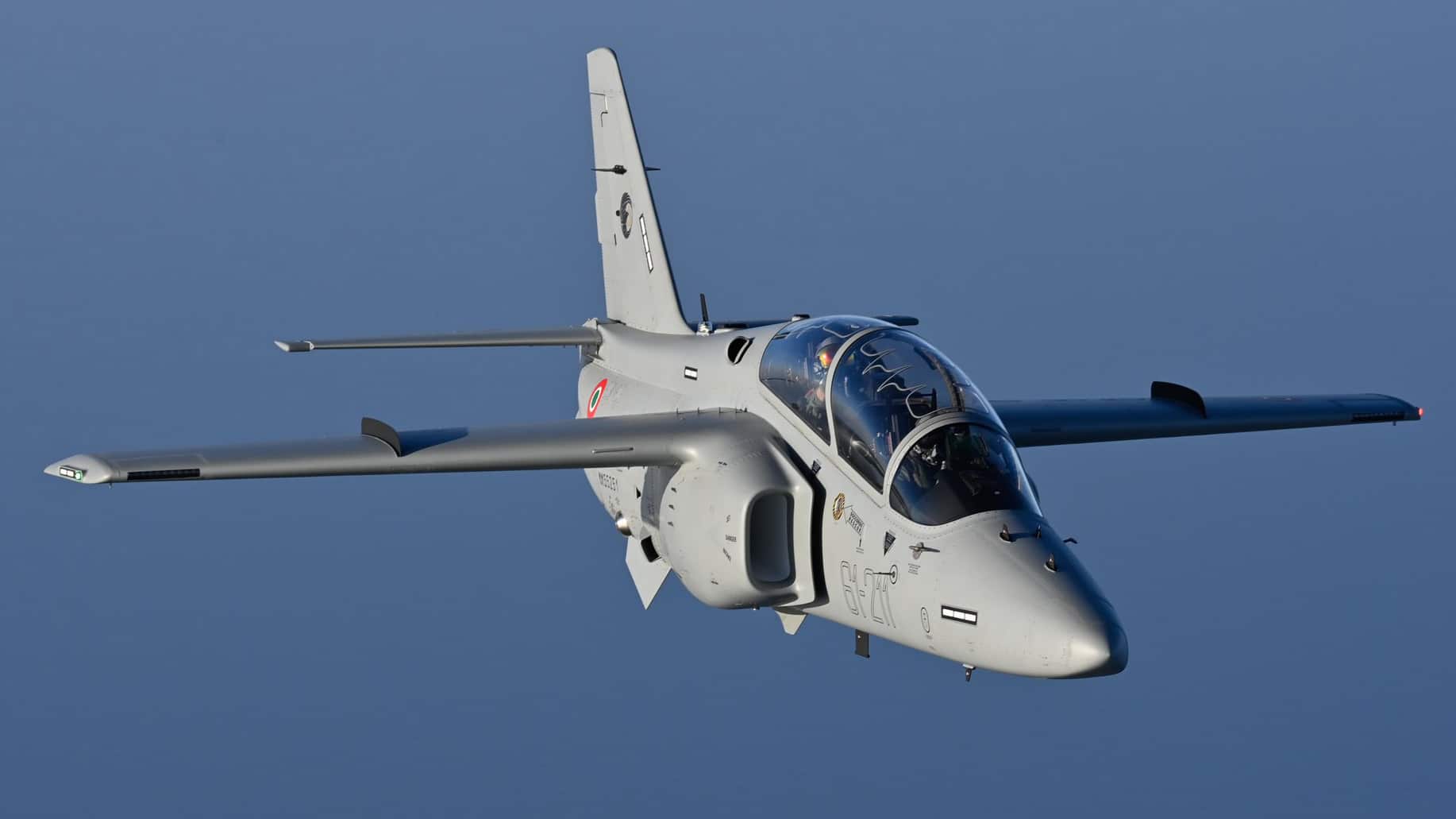
The Italian Air Force is using its M-345 trainer to emulate cruise missiles in an aggressor role. The service has reached 2,000 flight hours with the type and has taken delivery of all 18 ordered aircraft.
-
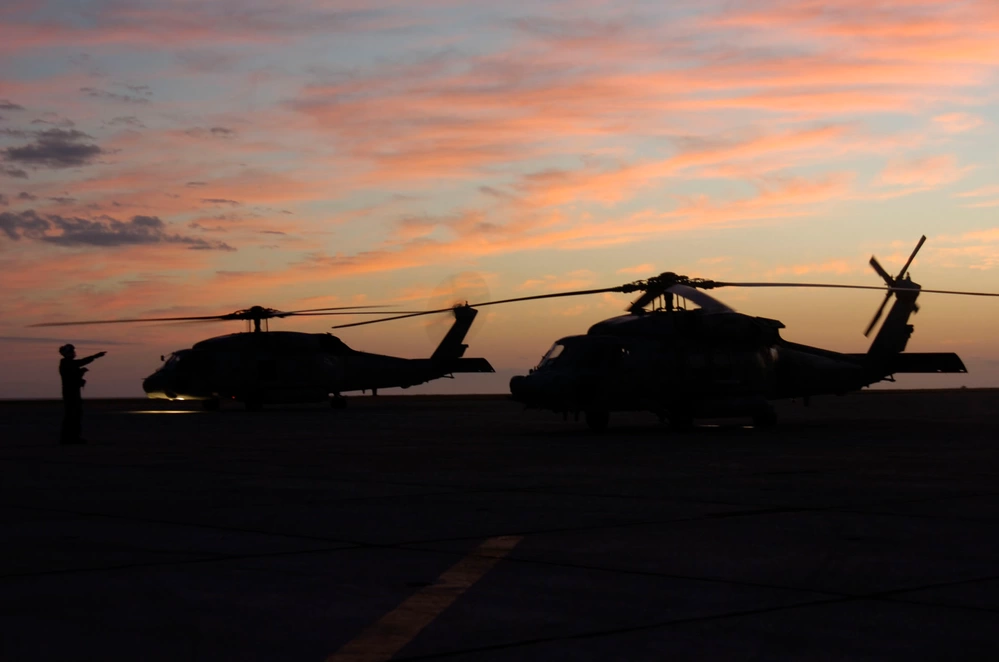
The C-2 Greyhound, the Navy's only carrier delivery passenger plane, made its final carrier landing at the end of June. This marks the end of its mission. The plane has been in service for a long time and is being retired.
-
An F-4 Phantom II jet has been installed at the Oregon Military Museum, marking its final landing. The installation took place on June 2, 2026. This event symbolizes the retirement of the F-4 Phantom II from active service.
-
The B-2 Spirit of Ohio stealth bomber has returned to US Air Force operations after undergoing depot maintenance, restoring its readiness. The bomber's return is critical to national security, according to Col. Jason Shirley, B-2 System Program Manager. This maintenance ensures the aircraft's strategic asset status is maintained.
-
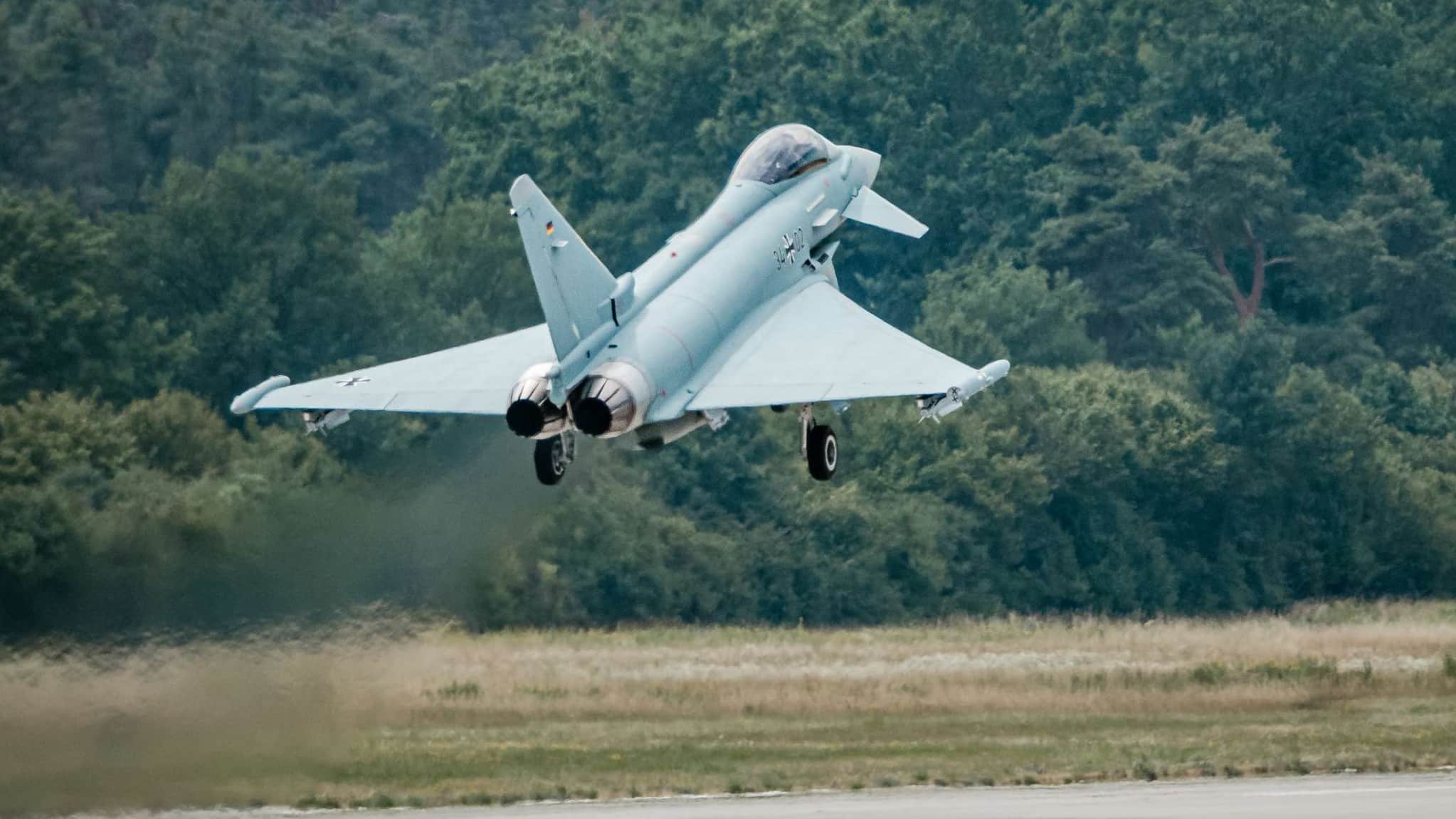
The first Tranche 4 Eurofighter Typhoon for the German Air Force made its maiden flight from Airbus' facility in Manching, Germany. The flight is part of Project Quadriga, which aims to procure 38 Tranche 4 jets to replace the oldest aircraft in service. This project will enhance the German Air Force's capabilities.
-
The US Army's 1st Battalion, 223rd Aviation Regiment has reintroduced solo cross-country flights to its Basic Warfighting Skills curriculum, allowing student pilots to navigate national airspace independently. This new training model involves two weeks of preparation before un-piloted flights. The curriculum shift marks a significant change in flight training, transitioning from isolated tasks to more comprehensive skills assessment.
-
The US Air Force has begun integrated flight testing of the T-7A Red Hawk at Edwards Air Force Base, combining developmental and operational test crews. This marks a new step in the advanced trainer's test program, aimed at speeding up combat pilot training. The T-7A Red Hawk is designed to provide more efficient and effective training for future combat pilots.
-
The 13th Fighter Squadron integrated FENIX simulators into Exercise Valiant Shield 26, allowing F-35 pilots to train in a distributed environment. The simulation connected the squadron to geographically separated forces across the Pacific, enabling complex mission rehearsals. This technology enhances pilot training and interoperability.
-
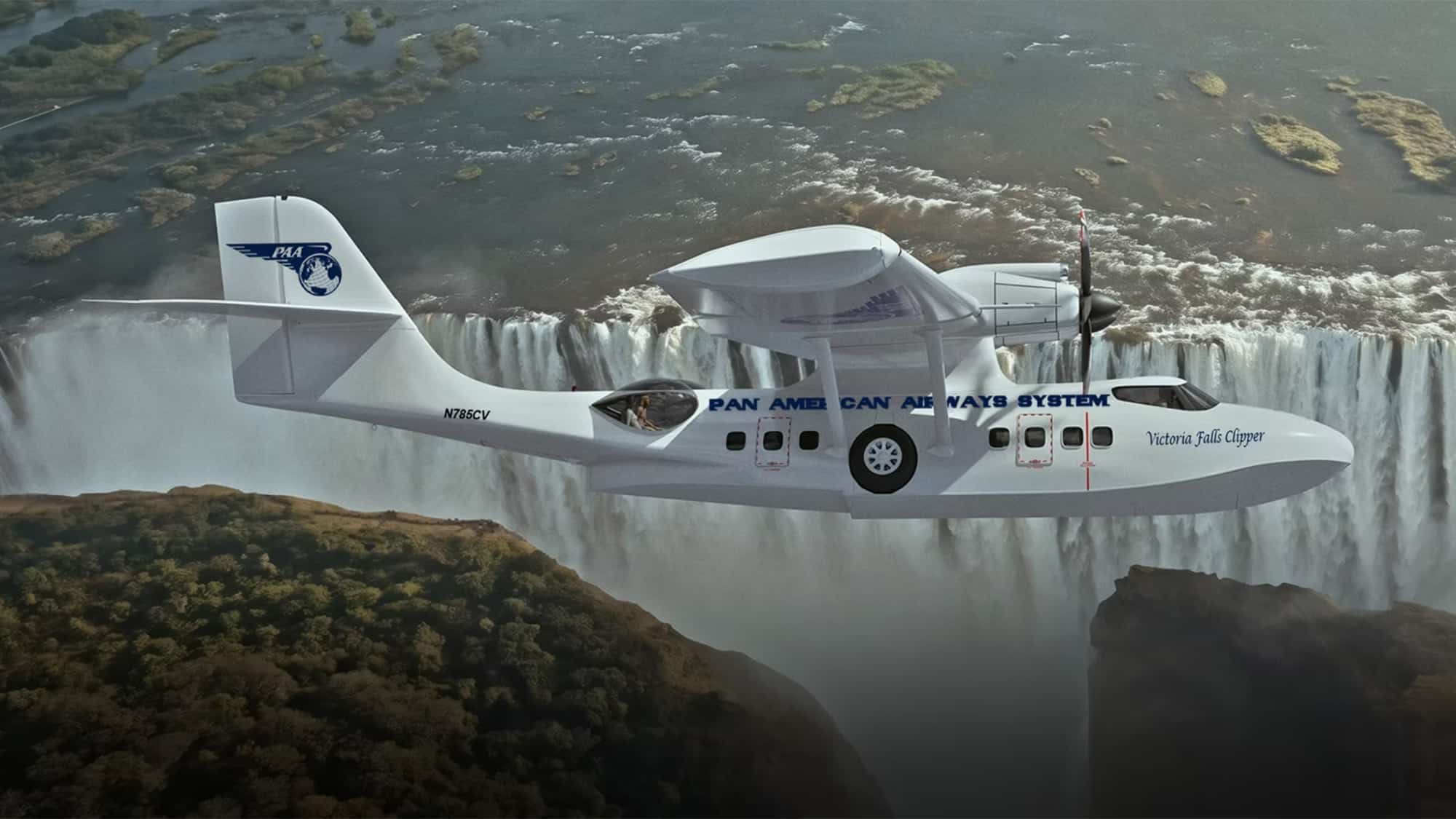
A Hong Kong operator has signed a letter of intent to purchase up to 46 Next Generation Amphibious Aircraft Catalina II, a modernized version of the iconic Catalina. The Catalina Aircraft Trust is behind the proposed turboprop-powered aircraft. The project is one step closer to becoming a reality with this initial customer commitment.
-
Wisk and NASA have validated multi-aircraft supervision in an airspace simulation, demonstrating advanced air traffic management capabilities. This technology has significant implications for future airspace operations. The simulation showcased the potential for more efficient and safe aircraft interactions.
-
A US army veteran is linked to mysterious Boeing flights over Sudan's war zones, raising questions about the purpose and origin of these flights. The flights have been tracked, but their intentions remain unclear. The involvement of a US veteran has sparked interest in the possible connections to military or defense operations.
-
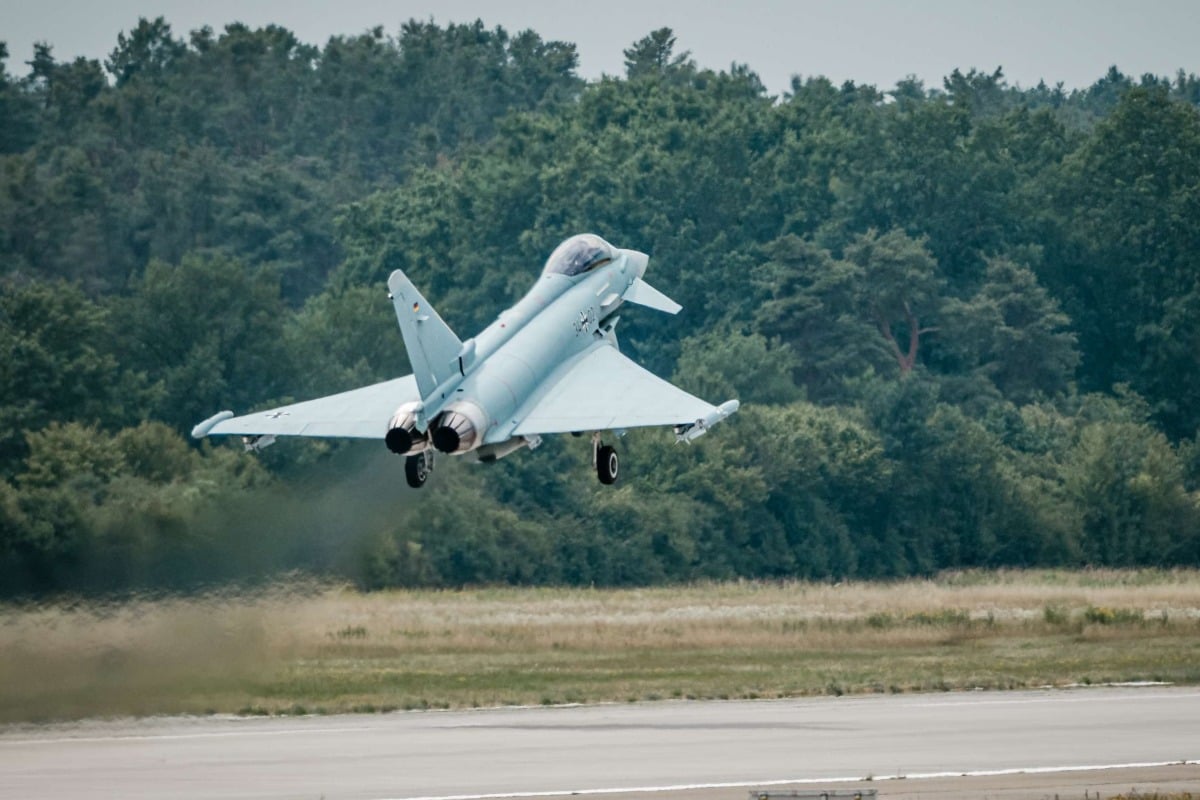
Germany's newest fighter jet has made its first flight, marking a significant milestone for the country's air force. The aircraft is part of the Quadriga-programme and one of 58 on order for Berlin. The flight was conducted by Airbus Defence & Space from their Manching final assembly site near Munich.
-
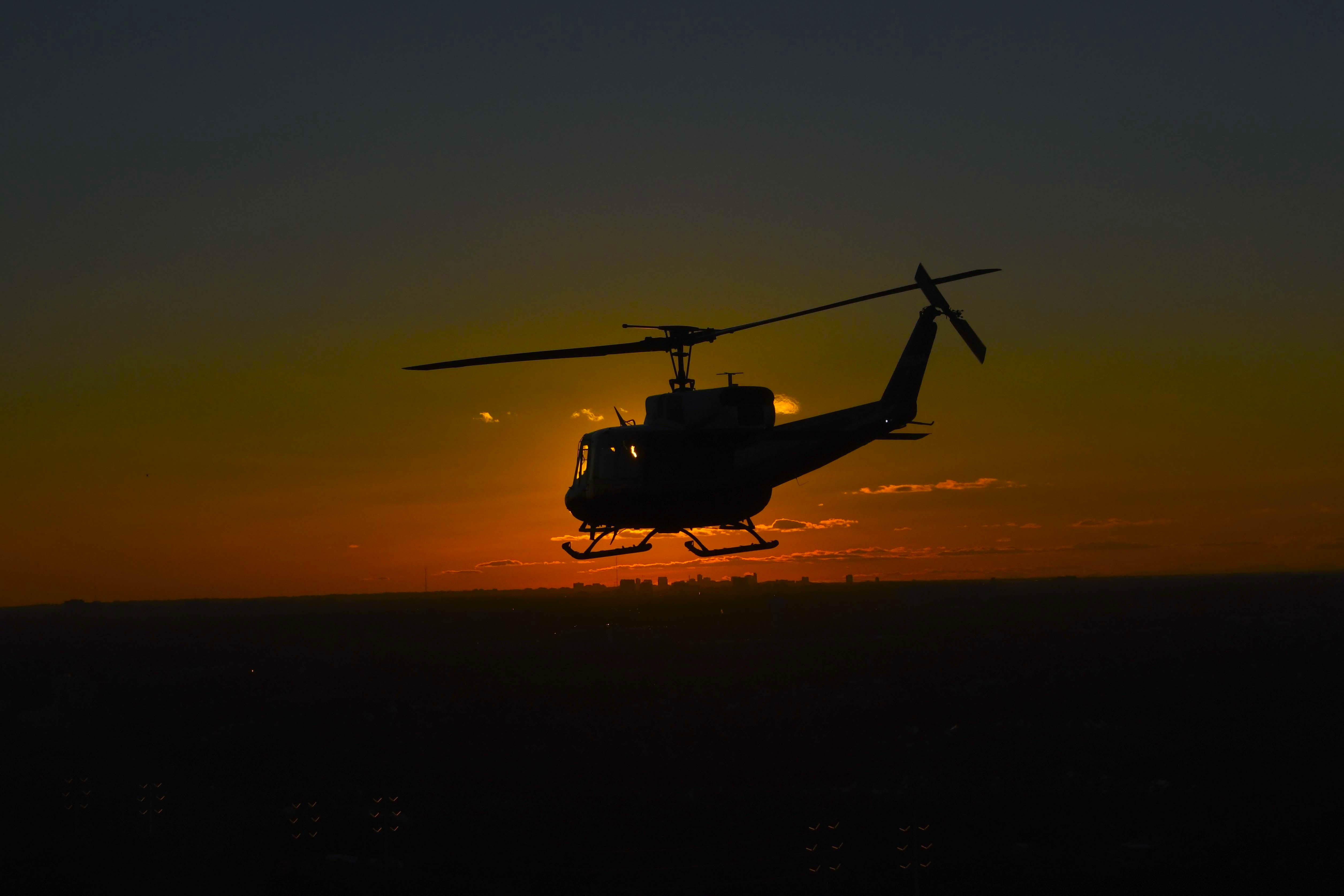
An Air Force UH-1N helicopter made a precautionary landing in Northwest D.C. due to vibrating mechanical sounds heard by the crew. The incident occurred on Monday night and is likely under investigation. No further details on the cause or outcome are provided.
-
US Air Force B-2 Spirit stealth bombers conducted a hot-pit refueling operation at Joint Base Pearl Harbor-Hickam, Hawaii, as part of a Bomber Task Force operation. This demonstration showcased the bombers' rapid refueling capabilities. The operation highlighted the US military's ability to project power and deterrence globally.
-
The US Air Force has decided to retain a two-pilot crew for the B-21 bomber. This decision is significant for the development and operation of the B-21 program. The B-21 is a next-generation bomber designed to replace existing aircraft.
-
E-2 pilots and foreign student pilots still require carrier qualifications, despite looming changes to naval aviation training. The current training landscape is undergoing significant transformations, affecting Navy fighter pilots in training.
-
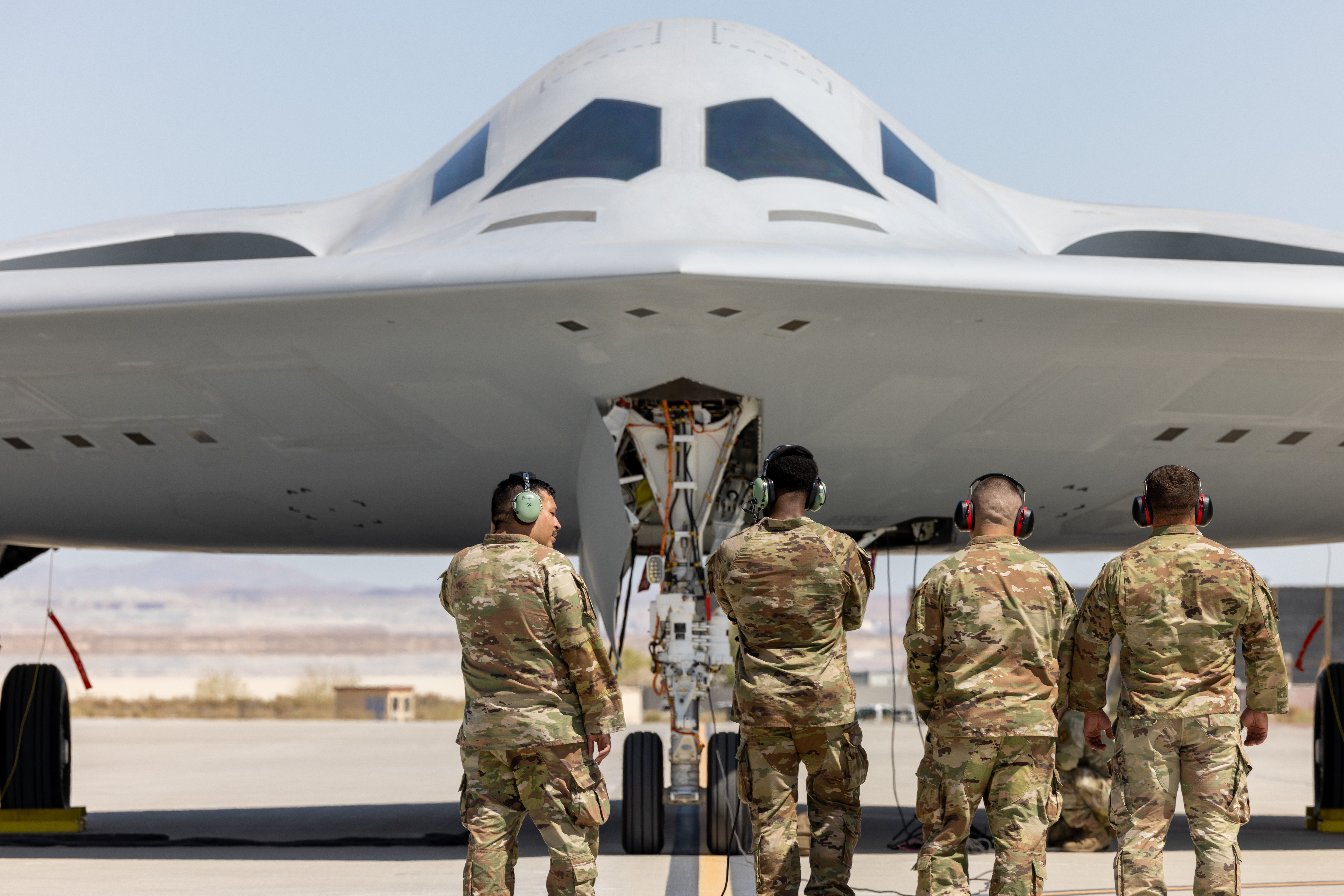
The Air Force's new long-range strike bomber, the B-21 Raider, will operate with a two-pilot configuration. This configuration is a key aspect of the bomber's design. The B-21 Raider is a next-generation bomber developed by the Air Force.
-
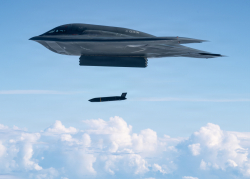
The US Air Force has equipped the B-2 Spirit with the capability to carry the Long-Range Anti-Ship Missile, with a capacity of up to 16 missiles. This upgrade enhances the bomber's versatility and strike capabilities. The development is a significant advancement in the Air Force's arsenal.
-
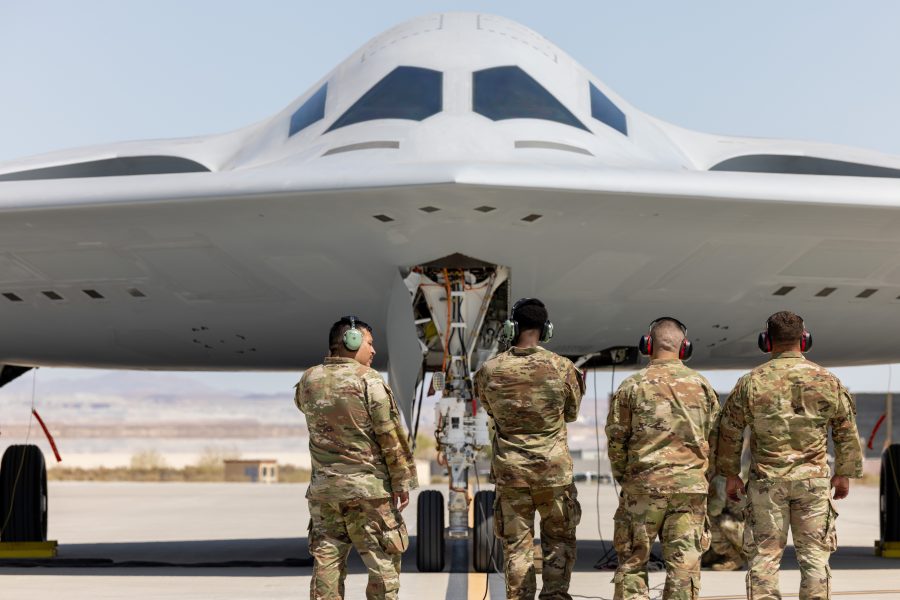
The Air Force has decided that the B-21 Raider will have a two-pilot air crew and may recruit from weapon system and combat systems officers. This decision marks a significant development in the B-21 program, which is a next-generation bomber aircraft. The training of these officers will be crucial for the successful operation of the B-21.
-
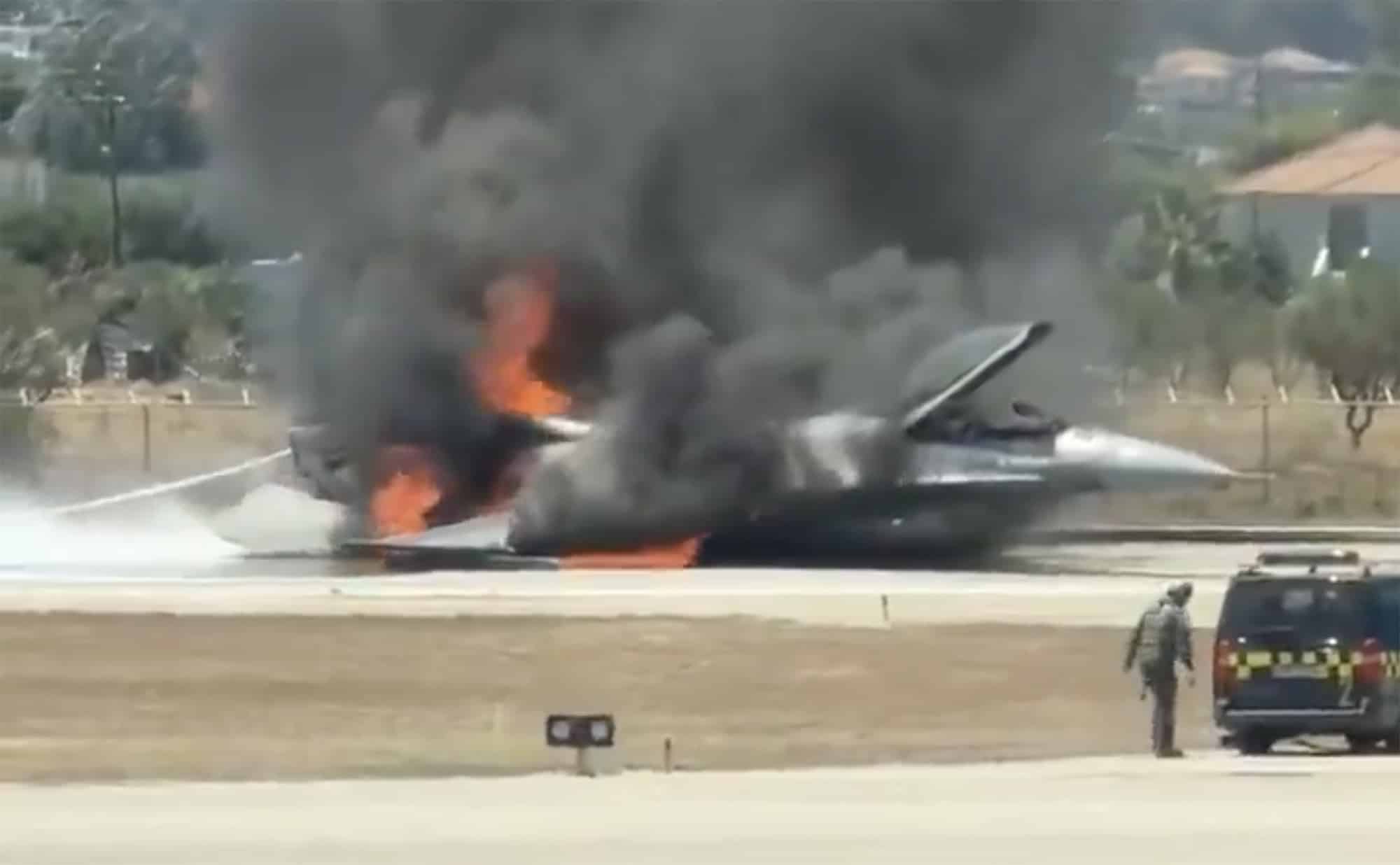
A Greek F-16 crash landed at Zakynthos Airport due to an emergency gear-up landing, but the pilot is safe. The incident involved a F-16C Fighting Falcon, one of over 100 operated by the Hellenic Air Force.
-
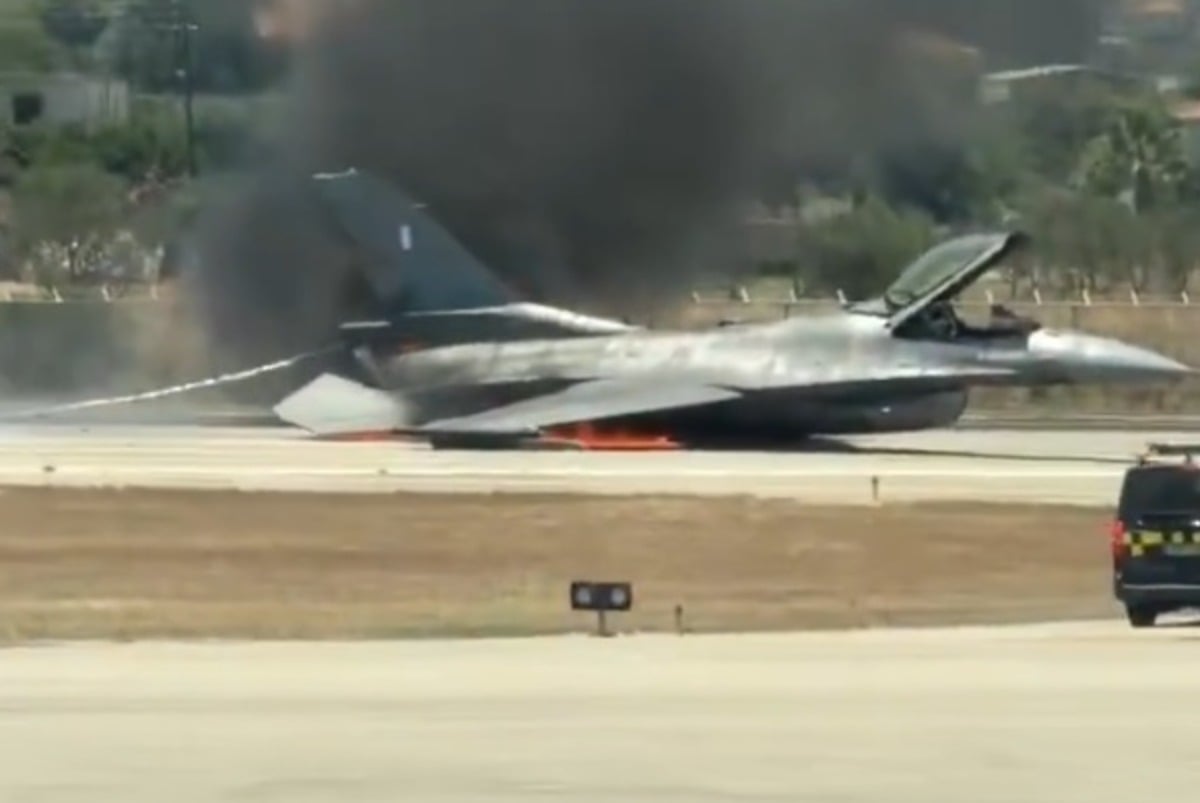
A Greek Air Force F-16 fighter jet made an emergency belly landing at Zakynthos airport due to a technical malfunction. The pilot is safe, but the jet caught fire after landing. The incident occurred during a routine training flight when the jet's wheels failed to extend.
-
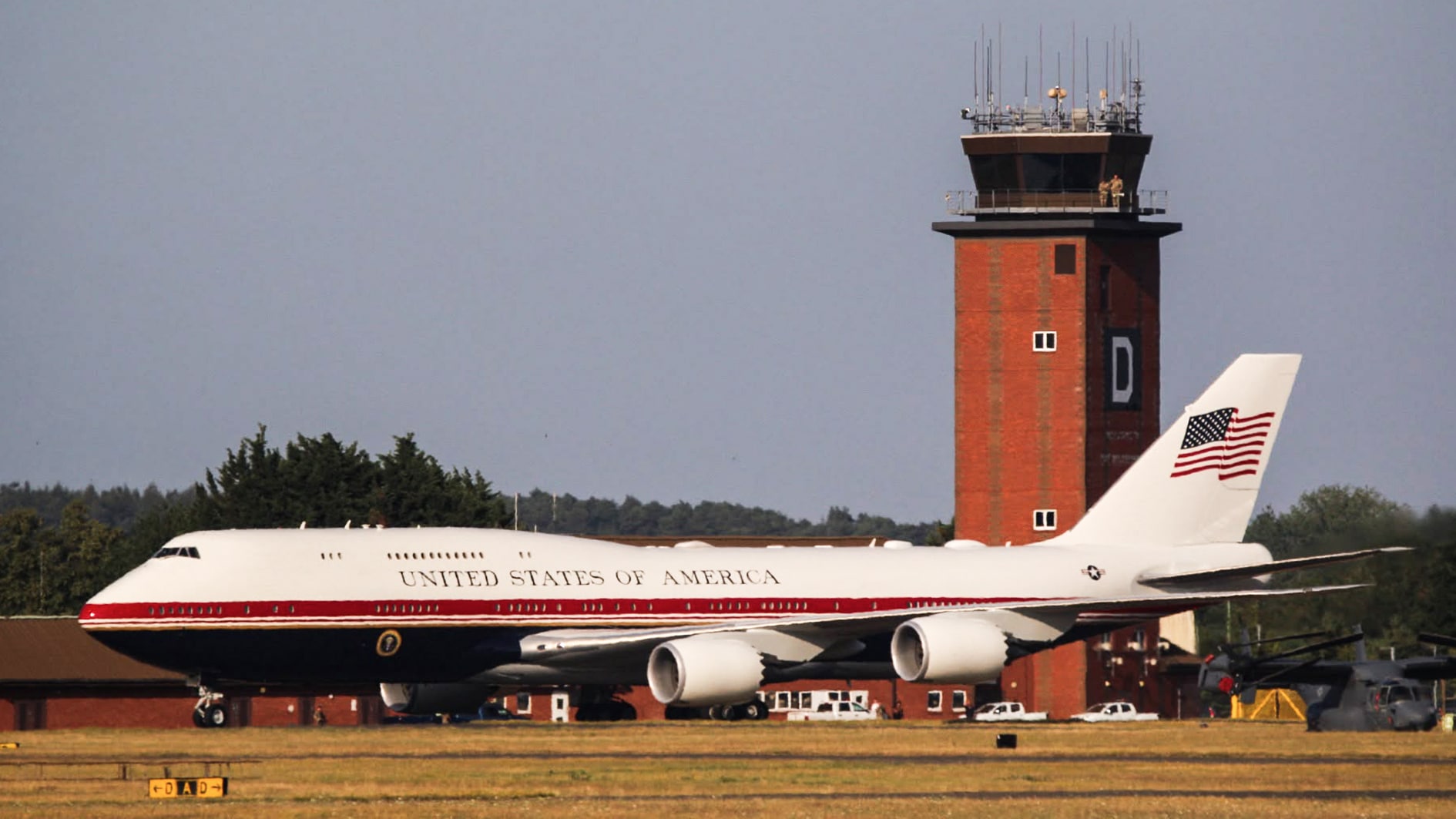
The new VC-25B Bridge aircraft, also known as Air Force One, visited RAF Mildenhall to allow deployed U.S. personnel to view and tour the aircraft. The visit was confirmed by President Trump on social media.
-
The B-24 Liberator was the most produced American military aircraft of World War II, with 18,482 units made over five years. It served in every theater of the war and had significant strategic impact. The aircraft's design, particularly its wing, played a crucial role in its utility and existence.
-
The Air Force Test Pilot School graduated Class 25B at Edwards Air Force Base in California. This marks the newest group of test leaders for the Air Force. The graduation ceremony took place on June 5.