Autonomous Systems
33 recent stories · Following ↗
-

A patented machine vision technology enables autonomous drones to recognize objects with increasing accuracy, even without GPS. This innovation enhances the capabilities of drones in various applications. The technology allows drones to confirm the identity of objects they are looking at, improving their autonomy and decision-making abilities.
-

The Unmanned Surface Vessel Division (USVDIV) 32 conducted a live-fire exercise at RIMPAC 2026, utilizing the Global Autonomous Reconnaissance Craft (GARC) to refine tactics and demonstrate readiness. The exercise took place on July 17. This event showcases the division's capabilities in autonomous reconnaissance and live-fire engagements.
-
The Air Force has conducted experiments with the X-62 VISTA, completing 27 autonomous air intercepts across eight flights. The tests utilized live, AI-enabled intercepts, marking a significant advancement in autonomous flight capabilities. This development has the potential to enhance the Air Force's operational effectiveness.
-
BAE Systems CEO discusses the role of autonomous combat aircraft and low-cost drones in future military forces. These systems are expected to complement major platforms, supporting long-term growth. Drones and autonomous systems will become a larger part of military forces without displacing high-end platforms.
-

Raytheon's autonomous launcher has successfully passed a major U.S. Army field test, demonstrating its ability to fire a cruise missile and then be reconfigured to shoot down an incoming enemy missile without a soldier in the driver's seat. The launcher can operate driverless and reconfigure within the same mission. This capability was detailed by Raytheon, the missile and defense systems business of RTX.
-
The USAF is developing future CCA drones that can autonomously use onboard sensor data to engage aerial threats. The X-62A drone has successfully used its AI brain and infrared search and track pod to intercept an enemy T-38. This technology enables the drone to make decisions without human intervention, enhancing its combat capabilities.
-
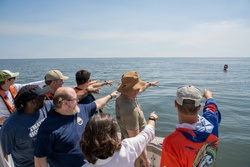
The US Navy and Oshen have successfully mapped shallow waters using an autonomous vessel. The test was conducted off the Mississippi coast to accelerate autonomous maritime technology development.
-

Shield AI and Thunder Tiger have successfully completed a search mission using an unmanned surface vessel with US tech, spotting a target autonomously. The mission demonstrates the capabilities of autonomous systems in defense applications. This technology has the potential to enhance surveillance and reconnaissance operations.
-
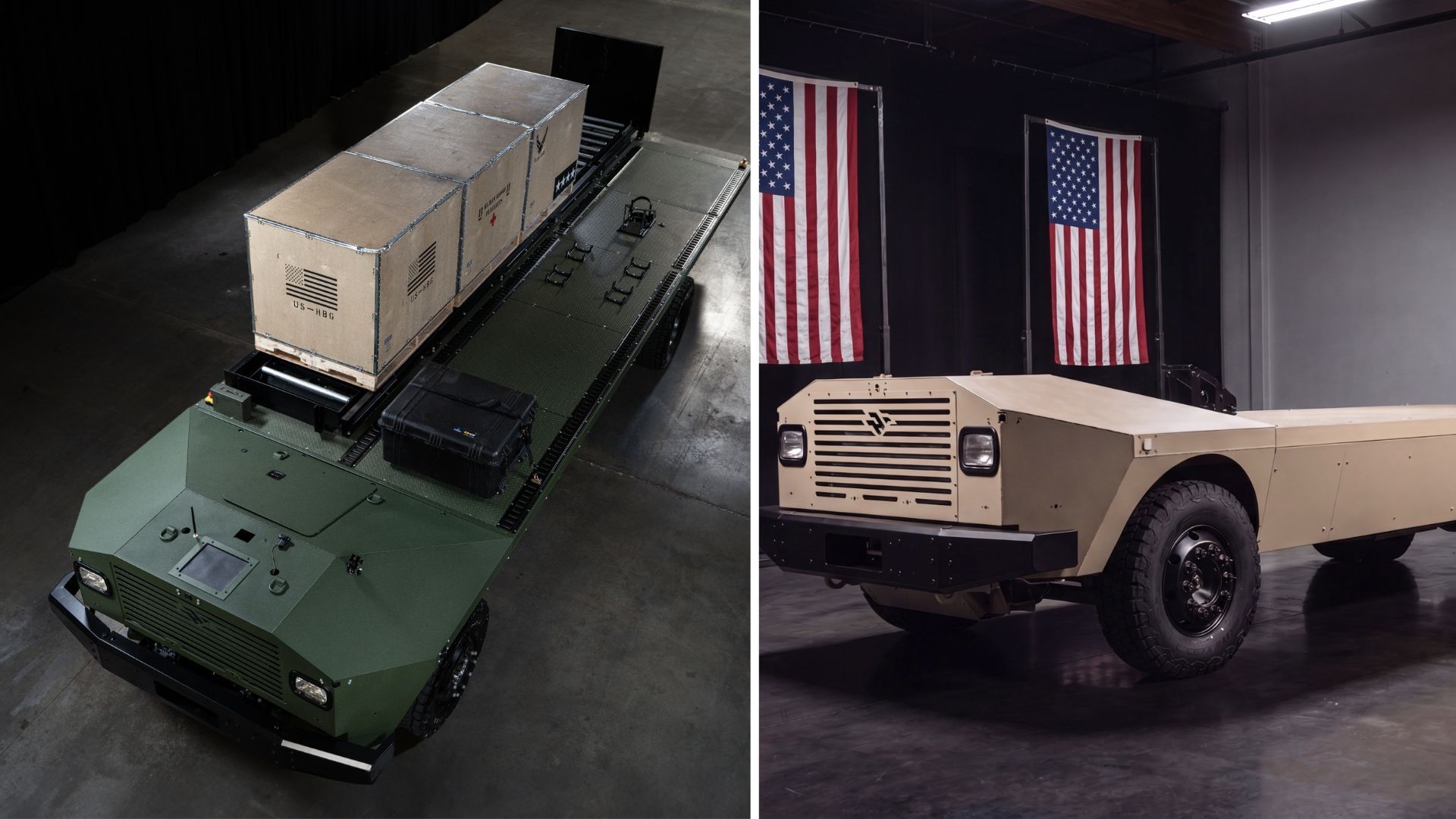
The US Army is set to receive a new type of autonomous, hybrid-powered uncrewed ground vehicle that can transform modern war. This new technology is expected to boost the army's capabilities. The vehicles are designed to be autonomous and hybrid-powered, making them a significant advancement in military technology.
-
The U.S. Army has tested an experimental autonomous rocket launcher and robotic resupply system at Fort Irwin, California. The test was part of Project Convergence Capstone 6, showcasing advanced military technologies. The system includes a mobile command system for enhanced operational capabilities.
-
American Rheinmetall has won an 18-month US Army contract to develop hybrid autonomous logistics vehicles for contested battlefield supply missions. The contract is part of the Army's Project Sustainment program and will utilize Harbinger's plug-in hybrid vehicle platform. The goal is to deliver uncrewed vehicles capable of operating in contested environments.
-
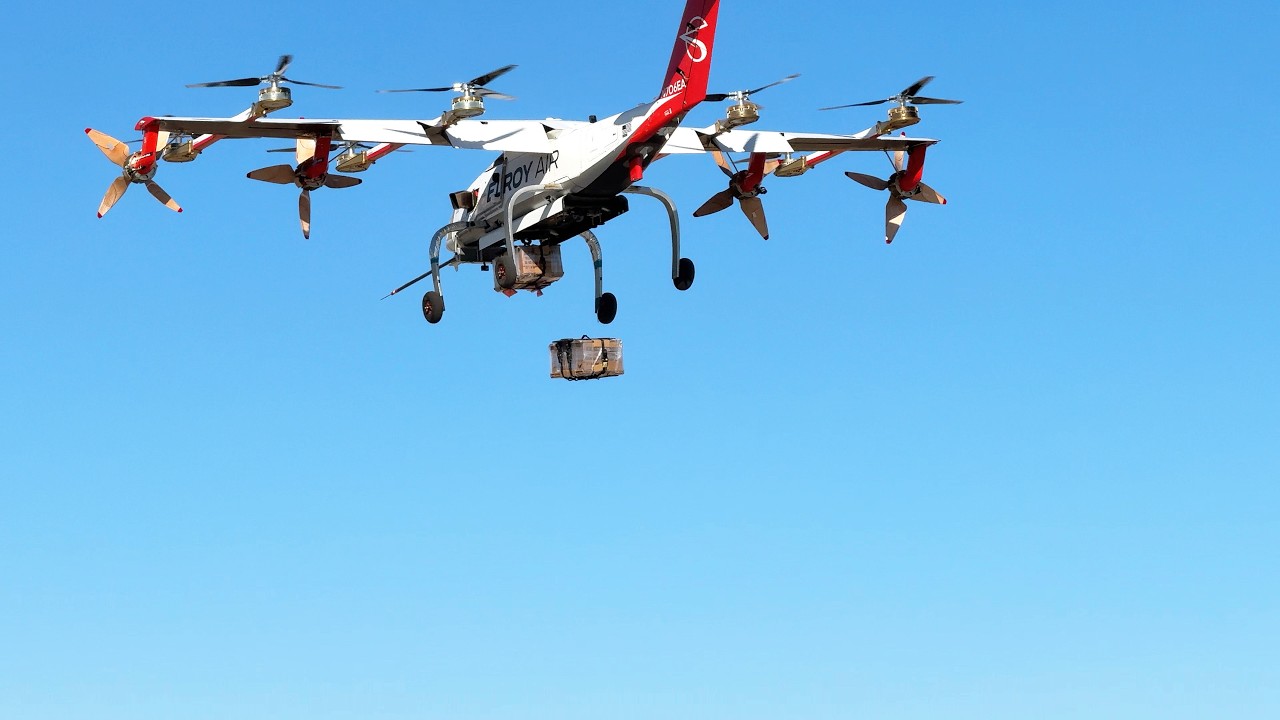
The Elroy Air Chaparral cargo aircraft has successfully delivered cargo in three different ways without ground crews. This autonomous aircraft is backed by the US Army and has expanded its mission profile. The Chaparral's capabilities demonstrate advancements in autonomous cargo delivery systems.
-

BAE Systems and Lockheed Martin are developing the Blizzard autonomous aircraft for electronic warfare and air-defense suppression missions. The companies are exploring palletized deployment from transport aircraft.
-
Israel Aerospace Industries (IAI) is partnering with US-based Merlin to develop autonomous commercial cargo aircraft. The collaboration aims to leverage Merlin's engineering expertise in cargo conversion to advance the development of autonomous freighters.
-
Ukraine's military is utilizing ground robots to enhance its operational endurance and save lives. These robots are providing a significant benefit to Ukrainian commanders, allowing them to endure the fight more effectively. The use of robots is changing the way Ukraine's army approaches combat.
-
BLADE has unveiled the Dire WOLF logistics Unmanned Ground Vehicle (UGV) for the Army's Project Sustainment. The UGV is designed to support the Army's logistics operations. The project aims to enhance the Army's sustainment capabilities.
-
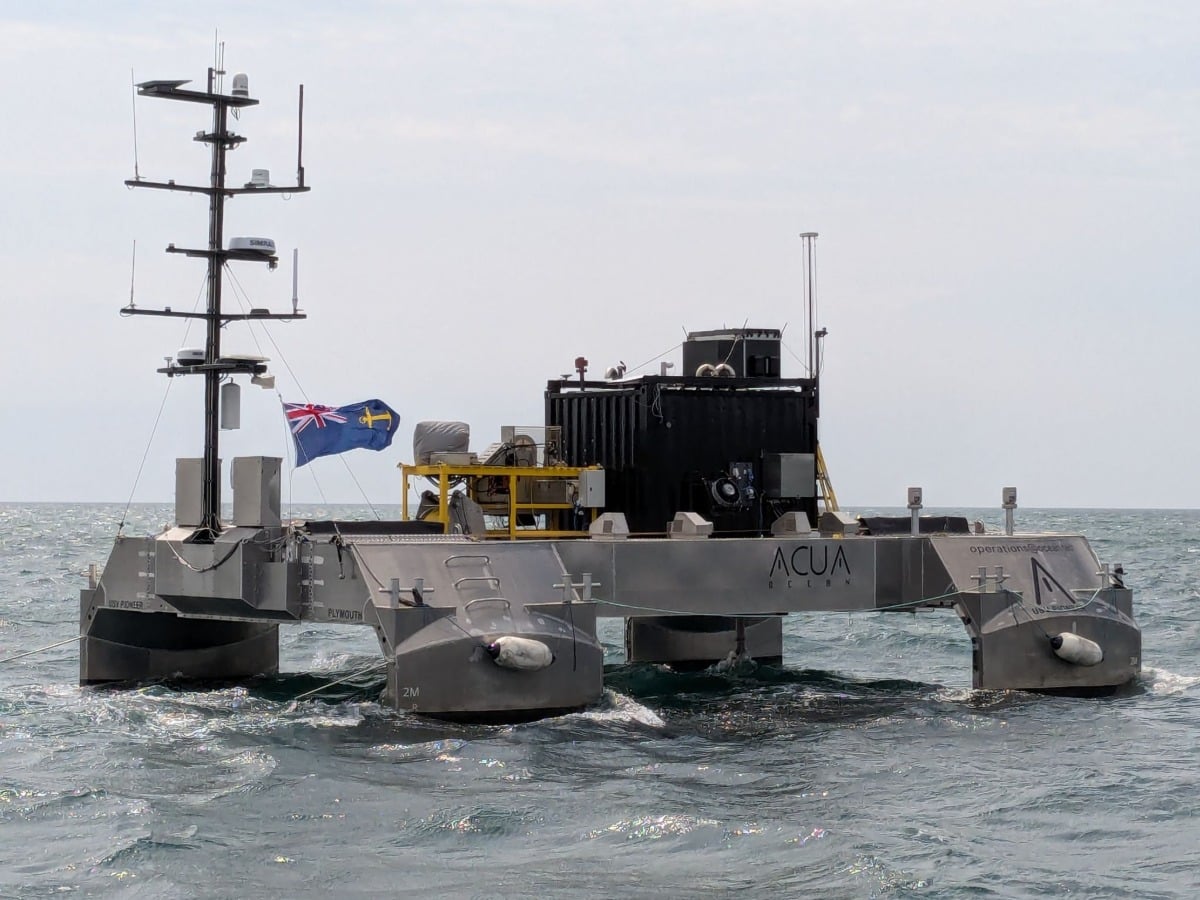
The Royal Navy has tested a robotic boat that can launch and recover a drone autonomously, potentially changing how the navy conducts sea surveillance. The demonstration was conducted in partnership with British and American companies. The technology could enhance the navy's ability to monitor its waters without putting personnel at risk.
-
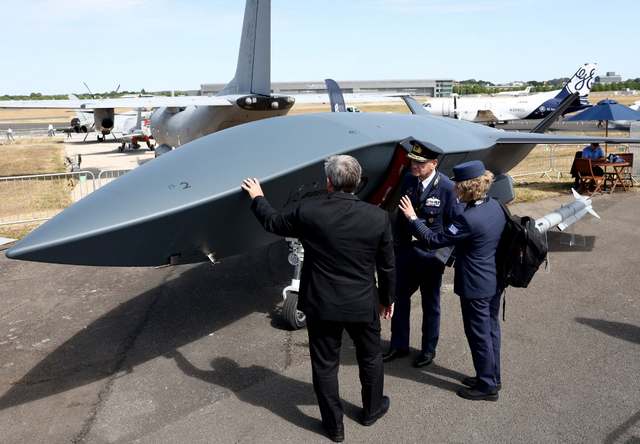
Major arms makers are competing for Europe's rearmament market at the Farnborough Airshow, with a focus on autonomous fighter jets. The inclusion of US firms raises questions about Europe's drive toward self-sufficiency. Europe is seeking to rearm and upgrade its military capabilities.
-
A job opening for a Senior Roboticist in Electrical Engineering is available at a research facility in Niskayuna, focusing on Robotics and Autonomous Systems. The position involves research in robotics and autonomous systems. This job is related to the development of defense technology.
-
Beta CEO considers the launch of autonomous military eVTOL a smart tactical move, indicating a strategic decision in the development of military technology. The move highlights the potential of eVTOLs in military operations, possibly enhancing tactical capabilities. Autonomous eVTOLs could revolutionize military transport and surveillance.
-
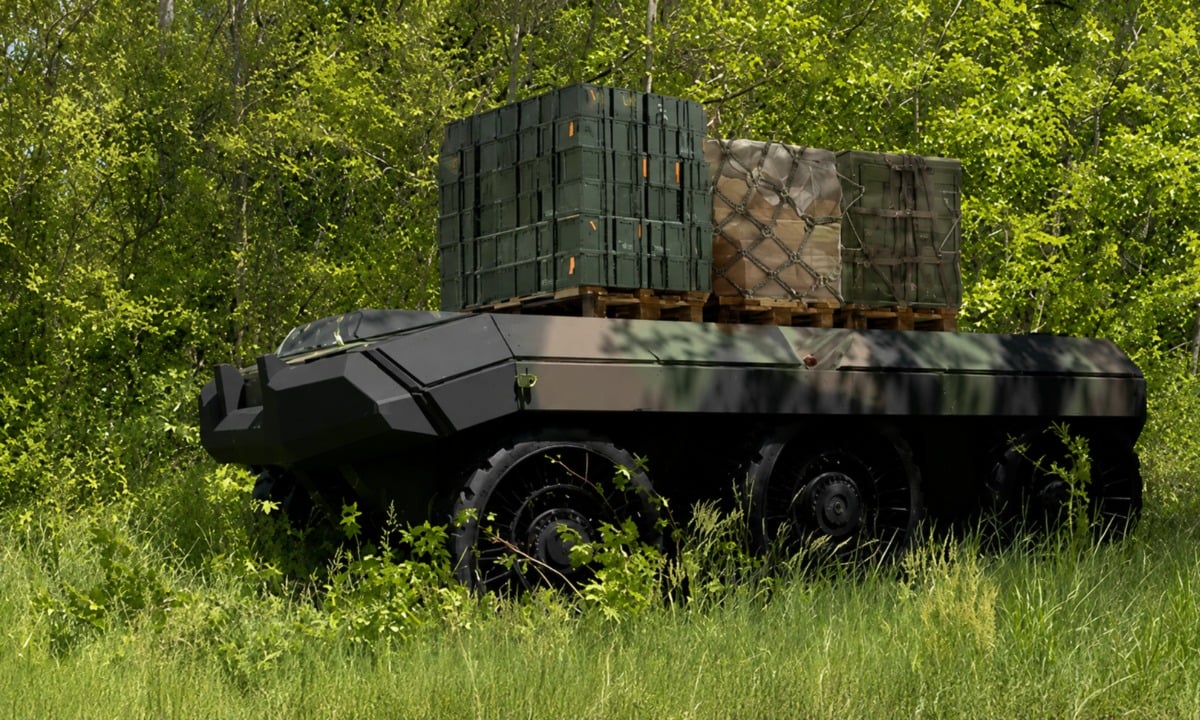
BLADE has been chosen as one of five industry partners for the U.S. Army's Project Sustainment initiative, which aims to automate logistics in combat zones. The program focuses on developing autonomous systems to supply troops in areas where resupply is disrupted by enemy forces. BLADE will work through the National Advanced Mobility Consortium to achieve this goal.
-
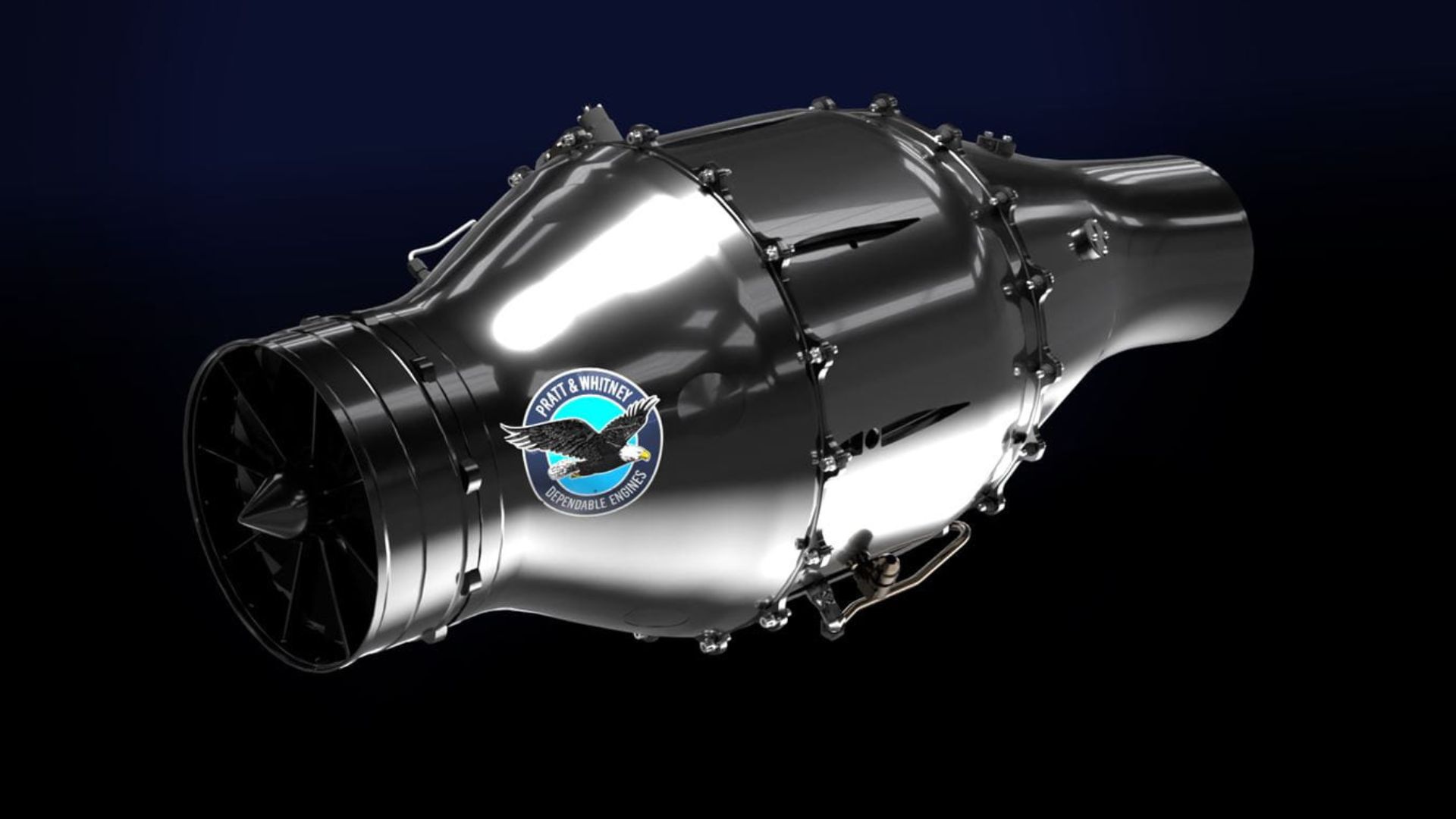
Pratt & Whitney's Valox 1500 engine has completed a key design review, marking a significant step towards fast-tracking autonomous military aircraft with a digital-first design. The engine is intended to support the development of unmanned aerial vehicles. This advancement could lead to enhanced military capabilities.
-
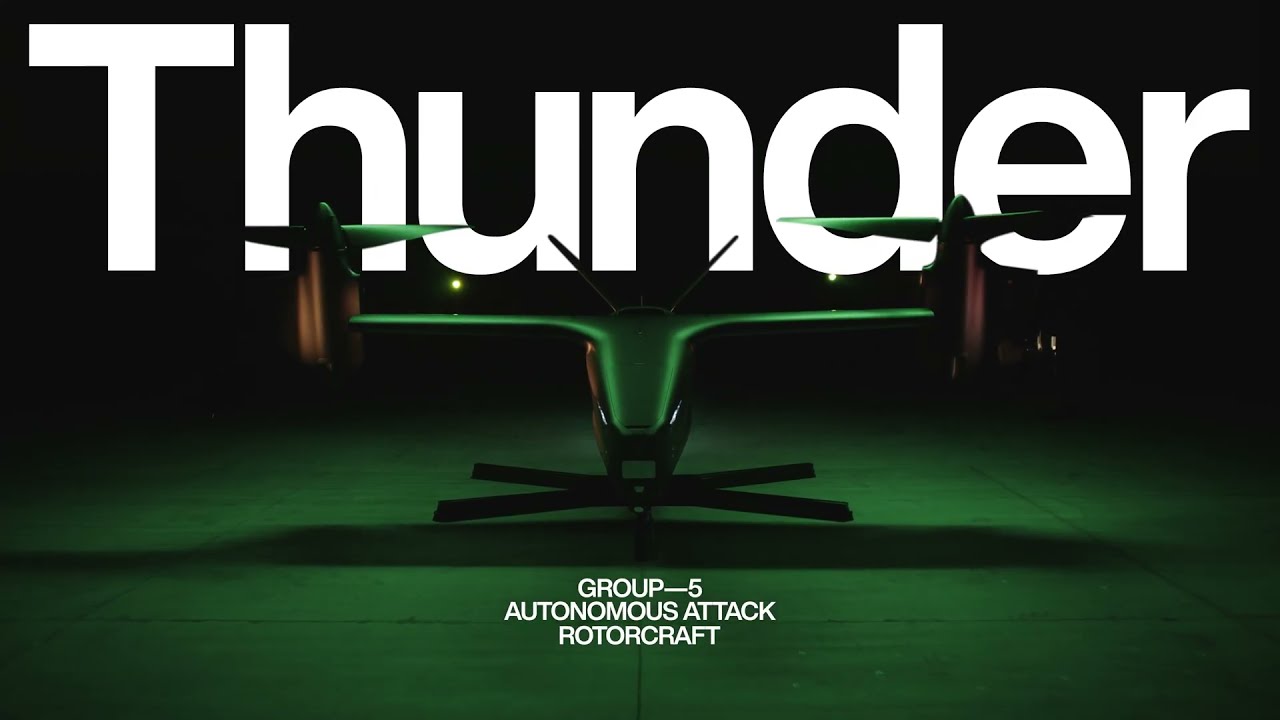
Anduril Industries has introduced Thunder, an autonomous military aircraft that can fly alongside crewed helicopters and carries a 10-missile payload. The aircraft is designed to take off vertically, showcasing its versatility in various military operations. This technology has the potential to enhance military capabilities in surveillance and combat missions.
-
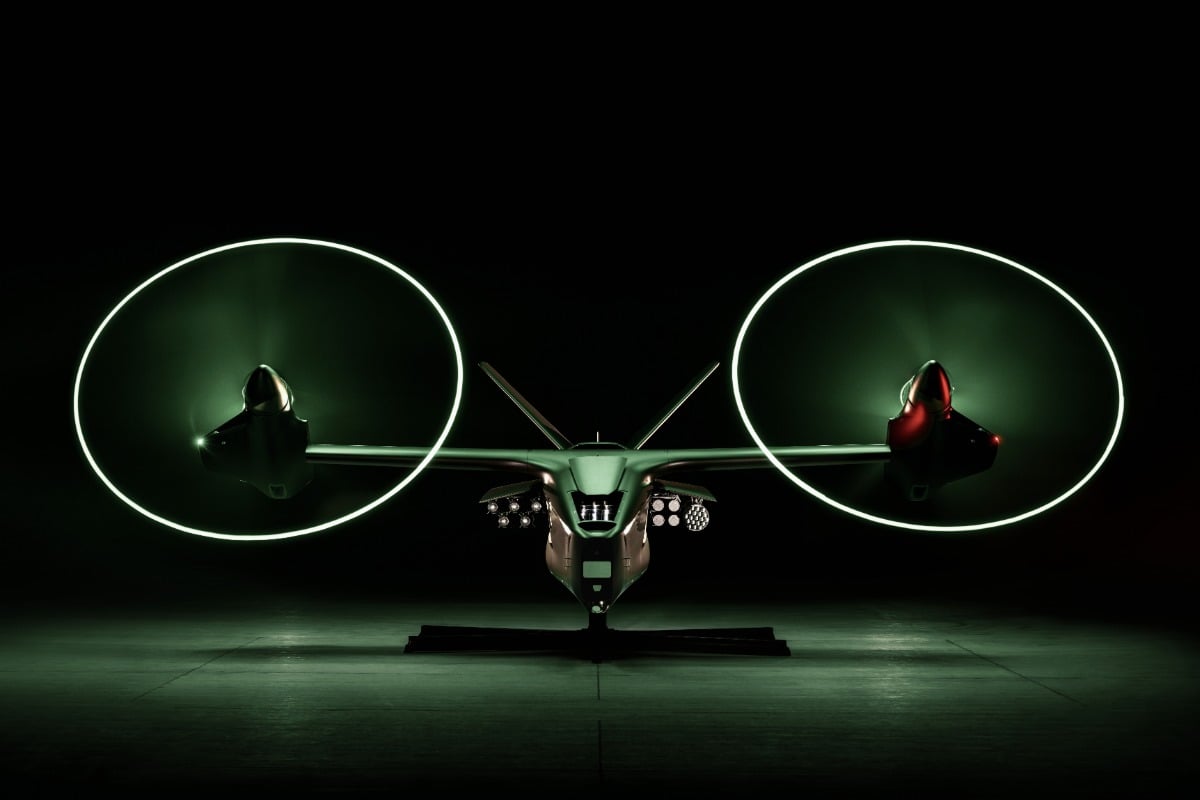
Anduril has developed an unmanned attack helicopter called Thunder, designed to operate with crewed attack helicopter platforms and absorb risks from drones and surveillance systems. The autonomous attack rotorcraft can serve as a loyal wingman platform for the Army's helicopter fleet. Thunder is a jointly-developed autonomous VTOL platform for commercial and defense applications.
-
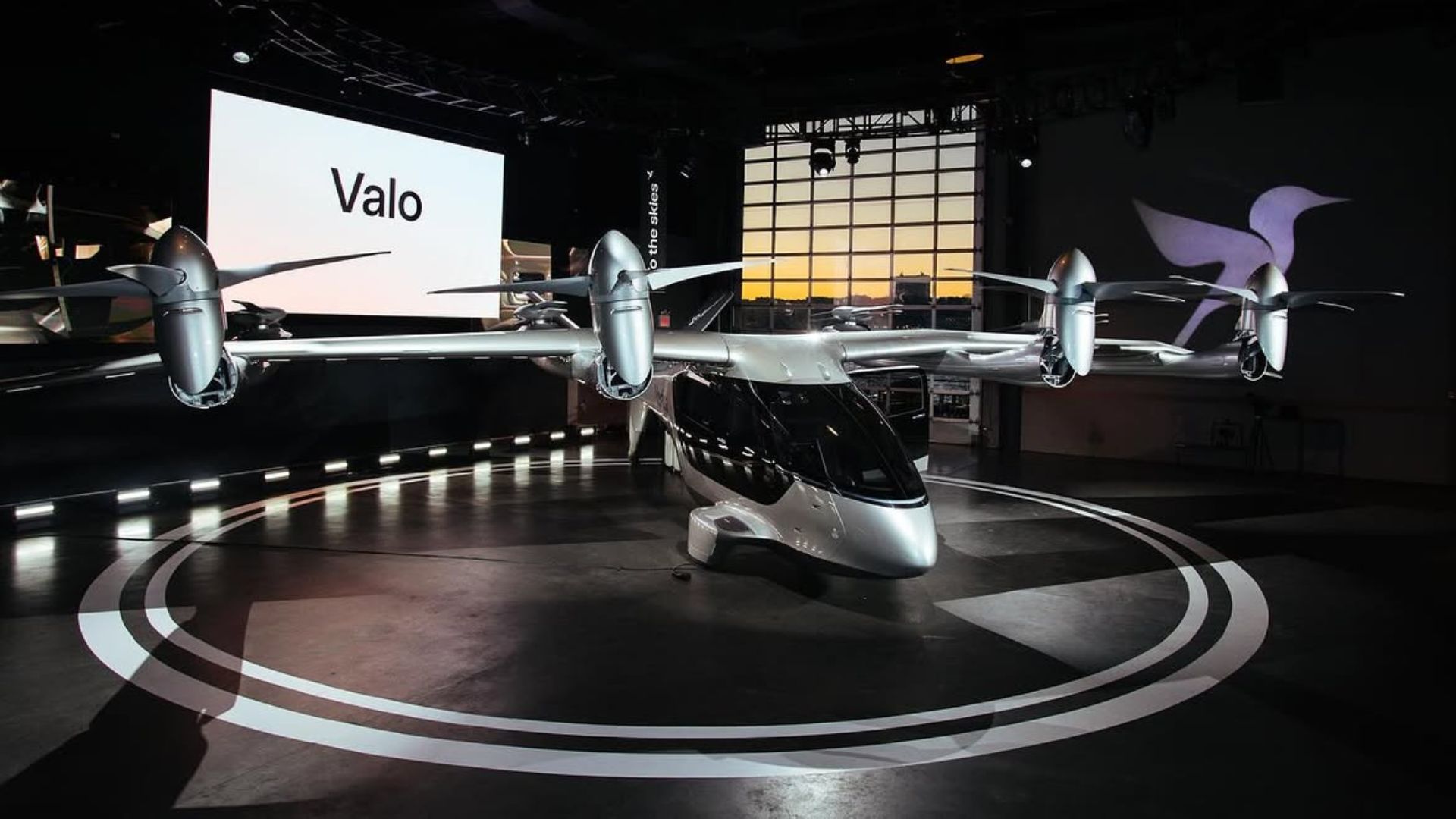
The Valo hybrid-electric aircraft has gained autonomous flight capabilities through a partnership with Near Earth Autonomy. This advancement enables the aircraft to conduct 1,000-mile defense missions. The technology integration is expected to enhance the aircraft's performance and versatility in various operational scenarios.
-

L3Harris and Shield AI conducted a flight test integrating L3Harris' DiSCO ecosystem with Shield AI's Hivemind software for autonomous electronic warfare. The test was performed aboard the Green Wolf platform. This integration aims to enhance autonomous mission capabilities.
-
The US Air Force has conducted a live-fire test of its Collaborative Combat Aircraft (CCA) program, featuring an Anduril YFQ-44A unmanned fighter jet firing an AIM-120 missile at a digital target. The test marks a significant milestone in the development of semi-autonomous fighter drone technology. The UK has also unveiled its Storm Fighter Loyal Wingman Program, aiming to fly alongside Typhoon, F-35, and future Tempest aircraft.
-
Rheinmetall and the UK Ministry of Defence completed an autonomous logistics training program for British Army personnel. The training is ahead of the Project Convergence Capstone 6 exercise. British soldiers are now trained to operate the first UK HX autonomous convoy.
-
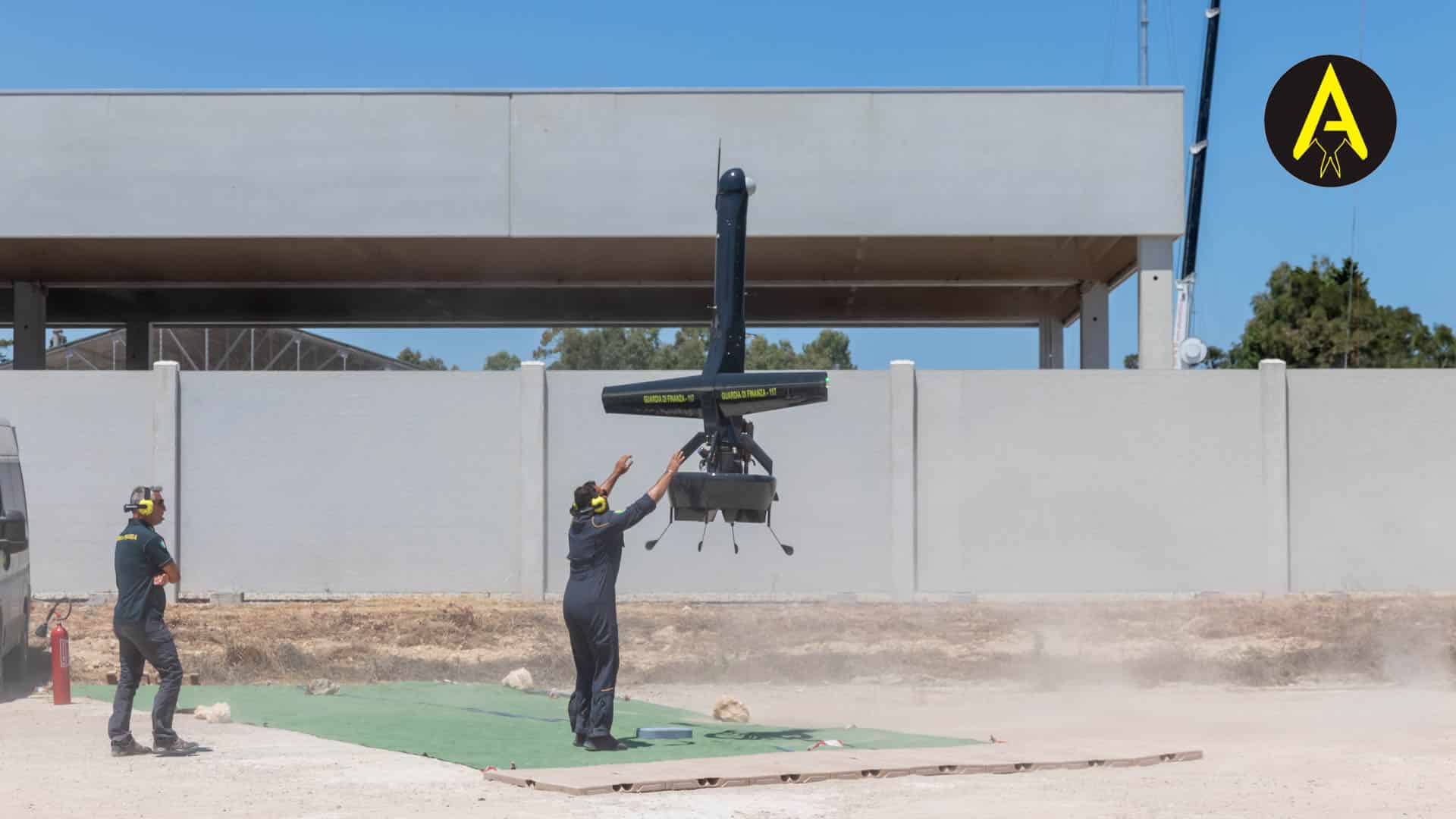
Italy led NATO's Task Force X, a multi-domain task force that tested the integration of autonomous systems across five operational domains. The task force, hosted by Italy, aimed to experiment with uncrewed capabilities from June 22 to July 10, 2026. The goal was to advance NATO's capabilities in autonomous systems.
-
Quantum Systems has signed a contract to deliver autonomous ground systems, including Zetros trucks and MANDRILL vehicles, for testing in Ukraine. The contract is valued in the millions of euros and aims to support research and development. The autonomous vehicles will be used for real-world testing in Ukraine.
-
The US Army has successfully conducted the first remote firing of the Autonomous Volcano system, a next-generation obstacle emplacement capability. This test marks a significant milestone for the M139 Volcano System. The Autonomous Volcano system aims to advance battlefield obstacle emplacement.
-
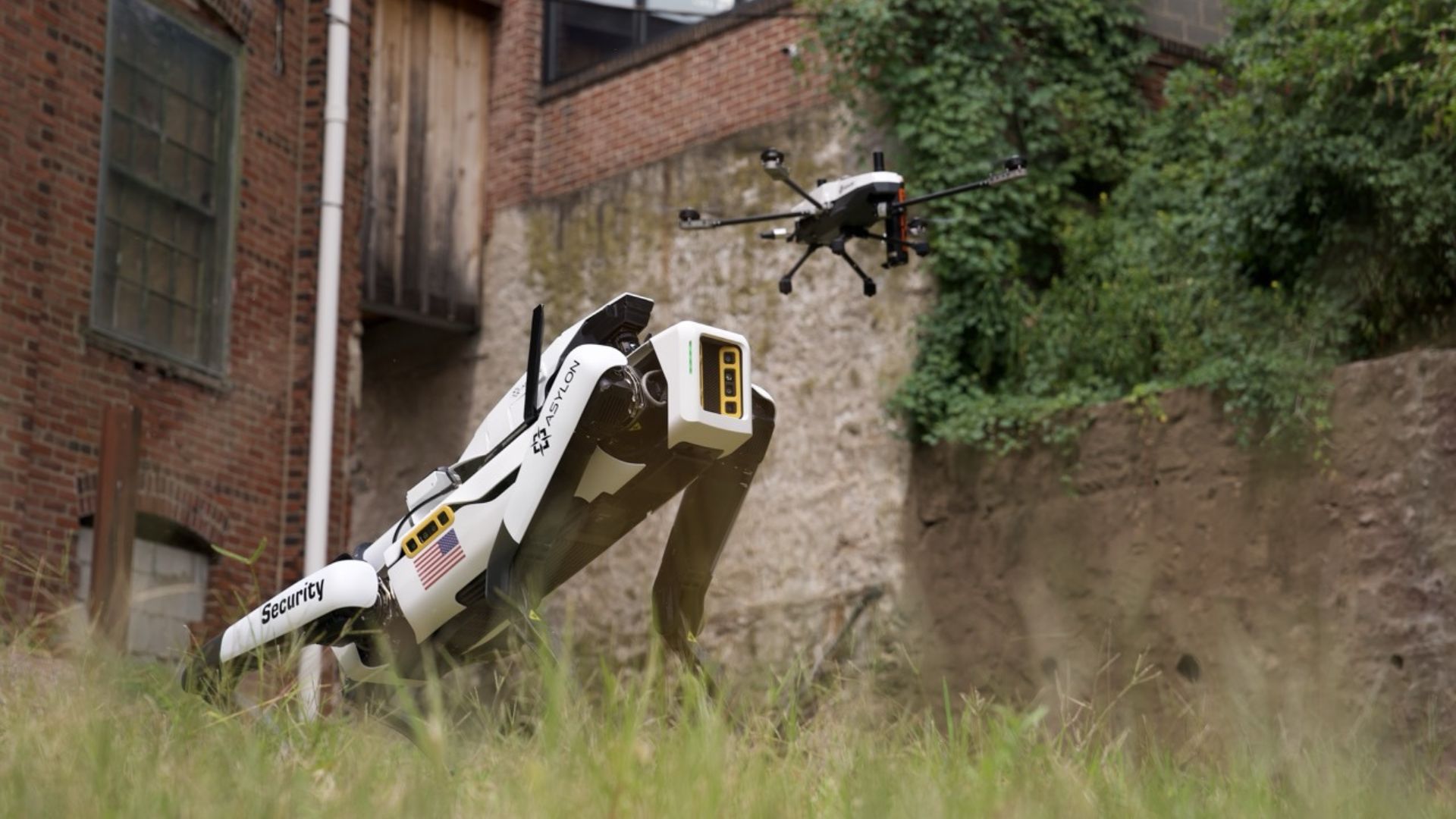
The US Air Force is deploying drones and ground robots to speed up autonomous aircraft inspection using Asylon's technology. This innovation aims to enhance efficiency in aircraft maintenance. The deployment is part of the Air Force's efforts to integrate autonomous systems into its operations.
-
The Army has selected four companies for a new autonomous breaching program. The program aims to minimize troops' exposure to danger and ensure safe passage of follow-on forces.