Acquisition
50 recent stories · Following ↗
-
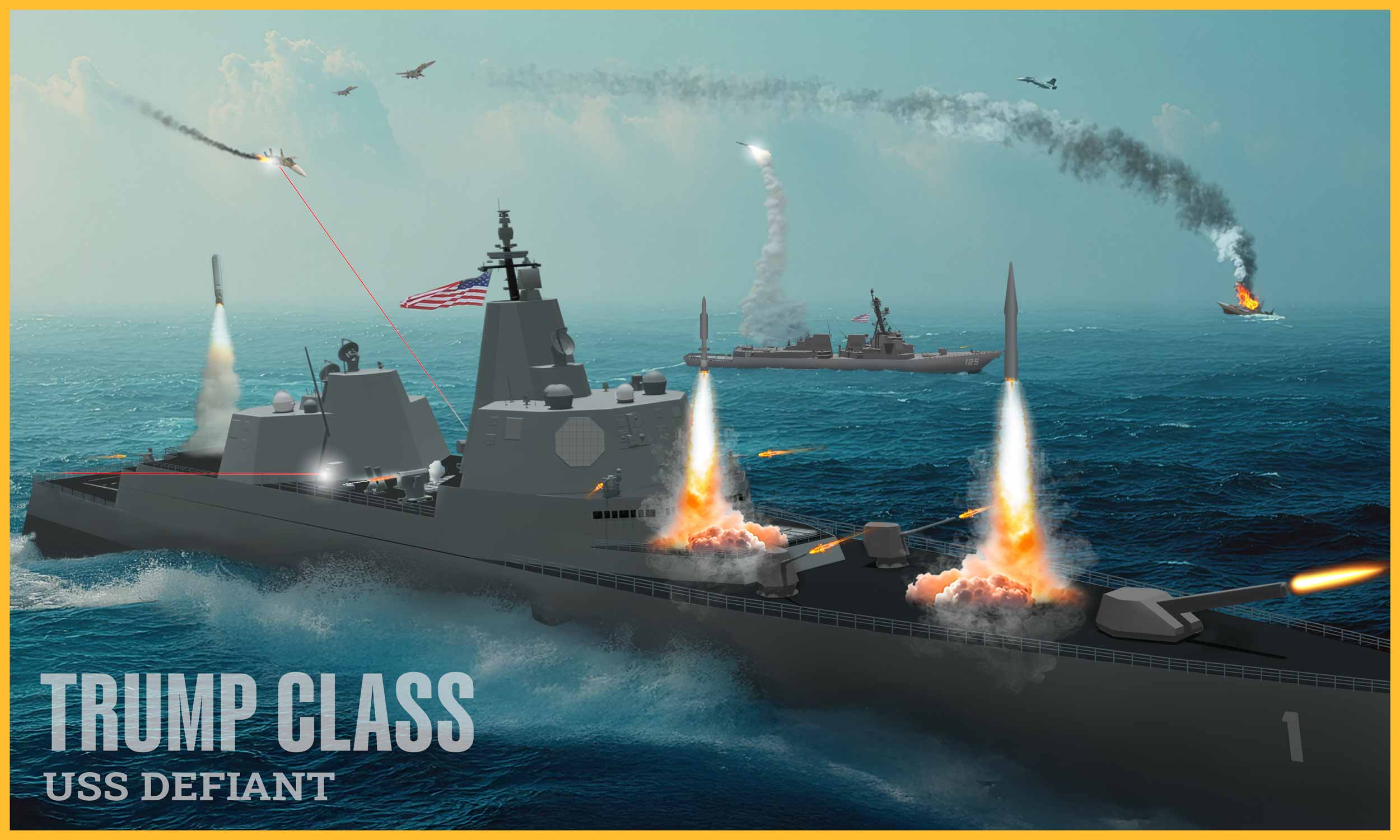
The Congressional Budget Office estimates the Navy's new Trump-class battleship program will cost $275 billion. The first ship is expected to cost $23.4 billion. The program aims to deliver a fleet of 15 nuclear-powered guided-missile battleships by 2056.
-

Lockheed Martin has released the August F-35 Fast Facts, highlighting the aircraft's flight hours and fleet growth. The facts demonstrate the team's efforts in delivering 5th generation airpower. The release showcases the progress of the F-35 program.
-

The US Army has diversified its Hydra-70 rocket supply chain through innovative Other Transaction Authority agreements. The Army's Aviation Rocket and Small Guided Munitions Product Office awarded contracts to four defense contractors: Firehawk, iRocket, Nammo Perry, and Albers. This strategy allows the Army to engage multiple industry partners.
-

The Defense Contract Management Agency's quality assurance team is supporting NASA's flying laboratory for service upgrades. This collaboration involves the agency's Aircraft Integrated Maintenance and Operations North Texas team. The effort is focused on ensuring the laboratory's aircraft receives necessary maintenance and upgrades.
-
The US Army is changing its service procurement process with the development of an automated platform called Army MAX. This platform aims to improve the efficiency of service acquisition for the warfighter. The Army Contracting Command is working on this project.
-
The 409th Contracting Support Brigade partnered with US industry in Ukraine to procure proven technologies, bolstering US defenses. This effort is regionally aligned with US Army Europe and Africa, leveraging flexible authorities to enhance defense capabilities.
-
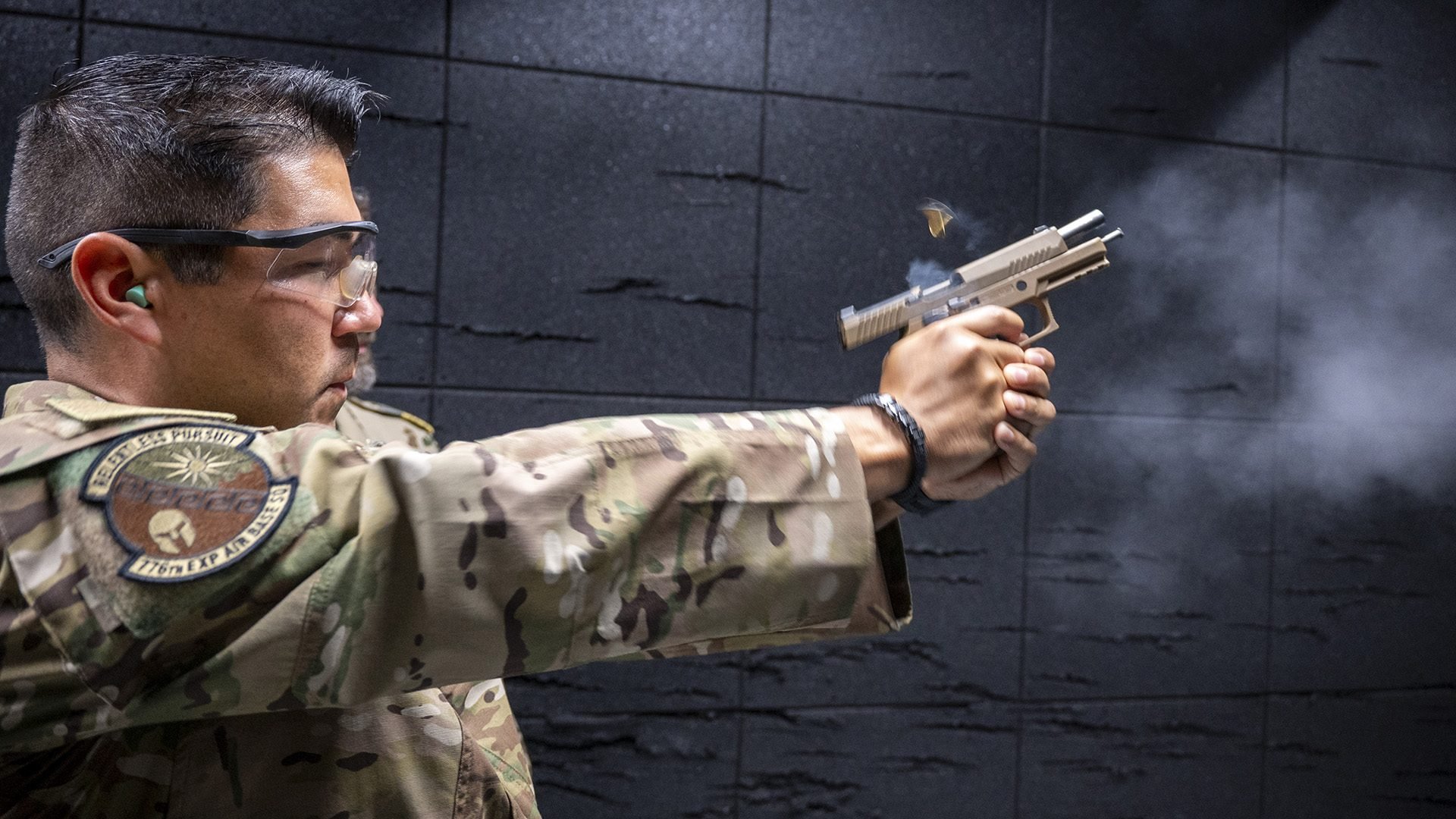
The Air Force plans to retain its M18 pistols, with a focus on older and higher priority weapons in its small arms budget. A service spokesperson confirmed the decision, indicating the pistols will remain in use. The move suggests the Air Force is prioritizing established weaponry over potential new acquisitions.
-
Leonardo's CEO states that M-346 upgrades are driving demand, as the company competes for a US Navy trainer contract. The Italian group is confident in its bid for the high-stakes contest. The M-346 aircraft is expected to remain in strong demand.
-
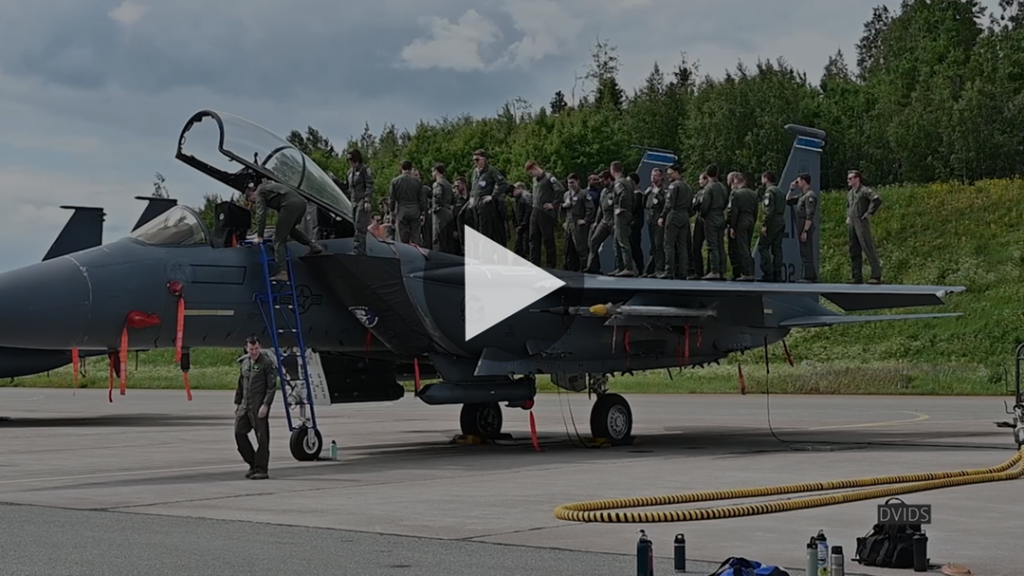
US arms-sale regulations, specifically ITAR concerns, are affecting US defense sales abroad, causing European firms to reassess their military modernization approaches. This impact on international defense sales may have significant implications for the US defense industry. The regulations are leading to a reevaluation of partnerships and collaborations between US and European companies.
-
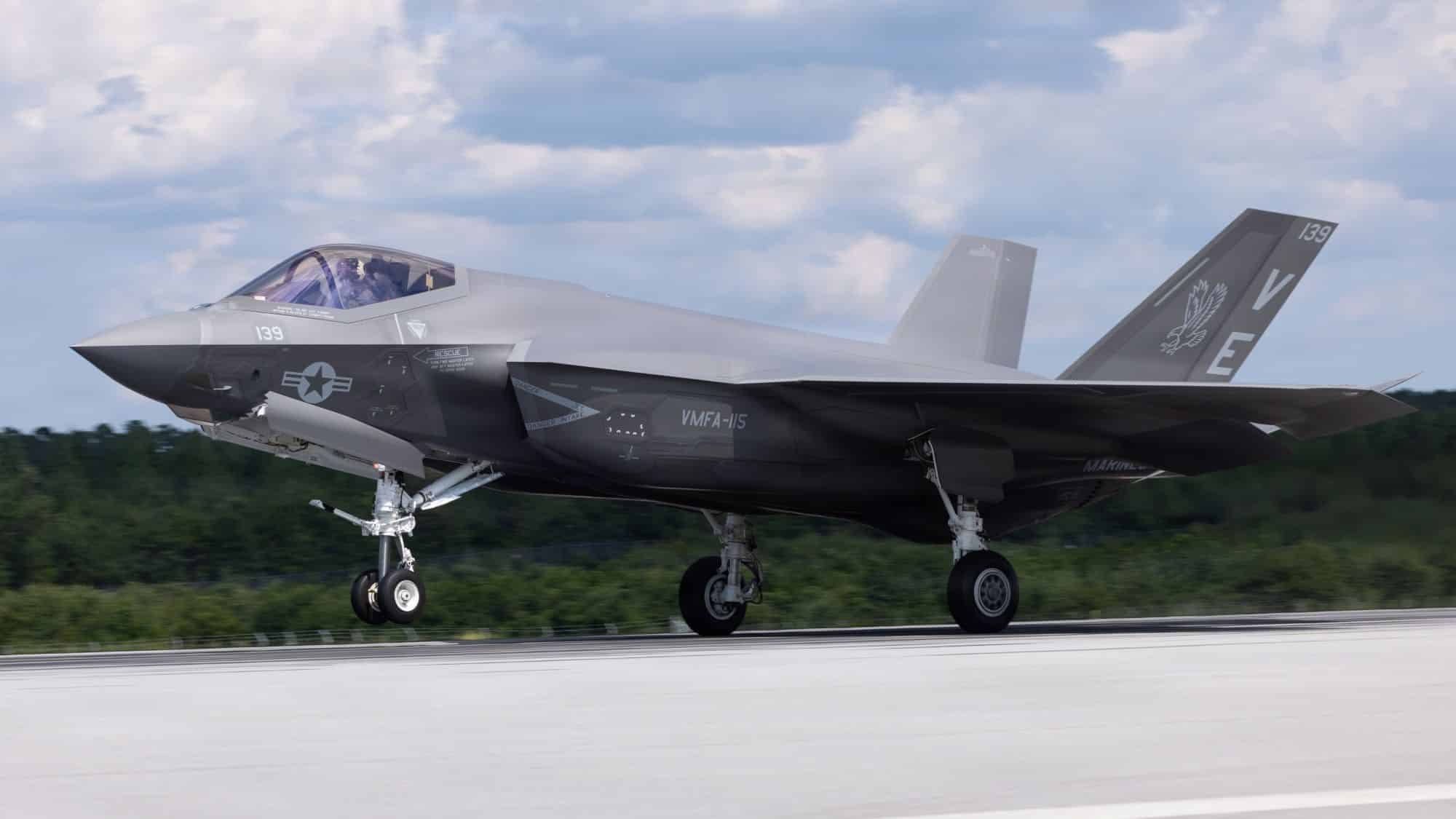
The US Marine Corps' VMFA-115 squadron has taken its first flight with the F-35C, marking a step towards its reactivation as an F-35C squadron. The squadron was previously disbanded after flying legacy F/A-18C/D Hornets. Reactivation is expected later this year.
-

Veritas Capital is acquiring Steampunk, which will merge with MetroStar Systems to combine their technology capabilities. The merger aims to strengthen the delivery of mission-focused technology for government customers. The combined business will bring together MetroStar's AI and digital transformation capabilities with Steampunk's Design Intelligence approach.
-

CGI Federal has secured a $251 million contract from the General Services Administration to continue providing maintenance, hosting, and operations support for GSA's financial systems environment. The contract utilizes the Momentum-as-a-Service model, which bundles software licensing, hosting, and managed services. The award will support GSA's financial management modernization efforts.
-

The Center for Strategic and International Studies warns that depleted US weapons stockpiles from the Iran war could embolden China. President Xi is watching munitions levels amid Taiwan tensions. This depletion raises concerns about the US's ability to respond to a potential China threat.
-
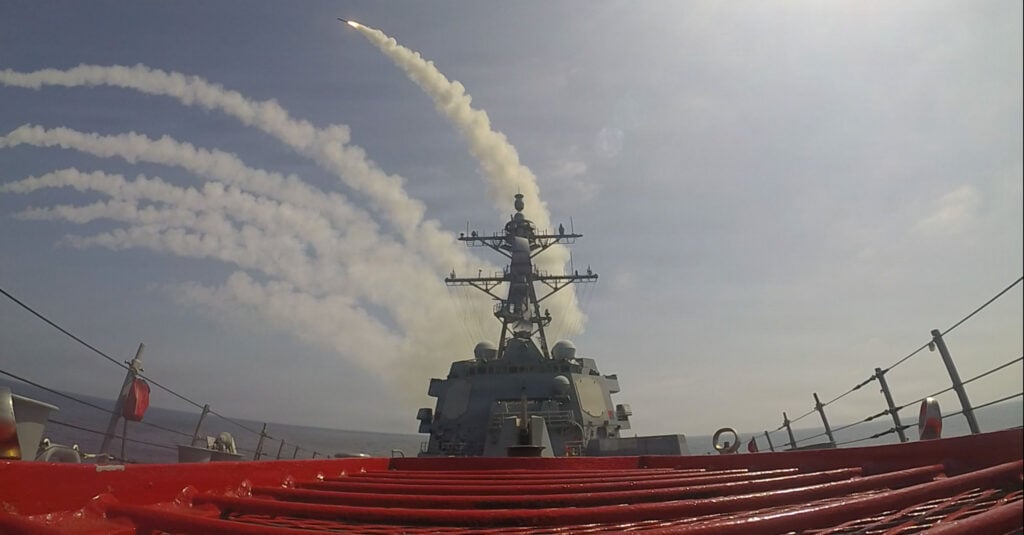
Defense executives are optimistic about Pentagon spending despite uncertainty over the FY27 budget, citing bipartisan support for increased munitions. RTX CEO Chris Calio expressed confidence in Congress' backing for munitions spending during a recent earnings call.
-
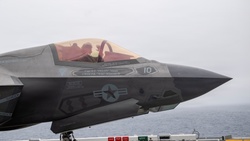
US Marine Corps Capt. James T. Lanza's path to becoming an F-35B pilot began with his education in accounting, leading to his commission and training in the Marine Corps. He earned degrees from Herkimer County Community College and the State University of New York at Oneonta before reporting to The Basic School in Quantico, Virginia.
-
Saab anticipates increased production of the T-7A Red Hawk trainer after the US Air Force reaches Milestone C. The company's Indiana factory is expected to begin a multiyear financial recovery. This milestone is a significant step in the program's development.
-
The Defense Information Systems Agency (DISA) is seeking industry input on the migration of CommandNet after a bid protest was filed by GDIT. The protest claimed that DISA did not conduct adequate market research before awarding a sole-source contract to Leidos. DISA is now looking for feedback from industry partners to inform the program's development.
-
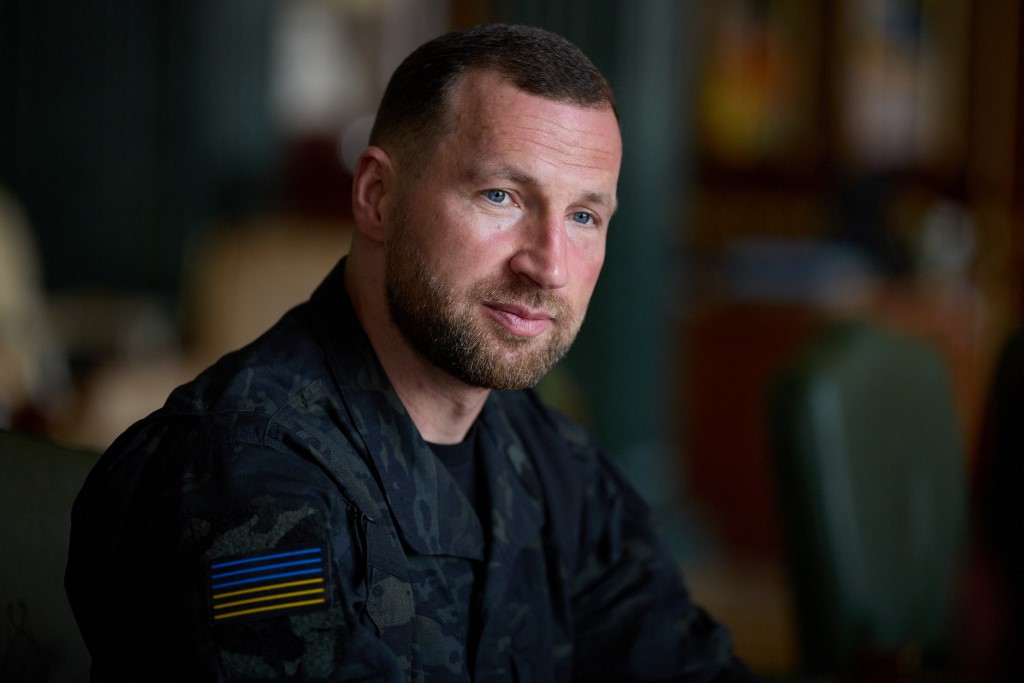
Ukraine's new defense minister hires top audit firm to conduct due diligence on army contractors, utilizing digital vetting tools to combat corruption. The move aims to address scandals involving ammunition fraud and food overpricing. The effort targets risky contractors to ensure transparency in military procurement.
-
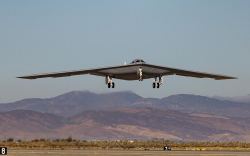
The development of the B-21 Raider bomber and the F-47 sixth-generation fighter are progressing ahead of schedule, according to the Air Force general in charge. This indicates positive momentum for two of the Air Force's key modernization programs. The B-21 and F-47 are expected to play crucial roles in the Air Force's future capabilities.
-
Under Secretary of Defense for Acquisition and Sustainment Michael P. Duffey discusses the Pentagon's ongoing acquisition transformation, including recent munitions agreements and industry investments. The conversation also covers the shift to portfolio acquisition executives and allied coproduction.
-

A construction company has won a $37.6 million contract to build a classified facility for the F-35 fighter jet in Arkansas. The facility is part of an effort to create an international training hub for the F-35 at a small Arkansas Air National Guard base.
-

Northrop Grumman has been awarded a potential $607M task order by the Missile Defense Agency to supply simulation and threat-modeling tools. The two-year base period is worth $68.8 million, with options to reach $606.5 million. The order was placed through the Air Force's Enterprise-Wide Agile Acquisition Contract.
-

The US Department of War is assessing alternative propulsion solutions for the Boeing F-15EX and Lockheed Martin F-16 fighters, potentially disrupting the long-running engine duopoly. The department has issued a request for information to gather insights from industry. This move aligns with the department's shift towards exploring new technologies.
-
The US Air Force's plan to upgrade its 70-year-old B-52 bombers is facing significant budget issues, with costs running billions over initial estimates. A watchdog report found that production of upgrades is expected to start with little to no developmental flight testing. This raises concerns about the program's effectiveness and potential risks.
-

The US Air Force is experiencing significant challenges with jet engine manufacturing, including production delays, quality control issues, and material shortages. The Air Force is dissatisfied with the quality of engines for its fighter jets and is considering new engines and manufacturers. These challenges affect the production and maintenance of Air Force aircraft.
-

The Army Contracting Command - Detroit Arsenal is using agile acquisition to deliver autonomous breaching capabilities to heavy armor units, bypassing traditional contracting timelines. This approach enables faster deployment of critical technologies. The ACC-Detroit team is streamlining processes to meet urgent operational needs.
-
The Department of Defense is teaming up with defense contractors on a major missile deal as a $1.5 trillion defense budget is being considered. This partnership aims to advance missile technology and capabilities. The deal's specifics and implications are being discussed in the context of the proposed defense budget.
-
The Senate's stopgap funding bill does not include special requests for a Trump battleship and munitions. The bill would extend federal funding until December 11 if passed by both the Senate and House.
-
A US lab is competing with China to secure minerals necessary for missile production. The effort aims to reduce dependence on Chinese supplies and ensure a steady supply of critical materials. This competition has significant implications for the US defense industry and national security.
-
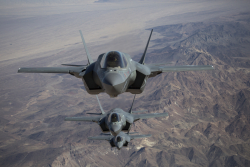
An F-35B stealth fighter crashed in California, but the pilot ejected safely. The incident occurred near Miramar, and the pilot is expected to survive.
-
The British Army is set to release a tender for its Light Multi-role Vehicle (LMV) program, with industry players preparing to bid. The tender is expected to be released this week, according to Army Technology. The LMV program aims to provide a new generation of lightweight, multi-role vehicles for the British Army.
-

HII reported a 10.9% increase in revenue for the second quarter of 2026, reaching $3.4 billion. The company also secured $6.7 billion in new contract awards, bringing its total backlog to $57.3 billion. The 2026 Navy Summit will discuss topics such as AI, shipbuilding, and digital engineering.
-
A CAD design specialist CO-OP job is available in Lexington from June to November 2026. The job is listed on Military.com.
-

A Russian cargo vessel delivered a shipment of military vehicles to Mali's ruling junta via Togo. The ship was escorted by a Russian landing ship and carried armored personnel carriers and trucks. Satellite imagery confirmed the shipment.
-
A job opening for an Embedded Software FPGA Design Engineer is available in Charlottesville. The position is related to military technology and engineering.
-

BAE Systems has begun manufacturing 20 Eurofighter Typhoon jets for Türkiye, with production underway in the UK and other partner nations. The company plans to nearly double production to meet existing orders and prepare for further export deliveries.
-

The US Navy has ordered new rotor blades for Marine One, the helicopter that carries the President, with a commitment of over $107 million. The contract was awarded to Sikorsky Aircraft Corp., a Lockheed Martin company. The new blades will ensure Marine One has reliable power for decades to come.
-

Pratt & Whitney has been awarded a $1.3 billion contract to supply spare parts for the F-35 engine, aiming to keep global fleets mission-ready. The contract will support the maintenance and upkeep of F-35 aircraft worldwide. This move ensures the continued operational readiness of the F-35 fleet.
-
NATO's next-generation rotorcraft project has advanced to the concept design stage, with four pre-qualified bidders receiving detailed requirements. The project aims to develop a new military rotorcraft, led by six alliance members. Bidders have until August 31 next year to respond to the request for proposals.
-
A judge has ruled that the Pentagon's case has worsened in its fight against Anthropic. The details of the case are not specified, but it appears to be a legal dispute involving the Department of Defense.
-

The Air Force Life Cycle Management Center is reforming the airworthiness process to field platforms faster. Professionals discussed the changes at the Life Cycle Industry Days event. The goal is to increase speed in the development and deployment of airworthiness certifications.
-

Turkey's next-generation KAAN fighter has begun powered taxi tests, marking a key phase in its development. The KAAN is Turkey's answer to the US F-35.
-

Steven Wynne, a supervisory contract specialist, has been selected as the Lawrence P. Kreitzer Leadership Award winner for his leadership and innovation in command acquisition operations. The award recognizes his lasting impact on Marine Corps Logistics Command. Wynne's work has contributed to the command's acquisition operations.
-
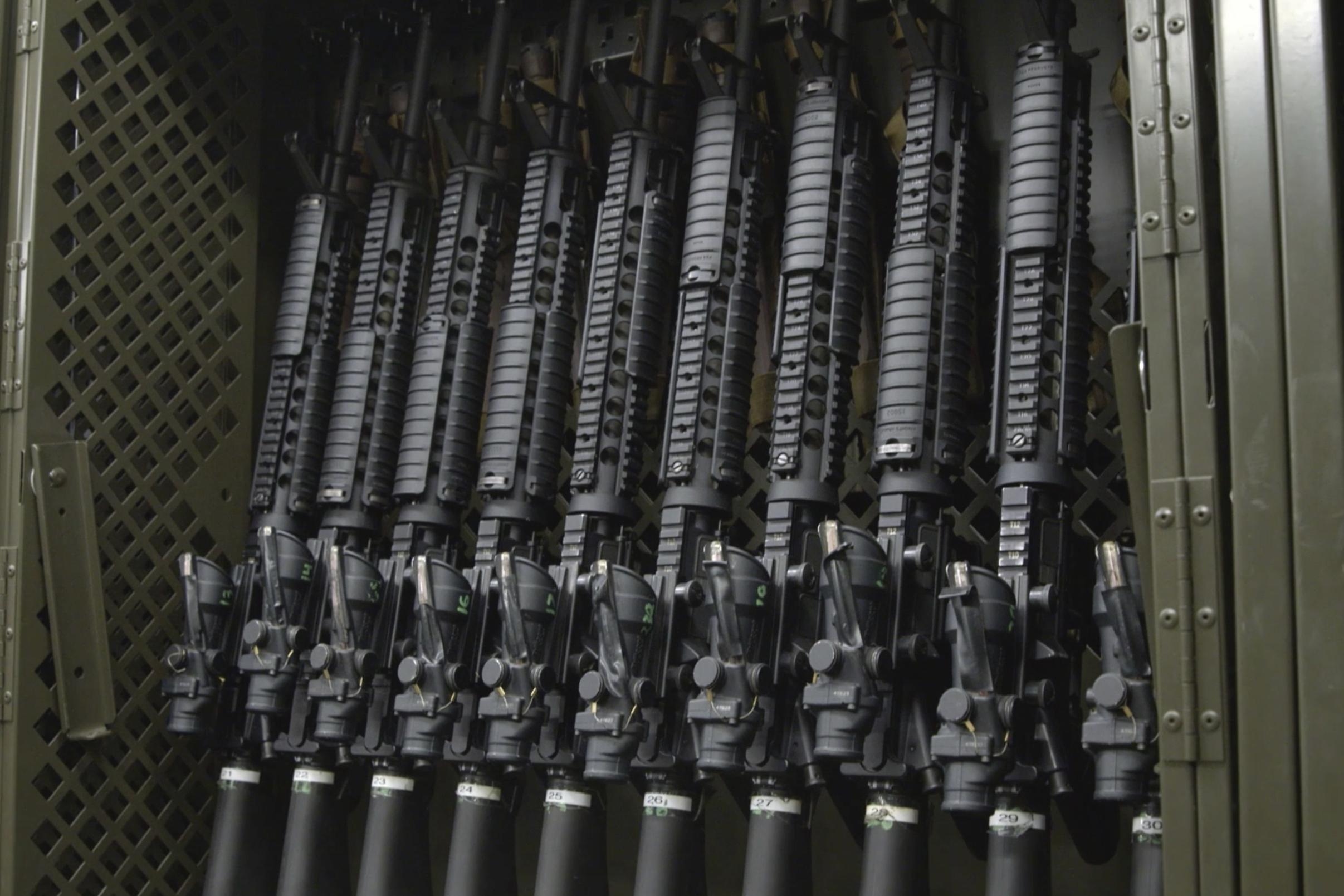
Marine Forces Special Operations Command is partnering with SOFWERX to develop automated solutions for documenting serialized inventory, replacing manual steps in the process. This effort aims to improve efficiency and accuracy in armory recordkeeping. The partnership highlights the military's interest in leveraging technology to streamline operations.
-
Lockheed Martin CEO Jim Taiclet states that the company expects to maintain annual F-35 production at 156 aircraft. This decision is supported by long-term demand from the Pentagon and allied nations. The consistent production rate indicates a stable outlook for the F-35 program.
-

Leonardo DRS has signed a $450M agreement to acquire mission software firm Raft, strengthening its push into software-driven mission capabilities. Raft's technology uses AI and open-architecture software to fuse data from multiple sources and support real-time decision-making. The acquisition is expected to close in the fourth quarter of 2026 pending regulatory approval.
-
The Pentagon has committed over $120 billion for Patriot missiles and submarines in megadeals with Lockheed Martin and shipbuilders. The goal is to guarantee equipment availability and stabilize suppliers. This investment aims to support long-term military capabilities.
-
Aviation Week explores the contrast between the public and classified aspects of the Air Force One program. The article delves into the differences between the openly discussed and secretive elements of the presidential aircraft. The Air Force One program involves the development and maintenance of specialized aircraft for presidential transport, which includes both publicly known and classified features.
-
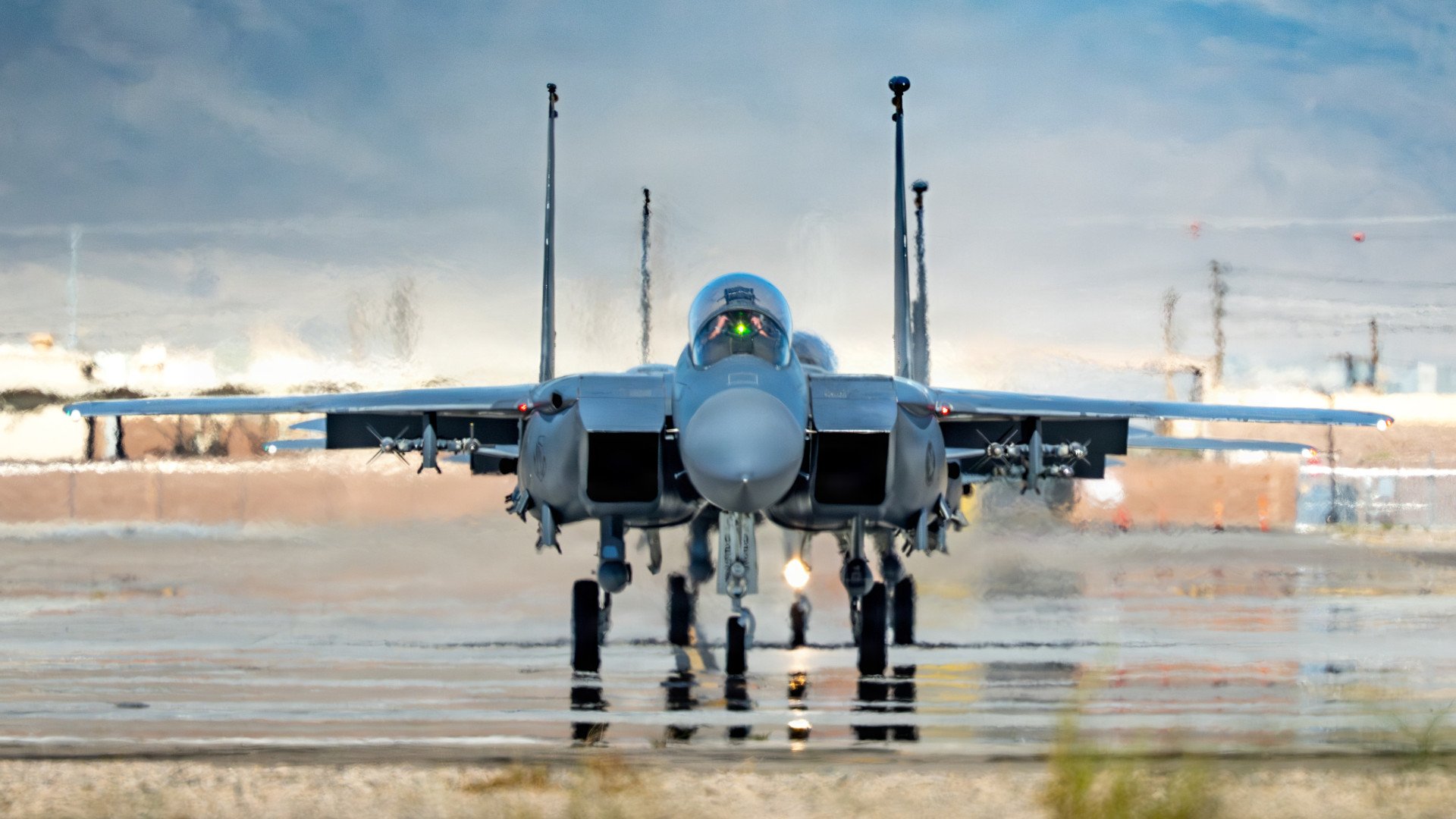
The F-15Es are replacing A-10s at Whiteman AFB, signaling a bigger realignment of the Eagle fleet. This move could be a preview of how the larger F-15EX fleet will be assigned.
-
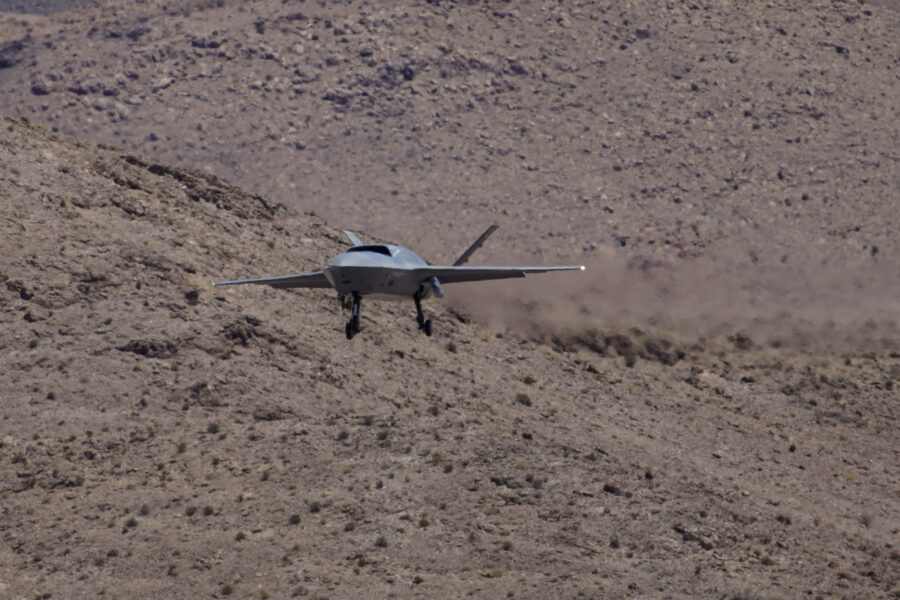
The Air Force's Collaborative Combat Aircraft (CCAs) will have a flexible design, allowing them to be used for multiple missions or sacrificed if necessary. A top official described this approach as 'optionally attritable', indicating a middle ground between durability and expendability.