None
50 recent stories · Following ↗
-

Ukrainian drones attacked a major Russian oil refinery, causing a fire and deepening fuel shortages. This is the seventh such attack this year, targeting Russia's energy infrastructure and disrupting oil refining capacity.
-
IonQ, a quantum computing company, has partnered with Sandia National Laboratories to advance quantum technology. This partnership aims to boost defense innovations through the development of quantum tech. The collaboration is based on a Memorandum of Understanding (MoU) signed between the two entities.
-

A patented machine vision technology enables autonomous drones to recognize objects with increasing accuracy, even without GPS. This innovation enhances the capabilities of drones in various applications. The technology allows drones to confirm the identity of objects they are looking at, improving their autonomy and decision-making abilities.
-
Cyberattacks on water facilities in 12 states, possibly linked to Iran, raise concerns about drinking water safety. The attacks have sparked fears about the vulnerability of critical infrastructure to cyber threats.
-

The USS Essex has successfully 3D-printed 12 drones using a containerized microfactory, demonstrating the ability to build drones at sea without shore resupply. This capability was made possible by Firestorm Labs. The drones are first-person view models, which can be used for various military applications.
-
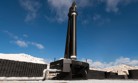
Rocket Lab's suborbital launches at Pacific Spaceport Complex-Alaska could potentially lead to national-security launches, easing the Pentagon's launch bottleneck. The spaceport is being considered as a possible solution to the Pentagon's launch capacity issues. This development could have significant implications for the US military's space operations.
-

The Air Force has identified three key priorities for its expected budget increase in FY 2027, according to Gen. John Lamontagne. These priorities were discussed at the 2026 Air and Space Summit. The budget boost is expected to support various Air Force initiatives and programs.
-
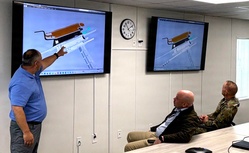
The U.S. Army Corps of Engineers Pittsburgh District has adopted Building Information Modeling and Computer-Aided Design to support the inland waterway system. This innovation reflects decades of engineering technology advancements. The system stretches 981 miles from Pittsburgh to Cairo, Illinois, and the Ohio River Basin.
-
Kyiv residents are under attack with fewer defenses overhead, as Ukraine faces a shortage of interceptor missiles. At least 17 people were killed in an overnight attack in and around Kyiv. The shortage of missiles is impacting the city's defense capabilities.
-
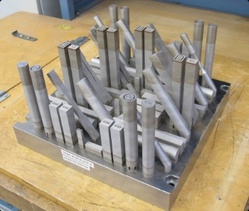
The Naval Undersea Warfare Center Division, Keyport has received approval from Naval Sea Systems Command for a metal powder bed fusion additive manufacturing procedure. This qualification makes them the first Warfare Center to achieve this milestone. The approval enables the center to utilize additive manufacturing for metal parts, potentially enhancing production efficiency and capability.
-

The Indonesian Navy deployed a kamikaze unmanned surface vessel for the first time during a major exercise, also launching a loitering munition and firing anti-ship missiles. The exercise showcased the navy's new capabilities, including the use of unmanned systems. The kamikaze USV features an angular grey hull and is designed for one-way attack missions.
-
The US has required high-end munitions at unprecedented levels in recent wars, depleting its stockpiles. Experts Mark Cancian and Chris Park identify six reasons for this shortage.
-

White Sands Missile Range has completed a new Narrow Band Test Facility as part of its modernization efforts. The facility was officially opened with a ribbon-cutting ceremony. This marks a significant milestone in the range's infrastructure modernization.
-

The 556th Military Intelligence Co. conducted a multi-domain exercise during their annual training at Fort Indiantown Gap. The exercise took place from Aug. 1 to 4 and involved soldiers from the 56th Mobile Brigade Combat Team.
-
Experts predict tokens will drive economic growth and alter the balance of military power in the next generation. The US may use 'tokenpolitik' to outmaneuver China.
-
An investigation is underway to determine if military technology was responsible for a civilian plane crash in May. The incident has raised questions about the potential risks of military tech interfering with civilian aircraft. Further analysis is needed to confirm the cause of the crash.
-

The Portsmouth Naval Shipyard's nuclear engineering and planning office has deployed specialized software to enhance operations. The move aims to reduce operational strain and compress shipment timelines. This effort is part of the Navy's push for technological advantage.
-

The DCMA-sponsored 'Game of Drones' event showcased Edwards Air Force Base's capabilities in supporting drone dominance. The event highlighted the base's role in advancing drone technology. It demonstrated the base's support for drone operations and development.
-

A new lithium-oxygen battery composite could enable electric vehicles to travel cross-country and drones to fly all day. This breakthrough in battery technology has the potential to revolutionize energy storage. The development of more efficient batteries is crucial for meeting the world's energy needs.
-

The Defense Contract Management Agency's quality assurance team is supporting NASA's flying laboratory for service upgrades. This collaboration involves the agency's Aircraft Integrated Maintenance and Operations North Texas team. The effort is focused on ensuring the laboratory's aircraft receives necessary maintenance and upgrades.
-
China's growing arsenal of short-range and dual-capable missiles poses a threat to Taiwan and Guam, and is a key component of its anti-access strategy. These varied systems are designed to counter adversaries in the region. The arsenal includes missiles with varying ranges and capabilities.
-
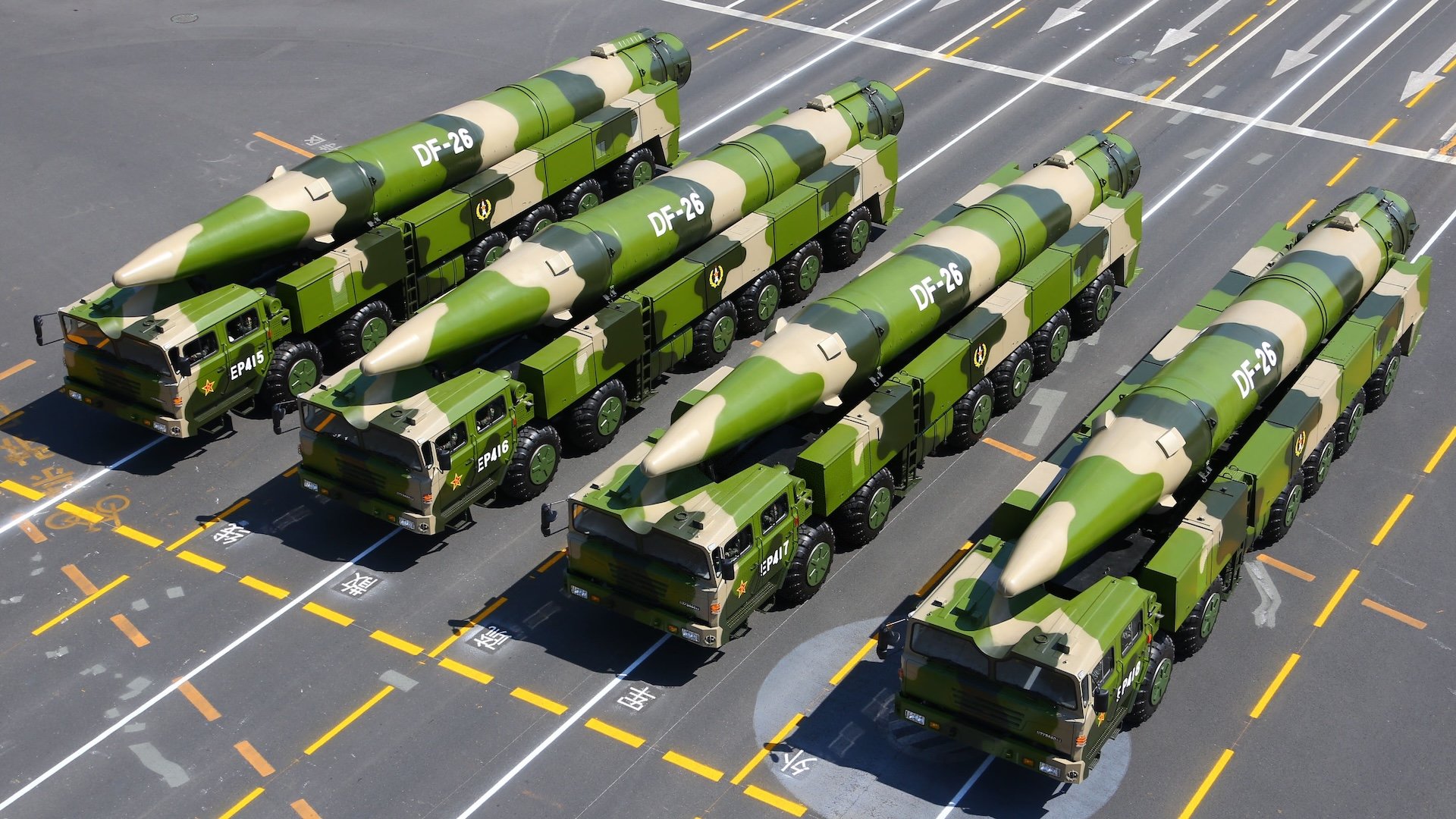
China is expanding its regional ballistic missile capabilities, posing a threat to Taiwan and Guam. These missiles are a key part of China's anti-access strategy, which aims to limit the ability of opposing forces to operate in the region. The varied systems in China's arsenal include short-range and dual-capable weapons.
-
The lessons being learned from Ukraine's drone war are incorrect, according to an article on Breaking Defense. The article discusses the implications of this misunderstanding.
-

Japan plans to transform its military capabilities with drones and strengthen its domestic defense industry. The goal is to reduce dependence on foreign manufacturers and mitigate defense equipment costs. Japan's defense industry currently produces high-end items like ships, aircraft, and missiles.
-
Aircraft maintenance at Keesler Air Force Base is a coordinated effort involving multiple specialties, ensuring aircraft are safe and reliable. Maintainers work on various systems, including avionics and hydraulics. Their work is crucial to making missions possible.
-

UK Defense Secretary Wes Streeting visited Kyiv to discuss missile defense and joint arms production with President Volodymyr Zelensky. The meeting followed a deadly Russian strike that killed at least 17 people. The two leaders aimed to strengthen their defense cooperation.
-
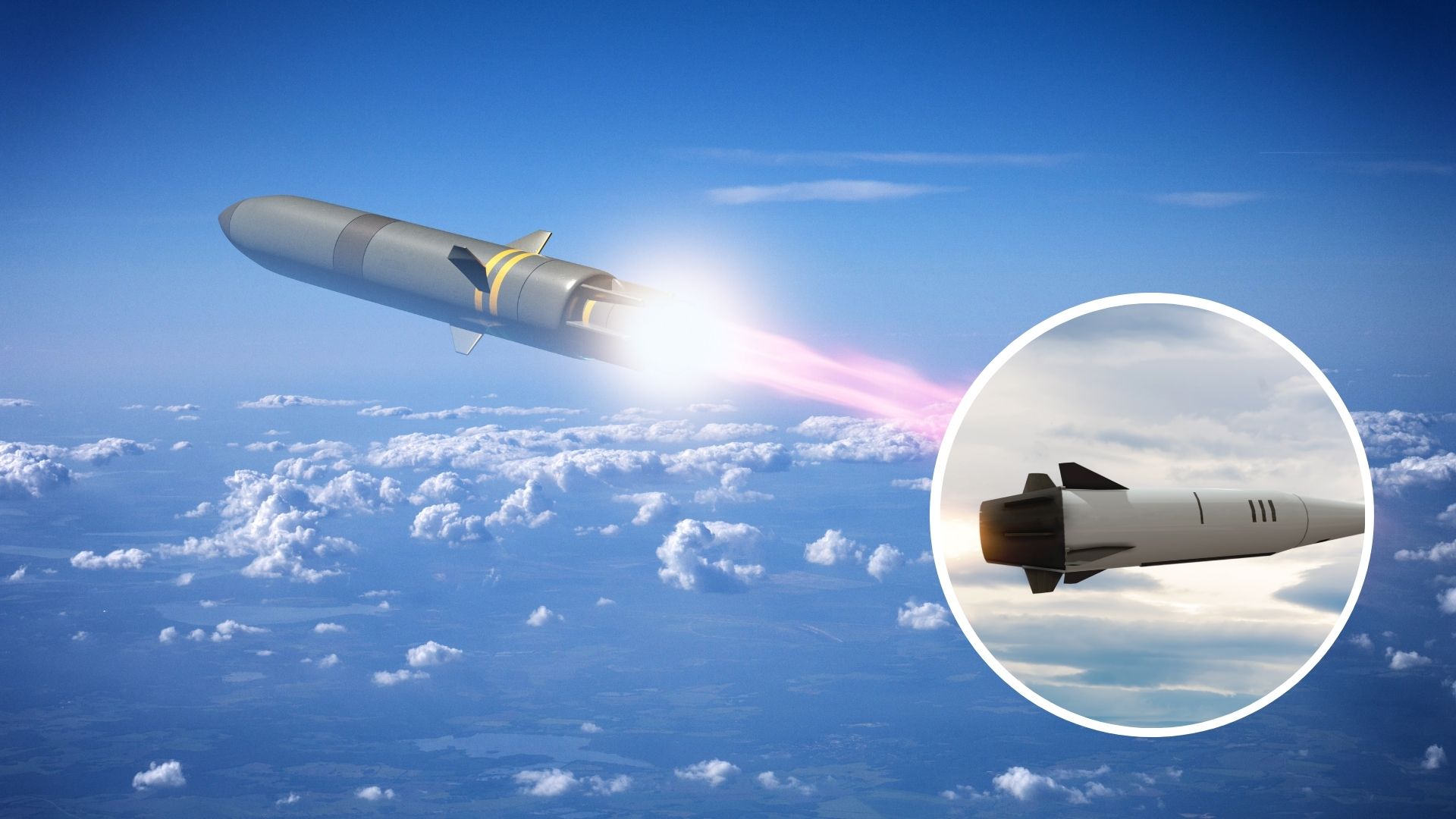
China's state television has showcased a documentary suggesting the world's first operational hypersonic glide weapon is ready for launch. The weapon is China-built and represents a significant development in hypersonic technology. This could potentially alter the balance of power in the region.
-
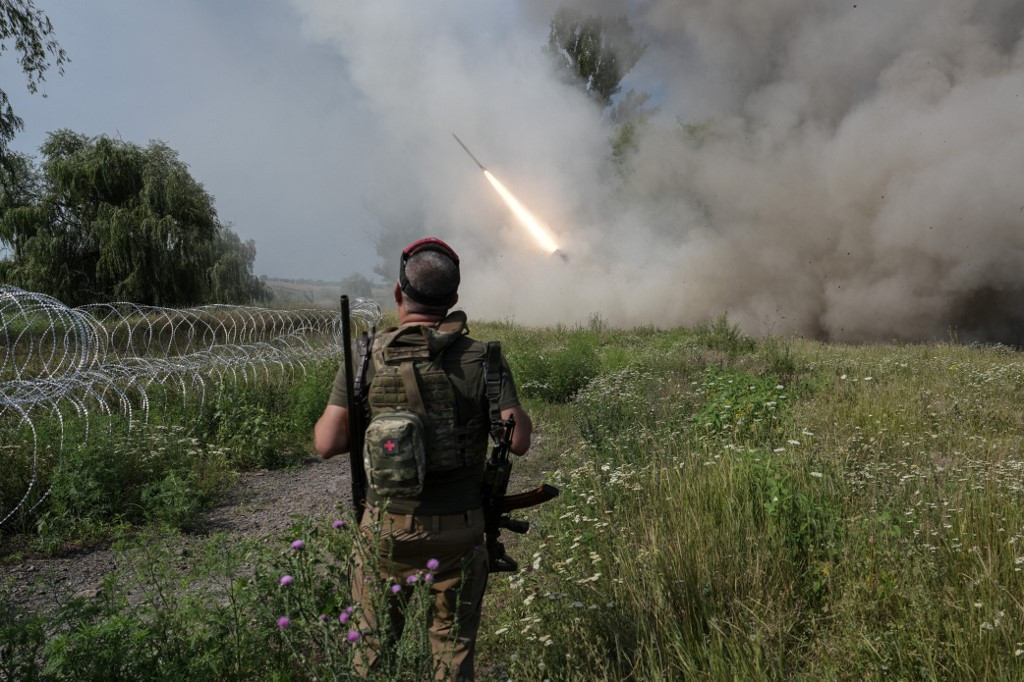
Ukraine's 40-day drone campaign targeted Russian logistics, hitting bases, warehouses, and supply routes, causing disruption and damage. The campaign failed to force a ceasefire but had a significant impact on Russian operations. Hundreds of drones were used to target Crimea links and fuel networks.
-

Cyberattacks on US water systems have been reported in at least 12 states, with sources suspecting Iranian hackers. The attacks have prompted federal and state officials to address the issue. The number of affected states has been increasing, with multiple sources confirming the cyberattacks.
-
The 409th Contracting Support Brigade partnered with US industry in Ukraine to procure proven technologies, bolstering US defenses. This effort is regionally aligned with US Army Europe and Africa, leveraging flexible authorities to enhance defense capabilities.
-
The US long-range missiles stockpile is running low, according to sources. Meanwhile, President Trump and Secretary of State Marco Rubio report progress in talks to reopen the Strait of Hormuz.
-
China's commercial space industry is growing rapidly in scale and speed, prompting concerns that the US may be outpaced in industrial capacity and output. CSIS experts argue that US policymakers must understand these trends to stay competitive.
-
CSG has acquired a strategic stake in North Vector Dynamics, a Canadian company that develops air-defence, counter-drone, and hypersonic technologies. This investment adds counter-drone missiles and hypersonic technology to CSG's defence portfolio. The move is expected to enhance CSG's capabilities in these areas.
-
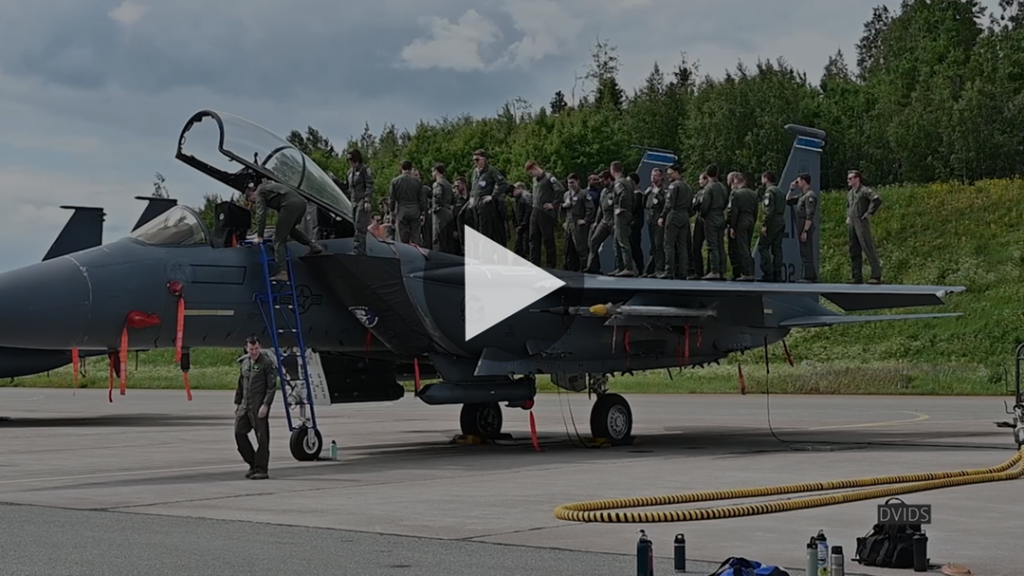
US arms-sale regulations, specifically ITAR concerns, are affecting US defense sales abroad, causing European firms to reassess their military modernization approaches. This impact on international defense sales may have significant implications for the US defense industry. The regulations are leading to a reevaluation of partnerships and collaborations between US and European companies.
-
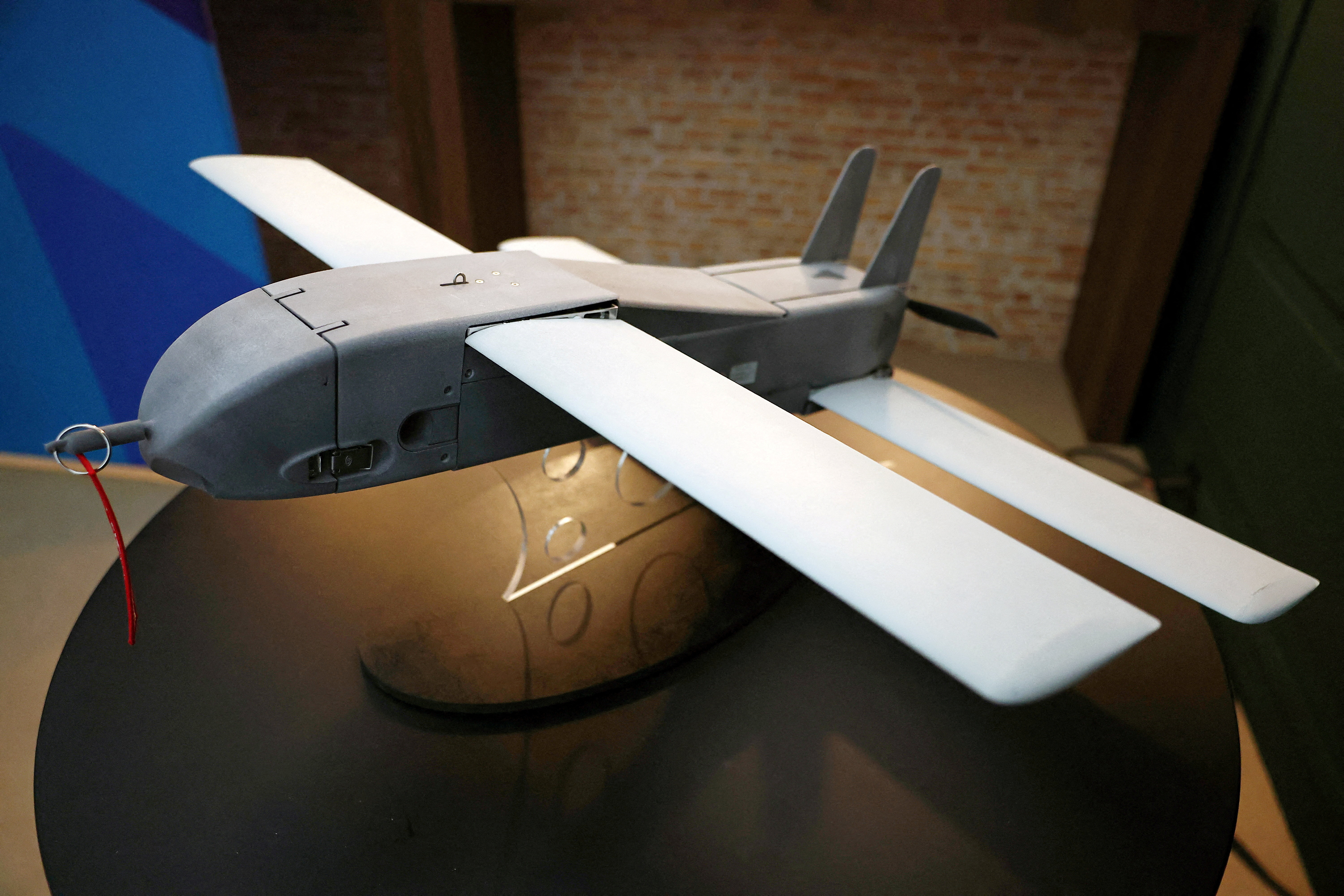
France is transitioning its drone production from a policy ambition to actual industrial implementation, leveraging its car industry to manufacture military drones. This move marks a significant step in France's efforts to develop its military drone capabilities. The implementation phase will focus on producing drones on the factory floor.
-

Muon Space's new manufacturing facility in San Jose, California, has been inaugurated, highlighting the growth of satellite manufacturing in the state despite cost and regulatory challenges. The facility was praised by state, local, and US Space Force representatives. This development indicates a strong industry presence in California.
-
The US Army's missile stockpile is decreasing and may take years to replenish. Meanwhile, the FDA is considering approval of a flu vaccine using mRNA technology.
-
The Department of the Air Force and Texas have formed a commercial space alliance to accelerate technology for national security missions. This alliance aims to speed up military technology and strengthen US supply chains. The partnership will focus on commercial space technology for national security purposes.
-

Quantum technologies are transitioning from fundamental science to applied domains, potentially enhancing military capabilities. This shift could lead to significant advancements in various fields, including computing, communication, and sensing. As a result, modern military forces may experience a substantial leap in their operational effectiveness.
-
The US and its allies are helping Taiwan acquire sensors and drones quickly, but the key to success lies in trusted decision-making capabilities, particularly in a potential blockade scenario. This involves developing a robust decision layer to support Taiwan's defense. The acquisition of military technology is only the first step, and the real challenge lies in integrating these systems effectively.
-

Lockheed Martin is in talks to purchase critical minerals from US mines, following a push by the Trump administration to secure domestic supply chains. The move aims to reduce reliance on foreign sources for these essential materials. This effort is crucial for supporting the production of advanced defense systems and technologies.
-

A drone carrying explosives was found near a Ukrainian cargo plane at Leipzig/Halle Airport in Germany, prompting a bomb-disposal operation and flight diversions. The incident has raised concerns about a new level of threat, with authorities investigating how the drone reached the airport. A second cargo aircraft was also damaged after colliding with an unidentified flying object nearby.
-
The 4th Marine Regiment made history with the first-ever US Marine Corps attack drone live-fire series in South Korea, demonstrating the Marine Corps' ability to rapidly field emerging technologies. The training series featured two distinct events, showcasing the use of first-person view (FPV) attack drones. This marks a significant milestone in force modernization for the Marine Corps.
-
BAE Systems CEO discusses the role of autonomous combat aircraft and low-cost drones in future military forces. These systems are expected to complement major platforms, supporting long-term growth. Drones and autonomous systems will become a larger part of military forces without displacing high-end platforms.
-

The UAE-based defense company EDGE Group has developed a drone built from a kit plane, designed to continuously monitor the sky. The drone's airframe is shared with a hobbyist plane sold to private pilots. EDGE Group is a state-owned Emirati defense conglomerate that produces various military equipment, including missiles and unmanned ground vehicles.
-

The US Navy conducted a test over the Pacific Ocean, creating a plasma field in the upper atmosphere to study energy conversion and behavior. The Naval Surface Warfare Center has released new details about the test in a recent report.
-
Salesforce has announced plans to deliver its newly authorized 'AI agents' across the Department of Defense. The company's AI product is now compliant with DOD Impact Level 5. This move is expected to bring advanced AI capabilities to the DOD.
-
ICEYE, a space intelligence group, has secured €1 billion in Series F financing, with the European Commission-backed Scaleup Europe Fund as a lead investor. This investment values ICEYE above €10 billion. The funding will likely support the company's continued growth and development of its space-based intelligence capabilities.
-

Russia and Ukraine are increasing production of innovative aerial weapons, seeking a breakthrough in the conflict. Ground combat has been largely stagnant, prompting a focus on aerial warfare. Both sides are developing new technologies to gain an advantage in the skies.
-

The US Army has awarded a contract to Xtremis Inc. to research the use of artificial intelligence to detect drones that existing radar systems often miss. The goal is to close the gap in detecting small, cheap, and fast drones buzzing over US military bases. The contract is a multimillion-dollar investment in AI technology.
