F-16
14 recent stories · Following ↗
-
L3Harris completed flight tests of the Viper Shield electronic warfare system on F-16C and F-16D aircraft at Edwards Air Force Base. The tests marked the first time both aircraft flew together with the Viper Shield hardware. This campaign is a significant step in the development of the Viper Shield system.
-
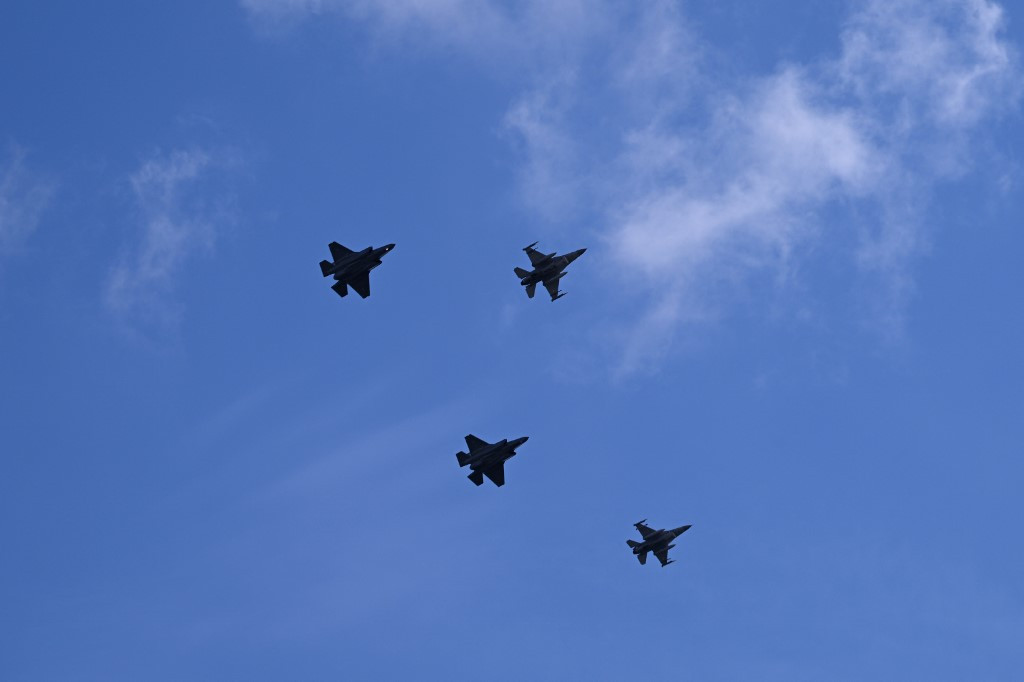
Polish F-16 fighter jets intercepted a Russian Il-20 reconnaissance aircraft over the Baltic Sea. The Russian plane was flying without a flight plan and with its transponder deactivated. The incident follows a previous incident where a Russian cruise missile entered Polish airspace.
-
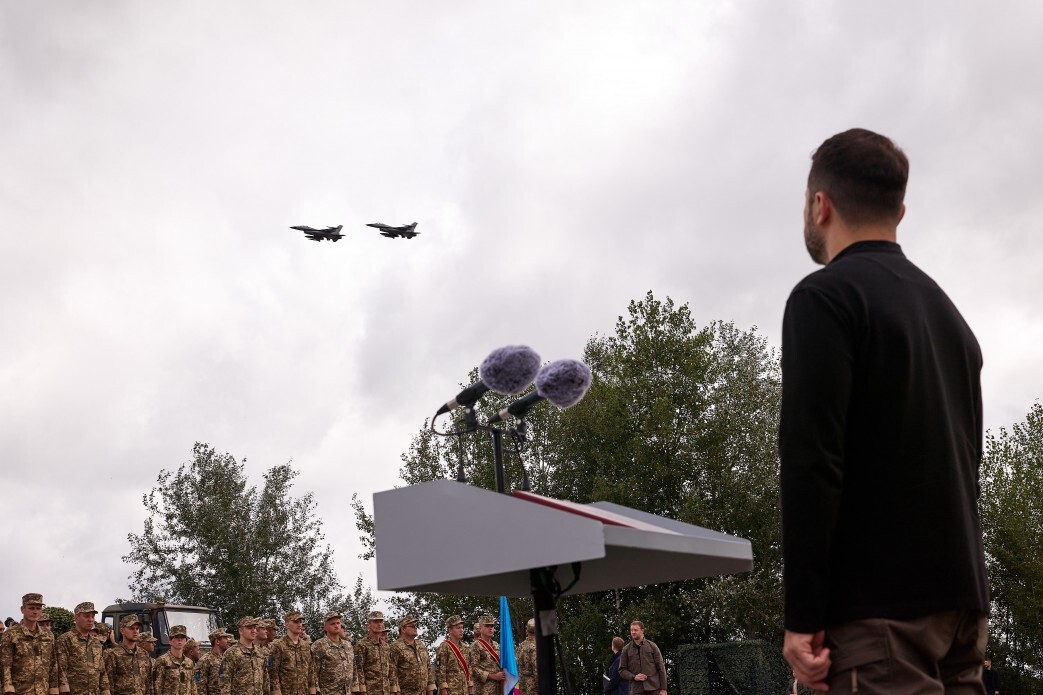
Ukrainian F-16s have intercepted and destroyed over 2,500 Russian one-way attack drones, but the repeated sorties are taking a toll on the fleet. The country's small fleet of F-16s is being worn out from the frequent interceptions. This highlights the challenges faced by Ukraine in defending against Russian drone attacks.
-
DARPA and the US Air Force have begun flight testing an F-16 controlled by an artificial intelligence agent, advancing autonomous combat capabilities. The tests aim to move autonomous combat technology onto a standard fighter platform.
-
Lockheed Martin and Sabena Engineering are expanding their partnership to provide sustainment support for F-16 operators in Europe and for Block 70/72 customers. This move aims to enhance regional support for these aircraft. The partnership is expected to improve maintenance and upkeep for European F-16 fleets.
-
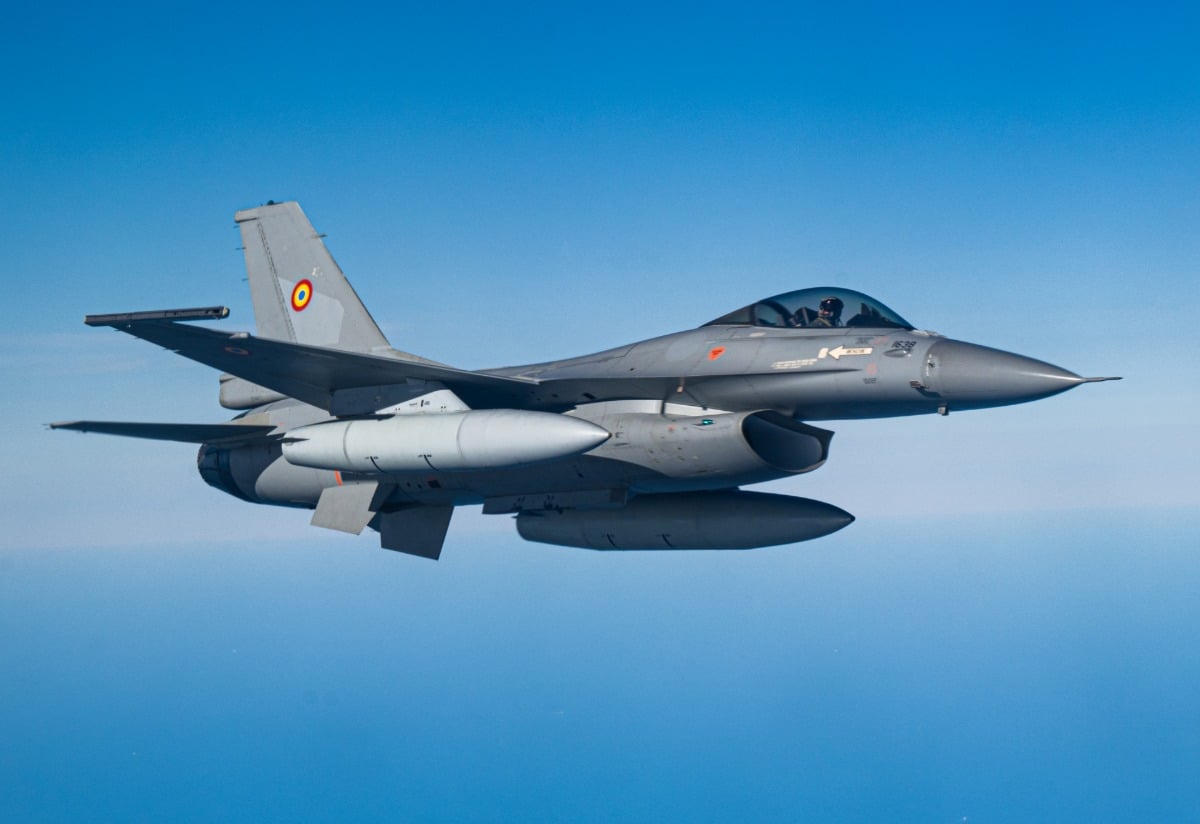
Romania has shot down several drones in its airspace, with the majority being suspected Russian drones. The drones were intercepted by Romanian F-16 fighter jets, marking a significant escalation in the country's response to airspace incursions. The incidents have raised concerns over the impact of the Russia-Ukraine war on NATO states.
-
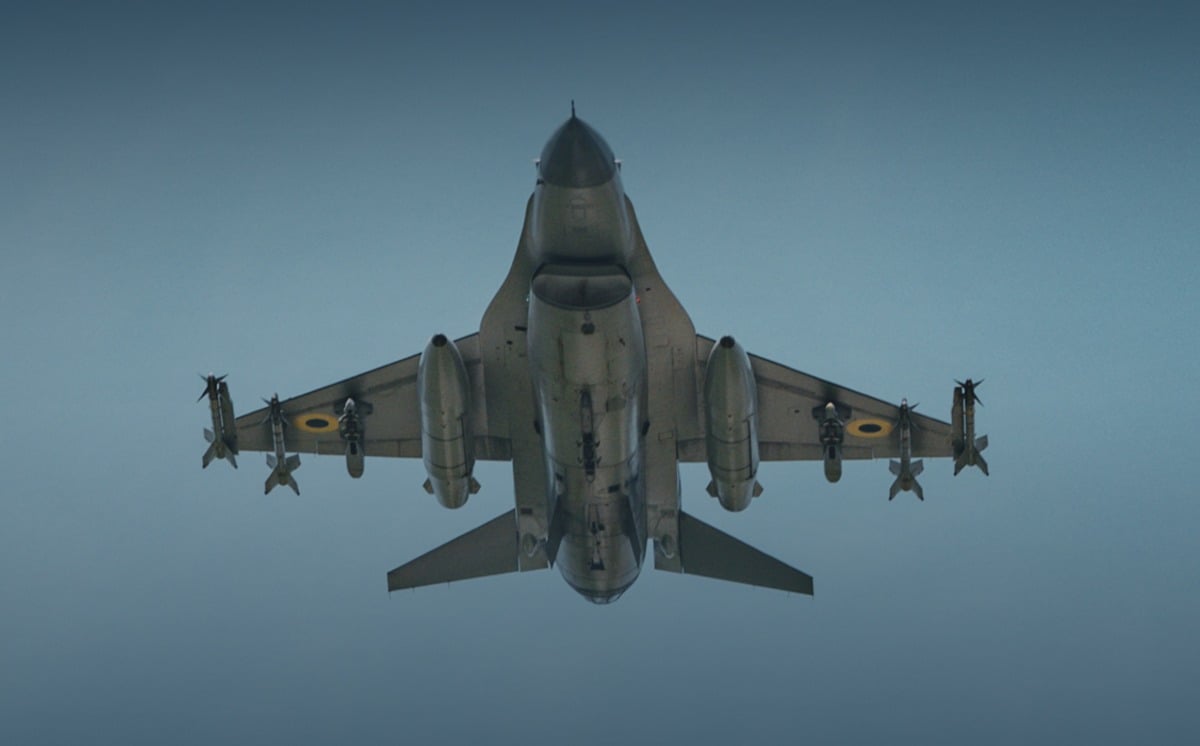
A Ukrainian F-16 pilot shot down a Russian warplane in air-to-air combat, a historic first for an American-made fighter jet in this war. The achievement was confirmed by General Dan Caine, Chairman of the Joint Chiefs of Staff. This incident marks a significant milestone in the conflict.
-
The VENOM Autonomy Kit allows F-16 pilots to transfer control of the aircraft to artificial intelligence. This technology enables human operators to switch to AI control at the flip of a switch, enhancing the aircraft's capabilities. The kit is a significant development in the field of autonomous systems for military aircraft.
-
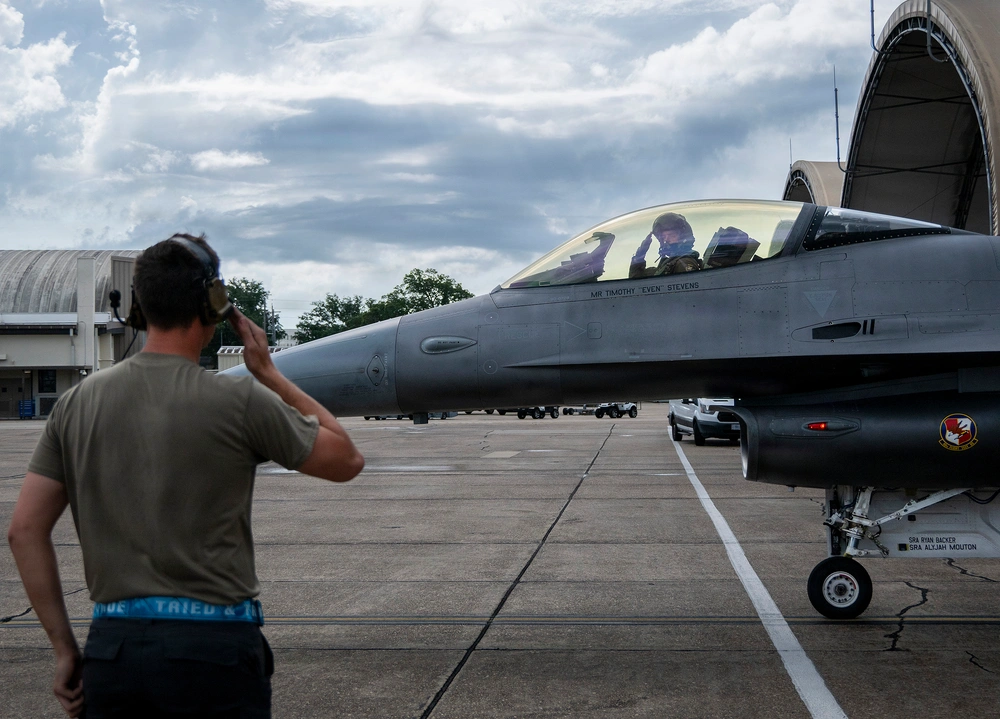
The US Air Force has begun piloted flights and autonomy tests for modified F-16s, which are equipped with artificial intelligence agents that can fly the aircraft. This technology allows for increased autonomy in flight operations. The tests mark a significant step in the development of AI-powered military aircraft.
-
F-16 fighter jets intercepted multiple planes that entered restricted airspace over New Jersey. The incident occurred on Sunday over Bedminster and East Rutherford.
-
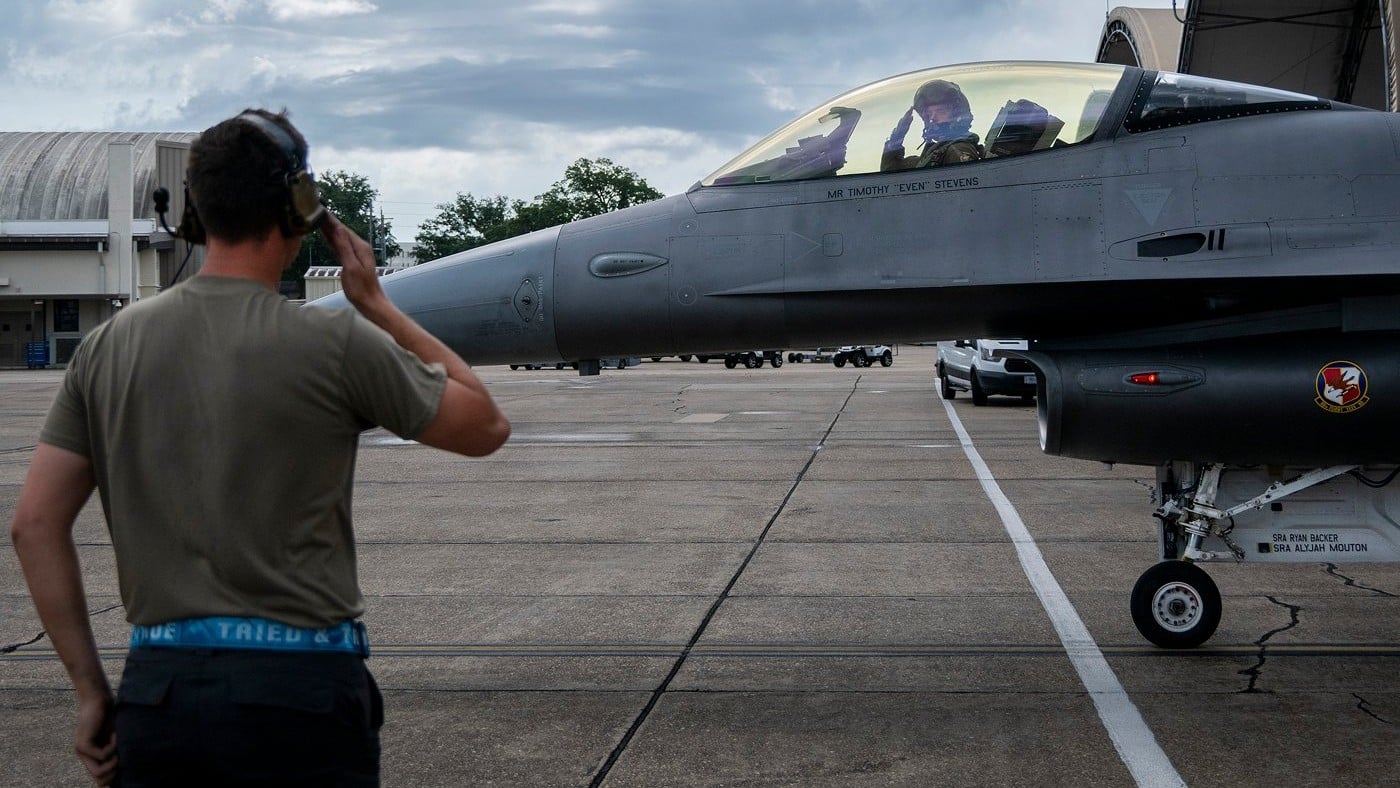
DARPA and the US Air Force are conducting in-air tests of F-16s modified with the VENOM Autonomy Kit, enabling AI capabilities. The tests are part of DARPA's Artificial Intelligence Reinforcements program. The VENOM kit allows for human-on-the-loop testing, marking a significant step in autonomous flight technology.
-
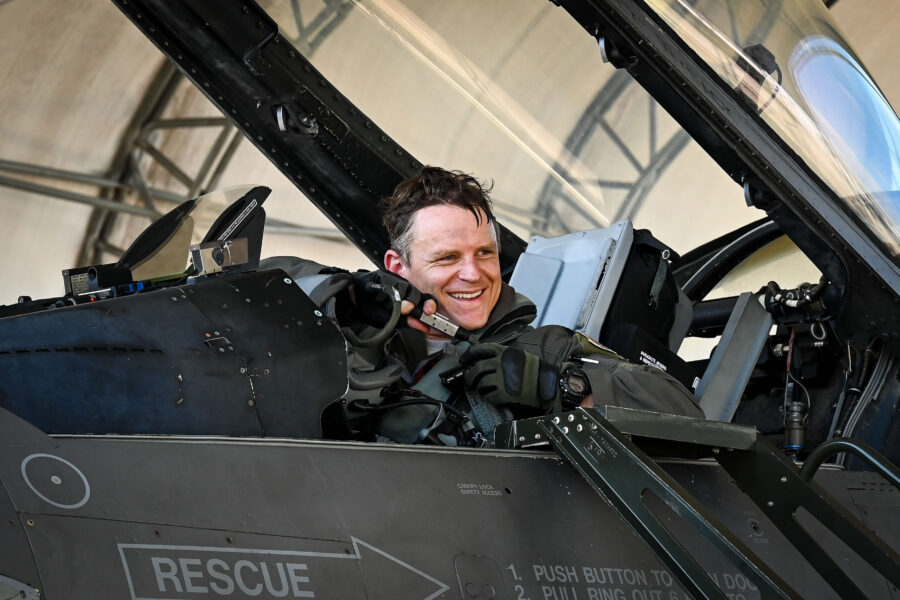
Northrop Grumman is testing upgrades to the F-16's electronic warfare and targeting capabilities. The Army is also developing a common missile launcher that can fire various types of missiles.
-
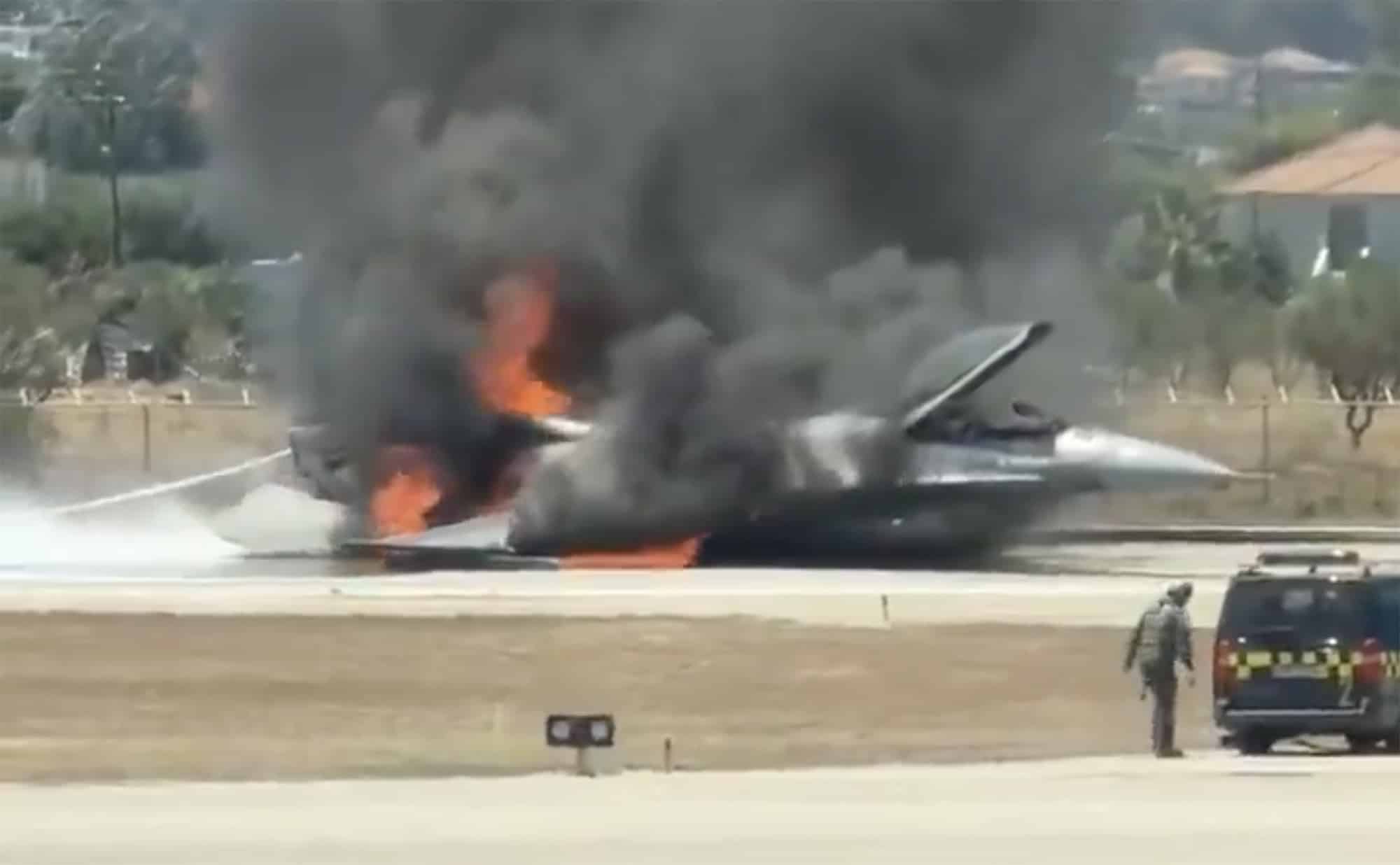
A Greek F-16 crash landed at Zakynthos Airport due to an emergency gear-up landing, but the pilot is safe. The incident involved a F-16C Fighting Falcon, one of over 100 operated by the Hellenic Air Force.
-
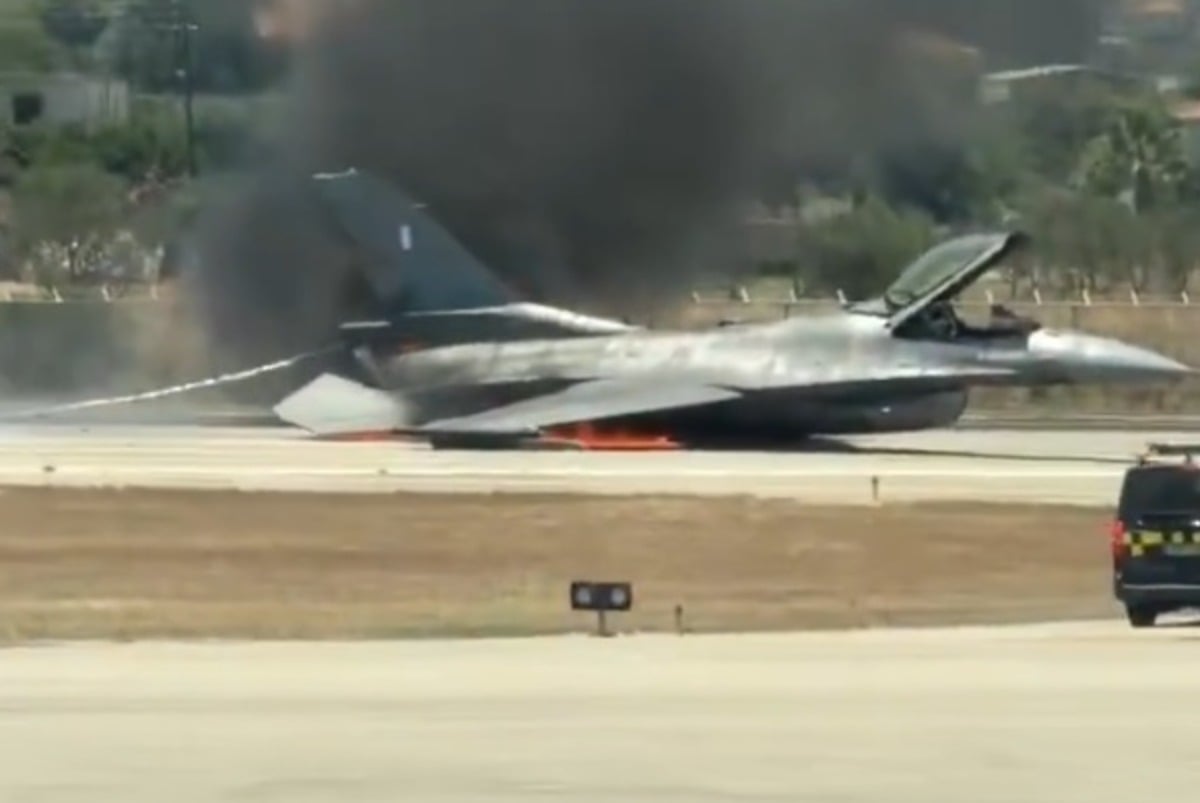
A Greek Air Force F-16 fighter jet made an emergency belly landing at Zakynthos airport due to a technical malfunction. The pilot is safe, but the jet caught fire after landing. The incident occurred during a routine training flight when the jet's wheels failed to extend.