CCA
5 recent stories · Following ↗
-
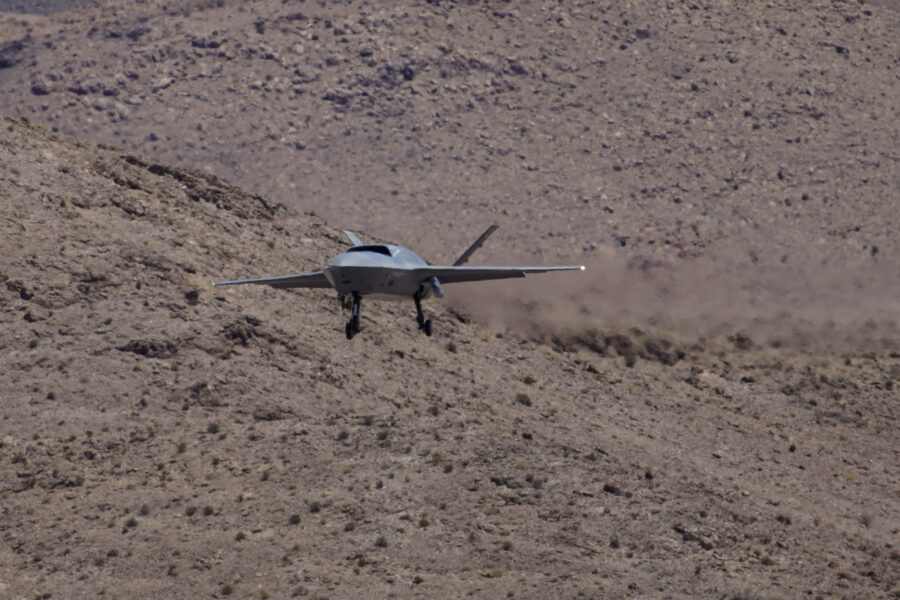
The Air Force's Collaborative Combat Aircraft (CCAs) will have a flexible design, allowing them to be used for multiple missions or sacrificed if necessary. A top official described this approach as 'optionally attritable', indicating a middle ground between durability and expendability.
-
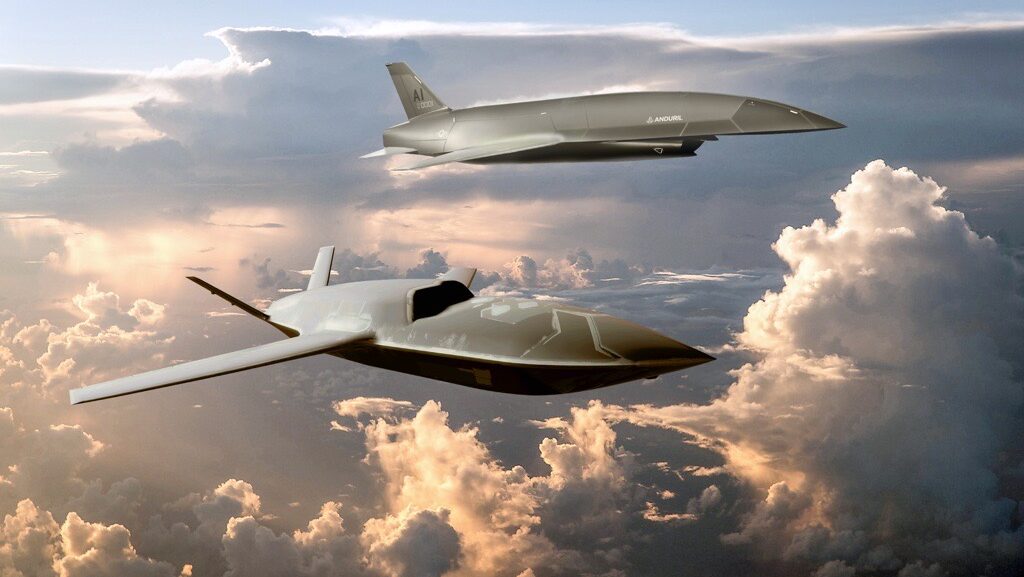
The Air Force plans to downselect for the second batch of its Combat Control Team's (CCT) Close Combat Aviation (CCA) effort next year. A separate competition to replace the MQ-9A Reaper is expected to start a concept refinement stage early in the next fiscal year.
-

The US Air Force conducted an Agile Combat Employment exercise with Collaborative Combat Aircraft at Creech Air Force Base in Nevada. The exercise tested the uncrewed aircraft in realistic operational environments. The goal is to move the CCAs closer to operational use.
-

Leonardo UK's CEO, Clive Higgins, expressed interest in a potential CCA role, leveraging the company's experience in sensors and electronic warfare. The firm may also pitch drones developed with a Turkish partner. Funding concerns remain a challenge.
-
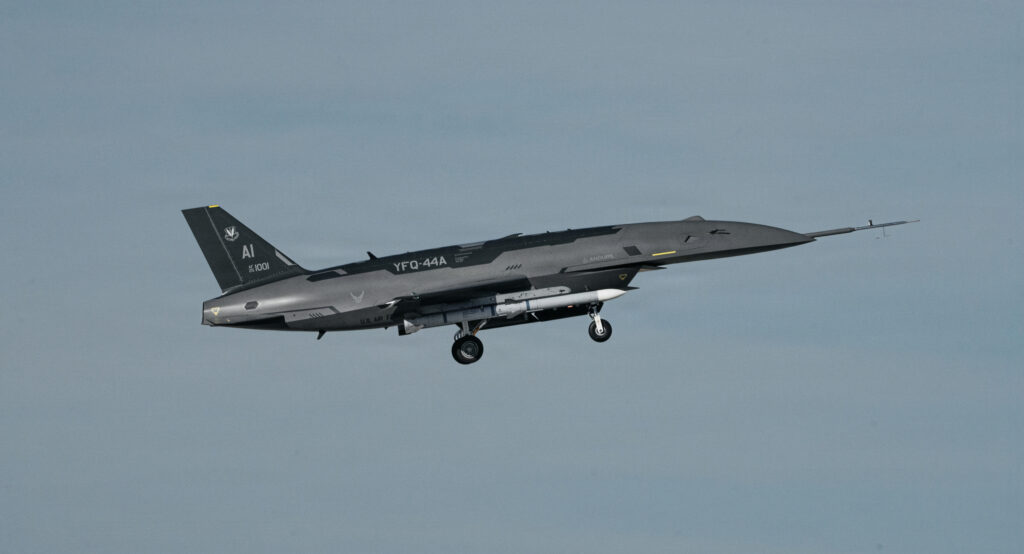
The US Air Force has successfully fired a live shot from a semi-autonomous loyal wingman drone, marking a significant milestone in the development of Collaborative Combat Aircraft (CCA) technology. The test demonstrated the drone's ability to track and engage a target. This achievement showcases the potential of autonomous systems in enhancing air combat capabilities.